
We often open conversations about systems, performance, and design methods. But today, a different kind of opening.
Before we dive in:
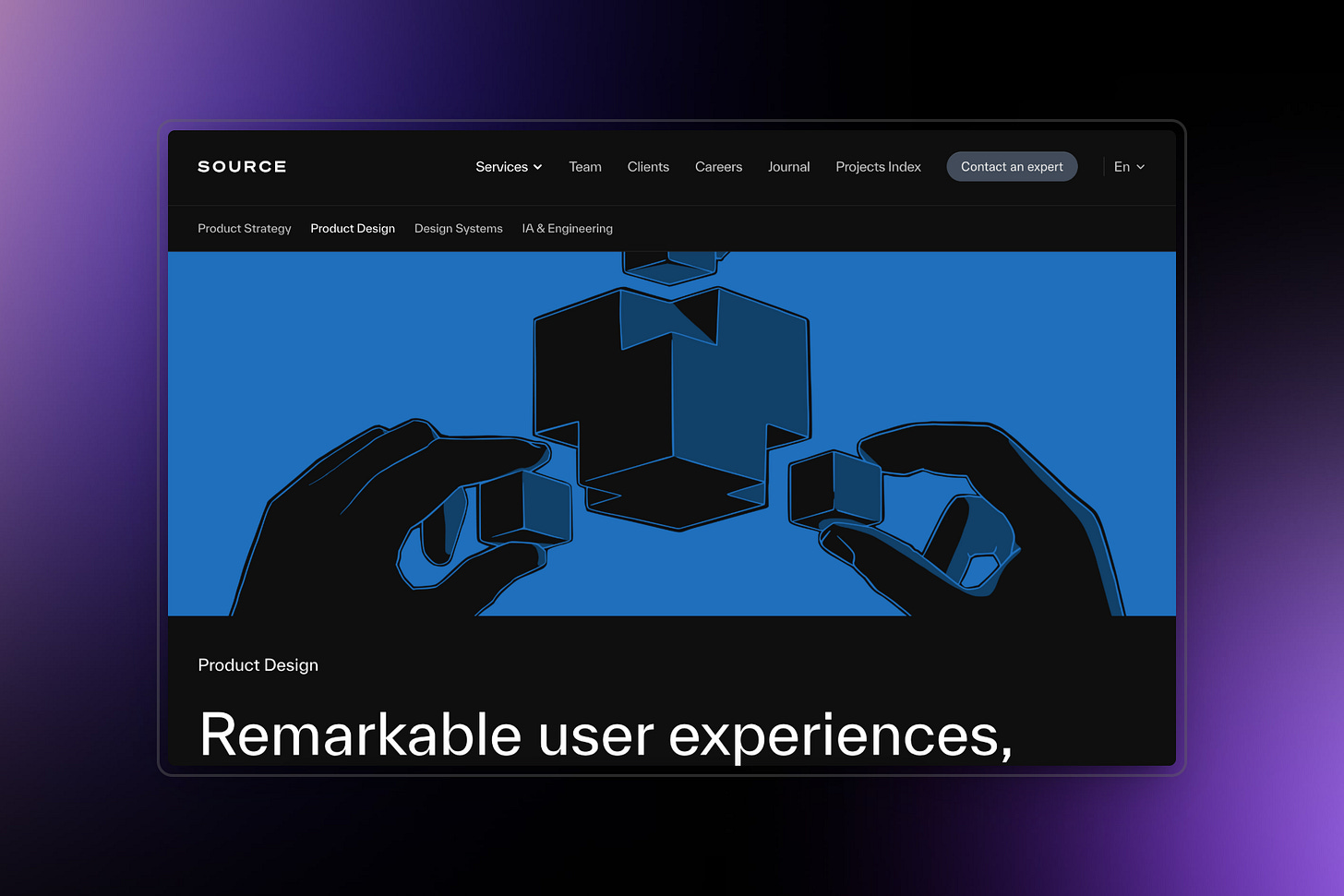
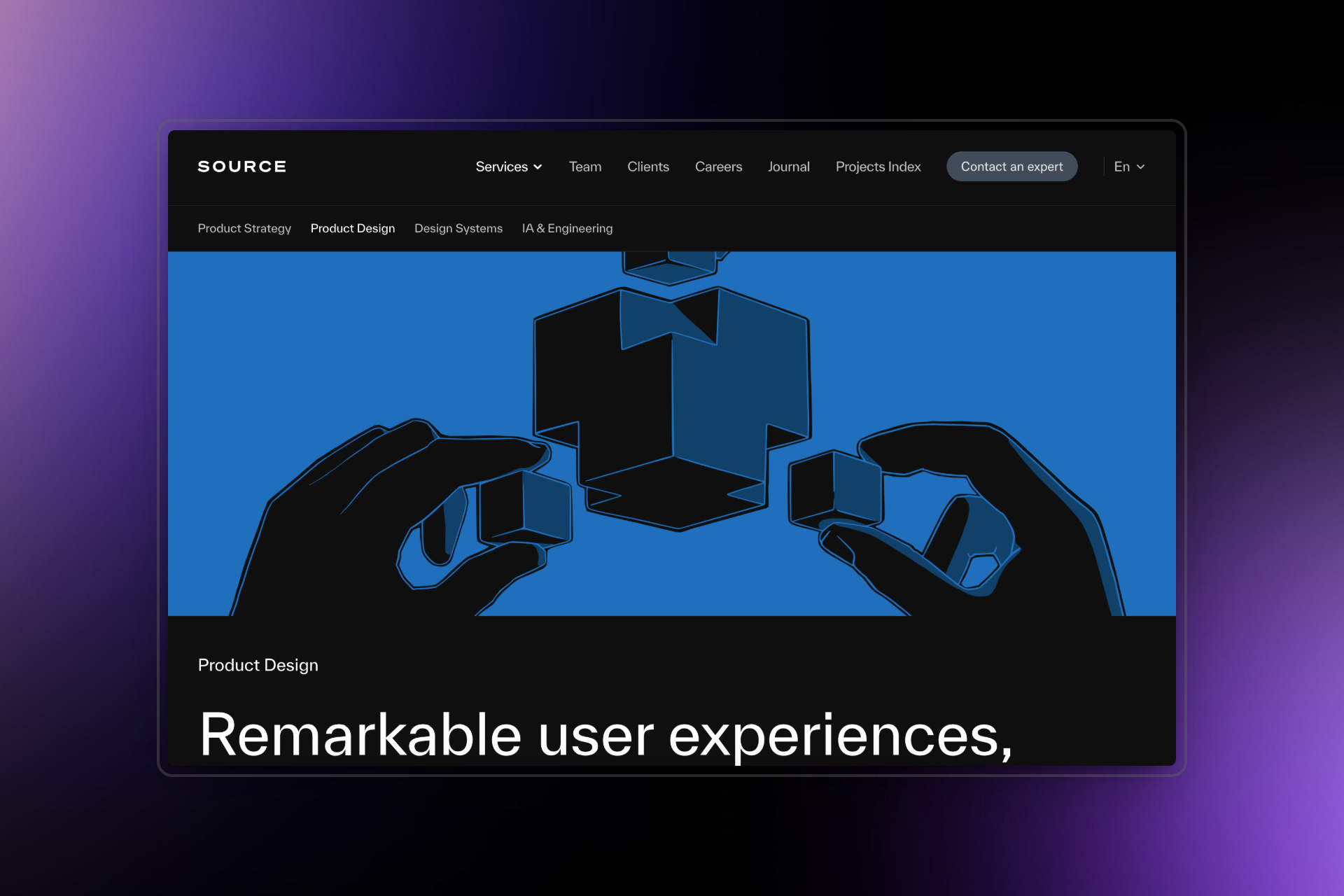
We’ve just refreshed our website: source.paris
We’re hiring: Senior Product Designer and AI Design Engineer
New reads on the Journal:
Now, back to the human side of things.
In this new piece, Lisa, Senior Product Designer at Source.paris, shares her personal take on creativity — beyond processes and professional constraints. (🇫🇷 This article is also available in French on our website.)
You’ve likely seen her work already: her illustrations light up on our new website and our ten years mini-site.
Enjoy the read!
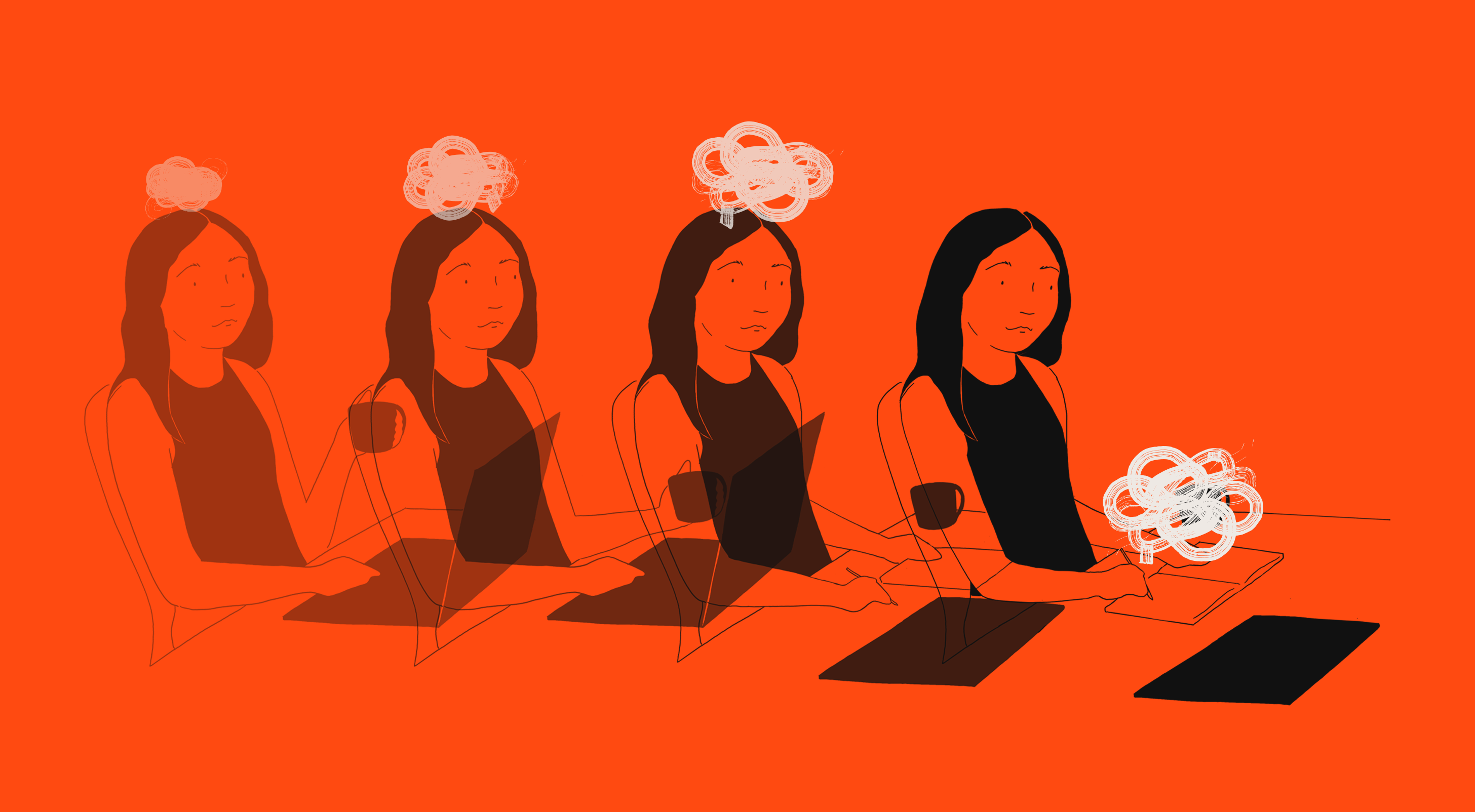
I truly believe that everyone is creative. Artists, designers, film-makers and other creative professionals may have cornered the market on selling creativity, but the reality is that creativity is universal. And when it is not given an outlet, I find that a kind of internal frustration starts to build. Being creative, purely for yourself, is in my opinion essential.
I came to this realisation after spending a few years working as a designer without doing any personal creative work. For me, that outlet is illustration. When I started drawing again, I began observing my process more intentionally. Now, I would like to share what I have noticed, in the hope that it encourages others to start, or continue with, their own creative practice, simply for the joy of it.
As I started to draw again, it was entirely freeform. But over time, I saw it aligned loosely with the "double diamond" design framework. The stages of opening up (divergence) and narrowing down (convergence) are still there. However what rarely gets discussed is the role of inspiration throughout this process, and even more importantly, what happens outside of it. Exposure to new people, places, tools, and ideas changes the process and the outcome. Those external experiences are fuel for creativity.
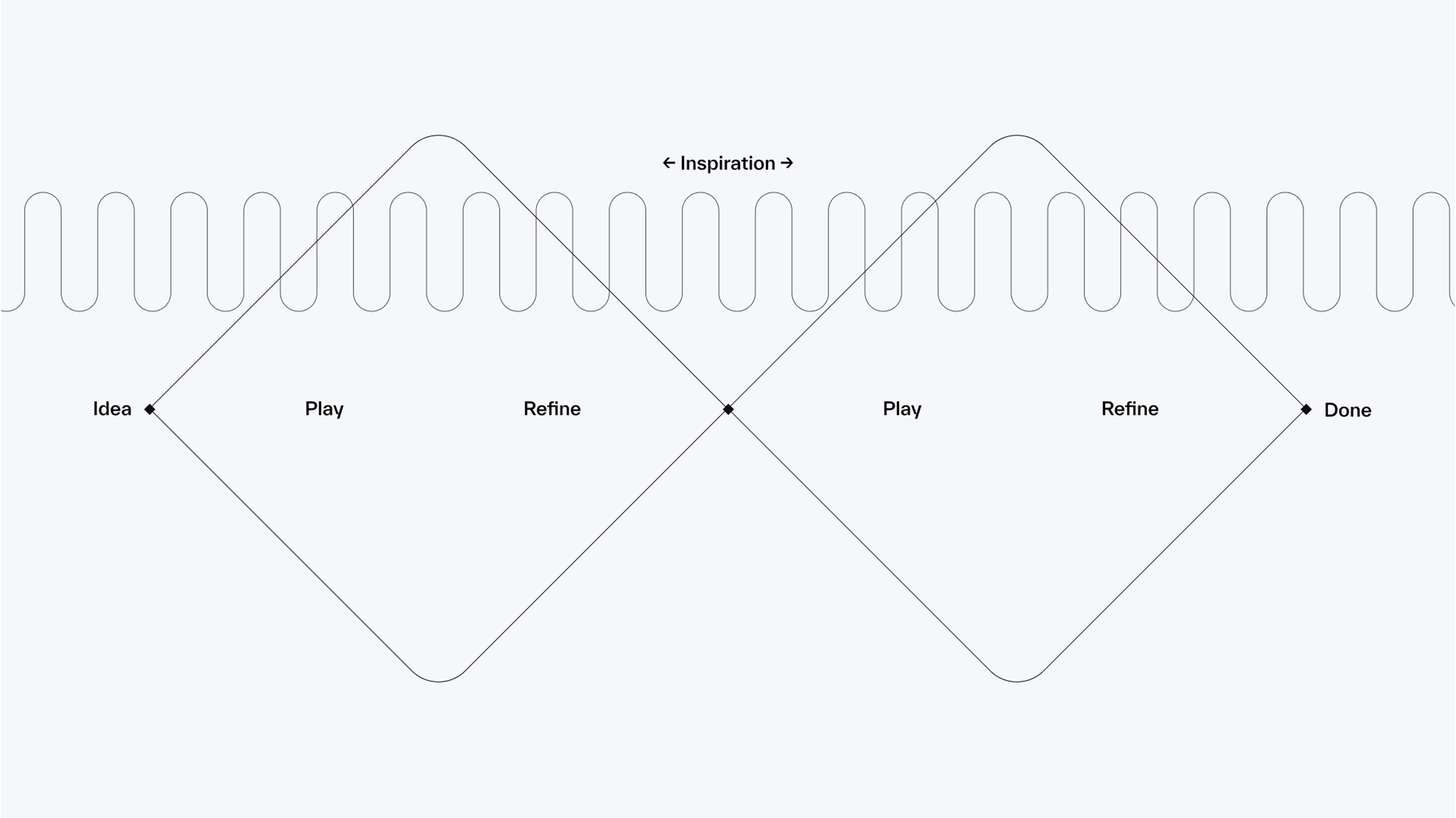
Something else often overlooked in the double diamond model is, perhaps controversially, the necessity of breaks.
When I start an illustration, it usually begins in one of three ways:
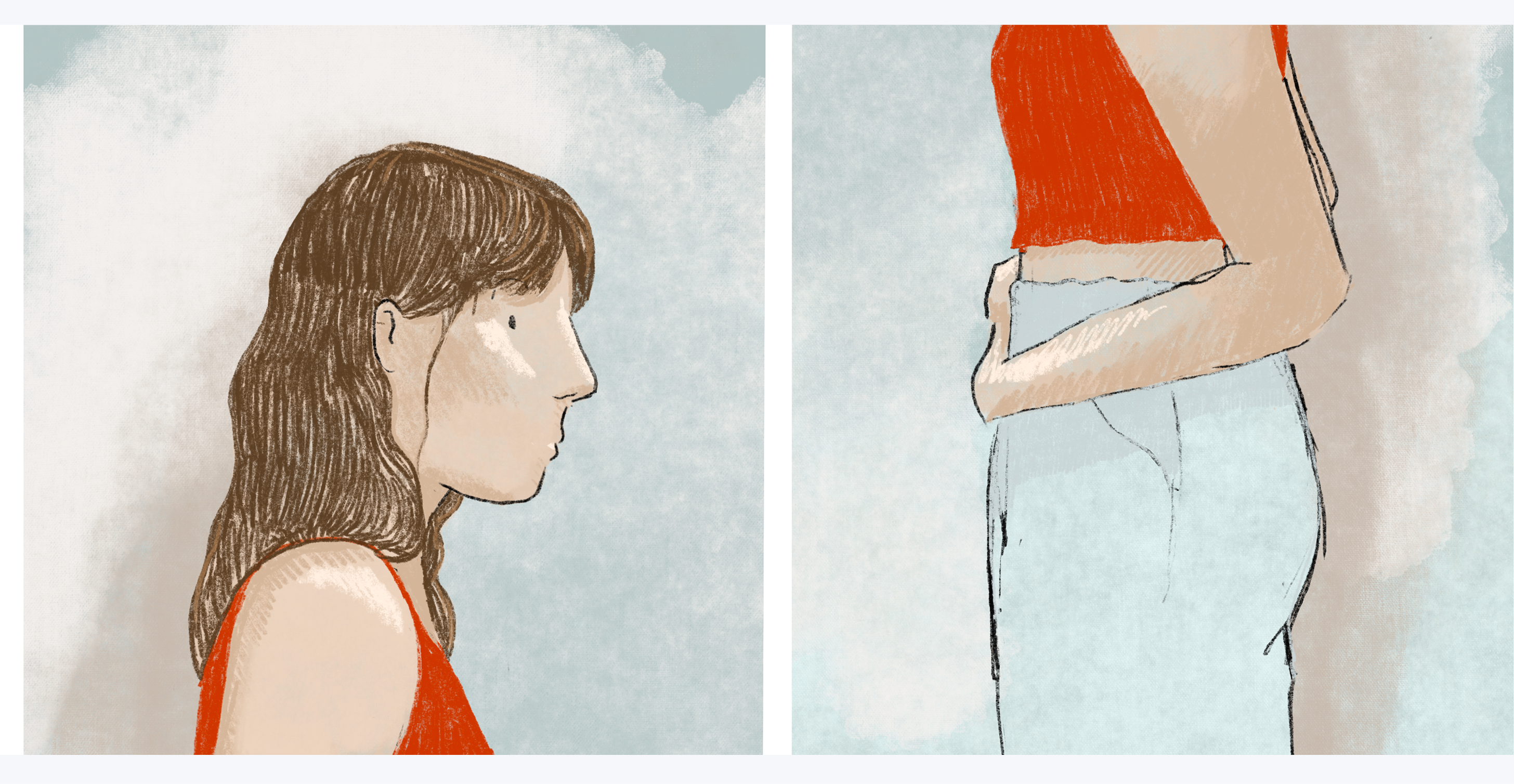
No idea at all: I open my iPad and just start drawing to see what happens.
Sometimes something good emerges; sometimes I produce nothing at all. I think
of these as a “nonsense” illustrations, with little initial meaning and no pressure.
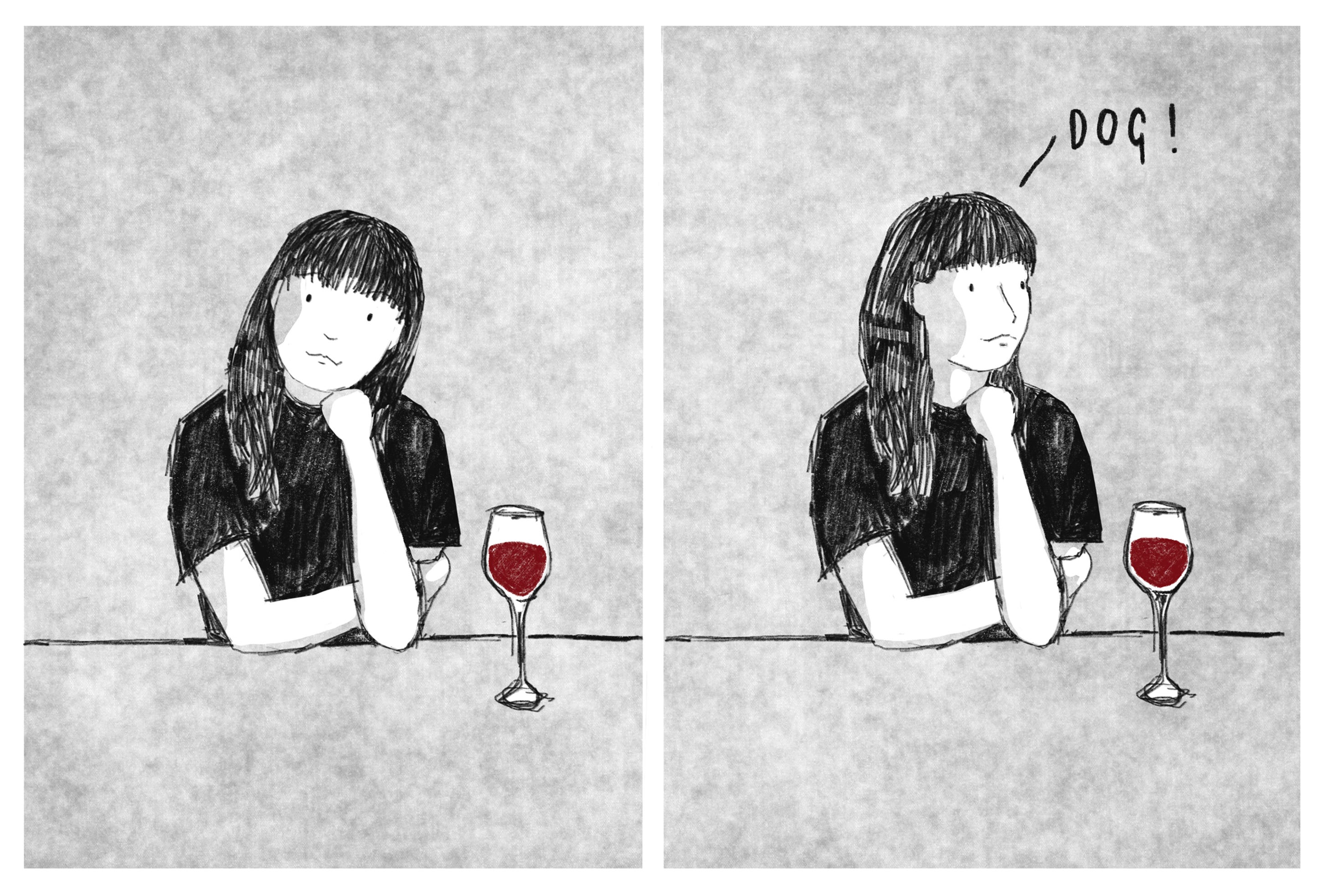
A spark from real life: Something I feel could be interesting or fun captured as an illustration.
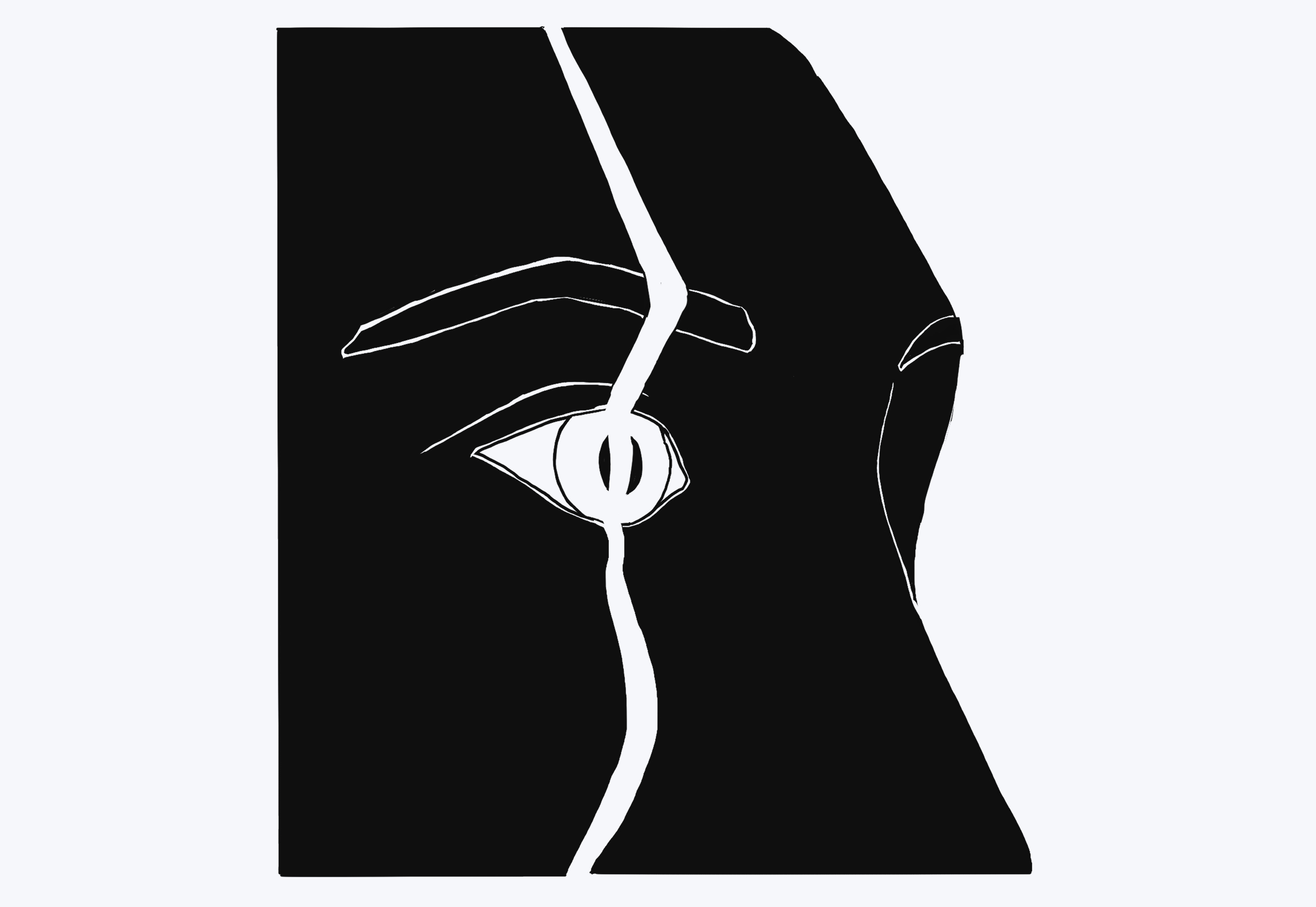
Structured concepting: This came later for me, influenced by design thinking. It starts with analysing a brief, pulling out metaphors, brainstorming solo and in teams, then sketching ideas like you would product wireframes.
This mix of structured and unstructured creativity creates a healthy tension. The “nonsense” sketches and the conceptual work feed into each other over time, resulting in illustrations that combine a sense of play with more considered, detailed execution or ideas.
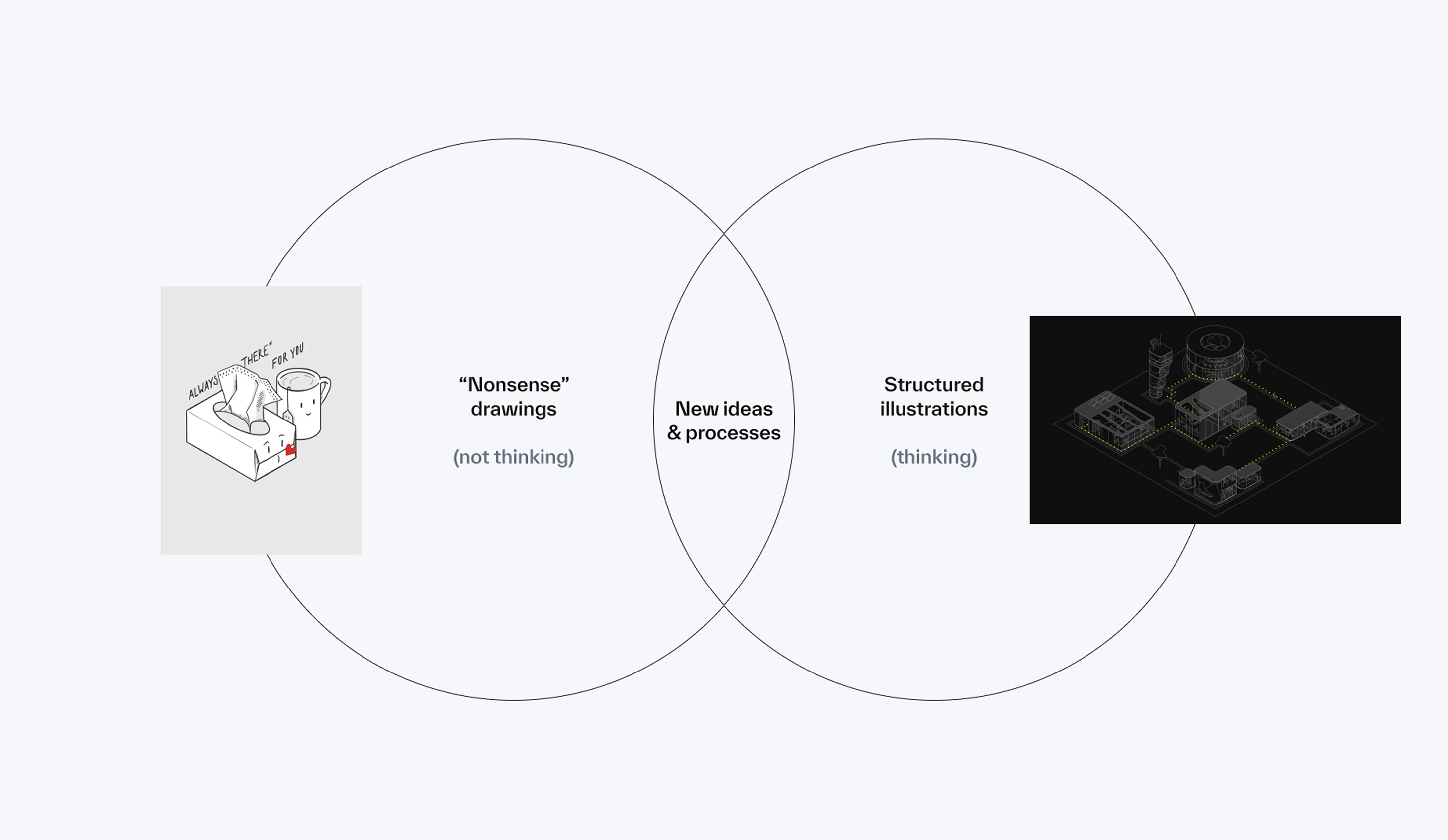
Play is essential. Creativity can’t thrive under stress or pressure. When your mind is tense, it narrows; play opens it up.
My creative play space is Procreate on the iPad. It’s full of half-finished sketches I’ve never shared. They're not deep or meaningful, they’re just for me. That space to experiment without judgment is vital. As Julia Cameron says in The Artist’s Way:
“It’s impossible to get better and look good at the same time.”
And she's right. Growth needs privacy.
That said, it’s a balance, sometimes sharing work can be motivating, but it has to be on your terms. I once got feedback from a friend, a talented illustrator, who said my drawings were “a bit flat”. At the time, I was simply enjoying the act of drawing, so the comment was demotivating, but also unfortunately true. It was good feedback, just delivered at the wrong moment. Eventually, I learned to filter feedback: seek it when I’m ready and have my own time to experiment and play.
Picasso said that:
“Good artists copy, great artists steal”
Though, ironically, he stole it from someone else. Meaning: A good artist will see another artists style and then try and copy that style as closely as they can. A great artist will select elements from another artists work and incorporate it into their own unique mix of influences.
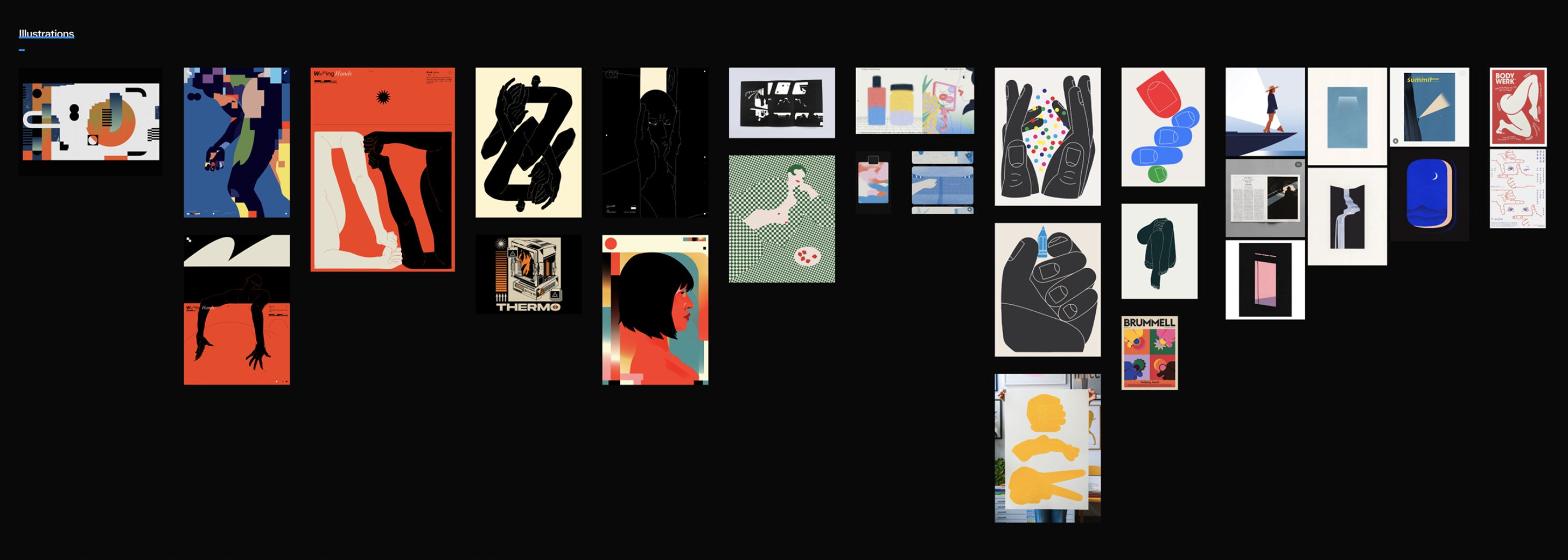
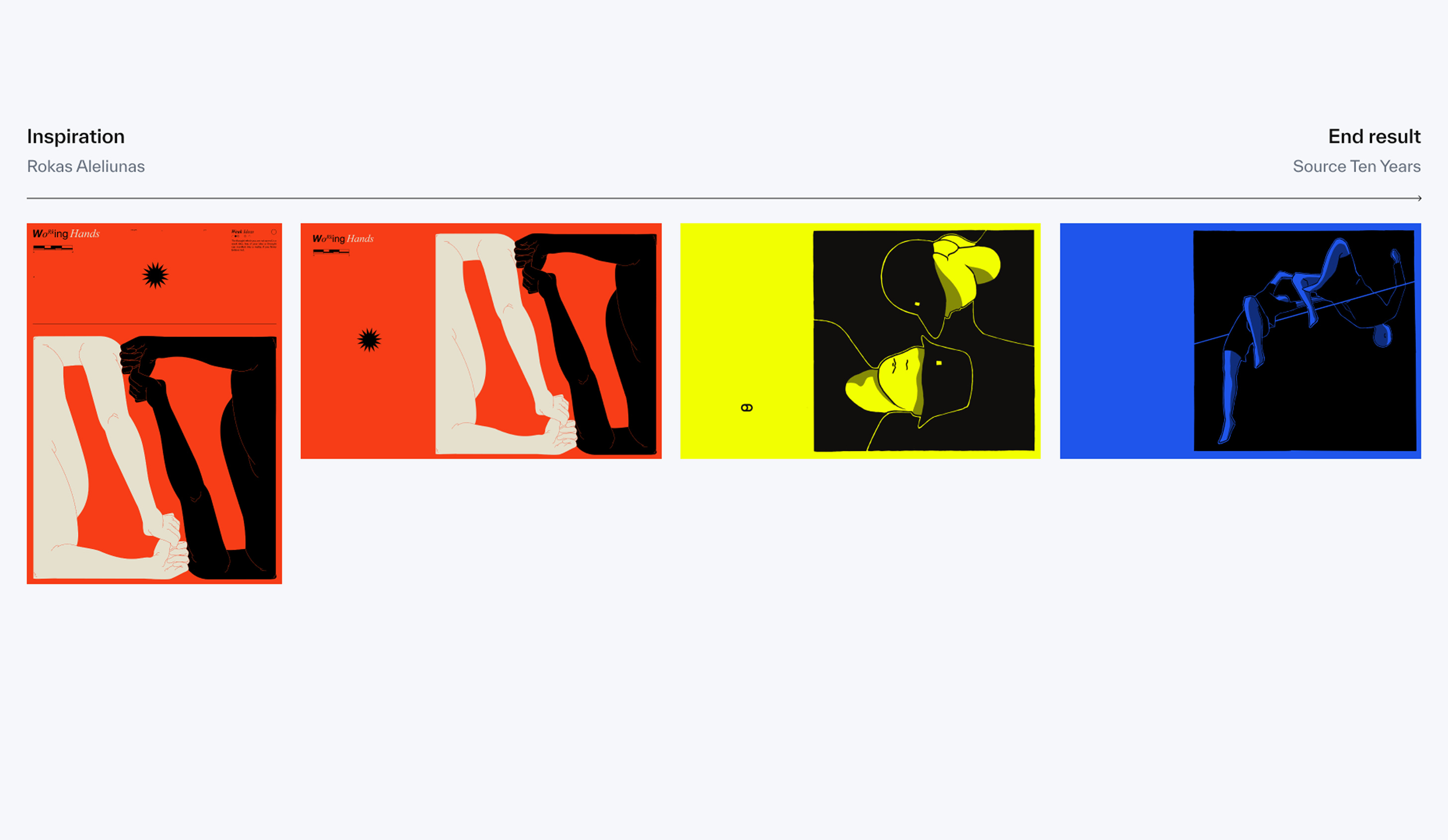
The point is: when you steal creatively, you're not replicating. You’re remixing. You borrow techniques, ideas, styles and in doing so, you make something distinctly your own. For example, the mood board for our Ten Years of Source was a mix of my favourite illustrators and the team’s inspirations.
I adapted one artist’s symmetry and use of dark backgrounds with my own developed style. You can trace that influence through to the final work.
Remember:
It is difficult to build new perspectives without new influences (art movements and design trends have always worked this way).
Ultimately, it never comes out looking the same. Your own style comes through
You learn from stolen techniques and your illustration evolve into something new over time.
“Judging your early artistic efforts is artist abuse.”
— Julia Cameron
These are three simple tools I always use to refine my work:
Take a break and come back. Distance offers clarity.
Flip the image. Mirroring helps you spot symmetry issues immediately. If your medium isn’t visual, find new perspectives your view your work. It about seeing things differently
Upload it to a different device. Uploading a drawing to a different device (iPad, phone, desktop etc.) can reveal subtle issues.
Get external perspectives and talk to experts. I often get feedback from colleagues, family and friends. At the right moment, fresh eyes can be transformative.
Then there’s what I call the shower effect: “Rather than constantly grinding away at a problem or desperately seeking a flash of inspiration, research from the last 15 years suggests that people may be more likely to have creative breakthroughs or epiphanies when they’re doing a habitual task that doesn’t require much thought—an activity in which you’re basically on autopilot. This lets your mind wander or engage in spontaneous cognition or “stream of consciousness” thinking, which experts believe helps retrieve unusual memories and generate new ideas.” — National Geographic, The science of why you have great ideas in the shower, by Stacey Colino.
In other words, when you step away and do something mundane, washing the dishes, going for a walk, having a shower, your subconscious starts to work through creative problems. It’s surprising how often that moment of clarity arrives precisely when you’re not consciously thinking about it. I experience this all the time, and was delighted to discover there’s research that supports the theory.
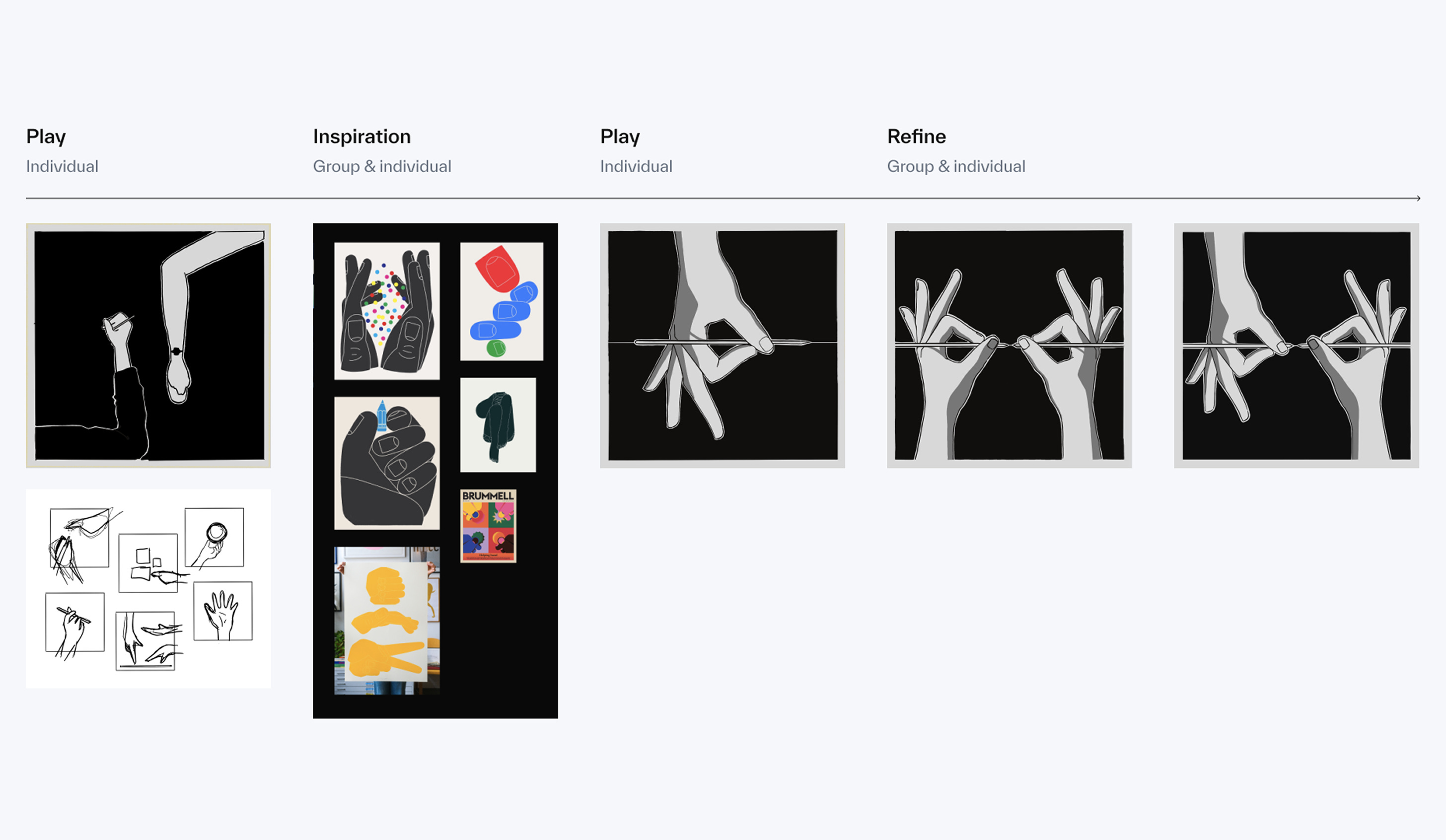
So, my creative process can be loosely mapped as: Idea → Play → Inspiration → Refine, as described above. But in truth, it’s far from linear. These stages loop, blur and overlap in unpredictable ways, sometimes starting with inspiration, other times with nonsense sketches or a structured concept. And for someone else, the sequence might look entirely different.
Creativity isn’t a fixed formula; it’s a living, breathing cycle that evolves with you. The moments of playful experimentation feed the refined work. New ideas spark from unexpected sources. Breaks, feedback and subconscious problem-solving all play their part.
What I’ve shared here is just one personal journey. I find joy in speaking with others about creativity, learning how they approach their own practice, and tapping into the psychology behind it. That curiosity continues to shape and reshape how I create.
It’s impossible to write about creativity today without acknowledging the role of AI. Here’s how I currently think about it: drawing was once the only way to capture an image, until photography came along. Yet we still draw. In fact, we often use photographs to support drawing, as references or as part of mixed media. I see AI in a similar light, it’s a tool that can support the creative process. The key is knowing when and how to use it and when to rely on our uniquely human abilities.
The human brain will always think in strange, surprising ways and we’ll always have the urge to express that. AI doesn’t take away from the joy of drawing, making music, taking photos, or engaging in any creative act. It is for you and your own enjoyment.
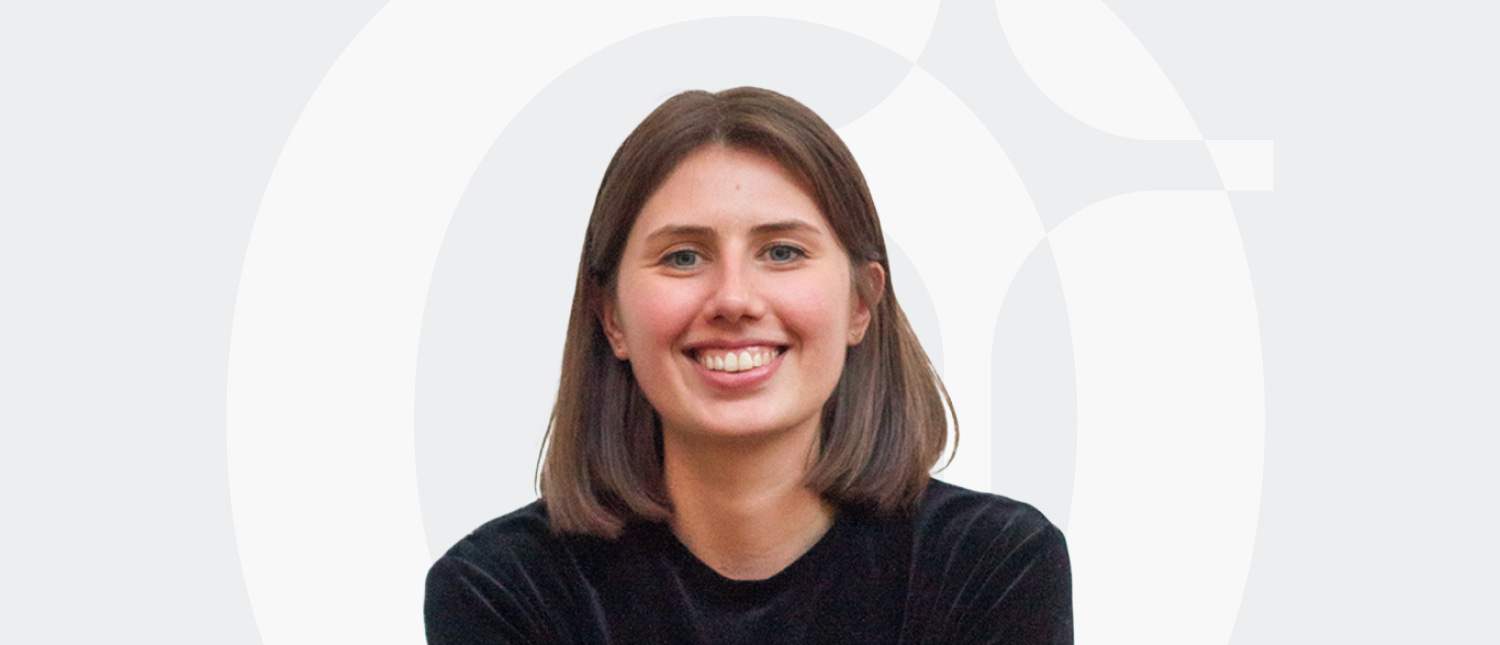
Lisa Williams
Senior Product Designer at Source.paris
With over 8 years of experience in London, Munich, and now in Paris, Lisa has built innovative experiences for corporates and startups, around healthcare, e-commerce, finance and energy.
Follow her illustration work on Instagram.
Open! is brought to you by Source.paris, a Bureau of Design & Technology specializing in driving value in complex environments.
Comments
Nothing yet. Say the first thing.
Sign in to join the conversation.