
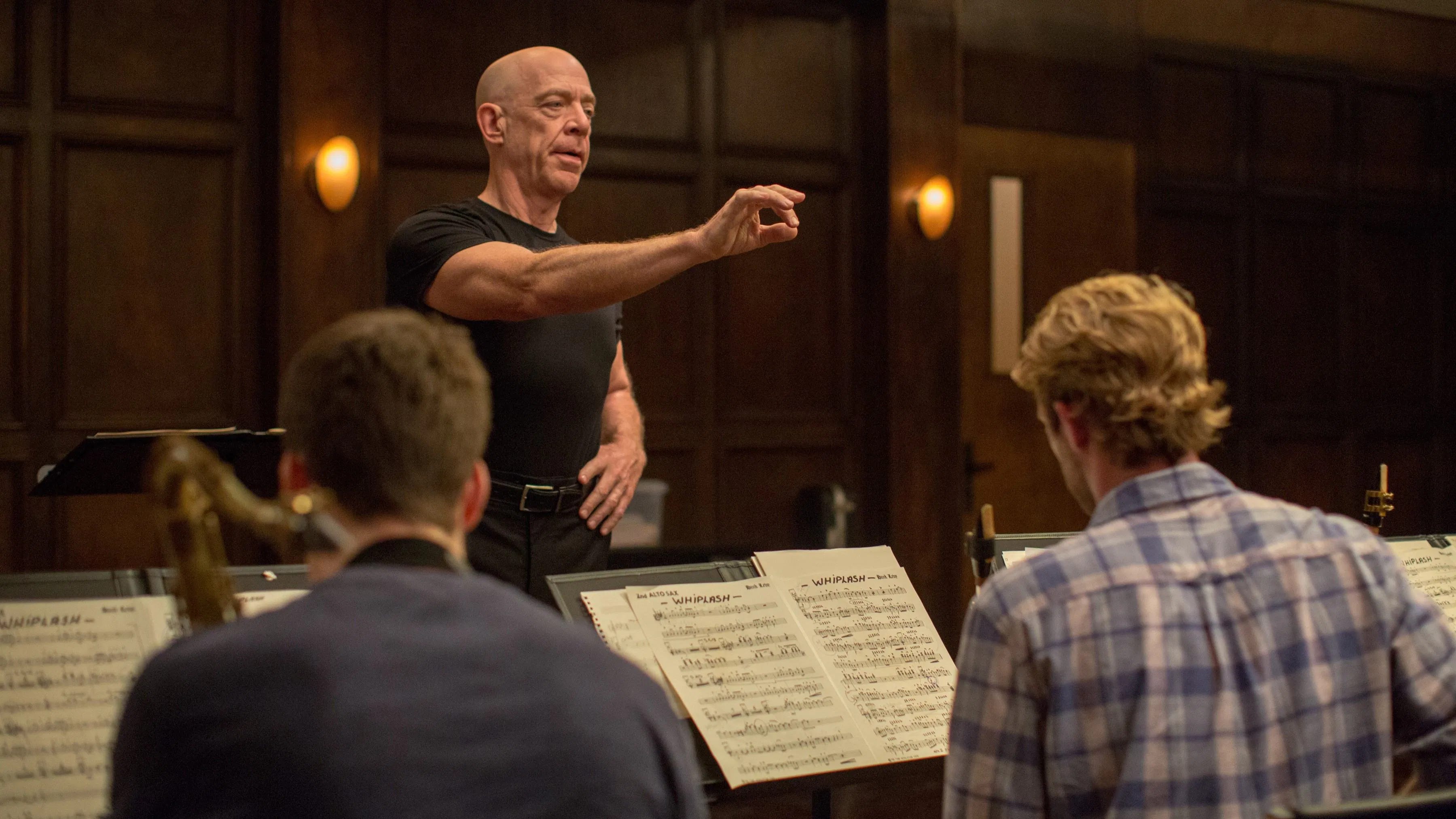
What’s the difference between a group of talented people and a team that delivers with impact? It’s often not about adding more talent, but about finding a better rhythm.
Before we dive into that, a few quick updates from our side:
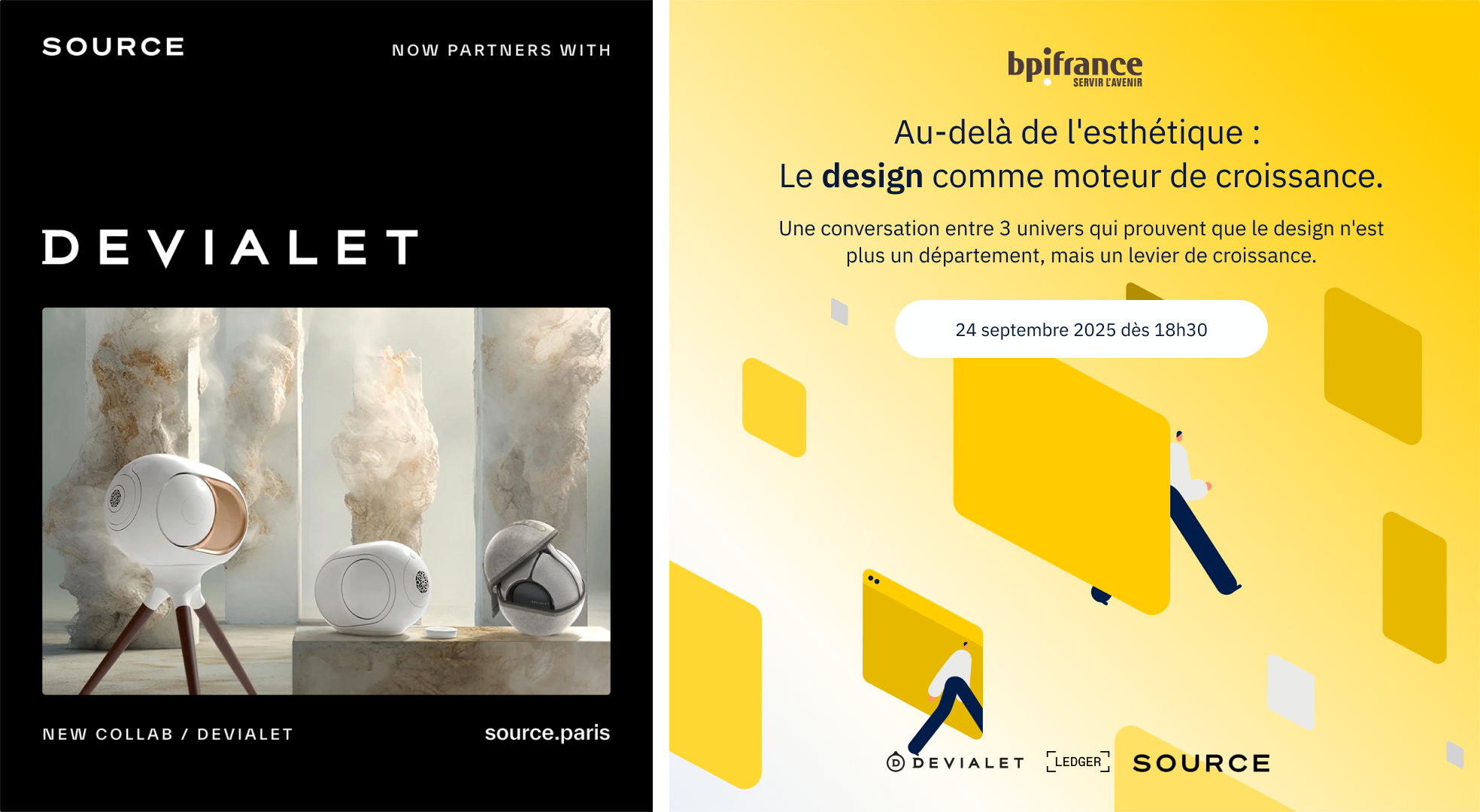
We’re excited to announce new clients on board: Bpifrance and Devialet.
Join our exclusive round table with Bpifrance, Devialet & Ledger on September 24 in Paris. Request your invitation!
Congratulations to Maxime Frere, our Principal Designer, who has been named Partner.
We’re still hiring Senior Product Designers to join our team in Paris.
This month, Mélanie, Project Director at Source.paris, opens up our playbook to answer that very question: Does Your Delivery Need an Orchestrator?
In this piece, she shares key lessons on the art of turning chaos into clarity, inspired by her work with clients in the luxury, entertainment and consumer electronics industries. Enjoy the read!
In a product team, you often find the best soloists: talented designers, brilliant developers, and visionary product managers. And yet, the music doesn't always come together. Roadmaps slip, frustration builds, and the final product doesn't reflect the sum of its incredible talents.
This chaos isn’t inevitable. It’s often the symptom of a missing conductor. My role as a Project Director is to step in as a co-pilot to orchestrate complexity and establish a rhythm where everyone can perform at their best.
From my experience, working with clients’ teams, I’ve drawn three essential lessons to turn a fragmented delivery process into a smooth, high-impact one.
The first instinct is to look past the obvious symptoms, like "we're behind schedule" or "the specs are unclear." The real issue is usually deeper: a lack of a shared operational language. When everyone is reading from a different sheet of music, you get noise, not a symphony.
For one of our clients, the challenge was to ensure seamless coordination between specialized teams. The existing structure sometimes led to fragmented collaboration and a product roadmap primarily influenced by technical priorities. As a result, the app experience struggled to match the quality of their physical products. The diagnosis wasn’t a lack of talent, but the absence of a single, reliable source of truth to align that talent.
What you can do: Before you start looking for a new tool or redoing your schedule, ask your team one question: "Where does information live in our organization? Is it accessible, unambiguous, and up-to-date for everyone at the same time?" The answer is your true starting point.
It’s a common mistake to think that a design agency’s job is to deliver screens. Our belief is that our most important deliverable isn't a wireframe, it's a healthy and efficient collaborative framework. Great interfaces are simply the consequence. Our clients don't come to us for wireframes, they come for answers.
For the same client, this meant we didn't start with visual design, but with tool structuration. We implemented clear rules in Figma to ensure design consistency and a rigorous use of Jira for tracking. Every piece of information had a home, making the entire workflow predictable and transparent. This clarity gave the development team the efficiency and peace of mind they needed, leading to a remarkable outcome: the six-month roadmap was met in full, with zero delay.
What you can do: Think of your tools and rituals not as administrative burdens, but as the "product" you offer your team to help them work better. A well-structured Design System , clear documentation, and short, effective sync rituals are what allow you to systemize without creating rigidity.
Transformation can't be dictated by an outsider. It must be embodied from within. This isn't a separate "project management" service we sell, it’s a core part of our co-pilot role, deployed when we see an organization needs support to structure its product delivery.
With several clients, our approach was to integrate ourselves as a dedicated design unit within their existing product organization. I worked alongside their teams daily to smooth processes, clarify trade-offs, and ensure the new framework was not just designed, but adopted. We work in pairs: no tunnel effect, no surprises. The ultimate goal is always autonomy and we aim to empower our clients to shine internally.
What you can do: When you bring in an external partner, make sure they are willing to truly embed themselves within your team rather than advising from the sidelines. The goal shouldn’t be to create dependency, but to catalyze lasting change.
In the end, an orchestrator greatest success is to become obsolete. It’s when the orchestra has so deeply internalized the rhythm and the vision that they can play the score in perfect harmony, almost without a baton. That is the moment a product can finally express its full potential.

Mélanie Rolion
Project Director at Source.paris
Drawing from her unique experience in engineering, branding, and audiovisual production, Mélanie builds the clear and efficient frameworks that empower our clients and their partners to deliver their best work on their most strategic projects.
Open! is brought to you by Source.paris, a Bureau of Design & Technology specializing in driving value in complex environments.
Comments
Nothing yet. Say the first thing.
Sign in to join the conversation.