
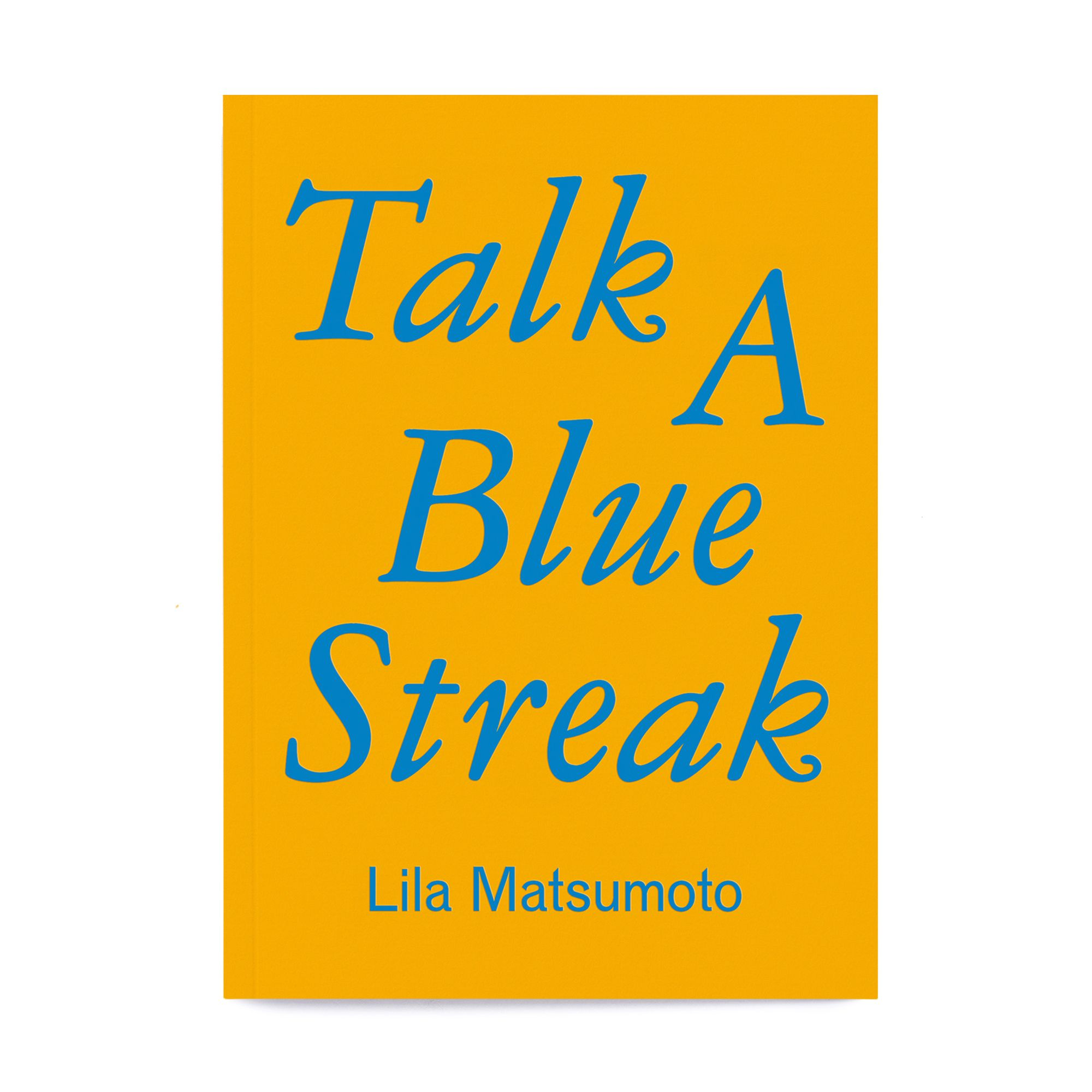
It’s been a while since I did a selection of seven poems from recent books I’ve been reading — the last was back in March:
And it’s been even longer since I did a post about the contemporary prose poem:
So this week’s Pinks combines the two.
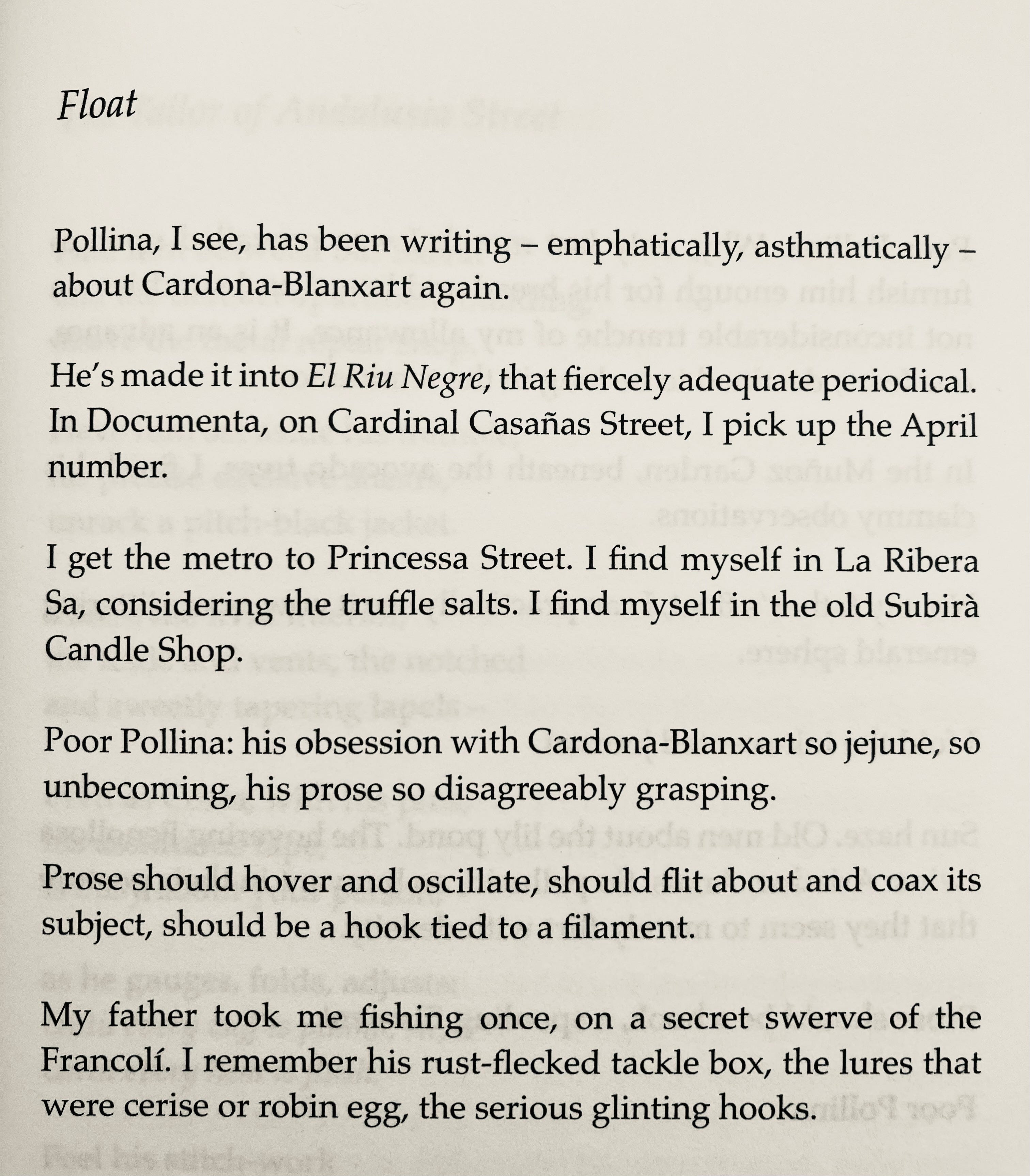
Billy Ramsell’s third collection Render (Banshee Press) presents the selected works of a fictional Catalan author called Alberto Cenas, who — like any self-respecting European poet — does an elegant line in the self-reflexive prose poem. Here are the opening sentences of “Float”, from a collection called The Practicalities of Springtime (1984):
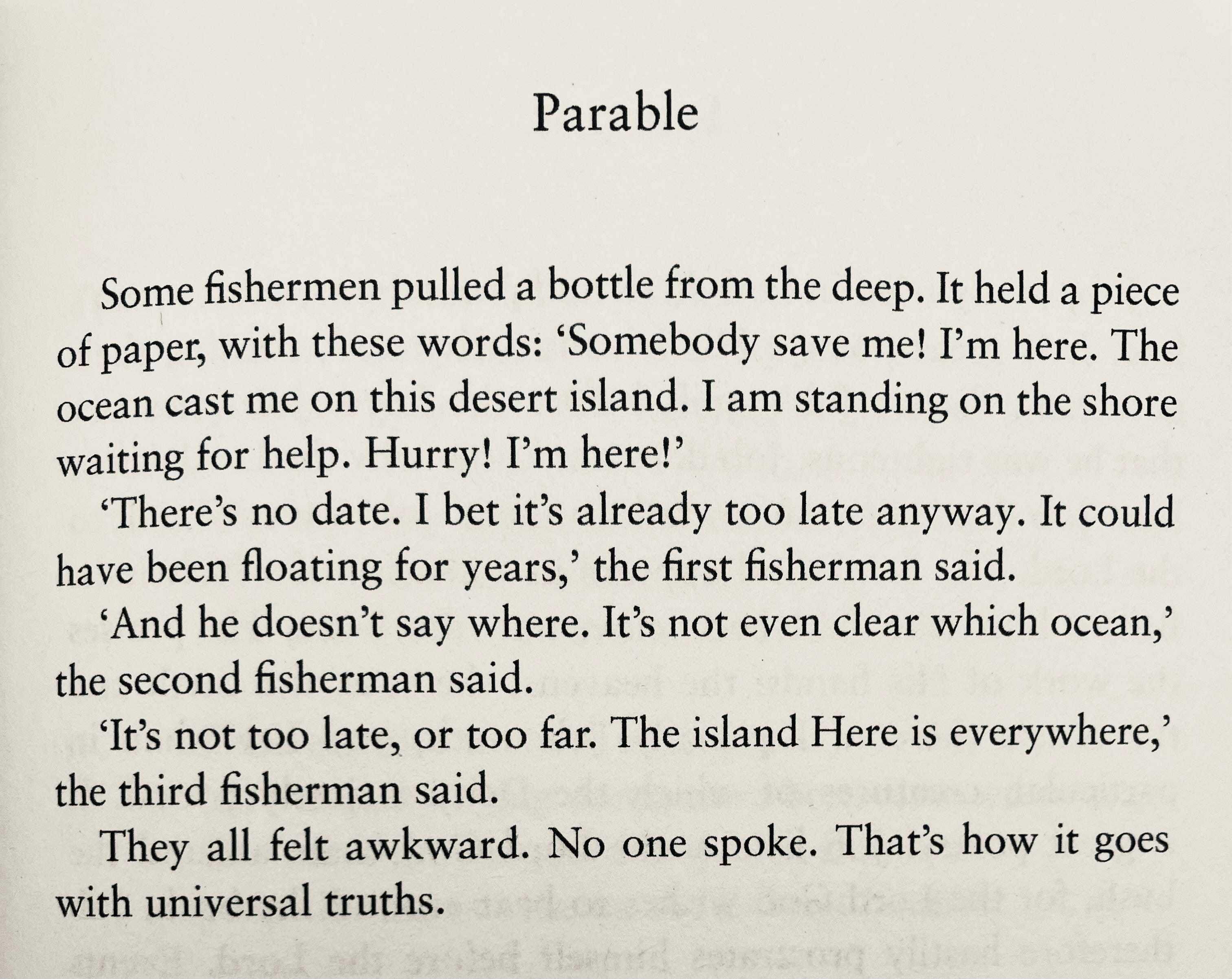
In the Nineties, when I first started to read poetry, the contemporary prose poem was mainly something British readers might glimpse in translations of the kind of riddling Eastern European poetry that the Cold War had made popular in the West. In 1996, the Polish poet Wisława Szymborska was awarded the Nobel Prize, and Faber published her poems in the UK. This new selection, The Acrobat (Faber), translated by Stanisław Barańczak and Clare Cavanagh, includes her Nobel acceptance speech, which argues that “Poets, if they’re genuine, must also keep repeating ‘I don’t know’”:
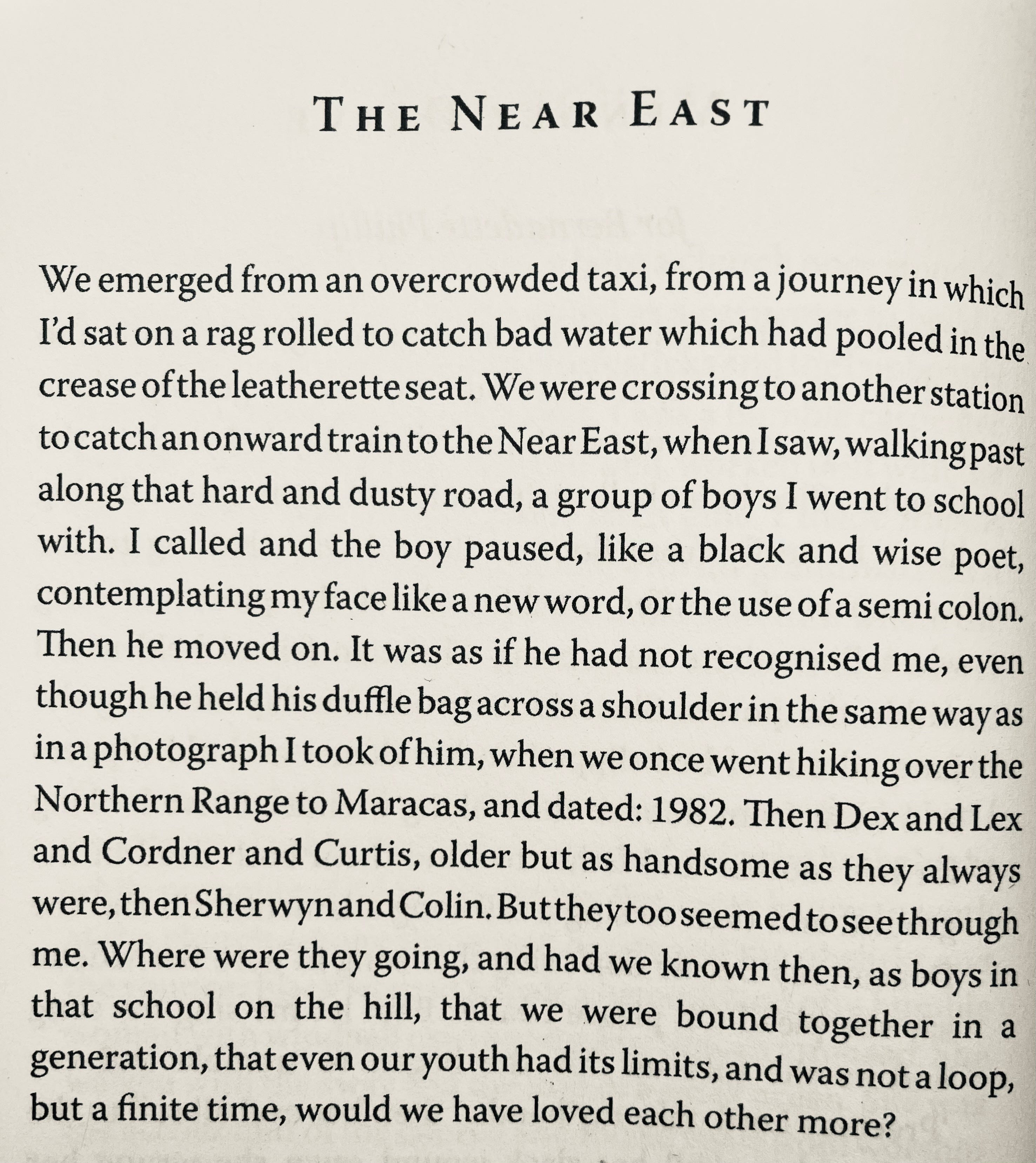
I first read Anthony Joseph while researching my anthology, The Penguin Book of the Prose Poem (2018), when I became intrigued by his dream-like prose poem “Folkways”, which featured the memorable refrain, “Well, death groove my brush room”. It’s good to see him returning to the mode for a series of poems about connection and memory, called “Rigour of Wires”, in his new book, Haunting the Black Air (Bloomsbury):
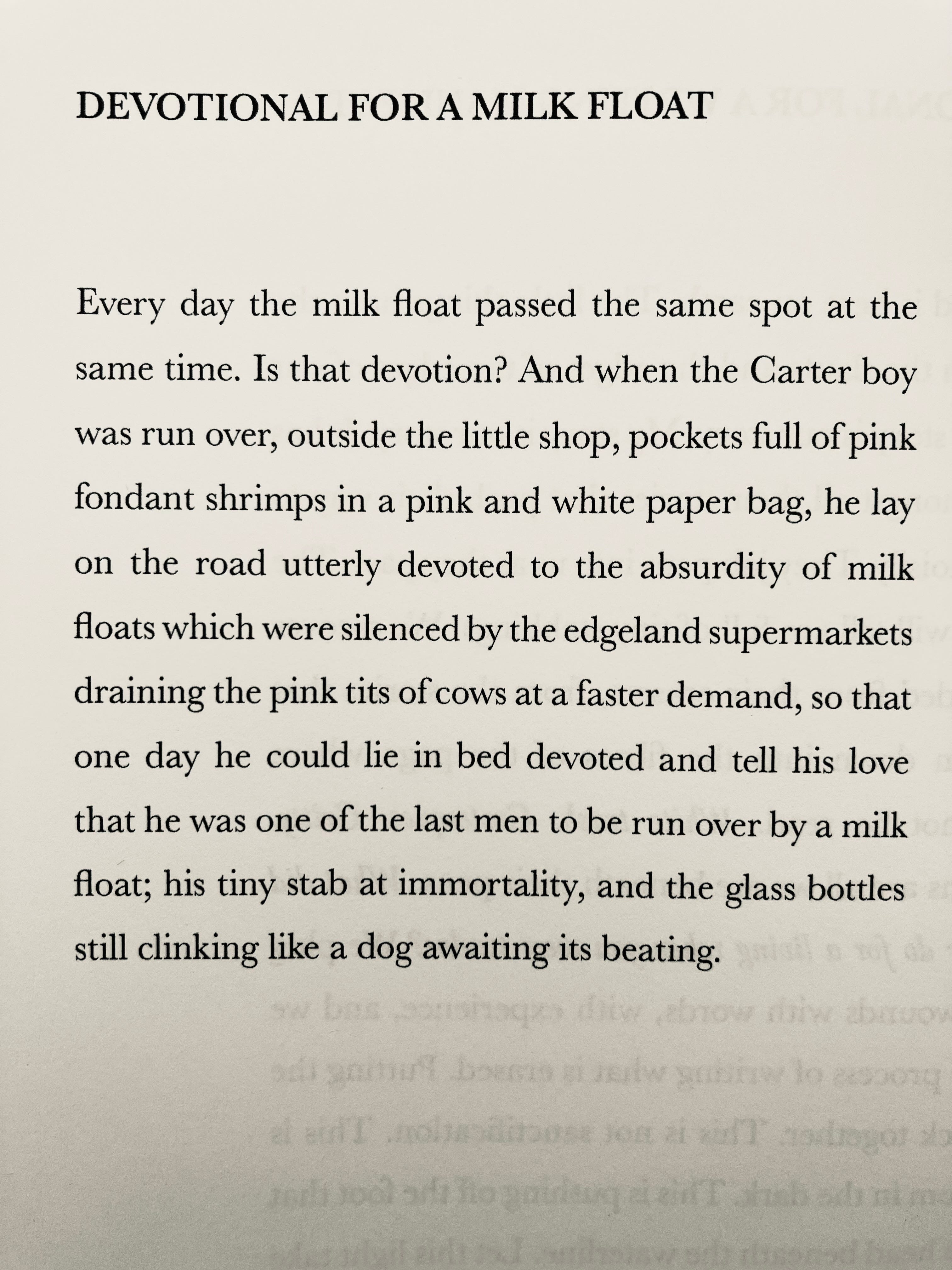
I’ve admired Andrew McDonnell’s use of the prose poem for a long time, not least because he uses it to evoke the landscape of Norwich and Norfolk, where we both live. But I’ve chosen a non-landscape piece as a taster of his new book, 55 Devotionals (Against Erasure) (Broken Sleep Books), because it encapsulates the collection’s sweet-sour nostalgia for a world of working-class life that was not so sweet in the first place:
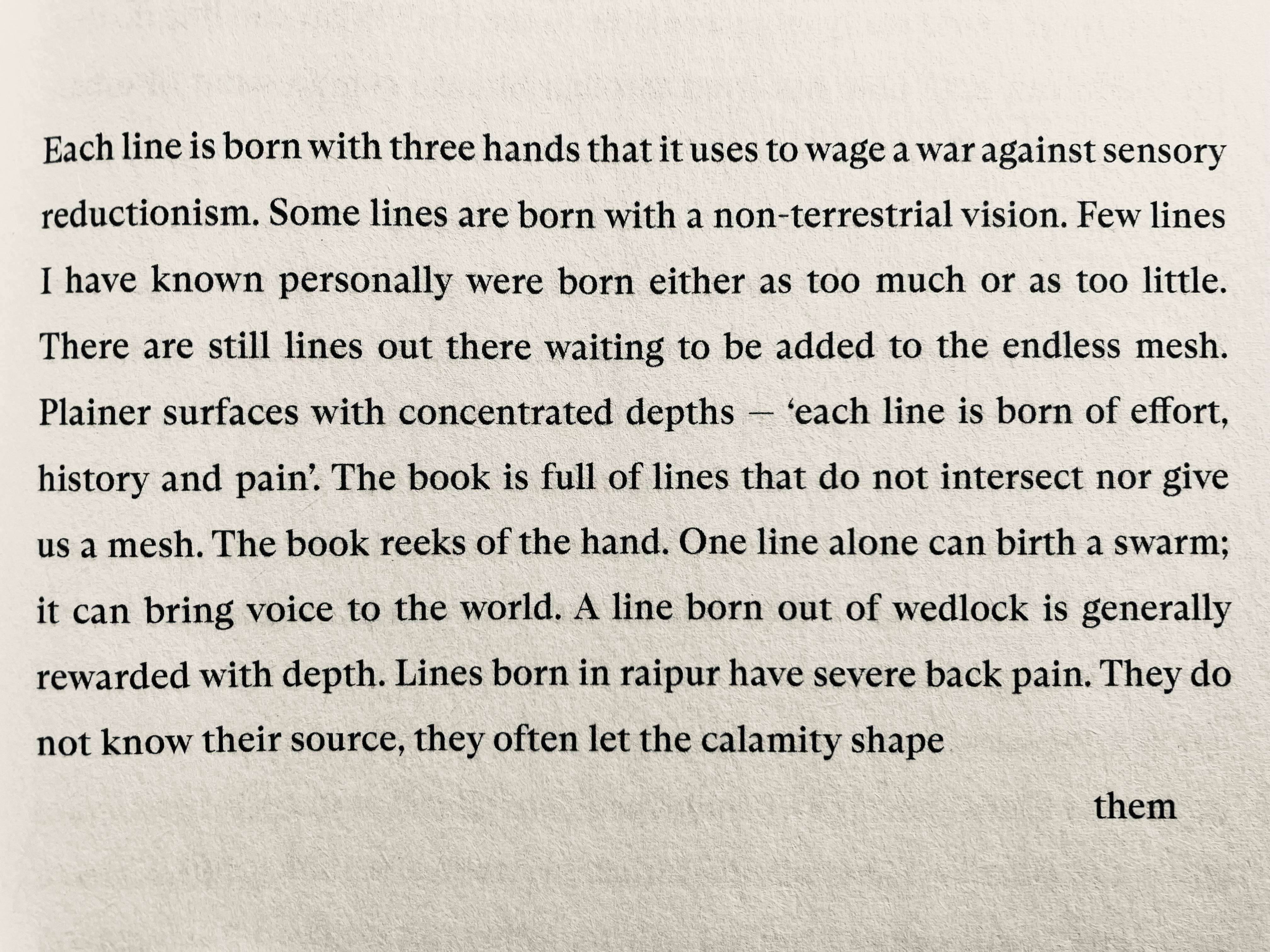
Mantra Mukim’s remarkable Glitchwork (The 87Press) is a shapeshifting debut which uses prose as one of its modes to explore “the uneven lineages of Central India”. You can read its meditation on the crash-landing that ended the Chandrayan-2 lunar exploration mission here. The following prose poem is one of several meditating on the abstract meanings and potential of “the line”:
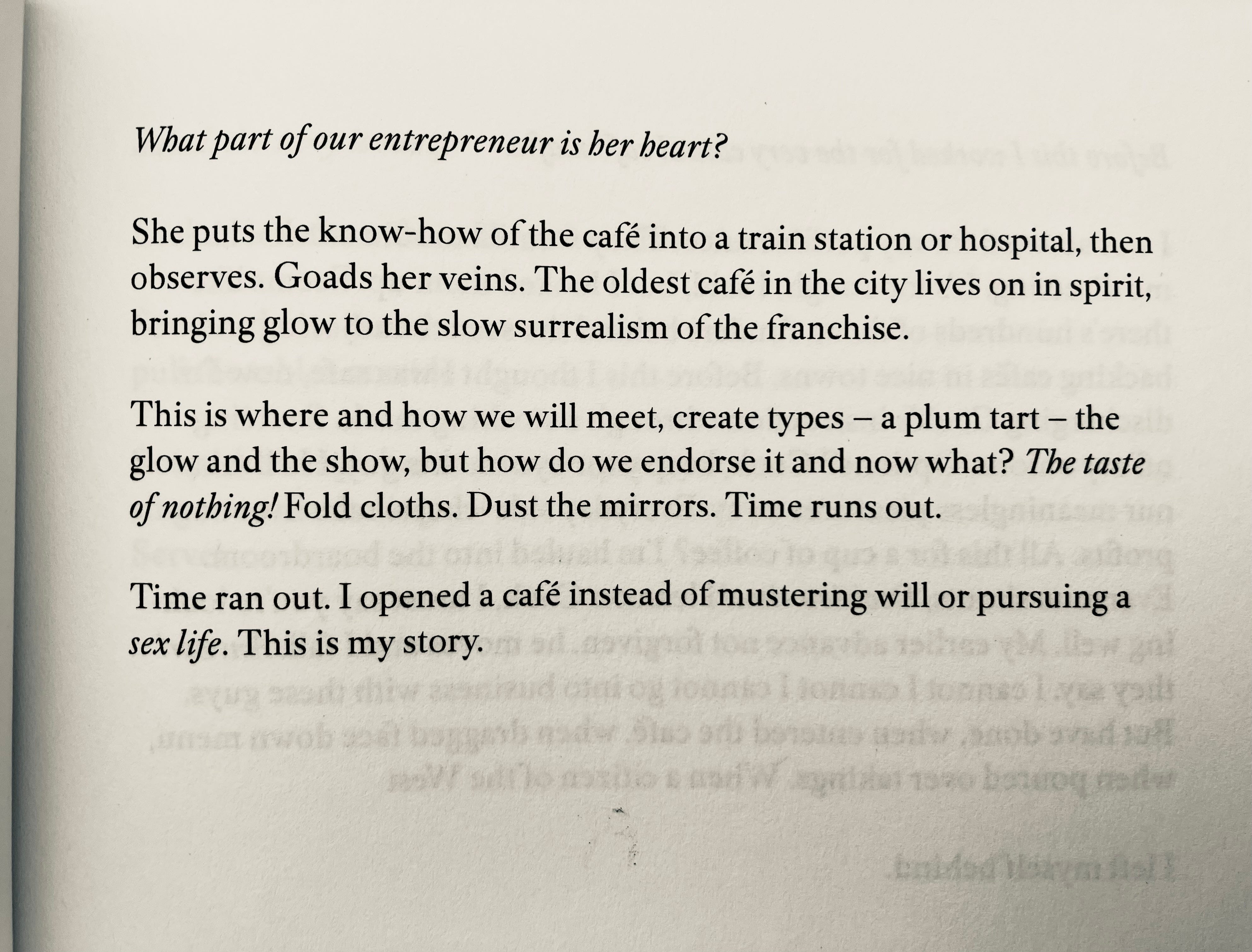
One of my favourite prose poem sequences of the last decade is Holly Pester’s Eclogues for Idle Workers (2019), originally written as a radio drama of tender dialogues spoken in the intervals of the working day. The dazzling Cafés (Fitzcarraldo) continues her fascination with the fantasy life of such spaces in a book of linked pieces:
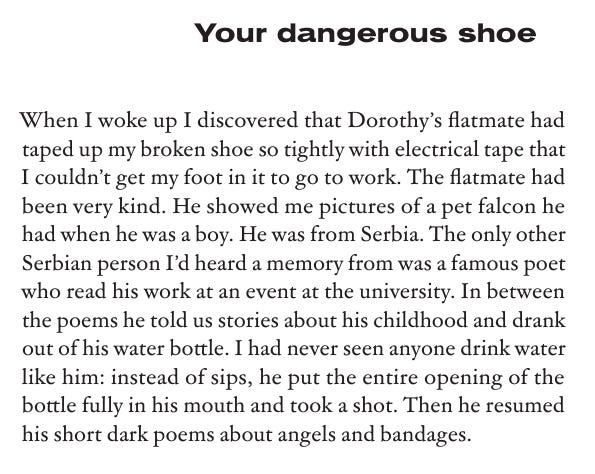
Finally, it’s a pleasure to be able to say that there is a new book of poems, mostly in prose, by Lila Matsumoto. Talk a Blue Streak (Monitor) evokes youth in a remembered/imagined Nineties-Noughties America, and the intermingling cultures encountered there. A very short one called “U.S.A.” reads in full: “Country Creek Acres Crunchy Texture Imitation Bacon Bits Shaker Jar”. Here is a slightly longer one:
NOTES
One of my first posts here was about Lila Matsumoto’s previous book of prose poems:
Comments
Nothing yet. Say the first thing.
Sign in to join the conversation.