
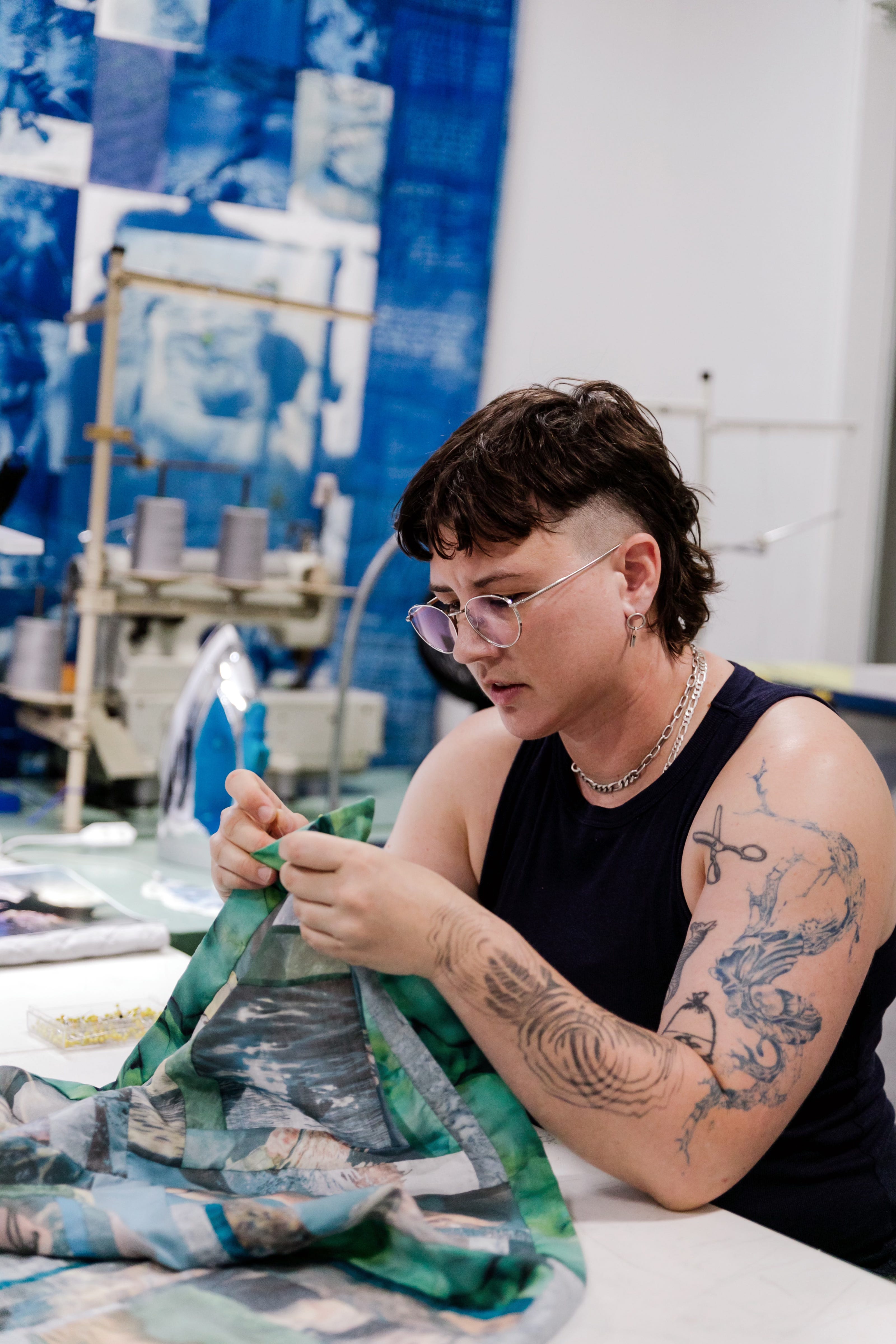
Bex McCharen’s creative life refuses to sit neatly in one discipline. Non-binary, Miami-based, and driven by a deep belief in art as a tool for care, resistance and possibility, McCharen’s journey moves fluidly between architecture, fashion, activism and visual art. From early beginnings in carpentry and seamstressing to founding the groundbreaking fashion label Chromat—with collaborations that included Beyoncé and Nicki Minaj—their work has always been about designing solutions for real bodies and real lives.
The pause imposed by COVID became a turning point. Stepping away from the relentless pace of fashion, McCharen began to reimagine what their practice could be, turning towards photography, quilting and community-centred art rooted in Miami’s heat, water, queer culture and climate vulnerability. Their work now forms a powerful visual archive of queer and trans joy—friends gathering in the ocean, bodies held in care, ritual and belonging—countering narratives of erasure with images of presence and resilience.
In this conversation, we talk about architecture and corsetry, quitting everything in your early twenties, finding chosen family in Miami, and why quilting can be both an act of love and quiet defiance. We discuss climate optimism, the malleability of cultural hegemony, and the radical idea that sometimes making art—or clothes—is simply about proposing better ways for people to live. With recent milestones including exhibiting at Untitled Miami, studio support from Oolite Arts, and their work entering the permanent collection of the Met, McCharen stands at the beginning of a new chapter—one shaped by joy, activism, and the freedom to become.
Can you tell me a little about your story?
So, my name’s Bex McCharen. I use they/them pronouns and am non-binary. I wanted to be an artist as a young person and I was really into art but my parents were like, ‘No, that’s not a real job. You won’t be doing that.’ So they encouraged me to go to architecture school, which I ended up loving because you get to draw and make models.
I then worked as a carpenter which led to working for architects and urban planners, and I also learned how to sew and got hired as a seamstress in college. I was really into fashion blogging at the time and following the fashion trends so I started sewing for myself and my friends making upcycled dresses and eventually decided to build a collection - one-off pieces. It just kind of started from there.
You became very successful very quickly, collaborating with celebrities such as Beyonce and Nicki Minaj, can you tell me about that?
One season, I did a collection that was inspired by my architecture background - a lot of scaffolding and a lot of corsetry – I was really inspired by the Pompidou Centre in Paris. I love how the interior function of that building is on the exterior.
I started selling through my friend’s pop-up shop in the Lower East Side, NYC and we sold out! All the corsetry pieces got written up in blogs so after three months I decided to quit my job and move to New York. That was in 2010 and I hit the ground running. In the first three months I worked with Nicki Minaj, I designed some garments for her, and then it was just off to the races. I thought I would keep working in architecture to pay my rent, but I kept getting orders from stores and the brand (Chromat) grew and grew. I was in my early 20’s and I had a lot of energy!
That’s quite a start to your career. When did you switch from fashion to art?
COVID changed everything because that’s when I stopped doing fashion and started exploring art. It was the first time I’d had a break in 10 years to evaluate ‘Do I really want to do 6 collections a year?’ Fashion is such a demanding business, constant new product content and the financial stresses are huge.
I moved to Miami in 2018 and started taking pictures of my friends in the water. I always had my camera with me and in 2023, during my divorce, my gender completely changed. I used to be femme. It was a gradual transition, but the art that came out of that time period was a way to process these major transitions in my career; my marriage and my gender. I feel like I went into the ocean as one person and I came out as another - like a caterpillar dissolving and turning into a butterfly.
How has the city, its heat, its queer culture, its climate precarity, transformed your practice?
There are so many cool people here; artists and activists and people who are really interested in social justice. Coming up in those collectives offered me a taste of the power of changing cultural hegemony and I’m now addicted to that feeling! Once you realize that hegemony is malleable and that all these rules are made up, then it’s possible to think of alternatives. We can change the status quo.
How do you express this activism through your work?
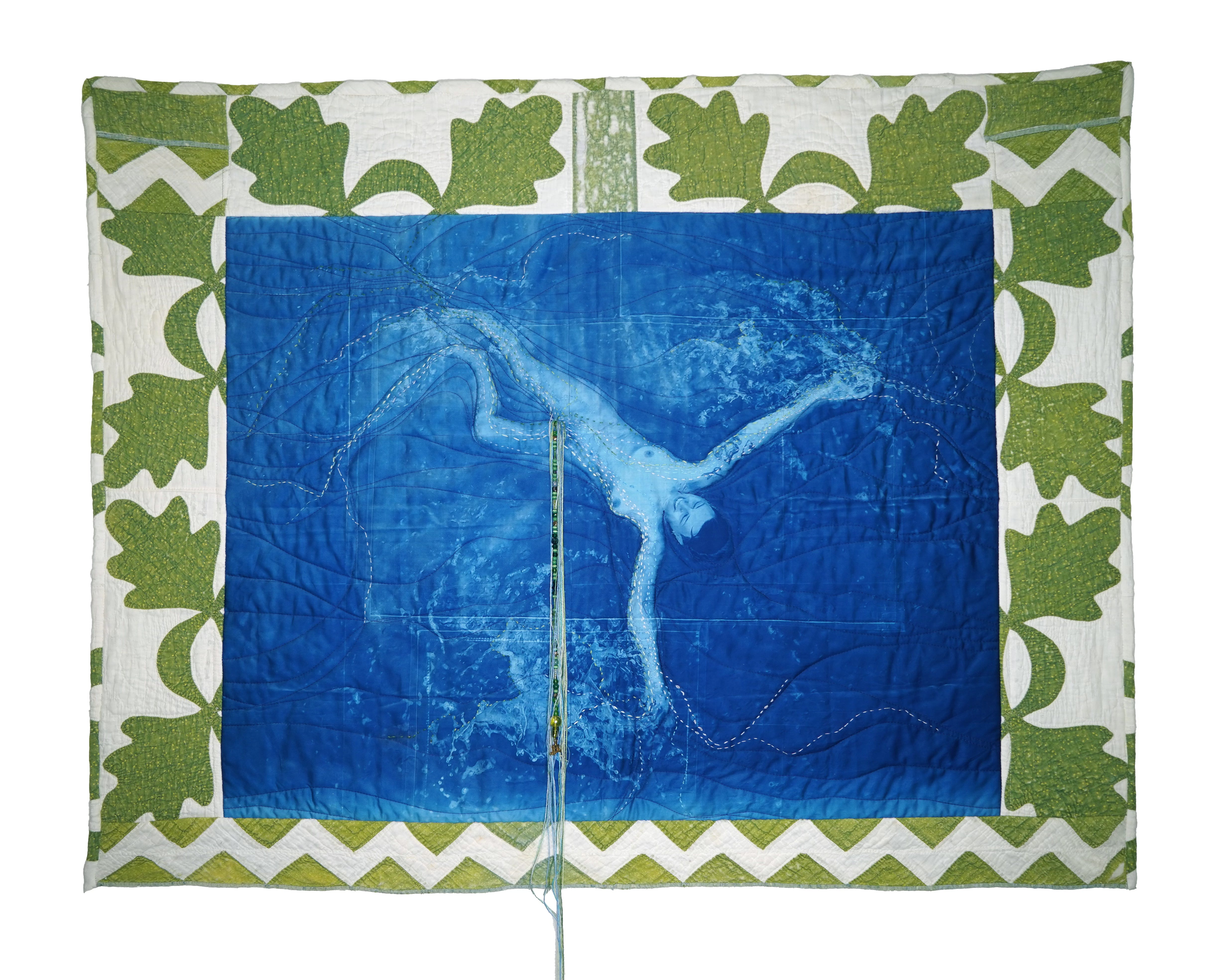
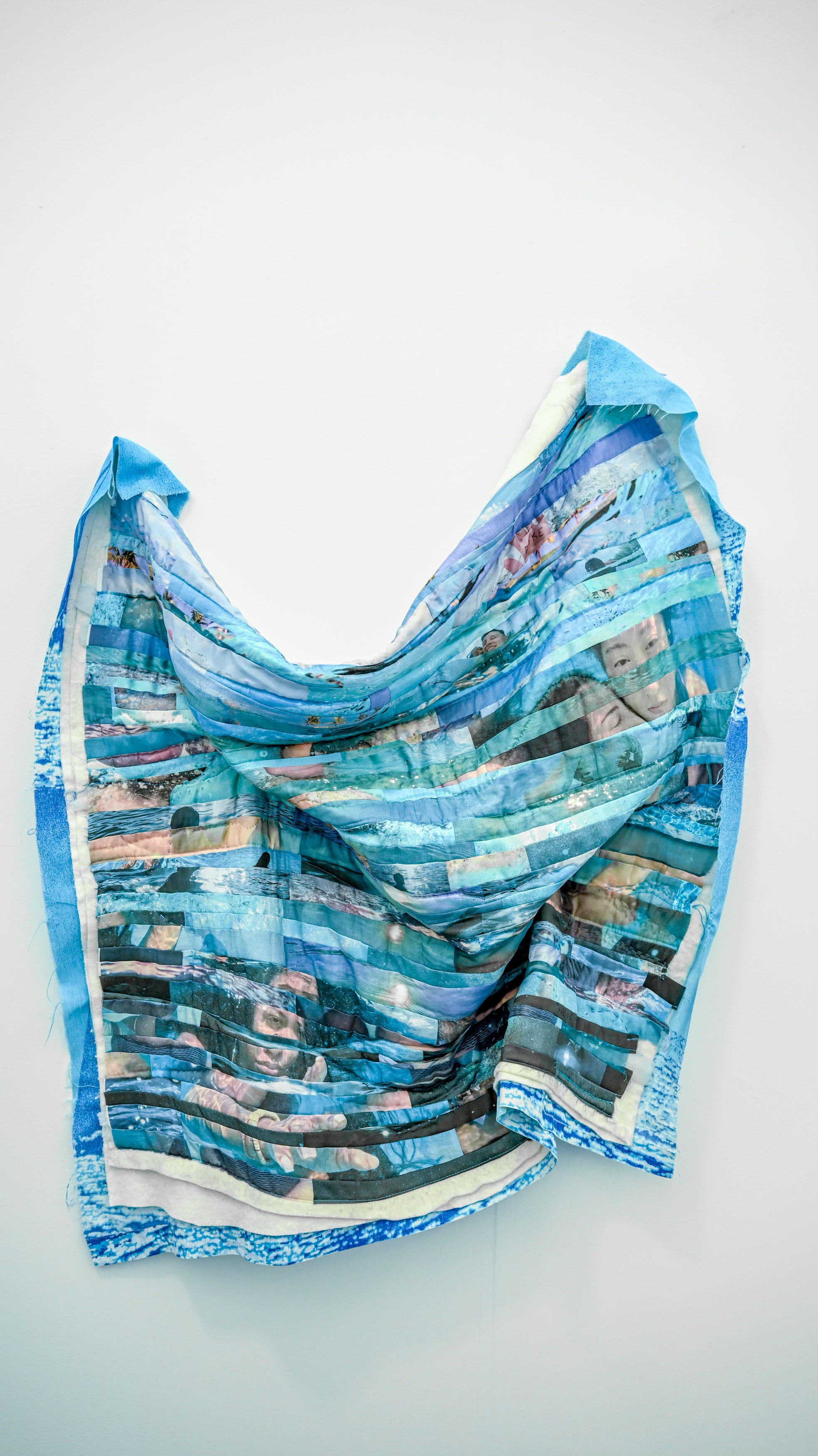
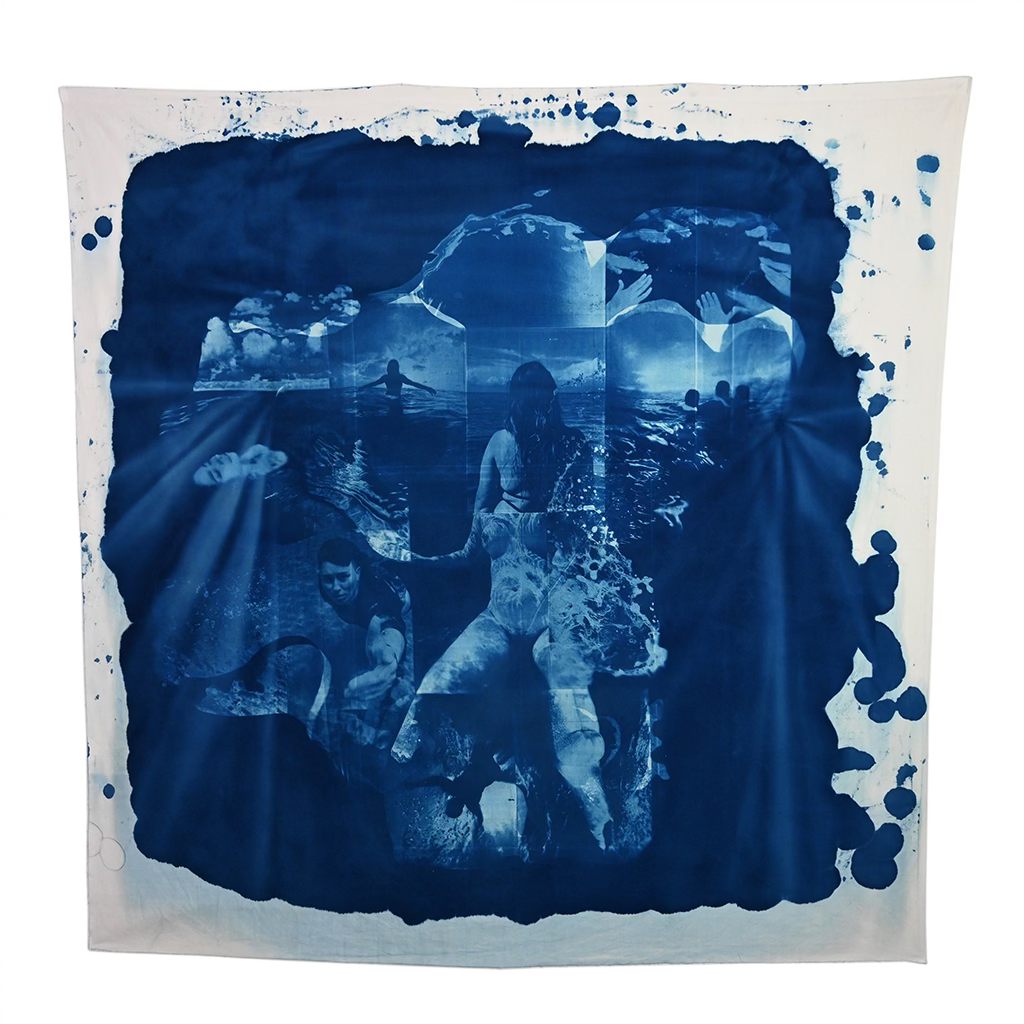
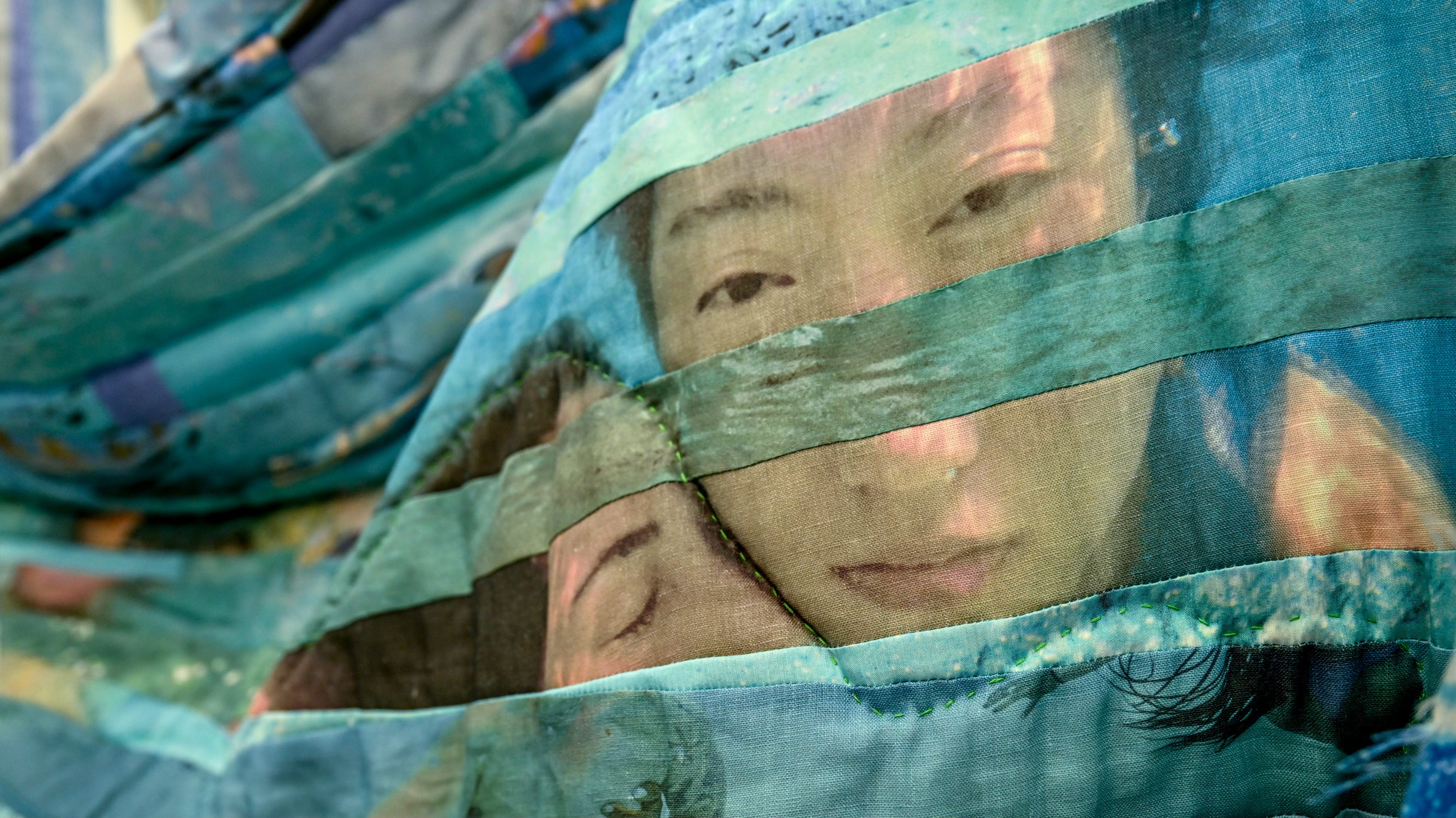
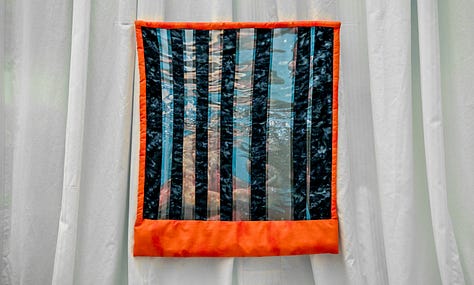
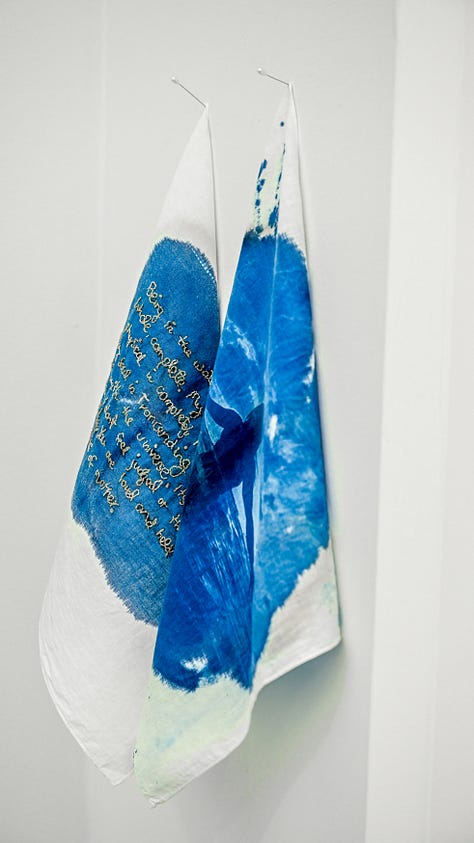
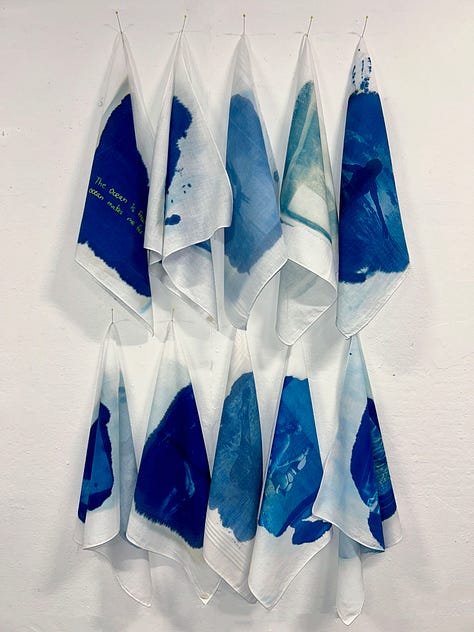
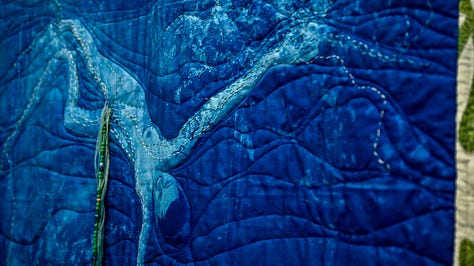
I’ve been making a lot of quilting projects which for me is a medium of love, a medium of care, it’s the first thing you wrap a baby in when they’re born, it’s traditionally something that’s made by the elders, it’s passed down.
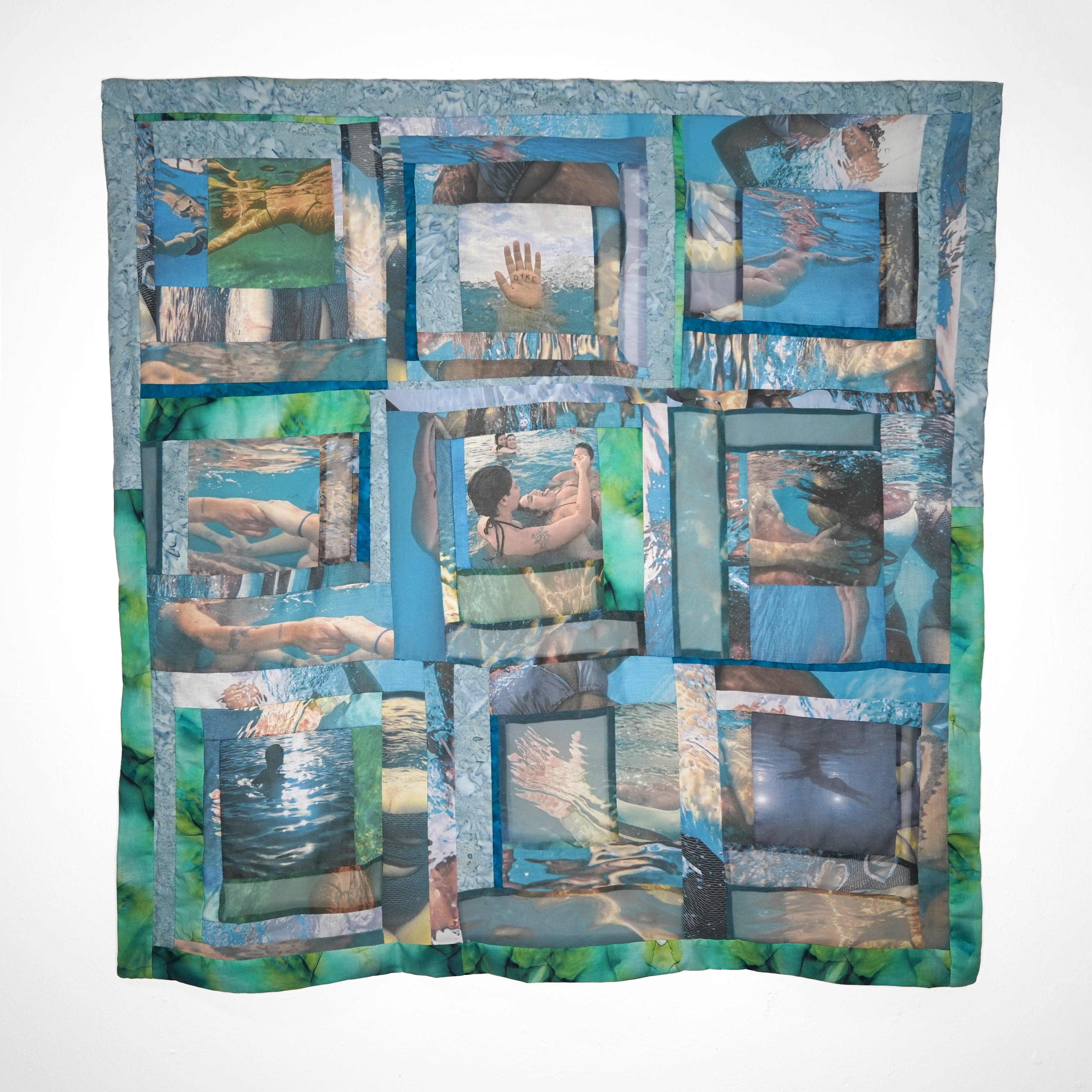
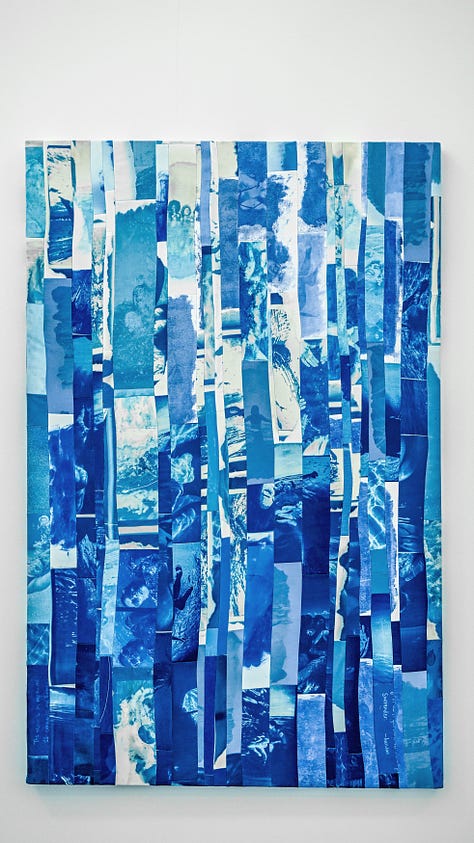
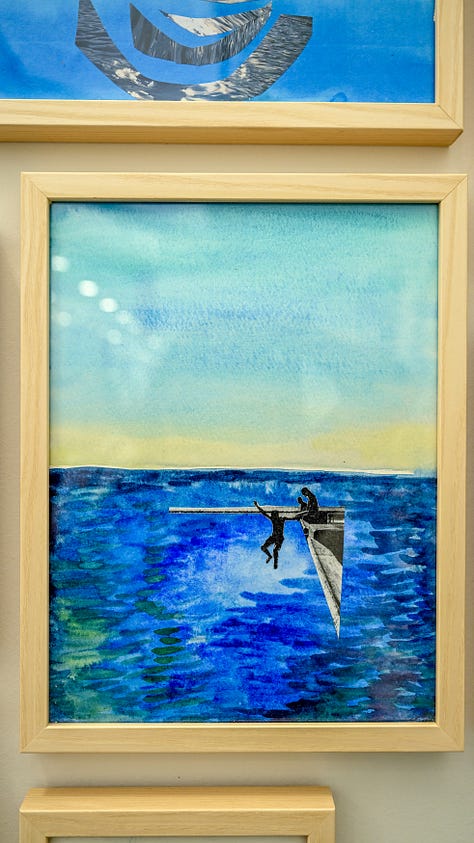
Through these quilts, I am creating counter narratives to this idea that Florida is just a transphobic and homophobic place. In these quilts you see queer people and trans people thriving and connecting with the water here, and there’s no amount of legislation that can undo that. The quilts document our rituals at the ocean, sharing this love, collective safety and joy.
You describe yourself as a climate optimist. What does that mean?
This is to do with the fact that the ocean can’t be taken away from us, that my spiritual well-being, our emotional well-being, is tied into the ocean. Climate optimism and the idea that the ocean is more powerful than us and will prevail, for me is the only way that I can make it through the day because if I get into climate pessimism, I’ll just want to give up.
Queer joy is a recurring theme throughout your projects. Can you talk to me about how that translates into your work?
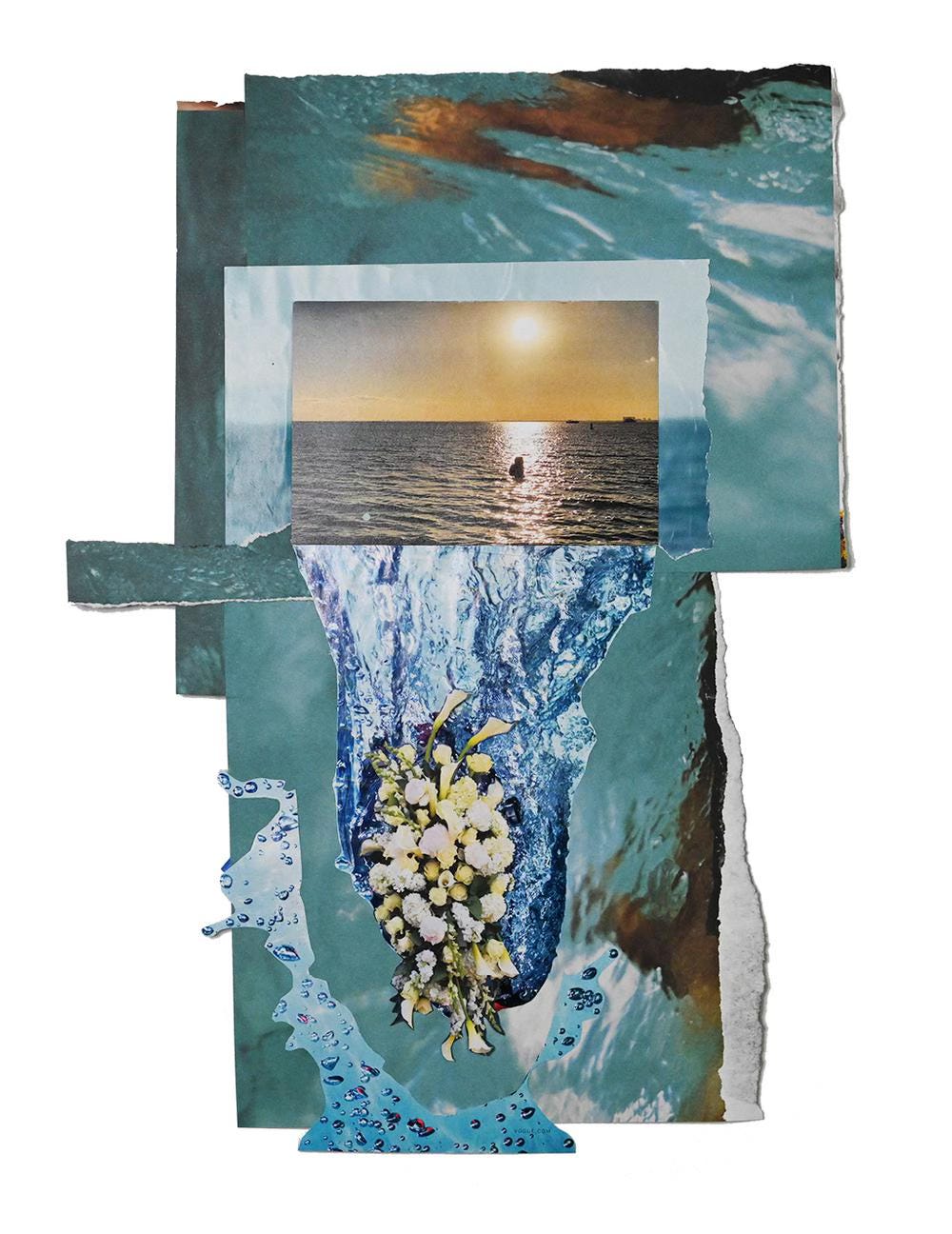
I used that term originally when I did an event at MoMA PS1 in 2018 and it names that feeling of being together, unbridled. I feel like so much of me and my friends going to the ocean is filled with joy and I think it’s the antidote to all that negative homophobic and transphobic rhetoric that we’re seeing at the state and local level. You can see this in my work - it’s the pictures of me and my queer and trans friends together and finding joy and solace in the ocean. My work is like a document. It’s a visual archive of queer joy as a balm against everything else.
Was there a project that fundamentally shifted your perspective on what your work can do, which gave you a voice?
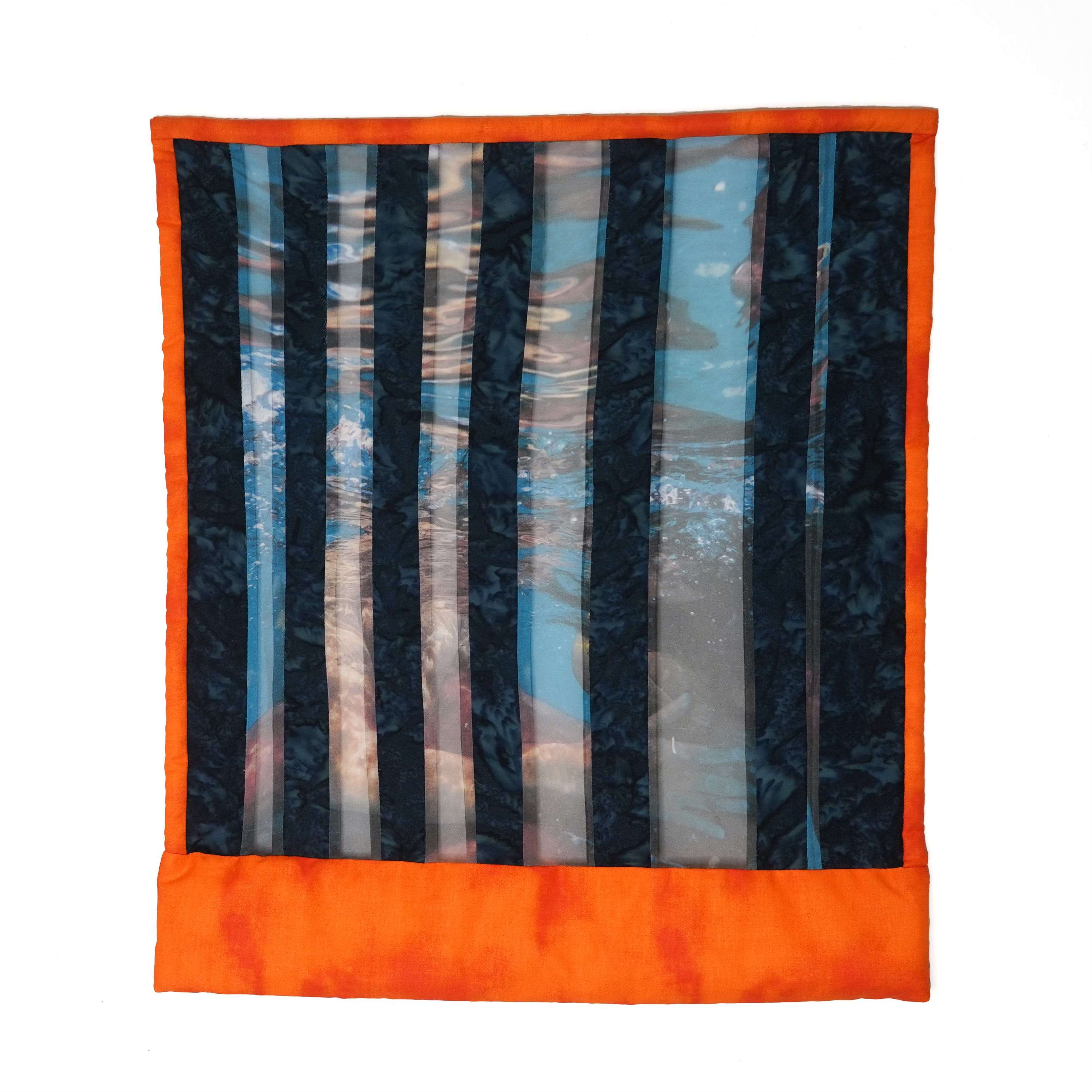
Yeah, there was one project, one of my friends, the trans artist Tourmaline, we were both living in New York at the same time. She approached me and asked me to make swimwear for girls who don’t tuck - for trans feminine women who want a bikini bottom with room for a package or a bulge. That had never been done before, like literally there was nothing out there, swimwear for girls who don’t tuck.
Sometimes when you’re making garments, you’re just proposing solutions for people to live, so when we made that collection, it was totally groundbreaking. It was the first time that we had models – some had never been untucked in real life - so that was really cool and definitely shifted how trans bodies are seen and how they’re allowed to show up in public space. We called it the ‘Collective Opulence Celebrating Kindred Collection’ which spells COCK!
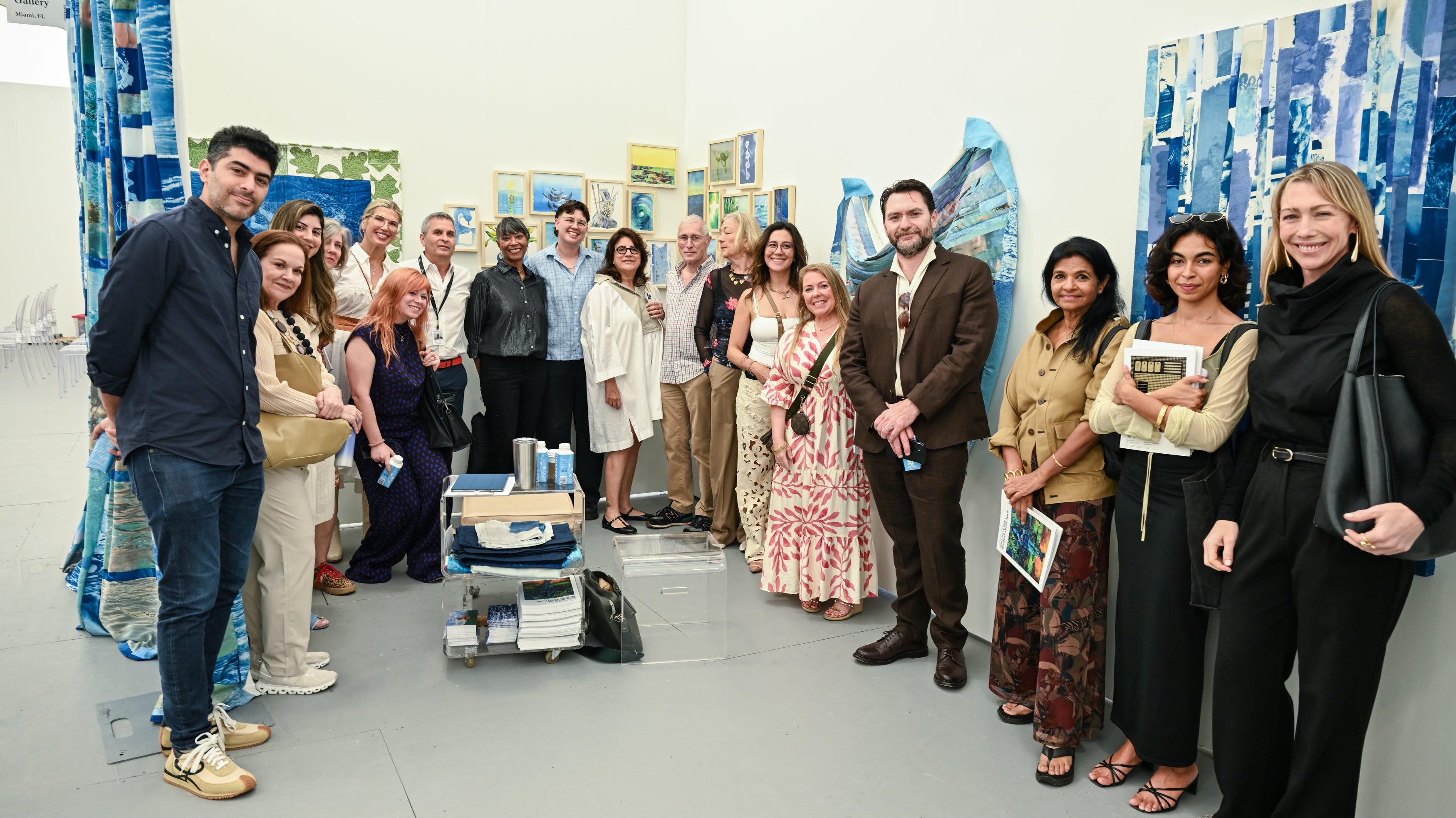
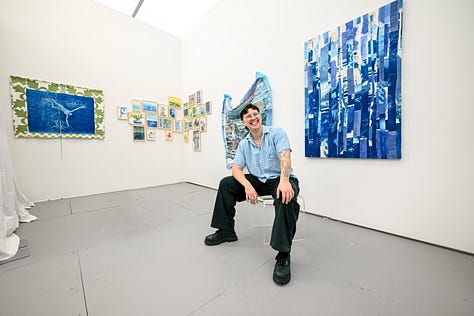
You recently exhibited at Untitled during Art Week Miami. That’s a huge deal, how did that go?
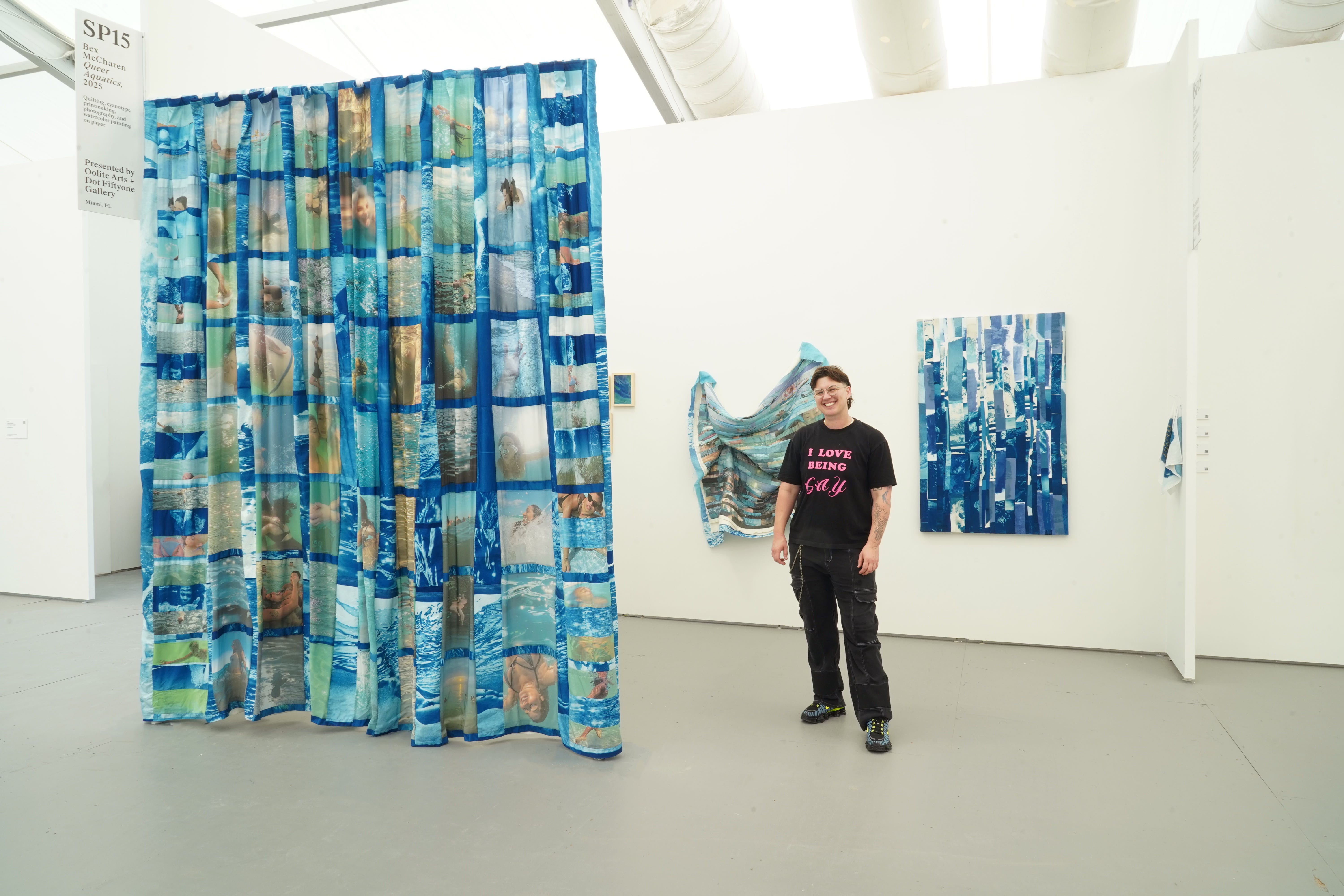
I was so excited. I mean, ever since I moved here, Art Week has been one of my favorite weeks, it’s like the whole art world just shows up in my backyard and open all their little chests and show me all their latest work. I just love it.
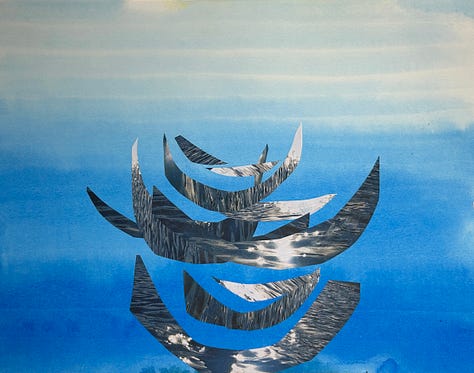
Untitled announced earlier in the year that their theme was water, which as you can see is a theme that I explore. A lot! Oolite Arts, where I have a studio, applied for me to do the show and they partnered with a gallery called Dot51. When I first found out I was accepted, I was terrified. I thought ‘This is my five-year plan, not five-month plan!’
Alfredo from the gallery came to my studio and saw one of the quilts I was working on was pinned to the wall, and the edges weren’t finished. There are standards in quilting and you would never show something with a raw edge but he said, ‘It’s perfect, it’s finished!’ It was really going against all quilting rules, but now I’m just excited to push myself and try new things.
Untitled was an incredible experience, it was my first time selling work at a large scale, which was very validating and exciting. It showed me that there is a career path forward in this industry, that there are collectors who are just as excited about my work as I am, who share a love of our ocean and waterways. It felt like stepping into a new room. Before, I didn’t know what I didn’t know. Now, I have a view of this new industry and how things work, and I have many new questions I’m asking myself, about galleries and collectors and finding my people in this new space.
How has the support of Oolite Arts transformed the way that you operate?
I feel like being here at Oolite is like my little debutante ball. I feel like I’m being introduced to the art world for the first time. I’ve been doing my thing on the low, like kind of in the back, in private, in secret. It feels like I now have people in the trenches with me.
What would be your advice to someone who’s just starting out, at art school or just doing this in their spare room?
Keep the day job! If you can figure out a way to pay your rent outside of your artistic output, it allows you to explore and be weird and be creative and fail and mess up. Just throw **** against the wall in a way that you can’t when you’re only focused on it making money.
When you think about the future of your work across everything you do, what possibilities feel most thrilling to you right now?
Just living my life as an artist is such a thrill because I wanted to be that as a kid. I do feel like I’m doing my inner child healing and living the dream I always dreamed for myself - just to be able to create and make art all the time.
What’s next for you?
There’s going to be a group exhibition at the Miami Public Library with fellow artist Pangea (Kali Verga), she’s curating it. There’s also an exhibition coming up in Studios of Key West, it’s about Miami and water curated by Veronica Sesana Grajales. A dress by fashion brand Chromat is being acquired by the Met, (Metropolitan Museum in New York), they’re buying it for their permanent collection and it’s going next to an Yves Klein sculpture! And the V&A in London (Victoria and Albert Museum) have inquired about collecting one of my archival cage pieces. I also want to make a film that explores these counter-narratives around Florida and transness, that shows the stories that so many of my friends have. I’m really excited about the start of this journey.
Thank you Bex!
WHERE TO SEE BEX’S WORK:
Miami Public Library (April 10-July 2, 2026)
Mayaimi at the Studios of Key West curated by Veronica Sesana Grajales (March 5-26)
Oolite Arts, Miami Beach
CONTACT:
Instagram: @waterbbex
Website: bexwater.com
Email: bex.mccharen@gmail.com
No posts
Comments
Nothing yet. Say the first thing.
Sign in to join the conversation.