
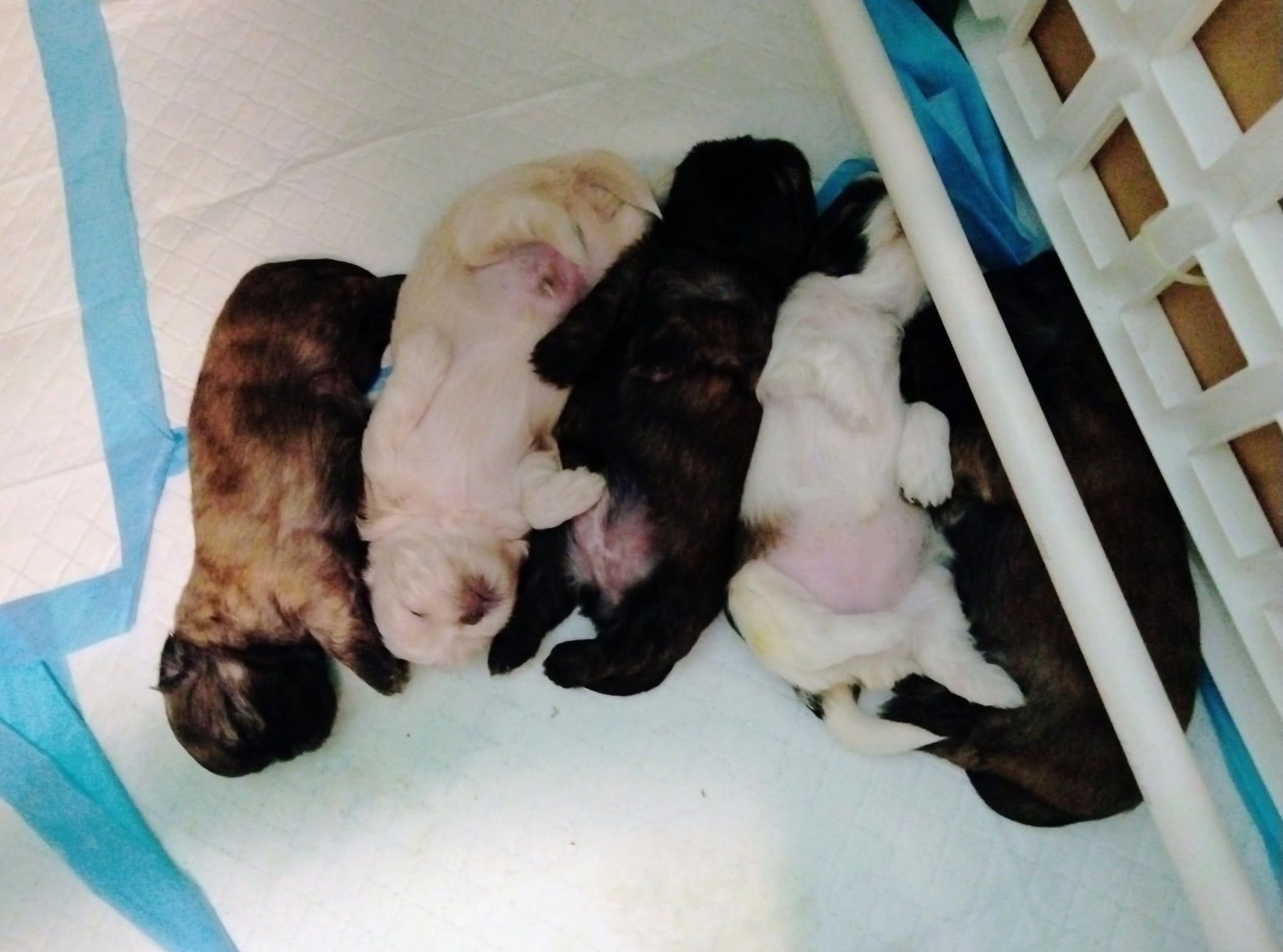
Since welcoming five new puppies into our home, I've been hearing a lot about parvovirus and the importance of keeping puppies away from unfamiliar dogs and public spaces where the virus may be present. Many veterinarians recommend avoiding high-risk environments—such as dog parks, pet store floors, dog daycare facilities, and areas frequented by unknown dogs—until a puppy has completed its initial vaccination series.
Canine parvovirus (CPV) is highly contagious
CPV is associated with high morbidity and can be fatal, especially in puppies
Certain breeds may be more susceptible to infection
Prompt, supportive treatment significantly improves survival outcomes
Most dogs that fully recover from CPV develop long-term, often lifelong immunity
At least nine canine parvovirus vaccines are approved in the United States, available as either single-antigen formulations or combination vaccines
Vaccine composition and manufacturing details are proprietary to the manufacturer
Much of the detailed clinical trial and safety data remains within manufacturer-controlled datasets, which can limit independent assessment of adverse event rates
As with other modified-live vaccines, vaccine virus shedding is common and expected following administration
Duration of immunity following vaccination is at least three years and may extend to seven years or longer, with evidence suggesting protection may persist for the lifetime of many dogs
Parvoviridae is a family of tiny, non-enveloped, single-stranded DNA (ssDNA) viruses that infect vertebrates, including humans, dogs, and cats. Known for being highly resilient in the environment, they often cause serious gastrointestinal or hematological illnesses by targeting rapidly dividing cells.
It is important to note that human parvovirus B19 is specific to humans and cannot be transmitted to animals. Conversely, canine or feline parvovirus does not infect humans.
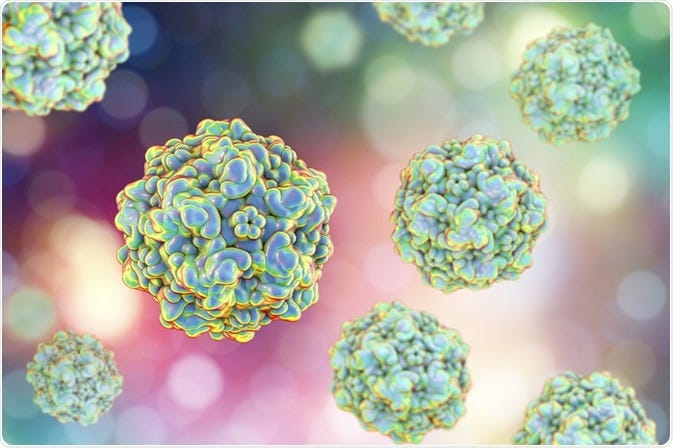
Source: https://www.news-medical.net/health/Types-of-Parvovirus.aspx
Canine parvovirus type 2 (CPV-2), which emerged in late 1970s, attacks the gastrointestinal tract of puppies and dogs. CPV-2 is believed to have mutated from the feline panleukopenia virus (FPV). It caused severe epizootics in kennels and dog shelters worldwide and soon became endemic in the global dog population. There are 3 variants of the virus, CPV-2a, CPV-2b, and CPV-2c, which evolved only a few years after the first antigenic variants were discovered.
CANINE PARVOVIRUS FAST FACTS
The first strains of CPV-2 emerged in the late 1970s.
Death can occur as early as 2 days after the onset of illness.
Canine parvovirus type 2c (CPV-2c) is the most recent variant of canine parvovirus. It was first detected in Europe in 2000 and cases of canine parvovirus associated with CPV-2c in the United States were first confirmed in 2006.
There is no comprehensive national surveillance system in the US, so the exact number of parvovirus cases each year is unknown. Veterinary experts frequently note that parvovirus cases are underreported and are typically tracked at the clinic, shelter, or regional level rather than through a centralized national database.
As a result, estimates vary. One recent estimate suggests approximately 1.2–1.8 new parvovirus cases per 1,000 dogs annually in the US. Depending on the size of the US dog population, this would translate to roughly 1 million to 1.6 million cases per year, although these figures should be viewed as estimates rather than precise counts.
Parvovirus can affect canines of any breed, age and sex, though most cases occur in puppies aged 6 weeks to 6 months, particularly those under 12 weeks. Those most likely to contract the virus are intact males between one and three months of age who have not been vaccinated. Certain breeds, including Rottweilers, Doberman Pinschers, German Sheppard and American Pit Bull Terriers, may be more susceptible.
The incubation period of CPV-2 is between three to seven days.
Initially, the virus caused myocarditis (heart damage) in very young puppies and severe hemorrhagic enteritis (bloody diarrhea) in dogs of all ages. The hallmark of parvo is blood-stained feces with a very distinct and unpleasant smell.
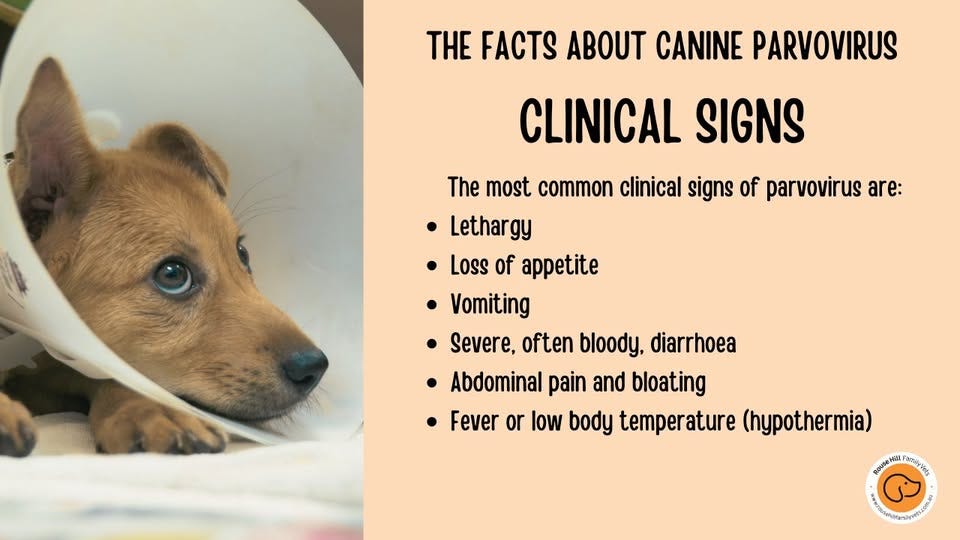
CPV-2 is transmitted by direct and indirect contact:
Contaminated surfaces
Food and water bowls
Collars and leashes
Hands and clothing of people who touch a CPV-2–infected dog (and at vet offices if an infected dog has been there)
Before modern veterinary treatment became widely available, parvovirus was frequently fatal. Today, survival rates are high when puppies receive prompt medical care, but the disease can still be life-threatening. Without treatment, mortality may exceed 90%, whereas with appropriate veterinary care, approximately 80–95% of affected puppies survive.
Dogs that survive parvovirus infection have been found to be more than 5 times more likely to develop chronic gastrointestinal disease later in life.
Treatment includes immediate isolation of suspected or confirmed cases and supportive care due to no agent-specific treatment existing. Supportive care includes administration of fluids, oral supplementation with electrolyte solutions and nutrition as well as anti-emetics to control vomiting.
Although, a novel CPV monoclonal antibody is now available as a conditionally approved therapy. In an experimental study, dogs received either antibody or saline administration at the time viral shedding was noted in the feces. No other therapies were given. No dogs receiving antibody died, whereas 57% of dogs given saline died. Although this may be a promising therapy, further studies in clinical cases will be needed to determine the efficacy and proper timing of administration of this therapy.
Parvovirus vaccine is one of the core vaccines recommended by vets, but it does not guarantee protection.
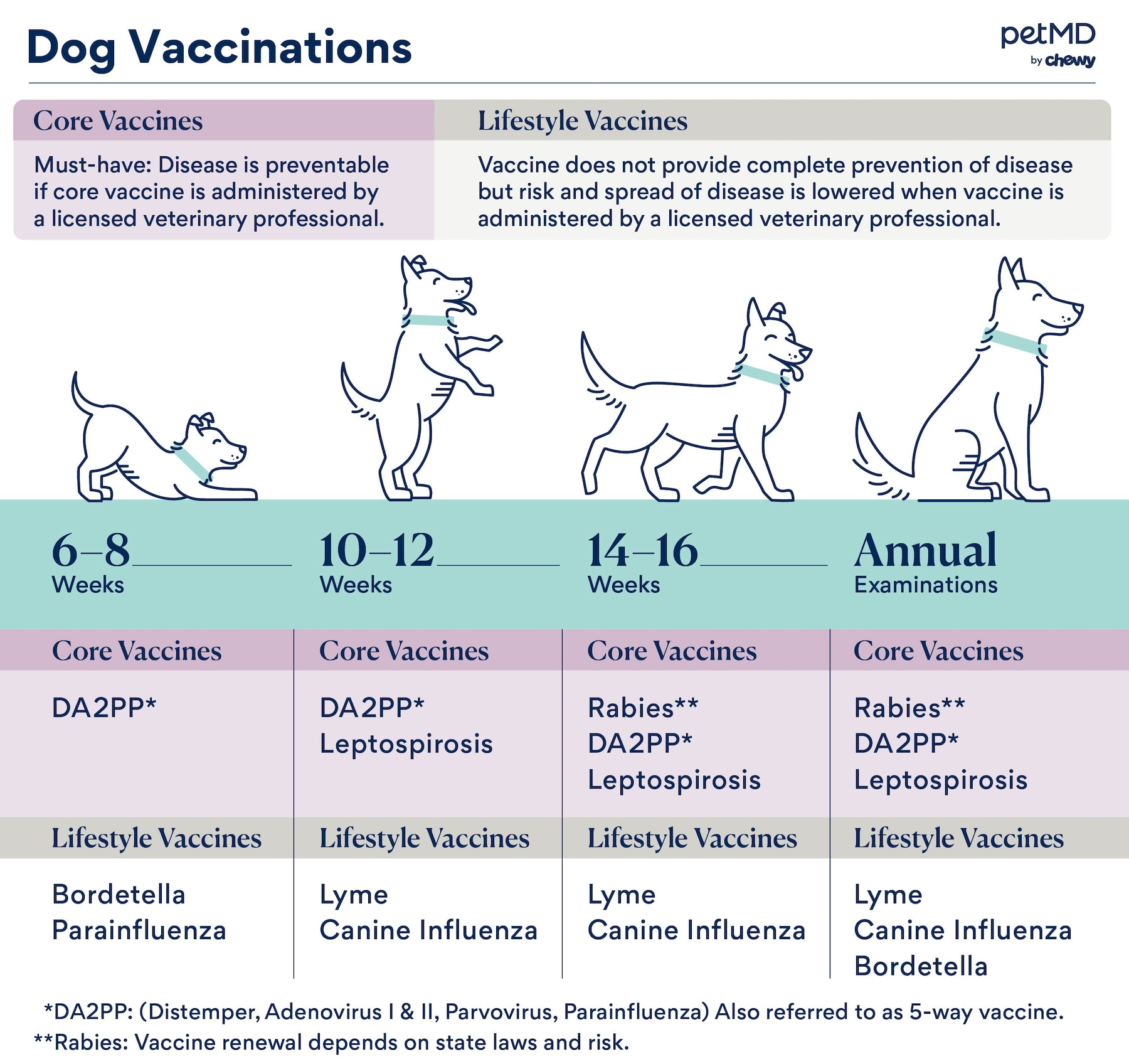
Source: https://www.petmd.com/dog/care/dog-vaccinations-for-every-lifestage
There are numerous brands and combinations of canine parvovirus (CPV-2) vaccines approved in the US, generally categorized into modified live virus (MLV) and inactivated (killed) vaccines, with MLV being the most common. These are almost always administered as part of a combination "core" shot, such as DHPP, DAPP, or DA2P, which protects against Distemper, Adenovirus (Hepatitis), Parainfluenza, and Parvovirus. Standalone parvovirus-only vaccines exist but are less commonly used in routine puppy protocols.
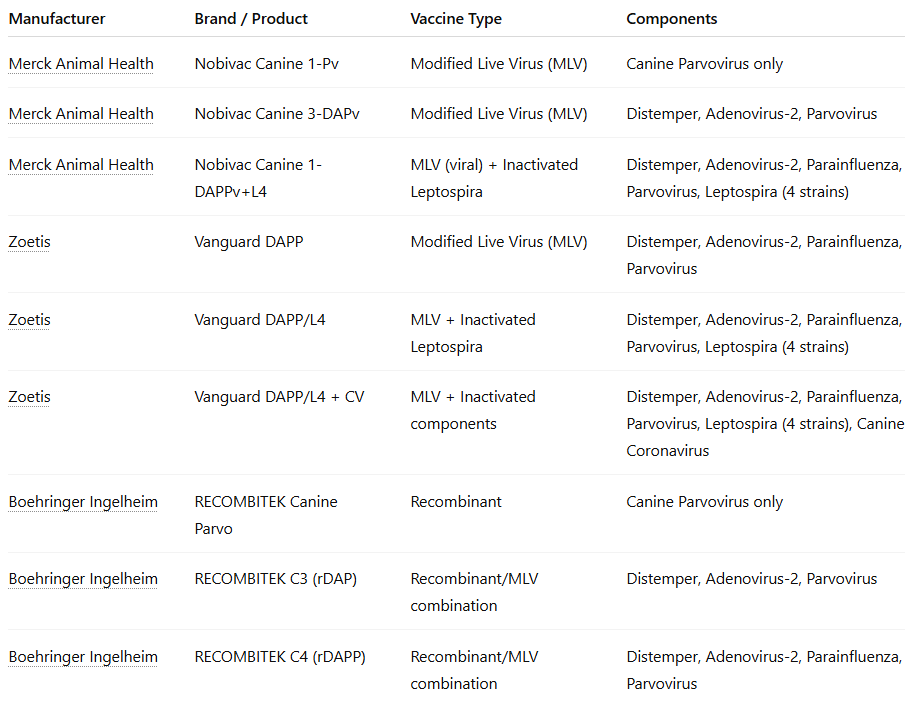
It is recommended that dogs receive three doses of parvovirus vaccines. For puppies younger than 16 weeks, vaccination should begin at 8 to 9 weeks. The first dose can be administered as young as six weeks old and is then given in a 2 to 4-week interval until at least the age of 16 weeks old (totaling 3-4 times depending on when the 1st vaccine was given). Each 1 mL (1 dose) is injected subcutaneously or intramuscularly into healthy dogs. A booster shot is given one year after the last interval dose, then again every three years.
Most canine parvovirus vaccines used in the US use a modified-live virus that has been weakened through repeated laboratory passage. Canine parvovirus can only replicate efficiently in rapidly dividing cells. Researchers commonly isolate and grow the virus in canine and feline cell lines such as A-72 (canine fibroblast tumor cell line), MDCK (Madin-Darby canine kidney), CRFK (Crandell-Rees Feline Kidney), and F81 (feline fibroblast) cells. Commercial vaccine manufacturers typically use proprietary cell culture systems, although many vaccine labels indicate that the virus is propagated in established canine cell lines. This means that the consumer has no idea what cells or cell line is used to produce the vaccine.
Recombinant vaccines (Recombitek) take a different approach, using genetic engineering to deliver viral antigens through a “harmless” carrier virus. Recombitek recombinant vaccines use canarypox virus expressing the HA and F glycoproteins of canine distemper virus, a poxvirus that naturally infects birds, that can enter canine cells and stimulate immunity but cannot efficiently replicate in dogs. Recombinant canarypox vaccine vectors are typically grown in primary avian cell cultures, such as chicken embryo fibroblasts.
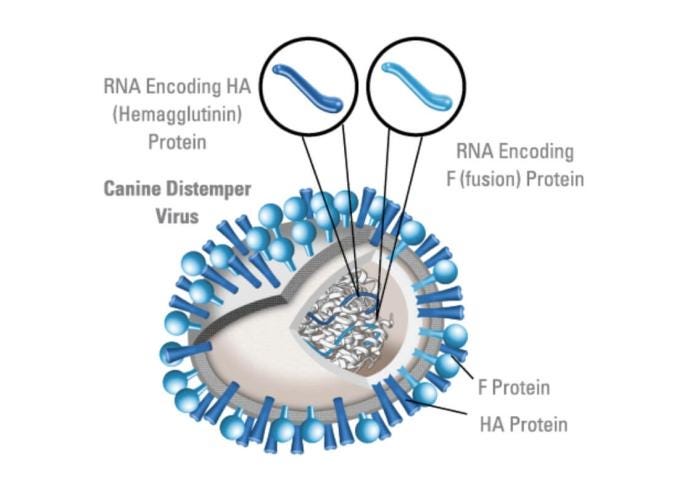
Source: https://animalhealth.boehringer-ingelheim.com/pets/canine/products/vaccines/recombitek
Other ingredients could include:
Lyophilizate (Freeze-Dried) Excipients:
Sorbitol: A sugar alcohol used as a stabilizer during the freeze-drying process.
Hydrolyzed Gelatin: A protein agent used to stabilize the viral particles.
Pancreatic Digest of Casein: A nutrient source utilized during the viral culture process.
Disodium Phosphate Dihydrate: Acts as a pH buffer to maintain stability.
Liquid Solvent (Diluent) Excipients:
Disodium Phosphate Dihydrate: Functions as a pH buffer.
Potassium Dihydrogen Phosphate: Works in conjunction with disodium phosphate to regulate pH.
Water for Injections: The sterile liquid medium used to reconstitute the freeze-dried vaccine.
Preservatives (Varies by specific formulation):
Gentamicin: A trace antibiotic often added to prevent bacterial contamination.
Thimerosal: A mercury-containing preservative used in some regional single-antigen formulas.
Possible contaminants:
Cell culture residues: Remnants from the cells used to grow the vaccine virus
(Trace amounts of canine, bovine, or avian cell proteins)
Residual DNA, either cellular or plasmid
Since most current CPV vaccines are live attenuated strains which replicate in the gut and will commonly be shed in the feces. Once in the environment, CPV can readily persist and infect other puppies in the group.
In a controlled study evaluating four modified-live canine parvovirus vaccines in young puppies, investigators found that vaccine virus shedding in feces was a common and expected outcome following administration.
Using daily rectal swab PCR testing, vaccine strain virus was detected in all vaccinated puppies during the early post-vaccination period, confirming that the attenuated virus replicated in the gastrointestinal tract as part of the normal immune priming process. Shedding levels varied by vaccine product and generally occurred transiently after vaccination, aligning with the period of active viral replication.
Of the four vaccines tested, only the group vaccinated with Nobivac DP Plus showed clear evidence of spread to unvaccinated littermates, with nearly all sentinel pups in that group subsequently seroconverting. Seroconversion was interpreted as evidence of exposure to attenuated vaccine virus rather than pathogenic infection.
NOTE: In researching these vaccines, I found it nearly impossible to locate detailed information regarding their ingredients, adverse events, or potential side effects. This information appears to be closely held by manufacturers and is not readily accessible through regulatory agency websites. As a result, I have compiled the adverse reactions that are generally reported in association with vaccination of dogs using these products.
Small-breed dogs appear to be more susceptible to adverse reactions than large dogs, with dogs weighing less than 10 kg being about 4 times more likely to experience an adverse vaccine reaction in one study. The risk of a vaccine-associated adverse events (VAAE) in this study population was inversely related to a dog’s weight. Dogs of toy breeds, such as French bulldogs and dachshunds, show significantly higher odds of vaccine reactions compared to mixed-breed dogs. They had significantly more suspected VAAEs than other dogs and the risk decreased as body weight increased. This observation may be related to the fact that manufacturers recommend a uniform 1 mL dose for all vaccines administered in the study, regardless of the dog's body weight. Unlike most veterinary pharmaceuticals, which are dosed according to body weight, vaccines are generally administered using a standardized one-dose-fits-all approach.
Another interesting finding was that neutering appeared to have a greater influence on the risk of vaccine-associated adverse events (VAAEs) than the dog's gender. The highest risk was observed in young adult (aged 1-3 years), small-breed neutered dogs that received multiple vaccines during a single veterinary visit, with most adverse events occurring within 72 hours of vaccination. Compared with males, females typically develop more robust immune responses after vaccination or infection. This sexual dimorphism is largely attributed to the immune-enhancing effects of estrogens and the modulatory or protective effects of androgens—male sex hormones including testosterone.
Adverse reactions include pain, pruritus, lethargy, anorexia, minor behavioral changes, and tenderness at the injection site. These signs typically manifest 2 to 3 days after vaccination and should resolve within 12 to 24 hours. Vaccine site abscesses are also possible, and therefore the site of vaccination should always be documented in the medical record. Some MLV parvovirus vaccines can suppress T-cell proliferation for 2 to 5 weeks, resulting in postvaccination lymphopenia.
The most severe adverse reactions to core puppy vaccines include those caused by a type I hypersensitivity; these include anaphylaxis, dermatologic signs such as edema and urticaria, laryngeal and pharyngeal edema, gastrointestinal distress, collapse, cyanosis, and sudden death.
Maternally derived antibody plays an important and beneficial role in protecting young puppies against disease, it is only present for a relatively short period. Since it is passive antibody, maternally derived antibody titers decline over time with a half-life ranging from 8 to 14 days, providing protection for up to three to four months depending on the disease in question and the initial level of maternally derived antibody.
“The presence of maternal antibodies is known to interfere with the development of active immunity in dogs and additional boosters will be required in most young animals. Historically, annual revaccination has been recommended for this product. The need for this booster has not been established.”
Although the currently available modified live CPV-2 vaccines are highly effective, interference with canine parvovirus vaccination by maternally derived antibody is well recognized and has been described as one of the main causes of immunization failure.
It is difficult to ascertain the length of immunity from these vaccines as the data for trials is held by the manufacturers. There are statements on their website that state, “Data on file at Boehringer Ingelheim.” Merck claims Nobivac® vaccines have been demonstrated in multiple studies to override maternal antibodies and claims the duration of immunity is at least 4 years for parvovirus. While Recombitek parvo vaccine provides a 36-month duration of immunity. The package insert for Zoetis Vanguard DAPP states, “the duration of immunity has not been established,” but serum antibody titers persist for 12-48 months.
Challenge studies have demonstrated:
Minimum demonstrated duration of immunity: 3 years (the duration required for product licensing in many jurisdictions).
Actual biologic duration of immunity: commonly 7 years or longer, with evidence suggesting immunity may persist for the lifetime of many dogs.
The World Small Animal Veterinary Association and the American Animal Hospital Association recognize canine parvovirus as a core vaccine and recommend revaccination no more frequently than every three years after the initial puppy series and one-year booster. However, the minimum duration of immunity for CAV-2 vaccines against challenge with CAV-1 is 7 years and 9 years based on CAV-1 serology. In addition, studies conducted by veterinary immunologist Ronald D. Schultz demonstrated that dogs vaccinated with modified-live parvovirus vaccines remained protected against virulent virus challenge for at least seven years, with evidence suggesting that immunity may persist for life in many animals. Therefore, routine annual revaccination for parvovirus is immunologically unnecessary for most adult dogs.
One of Schultz’s most cited conclusions is:
“Duration of immunity is often much longer than the minimum duration demonstrated for licensing.”
This distinction is important because vaccine manufacturers typically conduct studies only long enough to support the labeled revaccination interval (commonly three years), whereas immunologic challenge studies have demonstrated substantially longer protection for modified-live canine parvovirus vaccines. Therefore, antibody titer testing can be used to confirm continued immunity without unnecessary revaccination.
While canine parvovirus vaccines have played an important role in reducing the burden of this serious disease, no medical intervention is entirely without risk. Before licensure, vaccine manufacturers conduct clinical trials to evaluate both safety and effectiveness in several hundred dogs across multiple veterinary sites. Not only may specific breeds be under- or overrepresented, the underlying trial data are generally proprietary, limiting opportunities for independent review and reanalysis.
Post-licensure studies have identified factors associated with an increased likelihood of vaccine-associated adverse events. One consistent finding is that the number of vaccines administered during a single veterinary visit influences risk, with dogs receiving more than four vaccines at one appointment being nearly twice as likely to experience an adverse reaction compared with those receiving fewer vaccines.
In addition, field observations and experimental studies have consistently shown that immunity following either natural infection or vaccination against many viral diseases is long-lasting in a variety of species, including dogs and cats. Although antibody titers are commonly used to assess the duration of immunity, they represent only one component of immune protection. Vaccination and natural infection also generate long-lived memory B and T lymphocytes, which can rapidly mount an effective immune response upon re-exposure to the virus and replenish antibody-producing cells as needed. Consequently, protective immunity often persists long after circulating antibody levels decline. For many animals, particularly those that have completed an appropriate primary vaccination series, routine revaccination at frequent intervals may provide little additional immunological benefit because durable immune memory has already been established. Antibody tests should be offered as a tool following initial vaccination to provide proof that a pet may or may not need revaccination.
Extending the revaccination intervals for canine core vaccines does not place the animal at increased risk to developing vaccine preventable disease, but it does reduce the potential for adverse reactions.
These findings underscore the importance of individualized risk–benefit discussions between veterinarians and pet owners, taking into account a dog's age, breed, health status, lifestyle, and vaccination history when developing an appropriate preventive care plan.
‘‘Vaccination is a medical practice that requires the same considerations and reasoning skills required when selecting an appropriate medical treatment or specific surgical procedure.” (Schultz, 1998).
Thanks for reading Smith's Virology Blog! This post is public so feel free to share it.
No posts
Comments
Nothing yet. Say the first thing.
Sign in to join the conversation.