
After canine parvovirus, another major infectious disease of concern for puppies is canine distemper. Caused by the canine distemper virus (CDV), this highly contagious viral disease can affect multiple organ systems, including the respiratory, gastrointestinal, and nervous systems, and can be fatal, particularly in young, unvaccinated dogs.
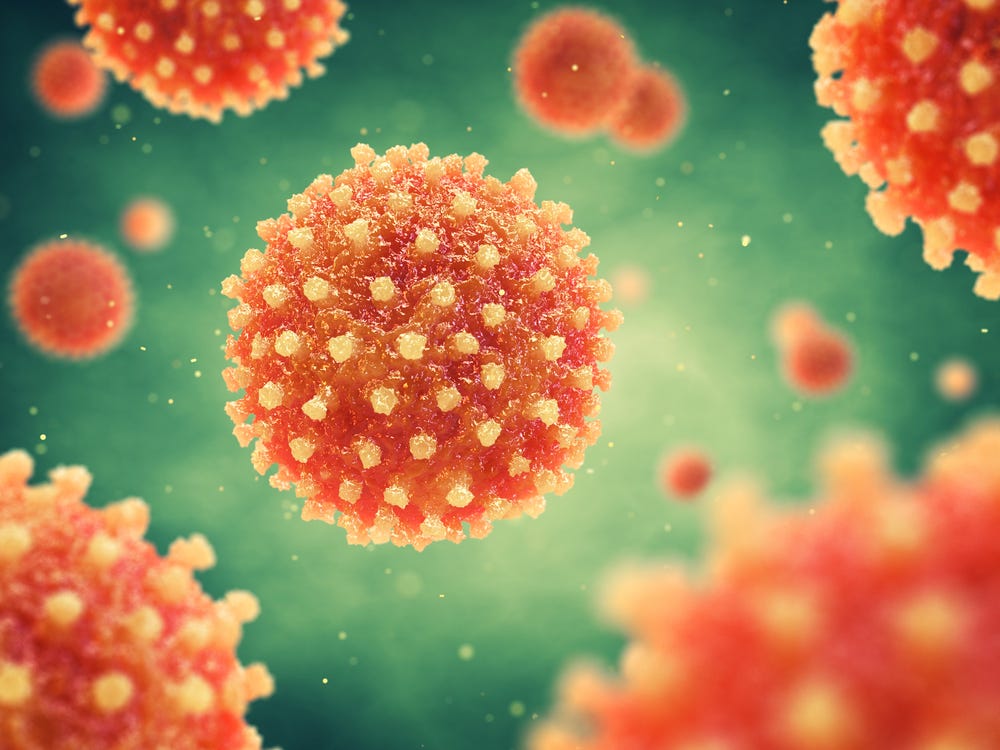
Source: https://thenativeantigencompany.com/products/canine-distemper-virus-antigen/
Because of its severity, canine distemper vaccination is considered one of the core immunizations recommended for all puppies.
But what are the actual risks of disease, how effective are the available vaccines, how long does immunity last, and what are the potential risks associated with vaccination?
In this article, I examine the virology, epidemiology, immunology, and available scientific evidence to provide a balanced risk–benefit analysis of canine distemper infection and vaccination.
Canine distemper virus (CDV) is a paramyxovirus closely related to the viruses of measles and rinderpest. The fragile, enveloped, single-stranded RNA virus is relatively unstable outside the host.
It is thought that dog distemper had been imported from Peru into Spain in the course of the 17th century. During the course of the 1760s, the disease was reported in Spain, followed by England, Italy (1764) and Russia (1770). In 1844, Karle succeeded in the first experimental transmission of the disease by brushing the lips of young dogs with the discharge from sick animals. The causal agent of the disease was only discovered in 1905.
Canine distemper virus (CDV) is a highly contagious, frequently fatal disease affecting dogs, ferrets, and various wildlife. Infection is transmitted mainly via aerosol droplet secretions from infected animals.
Unlike canine parvovirus, there is no national surveillance system for canine distemper in the US, so there are no reliable national prevalence or incidence estimates. Distemper is not a nationally reportable disease in dogs, and most published data come from regional outbreaks, diagnostic laboratory submissions, shelters, or wildlife surveillance rather than comprehensive nationwide reporting.
The epidemiology of canine distemper is complicated by the large number of species susceptible to infection. Wildlife—including raccoons, foxes, wolves, skunks, coyotes, ferrets and other carnivores—serve as important reservoirs of CDV, with periodic outbreaks creating opportunities for spillover into domestic dogs.
Although canine distemper can infect dogs of any breed, some studies have reported a higher susceptibility among breeds such as Siberian Huskies, Alaskan Malamutes, Samoyeds, Weimaraners, Greyhounds, and Akitas (Greene's Infectious Diseases of the Dog and Cat). The reasons for these apparent breed differences are not fully understood and may reflect a combination of genetic factors and population characteristics. Nevertheless, the most important determinants of disease risk are age, vaccination status, and exposure to the virus.
Systemic clinical signs (fever, lethargy, loss of appetite), respiratory signs (nasal discharge, pneumonia), and GI signs (diarrhea), are variably followed by neurologic signs (muscle twitching, focal or generalized seizures).
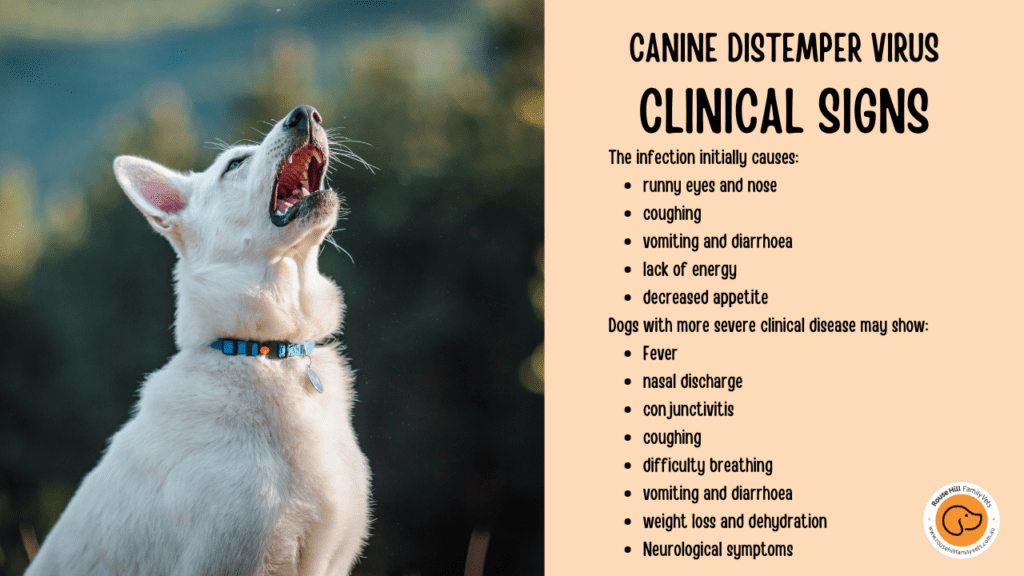
Source: https://rousehillfamilyvets.com.au/what-is-canine-distemper-virus/
Clinically, canine distemper is characterized by:
a diphasic fever
respiratory discharge and pneumonia
diarrhea and inappetence
frequently, neurologic complications (i.e. circling, head tilt, rapid eye movement)
Some infected dogs may shed virus particles for several months.
There is no specific cure for distemper virus. As with most diseases due to viruses, supportive care is the mainstay of treatment for canine distemper. Pets require nutrition and hydration support (IV fluids), defense against secondary bacterial infections (antibiotics), and protection against the consequences of seizures.
Treatment includes:
administration of prophylactic broad-spectrum antimicrobials
provision of balanced electrolyte solutions
provision of parenteral nutrition
administration of antipyretics, analgesics, and anticonvulsants
excellent nursing care
Canine distemper virus (CDV) infection can result in a wide spectrum of clinical outcomes, ranging from subclinical infection (no obvious illness) to severe multisystem disease and death.
How sick a dog becomes depends on factors such as the dog’s age, overall health, immune status, viral strain, and whether the dog has been previously vaccinated.
Some dogs develop only mild respiratory symptoms and recover completely, while others experience fever, coughing, nasal and eye discharge, vomiting, diarrhea, and severe dehydration. In the most serious cases, the virus attacks the brain and nervous system, causing muscle twitching, tremors, seizures, paralysis, or changes in behavior. These neurological problems can appear during the initial illness or weeks to months after the dog seems to have recovered and may be permanent in survivors.
Because CDV can be devastating—with mortality rates nearing 50% in adult dogs and 80% in unvaccinated puppies—humane euthanasia is sometimes considered for animals experiencing advanced, progressive neurological distress.
Dogs that survive neurologic distemper may be left with permanent neurologic deficits, while puppies infected during tooth development may develop permanent enamel defects known as "distemper teeth."
Dogs that recover from canine distemper typically develop strong, long-lasting immunity against future infection.
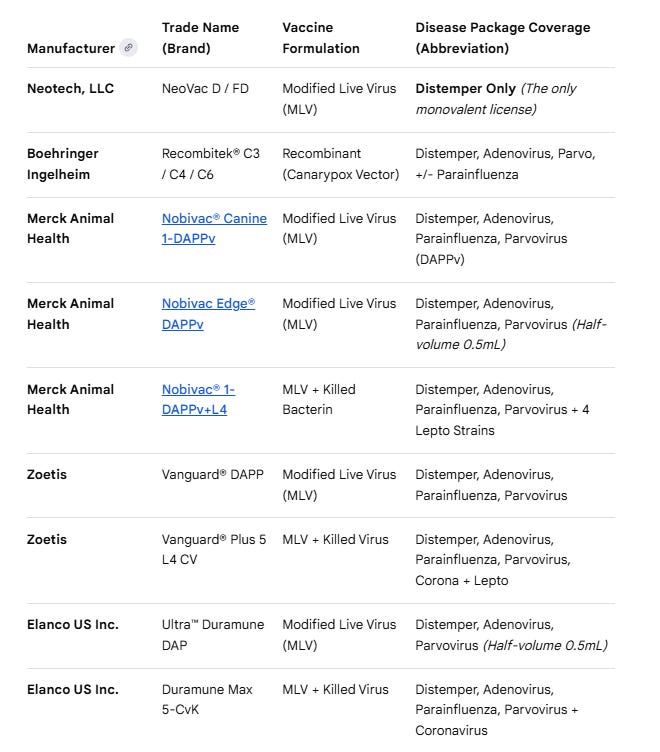
There are approximately 50 USDA-licensed canine distemper-containing vaccines currently available in the United States. However, only one is licensed as a canine distemper-only vaccine. The remaining products are combination vaccines, most commonly combined with canine adenovirus-2, parvovirus, and parainfluenza (e.g., DA2PP, DAPP, DHPP), and some also include leptospirosis, coronavirus, or other antigens.
The currently licensed canine distemper vaccines fall into three general categories:
Modified-live virus (MLV) vaccines – the most widely used and considered the standard for healthy dogs.
Recombinant canarypox-vectored vaccines – used particularly in puppies or animals where a non-replicating distemper vaccine is preferred.
Inactivated (killed) vaccines – used infrequently because they generally induce less robust immunity than MLV vaccines.
The vaccination schedule mirrors that of canine parvovirus. Puppies typically begin the series at 6–8 weeks of age, followed by additional doses every 3–4 weeks until they are at least 16 weeks old. Multiple doses are required because maternally derived antibodies can interfere with vaccine-induced immunity, making it difficult to predict when an individual puppy will develop a protective immune response. Each 1 mL (1 dose) is injected subcutaneously or intramuscularly into healthy dogs.
A booster vaccine is generally recommended one year after completion of the puppy series.
Canine distemper vaccines contain more than just the viral antigen. The exact formulation varies by manufacturer and product, and full formulations are not always publicly disclosed, but most licensed canine distemper vaccines contain the following categories of ingredients:
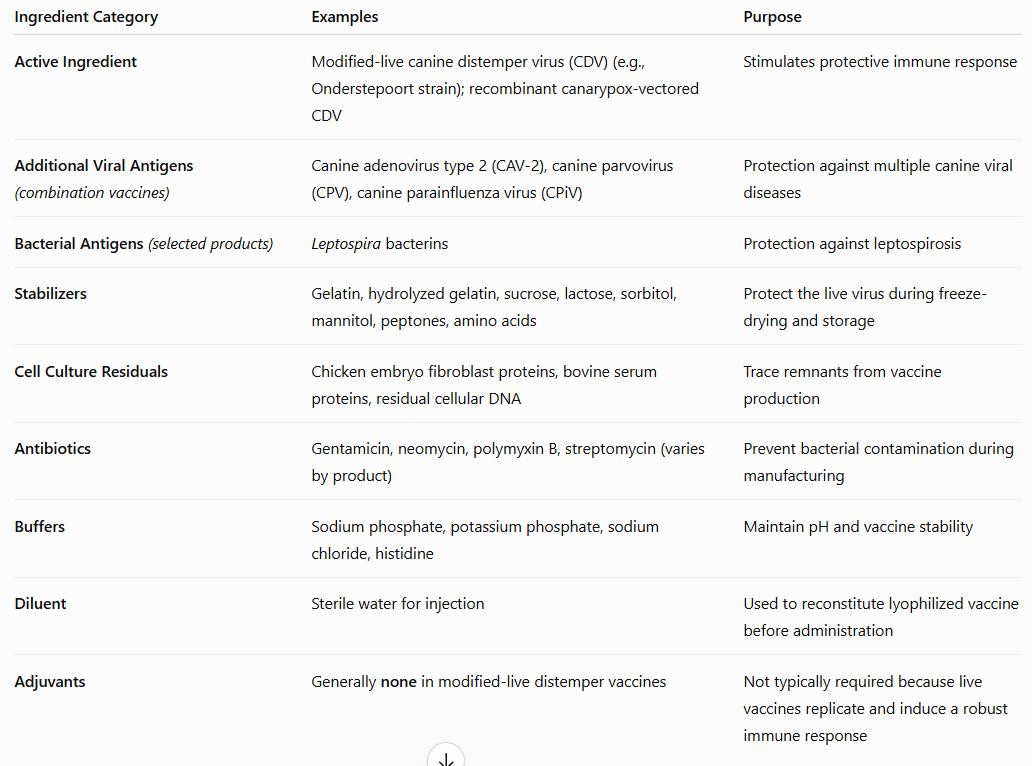
Modified live virus vaccines contain attenuated virus strains such as the Snyder Hill and Rockborn strains attenuated by prolonged canine cell culture, or the egg adapted Onderstepoort strain, now adapted to tissue culture.
NOTE: Because modified-live viruses are grown in cell culture, residual materials may remain in trace amounts of avian/chicken cell proteins and residual cellular DNA from the production cell lines.
Because most canine distemper vaccines are modified-live or recombinant vaccines, they generally do not contain traditional adjuvants such as aluminum salts, which are more commonly used in killed vaccines. Vaccine virus replication following administration of modified-live vaccines is expected and is part of the normal process of stimulating protective immunity.
A canarypox vectored recombinant vaccine is available in some countries. Recombinant canarypox vaccines use a live, replication-defective canarypox virus vector that infects mammalian cells but does not complete its replication cycle. The genes encoding two immunogenic CDV antigens, the hemagglutinin (HA) and fusion proteins have been inserted into an ALVAC canarypox vector.
Manufacturers typically disclose the active viral strains and certain residual components in product inserts, but complete quantitative formulations—including stabilizer concentrations and all excipients—are generally considered proprietary. Consequently, independent comparisons of ingredient composition among products are limited to the information manufacturers submit to regulators and include in their approved labeling.
Because canine distemper vaccines are administered using many of the same vaccine platforms as canine parvovirus vaccines—primarily modified-live virus (MLV) formulations, and in some cases recombinant canarypox-vectored vaccines—the possible adverse effects are also very similar.
The most commonly reported reactions occur within the first 24–72 hours after vaccination and include mild soreness or swelling at the injection site, lethargy, decreased appetite, and a low-grade fever as the immune system responds to the vaccine. Some dogs may also experience transient vomiting or diarrhea. Less commonly, dogs can develop an acute allergic (hypersensitivity) reaction characterized by facial swelling, hives, vomiting, or difficulty breathing. Although severe anaphylactic reactions are rare, they require immediate veterinary treatment.
As with canine parvovirus vaccination, several factors have been associated with an increased likelihood of vaccine-associated adverse events. Small-breed dogs, younger adult dogs, neutered dogs, and dogs receiving multiple vaccines during a single veterinary visit have been shown to be at greater risk.
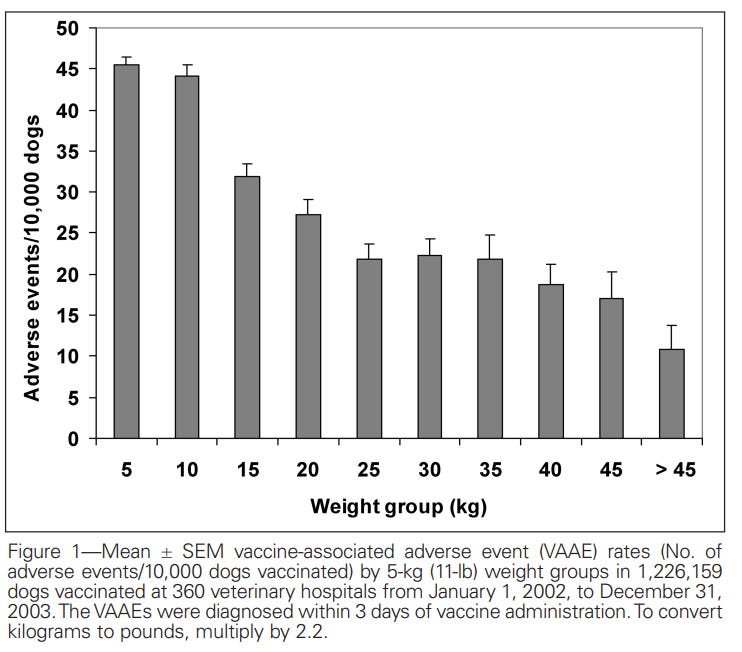
Source: https://avmajournals.avma.org/view/journals/javma/227/7/javma.2005.227.1102.xml
Challenge studies conducted by veterinary immunologist Ronald D. Schultz and colleagues demonstrated that dogs vaccinated with modified-live canine distemper vaccines remained protected against virulent canine distemper virus challenge for at least 7 to 9 years, the longest period evaluated in those studies. Because the studies ended at that point, they established a minimum duration of immunity, not a maximum. Many immunologists believe protection may persist for the lifetime of many dogs after an appropriate primary vaccination series.
Current evidence supports that:
Modified-live canine distemper vaccines provide immunity for at least 7–9 years, based on published challenge studies.
Many veterinary immunologists believe immunity is likely lifelong in many dogs after completion of the primary vaccination series.
The currently recommended three-year revaccination interval is conservative and is based on regulatory minimums rather than evidence that immunity expires after three years.
Canine distemper is a potentially fatal disease, particularly in puppies and unvaccinated dogs. However, the likelihood of exposure varies considerably depending on a dog’s lifestyle and environment.
A dog’s lifestyle is one of the most important factors when assessing disease risk. Dogs that frequently visit dog parks, boarding facilities, daycare, shelters, or have contact with wildlife generally have a greater risk of exposure than dogs that live primarily indoors with limited contact with other animals.
Both natural infection and vaccination produce long-lasting immunity. Following an appropriate primary vaccination series, protection from the distemper vaccine has been shown to persist for at least 7–9 years and may last much longer in many dogs.
Most vaccine-associated adverse events are mild and self-limiting, but the risk is not the same for every dog. Studies have shown that small-breed dogs, particularly young adult dogs, are more likely to experience vaccine-associated adverse events than larger dogs. The likelihood of a reaction also increases when multiple vaccines are administered during the same veterinary visit, with dogs receiving more than four vaccines during a single appointment experiencing nearly twice the risk of an adverse event compared with dogs receiving fewer vaccines.
Overall, the decision to vaccinate should be based on an individualized risk–benefit assessment. A dog's age, health status, immune history, geographic location, and especially its lifestyle and potential exposure to canine distemper virus should all be considered when determining the most appropriate vaccination strategy.
Thanks for reading Smith's Virology Blog! This post is public so feel free to share it.
I'd love to hear your thoughts and experiences in the comments.
No posts
Comments
Nothing yet. Say the first thing.
Sign in to join the conversation.