
In the middle of an escalating conflict involving the United States, Israel and Iran, an unusual technological controversy has emerged. It centres on the reported use of artificial intelligence by the US military during strikes on Iranian targets and a political order from the White House that appeared to ban the very same technology.
Reports suggest that the US military relied on Claude, the AI model developed by Anthropic, during the joint US and Israeli bombardment of Iran. Yet the technology was reportedly used despite an order from Donald Trump to cut all federal ties with the company just hours earlier.
The episode reveals how deeply artificial intelligence is now embedded in military infrastructure and how difficult it can be to remove once operations depend on it.
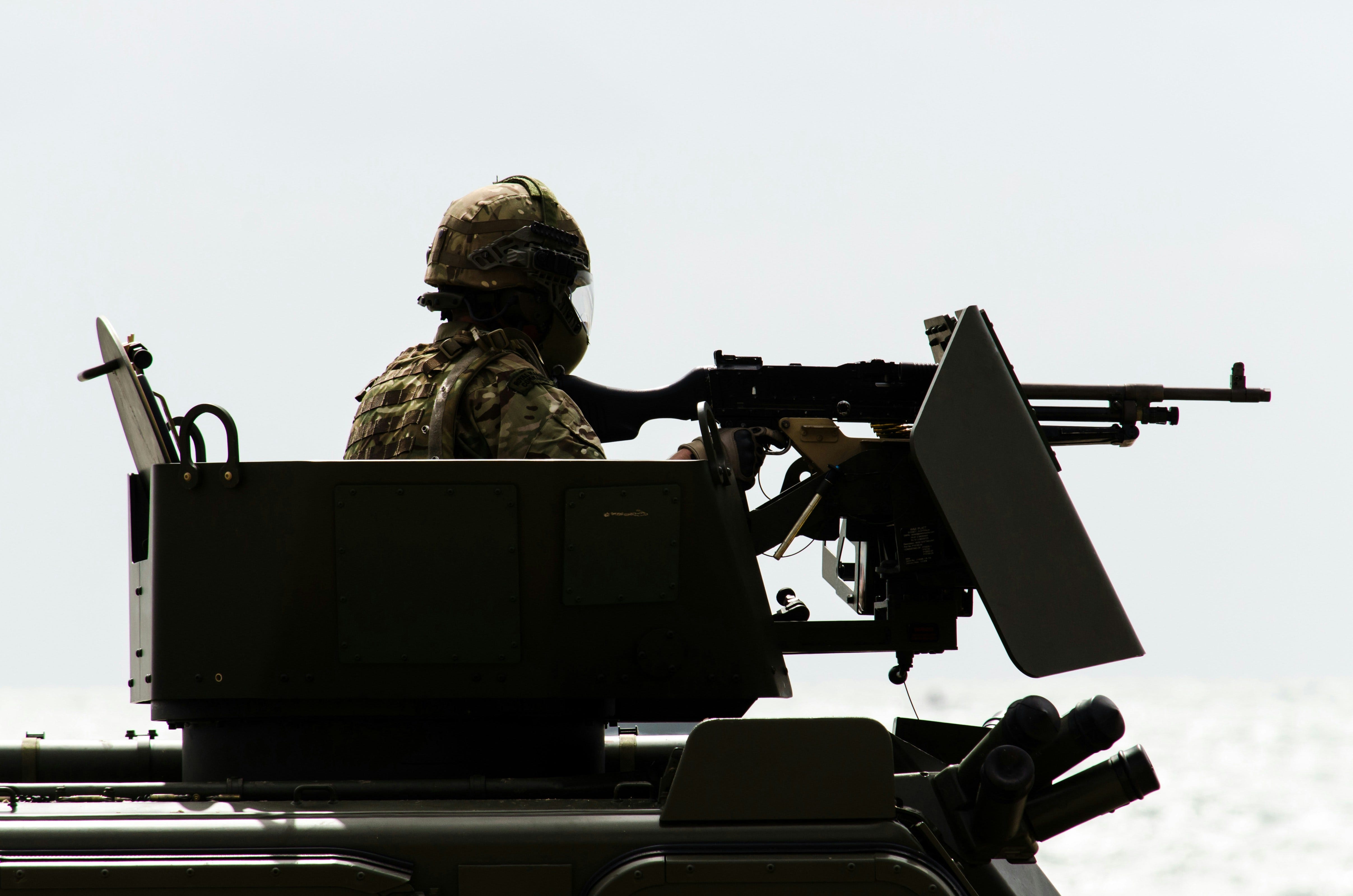
According to reports from the Wall Street Journal and Axios, the Pentagon used Claude during the strikes for a range of operational purposes.
These reportedly included intelligence analysis, assistance with selecting targets and running battlefield simulations to model potential outcomes of the attacks.
Such systems are becoming increasingly valuable to military planners. AI models can process enormous volumes of satellite imagery, signals intelligence and operational data in seconds. Tasks that might once have taken teams of analysts hours can now be completed almost instantly.
But the same advantage also creates dependency. Once AI systems are integrated into command and intelligence networks, switching them off during a live military operation is far from straightforward.
The controversy intensified because the strikes occurred after Trump publicly ordered all federal agencies to stop using Anthropic’s AI tools.
In a post on Truth Social, the president attacked the company, calling it “a Radical Left AI company run by people who have no idea what the real World is all about”.
The dispute had been building for months. Relations between the administration, the Pentagon and Anthropic deteriorated following a US military operation in January aimed at capturing Venezuelan leader Nicolás Maduro.
Reports suggested that Claude had been used during planning for the mission. Anthropic objected to that use, pointing to its terms of service, which prohibit using the system for violent activities, weapons development or surveillance.
For a company that markets itself as focused on AI safety, the incident triggered a direct clash with the US defence establishment.
The response from the Pentagon was swift and unusually blunt.
US defence secretary Pete Hegseth accused Anthropic of “arrogance and betrayal”, arguing that American soldiers should not be constrained by the ethical frameworks of private technology firms.
He also demanded unrestricted access to the company’s AI models for any lawful military purpose.
At the same time, the defence secretary acknowledged a practical reality. Claude had already become widely integrated into US military systems. Abruptly removing it could disrupt ongoing operations.
As a result, Anthropic will reportedly continue to provide services for up to six months while the Pentagon transitions to alternative systems.
The breakdown in relations with Anthropic has opened the door for a rival AI company.
Sam Altman announced that his firm had reached an agreement with the Pentagon to provide its technology within classified government networks. The tools reportedly include ChatGPT and related AI models.
The move suggests that while some technology companies remain cautious about military use of artificial intelligence, others are increasingly willing to engage directly with defence agencies.
It also signals that the competition between AI firms is beginning to overlap with geopolitical strategy.
The controversy surrounding Claude highlights a deeper shift in how wars are fought.
Artificial intelligence is rapidly becoming part of the infrastructure of modern militaries. It helps interpret intelligence, simulate scenarios and support decision making under pressure.
Unlike conventional weapons systems, however, AI tools are often built by private companies with their own ethical guidelines and commercial interests.
That creates a new tension. Governments want technological advantage. Technology companies sometimes want limits on how their tools are used.
In this case, politics collided with operational reality. A presidential order may have cut ties with Anthropic, but the technology was already embedded inside the machinery of war.
The larger question now is whether governments or technology companies will ultimately decide how artificial intelligence is used on the battlefield.
What this episode suggests is that once AI becomes part of military systems, control over its use may become far harder for anyone to assert.
No posts
Comments
Nothing yet. Say the first thing.
Sign in to join the conversation.