
When Keir Starmer says that addictive social media features “shouldn’t be permitted”, he is articulating a concern that has been building for years. Platforms that encourage endless scrolling or reward daily engagement are increasingly seen not as neutral tools, but as systems deliberately engineered to capture and hold attention.
The government’s suggestion that it may intervene marks a significant shift. Alongside comments from Bridget Phillipson, it signals a growing political willingness to challenge the design logic of the digital economy itself. The question is no longer whether social media is shaping behaviour, but how far the state should go in reshaping it.
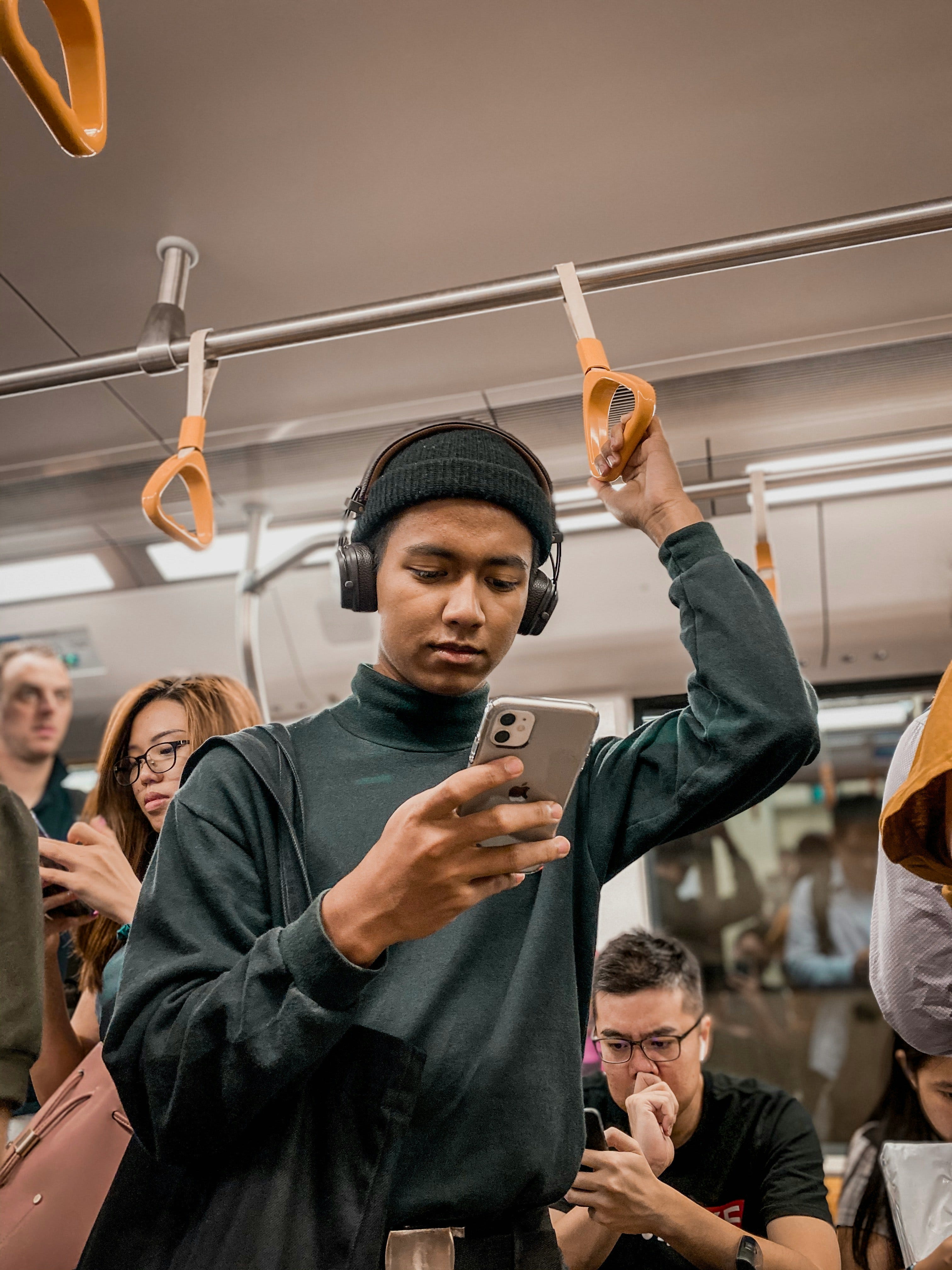
There is a strong case for action. Features such as streaks, infinite scroll and algorithmically driven content are not incidental. They are the product of an attention economy in which engagement is monetised and time spent online is the primary metric of success. For younger users, whose habits and identities are still forming, the effects may be particularly pronounced.
Yet focusing on features alone risks narrowing the debate too far.
It is tempting to treat addiction as something imposed from the outside, a consequence of persuasive design that can be corrected through regulation. Remove the most addictive elements and the problem will recede. This is an appealingly straightforward narrative, but it overlooks a more complex reality.
Social media does not create the impulses it exploits. It amplifies them.
The desire for recognition, the pull of social comparison, the discomfort of boredom and the search for connection are all longstanding aspects of human behaviour. What platforms have done is organise and accelerate these tendencies, embedding them within systems that deliver constant feedback and reinforcement.
In this sense, the success of platforms such as TikTok or Instagram cannot be explained solely by design choices. It also reflects the conditions in which they are used. For many people, especially younger users, digital spaces offer forms of interaction and validation that feel immediate, accessible and difficult to replicate elsewhere.
This raises a more uncomfortable question. Why do these environments hold such power in the first place?

Part of the answer lies in broader social change. Patterns of work, education and community have shifted in ways that can increase isolation or reduce opportunities for sustained, in person interaction. At the same time, cultural expectations around visibility and self presentation have intensified. To be present online is not simply optional. It is often tied to identity, belonging and even opportunity.
Against this backdrop, social media becomes more than a distraction. It becomes infrastructure.
Regulation can address certain harms. It can limit the most overtly manipulative features and set boundaries for younger users. These are important steps. But they operate at the level of design rather than experience.
They do not address why people return to these platforms repeatedly, even when aware of their effects.
Any serious attempt to grapple with digital addiction therefore has to move beyond the interface. It requires a broader consideration of attention, wellbeing and the social environments in which digital habits take shape. Without this, there is a risk that restrictions on one set of features will simply shift behaviour elsewhere, reproducing similar patterns in new forms.
This is not an argument against intervention. It is an argument for a more expansive understanding of the problem.
If the current moment leads only to the removal of certain design features, it may achieve partial progress while leaving the underlying dynamics intact. If, however, it prompts a deeper examination of how and why digital life has become so compelling, it could open the door to more meaningful change.
The challenge for policymakers is not just to regulate technology, but to engage with the conditions that make it so difficult to resist.
No posts
Comments
Nothing yet. Say the first thing.
Sign in to join the conversation.