

For decades, positive airway pressure (PAP) therapy has set the standard for objective treatment monitoring in sleep medicine. In addition to treating obstructive sleep apnea (OSA), PAP devices provide physicians with nightly information on adherence, therapeutic pressures, and respiratory disturbances that have become an expected part of long-term management1.
Oral appliance therapy (OAT) has followed a different path. Patients often prefer oral appliance therapy2, and advances in precision design, digital workflows, materials, and manufacturing have significantly improved efficacy, comfort, and adherence3–7. The safety profile of oral appliances is also significantly better than alternative treatments such as PAP or hypoglossal nerve stimulation8. ProSomnus® Sleep Technologies has been at the forefront of many of these innovations, helping establish precision oral appliance therapy as an increasingly important treatment option for patients with OSA.
Yet one important challenge remains. If PAP’s holy grail has been improving adherence, the holy grail for OAT has been objective physiologic data.
While PAP therapy provides physicians with nightly treatment data, OAT historically lacks a practical way to collect meaningful physiologic information during treatment. For many clinicians, this has limited their ability to monitor treatment response over time and represents one of the final barriers to broader physician acceptance of OAT.
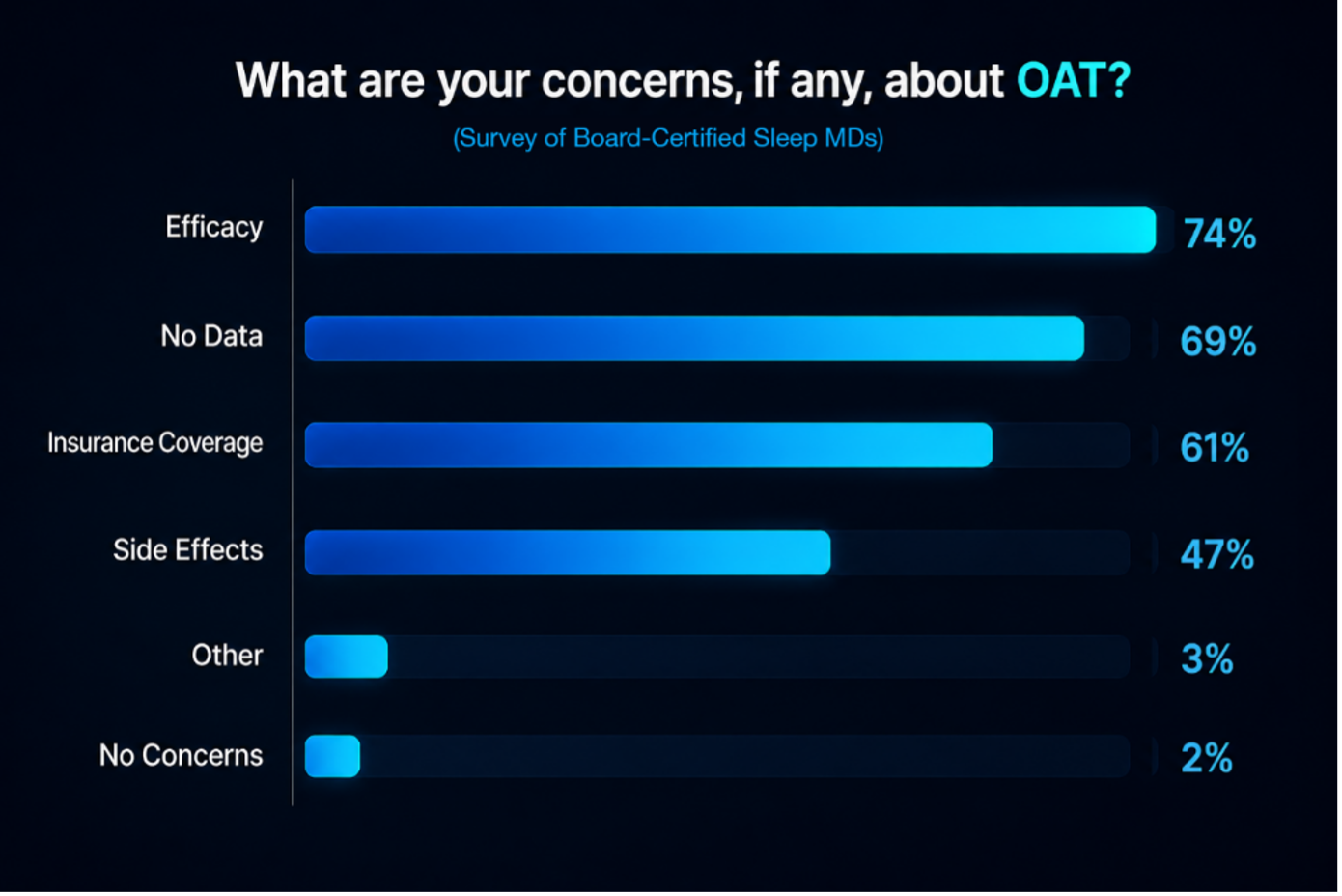
Recognizing this opportunity, ProSomnus set out to change that, but it was no easy task. Years of engineering, clinical validation, and product development were required to achieve an ambitious goal: integrating precision oral appliance therapy with medical-grade physiologic monitoring in a single platform.
The result is the ProSomnus RPMO2 OSA Device—a precision mandibular advancement device with integrated buccal mucosal oximetry designed to provide objective physiologic data while therapy is being delivered. By bringing treatment and monitoring together, ProSomnus has redefined the role of OAT within a more connected, data-driven model of care9.
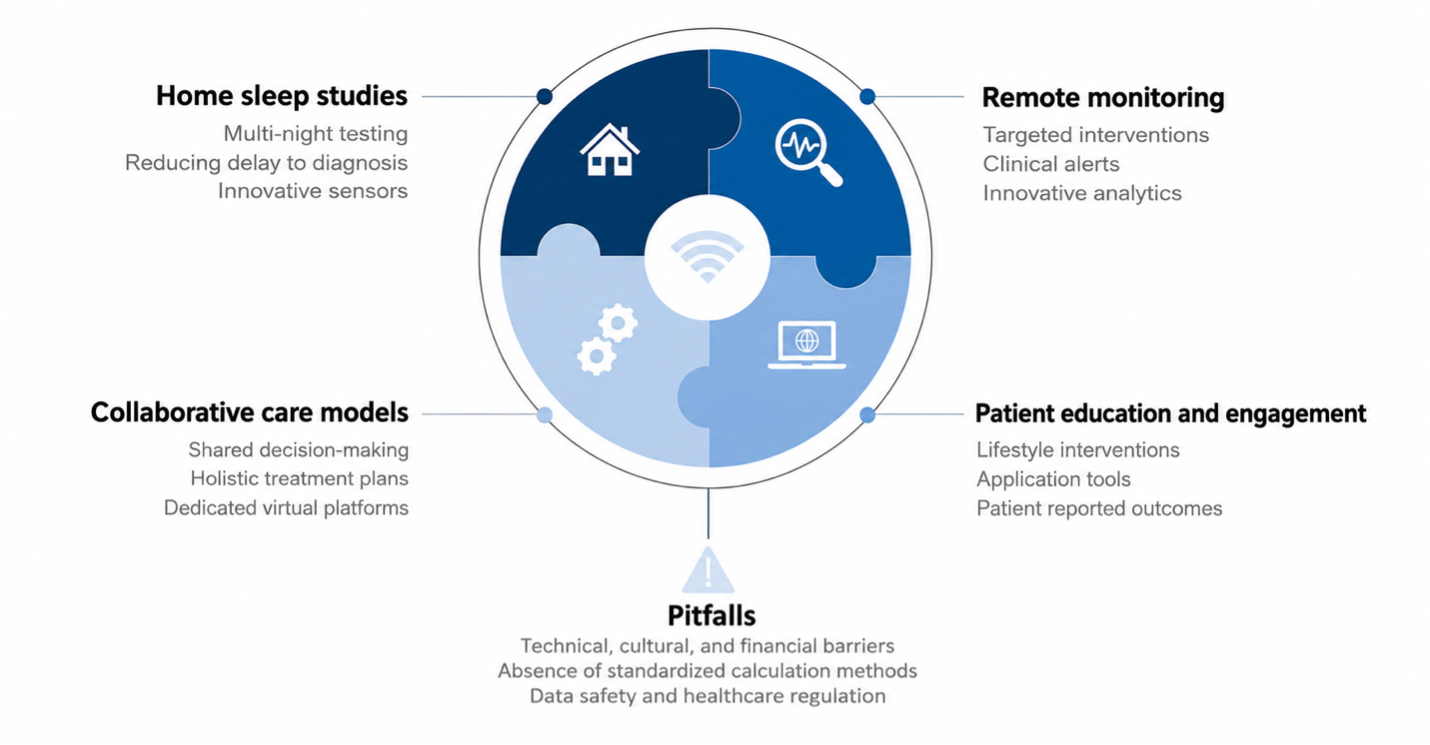
Healthcare is evolving. Advances in telemedicine and connected models of care are shifting healthcare delivery from isolated office visits toward continuous monitoring, collaboration, and long-term patient management. OSA is no exception.
Treating OSA is not a single event – it’s an ongoing partnership between patients, dentists, and physicians. Medicine’s Chronic Care Model (CCM) provides a framework for this approach, emphasizing coordinated care teams, engaged patients, objective clinical data, and longitudinal monitoring to improve outcomes in chronic conditions such as diabetes, hypertension, cardiovascular disease and OSA10.
For OAT, this represents an important opportunity. Effective treatment extends well beyond the initial appliance fitting. Long-term success depends on patient engagement, regular follow-up, meaningful physiologic data, and ongoing collaboration between dentists and physicians. By combining precision oral appliance therapy with integrated buccal mucosal oximetry, the ProSomnus RPMO2 OSA Device is a connected approach to managing OSA.
As healthcare continues to embrace connected models of care, technologies that integrate treatment with physiologic monitoring have the potential to strengthen communication among providers, improve patient engagement, and support more informed clinical decision making throughout the patient’s treatment journey.
In chronic disease management, meaningful clinical decisions are built on meaningful clinical data. The more clinicians understand how a patient’s condition changes over time, the better they can evaluate treatment response and guide ongoing care.
OSA is no different. While PAP devices have long provided information on therapeutic pressures, respiratory disturbances, and adherence, growing evidence suggests that oxygen desaturation and sleep apnea-specific hypoxic burden provide additional insight into disease severity, treatment response, and cardiovascular risk11. Adding to this complexity, many patients with OSA experience substantial night-to-night variability in their OSA. A single night’s assessment may not accurately reflect a patient’s typical sleep. Longitudinal physiologic monitoring provides a more complete picture, allowing clinicians to evaluate trends over time rather than relying on isolated data points.
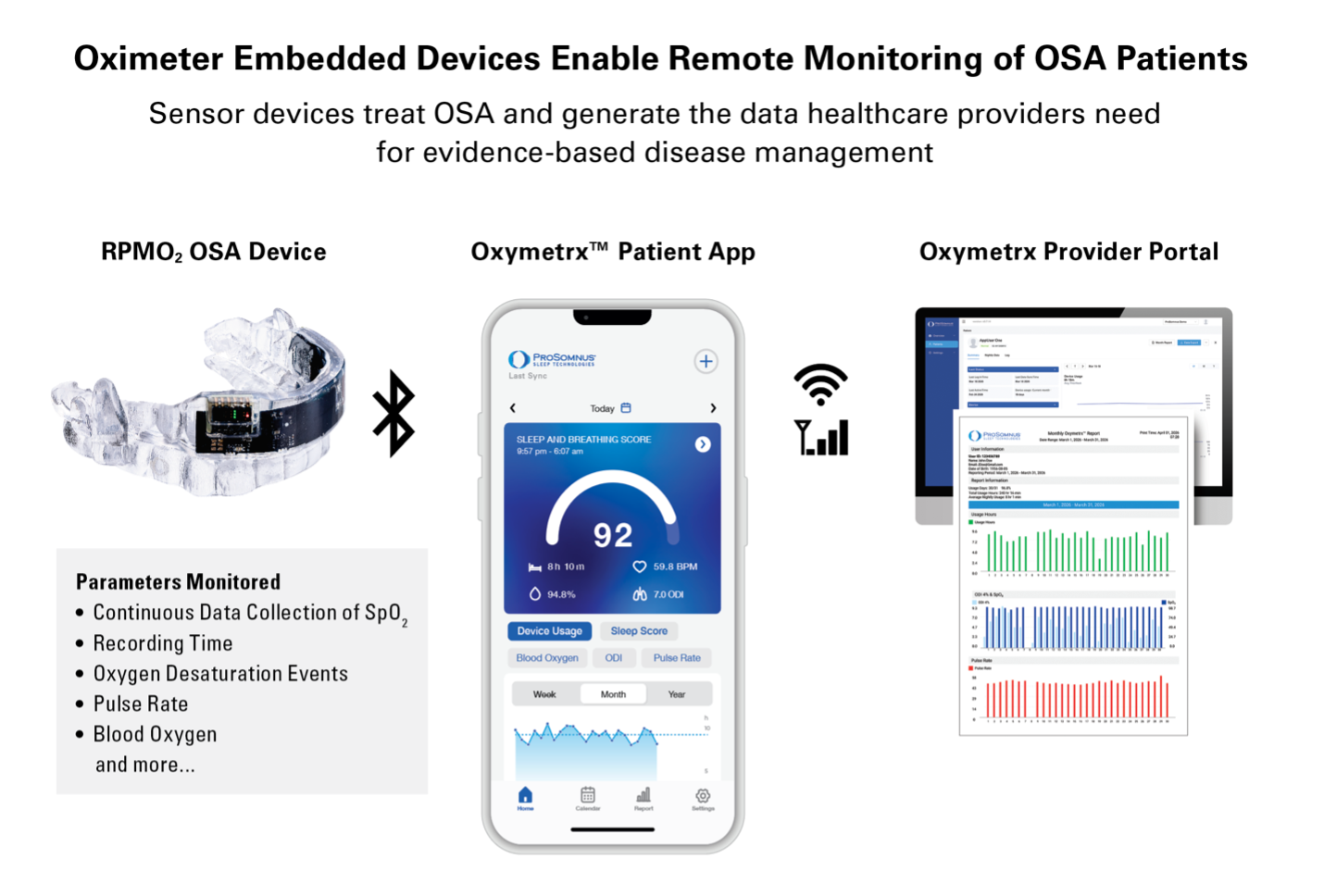
The ProSomnus RPMO2 OSA Device was developed with this need in mind. While the precision oral appliance is designed to maintain upper airway patency during sleep, the integrated buccal mucosal oximeter simultaneously reports physiologic parameters such as oxygen desaturation index (ODI), pulse rate, average SpO2 and other clinically relevant metrics. Together, these capabilities meet the role of OAT within connected models of care.
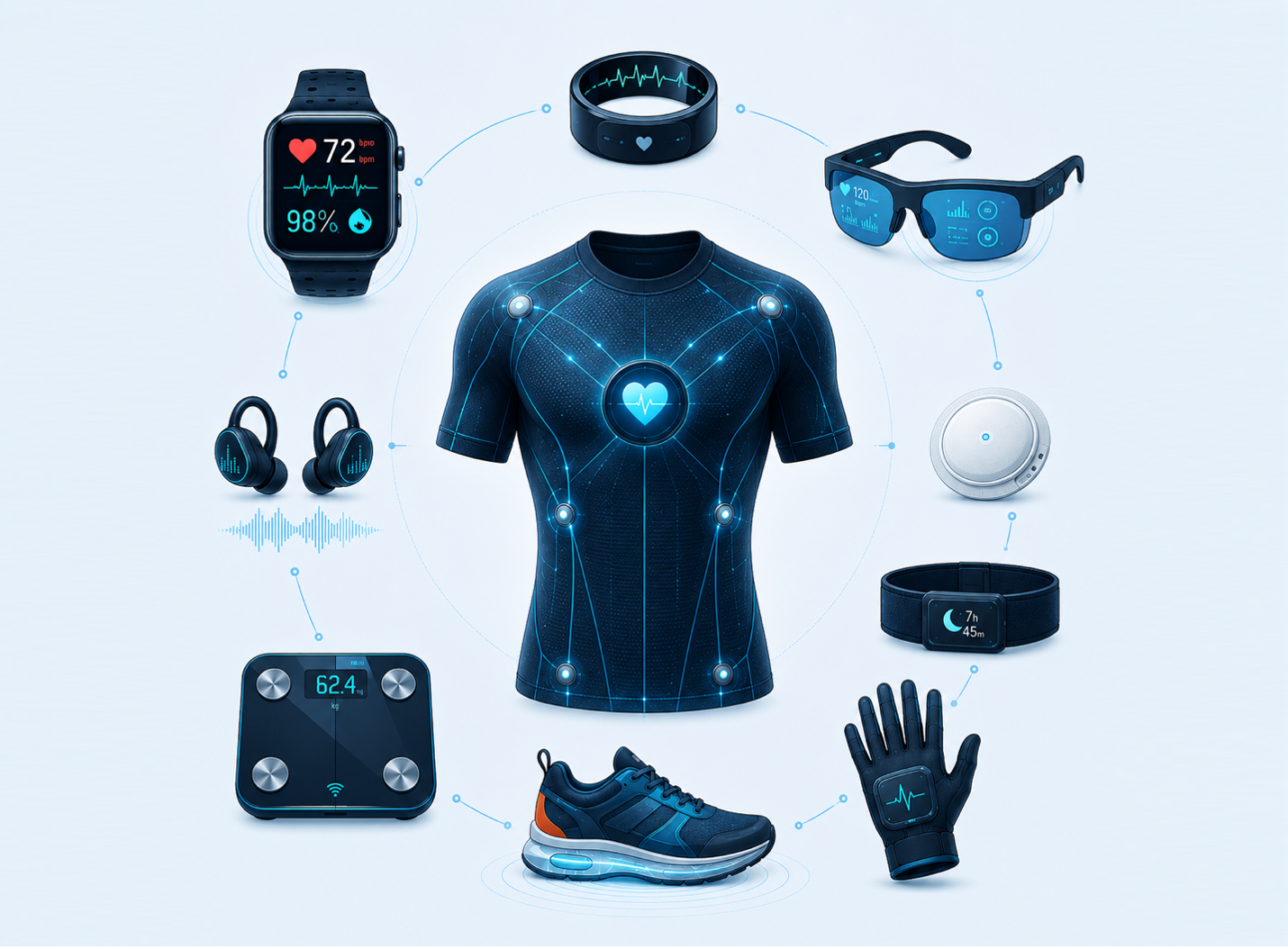
Smart watches, fitness trackers, rings, and other wearable technologies have transformed public engagement with sleep health by giving millions of consumers access to information about sleep, activity, heart rate, and blood oxygen levels. However, it also highlights an important distinction. Consumer wellness devices and medical-grade monitoring systems serve fundamentally different purposes. Consumer wearables are designed to provide general health and wellness information, whereas medical devices are intended to generate objective physiologic data that can support clinical decision making.
That distinction extends beyond intended use to the way these technologies are evaluated. Medical-grade oximeters, cleared by regulatory authorities, such as the FDA, must demonstrate accuracy across a broad range of arterial saturation values using CO-oximetry, the accepted gold standard for measuring arterial oxygen saturation. This rigorous clinical validation distinguishes medical-grade monitoring from consumer wellness devices.
Although many consumer wearables perform well under normal conditions, published studies have shown that their accuracy may decline during episodes of oxygen desaturation12, and their ability to characterize sleep can vary considerably when compared with polysomnography9,10. These devices play an important role in promoting health awareness, but they are not held to the same clinical validation standards as medical-grade monitoring systems.
As clinicians increasingly rely on physiologic data to guide patient care, understanding how that data is generated, and validated, becomes increasingly important. Confidence in clinical decision making begins with confidence in the quality of the data itself. ProSomnus connected theragnostic devices provide that confidence.
Every monitoring technology has limitations. Traditional pulse oximeters can be affected by factors such as motion artifact, poor perfusion, ambient light, impaired thermoregulation and variations in sensor placement. Published evidence also suggests that SpO₂ measurements may be overestimated in individuals with darker skin, increasing the risk of unrecognized hypoxemia13. Wrist and finger worn devices also cannot confirm whether physiologic data is being collected while OAT is actually being delivered.
To address these challenges, the ProSomnus RPMO₂ OSA Device integrates the novel buccal mucosal oximeter within an overlay positioned over the maxillary dentition. Using reflectance spectroscopy, the sensor measures oxygen saturation from the buccal mucosa behind the upper lip. This approach enables the ProSomnus RPMO2 OSA Device to collect physiologic data while therapy is being delivered. Rather than requiring patients to wear multiple devices or sensors, treatment and monitoring occur together in a single, comfortable platform designed for nightly use. The oral appliance is only one component of the RPMO2 ecosystem, where physiologic data supports longitudinal monitoring through the ProSomnus Oxymetrx™ Patient App and Oxymetrx Provider Portal.
When meaningful physiologic data is collected throughout treatment, every member of the care team stands to benefit – from the patient wearing the appliance to the dentist providing treatment, the physician managing OSA, and the payer supporting long-term care.
Patients are increasingly embracing health-monitoring technologies and actively seeking greater insight into their health, with highly variable results14. They also want confidence that their treatment is working. By combining precision OAT with physiologic monitoring, the ProSomnus RPMO2 OSA Device provides meaningful information that can help engage patients and encourage long-term participation in their care.
For dentists and physicians, physiologic data creates new opportunities for collaboration. Longitudinal treatment information supports more informed clinical discussions, shared decision making, and coordinated patient management. As communication between providers improves, confidence in OAT may continue to grow, strengthening interdisciplinary relationships and expanding access to care for patients with OSA.
The emergence of Remote Physiologic Monitoring (RPM) has further expanded opportunities for connected models of care. Existing reimbursement pathways, including the K1037 code for the ProSomnus RPMO2 Docking Station and RPM codes supporting the collection, transmission, interpretation and management of physiologic data, recognize the value of monitoring in the long-term management of chronic disease. By integrating treatment and physiologic monitoring within a single platform, the ProSomnus RPMO2 OSA Device aligns with these models of care while strengthening collaboration among patients, dentists, physicians and payers.
No physician would consider prescribing PAP therapy without access to treatment data. As OAT continues to evolve, many clinicians are beginning to ask whether similar expectations should apply to mandibular advancement devices.
The future of OAT will likely be defined by several key characteristics:
Precision design and individualized fit
Published clinical evidence supporting efficacy and adherence
Safe, comfortable, and effective long-term use
Physiologic monitoring that supports patient management
For years, limited access to physiologic data represented one of the greatest barriers to broader physician acceptance of OAT. Today, advances in digital design, artificial intelligence, robotic manufacturing, precision OAT, and physiologic monitoring are reshaping the future of OSA care.
By strengthening collaboration among patients, dentists, physicians, and payers—and aligning with emerging Remote Physiologic Monitoring and reimbursement pathways—the RPMO2 OSA Device improves patient management, expand access to OAT, and support the continued evolution of dental sleep medicine.
The future of OAT is no longer defined solely by how well a device treats OSA. It is increasingly defined by how effective treatment, objective physiologic data, and connected care work together to improve outcomes for patients.
1. Epstein LJ, Kristo D, Strollo PJ, et al. Clinical guideline for the evaluation, management and long-term care of obstructive sleep apnea in adults. J Clin Sleep Med JCSM Off Publ Am Acad Sleep Med. 2009;5(3):263-276.
2. Sutherland K, Vanderveken OM, Tsuda H, et al. Oral appliance treatment for obstructive sleep apnea: an update. J Clin Sleep Med JCSM Off Publ Am Acad Sleep Med. 2014;10(2):215-227. doi:10.5664/jcsm.3460
3. Dieltjens M, Charkhandeh S, Van Den Bossche K, et al. Oral Appliance Therapy as First-line Treatment Option in Patients Diagnosed with Moderate to Severe Obstructive Sleep Apnea. Am J Respir Crit Care Med. 2023;207(Supplement_1):A1050. doi:10.1164/ajrccm-conference.2023.207.1_MeetingAbstracts.A1050
4. Braem M, Collier E. Observational retrospective cohort study of treatment with mandibular advancement device in patients with obstructive sleep apnea in 6 general hospitals. ERJ Open Res. 2025;11(suppl 16). doi:10.1183/23120541.sleepandbreathing-2025.36
5. Stern J, Lee K, Kuhns D, Martinez-Kratz JF. Efficacy and Effectiveness of the ProSomnus® [IA] Sleep Device for the Treatment of Obstructive Sleep Apnea: EFFECTS Study. Cureus. 2021;13(6):e15391. doi:10.7759/cureus.15391
6. Liptak LA, Sall E, Kim S, Mosca E, Charkhandeh S, Remmers JE. Different Oral Appliance Designs Demonstrate Different Rates of Efficacy for the Treatment of Obstructive Sleep Apnea: A Review Article. Bioengineering. 2025;12(2):210. doi:10.3390/bioengineering12020210
7. Hedgecock B, Kerr M, Tran J, et al. Efficacy of a Novel Treatment Approach for Obstructive Sleep Apnea. Biomedicines. 2025;13(10):2413. doi:10.3390/biomedicines13102413
8. Liptak L, Murphy M. 0509 Adverse Event Reports for CPAP, HNS and Oral Devices: An FDA MAUDE Database Analysis. Sleep. 2023;46(Supplement_1):A225. doi:10.1093/sleep/zsad077.0509
9. Remote Patient Monitoring | ACP. March 17, 2025. Accessed June 29, 2026. https://www.acponline.org/practice-career/business-resources/telehealth-guidance-and-resources/remote-patient-monitoring-billing-coding-and-regulations-information
10. Grudniewicz A, Gray CS, Boeckxstaens P, De Maeseneer J, Mold J. Operationalizing the Chronic Care Model with Goal-Oriented Care. The Patient. 2023;16(6):569-578. doi:10.1007/s40271-023-00645-8
11. Martinez-Garcia MA, Sánchez-de-la-Torre M, White DP, Azarbarzin A. Hypoxic Burden in Obstructive Sleep Apnea: Present and Future. Arch Bronconeumol. 2023;59(1):36-43. doi:10.1016/j.arbres.2022.08.005
12. Harskamp RE, Bekker L, Himmelreich JCL, et al. Performance of popular pulse oximeters compared with simultaneous arterial oxygen saturation or clinical-grade pulse oximetry: a cross-sectional validation study in intensive care patients. BMJ Open Respir Res. 2021;8(1):e000939. doi:10.1136/bmjresp-2021-000939
13. Sjoding MW, Dickson RP, Iwashyna TJ, Gay SE, Valley TS. Racial Bias in Pulse Oximetry Measurement. N Engl J Med. 2020;383(25):2477-2478. doi:10.1056/NEJMc2029240
14. Robbins R, Weaver MD, Sullivan JP, et al. Accuracy of Three Commercial Wearable Devices for Sleep Tracking in Healthy Adults. Sensors. 2024;24(20):6532. doi:10.3390/s24206532
Mark T. Murphy, DDS, D. ABDSM, FAASM, FAGD is the Director of Dental Sleep Education at ProSomnus Sleep Technologies and started the DSM program at the University of Detroit Mercy School of Dentistry and was a regular presenter on Sleep, Business Development, Practice Management and Leadership at the Pankey Institute.
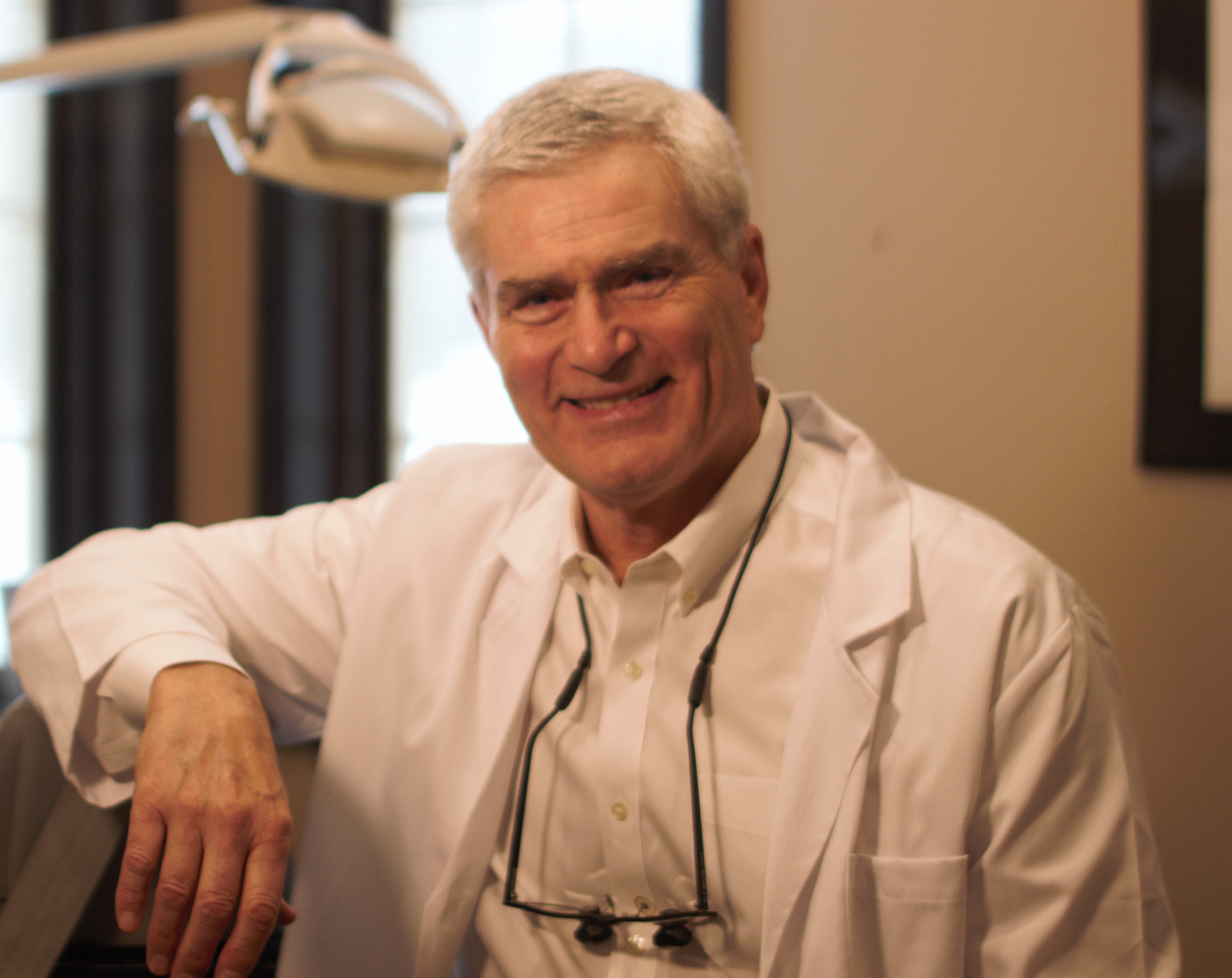
He practiced DSM in the Detroit area on and off for over 30 years. He’s lectured internationally and has authored numerous articles on the aforementioned topics.
Comments
Nothing yet. Say the first thing.
Sign in to join the conversation.