
“Nowadays, when we think of Irish history, our minds go straight to The Troubles, to the thirty or so years of active violence in the latter half of the previous century, where the men fought and were killed, and the women grieved. These were the stories I was raised on.”
Into this tradition comes Lucy Caldwell, writing not of the men but of the women, not of war itself but of survival. Her novel is set in World War II, and though Belfast may be crumbling even then, with the knowledge that we have now, of the endurance of the people who lived there, These Days is a novel of hope, perseverance, and a stunning paean to community, and I’m thrilled for readers to get her insights here on Irish literature, past, present, and future.”— Caolinn Douglas, Senior Editor
by Lucy Caldwell
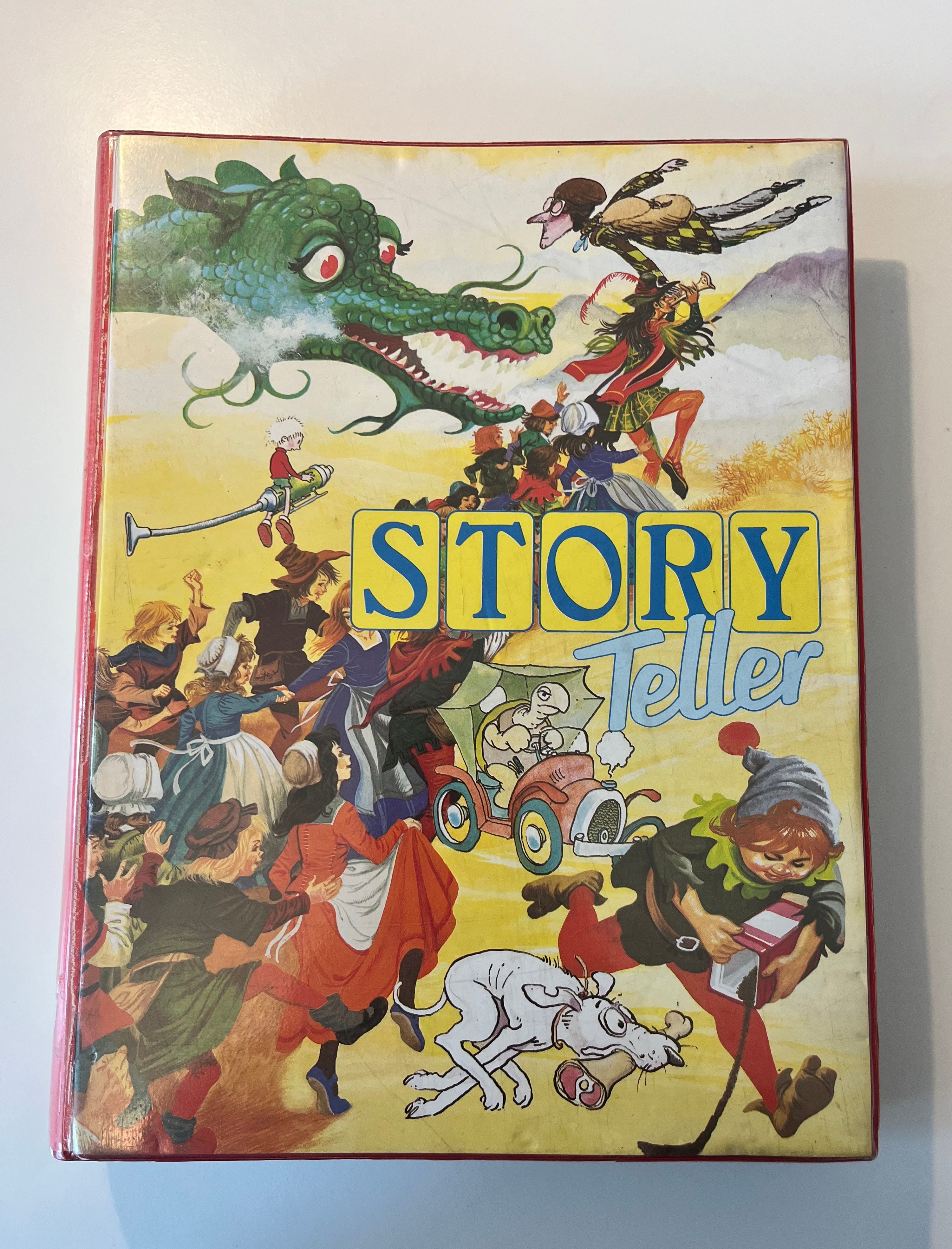
Summer in Belfast, 1983. Every week I walk with my mum, who’s heavily pregnant, down the hill to the shops at Cherryvalley to do her “messages,” and after the post office, the wool shop, the midwife, the bakery. We look in the newsagent’s for the latest issue of Storyteller. A magazine of illustrated tales from around the world, it comes with a cassette tape that dings to tell you when to turn the page.
I am not quite two, and can’t yet read, but I’m entranced by the pictures, and listen until I can recite my favourite stories by heart. The one that fascinates and terrifies me most is a Japanese folktale called “The Goblin Rat.” Years later, I learn that it was collected and first translated by an Irishman, Lafcadio Hearn.
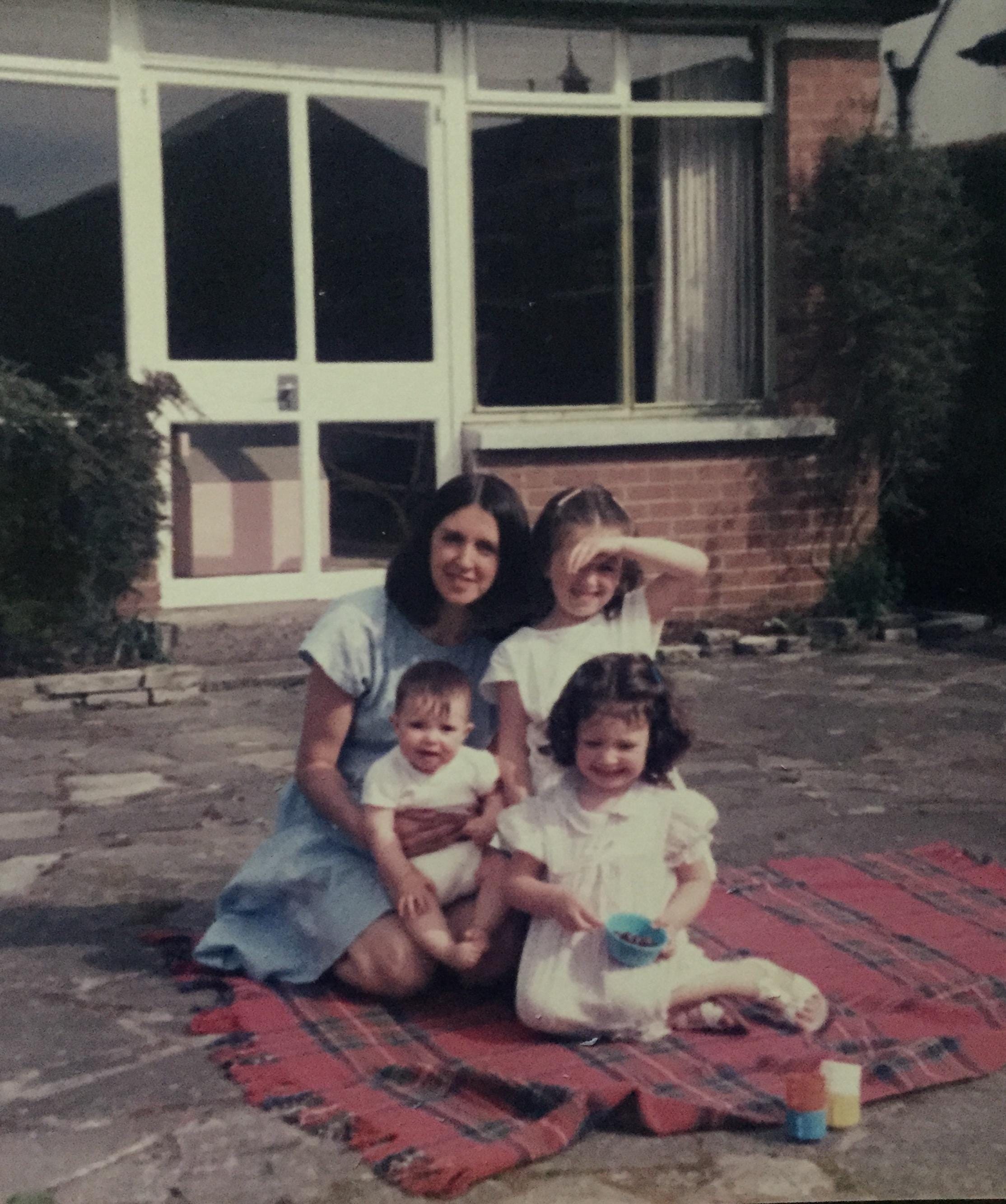
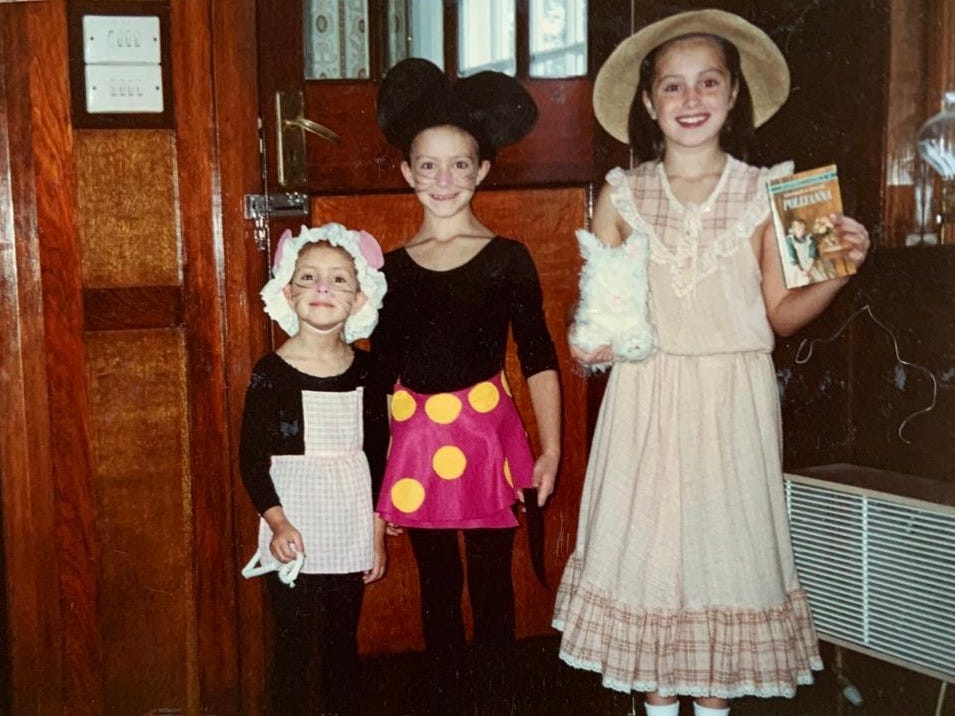
1991: I’m 10, the eldest of three sisters now, and we spend our days in fantasy worlds—furiously chronicling elaborate sagas on reams of used printer paper that my dad brings home from the office. I encounter the Brontë sisters, who were part-Irish. Their father, Patrick Brunty, came from a poor rural family in County Down and went to study at Cambridge with the help of a local priest.
The mainstay of my childhood is our local library, Tullycarnet. If I close my eyes, I can still recall the feeling of walking in—the hushed cool of it, the smell of books, the squeak of the rotating stacks in the children’s section, the clunk of the librarian’s stamp. On the cusp of adolescence, I become obsessed with Irish mythology—my favourite is the tragic story at the heart of the Ulster Cycle, Deirdre of the Sorrows. I am consumed by the idea of fate. Can we elude it? Must we succumb to it? I have what my palmistry book calls a “line of fate” on my own right palm, splitting my lifeline violently in two, and I wonder, and fear, what it might mean for me.
At 13, we read Jennifer Johnston’s How Many Miles to Babylon? in school. Johnston quotes WB Yeats, and I get his Collected Poems from the school library and fall in love. I spend every spare minute that week on my writing. I feel too old now to be playing make-believe with my sisters, and I’m desolate at the loss. I am terrified of growing up. How Many Miles to Babylon? is the portal to the life I immediately know I need to have—the thing that will save me.
Secondary school now, and into our mobile classroom on the first day of the new school year walks our new English teacher, all cheekbones and mascara, peroxide hair with a Pulp Fiction-style fringe, wearing a dress over her trousers, which nobody else is doing in Belfast in 1997. She blows our minds open with her wry wit, her irreverence, her fascination with pop culture, and the soulfulness of her love of literature.
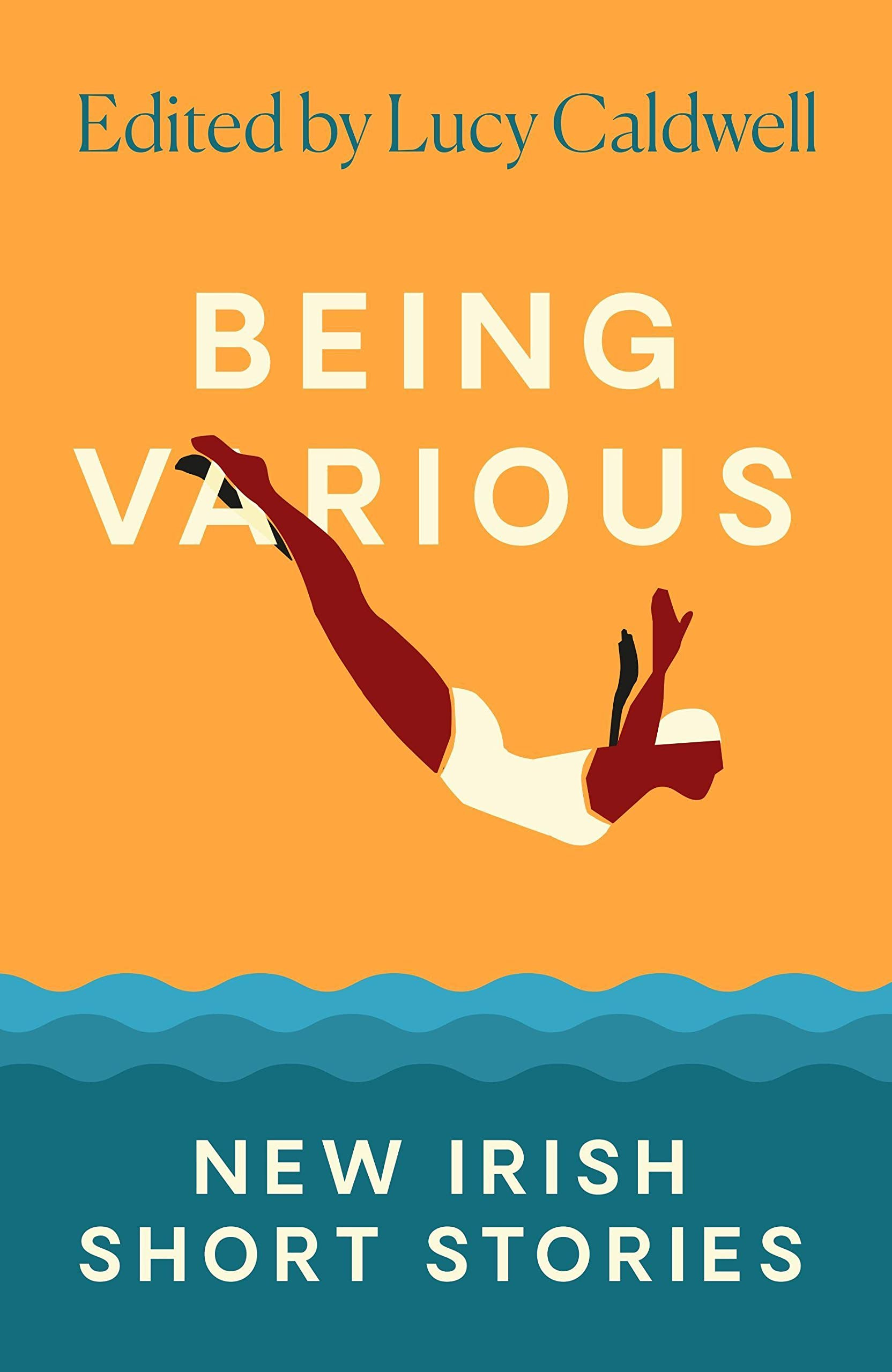
We become friends after I leave school, and I am proud to be one of her first editors when I commission a story from her for Being Various: New Irish Short Stories, the anthology I edited for Faber in 2019. Yes, Wendy Erskine, author of two collections of stories, Sweet Home and Dance Move, and last year’s glorious polyphonic novel The Benefactors, taught me literature. How’s that for a plot twist?
Throughout my teens I ransack my mum’s bookshelves, devouring William Trevor (my favourites are the macabre Felicia’s Journey and Two Lives), all of Brian Moore, The Butcher Boy by Patrick McCabe, and anything I can get my hands on by Roddy Doyle (teenage me gleeful at the sheer amount of swearing in his books; even now, any time I read him I find myself telling my husband to just feck that bottle of wine in the fridge there will you). All these writers are crucial to me as I write my own first novel, Where They Were Missed, as an undergraduate.
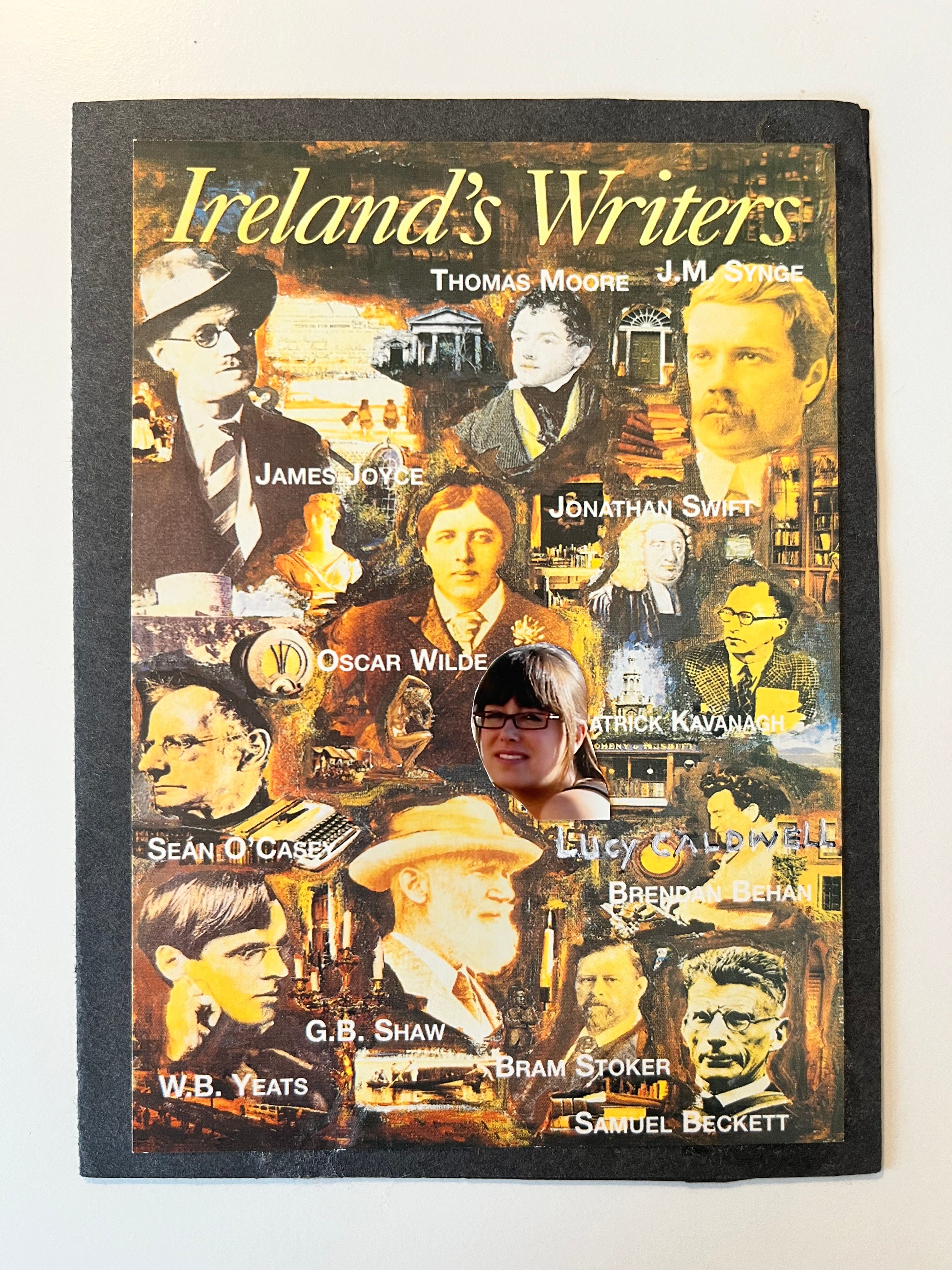
My sisters make me a card when I get my first book deal—that famous picture of “Ireland’s Writers” still for sale in tourist shops today, Joyce, Synge, Swift, Shaw, Beckett, Kavanagh. They find a suitably stern-looking picture of me, thick fringe, heavy tortoiseshell-rimmed glasses, and glue me on just below Oscar Wilde’s shoulder, using Wite Out to add in my name. I pin it, with affection, to the wall of every room I write in for years. But I begin to look at it thinking, Where are the women?
One of the most significant developments in Irish literature in recent years is the restitution of women writers to the canon, such as Maeve Brennan, Norah Hoult, and Mary Lavin, whose work can be found in the landmark anthologies The Long Gaze Back and The Glass Shore, both edited by Sinéad Gleeson. Two writers important to me at very different formative stages are Marian Keyes, whose Rachel’s Holiday my friend Niamh and I pass between us obsessively for a few weeks spent travelling round Mexico together before university, and Anne Enright, whose Making Babies is revelatory, consolatory, intimate, the best sort of companion in the newborn years. I regret that Edna O’Brien wasn’t awarded the Nobel Prize, though for me it’s not the achievement of The Country Girls trilogy, but the exquisite psychic pain of stories such as “The Love Object” that rank as her masterpieces.
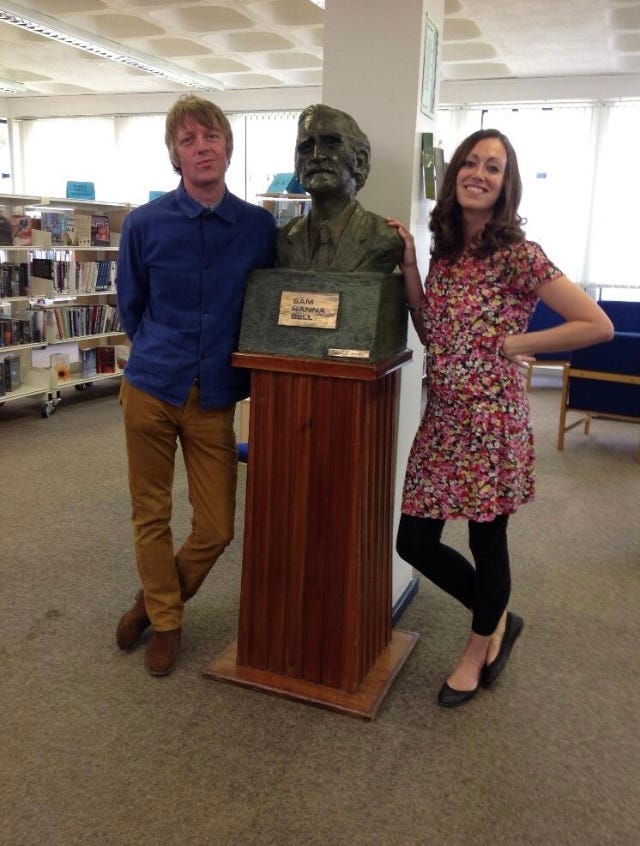
My own work has an abiding interest in untold and undertold stories—those tend to be women’s stories, children’s stories, queer stories. In These Days, I weave together oral stories of the Belfast Blitz—some told to me by the mother of novelist, and unofficial city laureate, Glenn Patterson—with diaries and journals kept by women like Doreen Bates and Moya Woodside. I love discovering ways in which those women’s stories upended all we might expect to believe about those times.
Irish literature continues to have the feel of a golden age. To take the North alone, a masterpiece like Anna Burns’s Milkman lifts us all, and there’s a shining new generation coming through, including Jan Carson, Susannah Dickey, Michelle Gallen, Louise Kennedy, and Michael Magee.
Such an outpouring is surely due to the ways that Ireland, North and South, is taking stock both of its recent and its global past, questioning and rewriting the stories it has told about itself, and finding ways to assimilate stories of newcomers to a place that has long predicated itself on being a land from which people leave. For the dedicated reader, some of the most exciting developments are coming from small presses like Skein Press, who are publishing stories by Traveller writers Rosaleen McDonagh and Oein DeBhairduin, and by writers who have chosen to come to Ireland from elsewhere, like Melatu Uche Okorie, expanding, for all of us, the stories that make up the tapestry of our country.

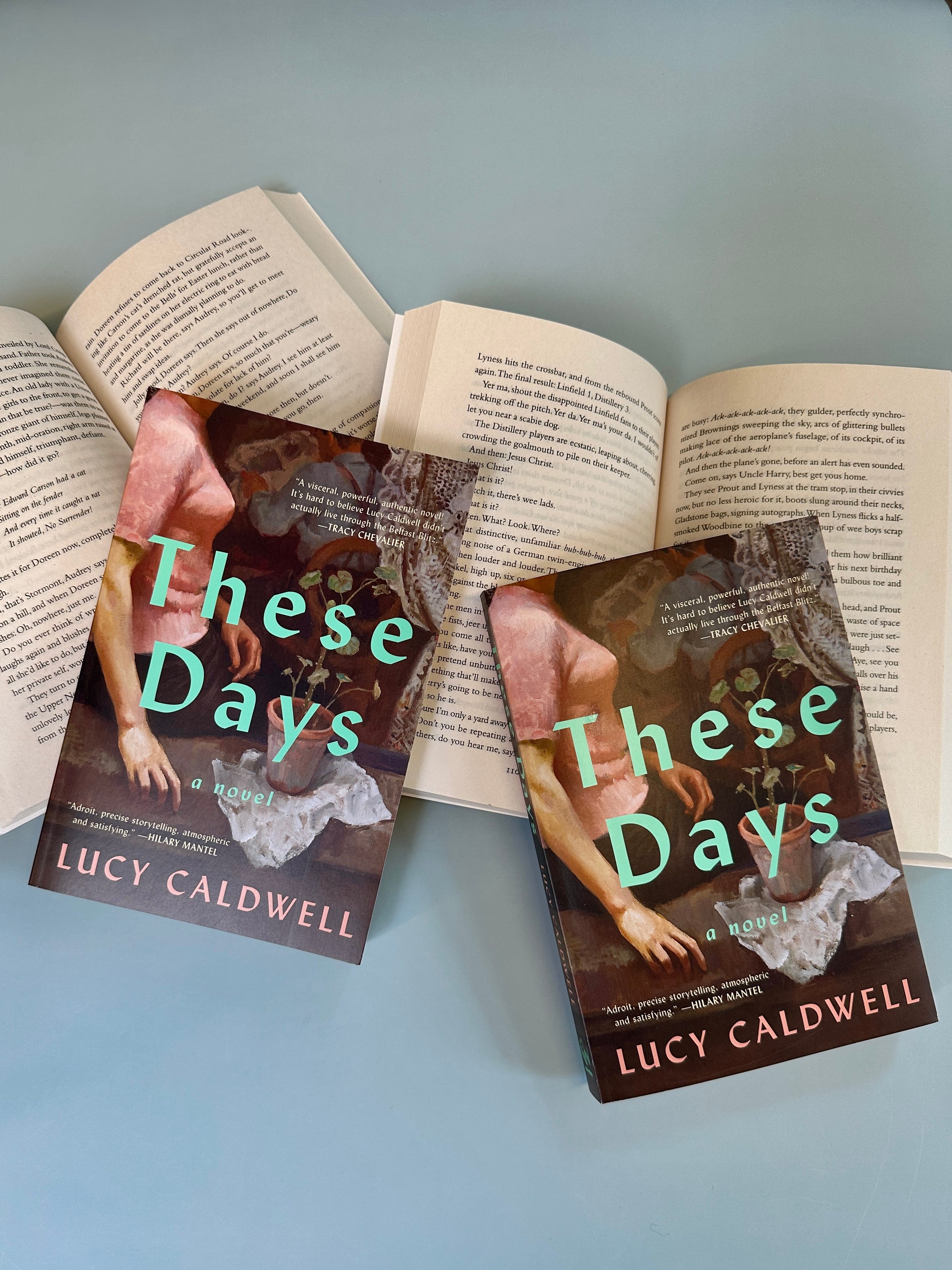
Ready to dip into Irish literature? We’re giving away three copies of These Days, now in paperback! Enter to win by sharing some of your favorite novels, movies, or music from Ireland.
No posts
Comments
Nothing yet. Say the first thing.
Sign in to join the conversation.