
If you’ve written a manuscript and are now asking yourself how to publish a book, you’re not alone.
With Amazon and digital tools making publishing more accessible than ever, more people are finishing their books and wondering what to do next. The writing may be done, but understanding the publishing process is an entirely new challenge.
There are three paths to publication for getting a book published: traditional-publishing, self-publishing, and hybrid-publishing. Each has its own set of benefits and tradeoffs, depending on your goals, timeline, and available resources.
The first in the three paths to publication is traditional publishing, you submit your manuscript to a literary agent, who then pitches it to publishing houses.
If accepted, the publisher takes on the cost of editing, designing, printing, and distributing your book. The process can be long and competitive. Most major publishers will not review your manuscript unless it comes through an agent, and agents themselves receive hundreds of submissions a week.
The main benefit of traditional publishing is that there is no upfront cost to the author. You’ll work with a professional team, potentially receive an advance, and have access to bookstore distribution and established industry networks. It can also add prestige to your work if you’re published under a well-known imprint.
On the other hand, the author typically has very little control over decisions like the book’s title, cover, pricing, or marketing strategy. The process is also slow, often taking one to two years or more from contract to release. Even with an agent, a publishing deal is never guaranteed.
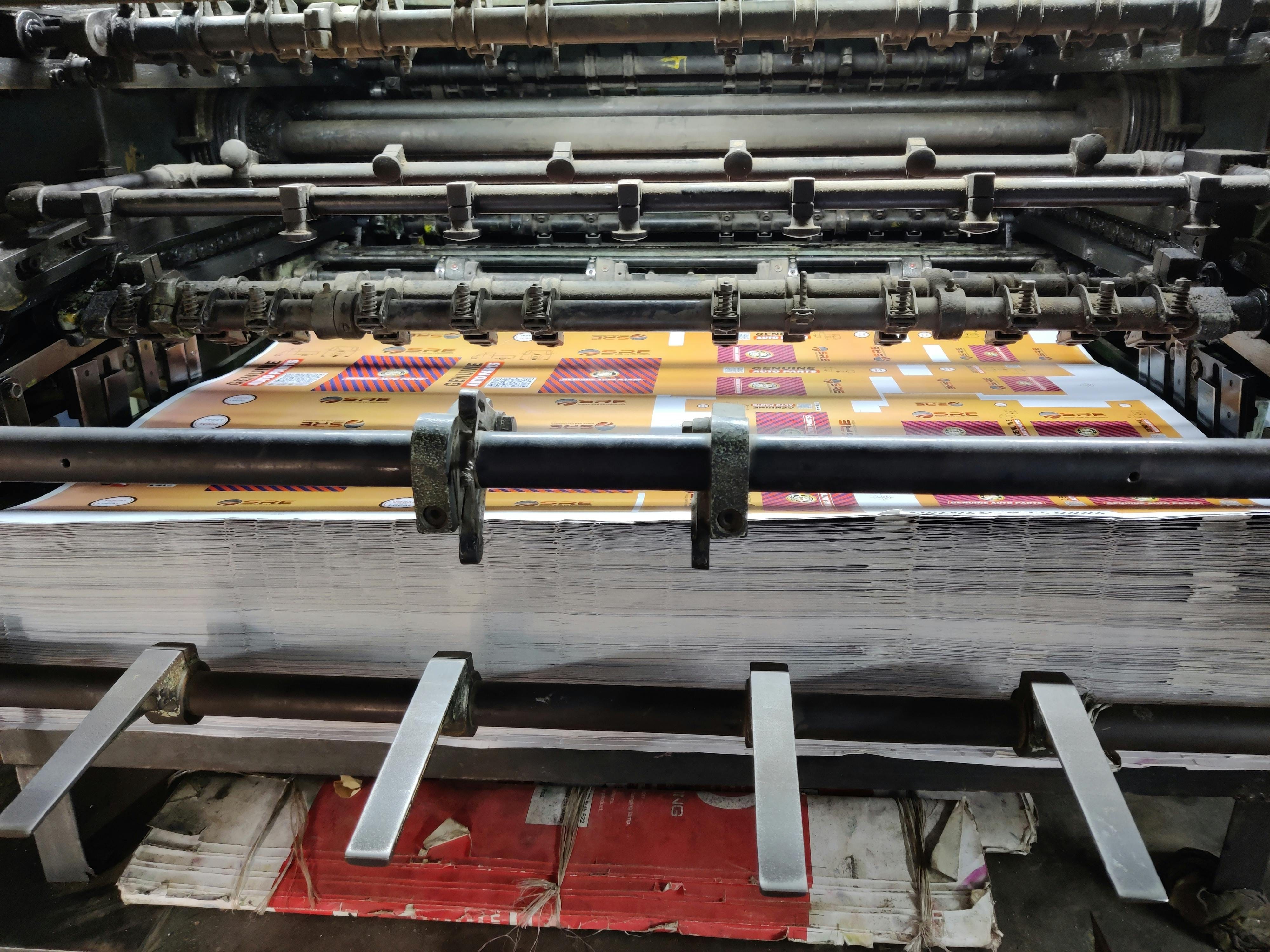
The second in the three paths to publication is self-publishing which gives you complete control over the entire process. You choose your editor, designer, formatter, and marketing strategy. You also decide when and where your book is published, whether through Amazon Kindle Direct Publishing (KDM), IngramSpark, or other platforms. Self-publishing has grown rapidly in popularity due to its flexibility and the ability to maintain full ownership and creative direction.
The biggest advantage of self-publishing is autonomy. You can publish on your own timeline, retain full rights to your work, and earn a larger share of royalties per sale. However, you are responsible for all costs and decisions. This includes hiring a professional editor, designing a marketable cover, purchasing ISBNs, and running your own marketing efforts. It’s also important to approach self-publishing with a business mindset to ensure the finished book meets professional standards. A poorly produced book reflects on the author just as much as the content inside.
The final path to the three paths to publication is hybrid-publishing where the two elements of both traditional and self-publishing are blended. In this path, a third-party publishing company works with you as a partner. You typically pay upfront for specific services like editing, cover design, formatting, distribution, or consulting, but you retain more creative control and rights than you would in traditional publishing.
The strength of hybrid publishing is its flexibility. You can choose how involved you want to be in the process and only pay for the help you need. This is especially helpful for writers who want professional results without managing every detail themselves or starting a publishing business from scratch. A good hybrid publisher will offer transparency about pricing and services and allow you to retain ownership of your work.
The downside is that hybrid publishing can be expensive, and not all providers are reputable. Authors should do careful research and avoid companies that charge high fees without delivering quality or that retain rights to your work. The hybrid model is best suited for authors who have a budget and want to invest in a well-produced book but do not want to go fully independent.
Sitka 2 Publishing is one such hybrid company designed to support authors who want a quality book without handling all the publishing logistics themselves. We work with writers to develop a plan that fits their individual needs, goals, and budget.
Knowing how to publish a book is more than just choosing a platform. It’s about understanding what each path offers and deciding what aligns with your creative vision and personal circumstances. Whether you pursue a traditional contract, take the indie route through self-publishing, or find support in a hybrid model, the most important thing is that you finish your book and share it with the world.
If you’re ready to explore your publishing options, we’d love to help. Reach out at chazh@sitka2.com or visit https://www.sitka2.com to learn more.
No posts
Comments
Nothing yet. Say the first thing.
Sign in to join the conversation.