
In February 2025, Warner Bros and Guide Dogs, a UK-based charity organisation, launched an accessible Hogwarts tour optimised for people with vision impairment. Guests were invited to touch props and outfits (and who wouldn’t want to grab a magic wand), use tactile floor plans, and of course, hang out with Harry, Ron, and Hermione — three adorable pups in training, employed to help guests find their ways around the castle.
The world of Harry Potter is turning 30 in 2027, and it remains, despite the colossal failure that were the “Fantastic Beasts” series, highly popular and relevant. With the new series in the making, we can’t help but feel excited, concerned, and most of all, curious. How will the series tell a familiar and beloved story in new and refreshing ways? Will it be able to preserve the story’s integrity and keep the viewer entertained? But most importantly, will it address the most problematic aspects of the original, intentional or otherwise, in a respectful and critical manner?
“The Accessibility Apprentice” is a free newsletter. If you wish to support its charming author, buy him a cuppa.
Are there wizards with disabilities in the world of Harry Potter? Well, of course there are. Start by taking a good look at the titular character. You may notice something unusual about his look, a detail so small and insignificant, I bet only true fans would remember it.
He is wearing glasses. For his eyes. To see.
The world of Harry Potter is full of wizards with disabilities, and readers come across several important characters with physical and mental impairments: from Alastor “Mad-Eye” Moody rocking a prosthetic leg and a magical eye to Dumbledore’s sister, Ariana, whose mental faculties quickly deteriorate after a gang of muggle kids attack her. Wizards are not much different from humans when it comes to obtaining disabilities, although the vast majority of conditions we come across are magic-induced.
In her 2015 article titled “Illness and Disability”, Rowling compares “mundane” sicknesses and magical issues: wizards are told to “have the power to correct or override” any regular illness, whereas magical injuries can be permanent or exceptionally hard to recover from. Rowling brings up badly injured Mad-Eye and the Longbottoms who “remain permanently damaged by magical torture”, acknowledging that magic has its limits when it comes to certain conditions.
Rowling’s clumsy attempts at justifying the treatment of wizards with disabilities reveal an important problem. In her article, she equates “mundane” disabilities to flu, dismissing them as insignificant, but fails to realise that magic-induced impairments are no different from trivial human conditions. This in turn forces the author to answer: how does the magical society adjust to their existence?
Indeed, how does the magical world treat wizards with disabilities? Depends on the severity of the condition, the author responds.
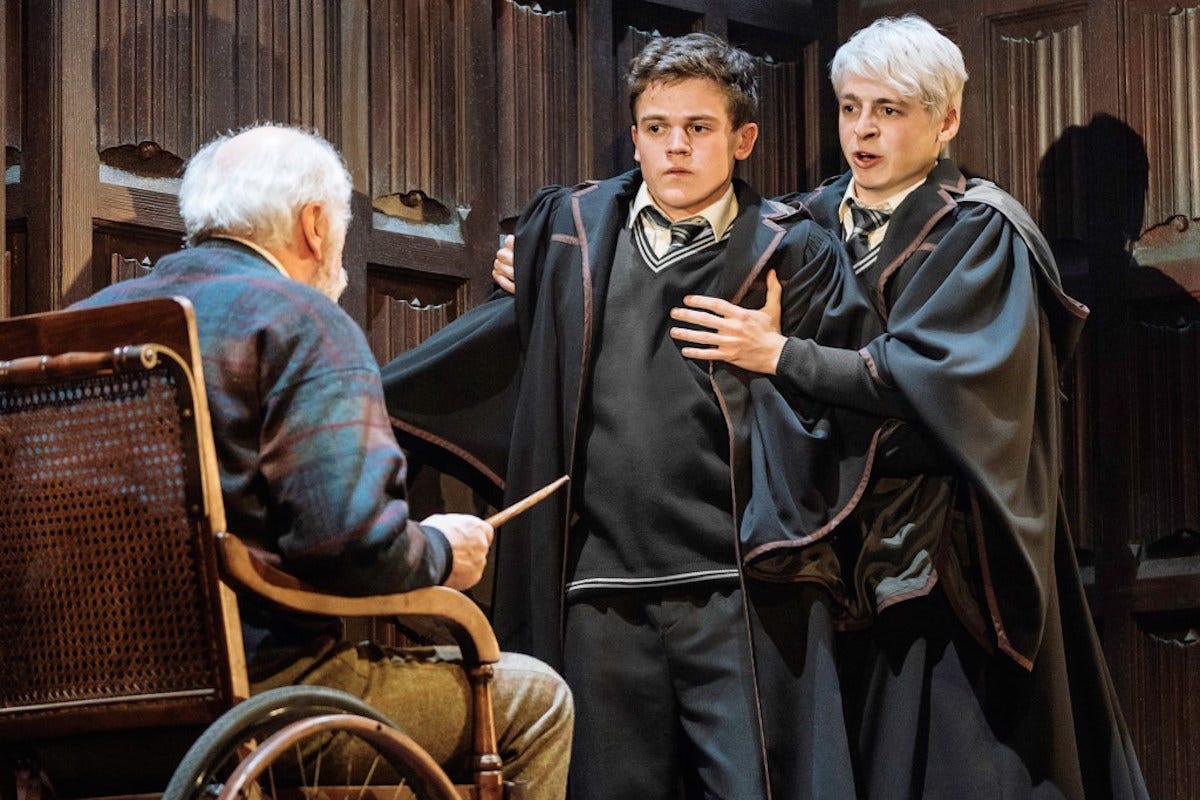
Wizards with spectacles are not an unusual sight, and neither are sorcerers in wheelchairs: some use it to recover from traumas (like McGonagall), others (like Amos Diggory in The Cursed Child) due to old age, but we’ll let the apparent absence of ramps in Hogwarts slide. Temporary traumas and impairments that Rowling perceives as small and insignificant receive nothing more than a quick nod of acknowledgement.
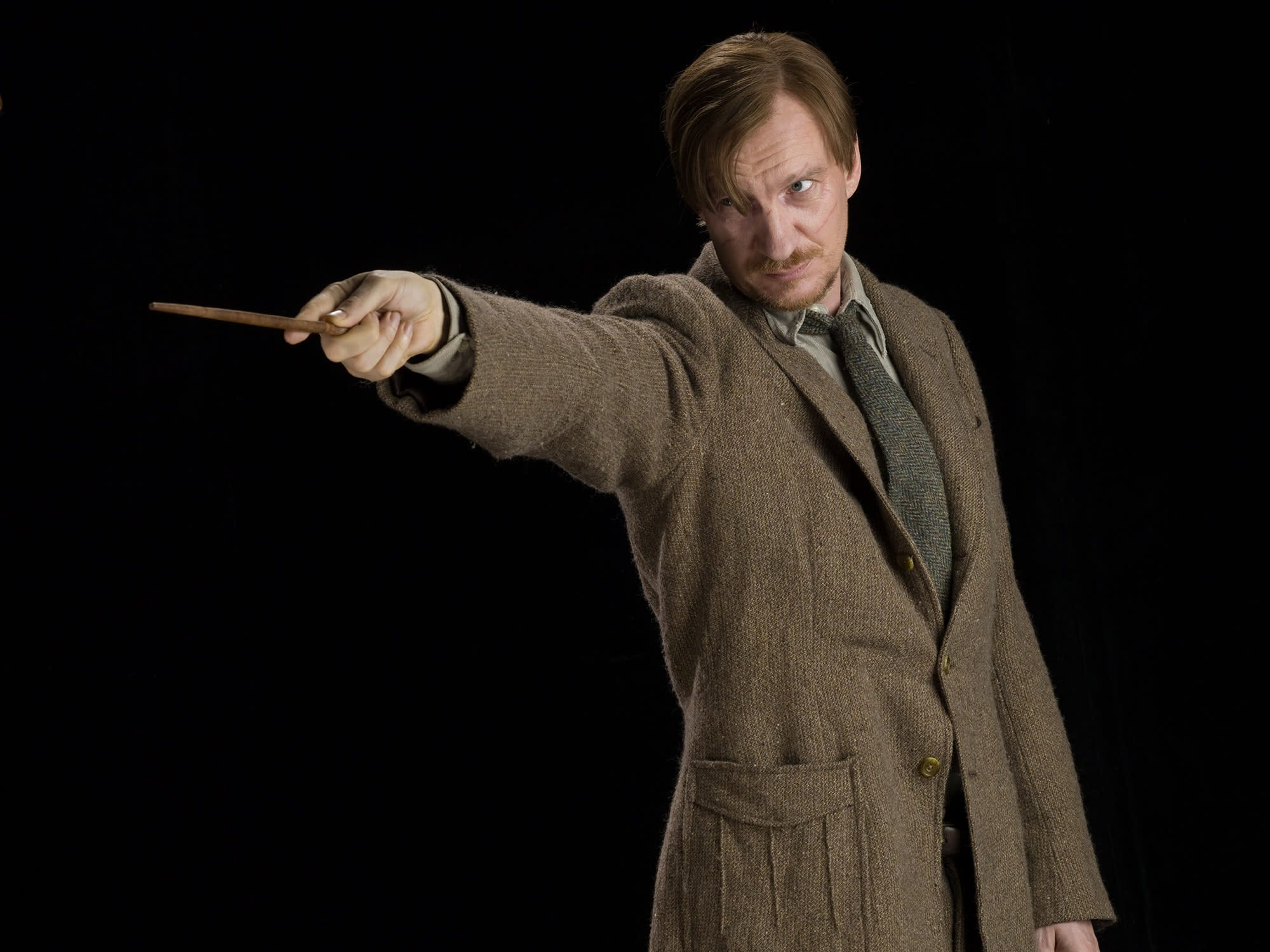
Things get trickier with characters whose disabilities are either highly visible or so severe they are impossible to ignore. Rowling compares Lupin’s lycanthropy to HIV and portrays a strong, capable wizard as living a “hand-to-mouth existence, taking jobs that were far below his level of ability, always knowing that he would have to leave them”. This discrimination is not condemned by the magical society nor outlawed by its legislators. In the world that had discovered a magical potion allowing werewolves to remain conscious (and significantly less dangerous) during episodes, wizards with lycanthropy are heavily stigmatised.
Dumbledore’s decision to hire Lupin (hands down, the best Defence Against the Dark Arts teacher) is portrayed as the act of kindness (or a strategic move, if you prefer this interpretation), not a smart decision to hire a highly competent wizard for his skills and experience. Dumbledore is saving Remus from poverty and self-destruction, amplified by the way the society treats the likes of him. As one StackExchange user points out, the discrimination leaves Lupin “overcome by a certain amount of self-loathing and self-pity”, and he struggles to accept himself as someone worthy of love and respect.
Things get even worse for an entire cohort of wizards residing at the St Mungo’s hospital. Lockhart’s charm backfires and erases his memory, dooming the poor bastard to spend the rest of his day in the Janus Thickey Ward for the victims of permanent spell damage. Frank and Alice Longbottom, tortured into insanity by Death Eaters, reside in the same ward. We can only guess what happened to all those who had gone mad from staring into the Mirror of Erised, but it’s fair to assume they, too, ended up roaming the hospital’s corridors.
Last but not least, the world of wizards introduces squibs — people with at least one magical parent who do not posses any magical abilities. Squibs are barred from attending schools of magic, they do not assume any significant positions in the society: wizards do not care much about squibs, at best ignoring them entirely, and at worst, seeing them as blood traitors, an abomination that must be eradicated.
The paper titled “Harry Potter and the Stigma of Disability: Squibs as Outsiders to the Magical Universe” highlights that Rowling gives squibs “disagreeable personalities”, as if in an attempt to defend their treatment by wizards. Most notorious of them is the caretaker of Hogwarts, Argus Filch, who is portrayed as a bitter, ill-tempered, unpleasant man with no redeeming qualities: kids mock him endlessly, even teachers seem to despise the old man, and he is quick to respond with anger and resentment.
Another squib, Arabella Figg, receives a gentler treatment from the author due to her contribution to the good team’s cause: an unassuming cat-loving weirdo, she is later revealed to be a member of the Order of the Phoenix, and her lack of magical abilities is leveraged by Dumbledore, who sends Figg to keep an eye on Harry.
Rowling is having so much fun bullying Filch, she fails to recognise the problematic nature of her depiction of squibs. She does not condemn the discrimination nor attempts to reflect on it: in fact, using Ron’s aunt Muriel as a mouthpiece, Rowling “empathetically” suggests that encouraging squibs to integrate into the muggle community is “much kinder than trying to find them a place in the wizarding world”. Their inability to practice magic excludes squibs from the community, and they are forced to earn their low place in the society that actively discriminates against them. No one as much as considers other talents and skills squibs could bring to the table. The barriers erected around squibs are so visible, solid, and tall, no one dares to challenge their unjust nature.
The 2011 Business Insider’s article criticises Rowling for wasting an “opportunity for disability representation”: the author’s condition and the story’s attitude to illnesses and disabilities makes them feel left out, as if the Hogwarts Express departed without them and “all the other children with disabilities and chronic illnesses”.
In countless forum discussions and threads, users point out that the world of Harry Potter excludes both wizards and readers with disabilities. One Reddit user recalls a woman commenting that she would not be able to attend the magical school because “nothing about it was wheelchair accessible”. Another asks: “what might happen if a kid with dyslexia misread a spell?”, reminding that charms require physical movement and clear articulation.
Harry Potter is the source of inspiration for millions of readers and viewers around the globe, and its treatment of people with disabilities could have provided an encouraging and thoughtful example. Rowling could have depicted a society that understands and welcomes wizards with disabilities, provides reasonable accommodations, and works on integrating every member, magical or otherwise, into society. It is ironic that the story criticising Voldemort for treating half-blooded wizards and non-human magical creatures as inferior does the same to wizards with disabilities.
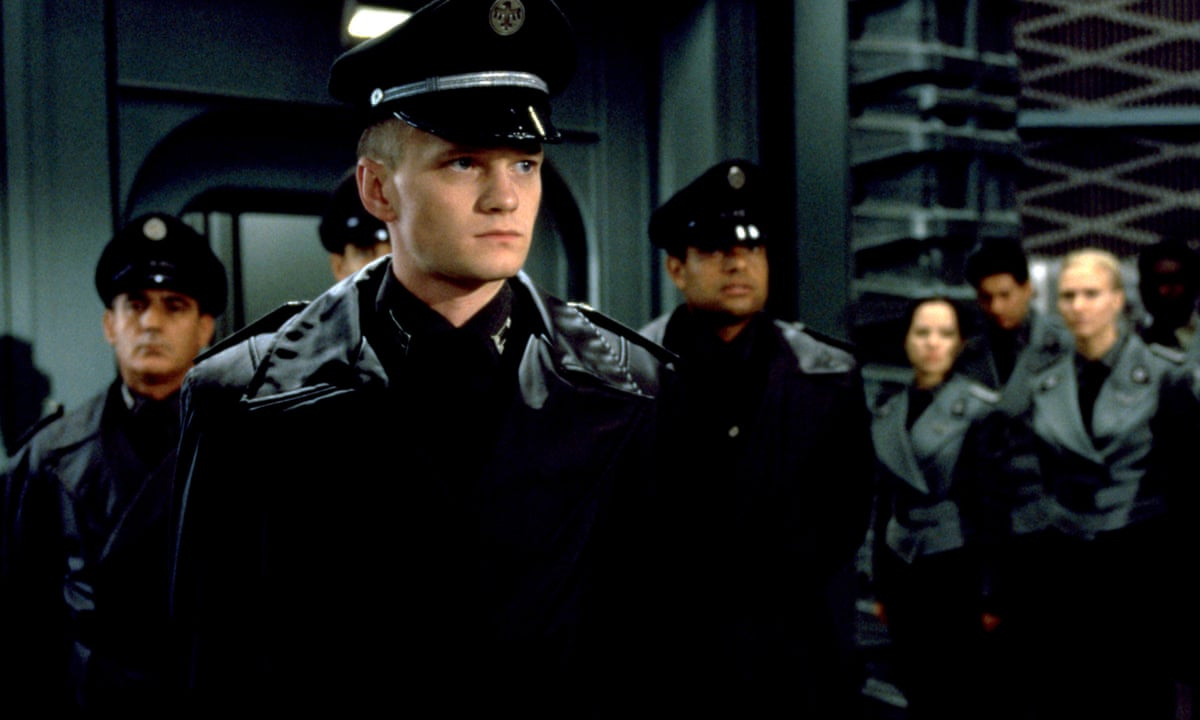
That is not to say that turning the world into a welcoming and inclusive place is the sole “correct” way to go about disability representation. Authors often choose to be subtle and creative in depicting problematic topics, conveying the message that resonates with the reader emotionally through subtext and commentary. Paul Verhoeven’s “Starship Troopers”, based on Robert Heinlein’s 1959 novel of the same name, is a good popular example. The film’s main characters are so charming, stunningly beautiful, and determined that the audience chooses to empathise with them, only to later realise they’d been tricked into rooting for the fascists.
Harry Potter could have condemned discrimination and institutionalisation in a similar way by providing critique, direct or subtle, of the status quo through its characters and plot. Small changes could come a long way: a quick remark about the lack of ramps in Hogwarts posing a challenge to wheelchair users, a piece in the student paper recalling noteworthy werewolves and how they were unjustly mistreated by wizards, or a mention of St. Mungo’s rehabilitation programme for wizards with severe PTSD. The titular character, having spent his entire life among muggles, could have chosen to treat Filch with empathy and respect, learning about the hardships of being a squib, making a new friend, and even getting to leverage the old man’s knowledge of the castle’s secret passages. Dumbledore could have addressed Lupin’s resignation in a speech, insisting that his condition had nothing to do with his departure.
Readers were vocal enough about the story’s shortcomings in the representation department to warrant a reaction from the author. In a 2005 interview, Rowling claimed that she had considered introducing a “blind character who went by the name of Mopsus” into the story at some point. In 2015, she wrote a terrifyingly tone-deaf article about disabilities in the wizarding world. A series of attempts to please the readers (and most importantly, defend and retroactively redeem herself) didn’t do much beside reinforcing the status quo: the world of magic happily continued to pretend that disabilities do not exist. Wizards lock away their peers who dare to require accommodations and ostracise those who refuse to accept their grim fate. Rowling’s own attitude to disabilities makes this position deliberately discriminating: wizards can either be healed, confined, or mocked, with the exception of “cute” or insignificant cases. Their world has no room for wizards with prosthetic limbs, mental impairments, and blood-born diseases.
Luckily, our world’s Hogwarts now comes equipped with wheelchair ramps, tactile navigation, and a pack of good boys to help us around.
Enjoyed this post? Share the pleasure with your colleagues and friends. It’s free.
No posts
Comments
Nothing yet. Say the first thing.
Sign in to join the conversation.