
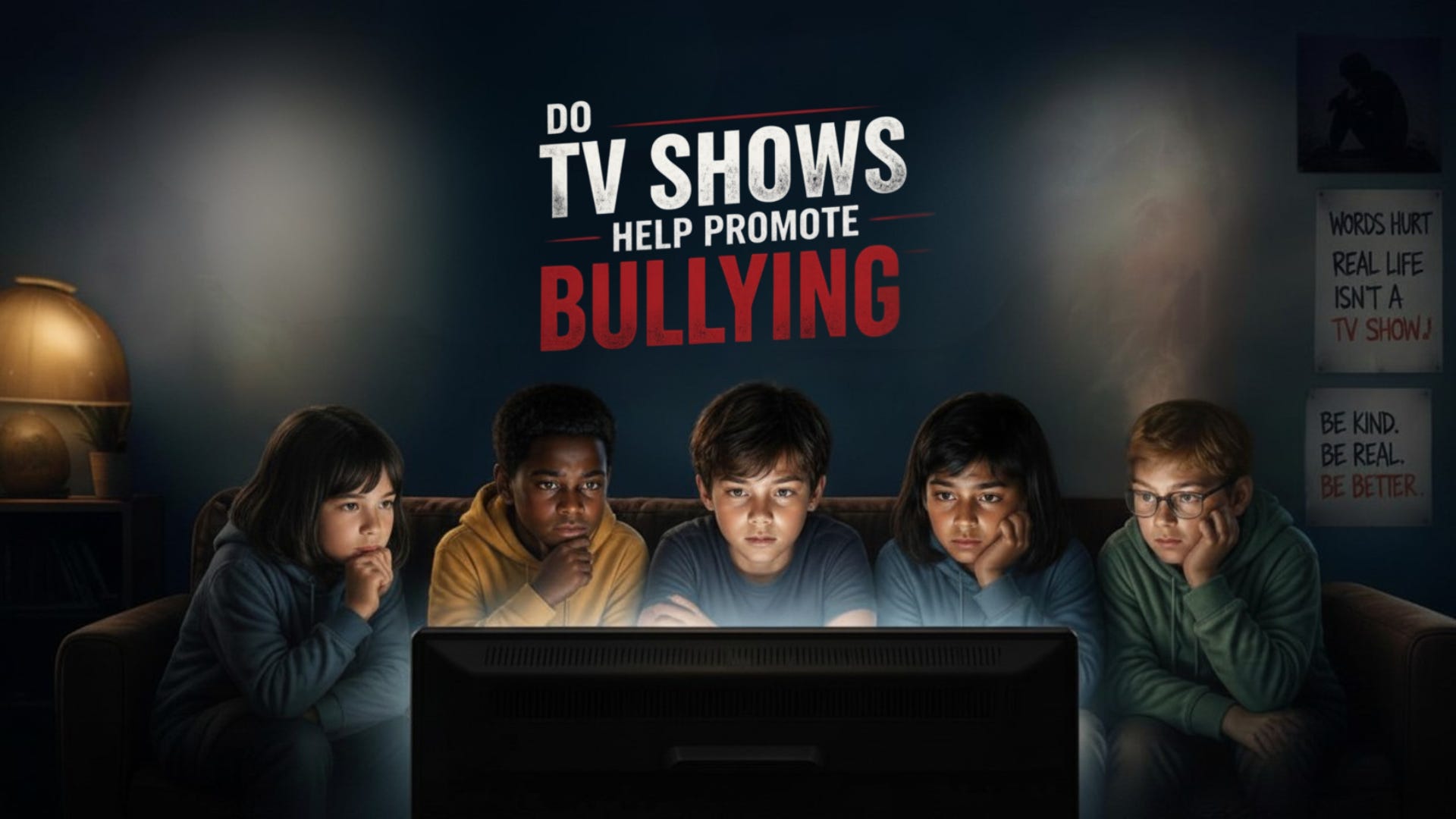
I was watching a TV show that was supposed to be a light-hearted watch when I was confronted with bullying scenes that made my heart race. It wasn’t just the pain of empathizing with the victim. It was also because I couldn't shake the unsettling thought that, in some cases, these shows might unintentionally be promoting the very behavior they hope to condemn.
I get it. These shows want to present something current, a relatable experience to some young people who may be struggling with the same problem. In a way, perhaps they may also want to spread awareness of the issue and probably give a lesson to change this behavior.
In light of this, I would like to note that what I’m about to discuss is my personal opinion and gut feeling, based on my own analysis and observations. I appreciate the efforts of all of those who truly seek to educate audiences, make a difference and protect the vulnerable.
But I couldn’t help but feel that sometimes, it is quite possible that these shows could inadvertently be promoting the act they wanted to stop. Could such portrayals have unintended consequences? How?
The following questions keep coming back to me:
Does exhibiting the evil deeds of bullies discourage them? Or do these scenes inspire them more?
I haven’t read formal studies about this yet. But my instinct tells me that many times, it is easier to copy what’s wrong than indirectly realize what is right and be influenced by that.
What if these bullies on screen show characters that people may want to imitate?
This is especially true when we see these bullies winning most of the time and getting what they want.
These shows often present bullies as attractive, empowered and getting on well with their life. They have lots of friends, they are popular, and they see their victims as the annoying and weird ones who deserved to be social outcasts.
Could this unintentionally relay the thought that bullying is a way to gain influence or improve their social status?
Instead of helping the victim heal, these shows sometimes put them in a bad light. By doing so, they could reinforce a victim’s feeling of shame, guilt and powerlessness.
Why not present these people in a way that they could be motivated to seek help from their mentors, teachers and parents? Why are the elders often shown as people who couldn’t be relied on for assistance when needed?
In the end, most shows only depict these victims to finally feel so overwhelmed that all they could think about was seeking revenge.
Instead of that, they can show that asking for help and defending themselves the right way is an act of wisdom and courage.
Why not create a third kind of character who refuses to be bullied? Someone who is strong, smart and confident but chose not to bully others. Someone who may have been exposed to mistreatment but found a healthy way to set boundaries, seek help and remain strong without resorting to violence?
By showing only two characters (the bully and the victim), the audience is made to think they could only choose which one of those two they wanted to be.
This should not be the case. There should also be a deeper understanding of people. Where do bullies really come from? How could they change for the better? What could people do to avoid being bullied? And what should they do once it happens?
Let’s not put people in stereotypes that could only promote an endless cycle of bullying, victimization and revenge.
As Christians, God taught us that we should overcome evil with good. There is a way to avoid violence while remaining strong. There is also hope for those who want to change, and healing for those who seek God’s saving grace.
“Do not fear: I am with you;
do not be anxious: I am your God.
I will strengthen you, I will help you,
I will uphold you with my victorious right hand.”
- Isaiah 41:10 (NABRE)
Comments
Nothing yet. Say the first thing.
Sign in to join the conversation.