
Week 26.32 posts include shots from One Hundred and One Dalmatians (1961); Girl 6 (1996); Parks and Recreation (2009-2015); Legends of Tomorrow (2016–2022); and Doctor Who (2023-current-maybe?-cancelled?-who-knows!).
Episode 2.01 “Pawnee Zoo” airs several segments of “Pawnee Today”, which use two different look to show when we’re watching the main mockumentary, and when we’re watching the show being aired within that show.
Though the fourth-wall-breaking and awkward interpersonal interactions are the same, the distinction comes visually: a shift in aspect ratio as well as grainy, lo-res look and less saturated colours, and the logo floating down on the bottom left corner.
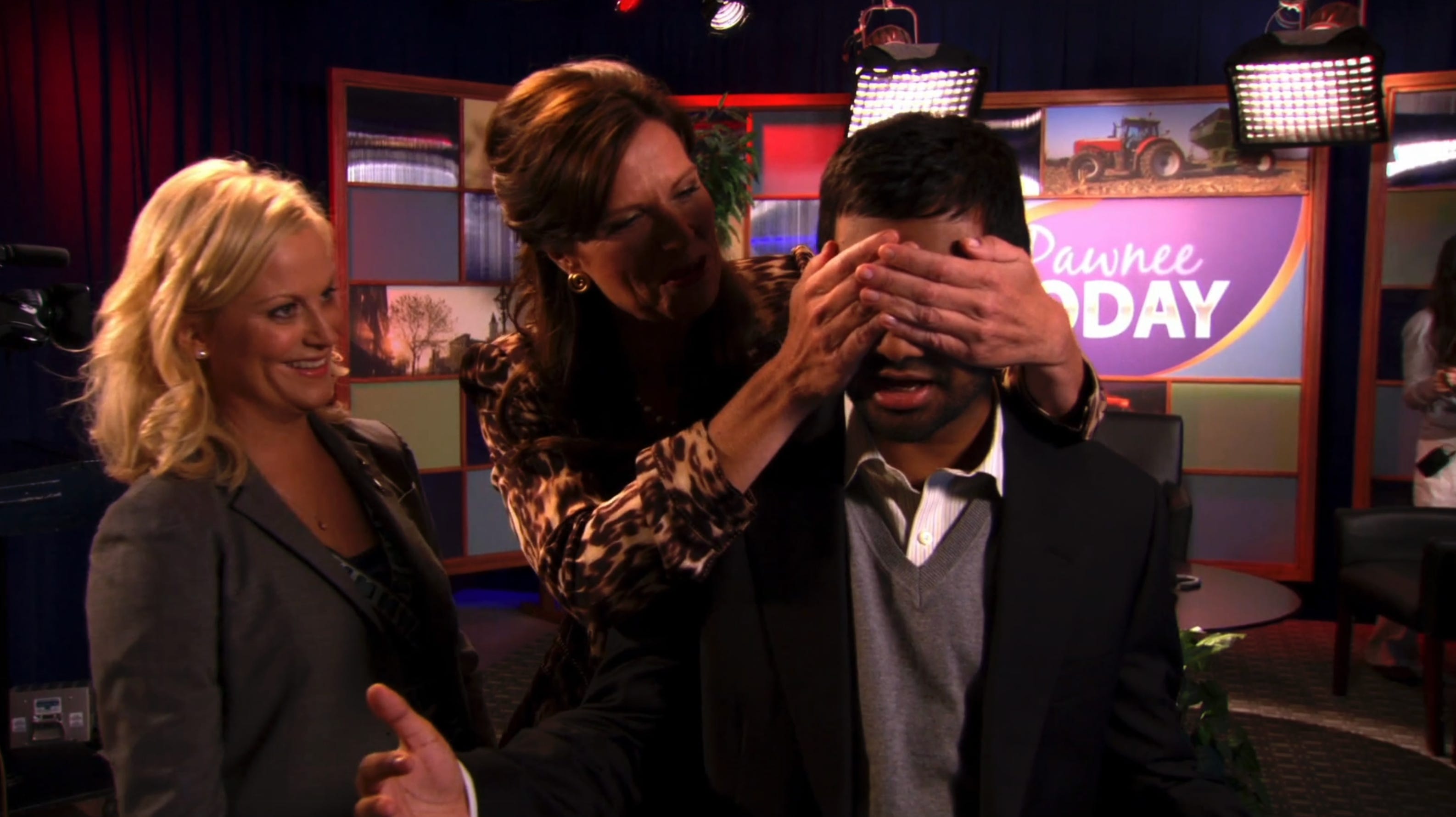
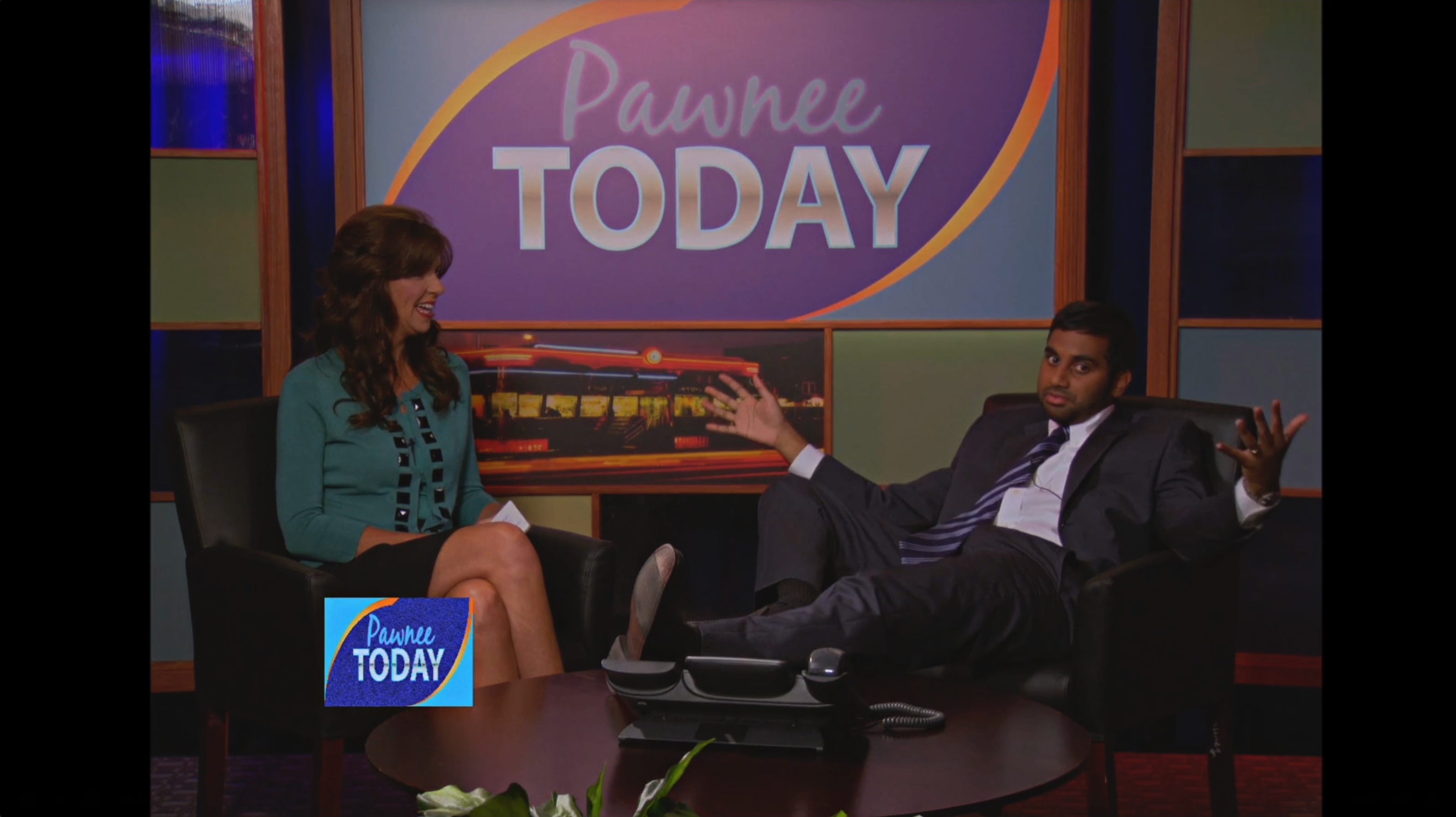
A running theme with a lot of these will be changes in wardrobe as well; both Joan Callamezzo and Tom Haverford (Mo Collins and Aziz Ansari) have drastically different wardrobes (well, Tom’s involves as drastic a change as his character would have).
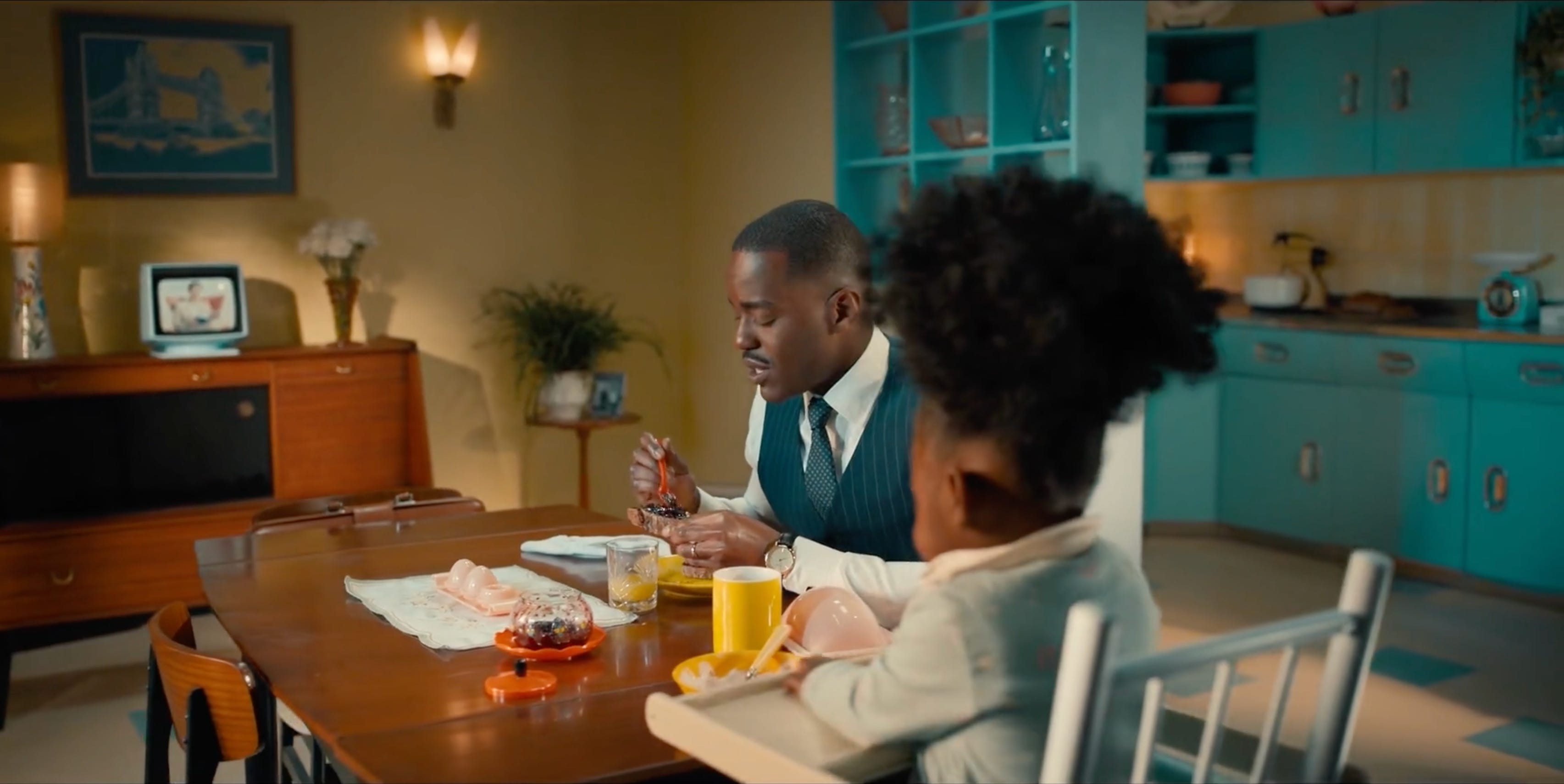
Episode 2.07 “Wish World” plays with reality as well as time and relative dimension in space.
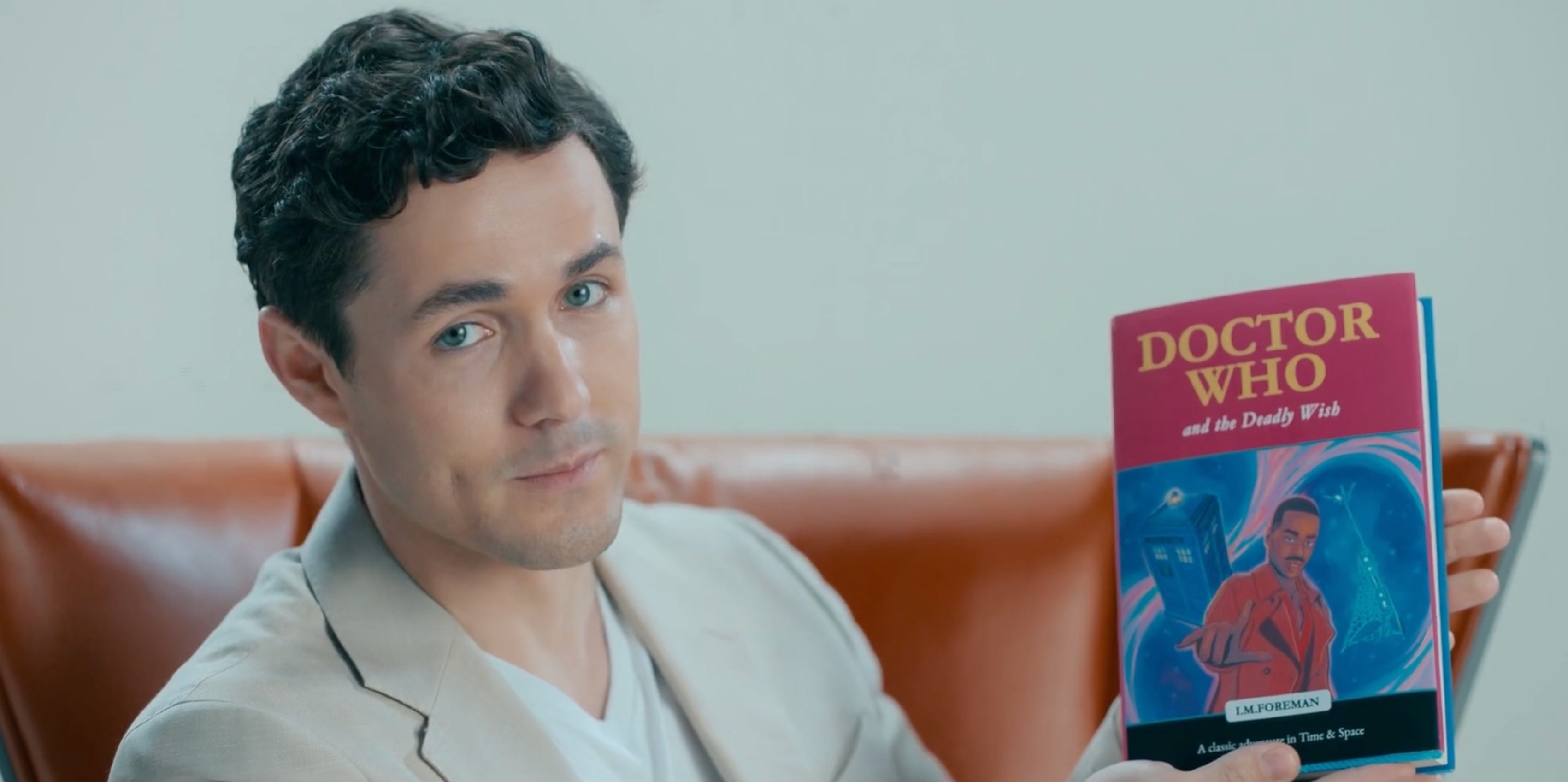
We are unsure what is happening with the Doctor and Belinda (Ncuti Gatwa and Varada Sethu), but we know this weird television programme has something to do with it, and how it’s shot and filmed adds to the weirdness.
The show airs on the within-Wish-World old-school square TV set, but then when we cut into Conrad (Jonah Hauer-King), the shots are widescreen, and sometimes skewed or ‘fritzing,’ and Conrad breaks the fourth wall the same way whether widescreen or 4:3 square.
The principles in this One Hundred and One Dalmatians scene — specifically colour-as-contrast, camera movement, and editing — are all applicable to live action as well.
1. Contrasting a show-with-a-show is always important so the audience is never confused; in this case the black-and-white TV keeps “Thunderbolt” distinct from the Dalmatians.
2. The camera pans, dollies, and follows one character looking at another.
3. After a cut, there’s motion (whether it’s a big tumble or a tail wagging) and/or dialogue immediately.
The combination of camera moves and in-shot action propels the scene and also makes us feel how constantly ‘happening’ life with fifteen puppies would be!
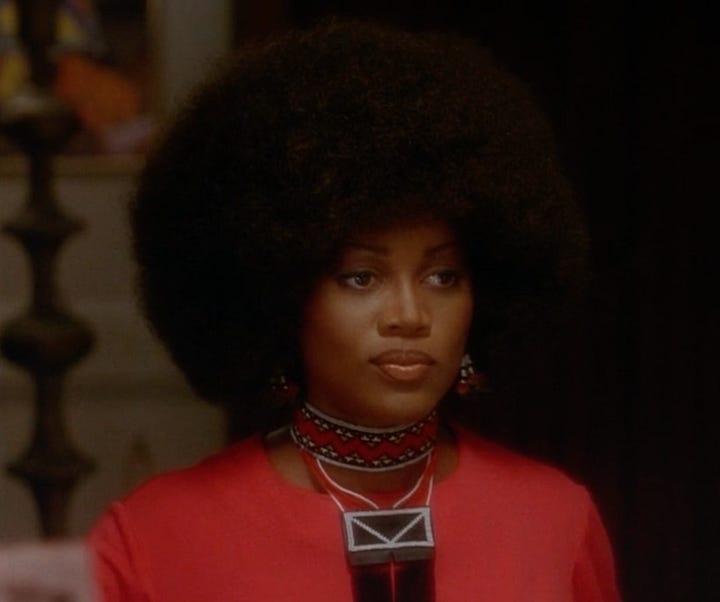
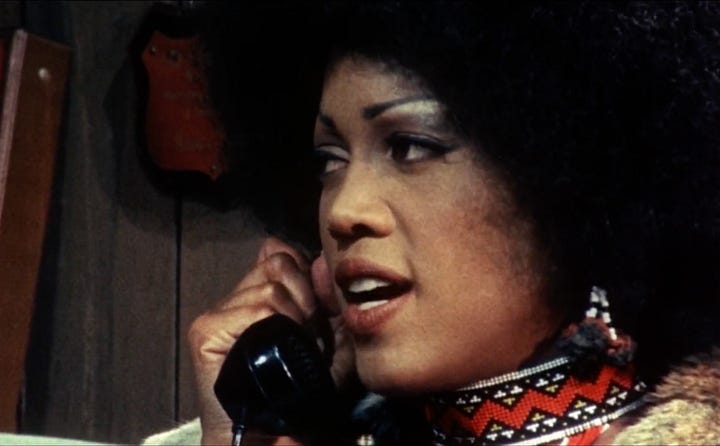
Spike Lee uses a distinct shift in look (colour, angle / blocking, film grain) and feel (different wardrobe, different set dressing, Theresa Randle as Judy leaning into the Blaxploitation vibes) to signal this shift into a film Judy stars in . . . if only in her head.
The entire clip has a different look and feel to the rest of the film, and ends with an old-school bell jingling over the shop door, before cutting back . . . to Judy’s afro and her disembodied voice, a big motif through the film as she is, after all, working as a call girl (which is part of why it’s so telling the first shot of her in the film-within-the-film is on a phone call).
Legends 5.06 "Mr. Parker’s Cul-De-Sac” doesn’t use wildly different shooting styles for this show-within-a-show; instead, it relies on familiarity with the show they’re riffing on, Mr. Rogers’ Neighborhood.
But it doesn’t expect every viewer has seen Mr. Rogers, so before they riff, they show a scene of Mr. Parker’s Cul-De-Sac on a tv-within-the-show, to familiarize us with the set, as well as the theme song.
After Ray Palmer (Brandon Routh) is magically transported into Mr. Parker’s Cul-De-Sac, Legends doesn’t merely cut between aspect ratios, it shifts the aspect ratio live!
As Routh stretches his Superman-sized arms out, no less.
Once it’s been made clear we’re within Mr. Parker’s show-within-a-show, Legends proceeds with its usual filming conventions . . . mostly. (The full explanation involves fairy godmother wishes, two warlocks with egos bigger than their pocket dimension, and puppets — outside the scope of our socials roundup.)
Legends does break out a few different techniques within Mr. Parker, including more standard locked-off wide shots, and an iris shot for the transition into the ‘Land of Make-em-Ups,’ the iris being a distinct transition from the original Mr. Roger’s Neighborhood.
Comments
Nothing yet. Say the first thing.
Sign in to join the conversation.