
Bottom line: this week, Jared Kushner and Steve Witkoff are simultaneously negotiating Gaza’s future, preparing to fly into Moscow over Ukraine, and holding the line on Iran policy. The Senate confirmed neither man. Neither answers to Congress. And the people living inside these decisions, in Gaza, in Kharkiv, in Kyiv, in your own town watching Patriot funding stall, have no vote in any of it.
That is not a conspiracy theory. It is the plain, sourced record of the last five days. Democracy is either growing or shrinking. Right now, in the rooms where America’s biggest foreign policy decisions are made, it is shrinking, and almost no one outside those rooms gets a say.
On Monday, Kushner sat down with Israeli Prime Minister Benjamin Netanyahu in Jerusalem for roughly four hours, a day after meeting Hamas leader Khalil al-Hayya in Egypt alongside mediators from Qatar and Turkey and former UK Prime Minister Tony Blair, who now sits on Trump’s Board of Peace. It was the first direct US contact with Hamas leadership in this phase of the process.
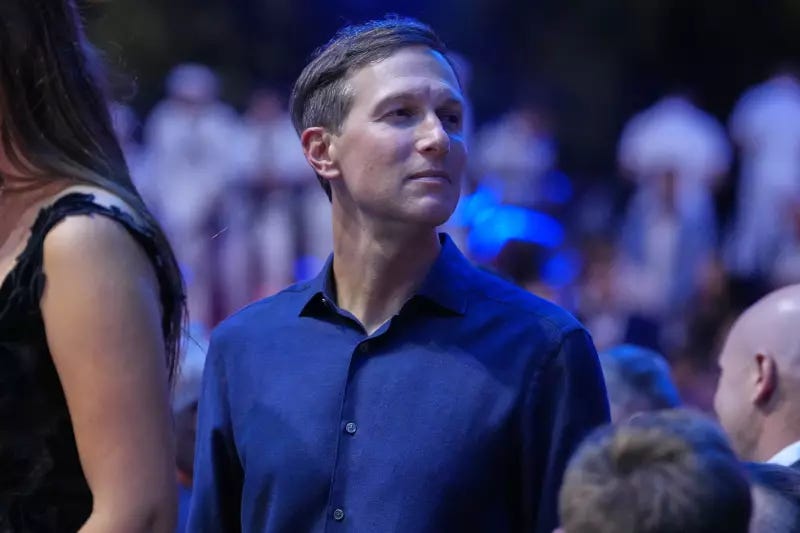
The two sides reportedly agreed that a US general should oversee Hamas weapons handovers, but Netanyahu’s office made clear no Israeli troop withdrawal will happen before full disarmament, and an October election is shaping how far he is willing to bend. Meanwhile Israel’s national security minister publicly called for nightly targeted strikes inside Gaza during the same window Kushner was negotiating a demilitarization framework there. For the roughly two million people still living in the enclave, this is not diplomacy in the abstract. It is whether reconstruction starts this year or stalls again.
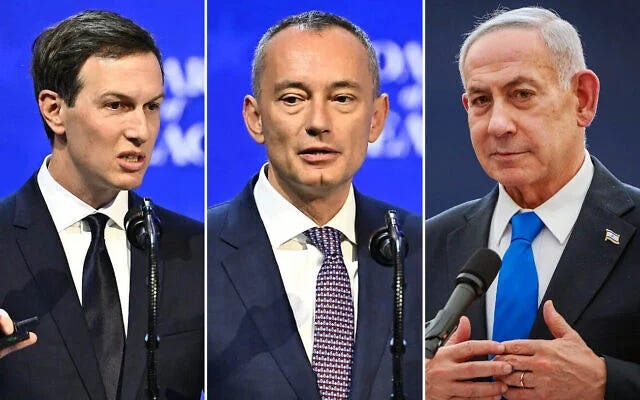
Russian state media reported over a week ago that Witkoff and Kushner may travel to both Kyiv and Moscow within seven to ten days to revive stalled peace talks. Days later, Russian Foreign Minister Sergey Lavrov confirmed Putin is ready to receive them again, adding pointedly that it depends on what proposals they bring.
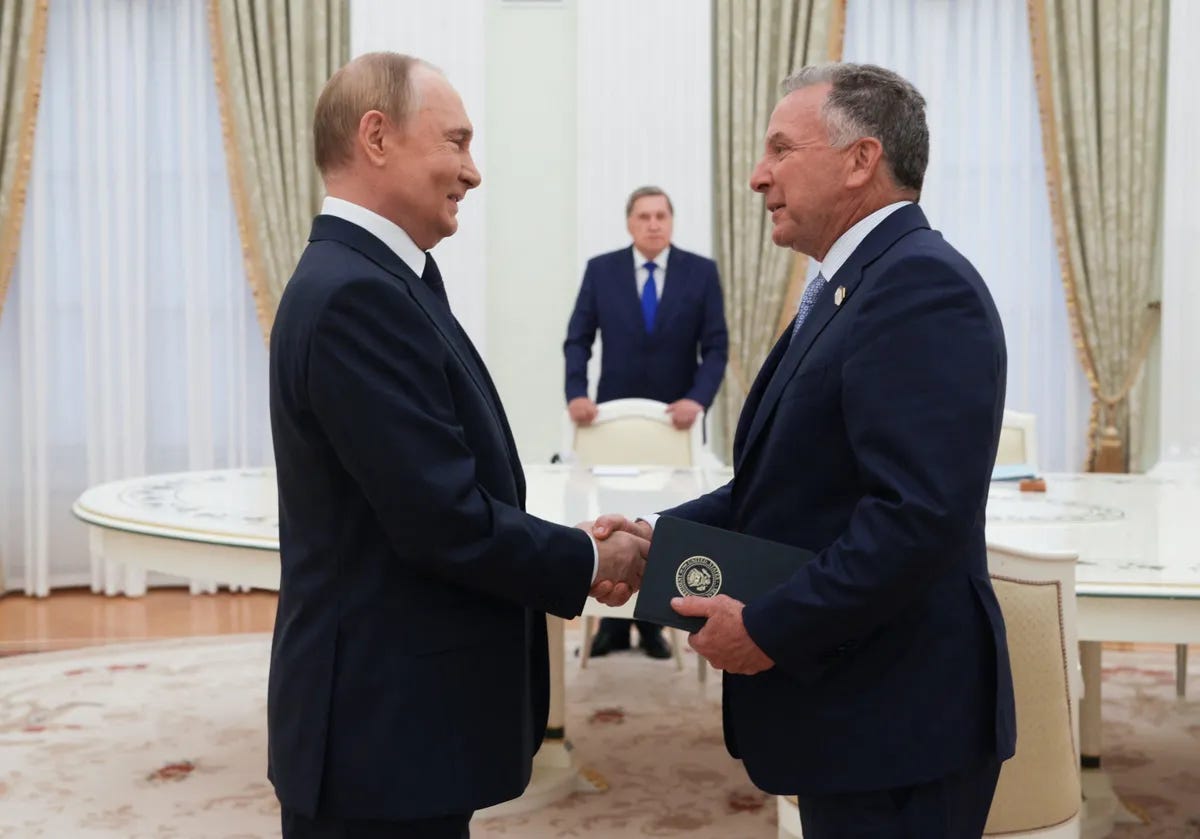
That trip would follow a summer in which Trump publicly promised Ukraine a license to build its own Patriot interceptors, then walked it back, telling the Financial Times the US has to be careful who it licenses. Defense manufacturers have since slow-walked the deal, and Ukrainian civilians are still absorbing nightly Russian strikes without the additional air defense they were told was coming. This is the backdrop against which two unconfirmed envoys are now expected to walk into the Kremlin holding what Russian media itself calls concrete deliverables.

Also this week, the 60-day US-Iran memorandum of understanding expired with no deal in place. The agreement, signed in June after a war that began in February and killed dozens, was supposed to reopen the Strait of Hormuz and open a path to nuclear talks. Instead, Iran’s foreign ministry says the deadline is no longer relevant, the US is leaning on a naval blockade for leverage, and the same two envoys handling Gaza and Ukraine are also the public face of Iran policy.
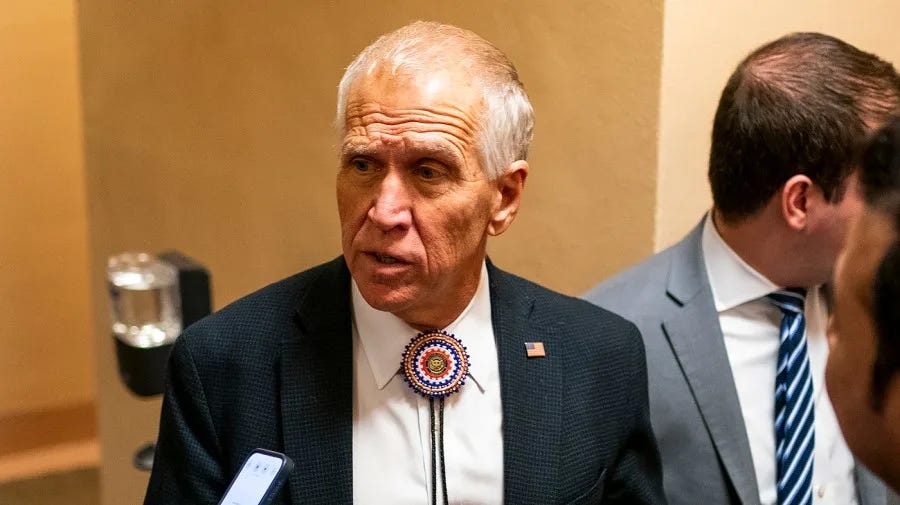
Here is what should alarm anyone who believes elections and oversight matter, regardless of party. Republican Senator Thom Tillis said the quiet part out loud: Kushner and Witkoff are “not subject to Senate confirmation, and they’re not subject to oversight,” and called it suspect that the same two people are negotiating Ukraine, Iran, and Gaza simultaneously. That is not a partisan talking point. It is a sitting Republican senator describing a structural hole in how American foreign policy now gets made.
The financial entanglements compound the problem. Kushner’s firm, Affinity Partners, has received billions in investment tied to Gulf sovereign wealth funds active in these same negotiations. And this month, the Office of the Comptroller of the Currency gave conditional approval for World Liberty Trust, a crypto venture run by Steve Witkoff’s son Zach Witkoff and backed by the Trump family, to become a federally regulated bank. Senator Elizabeth Warren called it “the most brazen act of self-dealing our financial system has ever seen.”
To be clear about what we found and what we did not: some online commentary this week claims anonymous “military sources” have confirmed a secret White House plan to deliberately strand Ukraine and force a surrender before winter. We could not independently verify that specific claim through any named official, document, or on-record source, so we are not reporting it as fact. What is verifiable, and what matters just as much, is the structural reality above: two private businessmen with active financial interests in the regions they are negotiating, operating without Senate confirmation, across three simultaneous conflicts, while the people affected by their decisions have no seat at the table and no vote on the outcome.
A note before you keep reading. We do not want a paywall in this story, but we have no corporate backer, no ad network, and no donor writing checks behind the scenes, so every dollar of your subscription funds research, not a shareholder. If you can, please subscribe. If you cannot pay right now but want to keep reading, DM us and we will set you up with free access, no questions asked. If this work matters to you, restack it and share it. That is how independent journalism stays independent.
Comments
Nothing yet. Say the first thing.
Sign in to join the conversation.