
A Record Budget Denominated in a Moving Target
Federal Audit Pitfalls Continue, MPs Urge Better Budget Management
Ethiopia’s Hydrogen Ambitions Face Financing Hurdle as Africa’s Projects Stall: IEA
Unpredictable Policies and Overnight Legal Changes Cripple Long-term Business Planning
World Bank Approves $45mn for Djibouti–Addis Ababa Trade Corridor Upgrade
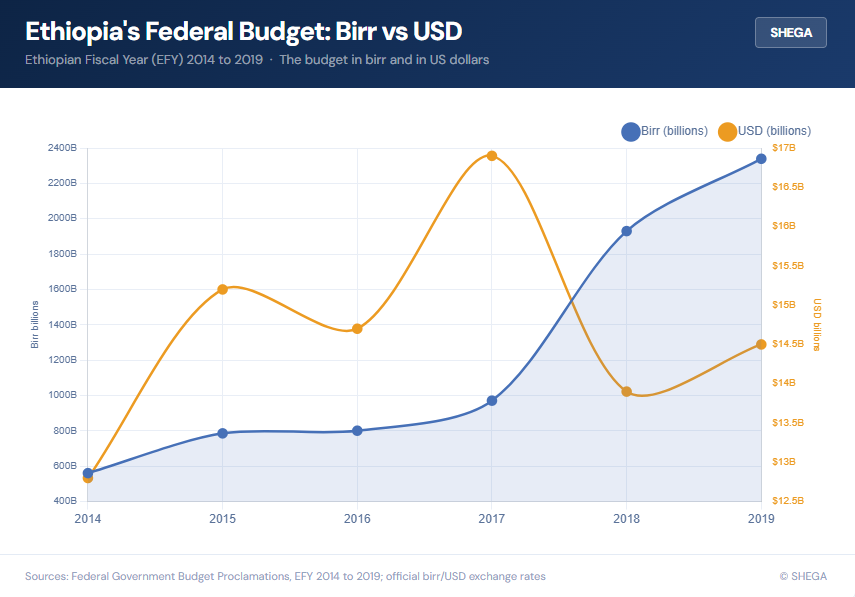
Ethiopia’s Council of Ministers has approved a 2.34 trillion Birr budget for EFY 2019, the largest in the country’s history and a 317 percent nominal increase over the Birr 561 billion recorded in EFY 2014. Tax revenues are projected at 1.49 trillion Birr, with foreign trade taxes alone accounting for Birr 786 billion, or 53 percent of all tax receipts. Regional subsidies stand at 521 billion Birr. Tax revenues are projected at 1.49 trillion Birr, with foreign trade taxes alone accounting for Birr 786 billion, or 53 percent of all tax receipts. Regional subsidies stand at 521 billion Birr.
The financing mix: 1.61 trillion from domestic revenue Birr, 329 billion Birr in domestic borrowing, 205 billion Birr in external assistance, and 194 billion Birr in external loans. The combined debt financing requirement, domestic and external, is Birr 523 billion.
None of these figures are denominated in anything other than birr. That matters more in EFY 2019 than in any prior year covered by this five-year series, because the currency doing the denominating is no longer the currency it was when the comparison period began.
The nominal growth story collapses the moment it is converted into dollar terms, and dollar terms are what matter for roughly half of this budget. Since the National Bank of Ethiopia floated the birr in July 2024, the currency has depreciated from around 57 per dollar to above 150 by late 2025, and parallel market rates have pushed past 175. A budget that looks 141 percent larger than EFY 2014 in birr terms is, once that depreciation is applied, a far less dramatic expansion in real purchasing power, particularly for the substantial share of expenditure that involves imported goods, foreign currency-denominated debt service, or dollar-priced capital inputs. The proclamation does not adjust for this. It does not need to, as a legal instrument, but readers and creditors evaluating fiscal capacity should. Read more.
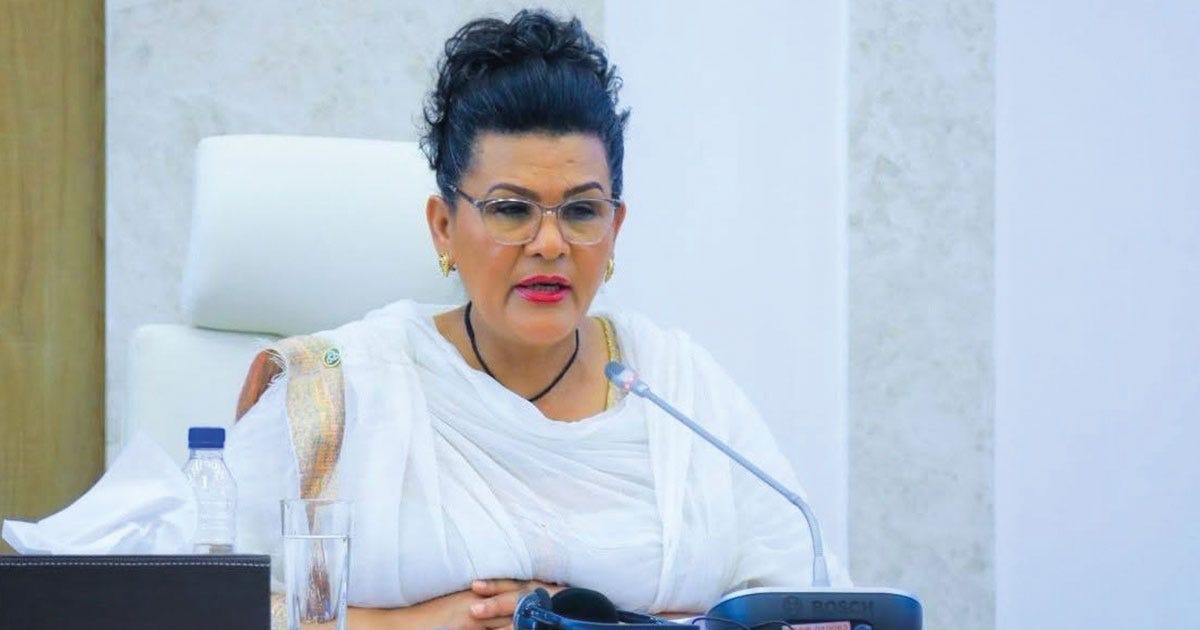
Outgoing members of Parliament put out yet another call for government officials to put a stop to the mismanagement of public resources this week.
They did so after the Office of the Federal Auditor General (OFAG) presented its findings for the 2024/25 fiscal year to lawmakers on June 18, 2026. The audit covered 163 federal institutions and featured the findings of performance evaluations for nearly 40 agencies and offices in addition to state-owned enterprises and public projects. Read More.

Africa’s plans to become a global supplier of low-emissions hydrogen are struggling to move beyond the drawing board, with only one of the 31 projects announced across the continent for deployment by 2030 securing a Final Investment Decision (FID), according to the International Energy Agency’s (IEA) Global Hydrogen Review 2026. Read more.
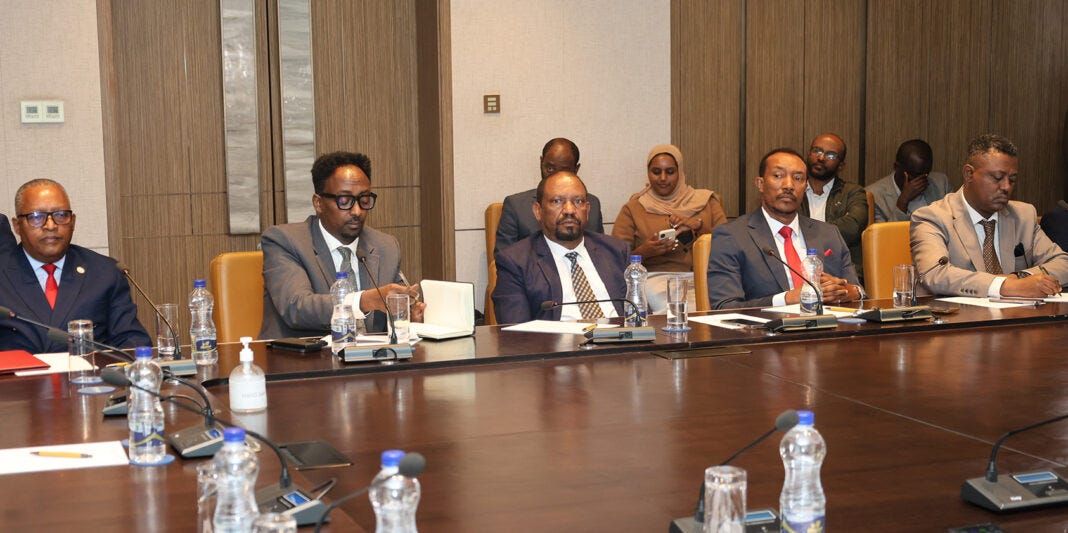
Regional business leaders and chamber executives have issued a stark warning that a constantly changing and unpredictable legal and regulatory framework has made long-term business planning virtually impossible. They expressed deep concern over sudden policies introduced or amended overnight without consulting the business community. This approach is severely eroding confidence in the private sector and forcing enterprises to focus only on short-term exit strategies rather than strategic investment. Read more
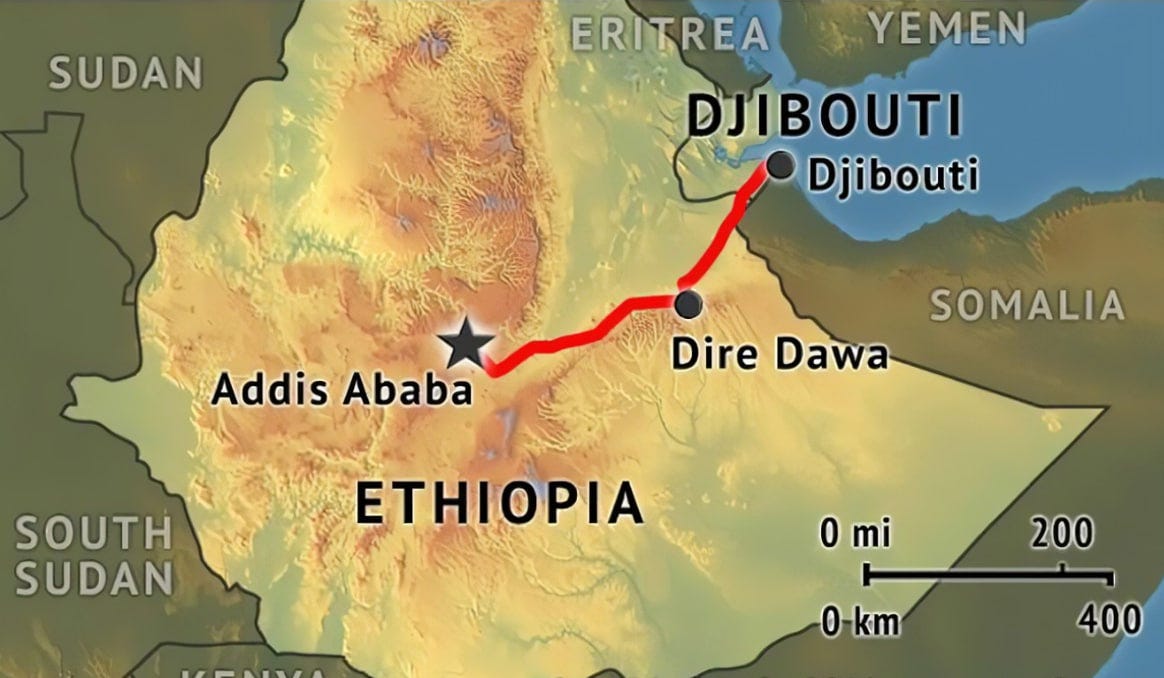
The World Bank has approved an additional 45 million US dollars to support the ongoing modernisation of the Djibouti–Addis Ababa economic corridor, one of the Horn of Africa’s most important trade routes.
The financing, approved on June 18, raises the World Bank’s total commitment to the road infrastructure programme to 205 million US dollars, following earlier funding packages of 70 million US dollars in 2021 and 90 million US dollars in 2024. Read more.
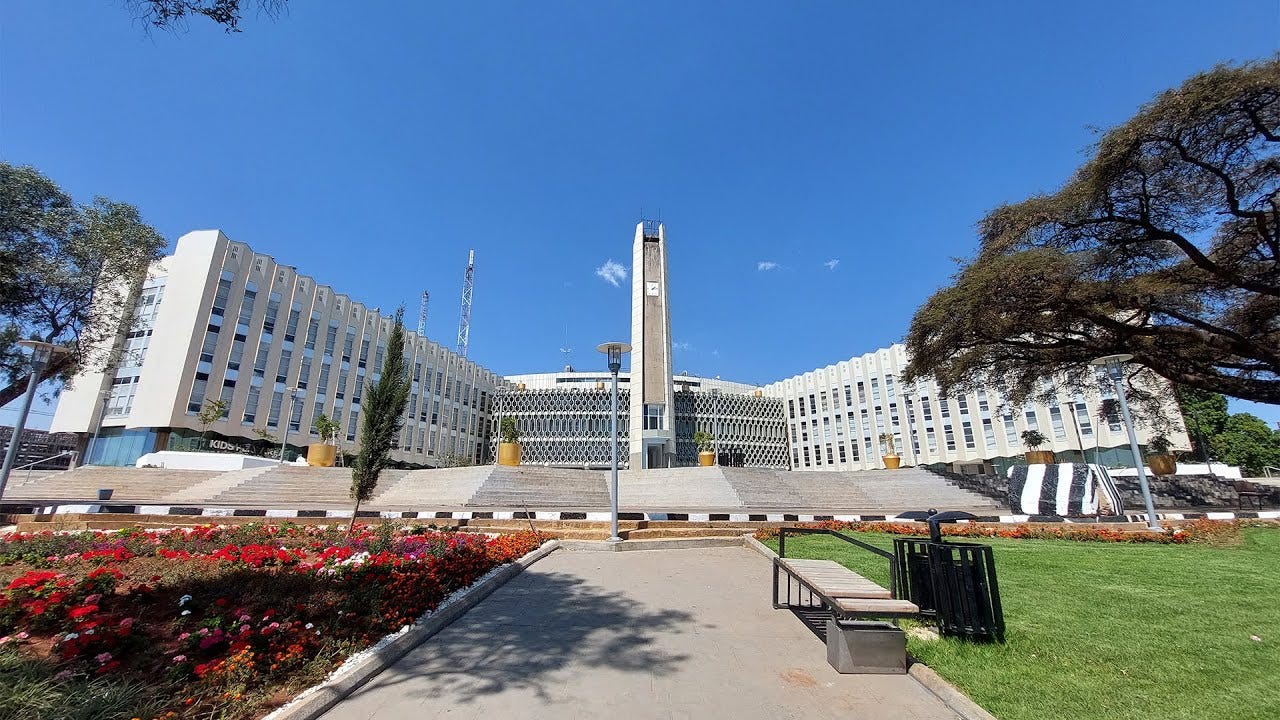
The Addis Abeba City Cabinet has approved a 502 billion Br budget for the 2026/27 fiscal year, a fiscal plan that marks a return to federal subsidies despite previous claims of municipal self-sufficiency. The budget, now awaiting final ratification by the City Council, incorporates a federal subsidy of more than 74 million Br. Read More.
No posts
Comments
Nothing yet. Say the first thing.
Sign in to join the conversation.