
Since my last post the world has changed dramatically! Yes there is that change, but I’m more interested in addressing the subtle changes, where the future of AI agents is suddenly present, but unevenly distributed.
One example: research writing has been readily disrupted by the breadth and availability of useful LLM-powered agentic tools1, most notably Deep Research. Deep research products are available across most major LLM providers, and mostly all called some variation of “deep research”2. Gemini started the trend and has made this product available to all in its free tier.
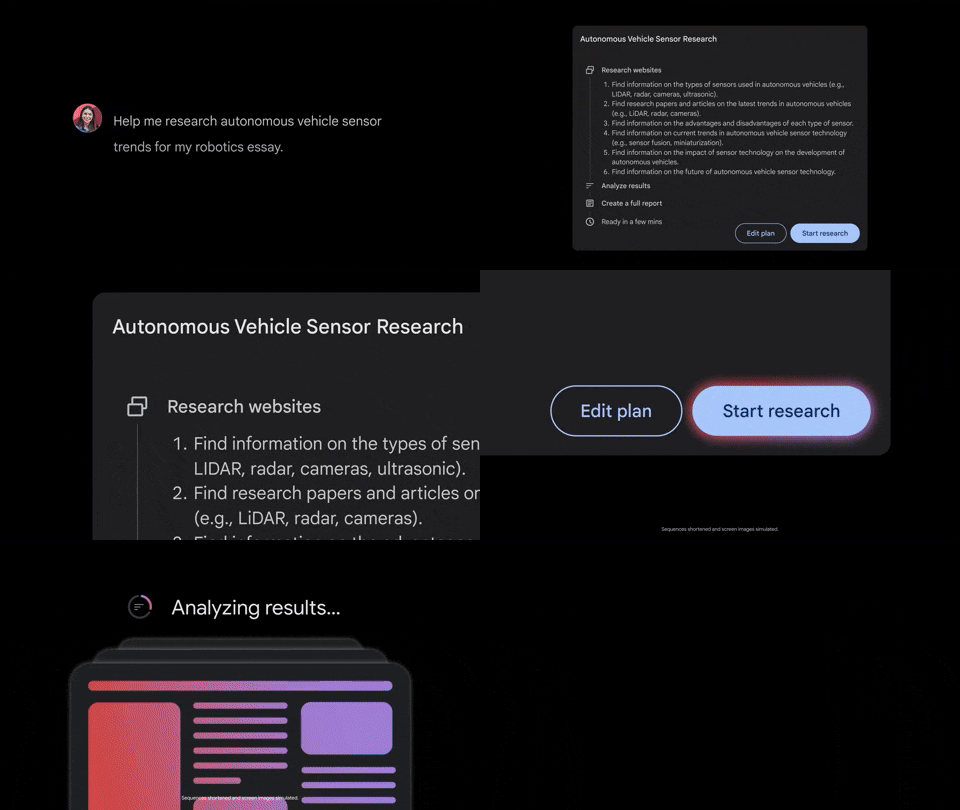
I’m not so concerned about its impact on my own Substack posts - I use my posts more to help me think than to grow an audience - but am concerned for the folks who do “deep research” for a living. Namely the junior white collar analysts. The Financial Times did a deep dive into this topic with worrying implications for the future of employment and BI noted the Big 4 are already developing or deploying agents to do routine analyst work3.
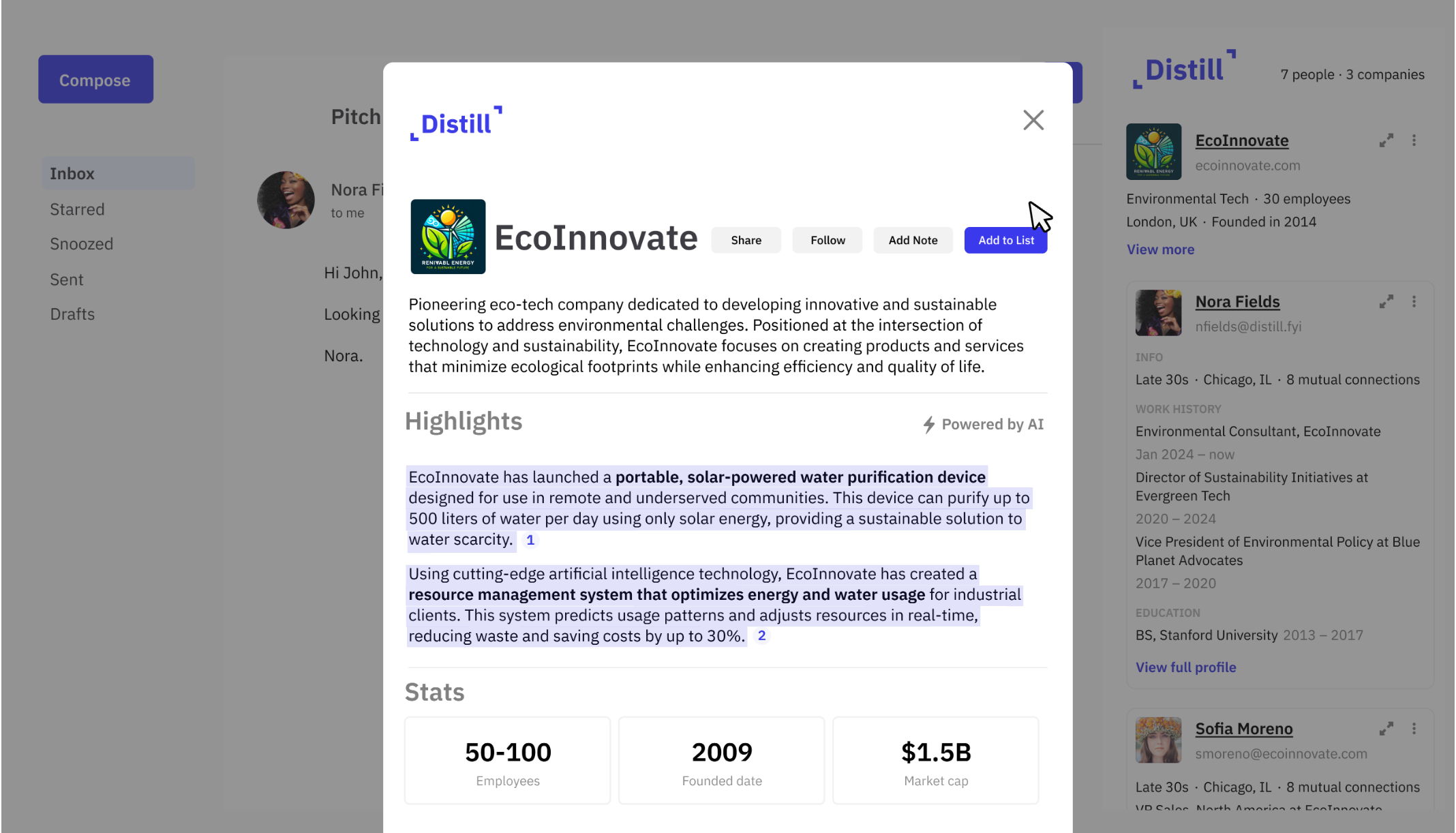
I think this potential disruption to research work was obvious to many who have been using LLMs for the past couple of years, especially those LLMs connected to web search. One of the most powerful app layer examples in my own focus on investing is Distill. I’m an early beta user of the product and, as a former venture capital associate, I know this will significantly augment / replace the research work of these junior staff.
Agents are also starting to tap into primary research as Matt Levine noted in a recent newsletter, where he profiled an agent startup called Trata that has somehow incentivized hedge fund analysts to share ideas anonymously with their agent. As Levine put it “Apparently the way to do it is to have a robot talk to all the analyst buddies and then summarize their views.”
This agentic disruption is not limited to white collar research. Very soon, we will see this disruption impact life sciences research. This week alone there are two conferences in the Bay Area focused on AI agents in scientific discovery. I’m serving as a judge for an upcoming Bio x AI hackathon4 focused on agentic applications in scientific discovery, namely unlocking knowledge silos to find new high leverage hypotheses that can be tested to advance science and human benefit, beyond what any person could do alone. I encourage you to attend these conferences and participate in the hackathon if this is the sort of applided AI that gets you more excited than the Ghiblification of every selfie and pfp on the internet (or at least X…err I mean xAI). Other groups that have advanced agentic science include Future House (PaperQA2, BixBench scientific agent evals and Google DeepMind (AI Co-Scientist, TxGemma), among others. Eventually the goal is to tie these agents to wet labs where they can test experimental hypotheses directly, and that appears to be the goal of Flagship Pioneering with their recent incubation Lila Sciences5.
Outside of physical work & real world actions, some think entrepreneurship is the last bastion holding out the front for humanity against AI agents. However, Alan Wells is starting to test that assumption with Rocketable6. Alan is starting to build an AI maximalist holding company by acquiring SaaS companies and fully automating these companies with AI agents and other automated workflows. He has already successfully tested this with one company and will repeat it across multiple acquired companies over the coming years. Those of you who have read my previous posts know that I believe the future of business is AI native, I love the holdco hub & spoke model, and am a student of Andrew Lo's applications of this in the biotech financing world. Eventually AI may even put him out of a job as the holding company becomes fully autonomous, but he is ok with that.
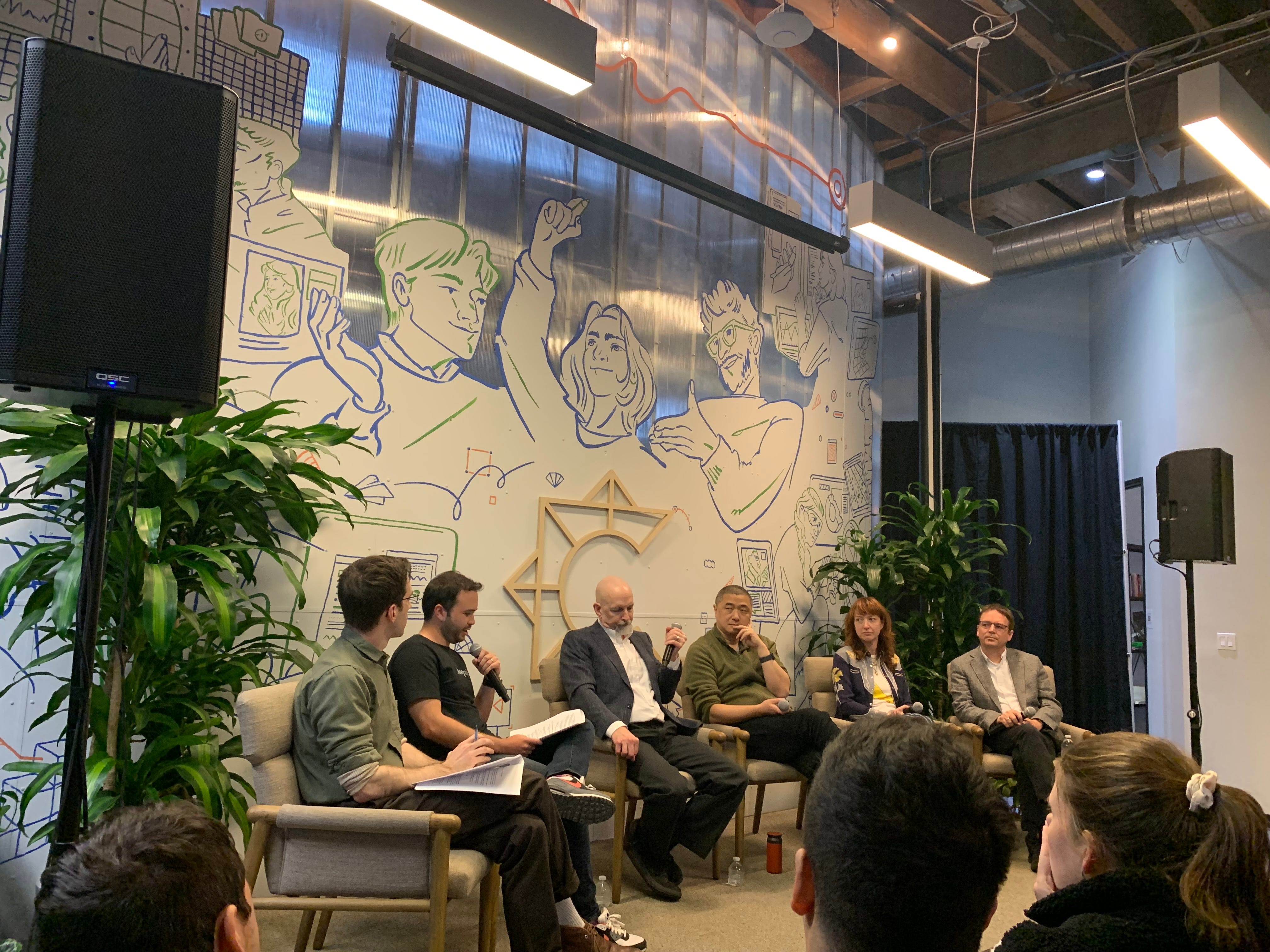
This future is coming in fast, and is hard to digest with any one current mental model, but I will attempt to frame how to think about opportunities in this space in a future post using some of my favorite frameworks like the idea maze. I also want to get back to fiction writing7 as another means to imagine the future. A recent panel I attended featuring acclaimed SciFi authors Neal Stephenson and Ken Liu, investor Cyan Banister and futurist Joscha Bach, inspired me to re-explore this route. Cyan said she is a regular day dreamer of the future (I can relate), Neal shared how to create internally consistent future worlds (though interesting failed to imagine AGI/ASI), and Ken griped about how today’s AI is just replacing white collar work and perhaps the most revolutionary application has been AlphaFold (I tend to agree, given my interests in AI x Bio).
As AI agents go from hype cycle to more useful innovations, what do you think will happen?

Agentic tool is probably a mouthful though I tried to avoid using the term AI agents off the bat. Per Hadley “It’s not an AI agent unless it comes from the agentic region of Palo Alto. Otherwise, it’s just an AI-enabled workflow.”
I mean maybe they’ll need these efficiencies after losing all that government contracting work…
Disclosure: via BeakerDAO (Hydra portco) and personally I have investments in BIO protocol, the primary organizer of the hackathon
I’ve been told this is more akin to a CDMO than AI scientific superintelligence, but the latter does sound much more impressive especially given Resilience’s recent struggles (one of Flagship’s prior bets in cell & gene therapy manufacturing, mostly funded by big swinger ARCH)
Disclosure: I’m an indirect investor in Rocketable via Hydra / Metropolis, and was a big supporter of the deal.
Sadly DAOs aren’t taking over the world yet
No posts
Comments
Nothing yet. Say the first thing.
Sign in to join the conversation.