
I spent the last decade working as a full-time volunteer activist, building a grassroots movement from my kitchen table into an organization with millions of supporters. I’ve faced down one of the most powerful lobbies in America. I’ve received death threats. I’ve watched as mothers transformed their grief into action. And what I learned along the way is that you cannot fight effectively if you’re running on empty. You cannot sustain a movement if you cannot sustain yourself. And meditation, as simple as it sounds, became one of the most powerful tools in my toolbox to recharge.
I’m not talking about achieving some perfect state of zen. I’m a mother of five. I know what chaos looks like. I know what it feels like to have a thousand thoughts competing for space in your brain, to lie awake at three in the morning worrying about everything from your kids’ futures to the next legislative battle. Meditation isn’t about eliminating that noise. It’s about learning to sit with it, to observe it, and to find pockets of peace even when the world feels like it’s spinning out of control.
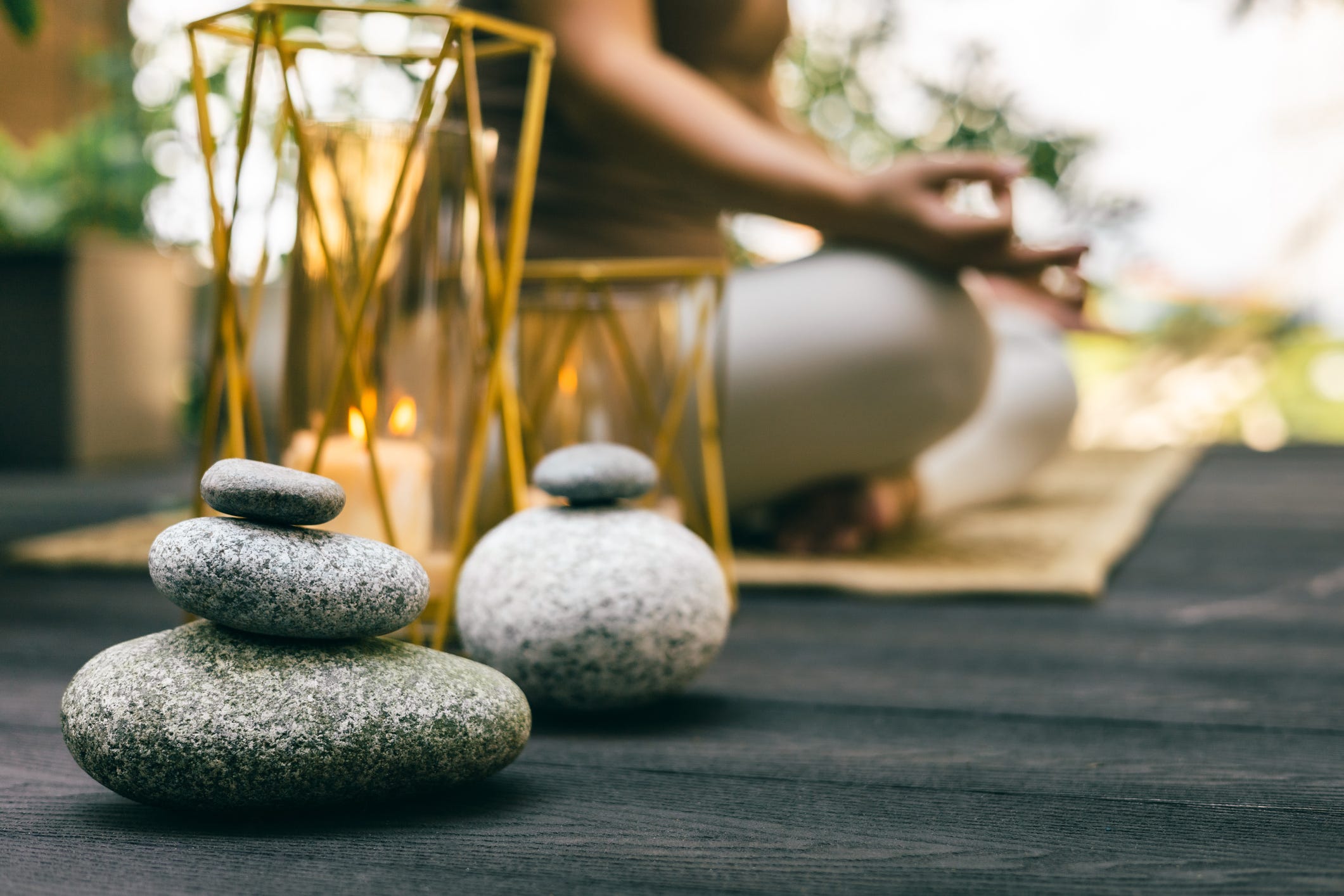
When I started Moms Demand Action the day after the Sandy Hook school shooting, I was fueled by righteous anger and maternal instinct. Those powerful forces can move mountains, but they can also burn you out if you’re not careful. In those early days, I was going full throttle, barely sleeping, constantly checking my phone, responding to every email and every Facebook comment. I thought that’s what activism required: total, unrelenting dedication. And while dedication is important, I was heading straight toward a wall.
It was my Buddhist practice that brought me back to meditation. Buddhism teaches that suffering is part of life, but so is the possibility of transformation. It teaches that we can convert our anger—even righteous anger—into something constructive, something that creates change rather than just noise. Meditation became my way of doing that conversion work. It became the space where I could process my grief over gun violence, my frustration with lawmakers who refused to act, and my fear for my own children’s safety.
That’s because meditation does something miraculous: it creates space. In activism, you’re constantly reacting to the latest tragedy, to the latest legislative attack, to the trolls in your mentions. You’re in fight-or-flight mode almost constantly. Meditation interrupts that cycle. Even just ten minutes of sitting quietly, focusing on your breath, watching your thoughts drift by like clouds, gives your nervous system permission to reset. It reminds you that you are not your thoughts. You are not your anxiety.
And that distinction matters enormously when you’re trying to build something that lasts. Movements aren’t built on adrenaline alone. They’re built on strategy, on patience, on the ability to play the long game. They require you to be present, to listen to your volunteers, to read the room in a legislative hearing, to know when to push and when to pause. You can’t do any of that effectively if your mind is cluttered with a thousand competing anxieties.
Meditation also teaches you about failure—and if you’re doing activism right, you will fail. A lot. We lost votes we thought we’d win and watched common-sense legislation get defeated by politicians more interested in NRA donations than in saving lives. Early on, those losses would devastate me. I’d spiral, questioning everything, wondering if we were making any difference at all. But meditation taught me to observe those feelings without being consumed by them. It taught me what I call “losing forward,” the idea that even setbacks contain lessons, and that every defeat is temporary if you keep showing up.
The practice of returning to the breath, over and over again, mirrors the practice of activism itself. You show up. You do the work. Your mind wanders. You bring it back. You don’t berate yourself for the wandering; you just gently redirect. Similarly, in organizing, things will go wrong. People will let you down. Politicians will disappoint you. But you don’t quit. You adjust. You try again. You keep bringing your attention back to the work that matters.
What I’ve found, too, is that meditation makes me a better listener, and that might be its most underrated benefit. As a communications executive, I thought I knew how to communicate. But activism taught me that real communication starts with listening. When you meditate, you practice listening to yourself, to the quiet voice beneath the noise, to the wisdom that emerges when you stop trying to force answers.
That skill transfers directly to working with people. I’ve had conversations with gun owners, with legislators who disagree with me, with volunteers who are working through their own trauma. If I wasn’t grounded or present, those conversations couldn’t go anywhere. But when I can really listen, connections happen. Change becomes possible.
For those who think meditation is self-indulgent or impractical or even frustrating, I get it. We live in a culture that glorifies busyness, that treats rest as laziness. But I’ve learned that taking time to be still is not indulgent. It’s strategic. It’s how you maintain your clarity, your compassion, and your courage when the work gets hard. And the work will get hard. If you’re fighting for something that matters, you’re going to face opposition. You’re going to have days when you question everything. Meditation won’t solve those challenges, but it will give you the resilience to keep going.
I’m not suggesting that meditation alone will change the world, but it will change you. And changed people change the world. They show up more consistently. They lead with more wisdom. They build movements that last.
So here’s my challenge: Start small. You don’t need an hour. You don’t need perfect silence or a fancy meditation cushion. You just need a few minutes and a willingness to sit with yourself. Notice your breath. Notice your thoughts. Notice what it feels like to just be, without fixing anything or planning anything or achieving anything. That simple practice, repeated daily, can shift everything.
In a world that keeps getting more chaotic, more demanding, more overwhelming, meditation can be an act of resistance. It’s a way of saying: I will not sacrifice my humanity on the altar of productivity. I will be still, even when stillness feels impossible. And from that stillness, I will find the strength to keep fighting.
Here are a few online meditations if you’re looking for a place to start:
Ten Percent Happier’s practical meditation grounded in Buddhist psychology
Insight Timer, the largest free meditation library available
Susan Piver’s Open Heart Project, a virtual meditation platform
👉 Community Question:
Do you meditate? Do you have favorite online meditations? Tell me your experiences in the comments.


If you’re looking to unleash your potential, find your personal, professional, or political fire, and to connect with a community who is doing the same, click here to learn more.
Comments
Nothing yet. Say the first thing.
Sign in to join the conversation.