
A few days before the Venice Biennale released its 2026 artist list, I read a piece by Seph Rodney in Hyperallergic. Reviewing the Bronx Museum’s AIM Biennial, Rodney takes issue with work in the exhibition that depicts the lives of people of colour without doing anything to transform the depiction. He talks about work that is “overly sentimental,” that “hammers the same emotional registers over and over again.” Work that expects the viewer to be moved by the authenticity of its representation alone.
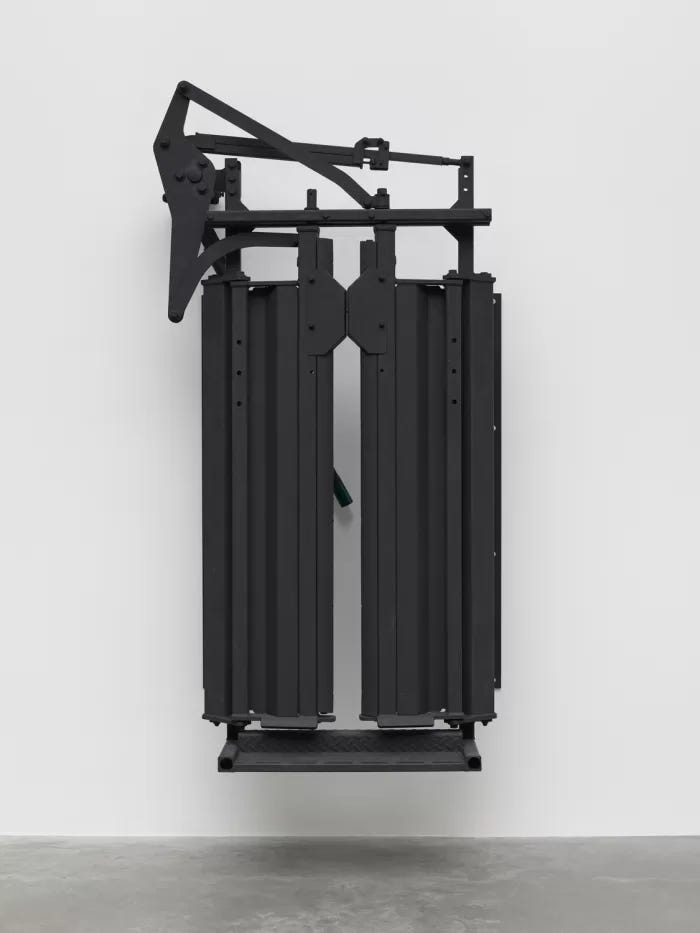
Then came the Venice Biennale's artist list. One hundred and eleven names for In Minor Keys, Koyo Kouoh's final exhibition, conceived before her death last May and now being realised by her appointed team. And I found myself reading it through the lens Rodney had given me, asking questions I might not have asked a week earlier. Not about the list itself, but about the broader machinery that decides what art reaches the public and how. About the systems we all participate in.
In his article, Rodney also champions artists in the AIM Biennial whose work does what art should. Work that takes the materials of lived experience and transmutes them into something that gestures beyond the present. As artists we don’t have to reinvent the wheel. But we do want connection. And as a viewer I want a gut punch, whether that lands soft or hard. I want a direct line to the artist’s interiority, however that reaches me. Rodney calls it “artwork that looks toward a horizon that expands rather than stands still.” I call it work that has a pulse.
And there are artists with a pulse, where the depth of emotion and the quality of the craft are inseparable. Arthur Jafa. Simone Leigh. Tracey Emin. Theaster Gates. Adam Broomberg and Oliver Chanarin. Jenny Saville. Lorna Simpson. Joy Gregory (although it’s harder bringing to mind photographer’s). These are established names, but the pulse was there in their early work, the thing that makes you stop and not know why you’ve stopped. That’s what’s missing from so much emerging work being platformed today.
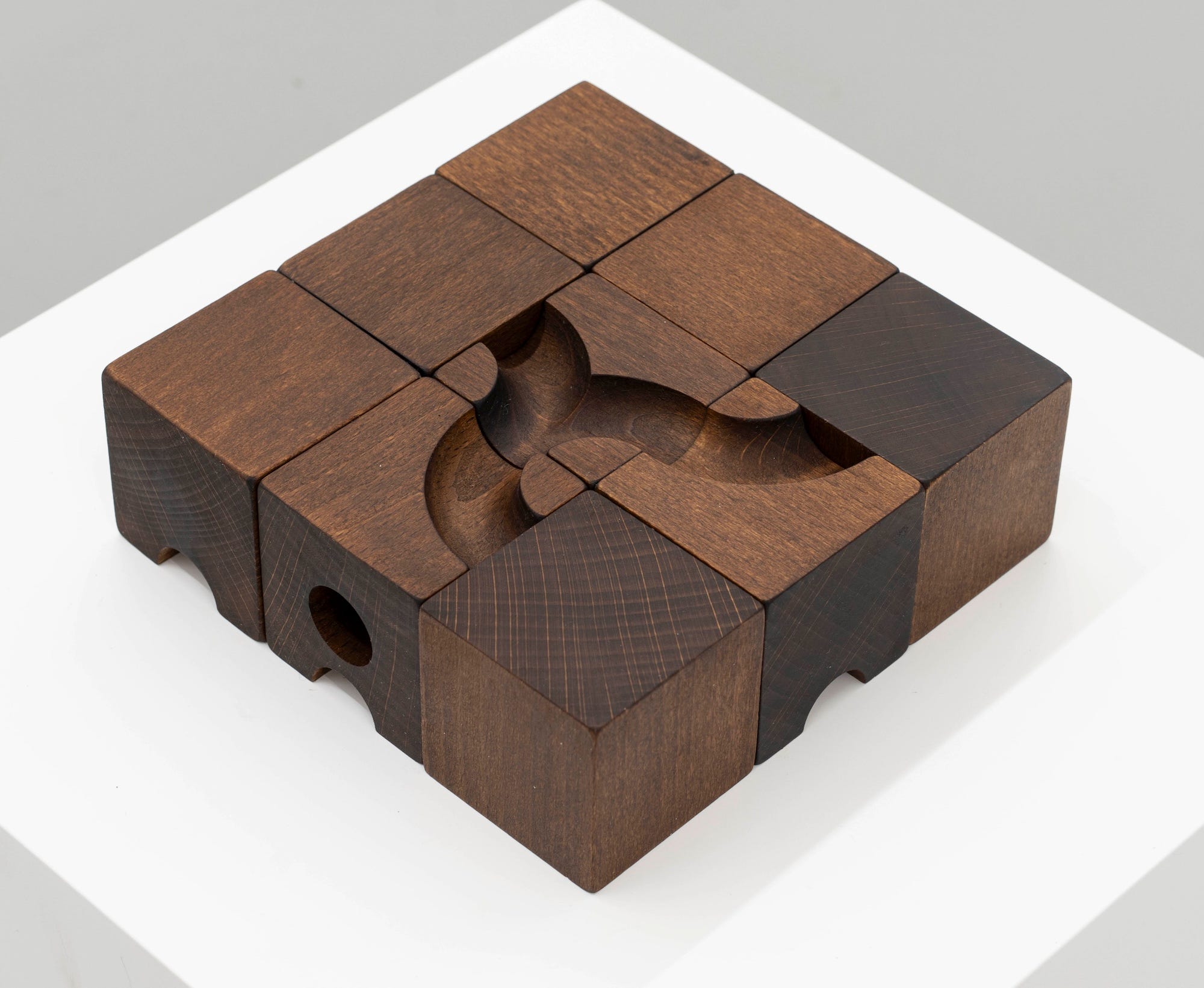
Take Camille Provost, an artist I’m currently in conversation with. I haven’t seen an artist at this stage of their career produce work with this level of certainty and weight in process and form. Just two years out of the RCA, making work informed by her Ivorian and French heritage, drawing on Glissant’s concepts of creolisation and rhizome, moving between wood, clay and fibre. Old soul comes to mind. Her first solo show Excessive Refinement at Project Loop, has the kind of quiet ambition that speaks to a longevity of practice.
Also this week, Jerry Saltz shared his characteristically unfiltered take on Kehinde Wiley's Obama portrait. He's rude about it, but I think his take is fair. And it made me think about how often we platform an artist’s visibility over their work. Why are we still championing art that flatlines?
Kobena Mercer warned us about this in 1990. His essay Black Art and the Burden of Representation argued that even visibility campaigns entail specific problems of form, that compensatory representation frequently produces what he called a slighting of visual concerns. Thirty-six years later, the slighting continues. In 2020, it came dressed as institutional urgency.
I am not saying that representation doesn’t matter. I argue the opposite in my Shade Art Review pieces, like in the Nan Goldin one, and in most conversations I engage in with collaborators. I have also written about the cynicism of institutional interest and the cycles of visibility and erasure, like in this piece: Black Fatigue? The Pivot to Identity-Free Black Art. But what I am saying is that across the ecosystem, the barometer is moving away from the work itself to the popularity of the artist. And most of the time, these artists aren’t ready for the platforming they receive. The cult of the individual artist has eclipsed the art itself. We celebrate personas before we interrogate practices.
Clip: from Testament (1988) John Akomfrah/Black Audio Film Collective. Referenced in Kobena Mercer's 'Black Art and the Burden of Representation' (1990). A work Mercer defended against critics who questioned who it was for rather than the quality of the work and what it did.
When the system responsible for bringing work to the table cannot distinguish between an image that happens to depict a Black figure and an image that fundamentally shifts the conditions of looking, it defaults to what it recognises, work that says look, this is us and stops there. And we are complicit. We celebrate every selection. We share every announcement. We resist publicly questioning these systems because we know the cost of visibility, and we know how quickly it can be withdrawn. This leads to a choice few representing all of us. Some are opportunists, representing us and the art world badly. We argue for more complex representation of Black life whilst policing the complexity of our own critical responses to Black art.
Rodney ends his Bronx Museum review by writing “We deserve a vision of something that’s beyond this time and place.” I agree. The question is whether the work on the most powerful platforms in the art world got there through rigour or through convenience. What’s on our plate is not the only meal available. It’s the one we were given.
Comments
Nothing yet. Say the first thing.
Sign in to join the conversation.