
Welcome back. I’m thinking about curating an exhibition around something I feel is missing from what we see in photography exhibitions. I can’t say what yet, but I want to talk with photography curators about first steps. Anyone want to get in touch?
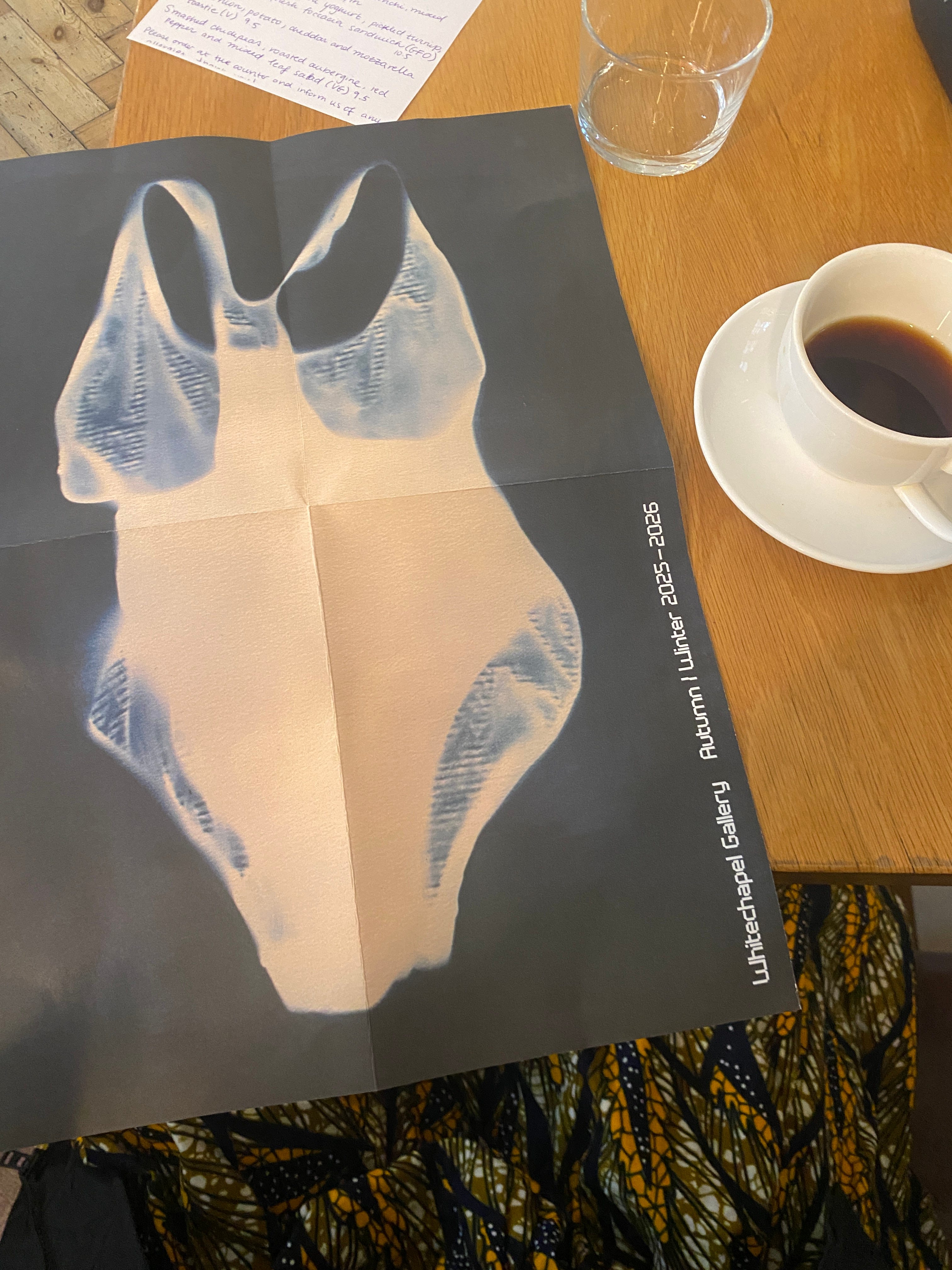
Meanwhile, I spent time at Whitechapel Gallery with Joy Gregory’s Catching Flies with Honey —here’s what I thought.
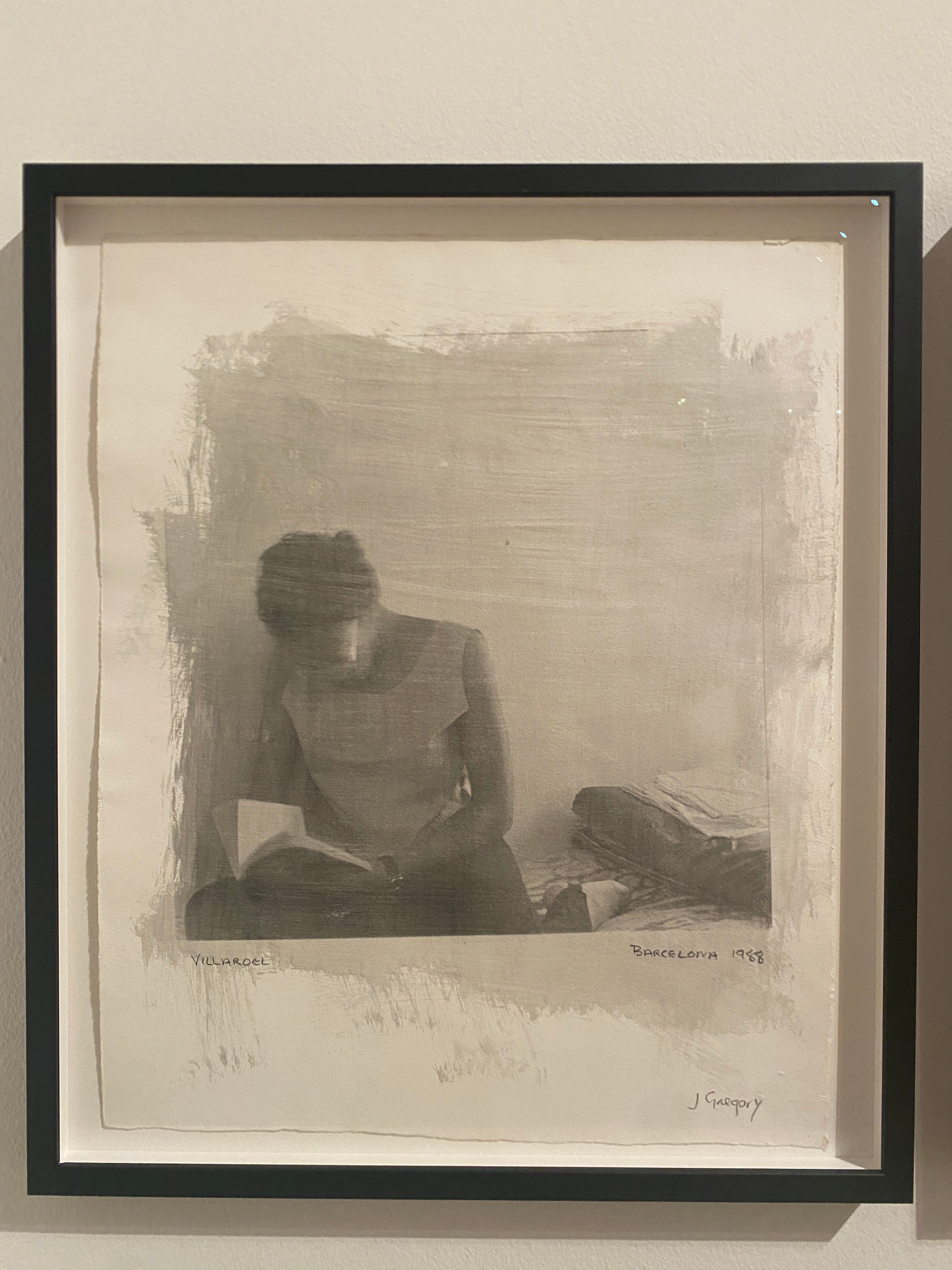
Women and Space (1987-1999) shows Joy in domestic interiors and hotel rooms. She shot this series on holiday when working three jobs, the only time she had to make work. It resonates with my own experience of finding time to think about my photography. There’s an urge to escape domestic space, to have a studio, but that’s economically inaccessible for most of us. A residency perhaps? However, these pose new challenges, some of which I wrote about here. I understand Joy’s achievement in making these images, and I’m grateful she shot them, proving we can perhaps work anywhere. But, as I wrote in my review of Hettie Judah’s Acts of Creation, the material conditions of making work matter profoundly.
I’m reading Sally Mann’s new book Art Work: On the Creative Life, which makes me want to return to the country in some kind of artist fantasy. Mann lives and works on her farm in Lexington, Virginia, where she’s photographed within a limited radius for decades. She says: “Dig where you stand", her belief that the familiar world contains more mystery than any fantasy. I lived in rural Ireland when my daughter was born and found that I couldn’t photograph, but that was due to mothering demands and sleep deprivation, although the scenes were set, visually. Now I have more time, I imagine a creative life in the countryside again.
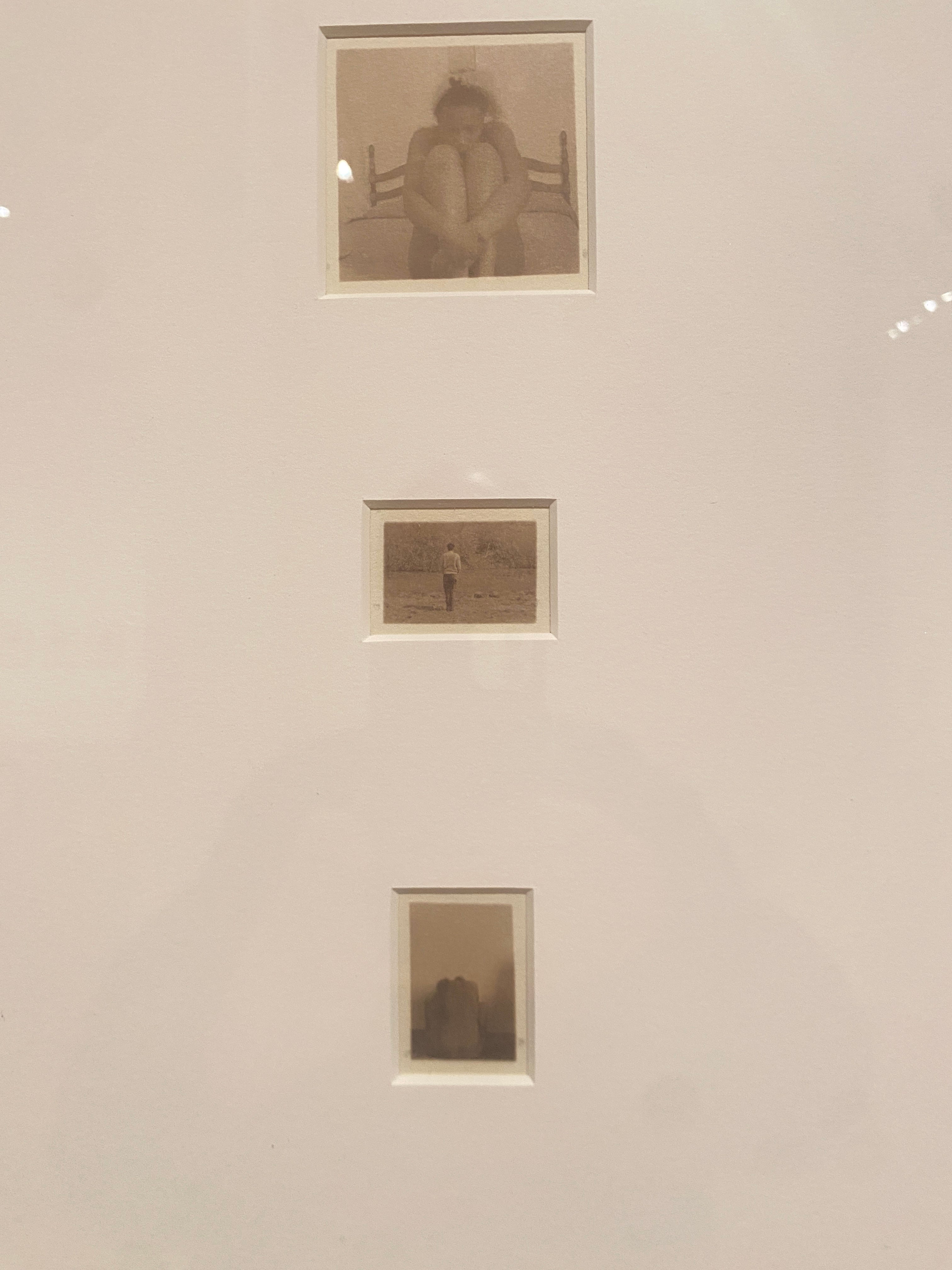
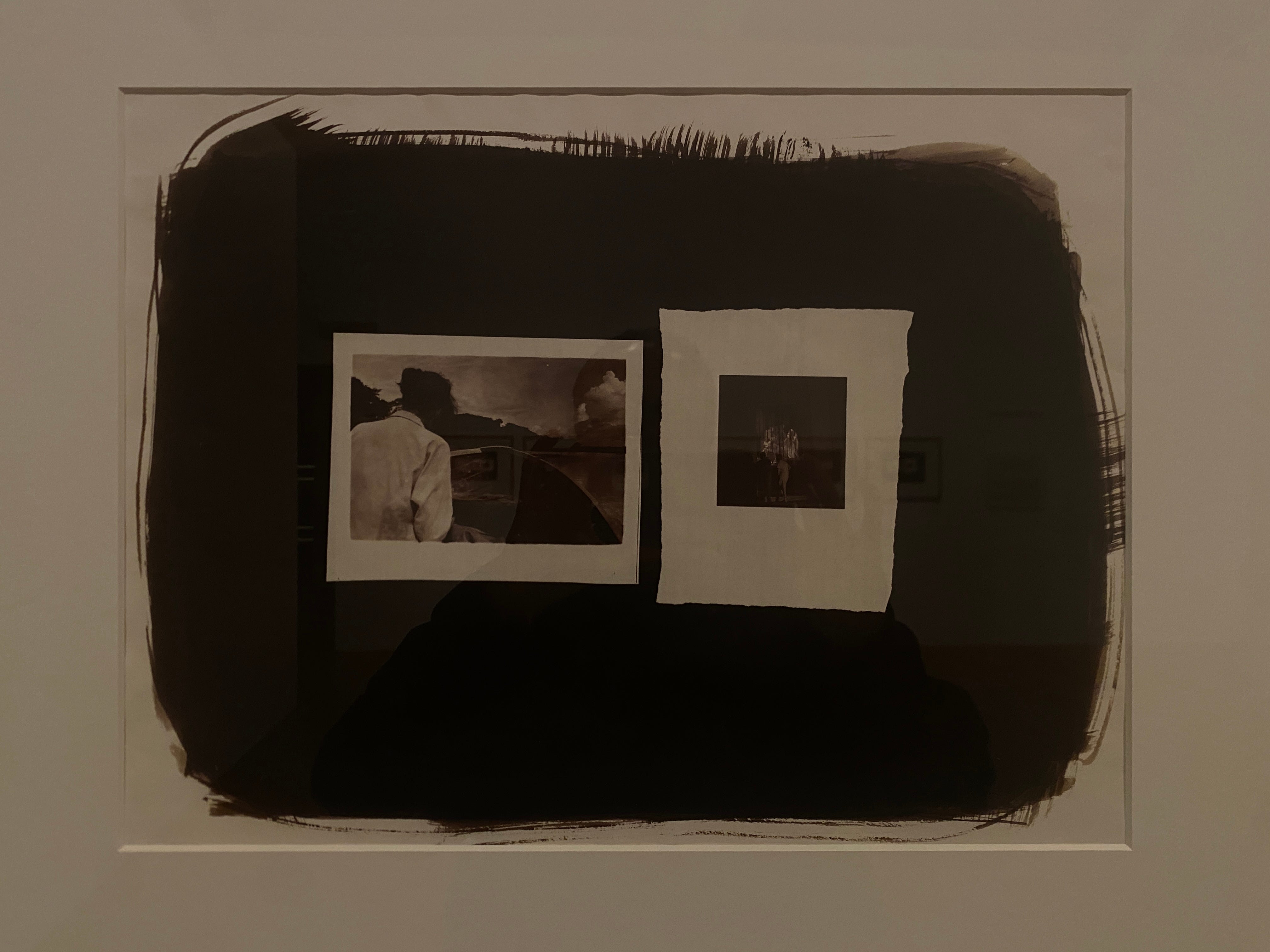
The Honeymoon Project (1990-92) are tiny kallitype prints that drew me through Joy’s process. She says “This series began life in 1991 as a single image inspired by Miralda’s project marking the 500-year connection between Europe and America. It later developed as an exploration of personal ambitions and desires. A series of self–portraits more concerned with internal concerns than the physical exterior.” What I enjoyed was the small scale and the storytelling. The kallitype process is an iron-silver Victorian technique where paper is hand-coated with ferric oxalate and silver nitrate, exposed to UV light, then developed in chemical baths, creating prints with rich brown to sepia tones and extraordinary texture. I wanted to get inside the photos as a character. Taking time over process creates more inviting imagery for the viewer, and sometimes we need that welcome hand when entering someone else’s world.
Recently, a photographer was helping me with my camera search and he challenged me on why I was choosing analogue, “Why be stuck in nostalgia?” That question seemed odd, as I never considered buying a digital. I knew that I wanted the work to be about process, about what feels good in my hands at the end of that process. I also want to take as few images as possible and savour each one, like I do meals and glances from loved ones. I want to hold onto just a small handful of things as I’m getting older, images included, in pockets and within books on shelves. As I move forward, I want to be still and considerate, at each step along the way.
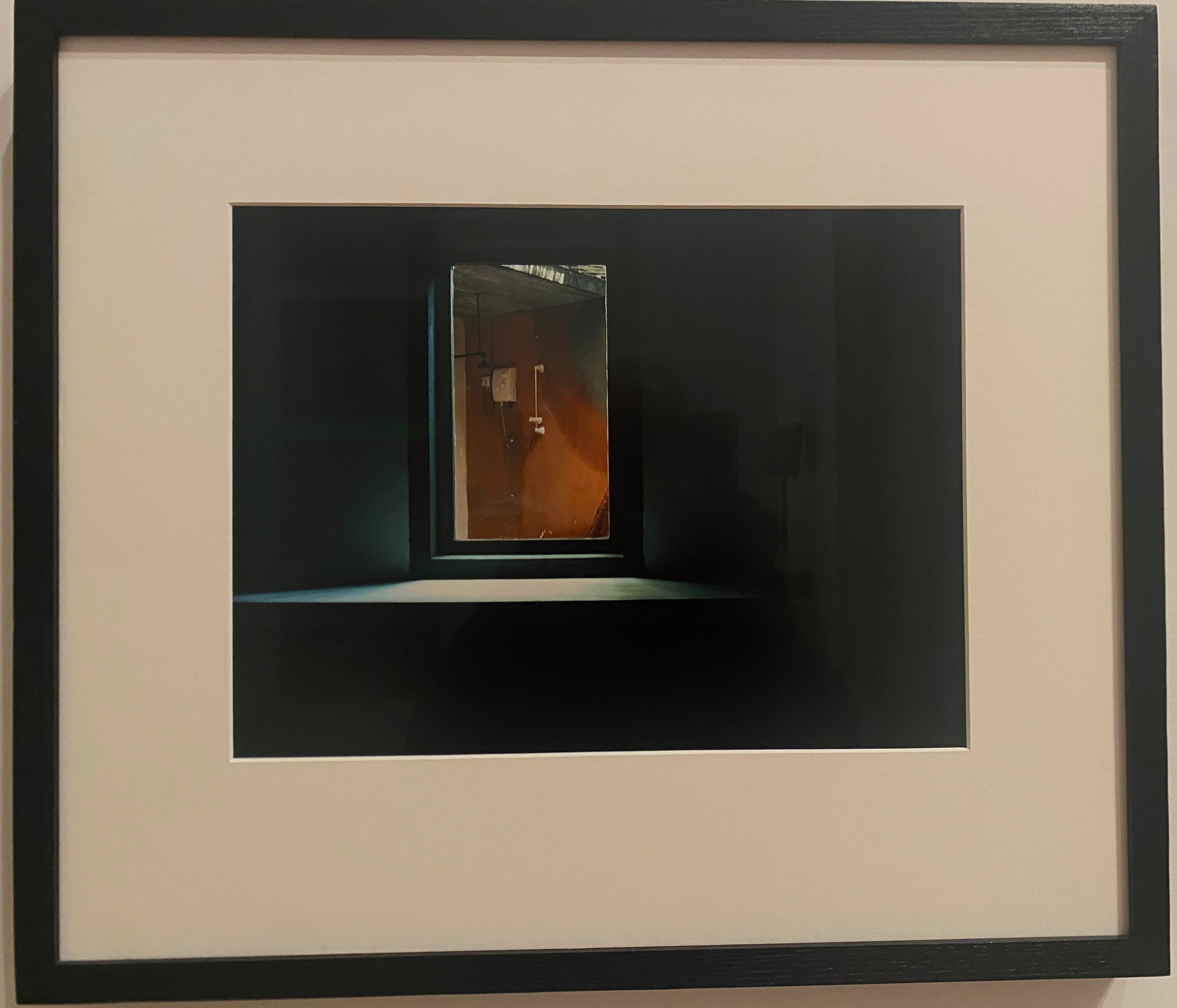
Joy and I chatted about the richness of colour in her Sri Lanka series, and I enjoyed seeing these up close. I could feel the humidity and weight of the environment, almost feel the presence of people who walked the estate over centuries, I could feel their breath as I leaned into in the prints of empty spaces. These colour prints, made in 2004 during an artist residency at the Lunuganga Estate and taken in the aftermath of her father’s death, felt quite Lynchian, where the architecture and low light speak as characters. They reflect a meditative mood shaped by solitude, grief and the denseness of history in the tropical landscape.
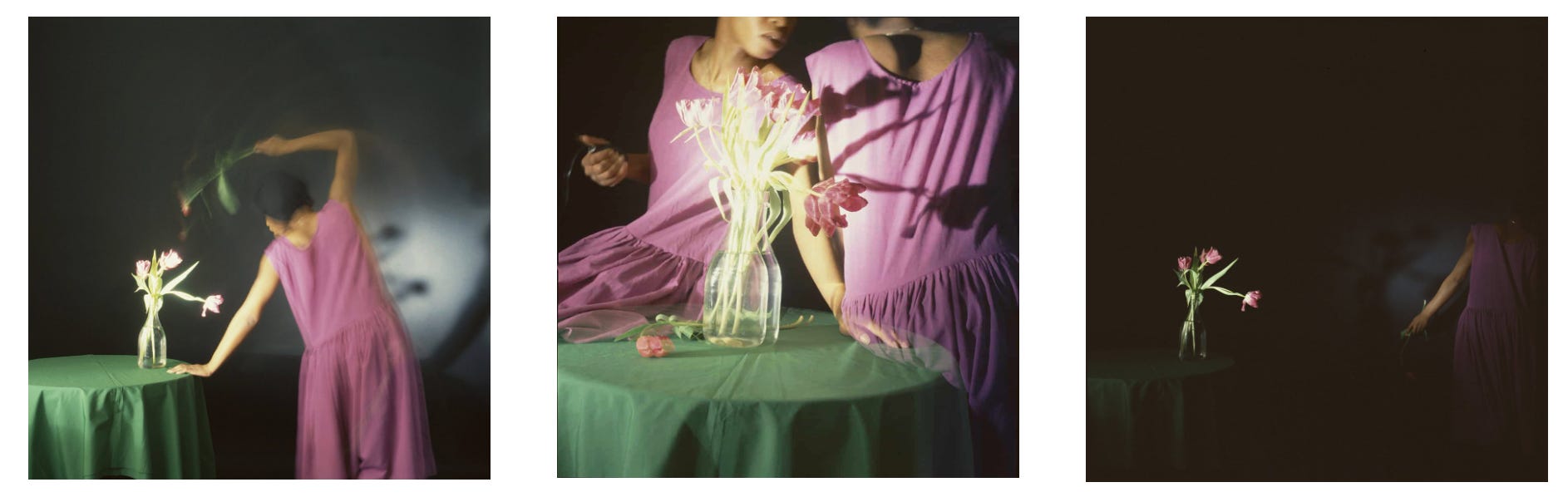
The transparencies from the Magenta and Green series (1985), Dancing with Tulips, In Conversation, Leaving the Space, held that same filmic quality. There's flux, flow, defiance and tenderness in these works. Is she thrashing those tulips or dancing with them as the title suggests? It’s unclear, but we're not being confronted, which is what I like about Joy's work. We are welcome and won’t be shouted at. Sometimes we don't want to be challenged into image combat, interrogated for opinions: "What do you see? YOU, viewer?! Oi. Rarrrr.“ All the works in the show reflect Joy's nature. Here, we step in willingly. Catching flies with honey. As we process so many images centered on identity, this show is different in the way that it encourages our curiosity and willing participation. Straight portraits can't quite achieve this, which is partly why I felt the need for more range in Zanele Muholi's Tate Modern show (in 2024 – 2025). Not a criticism of Zanele specifically, just that a show of that scale needs breadth.
This exhibition came about through the eighth Freelands Foundation Award, which supports mid-career artists who haven’t had a major UK solo show. Joy got this award because her work is extraordinary. And the timelines are important. She was working through questions about beauty, place, and self-definition decades before these conversations became our norm.
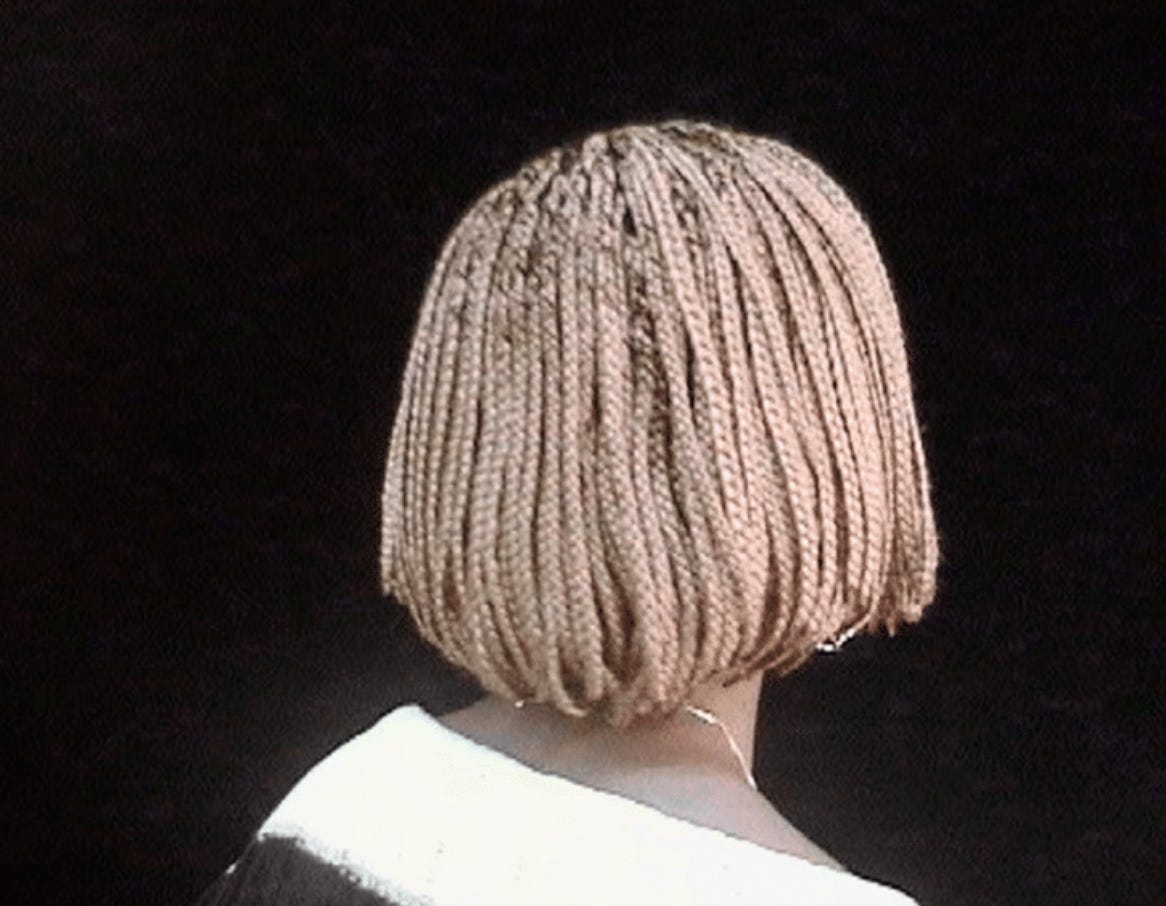
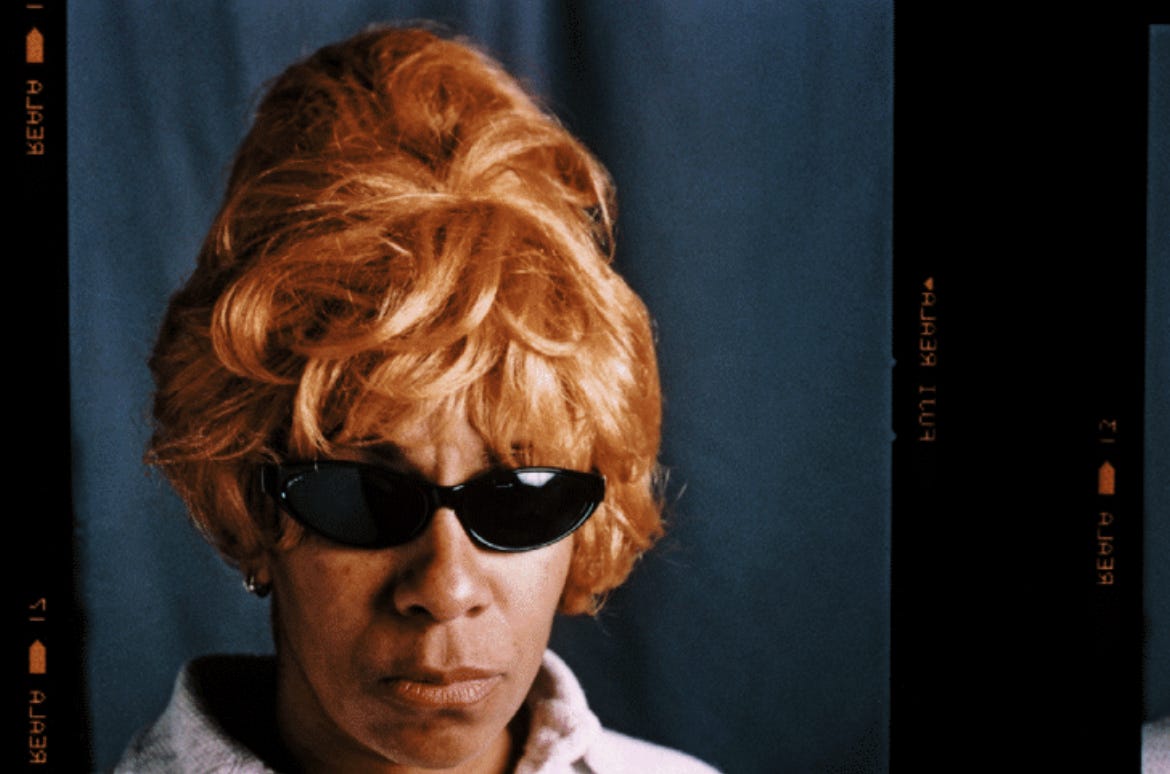
The Blonde film and photo series (1997-2010) stayed with me too, maybe because of where we are now in relation to it. Joy says “The platinum blonde is a metaphor for eternal childhood, a subject of global fascination and western society’s object of desire.” Other contemporary artists like Claudia Rankine and Maxine Walker have explored blondeness as subject alongside Joy, who was asking these questions nearly three decades ago. Why are we so fascinated with blond messaging in our photographic practices? Shall we explore that next time?
Catching Flies with Honey is at Whitechapel Gallery until 1 March 2026.
Images are just unedited snapshots from the gallery visit © Lou Mensah.
Comments
Nothing yet. Say the first thing.
Sign in to join the conversation.