
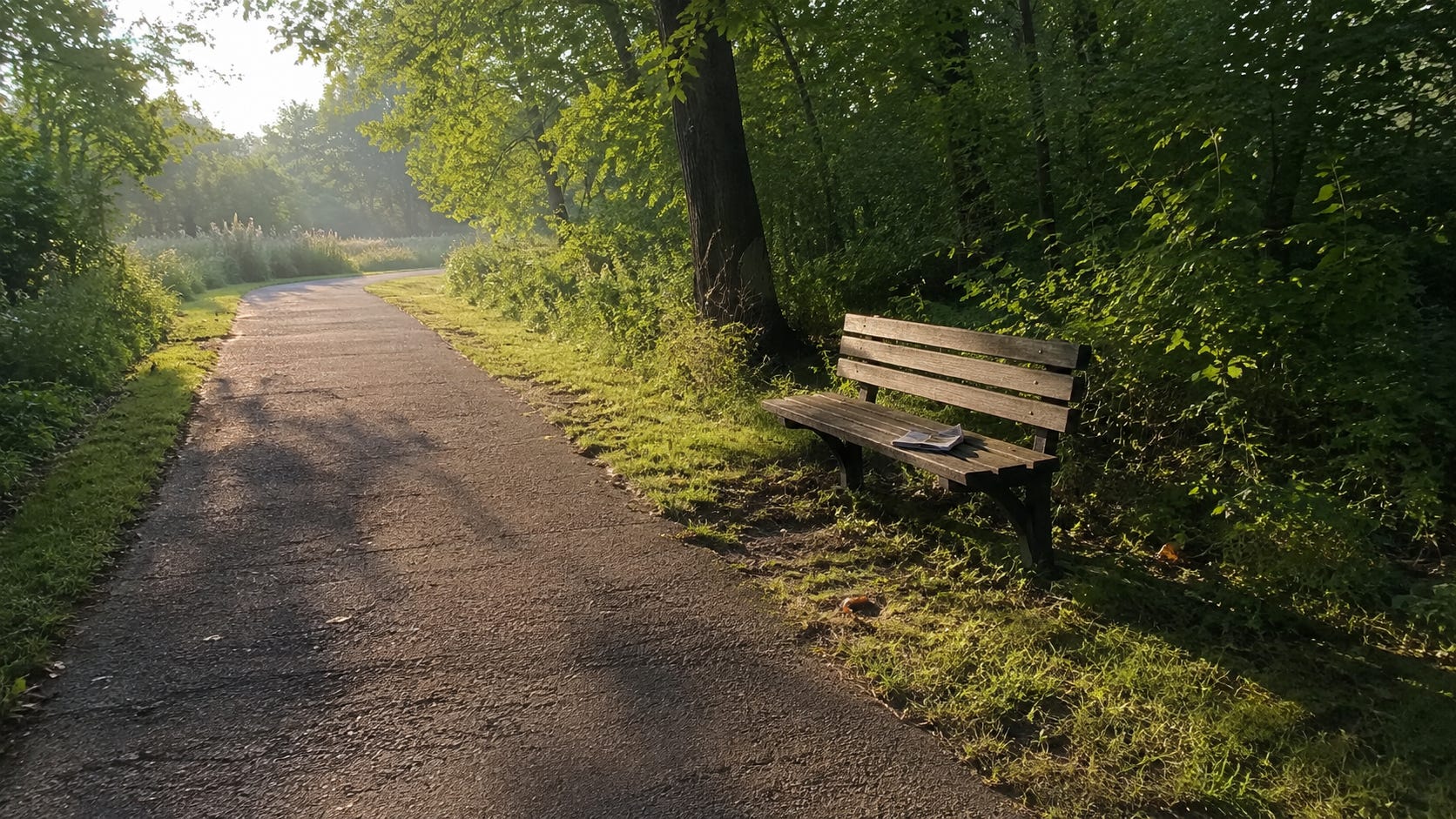
You do the walk. Then you do the crossword.
You think they are two separate things.
They may not be.
Not in a dramatic way. Not in a “this prevents dementia” way. But maybe in a smaller, more useful way: the order may matter more than we usually think.
Several studies have supported a connection between physical activity and brain health, but the question here is a little narrower. For example, one 2020 study found that when BDNF rose more after exercise in adults 65 to 75, learning gains were better when that rise came before cognitive training. An observational study with cognitively normal, late-middle age participants found that more time spent doing moderate levels of physical activity was associated with a greater increase in brain glucose metabolism, how quickly the brain turns glucose into fuel, which may reduce the risk for developing Alzheimer’s. And a randomized controlled trial showed that exercise can increase the size of a brain structure important to memory and learning, resulting in better spatial memory. Although these results are encouraging, more research is needed to determine what role exercise may play in preventing cognitive decline.
That sounds like a small detail, but it changes the practical question. If movement and brain work are both already part of the day, the order may be worth paying attention to.
Federal guidelines recommend that all adults get at least 150 minutes (2.5 hours) of physical activity each week. That is a weekly target, not a schedule. It tells you how much to do, not what to do with the hour after.
That is not much, I know. But it is more useful than another vague reminder to “exercise for your brain.”
For now, I would keep it there.
No more than that. Not because timing is magic, but because changing the order costs almost nothing.
The point is order, not effort.
Past that, I start to get nervous.
So I am stopping there for now.
Staying engaged in other meaningful activities as you grow older may also have important cognitive benefits, which is why the part after movement interests me here. For example, one study found that older adults who learned quilting or digital photography had more memory improvement than those who only socialized or did less cognitively demanding activities. That matters because the activity asked something from the brain. Sitting through something easy is not the same thing. The brain has to have something to work on. Research on engagement in activities such as music, theater, dance, and creative writing has shown promise for improving quality of life and well-being, from better memory and self-esteem to reduced stress and increased social interaction, but more research is needed in these areas.
So I come back to the same boring question: what comes next?
Not what else to add. What to do first.
That is small enough to test without turning the morning into a project.
So I do not want to add more. I want to move one thing earlier.
Harder first, easy later. That is the whole experiment.
Then leave the rest of the day alone.
Do not turn it into homework.
I kept coming back to that because it was almost too small to write about.
The walk is not the protocol. The order is.
Sources: Nilsson et al., Acute increases in brain-derived neurotrophic factor in plasma following physical exercise relates to subsequent learning in older adults (Scientific Reports, 2020; PMID 32157099); Mizoguchi et al., Lower brain-derived neurotrophic factor levels are associated with age-related memory impairment in community-dwelling older adults: the Sefuri study (Scientific Reports, 2020; PMID 33020545); National Institute on Aging, Cognitive Health and Older Adults; CDC, Physical Activity Guidelines for Adults.
Medical Disclaimer: This article is for educational purposes only and does not constitute medical advice. Consult your physician before making changes to your exercise routine or cognitive health approach.
Stay independent. Stay capable.
Published August 2026 | Senior Health Secrets
Evidence-based health research for seniors.
Comments
Nothing yet. Say the first thing.
Sign in to join the conversation.