
The week after I deregistered my son, I was a woman on the edge. We had decided to ‘electively Home Educate’ after the slow motion car crash that was his first term in Reception. Except, it wasn’t especially ‘elective’, It was more that we were stuck between a rock (threats of fines and interventions by the local authority if we don’t get him into the classroom) and a hard place (watching my autistic, PDA, brilliant son gradually shatter into a thousand pieces before my eyes) and felt we had no other choice.
It had been weeks of anxiety around school, a deep fear at times, and an intense loneliness despite being surrounded by other people. We had struggled all week to get him into this classroom. Listened to him cry about having no friends and that he spent most of his day hiding under a table.
Intense negotiations, bribery, stickers, and promises of ‘fun’ had all failed. My five year old little boy hid under my coat and whimpered. They looked at me as though to say I should be pulling him out. I wasn’t going to do that. Then they woke the beast in me.
At the unconscionable sight of my son being pulled from me by the SENCO and his class teacher and dragged backwards by his arms into the building kicking and screaming for help and them closing and locking the glass door behind them, I ran. I ran to that door to the muffled sounds of my son’s guttural fear, and pulled and pushed the handle as if his life depended on it. We clawed at it from opposite sides, both of us pleading with them to open it. The Head teacher loomed over me and tapped my shoulder, telling me that I am making this much worse for him and that if I were to just go home, he would eventually be absolutely fine. My son salivating and punching glass, making his knuckles red and collapsing against it with exhaustion. I made myself heard.
“UNLOCK THE DAMN DOOR, NOW!”
Sheepishly the class teacher looked at the Head, who gave the nod. My son scrambled to his feet and ran into my arms and sobbed. I gathered all the pieces of him up and I turned to the Head.
“I am deregistering all three of them as of today.”
Breathless, I held my son as tight as if he were in my womb again and I pushed the double buggy with my two, terrified little ones through the crowd of silent parents out of the playground and began the long walk home.
Never. Again.
I am a teacher. Did I tell you that? In fact I taught KS1 and EYFS aged children for about 12 years and it happens to be a little bit of a speciality of mine. So I am violently aware of what dreadful practice this was on the part of this school. I muttered to myself, as I walked them home in the rain, “I can do better than that… ” So I decided to.
I decided not to go back to teaching after my maternity leave. Instead, I was going to home educate my children myself. In the beautiful, prestigious suburban private school where I worked, people paid the equivalent of university tuition fees for teachers like me to educate their children. I could make their learning as low demand as possible, I reassured myself... and I already have loads of resources and displays.
Home education would be a breeze, right?
When people discover that I home educate my children, one of the first questions they ask is whether it is easier than school. It is an understandable question. School had become a place of overwhelming anxiety for my children and for our family. Surely removing the school building, the timetable, the uniform and the classroom expectations would also remove the demands, and therefore the difficulty.
The truth is far more complicated than that.
Removing the school building did not automatically remove the challenges. If anything, it exposed something I hadn’t fully appreciated.
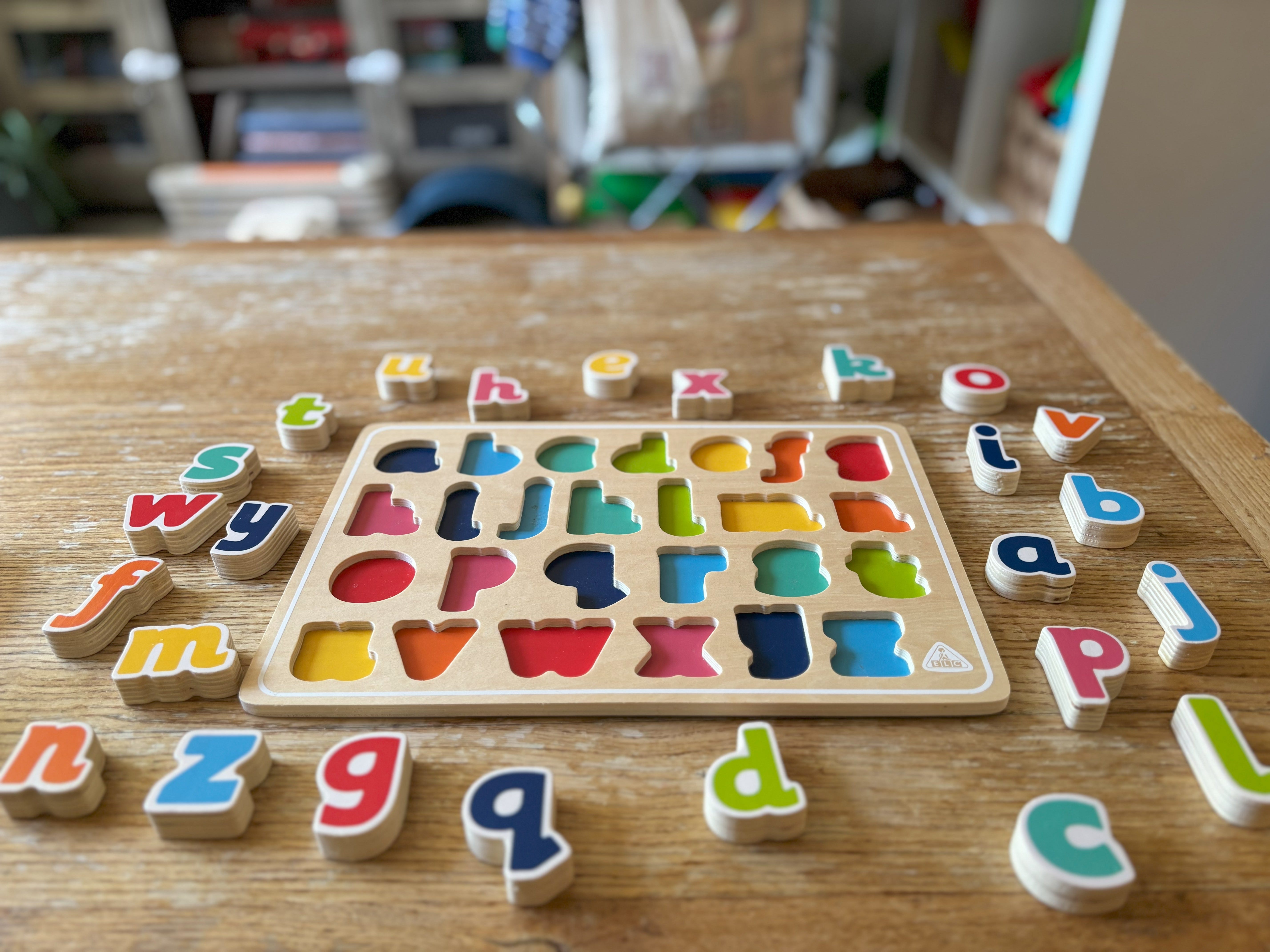
I had spent over a decade teaching young children. I knew how to plan engaging lessons, differentiate learning and create beautiful classroom environments. I had shelves full of carefully chosen resources, boxes of activities and enough laminating pouches to wallpaper the lounge. So naturally, when we began home educating, I reached for what I knew.
Without even realising it, I unpacked school in my own home.
There was no uniform anymore, no classroom and no school bell, but I was still approaching learning in much the same way. I was deciding what we would learn, when we would learn it and what I hoped we would achieve by the end of the day. I had changed the location, but I hadn’t yet changed my understanding of what education was supposed to look like.
Looking back, I think this is something many of us do.
Most of us spent well over a decade in school ourselves before we ever became parents. Whether those experiences were wonderful or deeply painful, they shaped our beliefs about what learning should look like. We absorb the idea that education happens at a table, follows a timetable, is led by an adult and can be measured by what appears on a worksheet or exercise book. It is hardly surprising that, when we begin home educating, we instinctively recreate what feels familiar. Familiarity can feel safe.
The difficulty is that many of us didn’t leave school because we wanted to replicate it somewhere else. We left because, for our children, it wasn’t working.
That doesn’t mean school is inherently wrong, nor does it mean structure, routine or academic learning have no place in home education. Many children thrive within those environments. But for children with a PDA profile, simply transplanting the classroom into the kitchen can unintentionally recreate the very pressures their nervous system was struggling with in the first place.
Over time, I realised that the greatest difference between school and home education wasn’t the building we happened to be sitting in.
It was the relationship.
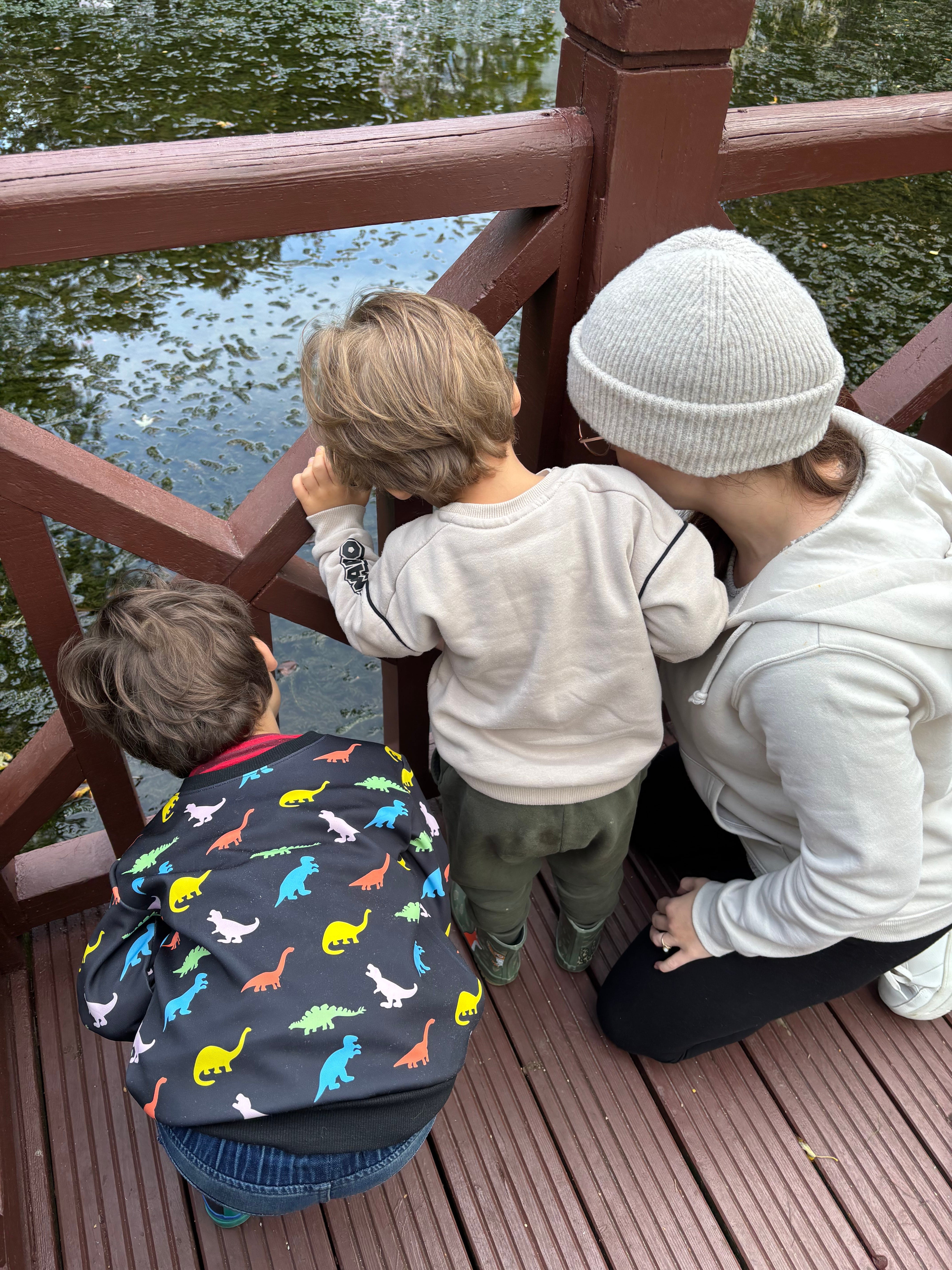
In school, one adult is responsible for meeting the needs of thirty children while balancing curriculum expectations, safeguarding responsibilities, assessment, behaviour policies and endless competing demands. At home, something entirely different becomes possible. We can slow down. We can notice. We can respond to the child in front of us rather than the timetable on the wall.
That changed everything for me.
Instead of asking myself, How do I recreate school at home? I began asking a different question altogether.
What does learning look like when my child’s nervous system feels safe enough to become curious again?
That single question transformed not only the way I approached home education, but the way I understood learning itself. I have to say, having revelations about what learning looks like after more than a decade of teaching is a humbling experience. I realised that, to do this well, I needed to be open to adaptation.
Adapt or die, people.
Research increasingly suggests that learning is profoundly influenced by a child’s emotional state, although I don’t feel you need research to tell you that. The developing brain does not neatly separate cognition from emotion. Stress, anxiety and perceived threat directly affect attention, working memory, flexible thinking and the ability to encode new information (Immordino-Yang and Damasio, 2007). In other words, if you are losing your mind with stress, you would probably struggle to sit down and write six sentences using the past perfect tense in French.
From a Polyvagal perspective, when the nervous system detects danger, whether that danger is physical or psychological, the brain prioritises survival over exploration (Porges, 2011). Curiosity, creativity and problem solving become far less accessible because they are not immediately necessary for survival. I know it sounds dramatic to talk about ‘survival’, but as a PDA autistic adult myself, I can tell you in no uncertain terms that this is exactly how it can feel.
Additionally, as a learner, I may be better able to cope one day than the next because my threshold of tolerance has been reached sooner due to reduced capacity on a particular day. In simple terms, I may have been able to manage far more demands yesterday than I can today because yesterday I wasn’t as tired, overwhelmed or dysregulated.
Many parents of PDA children recognise this instinctively. They describe children who appear highly capable one day and completely unable to engage the next. It is tempting to interpret this inconsistency as stubbornness, laziness or a lack of motivation. However, when viewed through the lens of nervous system regulation, these fluctuations begin to make much more sense.
I am not suggesting that PDA children are never stubborn, lazy or lacking in motivation. We are human, just like everyone else. But when you notice that a child’s ability to participate even in things they genuinely enjoy, or things that keep them alive, such as eating, drinking or using the toilet, also begins to fluctuate, you are probably seeing PDA-related activation rather than unwillingness.
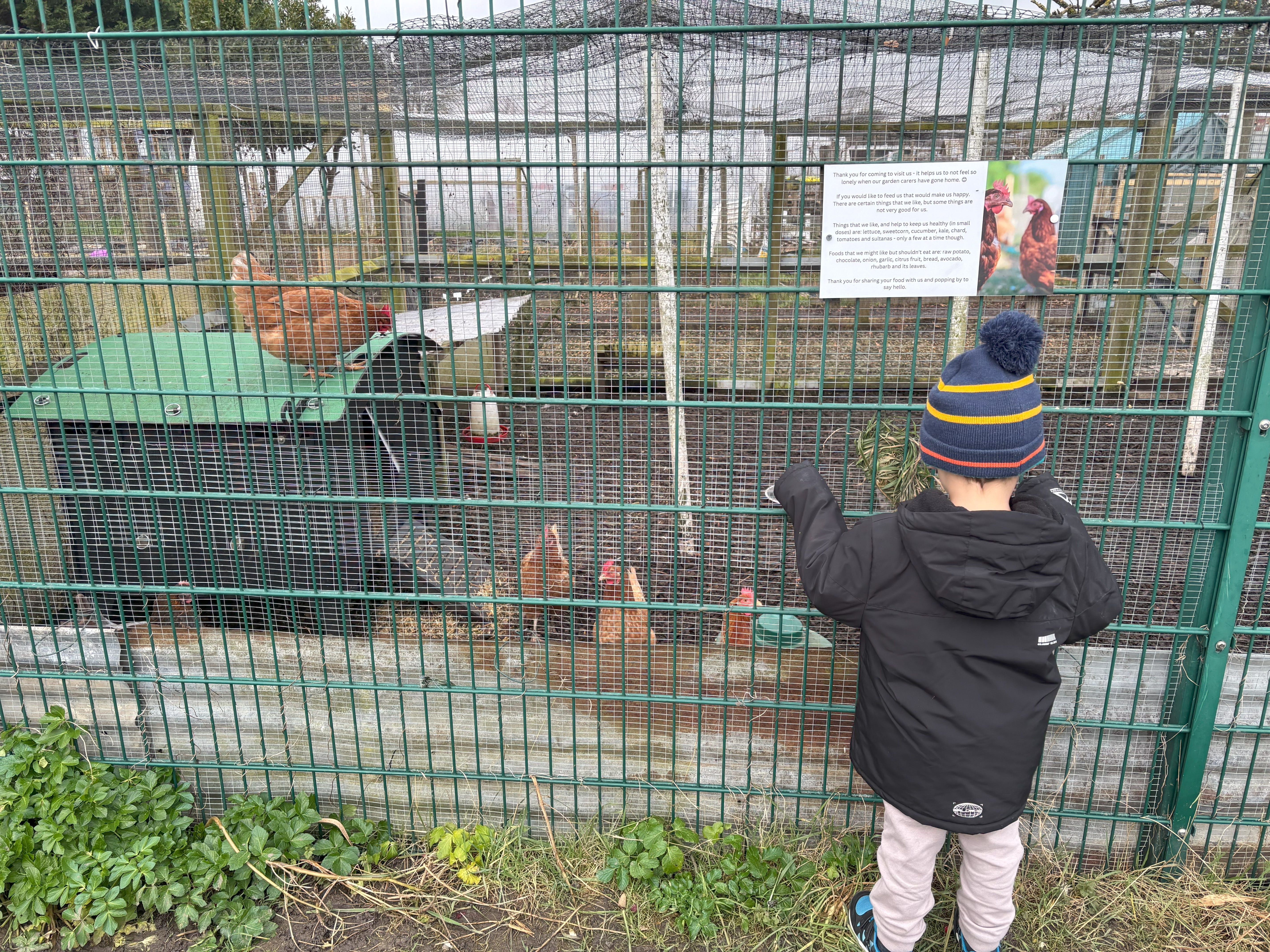
Research into intrinsic motivation offers another important perspective. Self-Determination Theory proposes that human beings are most motivated when three basic psychological needs are supported: autonomy, competence and relatedness (Ryan and Deci, 2020). In other words, we are more likely to engage when we feel that we have some control over what is happening, when we believe we are capable of succeeding, and when we feel safe, connected and valued by the people around us.
When autonomy is undermined in PDA learners, motivation often decreases, particularly as external control becomes more prominent. For many PDA children, preserving a sense of autonomy is not simply a preference. It appears to be closely connected to their ability to remain regulated and engaged.
If learning depends upon a nervous system that feels sufficiently safe to explore, then home education is not simply about delivering a curriculum. It is about creating the conditions in which learning becomes possible.
That changes the role of the parent entirely.
One of the most significant changes I experienced during our home education journey was realising that my children were learning far more from me than from any carefully prepared resource.
They watched how I responded when plans changed unexpectedly. They noticed whether mistakes were treated as failures or opportunities to learn. They observed whether rest was something to be earned or something to be respected. They absorbed how I spoke to myself when things went wrong, whether I approached uncertainty with curiosity or control and, perhaps most importantly, how I repaired our relationship when I inevitably got things wrong.
None of these lessons appeared on a timetable, yet they were shaping my children’s understanding of themselves, of other people and of the world around them.
That doesn’t mean I always got it right. They were watching that, too.
How did I respond when I became overwhelmed? What did an apology look like? Could relationships recover after difficult moments? These lessons were every bit as important as anything I could have planned.
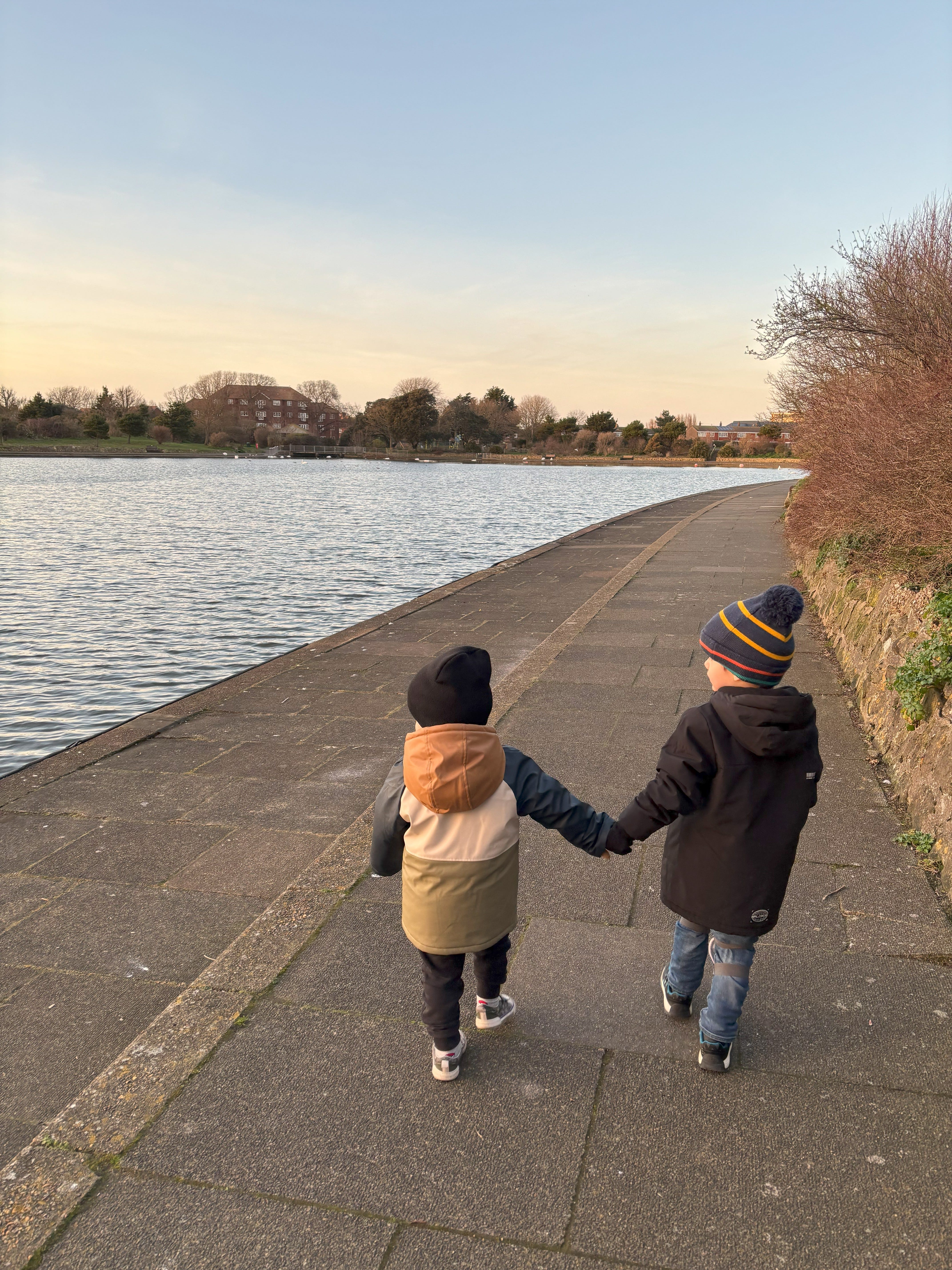
This idea is supported by Social Learning Theory, which suggests that children acquire behaviours, emotional responses and ways of thinking by observing significant adults, rather than solely through direct instruction (Bandura, 1977). Likewise, attachment research consistently demonstrates that responsive, emotionally available caregiving provides the secure base from which children feel able to explore, take risks and develop confidence (Bowlby, 1988).
For children with PDA profiles, whose nervous systems may already be scanning constantly for signs of threat, the quality of this relationship becomes even more significant.
I’ll be honest, that can feel like a huge amount of pressure sometimes.
I am still a person carrying my own baggage through the airport of home education, occasionally discovering that none of it fits in the overhead locker. I don’t think parents need another impossible standard to live up to. Personally, I think it is enough to offer yourself grace, to accept that you won’t always get it right and to remember that perfection has never actually been the goal.
The important thing is that you keep showing up.
When I began thinking less about teaching and more about co-regulating, something shifted. The pressure eased, not because learning became less important, but because I stopped seeing learning as something I needed to manufacture every hour of every day.
One area my eldest son found particularly difficult was self-care. At five years old, I was still dressing him, washing him, brushing his teeth and hair, and managing almost every aspect of his personal care because each of those tasks carried too much demand. I became almost obsessed with finding ways to teach him these skills. I worried about independence. I worried about his future. I worried that if I couldn’t teach him these things, I had somehow failed him.
Then I witnessed something that changed my thinking completely.
My three-year-old was lying on the changing mat, playing with a toy baby and becoming increasingly frustrated as he tried to put on the pretend nappy. My five-year-old wandered over, sat beside him and quietly said, “It’s like this.”
He gently laid the baby down.
“You need to take care of his head.”
He turned the nappy the correct way round, fastened it carefully, picked the baby up and placed it against his brother’s chest before demonstrating how to pat its back gently. I had never taught him to do any of that. He had simply been watching me care for his baby brother. In that moment I realised I had been confusing ability with capability. My son wasn’t incapable of caring for himself or someone else. He was often unable to. Those are not the same thing.
That distinction changed the way I viewed not only self-care, but learning as a whole. It reminded me that performance in any given moment is not always an accurate measure of understanding, knowledge or potential. Sometimes the ability is there all along, waiting for the conditions in which it can emerge.
I needed to learn to approach all of this differently.
Some of the most important learning in our home has happened during moments that would never have appeared in a school assessment. Traditional education often values visible productivity because it is easier to measure. Home education invites us to notice the quieter forms of learning that develop curiosity, emotional resilience, flexible thinking and self-knowledge. These are not distractions from education. They are part of it.
This does not mean abandoning academic learning or suggesting that literacy and numeracy no longer matter. Rather, it means recognising that lasting learning is far more likely to occur when it grows from a foundation of regulation, trust and genuine engagement.
A couple of days ago, I had a rough idea of what we were going to do over the next few days. We were still in the middle of a heatwave, so everything needed to be nervous-system first. If we didn’t have the capacity, we would sack it off and focus on rest and recovery instead.
Then I found a book about skeletons in a charity shop.
Within minutes, my two eldest children needed to know absolutely everything about the human body. One question quickly became another. How do bones grow? Why do we have a skeleton? How do X-rays work? What are fossils? How do our senses work? What does a doctor actually do?
My carefully thought-out plans disappeared, and instead we spent the next few days following their curiosity wherever it led us.
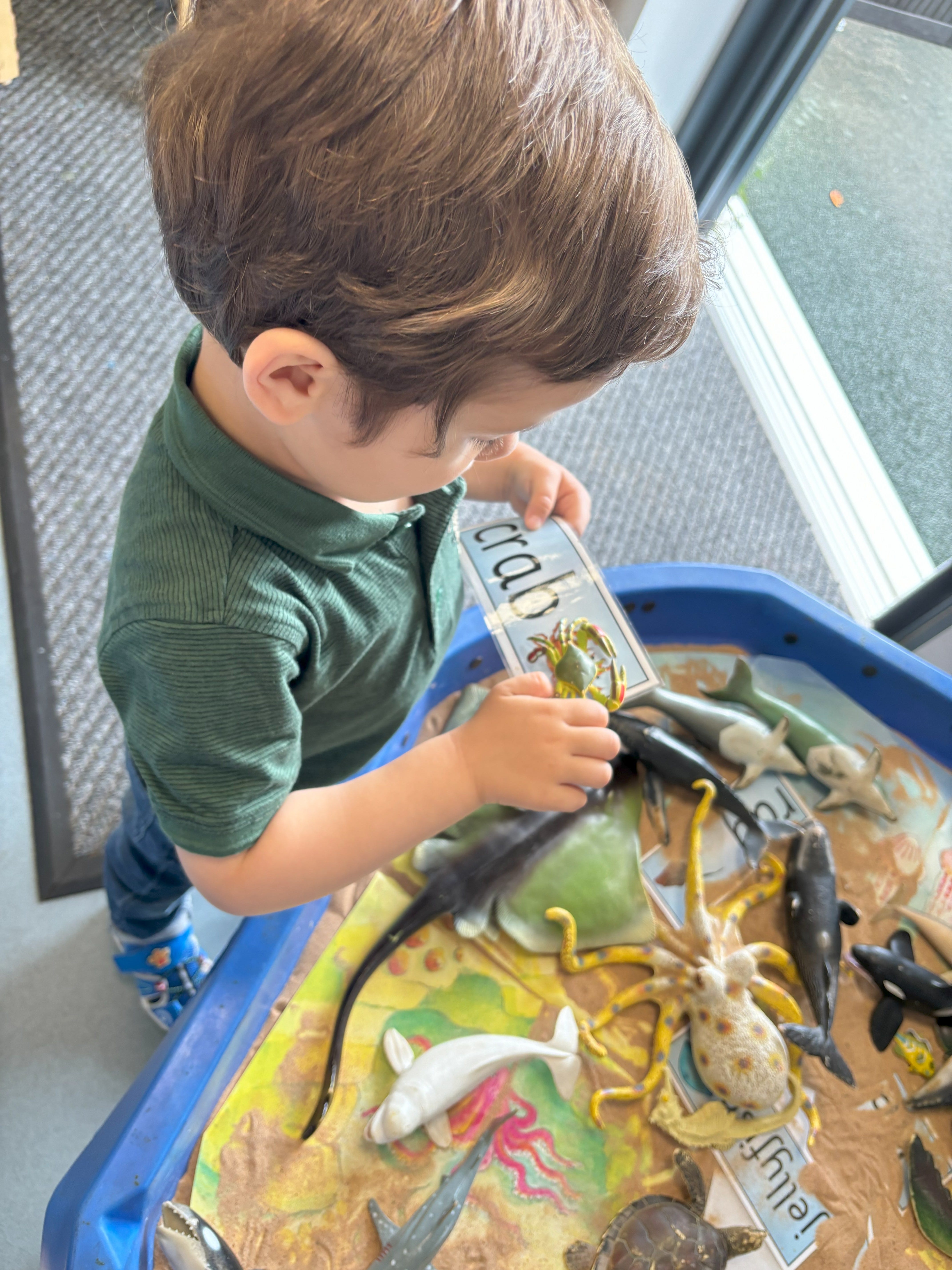
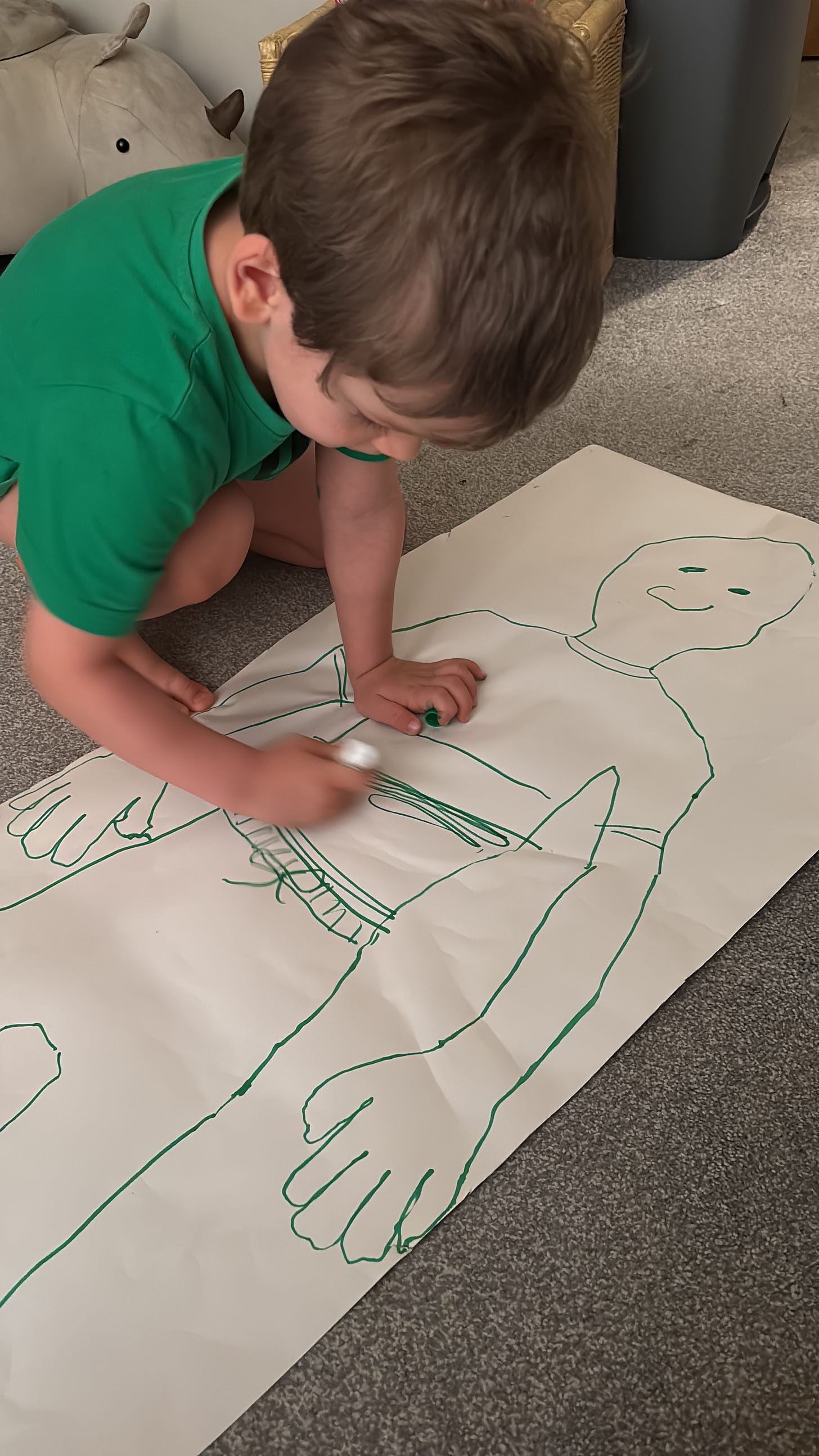
We sketched human skeletons, ichthyosaurs, antelopes and bats before turning our drawings into a gallery using special pens to make them bold and colourful. We built skeleton hands from cotton buds using real X-rays as our reference, drew around each other’s bodies on giant sheets of paper and carefully positioned our organs where we thought they belonged. There was cutting and sticking, labelling body parts, reading Funnybones, singing Heads, Shoulders, Knees and Toes in both English and French, and countless conversations that wandered off into entirely unexpected directions.
None of that had been planned.
In a classroom, it probably couldn’t have unfolded in quite the same way. We would have planned learning for the week and there would have been understandable pressure to cover everything we’d intended, so that the following week’s learning wasn’t affected. We couldn’t simply abandon the plan because a second-hand book had sparked a hundred new questions. We couldn’t take down the carefully prepared display to make room for a giant life-sized human body.
At home, we could.
And that freedom to follow curiosity wherever it leads has become one of the greatest gifts that home education has given us.
Perhaps one of the greatest gifts home education has given me is permission to redefine success. Instead of asking whether enough pages had been completed or enough objectives had been covered, I gradually found myself asking different questions. Had my child felt emotionally safe today? Had they been curious about something? Had they had opportunities to recover from stress? Had we genuinely connected? Had they chosen to explore something simply because it interested them? Ironically, as those questions became more important, academic learning often followed more naturally.
I no longer believe that home education works simply because children are learning at home. I believe it works because it gives us the opportunity to build relationships in which safety comes before compliance, curiosity comes before control and connection becomes the foundation from which learning grows.
The location of education may have changed.
The curriculum may have changed.
But perhaps the greatest transformation is that we, as parents, become part of the curriculum ourselves.
When I first brought my children home, I thought I needed to recreate the classroom. Instead, I discovered that the person who needed educating most was me.
I had to unlearn some of the assumptions I had carried for years about what education was supposed to look like. I had to stop measuring learning by what could be seen on a worksheet and start recognising it in conversations, relationships, curiosity and recovery. I had to stop asking how I could make my children fit education, and start asking how education could fit my children.
Looking back now, I don’t just see how much my children have changed. I see how much I have.
And I think that has been the greatest education of all.
With love,
SENDinMama
More from SENDinMama:
1:1 Support Services: Personalised support services for PDA families
Resources Hub: Printable, PDA, ADHD and SEND friendly tools and Book Lists for Home Education & School
Articles:
The Cost of Coping
·
Jun 20
My mother always said that I was so good at getting ready for school. I am in year 9 in secondary school, my alarm goes off (which almost sends me into cardiac arrest instantly upon waking… so before I have even opened my eyes, my nervous system is on fire) and I get up. I start my routine and straighten my hair, put my uniform on and start putting on m…

Bandura, A. (1977) Social Learning Theory. Englewood Cliffs, NJ: Prentice Hall.
Bowlby, J. (1988) A Secure Base: Parent-Child Attachment and Healthy Human Development. London: Routledge.
Immordino-Yang, M.H. and Damasio, A. (2007) ‘We feel, therefore we learn: The relevance of affective and social neuroscience to education’, Mind, Brain, and Education, 1(1), pp. 3–10.
Newson, E., Le Maréchal, K. and David, C. (2003) ‘Pathological demand avoidance syndrome: A necessary distinction within the pervasive developmental disorders’, Archives of Disease in Childhood, 88(7), pp. 595–600.
O’Nions, E. et al. (2014) ‘Development of the Extreme Demand Avoidance Questionnaire (EDA-Q): Preliminary observations on a trait measure for pathological demand avoidance’, Journal of Child Psychology and Psychiatry, 55(7), pp. 758–768.
Porges, S.W. (2011) The Polyvagal Theory: Neurophysiological Foundations of Emotions, Attachment, Communication and Self-Regulation. New York: W.W. Norton.
Ryan, R.M. and Deci, E.L. (2020) Intrinsic Motivation and Self-Determination in Human Behavior. New York: Springer.
Comments
Nothing yet. Say the first thing.
Sign in to join the conversation.