
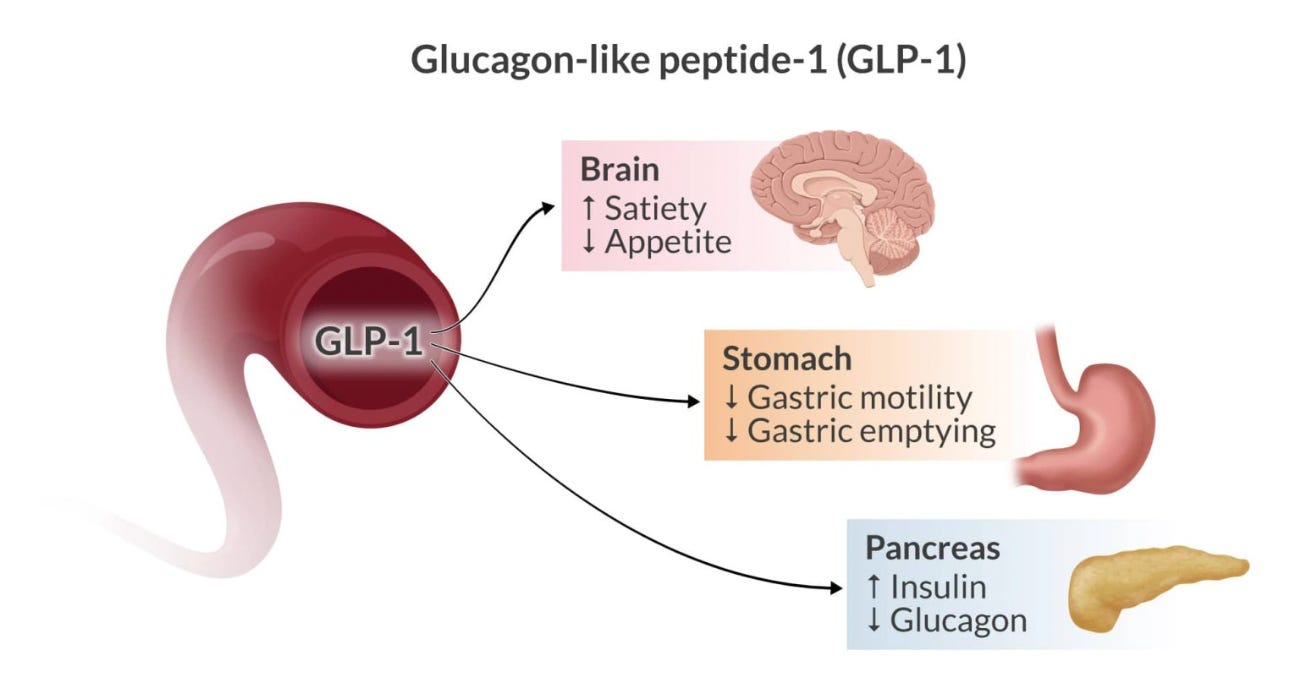
GLP-1s, the new, “magic” weight loss medications, work by causing food to move through the digestive tract more slowly as well as by interacting with hormones and neurotransmitters such as insulin and dopamine to regulate blood sugar and suppress appetite. Although originally designed to combat Type 2 diabetes, they are being widely used by people trying to lose small amounts of weight or even prevent weight gain due to aging or menopause. Because GLP-1s are so new we do not have a lot of research about them generally, and no information at all about their long-term effects on the body and brain.
An April 7, 2026 Medscape article by Sarah Amandolare enumerates multiple sexual and pelvic floor issues that are being seen in women who are taking GLP-1s. Interestingly, most of these are symptoms of GSM, Genitourinary Symptoms of Menopause:
· Vaginal dryness
· Vulvar changes
· Labial changes
· Itching and dryness in genital area
· Discomfort or pain with sex
Additionally, some women are experiencing constipation and a lack of libido.
The majority of women taking GLP-1s are between 50 & 64. This is followed by women in the 30-49 age group. Clearly, this is the demographic that is also most likely to be transiting the 7-10+ years of perimenopause and experiencing some percentage of the vast variety of symptoms that go along with that.
At this point, the research cannot draw any conclusions, but while the GLP-1s do not necessarily seem to be causing the symptoms perimenopausal women are experiencing, they are likely to be exacerbating them in various ways:
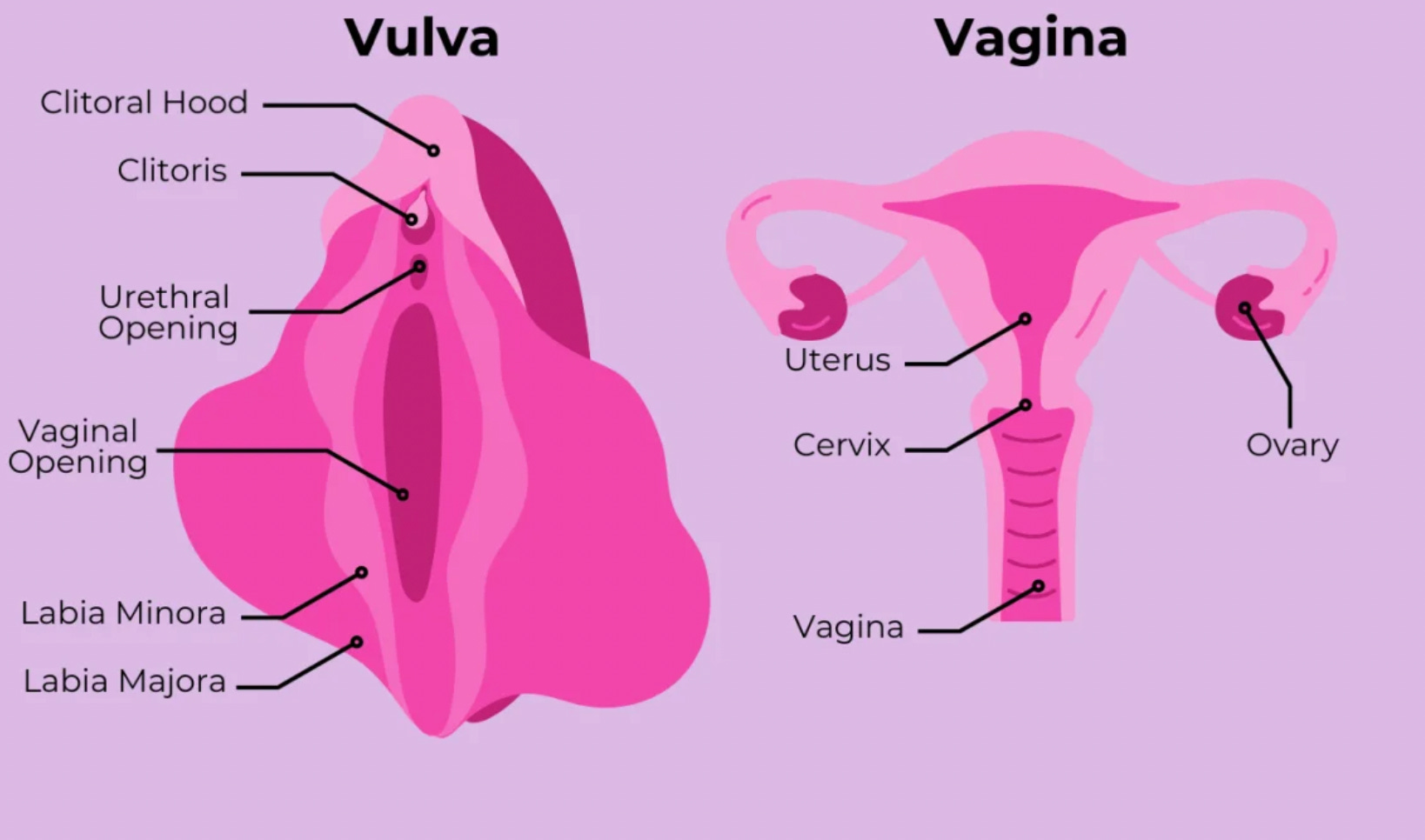
· When people lose weight, they may be more likely to notice their genitals, especially if abdominal fat had been hiding the genital area previously. If women are unfamiliar with the appearance of their labia, they may not know what is “normal” for them and may worry that what they are seeing is abnormal.
· When women lose weight, this can also lead to fat loss in the labia majora and pubic mons. When the labia lose fat, their appearance will change and the excess tissue that is no longer plump or well-lubricated can rub, leading to itching, irritation, and discomfort during sex. It is possible dry tissue irritated by clothing or rubbing could potentially lead to ulcerations as happened to one woman described in the article.
· Unsupported rapid weight loss, meaning weight loss that has not been accompanied by specific lifestyle changes, can aggravate menopause symptoms and seriously undermine health for women going through menopause. Both the gastrointestinal side effects of GLP-1 medications and the appetite suppressing effects mean that people are taking in less food. There are at least two challenges with this:
o We do take in some of our water through food. If we are not conscientiously taking in water and salts and minerals, we are going to become dehydrated, and this intensifies the dryness already experienced by women in perimenopause.
o If we are both not eating as much and not eating nutrient dense food, we are likely to become malnourished. Malnourishment contributes to a loss of muscle mass, and both these things contribute to bone density loss.
· Unless we are actively engaging in resistance and strength training exercise when we lose weight, we are likely to lose some percentage of that weight in muscle mass. Women going through menopause are already at risk of losing muscle mass because of hormone and body composition changes. GLP-1 initiated weight loss can make this problem worse.
§ In a recent podcast, Mayim Bialik spoke with Dr. Stacy Sims about GLP-1s and women. Some food for thought:
· For every 10 pounds lost on a GLP-1, up to 4 pounds can be muscle mass.
· Muscle is associated with glucose control, brain development, and cardiovascular health.
· Rather than focusing on what there is to lose, it may be beneficial to consider what we can gain by laying down bone & muscle.
· While the loss of abdominal fat from GLP-1 use can improve symptoms of stress incontinence or overactive bladder, dehydration contributes to constipation. This, in turn, can increase the risk of pelvic floor dysfunction, pelvic organ prolapse (POP), and incontinence.
• There is evidence that because GLP-1s decrease food intake and slow gut motility, the gut and vaginal microbiomes may be impacted in negative ways. Specifically, there is likely to be a decrease in variety and numbers of beneficial microbes in the digestive tract. This can pave the way for higher systemic inflammation, infection, and compromised immune system health.
· Although some women taking GLP-1s report feeling more sexually confident, libido can take a hit. One of the primary ways that GLP-1s work is to suppress appetite and compulsive behaviors by downregulating dopamine. However, dopamine is our reward-seeking neurotransmitter and an important part of a healthy libido.
· Finally, we know that GLP-1s change how the body processes fats and this can affect sex hormones. As an OB/GYN quoted in the article said, “Our sex steroids are derived from cholesterol, so if you have a real change in your lipid metabolism, it makes sense to me that you could have changes related to your estrogen and testosterone levels.”
We have no idea how GLP-1s are affecting what are already turbulent fluctuations and precipitous drops in critical hormones through the menopause transition.
The recommendations in the Medscape article focus on encouraging doctors to ask about sexual or genitourinary concerns and to prescribe physical activity and pelvic floor physical therapy along with any GLP-1. However, while we are waiting for the medical profession to approach health from a more wholistic stance, women interested in taking GLP-1s can be proactive about their well-being in a variety of ways:
· Consider how you will nourish and hydrate yourself with nutrient dense food as you lose weight. Do you know what you need to know about nutrition to lose weight safely?
• Incorporating prebiotic and probiotic foods into your diet and/or taking a probiotic supplement formulated for vaginal health can support the vaginal microbiome.
· How will you incorporate physical activity into your life if you have not already done so? How will you build muscle and bone so that you preferentially lose fat?
· Do you have any sexual concerns about losing weight? How might your sex life change if you lose weight?
· Familiarize yourself with your own genitals and labia generally. Check out the “Labia Library” at the link above or check out
· Do you have any pelvic floor vulnerabilities or genitourinary issues that may be complicated by weight loss?
· Where are you in your menopause journey? Do you know what symptoms you are experiencing that seem to be due to menopause? How are you addressing them?
• Using vaginal estrogen in the form of a cream or suppository is a very low risk, low cost way to support vaginal health throughout peri- and post-menopause.
· If you are not yet in menopause, do you know what symptoms might be part of menopause so you can watch out for them?
· Who is part of your health support team? Doctors, personal trainer, nutritionist, family, friend group, etc.
There is so little research available for women about menopause and much less about GLP-1s. We need to be proactive not only about medications and treatments that may enhance our health, but in how we support ourselves in getting healthier and stronger as we use these medications and treatments.
The evidence we do have about GLP-1s is that there is no magic bullet that makes us healthier. These medications do have the capability of helping some people lose weight relatively quickly, but they don’t confer health, and it seems likely they put us at risk of ill health if we don’t take advantage of the opportunities they offer to alter certain habits and make positive changes. Exercise, nutrition, sleep, supportive relationships—these are the things that consistently bolster health and well-being. Right now, GLP-1s are creating an opening for renewing our relationships to these things. And this may be their greatest benefit.
Thanks for reading Menopause Matters ! Please feel free to share this post
Disclaimer
This blog post is for educational and informational purposes only and solely as a self-help tool for your own use. I am not providing medical, psychological, or nutrition therapy advice. You should not use this information to diagnose or treat any health problems or illnesses without consulting your own medical practitioner. Always seek the advice of your own medical practitioner and/or mental health provider about your specific health situation.
Amandolare, S. (2026, April 7). The Nuanced Sexual and Pelvic Floor Effects of GLP-1s on Women. Medscape. https://www.medscape.com/viewarticle/nuanced-sexual-and-pelvic-floor-effects-glp-1s-women-2026a1000ah4
Kassel, G., & Eisenberg, A. (2026, May 12). Taking Ozempic? Surprising Ways It Can Affect Your Vaginal Health. HealthCentral. https://www.healthcentral.com/condition/obesity/surprising-ways-ozempic-can-affect-your-vaginal-health
Rand. (2025, August 6). Nearly 12 Percent of Americans Have Used GLP-1 Weight Loss Drugs; Medications Are Most Used by Women Aged 50 to 64. https://www.rand.org/news/press/2025/08/nearly-12-percent-of-americans-have-used-glp-1-weight.html
Vulva/Vagina: https://www.drtahery.com/the-vagina-anatomy-and-how-it-changes-over-time
No posts
Comments
Nothing yet. Say the first thing.
Sign in to join the conversation.