
On April 7, 2026, PBS News ran a segment about current hormone shortages arising as more women begin demanding prescriptions for hormone therapy:
“Estrogen patches face shortage as more women seek hormone therapy.”
(It’s a short, 9 ½ minute piece and I recommend watching it if you have an interest.)
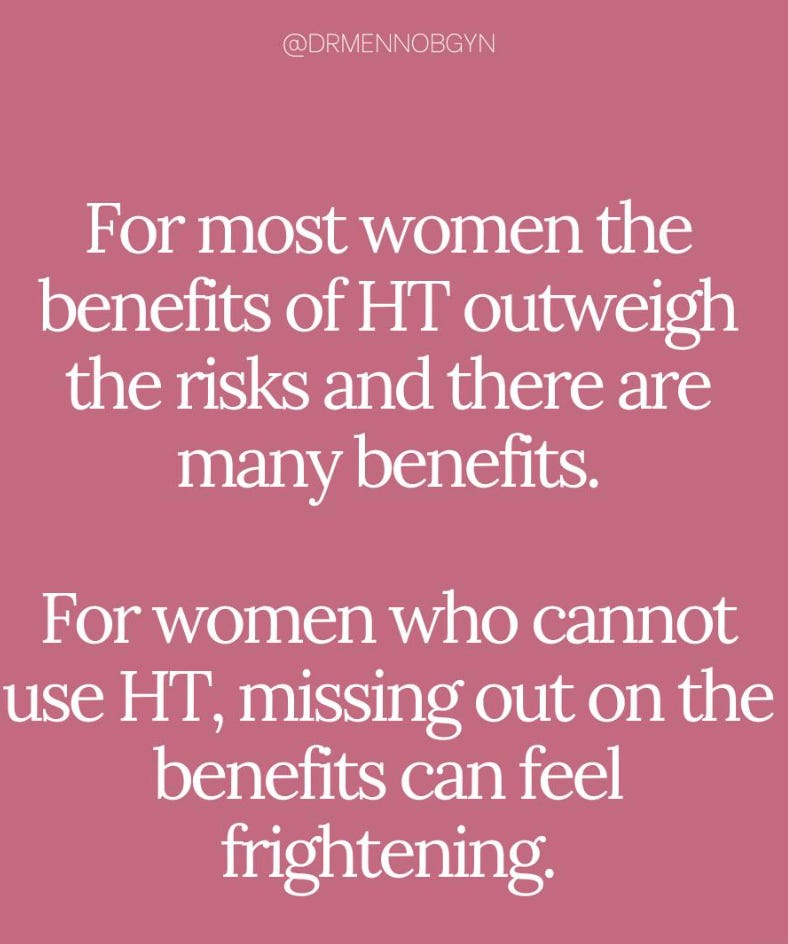
As the doctor interviewed in the PBS segment mentioned, many older women are anxious and scared that they have “missed the boat” in terms of the apparent benefits of using MHT that are now being touted.
And it is not only older women who are angry and fearful at not receiving the benefits of MHT. There are many women currently confronting the symptoms of menopause—some prematurely—because of illnesses, medical treatments, surgeries, and genetic conditions that make MHT high risk for them.
· Women who have a family history of cancer or who have had cancer (especially hormone-sensitive cancers) are typically advised against hormone supplementation.
· Many women being treated for cancer are taking drugs that plunge them into an estrogen depleted state in order to prevent hormone-positive cancer recurrence.
· Women who have oophorectomies (removal of the ovaries, part of a total hysterectomy) are sent into abrupt menopause with no transition period.
· Chemotherapy and radiation treatments can trigger or exacerbate menopausal symptoms. This may be temporary or permanent depending on how much tissue damage there is from the treatments and at what stage of life a woman is.
· Those people who have genetic conditions or a history of liver or gall bladder issues, stroke, CVD, or clotting disorders are discouraged from using MHT.
A recent New York Times article addressed the sense many of these women have of being left out and deprived of what “sounds like a miracle drug” (Krieger, 2026). Although lifestyle changes, such as the use of specific supplements and cutting out caffeine and alcohol have been helpful for a couple of the women in the article, the experiences of friends and the incessant hype from social and mainstream media leave them feeling doubtful and resentful of being left out.
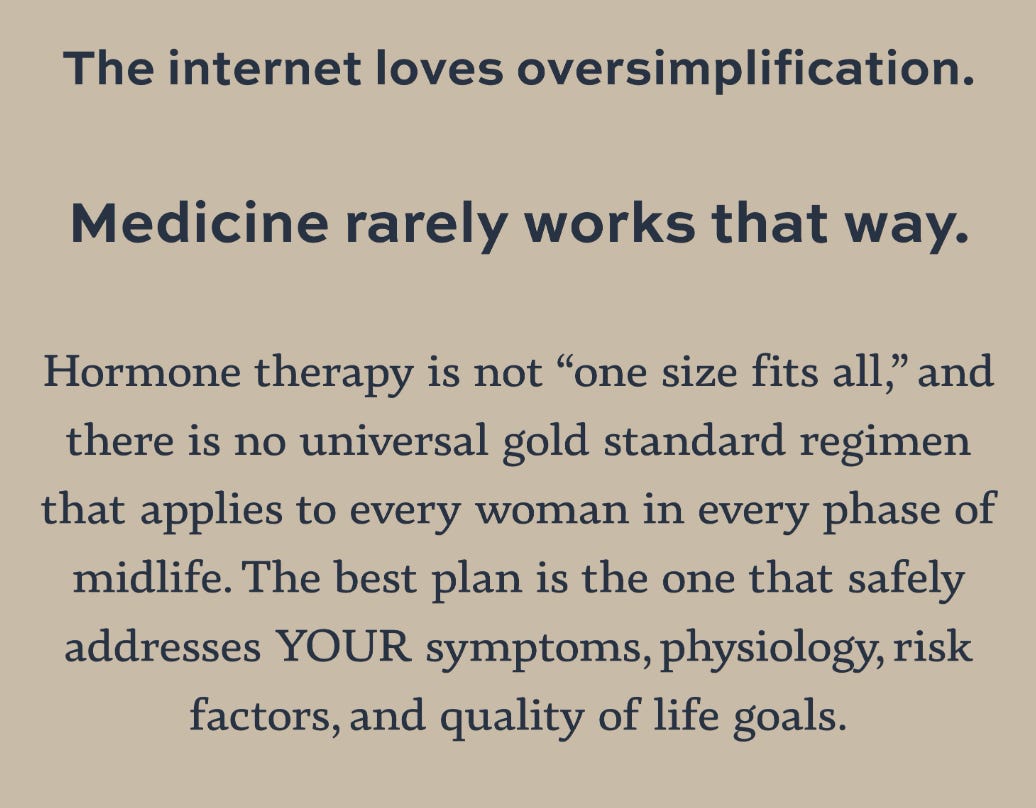
Current messaging from the mainstream media, the FDA, and even celebrity menopause doctors advocating for women’s health tends to make it sound as if anyone not using MHT to attenuate the symptoms of menopause is likely to end up with heart disease, dementia, diabetes, a spare tire of visceral fat, and crumbling bones. While the intensive marketing hype around MHT has arisen as a corrective to the decades of misinformation and denial of hormone therapy to women who have suffered as a result, the reality is complicated. The truth is:
· Every woman is unique. While a few women will slap on an estrogen patch and experience a miraculous alleviation of every symptom plaguing her, the majority will feel slow mitigation of some symptoms. This is what happened for me. Just giving myself a baseline of estrogen and progesterone that my body could count on everyday restored me to a bit more equilibrium, giving me a breathing space that allowed me to begin to make more substantive lifestyle changes. These changes had been impossible for me to make when I was cripplingly sleep deprived and I couldn’t get my brain consistently online. The bottom line is that the hormones helped, and they were not a quick, miraculous fix.
· Hormone therapy does not replace your natural hormonal profile but offers a stable baseline of hormones. This is one reason some healthcare professionals have stopped referring to “hormone replacement therapy (HRT)” and instead call it “menopause hormone therapy (MHT).” As one moves through perimenopause, there will be days when symptoms of estrogen dominance arise because the body itself produces a surge of estrogen. If someone is using supplemental estrogen, the symptoms may be even more acute. On days when endogenous estrogen production plummets, the supplemental estrogen (hopefully) keeps the symptoms of estrogen decline from being debilitating, though they still might be felt somewhat.
· Women have choices. We may not like the choices we have, desiring risk-free options, however most of the time there are risks to the choices we make, no matter what our circumstances. There are knowledgeable doctors who will work with women who have had cancer, or who have other contraindications to MHT use, to provide hormone therapy for them. The bottom line is that women need to have access to evidence-based education and information and support in order to make the choice they want to make for their lives.
· Even without any contraindications, MHT is not necessarily the best, most healthful path for every person. I have met people who really want to use MHT, but whose bodies do not seem to work well with exogenous hormones. Or perhaps progesterone or testosterone hit the spot, but estrogen doesn’t. It does not all have to be about estrogen. Sometimes women get exactly what they need from other hormones or hormonal precursors such as DHEA or pregnenolone.
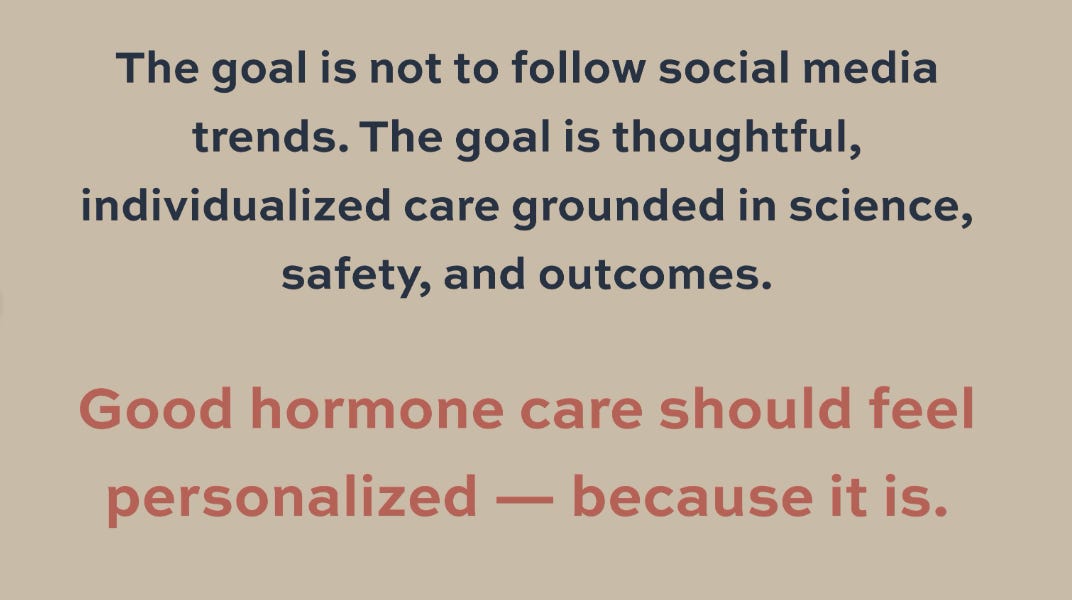
I don’t refer to “Fear Of Missing Out” flippantly. I recognize that there is a lot of pressure and fear that is being generated in the media hype surrounding MHT. While there may, indeed, be long-term benefits of MHT for multiple systems of the body, it is essential to keep in mind a couple of things:
· We don’t know. The truth is that the generations of women living through menopause now are the guinea pigs. We are the Phase 4 clinical trial of using multiple forms of MHT in a variety of ways in real-world situations over a long period of time. Some of us will use the therapy for a short period of time, some of us may use the hormones until we die. I hope researchers out there are starting to collect the data.
· Let’s keep it in perspective. Women lived for thousands of generations without MHT. Yes, in some places at some times the life span was not as long as we are living now. But in some places at some times, the life span was longer. Women were not living in unrelenting misery from menopause to death (at least not because of menopause) before exogenous estrogen arrived in the 20th century.
For more information on MHT, here is a link to a recent post from University of Colorado Health that answers a lot of pertinent questions:
The Truth About Hormone Therapy
If MHT is not for you, for whatever reason, there are other evidence-based healing modalities that may be useful in treating symptoms. Additionally, many women have found that making shifts in different domains can help substantially.
Acupuncture
An August 2024 article on the Dana Farber Cancer Institute website offers compelling evidence for a specific acupuncture protocol that alleviated hot flashes and other menopause symptoms in 64% of participants.
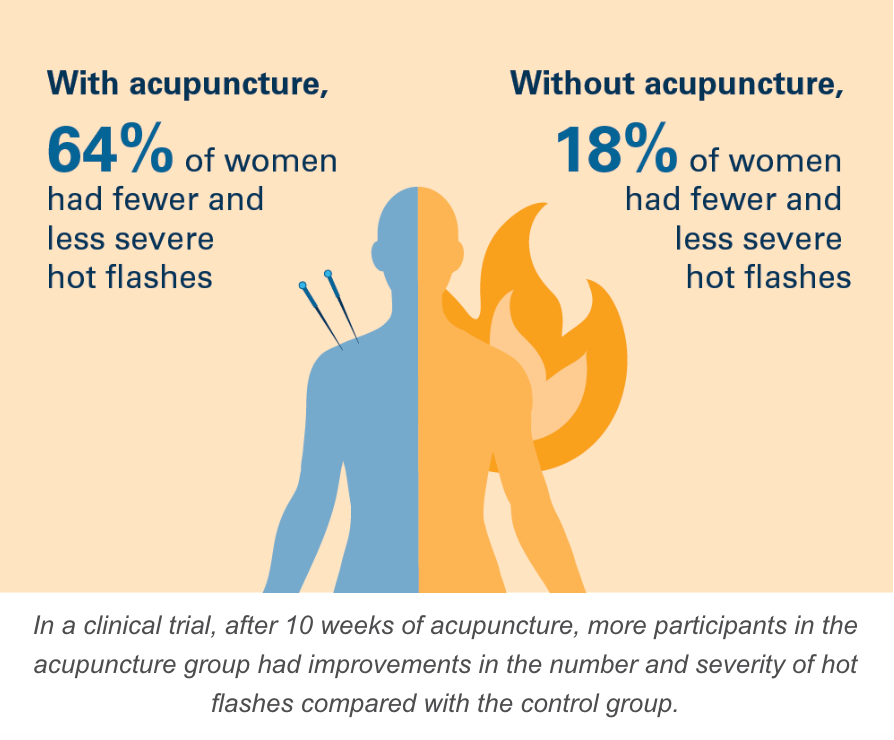
Acupunture for Hot Flashes with Breast Cancer Treatment
Hypnosis
A multicenter, randomized clinical trial was done at Baylor University exploring the use of self-hypnosis to treat hot flashes. For six weeks, the treatment group used daily audio hypnosis sessions while the sham control group used white noise. The results were impressive:
“After six weeks of daily self-hypnosis audio recordings, participants reported a 53.4% reduction in both frequency and intensity of hot flashes, and at the 3-month follow-up, hot flashes were reduced by 60.9% compared to a 40.9% reduction for women in the control group. The guided self-hypnosis intervention had an even larger treatment effect on reducing hot flashes in women with a history of breast cancer (64% reduction after six weeks).”
(Cefaratti-Bertin, 2025)
Lifestyle
· Reducing or eliminating caffeine, alcohol, and spicy foods: These usually help to alleviate hot flashes and facilitate sleep, easing insomnia, two of the most severe menopause symptoms women have.
· Quitting smoking is critical for so many reasons. It will decrease the risk of multiple illnesses that we are more vulnerable to during and beyond the menopause transition. Smoking ages us—our skin, heart, liver, gut, brain, etc.—and the loss of estrogen ages us. Eliminating the smoking factor helps to reduce the drain on our bodies and minds generally. Also, not smoking makes MHT a safer option for treating symptoms.
· Increasing exercise and movement. Even though we tend to be more exhausted during perimenopause and less inclined to work out, it is more important than ever to keep exercise going. This helps prevent muscle and bone density loss, mitigates weight gain, promotes energy, and fosters sleep.
· Diet is difficult, because one diet definitely does not fit every person. However, heavily processed, high-sugar, high-fat, nutrient-deficient foods are not beneficial for anyone. Whether one is vegan, keto, paleo, or omnivorous, the aim for every person is to eat a nutrient-dense diet, lower in animal products, higher on plant intake, not too much food.
o For women in menopause, the general rule of thumb is to increase your intake of healthy proteins, complex carbohydrates, and nutritious fats. These might be grass-fed meats, varieties of organic soy protein, avocado, nuts, grass-fed butter, coconut and olive oils. Complex carbohydrate consumption should be primarily abundant vegetables. Minimize grains and sugars of any kind, including fruits.
o For women generally, it is wise to be cautious about any kind of fasting. Intermittent fasting, where you fast for 14-16 hours between your last meal at night and your first meal in the morning is typically a good idea. The graze-around-the-clock habits we’ve gotten into in the last few decades are wreaking havoc on our digestive, metabolic, and hormonal health. However, more severe fasts such as 24 hours+ or water-only fasts, can backfire on women unless they are undertaken for specific reasons and with healthcare support in the form of a doctor or nutritionist.
o For any rule, there will be exceptions. Some women will groove on fasting; others will drink wine every night until they die with no night sweats or sleep deprivation. Tuning into the truth for yourself can be difficult. It’s not easy to give up the cocktail on a celebratory night out, cut out the morning coffee, or carve out time to cook homemade meals. It’s all our choice, but we have to know what’s true for ourselves and what’s possible, in order to make the best choices.
· Sleep. Eating protein and healthy fats, eliminating alcohol and caffeine in the afternoons, and not eating dinner too close to bedtime all help with sleep. There are several environmental factors that can be adjusted to facilitate sleep (see below) and finding relaxing bedtime rituals such as bubble baths, meditation, breathing exercises, soothing music, or restful reading can also help.
· Stress management is probably the single most critical factor to easing perimenopausal symptoms. It’s also the most difficult. All the above factors wills have an impact on our stress and stress will impact our ability to eat well, exercise, and avoid what doesn’t benefit us. Additionally, the menopause transition itself is a stressor, not least because—in addition to all the other symptoms—the decline of critical hormones stimulates the sympathetic nervous system in a way that triggers the stress response.
o Self-care has become a buzz word used to market a host of transient, pleasurable experiences to us with the (empty) promise of lasting well-being. While the hype is bullshit, the truth is that caring for ourselves is an ongoing learning curve and we do need to carve out time and space to figure out what we need to be well at different times in our lives and give ourselves those things.
Environmental
· Address temperature issues by using A/C, handheld fans, layering clothing so you can shed and add layers easily.
· Eight Sleep Pod 5 or Chilipads are expensive, but effective, temperature adjustable mattress pads that can make a huge difference for sleep. I have experienced a big improvement in sleep since investing in a Chilipad a few months ago. I now sleep under a weighted blanket and wake much less throughout the night than I used to.
· There are specially designed fans called “bedfans” that might be useful for some people:
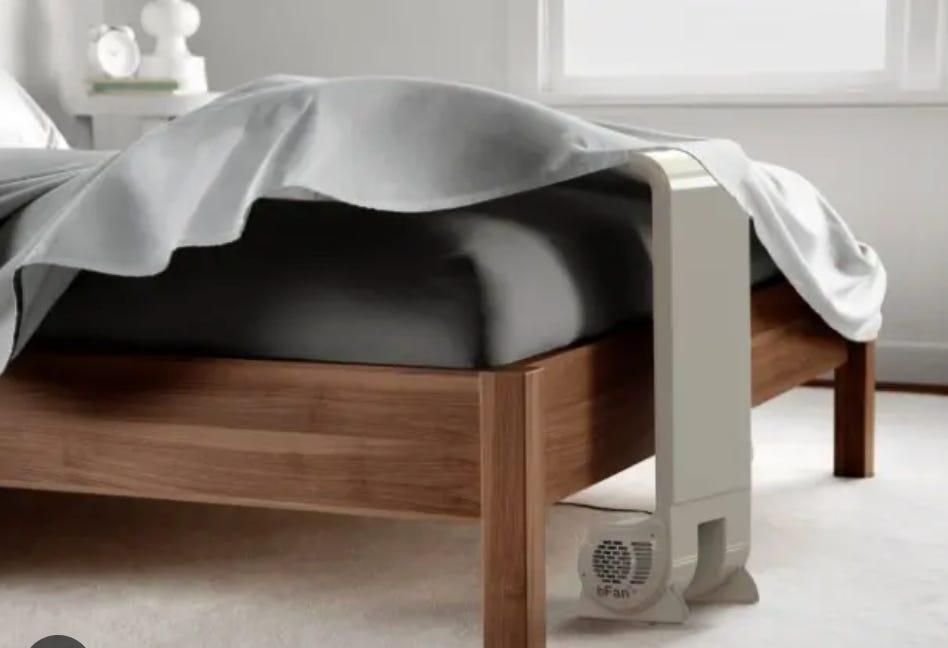
They sit at the foot of the bed and fit under the top sheet. I tried one of these, however I could not get used to having cool air blowing on me so directly when I was trying to sleep.
· Cooling sheets, which are made of synthetic materials, can be expensive and effective. I love the pair I have and they made a difference for me even before I had the Chilipad.
· Avoid tight, synthetic clothing and go for looser, natural, breathable fabrics.
· For vaginal dryness, various lubes and moisturizers can be helpful. Keep in mind, though that you want to research what you’re using. A lot of “moisturizers” actually have ingredients that can cause dryness and irritation. When using sexual lubricants, avoid dyes and flavors as these may exacerbate irritation in the dry tissues of the vagina and vulva.
This Cleveland Clinic post has more information about coping with menopause symptoms via lifestyle changes and non-hormonal medications:
How to Manage Menopause without Hormone Therapy
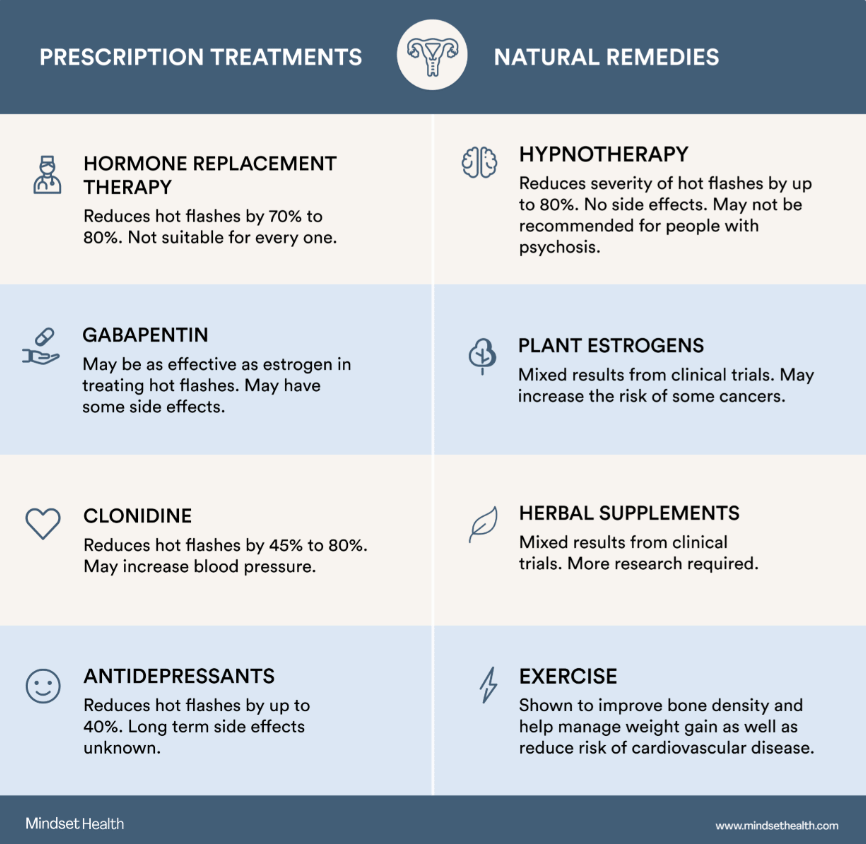
Drugs used off-label to treat hot flashes
SSRIs and SNRIs, used on-label as anti-depressants are often offered to women to address both psycho-emotional and vasomotor symptoms of perimenopause. According to an April 2022 article on the American Family Physician website, both SSRIs and SNRIs have proven to be 40-60% effective in reducing the frequency and severity of hot flashes. Although the SSRIs tend to have fewer adverse side effects, they are not recommended for women taking tamoxifen. In these cases, the SNRIs venlafaxine and desvenlafaxine would be suggested and have also proved effective in alleviating vasomotor symptoms.
Clonodine, a vasodilator approved to treat high blood pressure and ADHD, is also used off-label to treat various psychiatric conditions, including substance withdrawal. This is because it tends to calm the nervous system and reduce overall reactivity in the body. By reducing physiological reactivity in the body, clondine can be helpful in reducing the frequency and duration of hot flashes (Newson, 2025). However, it is generally not as effective as SSRIs and SNRIs and has side effects that include depression and difficulty sleeping.
Gabapentin, an antiseizure and nerve pain medication used off-label to treat vasomotors symptoms in both men and women, is known to be effective in reducing hot flashes, though how it does this is not understood. A 2013 study published in the Journal of Research in Pharmacy Practice found that 300mg of Gabapentin a day was comparable to .625mg of conjugated estrogen/day over 12 weeks in alleviating hot flashes in participants (Allameh et al, 2013, ) One common side effect of gabapentin that recommends its use for women in perimenopause is drowsiness. Gabapentin tends to be calming overall for the nervous system and if a woman is unable to supplement with estrogen and progesterone, gabapentin may prove to be a soothing substitute.
For more information about gabapentin, here is a link to an March 2024 post on the Harvard Health website:
Gabapentin: Uses, side effects, and what you should know
A new generation of drugs for hot flashes
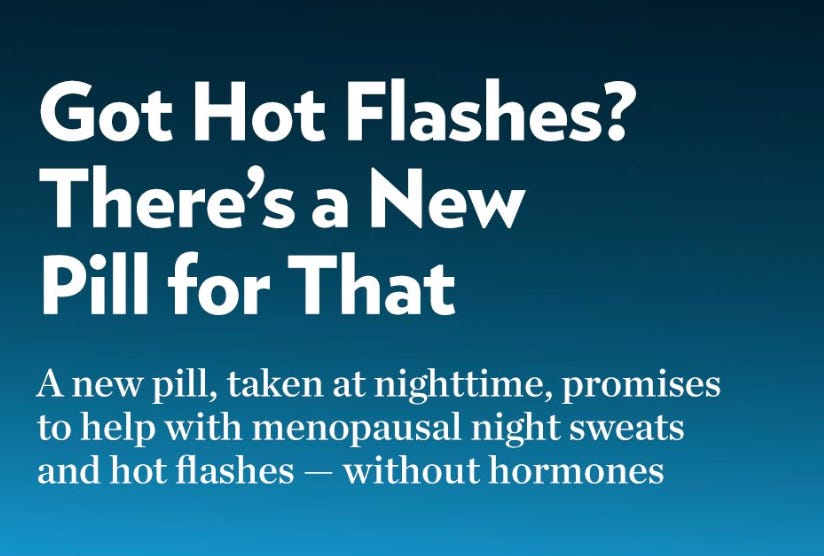
In the last ten years newer, neurologically-targeted medications specifically targeting vasomotor symptoms during the menopause transition have been developed.
Fezolinetant and elinzanetant for hot flushes
Fezolinetant and elinzanetant both work by targeting neuropeptides that signal to specific neurons (KNDy) that affect the thermoregulatory center of the brain (hypothalamus). Usually, estrogen plays the role of regulating neurokinin signaling and keeping KNDy in check. Both drugs act as antagonists to the neurokinins, preventing them from binding with KNDy receptors and have been shown to be successful in reducing frequency and severity of hot flashes.
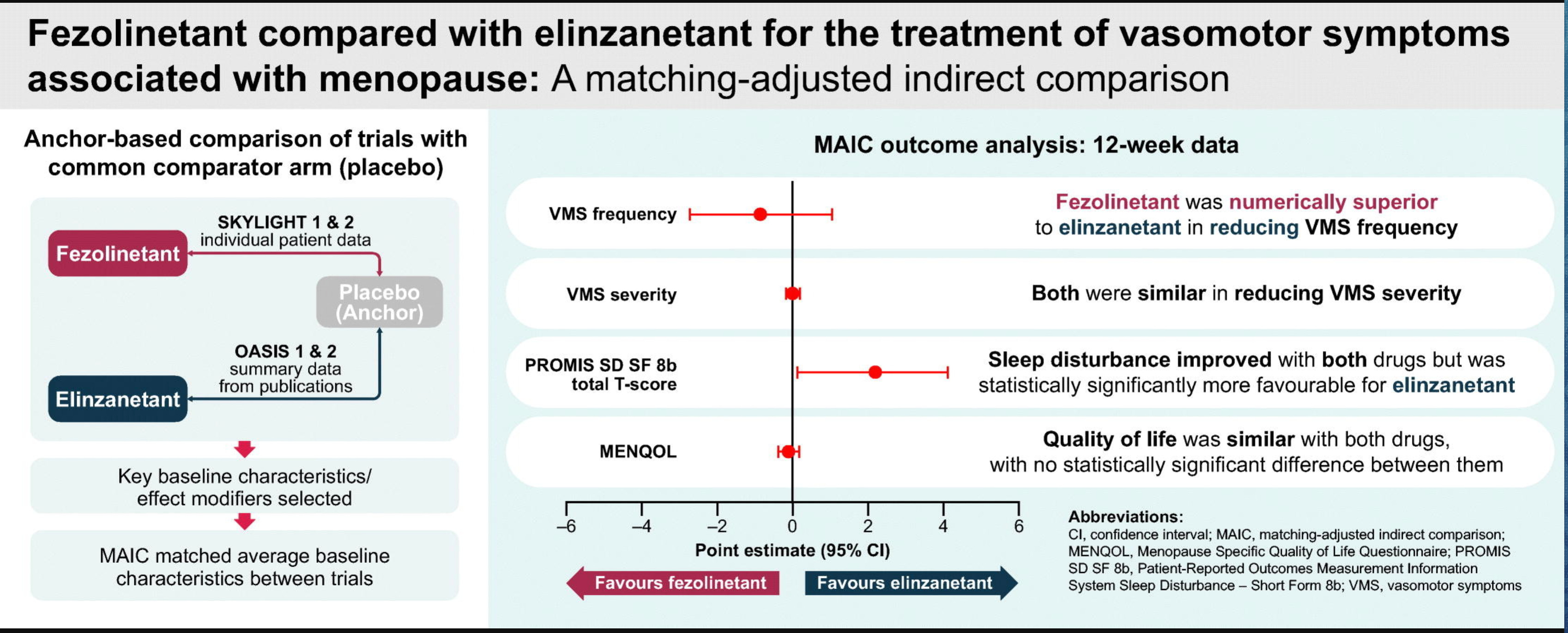
However, because these medications are so new, there is a lot we don’t know about them and a few things we do know that need to be explored further. For example, there are neurokinin receptors in multiple areas of the body and we don’t know how blocking these receptors in places other than the hypothalamus might impact health. Indeed, a recent paper has raised some red flags about potential issues that may be arising from interfering with neural pathways connected to immune system function.
In May 2023, fezolinetant was approved by the FDA as a much-needed alternative to hormone replacement therapy to address vasomotor symptoms in perimenopausal women. Finally, it seemed, there might be an option for women for whom hormone replacement is considered high-risk.
In April 2026 a paper citing some potential risks of fezolinetant was published in the Journal of the Endocrine Society. Unfortunately, fezolinetant, which has proven to be successful in alleviating vasomotor symptoms in perimenopausal women and has been marketed to women who need non-hormonal forms of treatment, such as cancer survivors, is now being linked to cancerous cell growth.
Here is what the paper cites:
· Both the U.S. FDA and the European Medicines Agency (EMA) has noted an “imbalance in neoplasm cases during their evaluations” of fezolinetant studies. That is, there are more neoplasms being seen in participants taking fezolinetant compared with those receiving placebos and the numbers cannot be accounted for by what you would expect as baseline in a given population.
o In the SKYLIGHT studies done in the U.S., Canada, and Europe, one 52-week trial “reported neoplasm events in 0.82% & 1.48% of participants receiving fezolinetant 30 and 45mg, respectively, compared to 0.33% in the placebo group” (Boretti et al, 2026, p.2). The 0.33% is aligned with the neoplasm occurrence that would be expected in the targeted demographic in the U.S., so this finding supports the hypothesis that the neoplasm development is arising from the fezolinetant use.
o The MOONLIGHT studies done in Asia have noted similar results. In particular, one trial did a 12-week double-blind study with 30mg of fezolinetant v. placebo, followed by a 12-week open-label extension, in which those taking the placebo could choose to take the fezolinetant. There were four cases of neoplasm in the group that took fezolinetant throughout the 24 weeks, and three cases in the group that took placebo and then fezolinetant. The most concerning finding, however, is that “No cases of neoplasm occurred [in the placebo] group in the first 12 weeks, suggesting that all neoplasm cases occurred while on fezolinetant therapy” (Boretti et al, 2026, p.6)
· The development of neoplasm appears to be dose-dependent, with those taking 45 mg of fezolinetant having a higher rate of neoplasm than those taking 30mg. This indicates that the fezolinetant may be contributing.
· There are mechanisms by which fezolinetant may indirectly contribute to tumor growth via interference with immunological surveillance or disruption of cellular pathways.
o Fezolinetant works by interfering with NKB, a neuropeptide whose signaling is normally kept in check by estrogen. Specifically, fezolinetant prevents NKB from binding to NK3 receptors (NK3R). This calms other neurons (KNDy) that affect the thermoregulatory center of the brain (hypothalamus) and reduces the frequency and severity of hot flashes.
o Critically, when NKB does bind with NK3R on KNDy neurons it promotes the release of kisspeptin, a known metastasis suppressor. Kisspeptin promotes cellular differentiation, reduces cell proliferation, and induces apoptosis (cell death). “The kisspeptin signaling pathway plays a crucial role in modulating cancer progression by inhibiting tumor cell proliferation, migration, and metastasis” (Boretti et al, 2026, p.8). If NKB is inhibited, the release of kisspeptin is likely inhibited.
o When NK3R is blocked, floating NKB may instead activate the NK1R. This neuropeptide promotes cell proliferation, angiogenesis, and metastasis.
In other words, it appears that, while fezolinetant does not directly cause neoplastic development, it may contribute to conditions in the body that promote tumor growth.
The paper by Boretti et al (2026) explicitly reports that “based on data collected from clinical trials and pharmacological hypotheses,…there appears to be a plausible association between fezolinetant and an increased risk of neoplasms” (Boretti et al, 2026, p.9). However, both the FDA and EMA have chosen not to include this information in in-package warnings. Nor have they initiated a PASS (Post-Authorization Safety Study) to study this issue with fezolinetant further or developed a patient registry to gather information on neoplastic incidence, fezolinetant dosages and length of use, or prior cancer history or risk.
The FDA justifies this stance “based on the heterogeneity of tumor types, short exposure durations, and lack of a clearly identified mechanism.” Their conclusion is that “it’s a chance finding…not substantiated by long-term safety data” (Boretti et al, 2026, p.10).
Although the wide range of tumors found may point to the importance of internal “microenvironments” in the development of neoplasms, there are several problems with the FDA’s stance (apart from the obvious problem that human well-being doesn’t seem to be a factor in their reasoning):
· Kisspeptin’s role in modulating cancer progression “has been demonstrated across several cancers” (Boretti et al, 2026, p.8). Therefore, if kisspeptin is being interfered with by fezolinetant, one would expect the development of various types of tumors.
· Although the FDA maintains that there is no clear mechanism by which fezolinetant could contribute to neoplasm, the researchers of this paper found a few. One of the reasons to do further research would be to discover evidence for or against these hypotheses.
· The “short duration exposure” is, perhaps, the most alarming rationale the FDA offers. The fact that neoplasms appear to develop within a relatively short time frame after starting fezolinetant should be lighting a fire under policy makers and researchers. Although it has only been available to the general public for a few years, increasing numbers of women—many of whom were not included in the original trials—are taking it:
o A May 2026 study enrolled a cohort of women taking fezolinetant, 20.5% of whom had had a breast cancer diagnosis and 13.3% of whom were over age 65 (Hsu et al, 2024).
o The demographics of the SKYLIGHT study that led to approval of fezolinetant:
§ Women ranging from 40-65 years old
§ 81.1% White, 10.9% Black, 4.7% Asian
§ 100% assigned female at birth
§ Women over age 65 or women with breast cancer history were excluded
o In 2026 trials of fezolinetant for women with breast cancer are being started.
· Finally, when I asked Google “what is considered ‘long-term safety data,’” it returned an AI answer of 1-5+ years of “continuous patient exposure to monitor how the body adapts over time” to medications. Fezolinetant was developed in 2017, and the Phase 3 SKYLIGHT trials took place between 2019 and 2021 with all of the issues and limitations noted above. I would argue that, far from putting fezolinetant on firm ground, the “long-term safety data” is revealing troubling trends that demand to be explored further now.
I understand that this report feels discouraging. It can often feel as if women’s health and well-being is constantly being compromised because we are such a very profitable demographic. Indeed, it took decades and a leap in the incidence of endometrial cancers before it was discovered that unopposed estrogen supplementation was harmful to women (Gunter, 2021). Even worse, although it was known in the 1950s that DES (an extremely potent form of estradiol) was not effective in preventing miscarriage and was known to cause birth defects and cancer, “the FDA didn’t caution against its use until 1971 and it was still prescribed in the United States until the early 1980s” (Gunter, 2021, p.218).
At the same time, there is a strong demand for menopause support and relief from a large group of people who have, quite rightly, felt marginalized and manipulated by the healthcare professions. This can lead to both a sense of pressure for researchers & manufacturers as well as impatience and anger by consumers that may contribute to an unwillingness to slow down and acknowledge the complexity of what we trying to accomplish in hacking our hormones.
The lessons, though repetitious, remain the same: It takes time, energy, and willingness to prioritize safety and well-being in experimentation, to backtrack when needed and take another look when we have new information rather than push through and keep selling.
While we do have some knowledge about possible benefits and adverse effects of hormone supplementation, widespread use of MHT across many years and diverse groups of people such as we are starting to experience represents largely unexplored and unknown territory in terms of long-term health consequences. And the development of new medications will always be fraught with unknowns, some of which may not even be able to be imagined until humans start taking and responding to them.
Ultimately, we each are responsible for these things:
As we each can, expanding access to information, healthcare, and material resources for ourselves and others
Seeking the best of the information we have access to and making the best choices we can about how to use the resources available to foster our own health and well-being
Thanks for reading Menopause Matters ! Please feel free to share this post
Allameh, Z., Rouholamin, S., & Valaie, S. (2013). Comparison of Gabapentin with Estrogen for treatment of hot flashes in post-menopausal women. Journal of research in pharmacy practice, 2(2), 64-69. doi: 10.4103/2279-042X.117392
American Family Physician. (2022, April). SSRIs vs. SNRIs for Vasomotor Symptoms of Menopause. https://www.aafp.org/afp/2022/0400/p430
Boretti, E., Dogné, J. M., & Douxfils, J. (2026). Potential risk of neoplasms with fezolinetant: clinical evidence, mechanisms, and post-marketing implications. Journal of the Endocrine Society, 10(6), bvag082. https://doi.org/10.1210/jendso/bvag082
Cefaratti-Bertin, Shelby. (2025, November 11). Self-Guided Hypnosis Significantly Reduces Menopausal Hot Flashes. Baylor University. https://news.web.baylor.edu/news/story/2025/self-guided-hypnosis-significantly-reduces-menopausal-hot-flashes
Dougherty, Beth. (2024, August 26). Acupuncture for hot flashes with breast cancer treatment: Your questions answered. Dana-Farber Cancer Institute. https://blog.dana-farber.org/insight/2024/08/acupuncture-for-hot-flashes-with-breast-cancer-treatment-your-questions-answered/
Hsu, C. D., Carpenter, R. M., Richardson, G., Guo, F., Adekanmbi, V., Hoang, T. N., & Berenson, A. B. (2024). Utilization of fezolinetant for the treatment of moderate-to-severe vasomotor symptoms of menopause in a real-world setting. Menopause, 10-1097. doi: 10.1097/GME.0000000000002703
Krieger, Liz. (2026, June 29). Millions of Women Are Left Out of Menopause’s Moment. New York Times. https://www.nytimes.com/2026/06/15/well/menopause-hormone-therapy-breast-cancer.html
Newson, Louise. (2025, November 17). Clonidine for Hot Flushes. https://www.drlouisenewson.co.uk/knowledge/clonidine-for-hot-flushes
Newson, Louise. (2025, December 4). Fezolinetant and elinzanetant for hot flushes. https://www.drlouisenewson.co.uk/knowledge/fezolinetant-explained
Title image: instagram.com/p/DWCIw13jTy2/
Social media references: Instagram Laurie Birkholz, MD
Prescription Treatments/Natural Remedies table: https://www.nervahealth.com/post/menopause-treatment-prescription-vs-natural
Got hot flashes?: Instagram People Magazine
Fezolinetant compared with elinzanetant: https://www.sciencedirect.com/science/article/pii/S0378512225005900
Red flag: https://www.magnific.com/free-photos-vectors/red-flag
No posts
Comments
Nothing yet. Say the first thing.
Sign in to join the conversation.