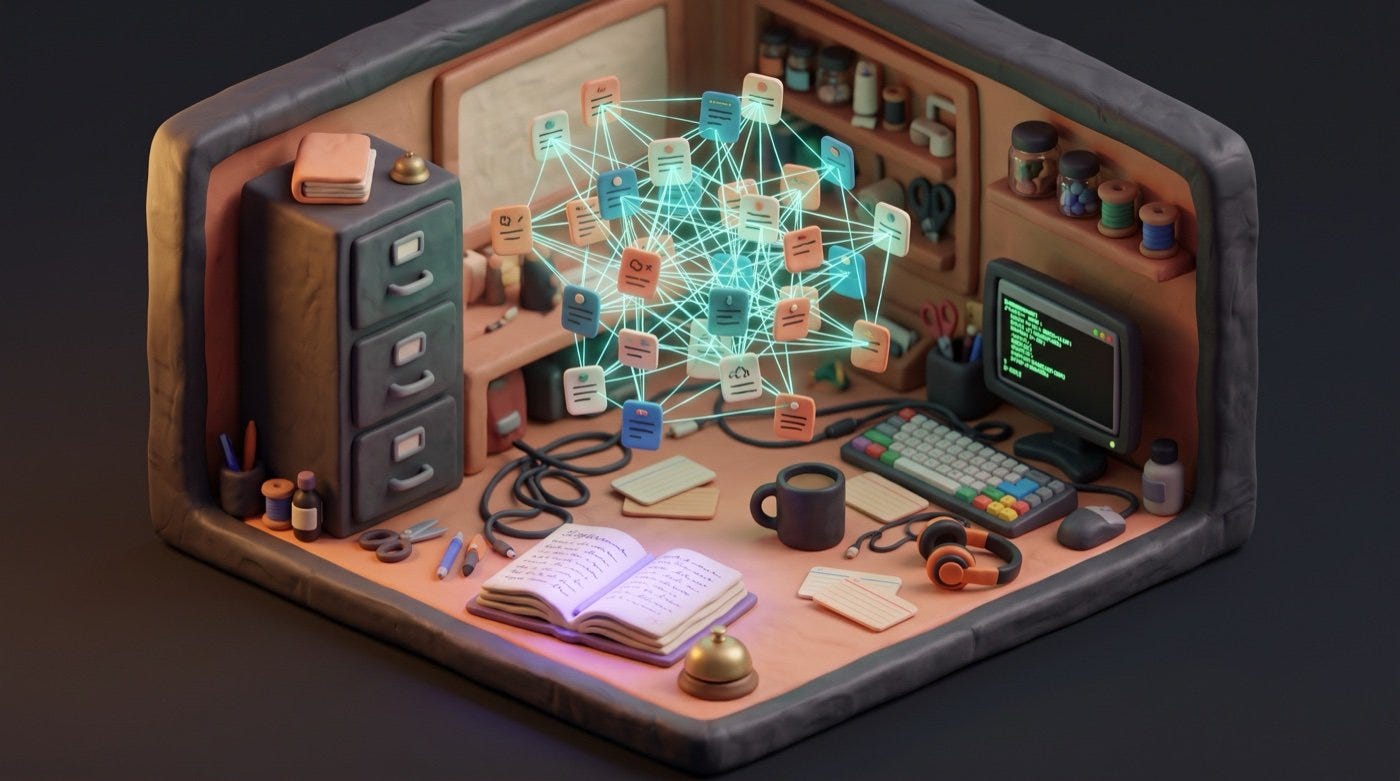
A Brain That Remembers
Building Cerebro · Chapter 5 — how to find a note when you've forgotten the words you wrote, and how to give your AI a memory that survives the reset. Both run on your own machine.

I’m building an AI-augmented second brain in public—for solo consultants and creators trying to turn Claude, MCP, and Obsidian into a system that actually works.
Live Last read · last published · next check
Building Cerebro · Chapter 5 — how to find a note when you've forgotten the words you wrote, and how to give your AI a memory that survives the reset. Both run on your own machine.
I was about to pay for someone else's layout. Then I asked Claude what I actually use.
Building Cerebro · Chapter 4 — how to give your AI direct control of a service it can't currently reach, and how to get one built when the connector you need doesn't exist yet.
I asked Claude to find patterns and it helped build skills I didn't know I needed.
The best way to learn any new technology is by trying to do something weird with it.
Building Cerebro · Chapter 3 — how to get decades of journals out of an app that owns them and into plain text you can search, including the shortcut that skips the official export entirely.
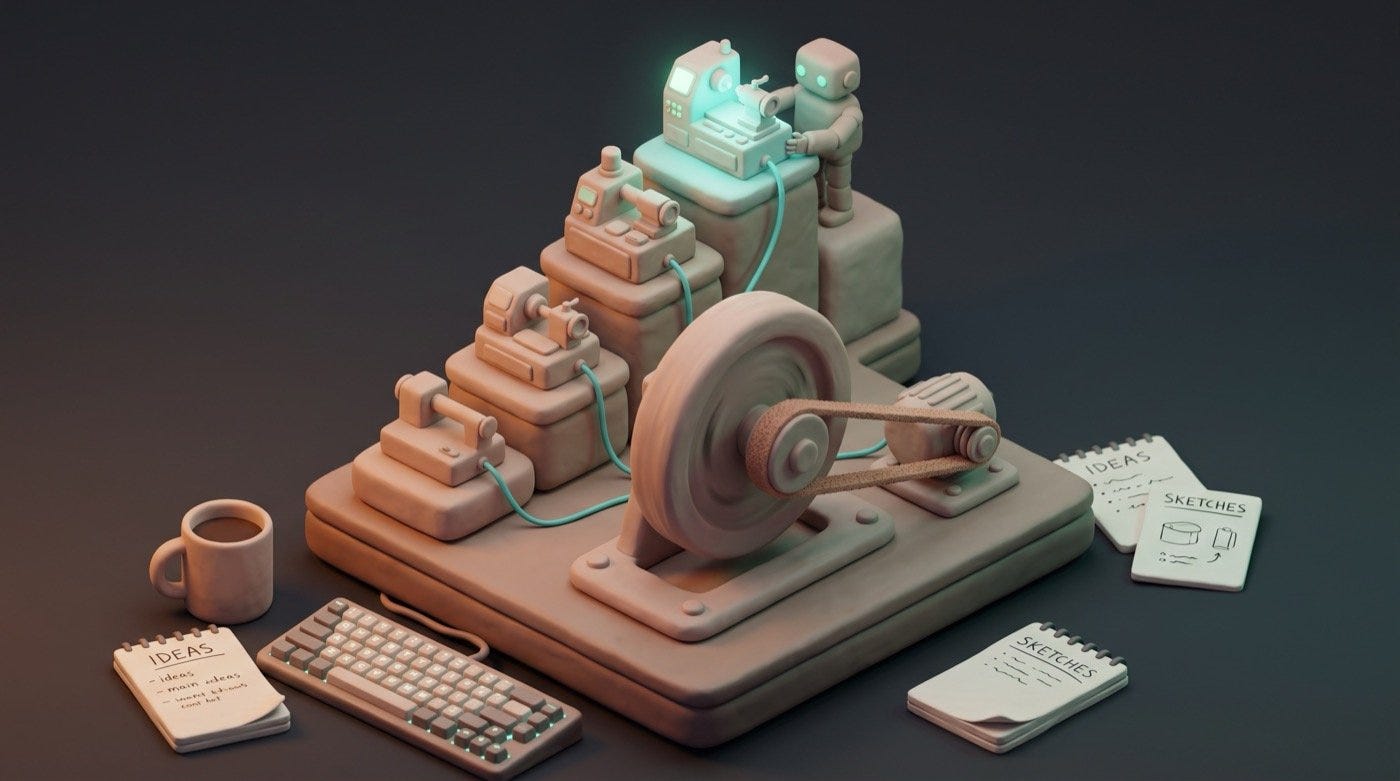
How to stop starting from zero: the question to ask before you build anything, and why your first attempt always costs a day.
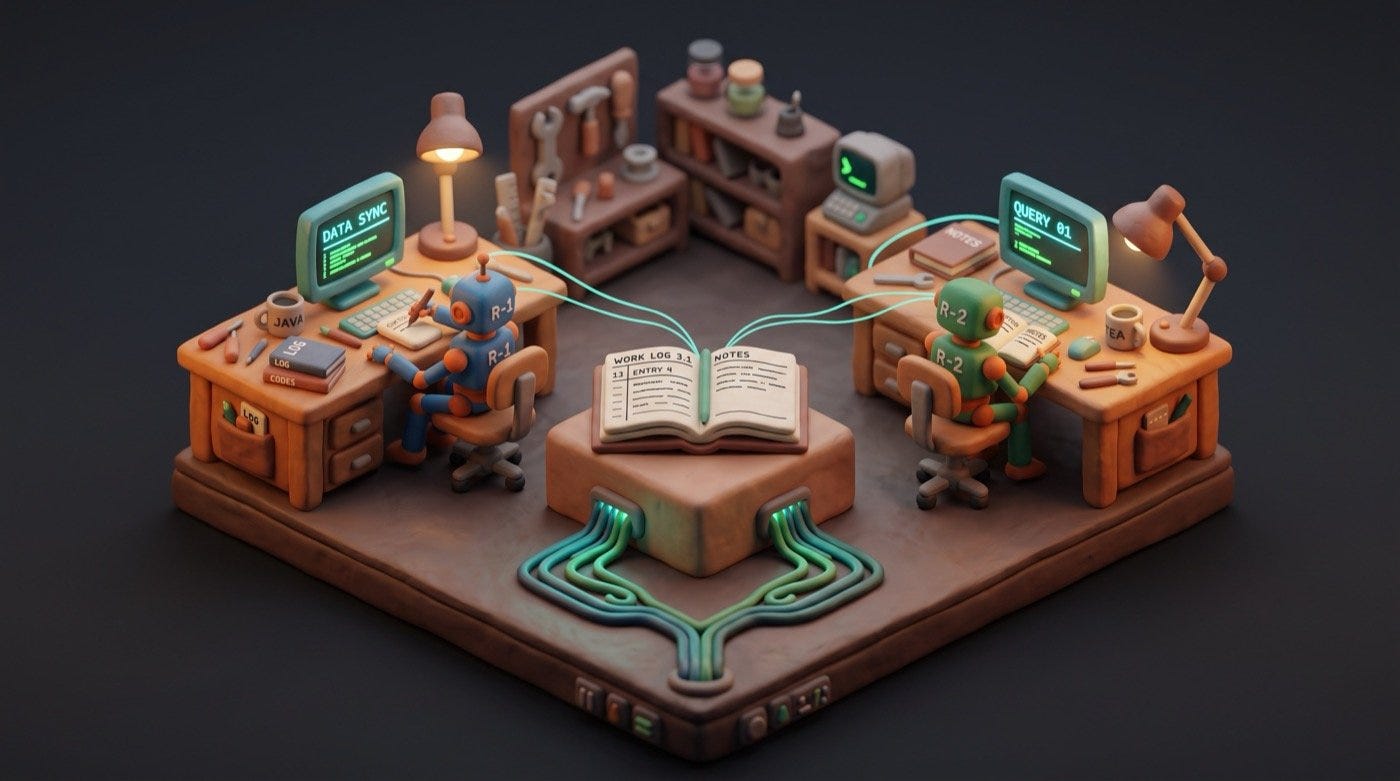
How to run a shared project through two AI assistants: the file, the five sections, and the one line at the top that makes it work.
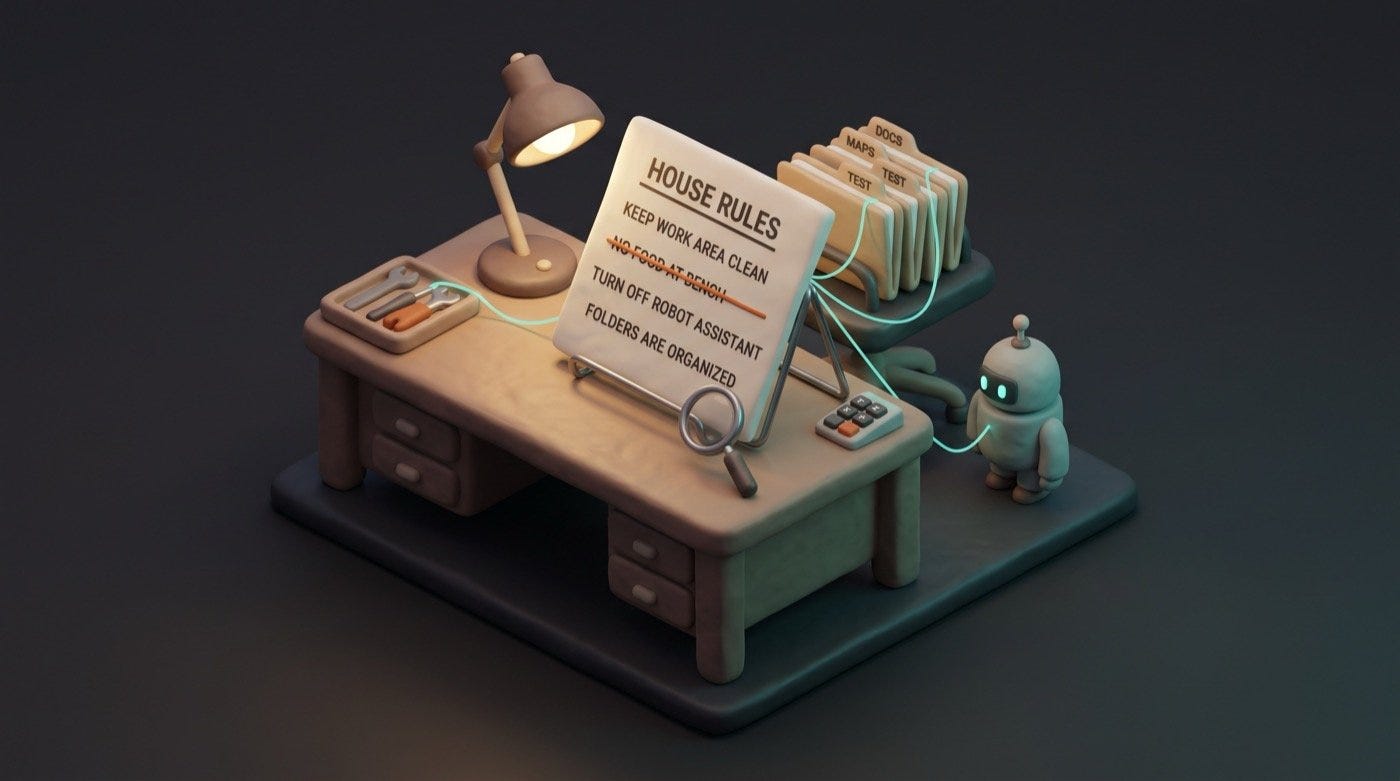
A single text file, read before every session, that turns a generic assistant into one that knows your setup. Mine also went quietly wrong for two months, which is the more useful half of this post.
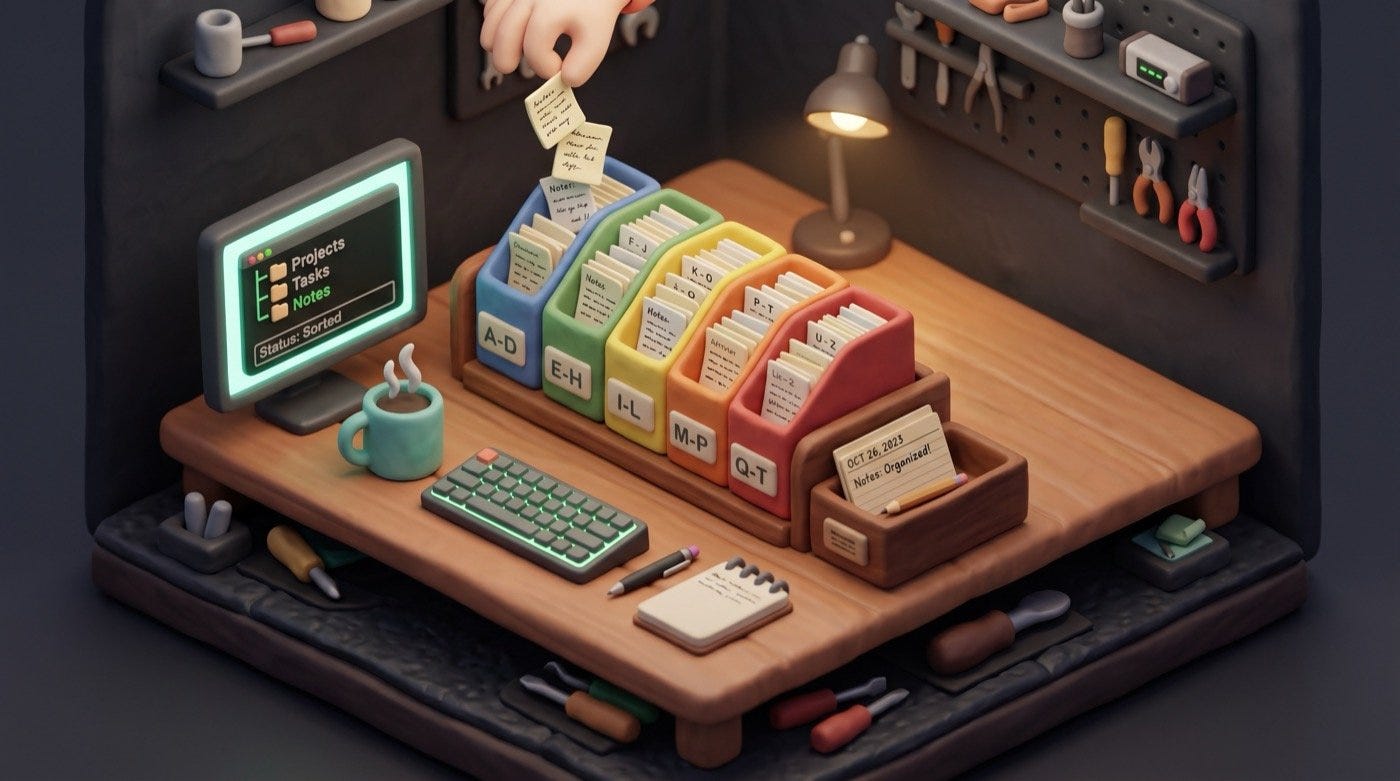
Five folders and a note for today — the difference between a system you keep and a pile you abandon in a month.
Two pieces of software, one command, and a folder on your own disk. This is the actual beginning, and it takes about twenty minutes.