
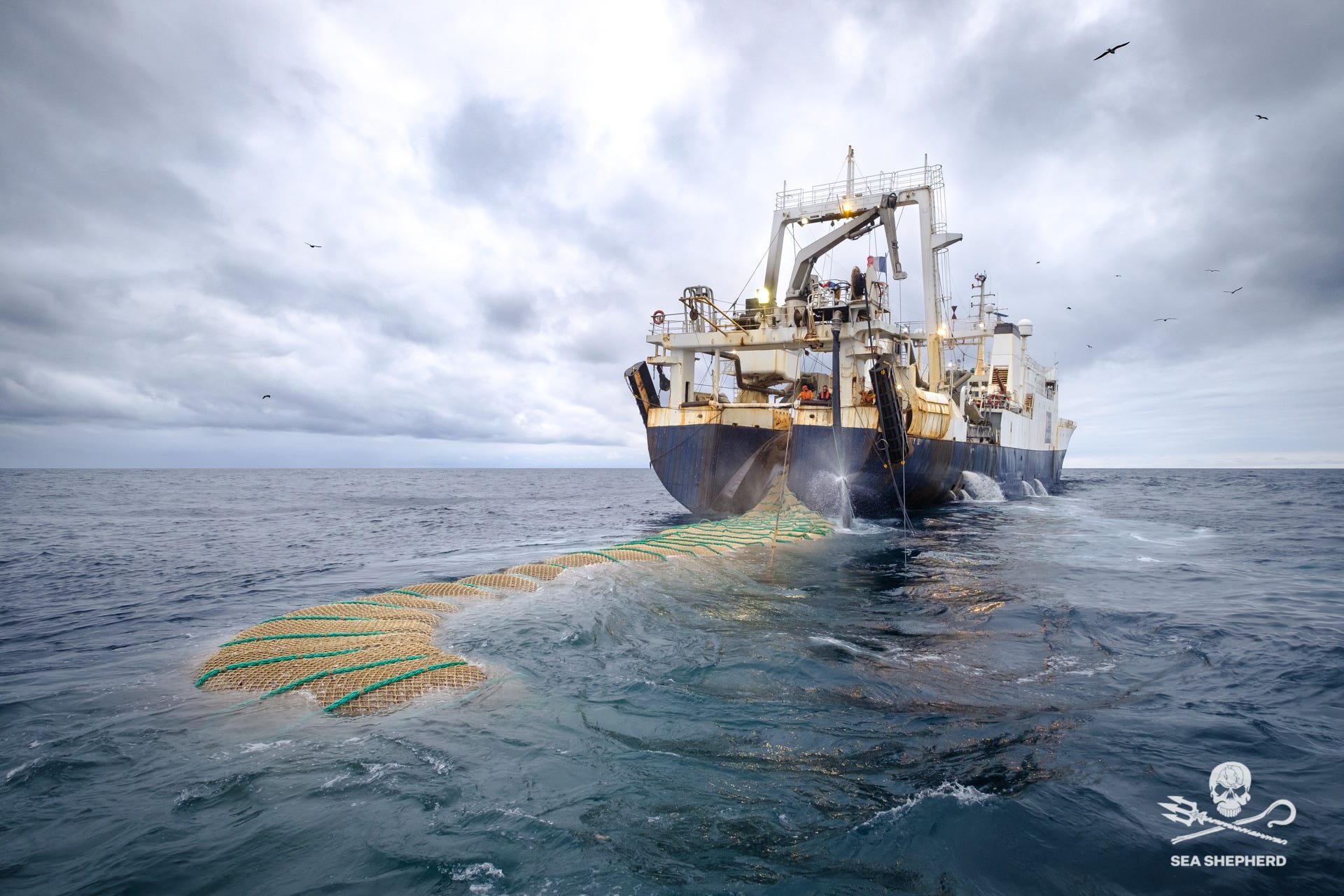
Why does the fishing industry seemingly shoots itself in the foot? Why use practices that destroy the very ecosystem your livelihood depends on? This is exactly what happens in most Marine Protected Areas (MPAs) in Europe, where practices like bottom trawling ARE still allowed. Last month a group of NGOs won a landmark ruling against the Dutch government. The case argued that destructive bottom trawling is unlawful in protected areas like the Dogger Bank. Now the fishing industry is pushing back. But it begs the question… Are they really so short-sighted to not even notice the benefit of having protected areas?? More protected areas = more fish….
Below an article written by George Kontou from our friends at Client Earth regarding this landmark win! Congrats guys! 👏
We don’t run ads. We don’t take corporate sponsors. Every investigation, dive, and exposé we produce is powered entirely by people who care. People like you.
If you want to help us keep uncovering the hidden costs of “green” industries, defending ocean life, and challenging destructive systems head-on, you can.
We’ve partnered with Bracenet to create a limited-edition collection of bracelets and keychains made from abandoned fishing nets recovered from the ocean. If you want to make a statement and start conversations, you can find our collaboration products here:
Marine Protected Areas (MPAs) areas are meant to be the jewels in the crown of our ocean, extra special places for species and habitats to thrive. Yet in MPAs all across Europe, the most destructive form of fishing has been given the green light. It’s a hugely frustrating contradiction for those of us working in ocean conservation - protected should mean protected, but far too often, protection is only on paper.
Bottom trawling involves dragging large, weighted nets across the seabed to catch species that live near the seafloor, such as cod, hake, shrimp and octopus. It causes horrific habitat destruction and is a disaster for the ocean’s crucial role in storing carbon. It also captures huge amounts of unintended ‘by-catch’ – in fact a recent study found a conservative estimate of 3,000 unwanted species caught through trawling, including those listed as critically endangered.
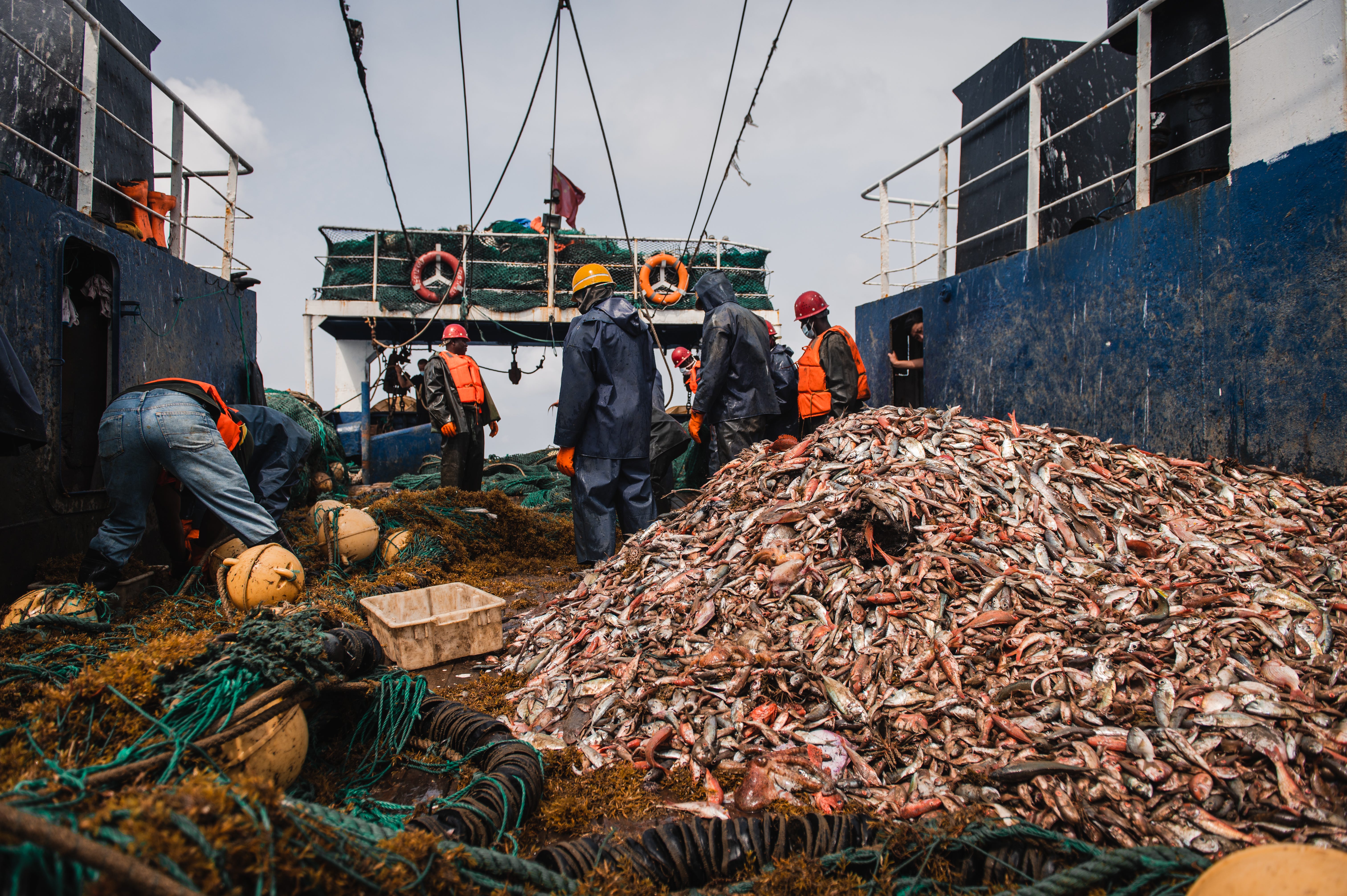
Which is why I’m thrilled to have been part of an amazing group of NGOs (ClientEarth Doggerland Foundation, ARK Rewilding Nederland and Blue Marine Foundation) who have just won a landmark legal case to protect the Dogger Bank in the North Sea from trawling. Trawling has severely damaged ecosystem here, and destroyed vast swathes of life including sharks, rays, anemones and corals. The area is a critical feeding ground for porpoises, minke whales, grey seals, and a host of amazing seabirds like gannets, puffins and guillemots. One of the lesser-known species at risk are long-lived shellfish like ‘ocean quahogs’. This amazing bivalve is the longest-lived animal known to man (one was found to be 507 years old!), yet industrial trawling drags them up from the seabed with complete disregard.
Until now, Dutch trawlers have been allowed to trawl the Dogger Bank in Dutch waters without a permit and any assessment of the harm that is being caused. But according to the court ruling, this kind of blanket exemption goes against EU nature protection laws. Moving forwards, trawlers will have to conduct an environmental assessment and prove that their fishing activities won’t harm nature.
It’s the first time a European court has confirmed that governments have a responsibility to properly regulate the impact of trawling on protected areas, which puts vital pressure on the European Commission and EU countries to phase out trawling completely (something already pledged in the EU Marine Action Plan).
Since the ruling, we’ve seen pushback from the industrial fishing lobby, claiming that the ruling will cost the sector millions in revenues. But it’s not an ‘either or choice’. The enforcement of protected areas and conservation of marine ecosystems is the very thing that allows the fishing industry to continue.
Despite its poor condition, the Dogger Bank remains the Netherlands’ largest nature area. It’s a spawning ground for important North Sea fish stocks like plaice, herring, whiting and cod. There’s no business on a dead planet; protecting nurseries like this will support small-scale and low-impact fishing in the long term. Med Sea Alliance has recently shown that, across the Mediterranean, well-managed MPAs increase benefits by 25 to 36 percent, with coastal communities - fishers, tourism operators, scientists - the first to benefit. Conversely, weak enforcement can halve those returns. A landmark new study found that European bottom trawling costs billions every year in climate impacts, with society paying a price up to 90x higher than fishing industry profits.
The good news is, when protected areas are truly protected, they can make a remarkable recovery. A recent study showed that, in Scotland, marine life has trebled just 10 years after the closure of a protected area to trawling. That’s why we’re now demanding full closure of the Dogger Bank to bottom trawling to give this ecosystem a real chance to recover.
The law gives us a powerful way to take action to protect our oceans. From France to Spain, Italy to Sweden and Germany, organisations are taking legal action - this case was part of a whole stream of litigation about bottom trawling in protected zones. This work can be gruelling – it takes time, and we’re up against a hugely influential industry lobby, but to have the first ruling of these cases called unequivocally in our favour is a huge boost, and one that’s making waves across Europe.
No posts
Comments
Nothing yet. Say the first thing.
Sign in to join the conversation.