
There are moments in history that look small when they happen.
No musketry breaks the morning. No fort falls. No army surrenders.
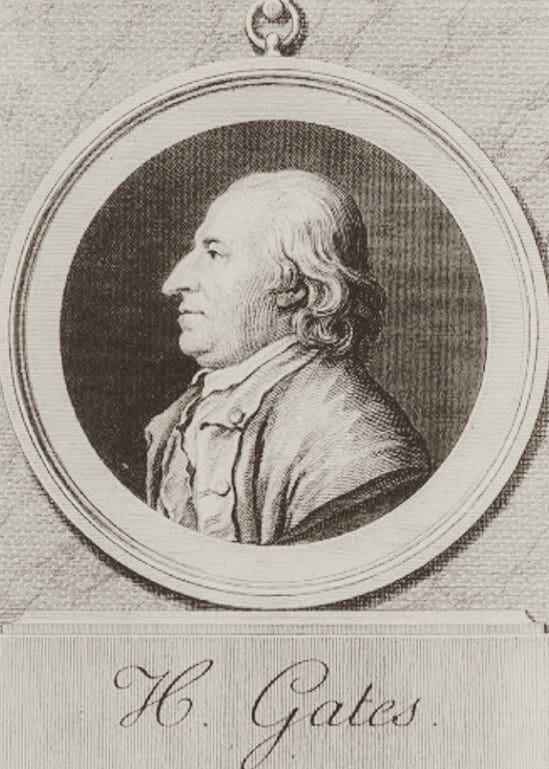
On August 19, 1777, Major General Horatio Gates arrived at the American army’s camp south of Stillwater and assumed command of the Northern Department, replacing Major General Philip Schuyler. Three days earlier, American militia had defeated a British-German force at the Battle of Bennington, fought at Walloomsac, New York. Four days later, St. Leger’s army would abandon the siege of Fort Schuyler. The balance of the Northern Campaign was beginning to change.
Gates arrived at a moment when fortune had begun to turn.
But he did not arrive at the head of a new army.
He inherited one.
That distinction matters.
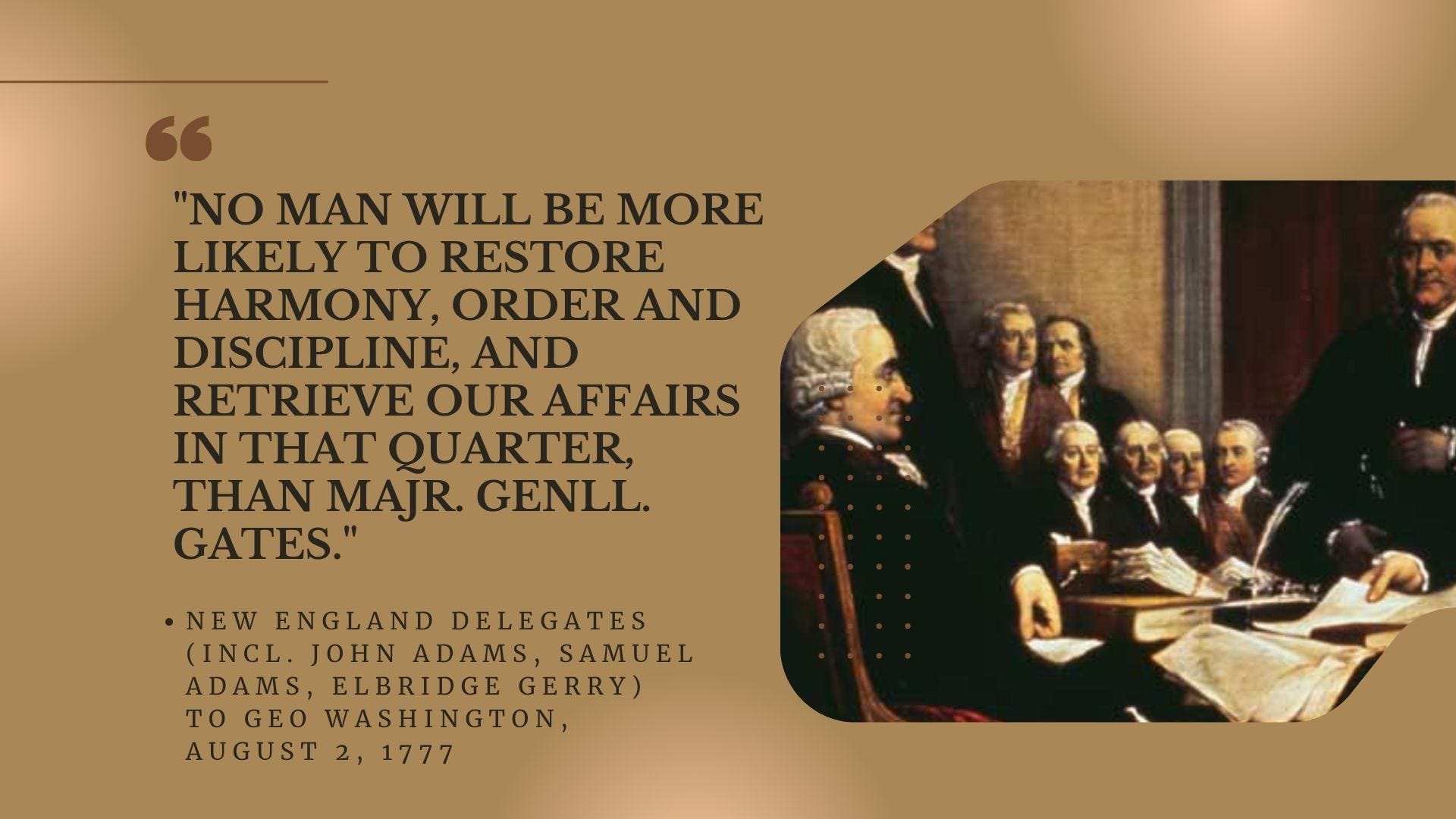
By the summer of 1777, Philip Schuyler had become one of the most controversial figures in the American war effort.
The loss of Fort Ticonderoga and Fort Independence had badly damaged his reputation. Congress removed Schuyler from command and appointed Gates in his place. Gates formally assumed command on August 19.
The familiar story is easy enough to tell.
Schuyler failed. Gates replaced him. Gates defeated Burgoyne.
But on August 19, 1777, Gates inherited a campaign that was already changing.
Schuyler had lost territory. He had also helped preserve the army as a fighting force.
His withdrawal from the Champlain Valley surrendered ground to Burgoyne while helping keep the American army intact. Schuyler also worked to obstruct the British advance and continued supporting the army after Congress removed him from command. The National Park Service describes his efforts as shrewd tactics to impede Burgoyne’s advance.
So the question is not simply whether Schuyler was a good general or a bad one.
The better question is:
What did Schuyler preserve before Gates arrived?
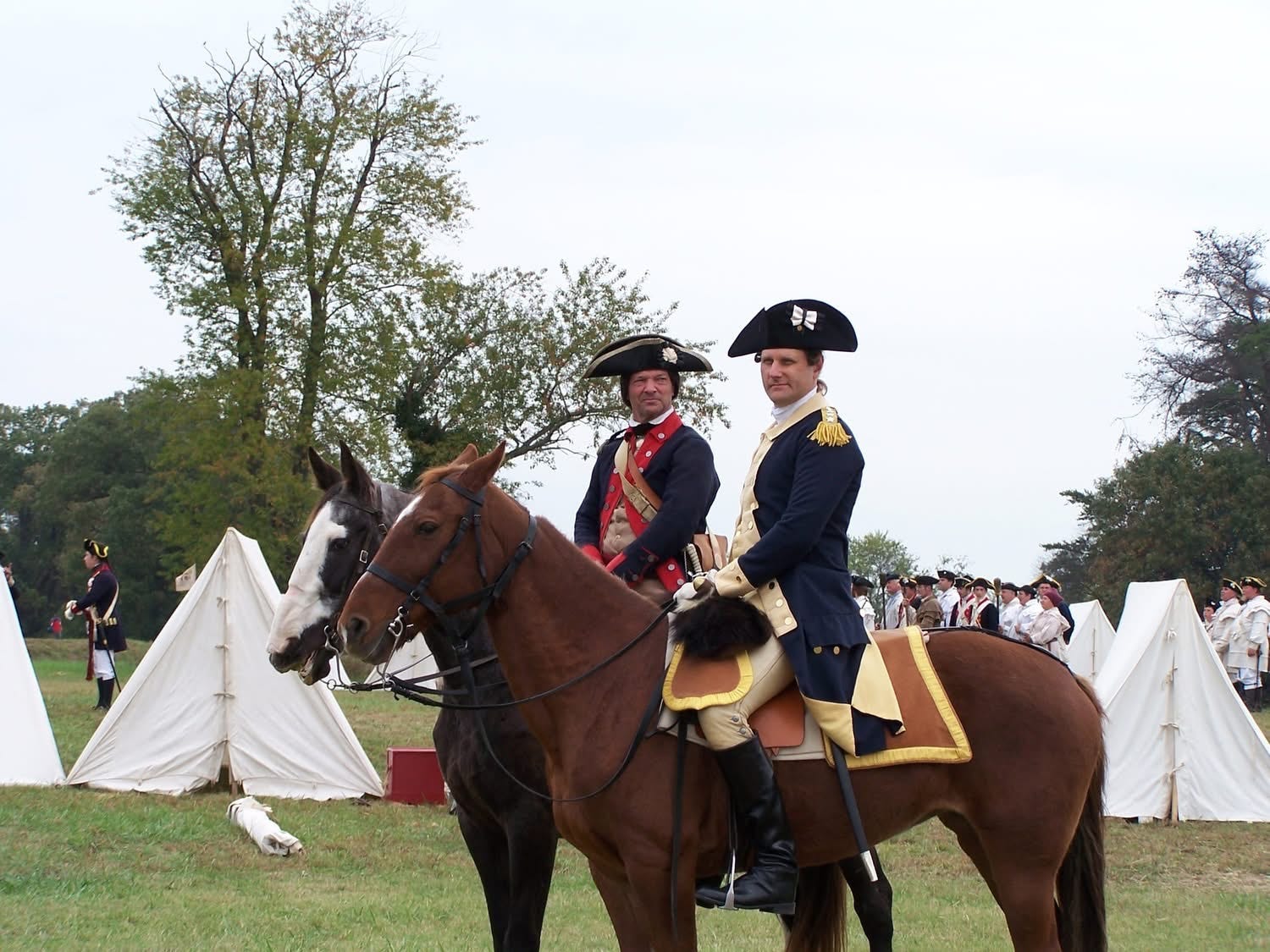
The answer can be found in Schuyler’s own words.
On August 20, Schuyler wrote to George Washington that Gates had arrived the previous evening. The next morning, Schuyler showed him the different passes, explained the disposition of the troops and the posts they occupied, and provided Gates with the orders and information he needed.
The letter captures the handoff itself.
Gates did not arrive to build an army from scratch. Schuyler handed him an army already in the field, with established positions, intelligence, supply problems, and a campaign already underway.
He also inherited the consequences of decisions already made.
The army Gates commanded was the product of an ongoing process, not a new army created by Gates.
That is one of the most important things to remember when standing on the ground at Saratoga.
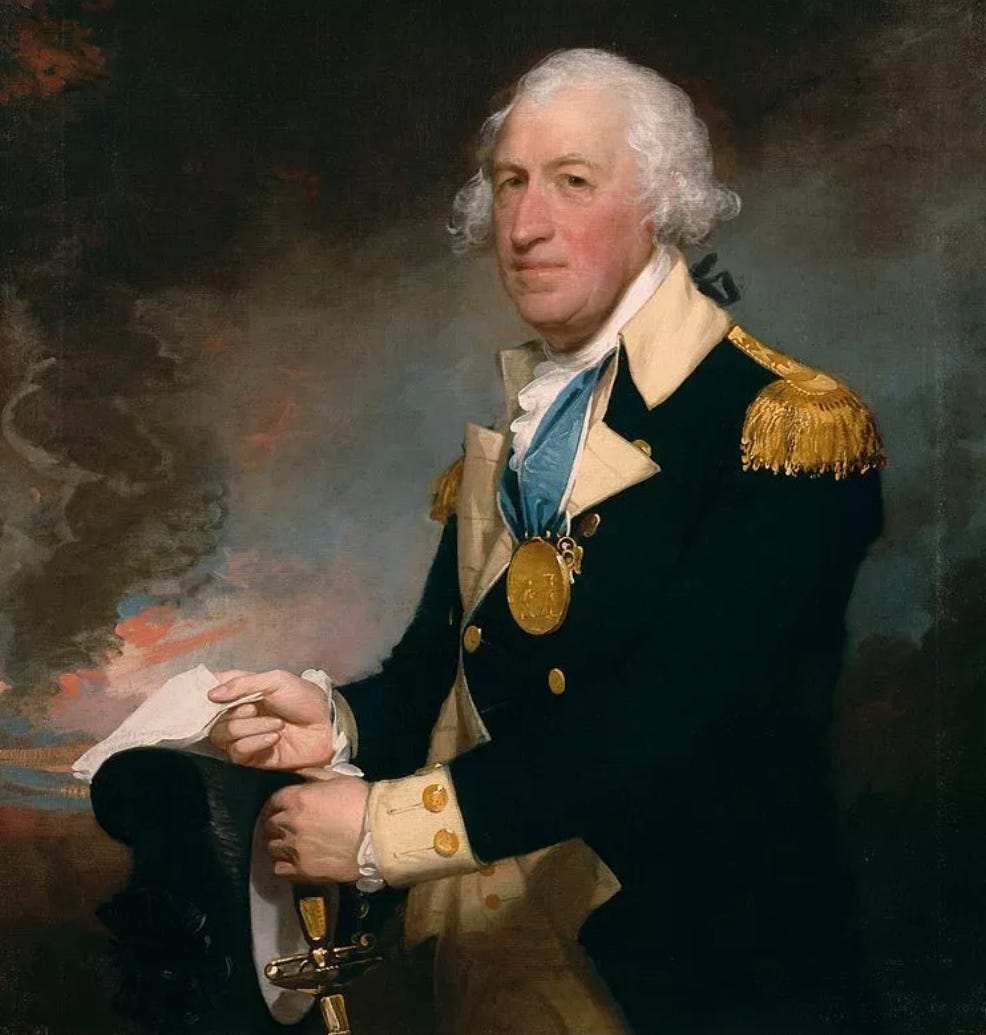
Gates was an interesting choice.
Born in England, he had served in the British Army before settling in America. When the American Revolution began, he joined the Continental cause. Congress appointed him adjutant general in 1775, giving him an important role in organizing the new Continental Army.
He was an experienced staff officer and military administrator who had not yet commanded an army in the field. The Battles of Saratoga would become his first army-level command.
He was not Benedict Arnold.
Gates’s experience was largely organizational and administrative, and in the summer of 1777 those qualities mattered. The Northern Army needed to be supplied, reinforced, organized, and held together.
The command dispute was never purely military. Congress had to balance military experience with regional politics, political confidence, state cooperation, and the willingness of militia to serve under particular commanders.
Gates arrived with stronger political support among some New England constituencies at a moment when the Northern Army needed reinforcements.
That mattered.
The army needed soldiers, and soldiers came through a political system as well as a military one.
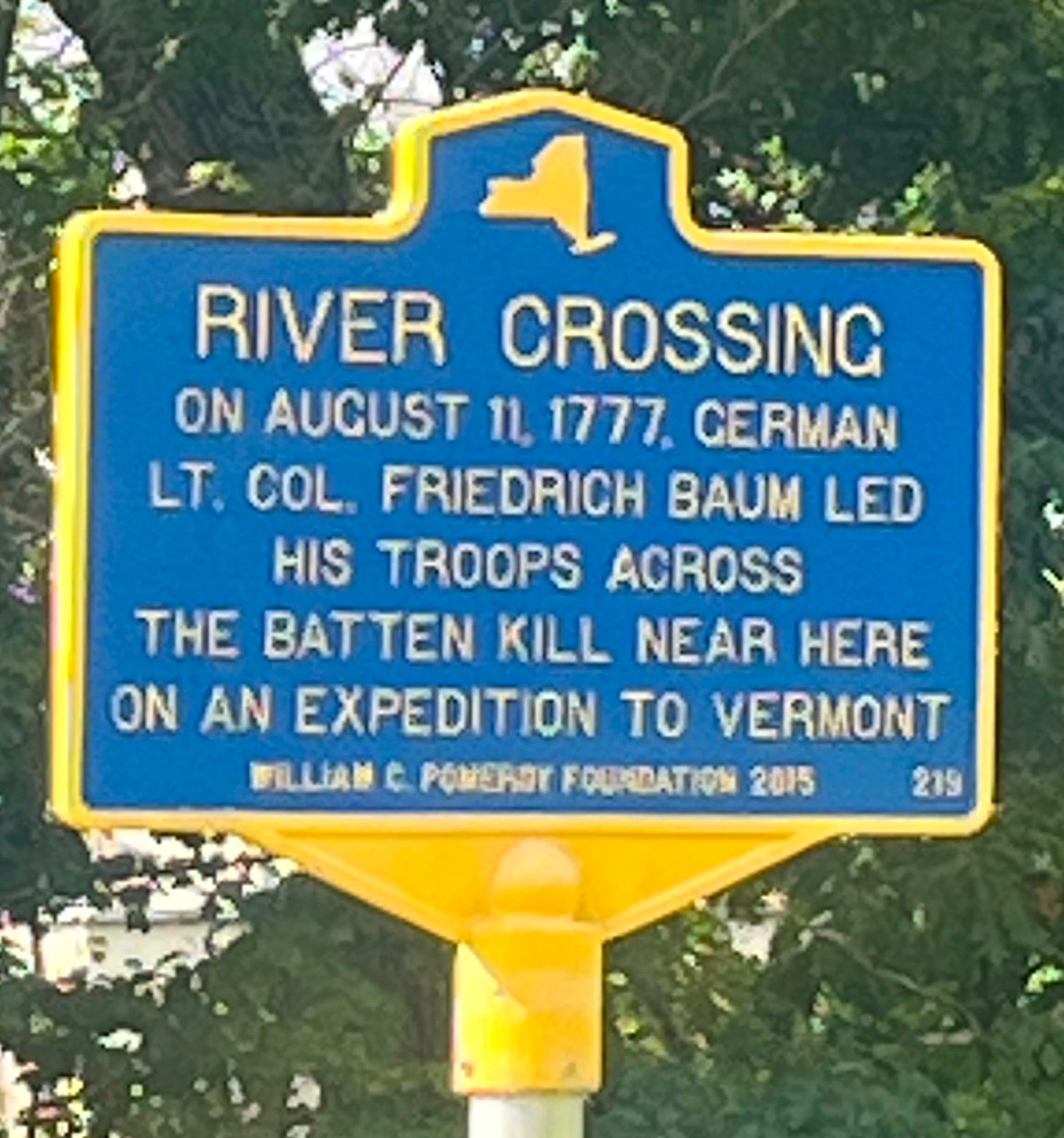
Gates arrived only three days after the Battle of Bennington.
That timing matters.
Burgoyne had sent a detachment toward Bennington seeking horses, cattle, supplies, and other resources. Instead, the expedition encountered American militia under Brigadier General John Stark.
The result was a severe British-German loss. The National Park Service estimates that nearly 900 of Burgoyne’s men were lost at Walloomsac, seriously weakening the British army.
Bennington did more than remove men from Burgoyne’s ranks.
It damaged momentum.
It affected confidence.
And it demonstrated that the countryside Burgoyne needed to support his army was not simply available for the taking.
Fortune, or more accurately misfortune for Burgoyne, was beginning to accumulate.
Gates’s own August 22 letter to Washington provides a revealing measure of the change. He wrote that the severe checks suffered by the British at Bennington and in the Mohawk Valley had given him a “more pleasing View of public Affairs.”
But his letter also reveals something else.
The campaign was far from settled.
Militia were still arriving.
Supplies were still needed.
American forces were still gathering.
The force Gates inherited was still being reinforced and reshaped.
He had inherited an opportunity.
He had not inherited an easy victory.
It is tempting to isolate August 19 from everything happening beyond the Hudson Valley.
That would be a mistake.
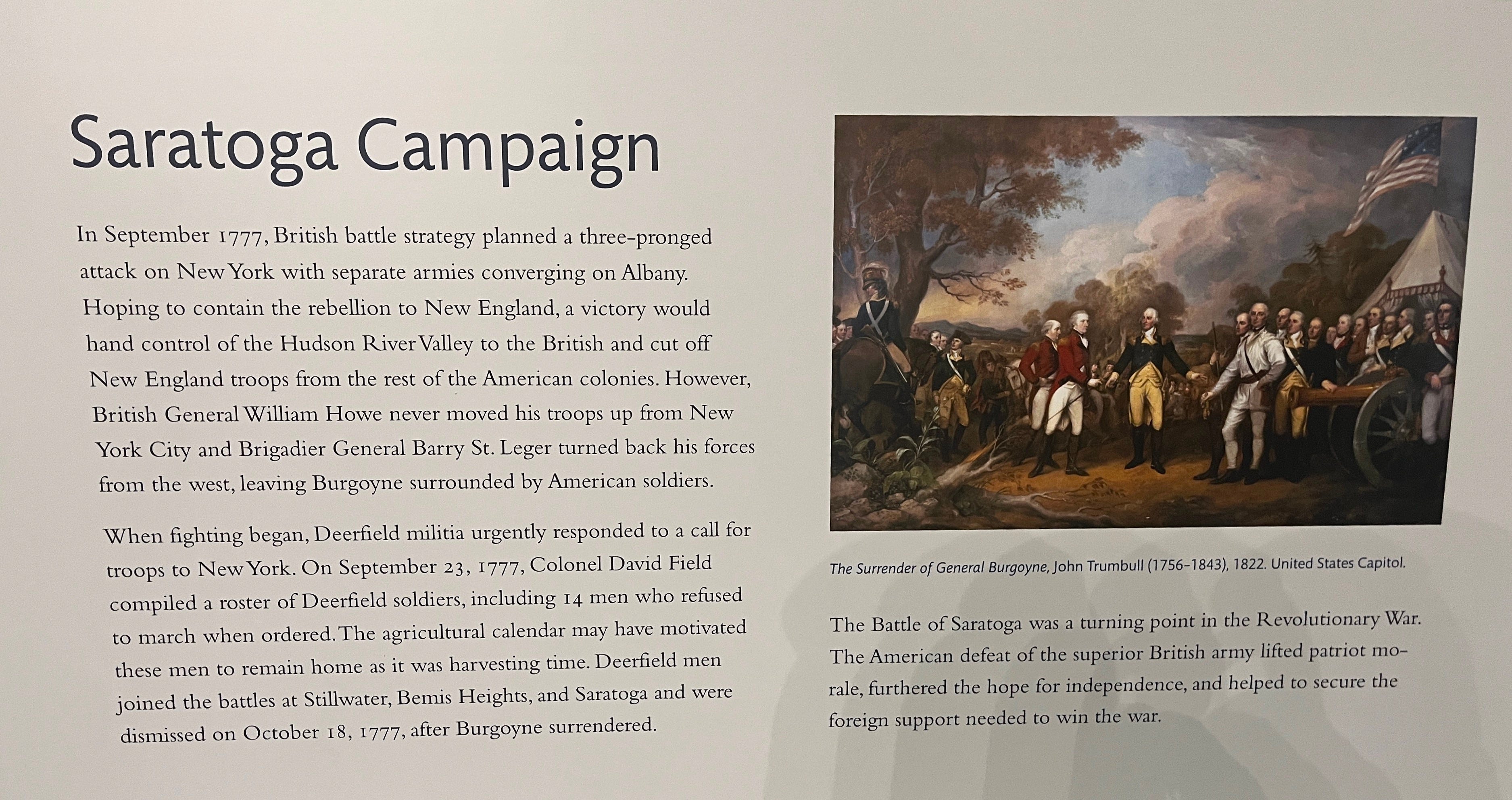
As Ken Burns and the filmmakers behind The American Revolution emphasize, the conflict was a war for independence, a civil war, and a world war. It affected millions from Canada to the Caribbean and beyond, and few people escaped its violence. At one point or another, the British Army occupied all the major population centers in the United States, including New York City for more than seven years.
Burns has described the American Revolution as one of the most important events in human history, arguing that Americans went from being subjects to citizens and that the Revolution helped set democratic revolutions around the globe in motion.
The conflict divided communities as well as armies.
In 1777 New York, Whigs or Patriots and Royalists represented a profound internal division among people who had lived alongside one another before the war.
The struggle over military command reflected some of those same regional and political tensions.
Schuyler was a New Yorker whose reputation had suffered badly.
Gates brought political support at a moment when the Northern Army needed reinforcements.
That difference mattered.
August 19 was more than a change of commanders. It was part of the larger political and military struggle over how the American war effort would be sustained.
What Gates Actually Inherited
Gates inherited more than troops.
He inherited the consequences of the campaign that had brought them there.
The retreat from Ticonderoga.
The roads and bridges obstructed to slow Burgoyne.
The gathering militia.
The resistance at Fort Schuyler.
The victory at Bennington.
The intelligence reaching American headquarters.
And now Gates.
None of those developments stood alone. Together, they shaped the army he now commanded.
Nothing changed overnight. Gates inherited an army that had already been retreating, fighting, gathering reinforcements, and learning how to slow Burgoyne’s advance.
That is why August 19 deserves more attention.
Gates would eventually become the commander most closely associated with the American victory over Burgoyne.
But the victory itself was larger than one commander.
It involved Schuyler’s preservation of the army, Gates’s command, New England militia, Benedict Arnold, Daniel Morgan, Tadeusz Kościuszko, Benjamin Lincoln, Enoch Poor, John Stark, American Indian allies, logistics, terrain, intelligence, and Burgoyne’s increasingly difficult supply situation.
Saratoga was not the work of one man.
It was the result of an army, a landscape, a campaign, and weeks of accumulated pressure.
The most revealing part of the story may be what happened next.
Gates did not immediately march north and defeat Burgoyne.
The army needed time.
Reinforcements arrived.
The situation developed.
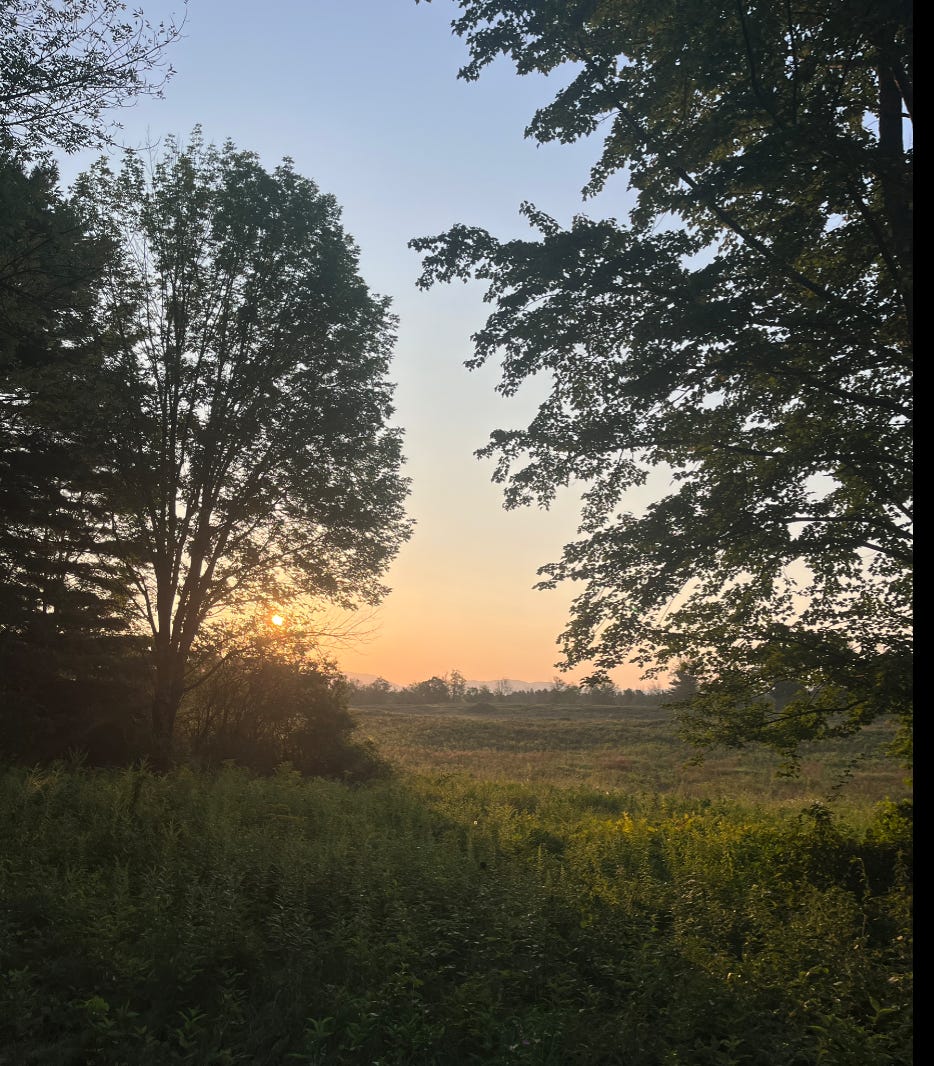
On September 12, Gates’s army, numbering about 8,500 men, moved into the Bemus Heights area and began building extensive fortifications. The position overlooked the Hudson River and the road to Albany, helping block Burgoyne’s advance.
From Bemus Heights, the Hudson lies below, while the ridge and the roads along the river make the military problem easier to understand.
Burgoyne needed to move south.
Gates needed to stop him.
The terrain helped determine how both armies could do it.
This is where the army Schuyler had preserved became the army Gates would command into the Battles of Saratoga.
And that transformation took weeks.
Not a single afternoon.
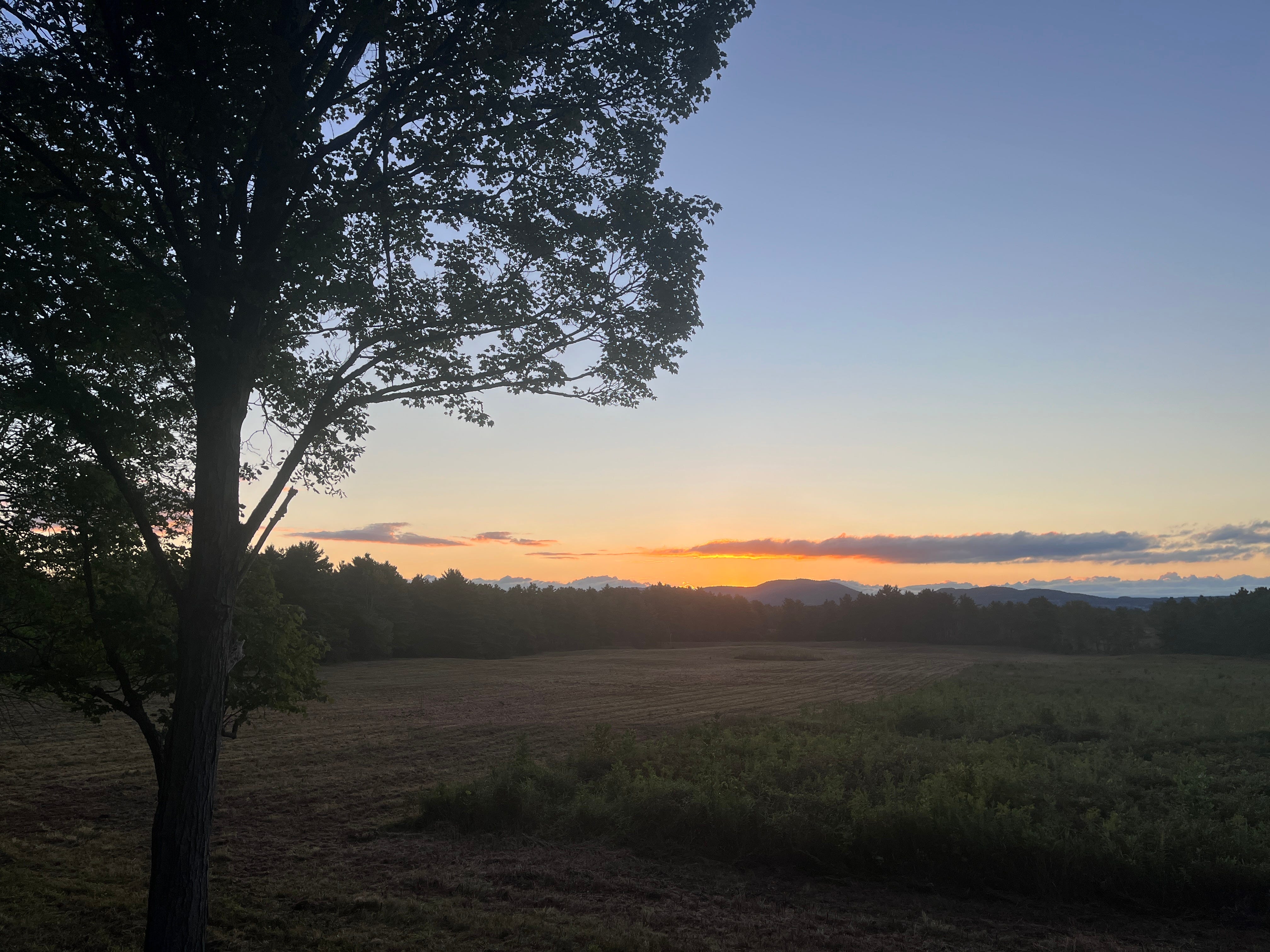
Today, Saratoga National Historical Park preserves the landscape where this transformation unfolded.
Visitors can stand on the heights and look across terrain that still explains much of the military problem facing Burgoyne.
The battlefield has changed, of course.
Roads are different.
Forests have changed.
Fields have changed.
But the relationship between the Hudson River, the heights, and the route north remains remarkably legible.
The landscape helps answer a question that documents alone cannot:
Why here?
The answer is visible in the ground.
Kościuszko’s engineering work helped turn the terrain into a defensive position. The heights overlooked the Hudson and the road to Albany, while ravines and difficult ground restricted movement and made the American position harder to attack.
That is one reason a visit to Saratoga is more rewarding when you move slowly.
Look at the terrain.
Follow the roads.
Notice the elevations.
Think about distance.
Then remember what the army had been through before it ever reached this ground.

If August 19 has you thinking about visiting the Northern Campaign landscape, build a weekend around the geography rather than trying to see everything at once.
Saturday: The Road to Saratoga
Download SRE.
Begin at the Saratoga National Historical Park Visitor Center.
Spend time with the campaign exhibits before heading onto the battlefield.
Follow the Battlefield Tour Road Stops and pay particular attention to the terrain around Bemus Heights Stop 3.
Walk where possible rather than viewing the battlefield entirely from the car.
Continue into Stillwater and along the Hudson River corridor.
Spend the evening in Saratoga Springs and consider how dramatically the landscape changes between the battlefield and the modern city.
Sunday: Put August 19 Into Context
Visit Schuyler’s Saratoga Estates and consider the Schuyler family’s place in the region before and during the Revolution.
Continue around Schuylerville visiting the Sword Surrender, Victory Woods and Saratoga Monument sites and the Hudson River including Hudson Crossing Park.
Trace the northern route Burgoyne followed after crossing the river.
If time allows, continue west toward the Mohawk Valley and consider how the crisis at Fort Schuyler affected the larger Northern Campaign.
The distances matter.
That is part of the history.
The British army was operating across an enormous landscape while depending upon roads, rivers, wagons, horses, provisions, and communications.
The American army was learning how to make that landscape work against Burgoyne.
Thanks for reading Past’s Paths! This post is public so feel free to share it.
By October, Gates would be remembered as the victor.
But on August 19, he was simply the new commander.
Gates had an army to organize and a British army to stop. Supplies were still needed. Militia were still arriving. Intelligence was still coming in. The campaign was already underway.
That makes the date more interesting, not less.
Schuyler preserved the army.
Gates inherited it.
New England responded to him.
Burgoyne was losing momentum.
And within weeks, the American army would stand behind the fortifications at Bemus Heights.
The conditions that produced the Battles of Saratoga did not begin on September 19.
They were being created long before the first shots were fired.
August 19 is one of those quieter dates that rewards a second look.
When you stand at Saratoga, the better question may not be simply:
“Who defeated Burgoyne?”
Ask instead:
What had to happen before that victory became possible?
Read the full story and see the landscape of Saratoga through the eyes of the people who experienced it.

Past Paths is just me—no institution, no funding—sharing Saratoga’s Revolutionary stories through place and memory. If you believe in this kind of work, I’d be grateful for your pledge.
Chase, Philander D., and Edward G. Lengel, editors. The Papers of George Washington, Revolutionary War Series, Vol. 11: 19 August 1777 – 25 October 1777. University Press of Virginia, 2001.
Gerlach, Don R. Proud Patriot: Philip Schuyler and the War of Independence, 1775–1783. Syracuse University Press, 1987.
Ketchum, Richard M. Saratoga: Turning Point of America’s Revolutionary War. Henry Holt, 1997.
Luzader, John F. Saratoga: A Military History of the Decisive Campaign of the American Revolution. Savas Beatie, 2008.
Schnitzer, Eric, and Don Troiani. Don Troiani’s Campaign to Saratoga—1777. Stackpole Books, 2019.
Weddle, Kevin J. The Compleat Victory: Saratoga and the American Revolution. Oxford University Press, 2021.
Founders Online, searchable for “Philip Schuyler to George Washington, 20 August 1777” and “Horatio Gates to George Washington, 22 August 1777” (both fall in Vol. 11 above; exact document URLs not independently verified in this pass — search directly at the link below): https://founders.archives.gov
NPS, “1777 Northern Campaign”: https://home.nps.gov/sara/learn/historyculture/places.htm
NPS, “Saratoga Battlefield Tour” Story Map: https://home.nps.gov/sara/learn/historyculture/index.htm
NPS, Saratoga Historical Handbook No. 4, “https://www.nps.gov/parkhistory/online_books/hh/4/hh4toc.htm
NPS, “Colonials and Patriots” Survey — Saratoga entry: https://www.nps.gov/parkhistory/online_books/colonials-patriots/sitea10.htm
NPS, “Colonials and Patriots” Survey — Bennington Battlefield National Historic Landmark entry: https://nps.gov/parkhistory/online_books/colonials-patriots/sitec27.htm
Hartgen Archeological Associates, Inc. Northeast Section of the Saratoga Siege Battlefield: Cultural Resource Inventory. American Battlefield Protection Program Grant Agreement GA-2255-15-023, submitted to the Town of Greenwich, Washington County, NY, Apr. 2018
Saratoga250 — County‑wide commemoration of the 250th anniversary of the Battles of Saratoga. www.saratoga250.com
Saratoga National Historical Park — Preserving the American victory at Saratoga. 648 Route 32, Stillwater, NY 12170 NPS.gov/sara
Champlain Canal Region Gateway Visitor Center — Orientation to the region’s history and waterways. 30 Ferry St., Schuylerville, NY 12871 hudsoncrossingpark.org
Lakes to Locks Passage — A National Scenic Byway linking the waterways of the campaign. passageport.org
Discover Saratoga — Regional heritage tourism and travel planning. discoversaratoga.org
Saratoga Revolutionary Experience (SRE) — A curated gateway to the region’s Revolutionary heritage. saratogarevolutionaryexperience.com
Follow America’s Destiny — A self‑guided itinerary tracing waterways and battlefields from Saratoga to the canal era. eriecanalway.org/explore/Plan-Visit/itineraries/follow-americas-destiny

Comments
Nothing yet. Say the first thing.
Sign in to join the conversation.