
Crom Cruach, Crom Dubh, Crom is a mystery, an enigma:
Dark one, stooping one who comes down from the hills to claim his share of the first harvest.
Fearsome one who she is the summer sun and the breath of the Meadowsweet and the gold of the Barley takes as her lover in the season when she descends into the west.
In the August of golden sunlight that came before the dark of the year, long ago, people left him Bilberries and Apples, garlands of flowers, and the first sheath of grain.
Some say he was the Bull that was sacrificed in late summer, some say he was the one who offered the sacrifice, some say he was the one to whom the sacrifice was given.
With the coming of the church come stories of his death or banishment or conversion. Driven into mountains or driven into deep waters or driven into stone or buried beneath the earth, somehow he keeps returning, his name echoing across the centuries and cutting through the distortions.
All week I have labored over old texts, finding the places where stories of him are recounted — but I find that they are diversions, trails left by those who could not erase his memory and so would have us see him as as a demon or a man or a figure invented by evangelizing priests to serve as a fictional foil and foe for saints who died long before they were born. In my bones I know that he was, is, and always will be something more. And there is a reason why in Cloghane, beneath the mountain that bore an old god’s name before it bore the name of a Christian navigator, people said a prayer to Mary and the saints when they stood before a carving of Crom Dubh’s visage set into a stone wall (until it was stolen in 1993.)
In time I may set about a formal parsing of those stories for the elements of truth they cannot hide. But for tonight, as the sun sets on the eve of Dé Domhnaigh Crom-Dubh, Crom Dubh Sunday, I will leave you just a few trailheads at the base of the mountain of his memory and his presence:
He was bent toward the earth, he was laden with a heavy burden, he was mounded in a time when all these things that are now held to be profane were sacred.
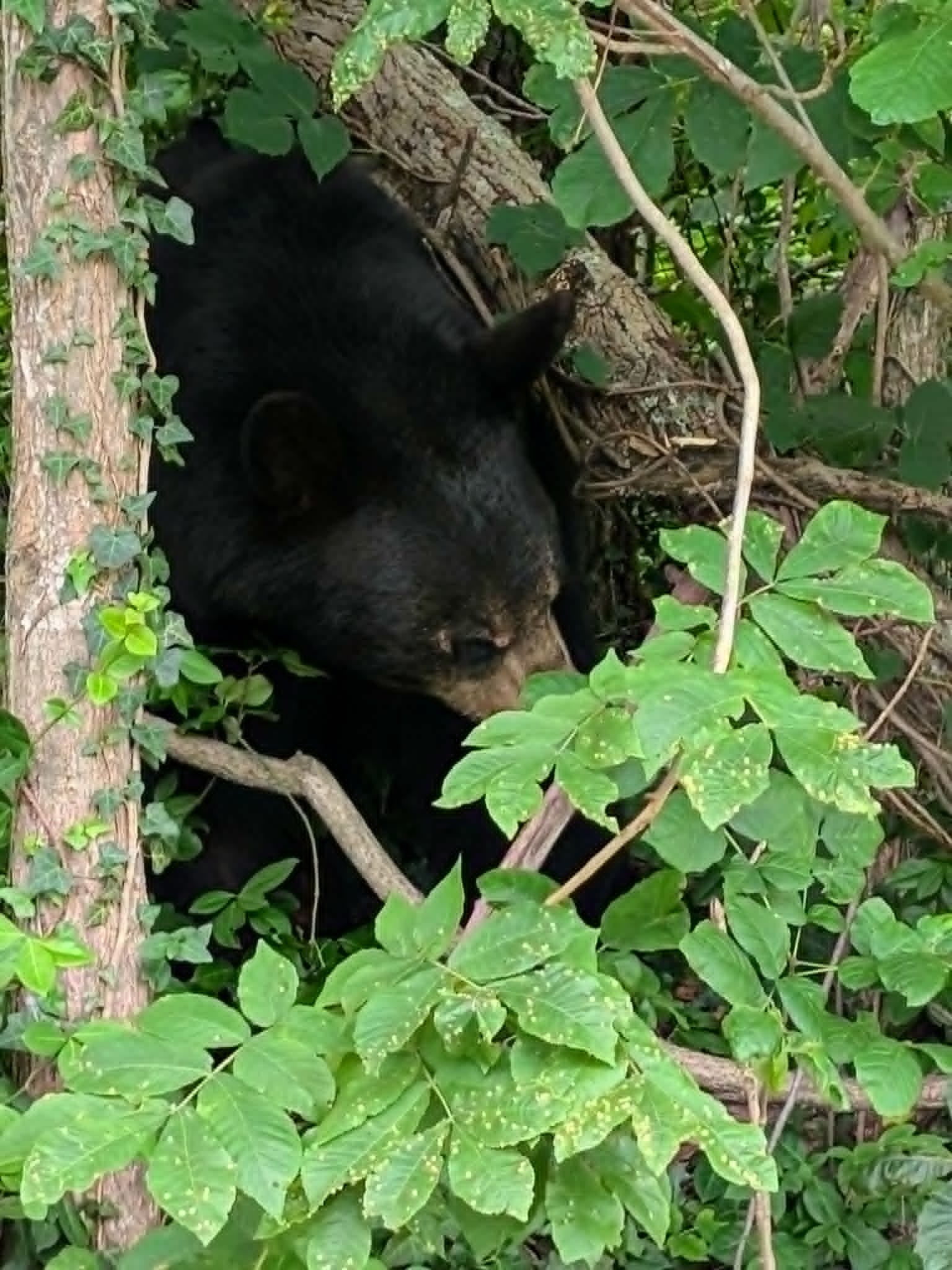
He was dubh — he was dark, he was black — in a time when black was the color of the great sea of being from which we emerge and to which we return through the dark waters of the womb and into the dark soil of the grave.
And given his darkness and his moundedness and his coming from and returning to stone places, I suspect he also bore another name:
the name of an animal, now named in Gaeilge by an English cognate word, that went by another name in Old Irish and Middle Irish even though the animal had vanished from the land long before the language was spoken,
a name that also was on old word for stone and an old word for god,
the name of a dark one with a hump on his back who gorges on the first fruit,
who is fearsome but is known by all people who live close to him as first teacher and wild kin, and sometimes husband,
A riddle for the eve of Crom Dubh Sunday:
Cé hé Crom? Cad é Crom? Cad is ainm Chroim?
If you have not already guessed, change the last letter of the Irish adjective that describes the wild places where offerings were made to the nearest other consonant sound, look for the old meanings of the word that yields, and the way you see and feel him will be forever changed.
No posts
Comments
Nothing yet. Say the first thing.
Sign in to join the conversation.