
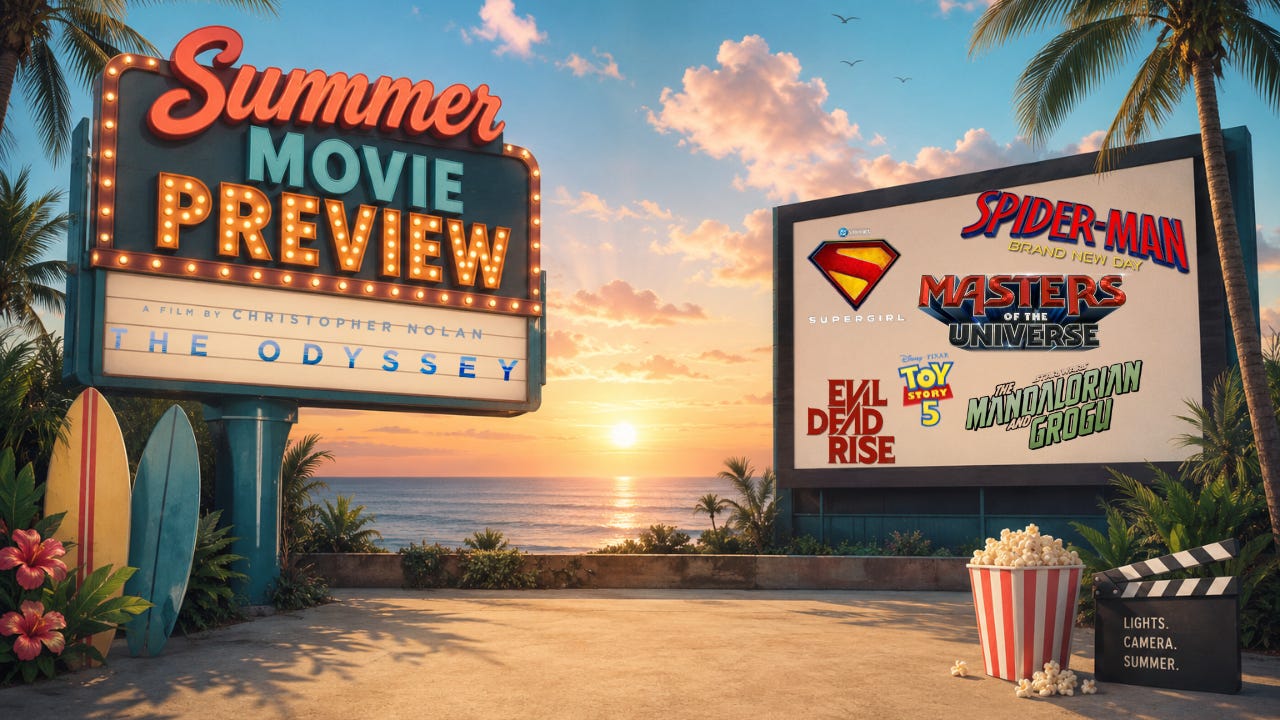
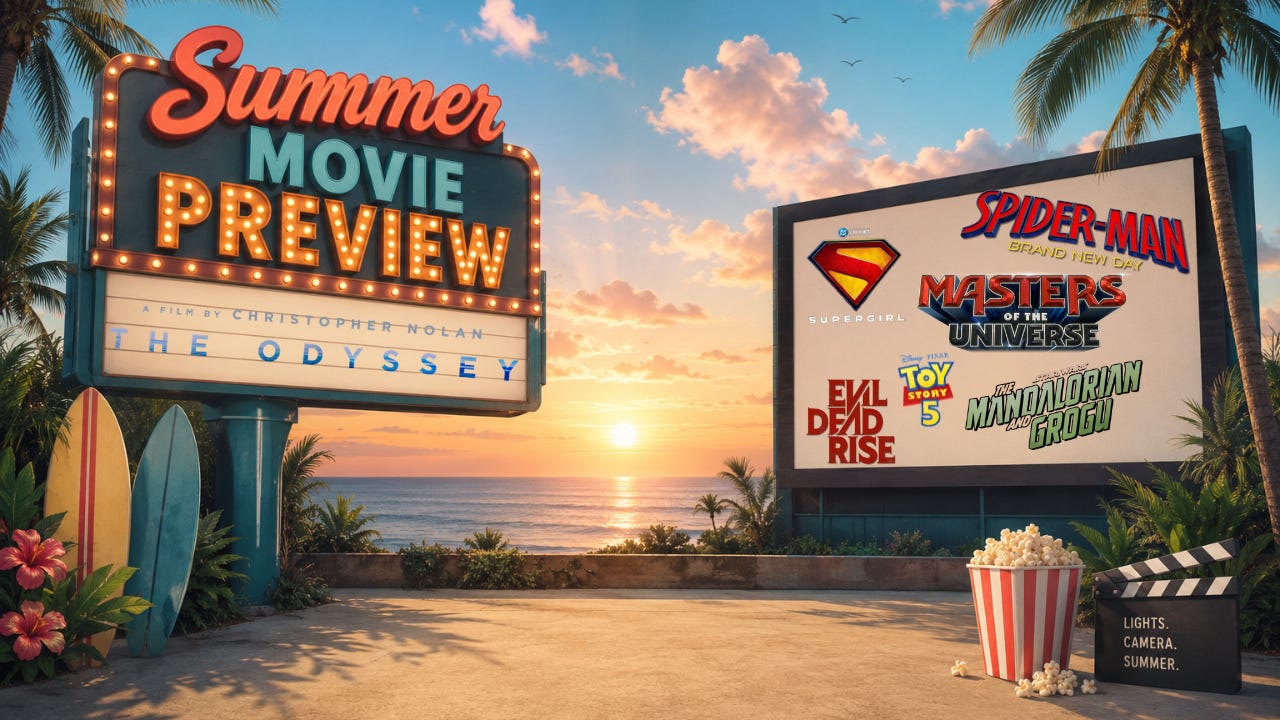
On paper, this should be one of the most dominant summers in modern box office history. Studios have loaded the release calendar with franchise heavyweights, nostalgic revivals, superheroes, live action remakes and enough legacy IP to keep merchandising departments in business until the next ice age.
We’re getting:
The Mandalorian & Grogu
Supergirl
Toy Story 5
Spider-Man: Brand New Day
The Odyssey
Masters of the Universe
Moana
Evil Dead Burn
A decade ago this line up would have looked unstoppable.
Now? It feels more like a stress test for the entire theatrical industry.
Because audiences have changed.
And Hollywood still hasn’t fully accepted it.
There was a time when brand recognition alone guaranteed a hit.
That era is finished.
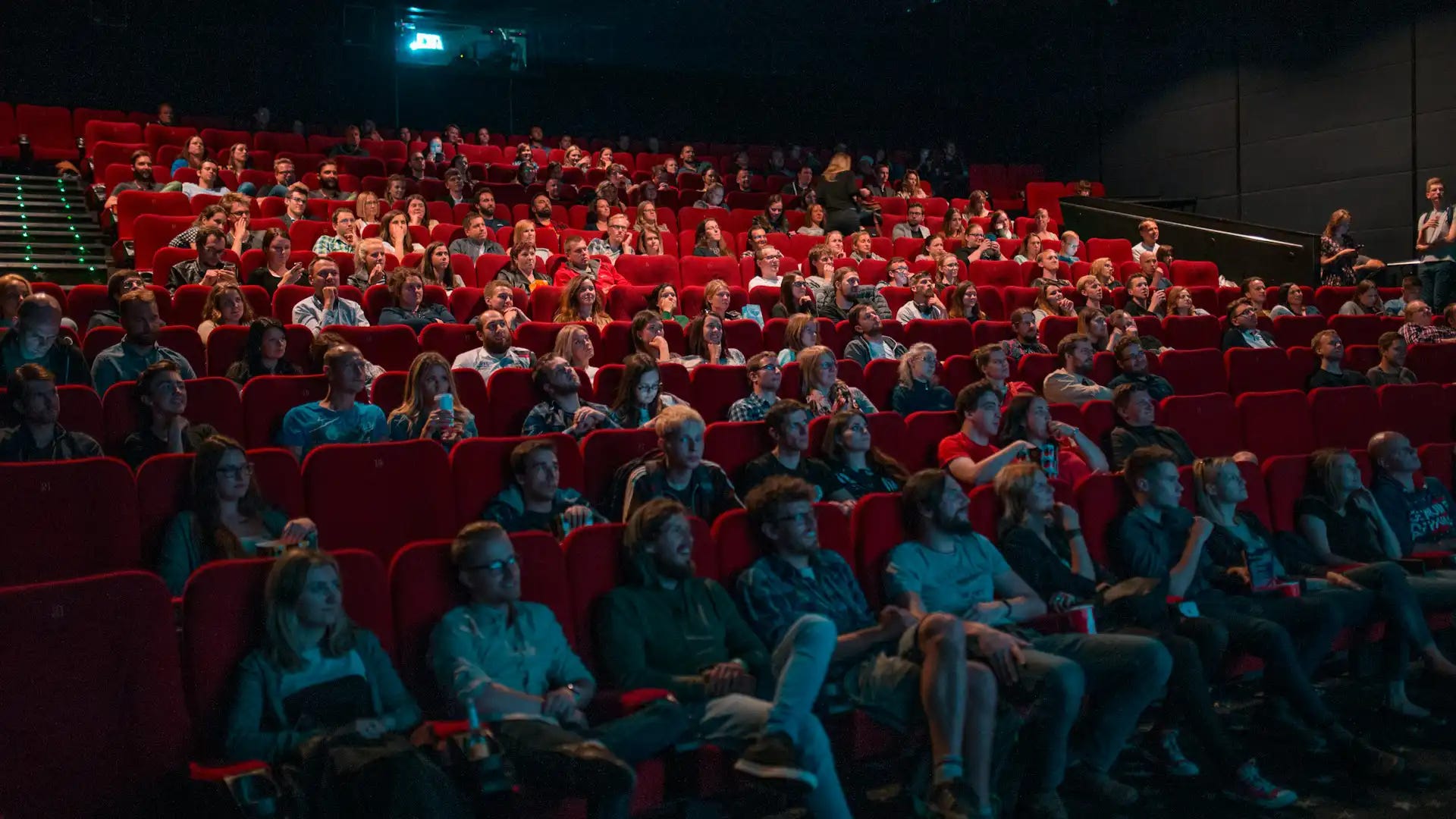
Modern audiences have become ruthless about what deserves a cinema trip. The streaming era changed habits permanently and the cost of living crisis has only accelerated it.
For many families, a cinema trip now means:
£40-50+ on tickets
premium format surcharges
overpriced snacks
fuel or parking costs
and the increasingly common gamble of whether other audience members will actually behave during the screening
Cinema used to offer escapism.
Now it often feels like expensive endurance training.
Phones lighting up throughout films. People shouting punchlines before they happen. Social media “participation trends” turning screenings into chaotic live reactions. The infamous Minecraft screening trend showed just how quickly the theatrical experience can become collateral damage for online attention seeking.
And then studios make things even worse by destroying their own exclusivity window.
Why rush to cinemas when audiences know streaming is only weeks away?
Recently:
Crime 101
Roofman
Send Help
The Bride
Wuthering Heights
all landed on streaming platforms with astonishing speed. In some cases they had barely left cinemas before arriving online.
Meanwhile Disney’s Hoppers is arriving on Disney+ while still screening theatrically in some areas.
Hollywood has trained audiences to wait.
Now it’s paying the price for that decision.
“The biggest rival to modern cinemas may no longer be streaming. It may be convenience.”
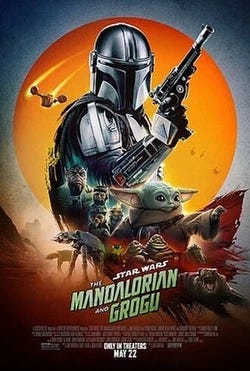
The Mandalorian & Grogu may end up becoming the biggest example yet of Hollywood misunderstanding the difference between streaming popularity and theatrical demand.
This isn’t really a film for casual audiences.
That’s the problem.
To fully invest in this story, viewers need prior attachment to The Mandalorian series itself and by extension the wider Disney+ Star Wars ecosystem surrounding it. Yes, technically the movie may function on its own. But emotionally? That’s another matter entirely.
Cinema audiences are very different from streaming audiences.
The hardcore Star Wars fanbase will absolutely show up. They always do. That audience is loyal and genuinely loves spending time in that universe regardless of quality fluctuations or online discourse.
But outside that core fandom, the film risks feeling inaccessible to casual moviegoers who haven’t spent years following the streaming series.
And that’s where the warning signs start flashing.
The original Mandalorian phenomenon worked because it felt refreshingly stripped back. A lone gunslinger. A child. Western storytelling inside Star Wars. Simple.
Over time though, the formula started becoming increasingly reliant on:
interconnected lore
returning characters
spin off crossover setups
and an avalanche of cute merchandising bait
Grogu still works in small doses because the character has genuine charm. But the endless “Grogu eats random food/object while everyone reacts” routine is beginning to feel less like storytelling and more like a very expensive toy commercial.
The additional cutesy creatures being scattered throughout the newer Star Wars projects don’t exactly help either. Audiences can sense when merchandising strategy starts steering creative decisions.
That kind of thing eventually catches up with franchises.
This is why the film could genuinely struggle beyond opening weekend. The core audience alone may not be enough to carry a gigantic theatrical hit in the current climate, especially when general audiences increasingly pick and choose what deserves a cinema trip.
Ironically, the most universally desired thing connected to this movie may end up being the merchandise itself.
Because yes, despite all of this criticism, the Cineworld AT-AT popcorn bucket collectable still looks ridiculously cool and there’s a very real chance half the audience leaves talking more about that than the actual film.
Which, honestly, might say everything about modern blockbuster culture in one sentence.
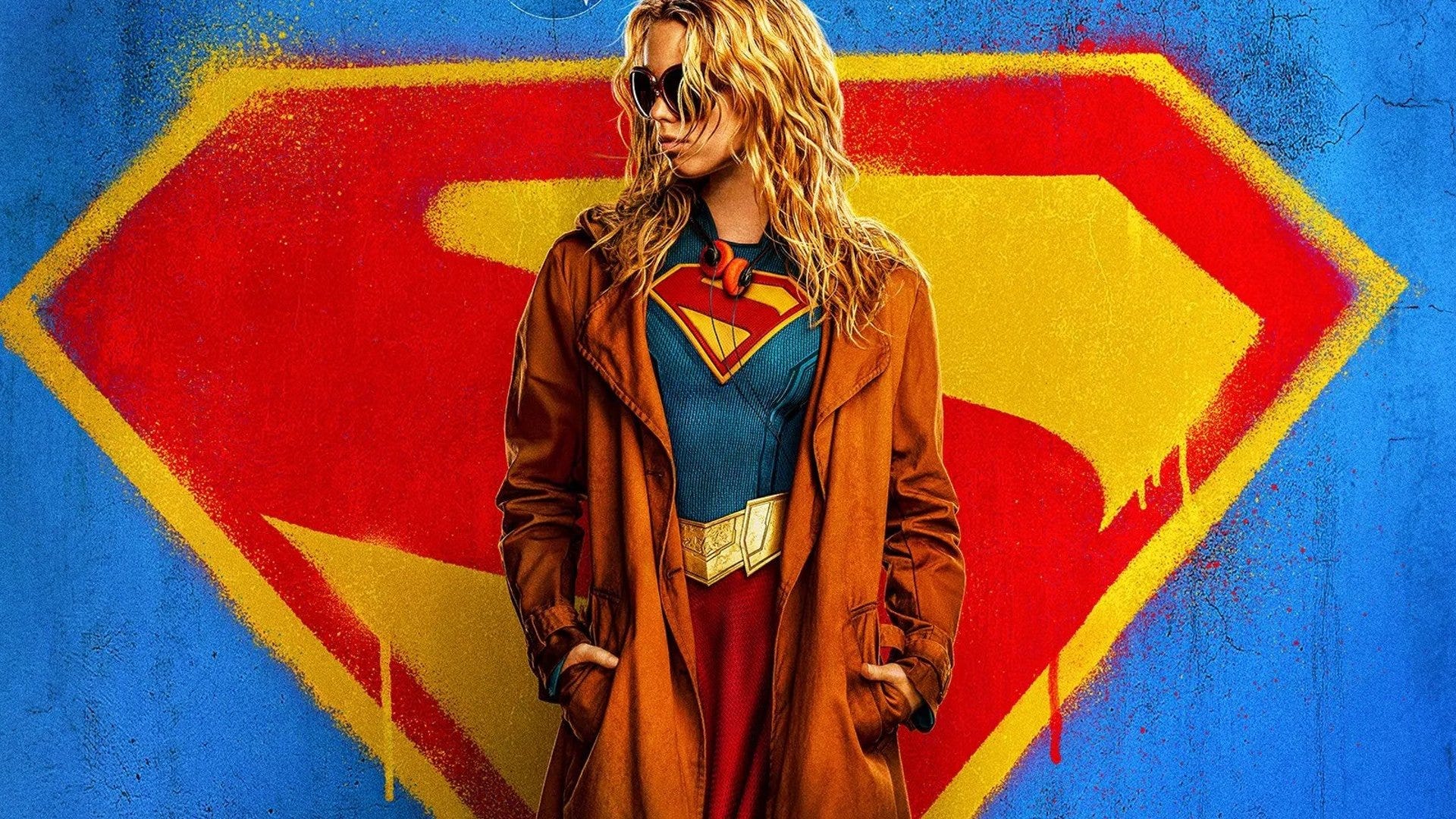
Supergirl arrives carrying the enormous burden of relaunching audience trust in DC’s new cinematic direction.
And while there’s genuine curiosity surrounding the project, superhero films no longer enjoy automatic goodwill.
That shield has cracked.
Audiences now demand one of two things:
genuine originality
or emotional connection
Otherwise they simply wait for streaming.
Timing may hurt the film as much as anything else. Summer 2026 is stacked with giant releases arriving almost weekly. That leaves little room for a movie to slowly build momentum.
Back in the 80s and 90s a blockbuster could dominate cinemas for months.
Now every Friday is a fresh gladiator fight.
If Supergirl feels too familiar or overly formulaic, audiences may move on instantly to the next event movie.
This could quietly become the summer’s biggest disappointment.
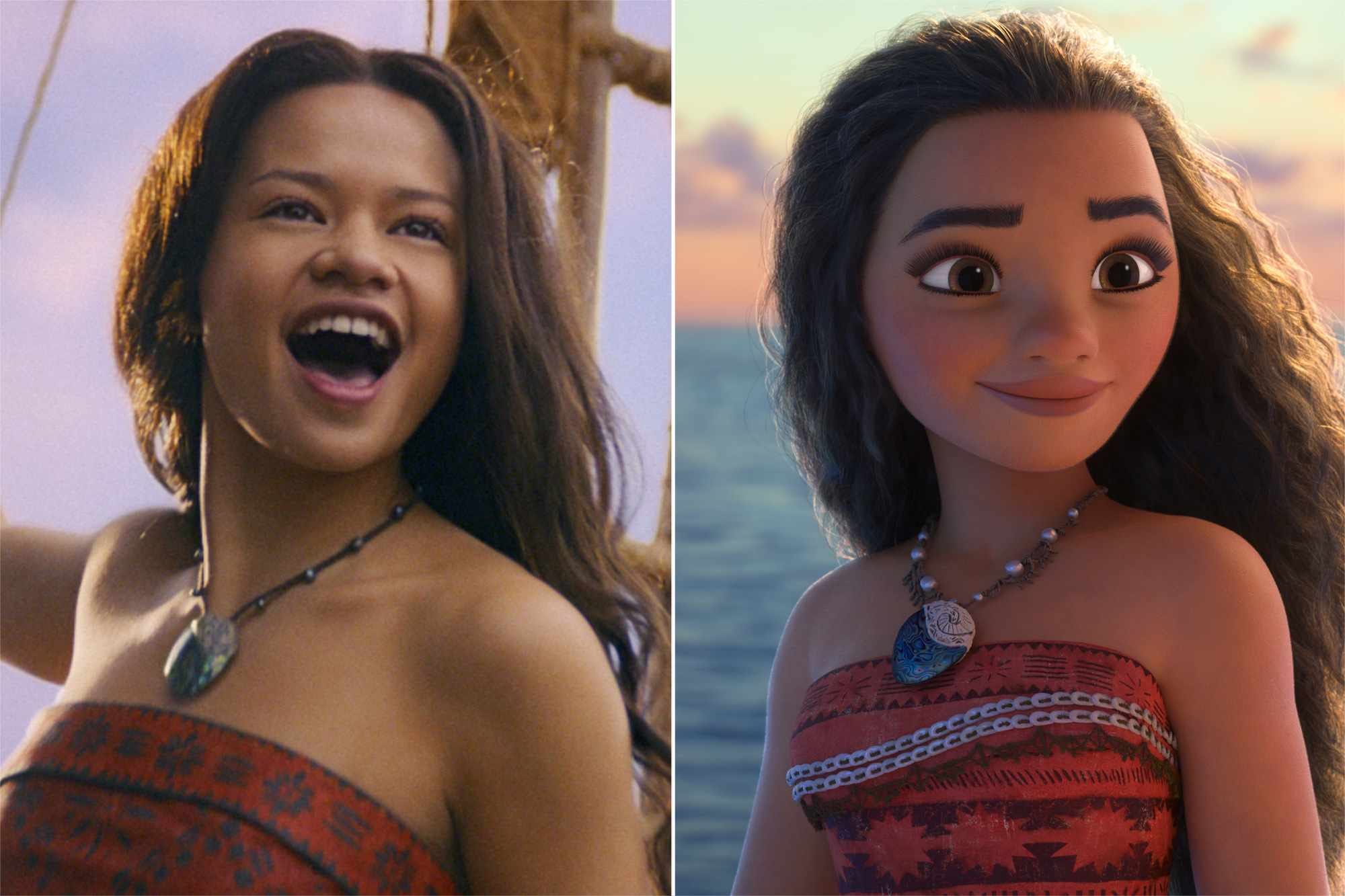
Not because audiences dislike Moana. The original animated film remains hugely loved.
That’s precisely the issue.
Disney may have returned to the property too quickly.
By the time the live action remake arrives, audiences will still be processing Moana 2. Instead of feeling like a major event, the remake risks feeling like yet another version of something viewers already have at home.
There was once genuine novelty to Disney’s live action remakes:
The Jungle Book
Beauty and the Beast
Aladdin
Now the formula feels increasingly exhausted.
Even Dwayne Johnson returning may not be enough to reignite excitement. Johnson remains popular with general audiences, but the untouchable box office aura he once carried has undeniably faded.
This probably opens strongly.
But the second weekend could tell a very different story.
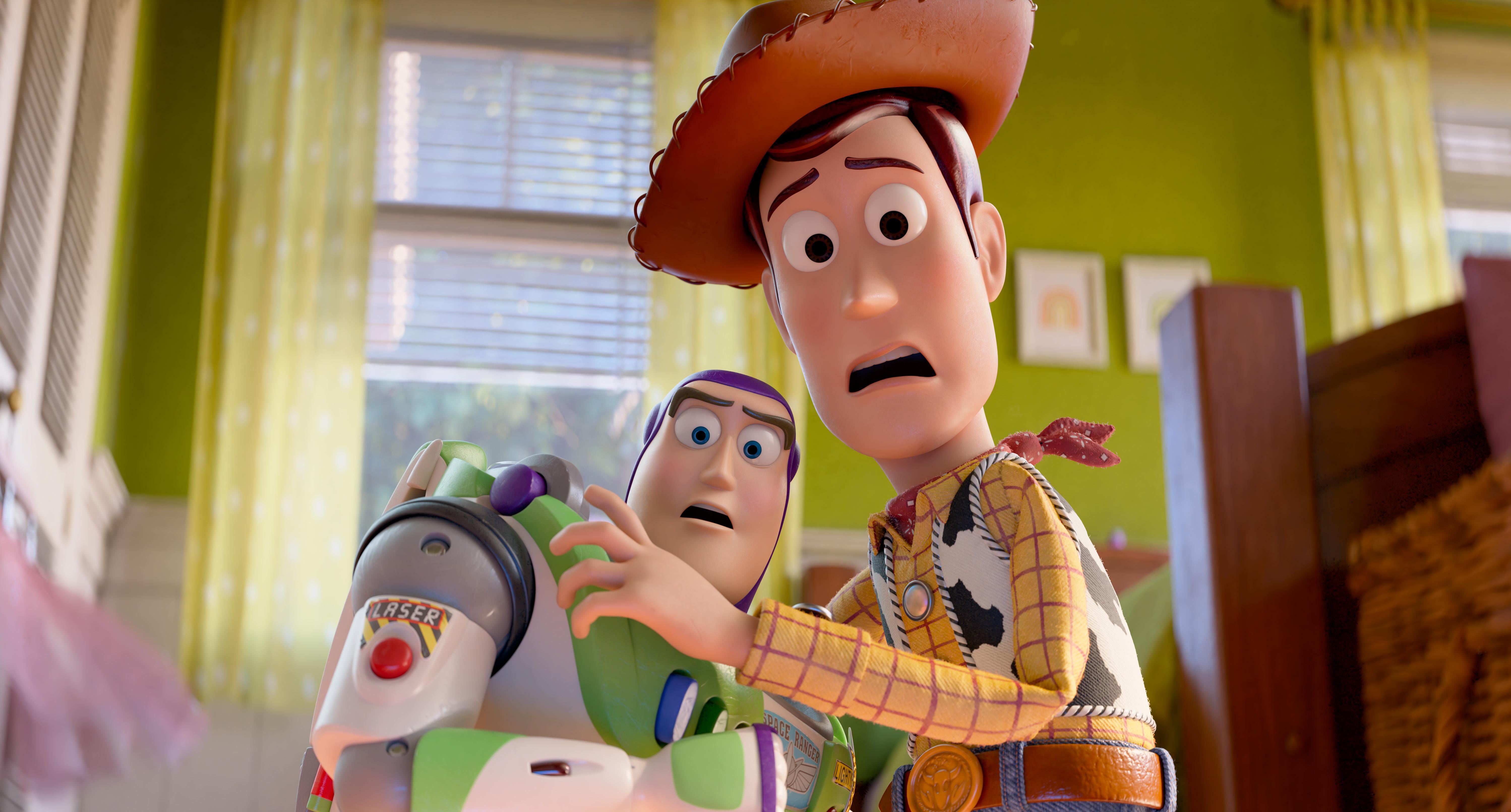
Nobody wants Toy Story 5 to fail.
That’s what makes it such an uncomfortable conversation.
The Toy Story franchise earned extraordinary emotional goodwill across generations. Toy Story 3 already delivered what many considered the perfect ending. Then somehow Toy Story 4 justified its own existence with another surprisingly heartfelt farewell.
So now audiences are asking a difficult question:
Why are we back here again?
The film will absolutely make money. Pixar still commands enormous recognition with families.
But expectations matter.
Disney likely expects another billion dollar phenomenon. That may no longer be realistic.
Part of Toy Story’s emotional power came from closure. Continue reopening endings often enough and eventually audiences stop believing the goodbye means anything.
That’s the danger.
Not failure.
Eroding the magic.
Modern horror franchises increasingly resemble ageing rock bands endlessly touring their greatest hits.
Evil Dead Burn may run into exactly that problem.
The original The Evil Dead worked because it felt chaotic, dangerous and wildly inventive. Its rough edges became part of its identity.
But repeated continuation slowly strips away the unpredictability that made these films special.
The same thing is happening with The Exorcist sequels. Studios keep trying to recreate cultural lightning while forgetting those originals belonged to very specific moments in cinema history.
You can revive a franchise.
You cannot manufacture shockwaves on command.
Modern streaming culture has also flooded horror audiences with endless content. Being “another horror sequel” no longer guarantees attention.
For younger audiences there’s also a genuine possibility many barely know the originals beyond memes, GIFs and YouTube clips.
Sometimes preserving a classic matters more than endlessly extending it.
“The originals felt dangerous because nobody knew if they should even exist.”
Then there’s the exception.
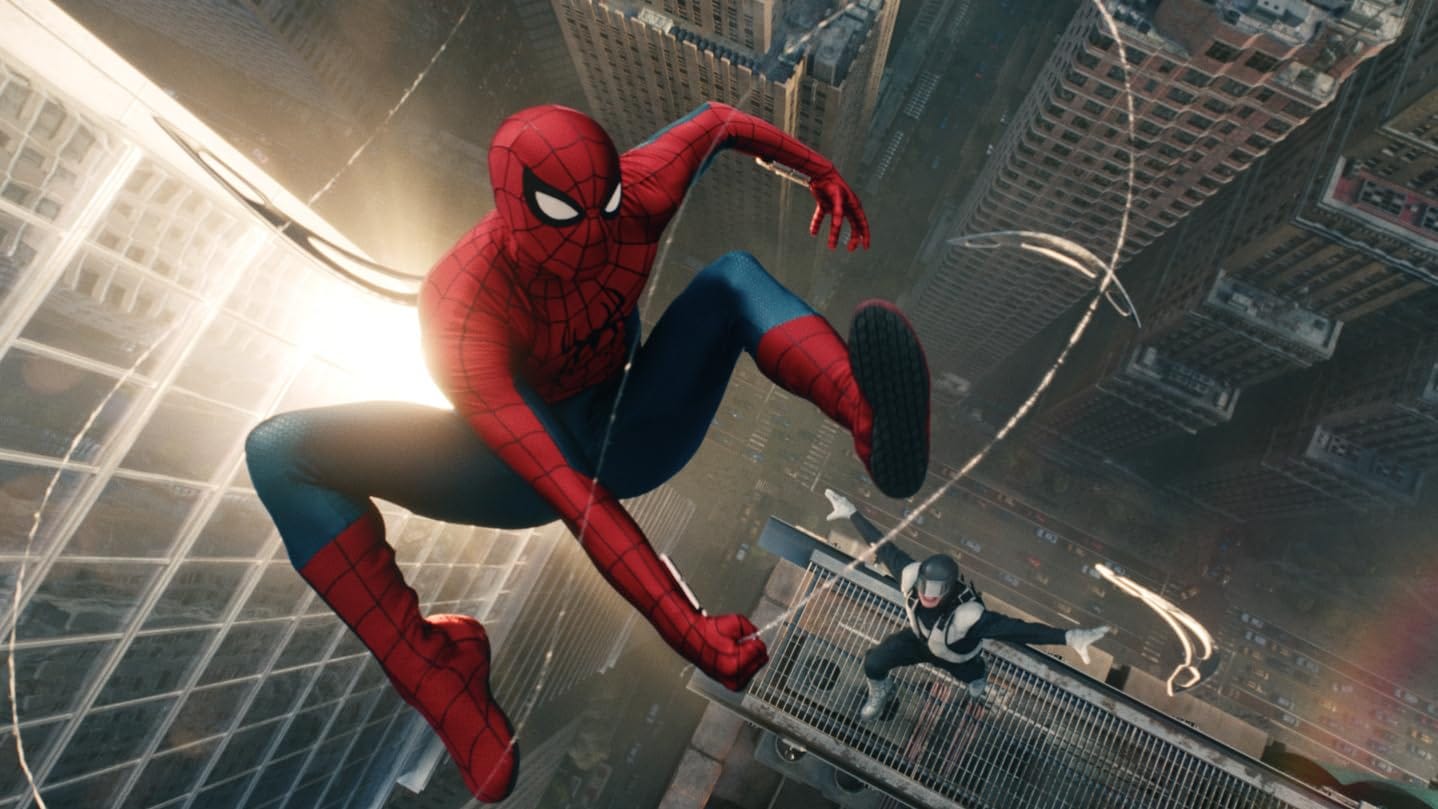
Spider-Man: Brand New Day looks positioned to dominate.
Because unlike many modern franchises, Spider-Man still maintains genuine emotional connection across generations.
Kids love Spider-Man.
Adults grew up with Spider-Man.
Every generation has their Spider-Man.
Most importantly, audiences still treat these films like events instead of obligations.
That distinction matters enormously in 2026.
Unless the marketing completely collapses, this feels like one of the safest bets of the entire summer.
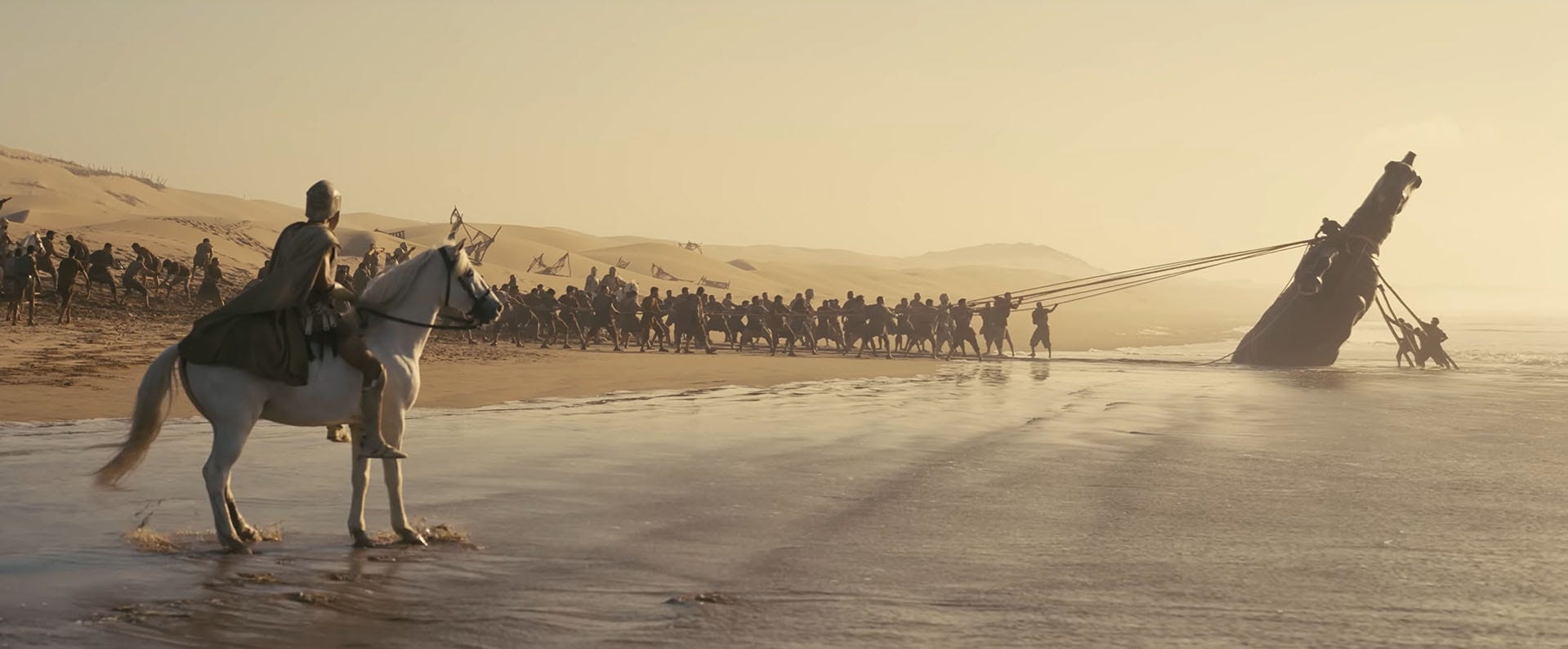
The Odyssey already carries prestige simply because Christopher Nolan’s name now guarantees theatrical credibility.
But expecting another Oppenheimer level phenomenon may be unrealistic.
Oppenheimer became more than a movie. It became a cultural event fuelled by:
Barbenheimer momentum
awards buzz
social media conversation
premium screen urgency
That kind of phenomenon is exceptionally rare.
The Odyssey should still perform strongly because audiences trust Nolan. But ancient mythology is a more challenging mainstream sell than a real world historical drama wrapped in IMAX spectacle.
And despite endless online outrage cycles surrounding casting debates involving Lupita Nyong’o, mainstream audiences generally care far less about internet discourse than social media believes.
Most people still just want a good movie.
A radical concept in modern franchise culture.
And then there’s the wildcard.
The movie many people already assume will fail.
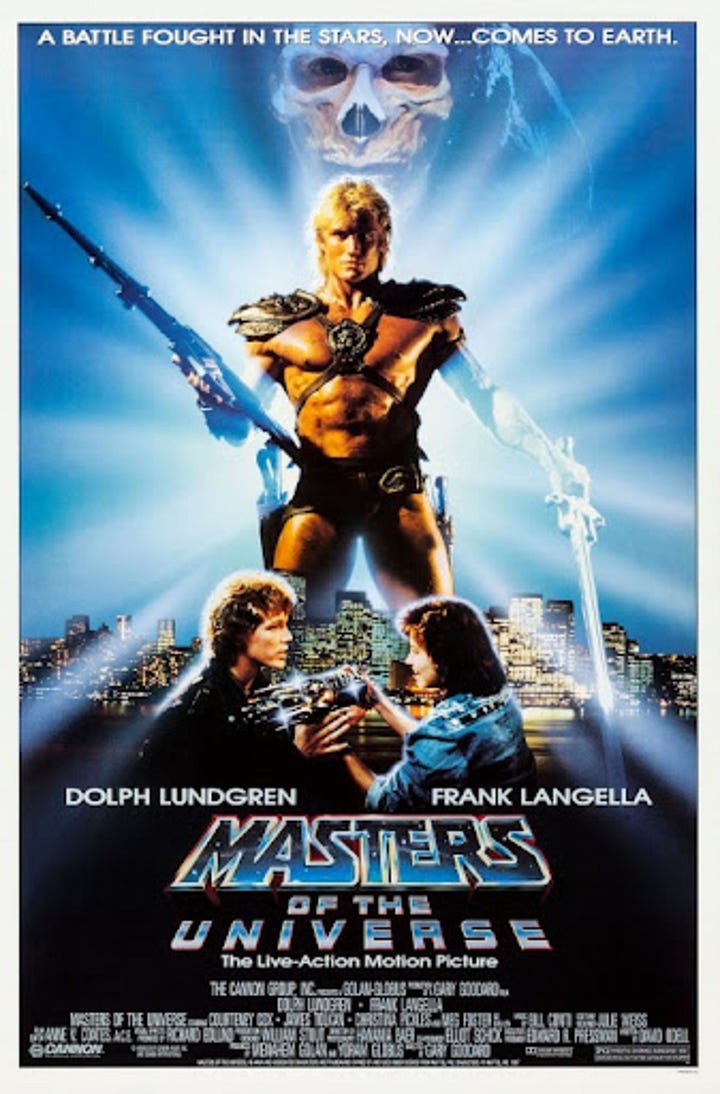
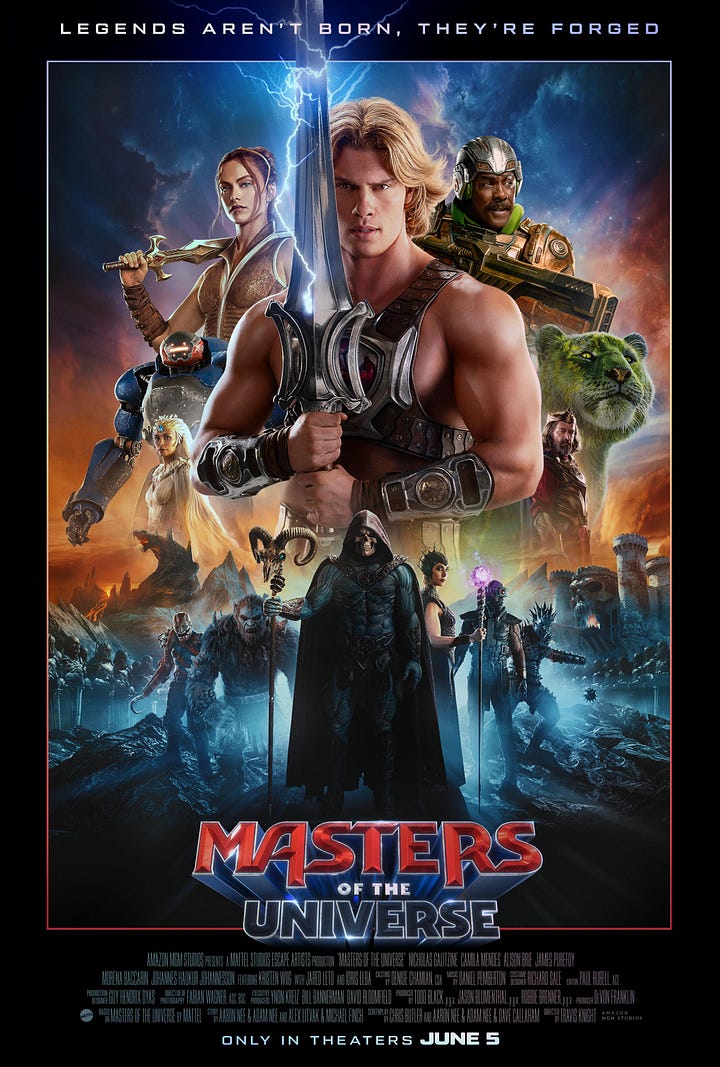
Which is exactly why Masters of the Universe could become Summer 2026’s genuine breakout crowd pleaser.
Because unlike many modern blockbusters, this film appears to understand something crucial:
Audiences miss sincerity.
Not smug self awareness.
Not endless universe building.
Not corporate irony disguised as humour.
Just straightforward fantasy adventure.
Early buzz surrounding the film has reportedly been surprisingly strong and there’s been a very clever goodwill strategy emerging around the project.
Dolph Lundgren appearing at premieres and press events alongside the new Adam/He-Man actor instantly connects generations of fandom while signalling affection for the original 1987 film.
And yes, the original movie was flawed.
Deeply flawed.
But audiences still love it because it possessed something modern franchise filmmaking often lacks:
Earnestness.
It believed in itself.
If the new version captures even a fraction of that spirit while delivering modern spectacle, it could become exactly the sort of escapist blockbuster audiences have been craving.
Especially in a summer overloaded with formula.
“Sometimes the movies we grew up loving imperfectly are the ones we never truly let go.”
This summer is not really about superheroes versus nostalgia.
It’s about value.
Hollywood spent years teaching audiences to stay home:
shortening theatrical windows
prioritising streaming
flooding the market with content
and convincing viewers patience saves money
Now studios are discovering audiences listened.
People still love cinema.
They just no longer believe every franchise deserves immediate loyalty.
That’s why Summer 2026 could become one of the most important box office periods in years.
Because the winners won’t necessarily be the films with the biggest budgets.
They’ll be the movies audiences genuinely feel they need to experience together in a dark room with strangers.
The old formula was:
Big IP equals guaranteed success.
2026 may finally prove that equation is dead.
And honestly?
Hollywood probably needed the reminder.
Comments
Nothing yet. Say the first thing.
Sign in to join the conversation.