
Hey friends,
When we hear the names Claude Monet and Vincent Van Gogh, stylistic paintings and unique masterpieces come to mind. Even if you’re not an art enthusiast, your brain likely conjures a painting or two.
When these two names are mentioned together, we’re pushed to think of the differences between them. Perhaps it’s their association with Impressionism (or post-Impressionism for Van Gogh), or perhaps it’s the dichotomous throughlines of the success story and the tragedy, the artistic triumph and the struggle against the relentless shadows of mental illness.
The Monet many think of is a man who lived into his mid-80s and painted the carefully crafted water lilies outside of his picturesque, countryside home. Van Gogh’s tale, in stark contrast, is one of beauty and loneliness, of a brilliant artist who took his own life at the age of 37. It wouldn’t be until after his death where he would be recognized for his genius, and his is one of the most powerful stories associated with the term “struggling artist.”
There is truth to each of these summations. In his later years, Monet was able to move into, and eventually purchase, an incredible home with money earned from selling artwork. Van Gogh, through all of his artistic life, struggled to maintain friendships, a steady job, and financial stability, often relying on family and friends to help him continue to create.
We focus on these impressions of these artists because they’re the last ones each artist made. For the first half of Monet’s life, he, too, struggled financially, often bankrolled by fellow artists and patrons who appreciated his work. For Monet, a stable domestic situation, and ultimately his success story, came after decades of struggling to sell his works.
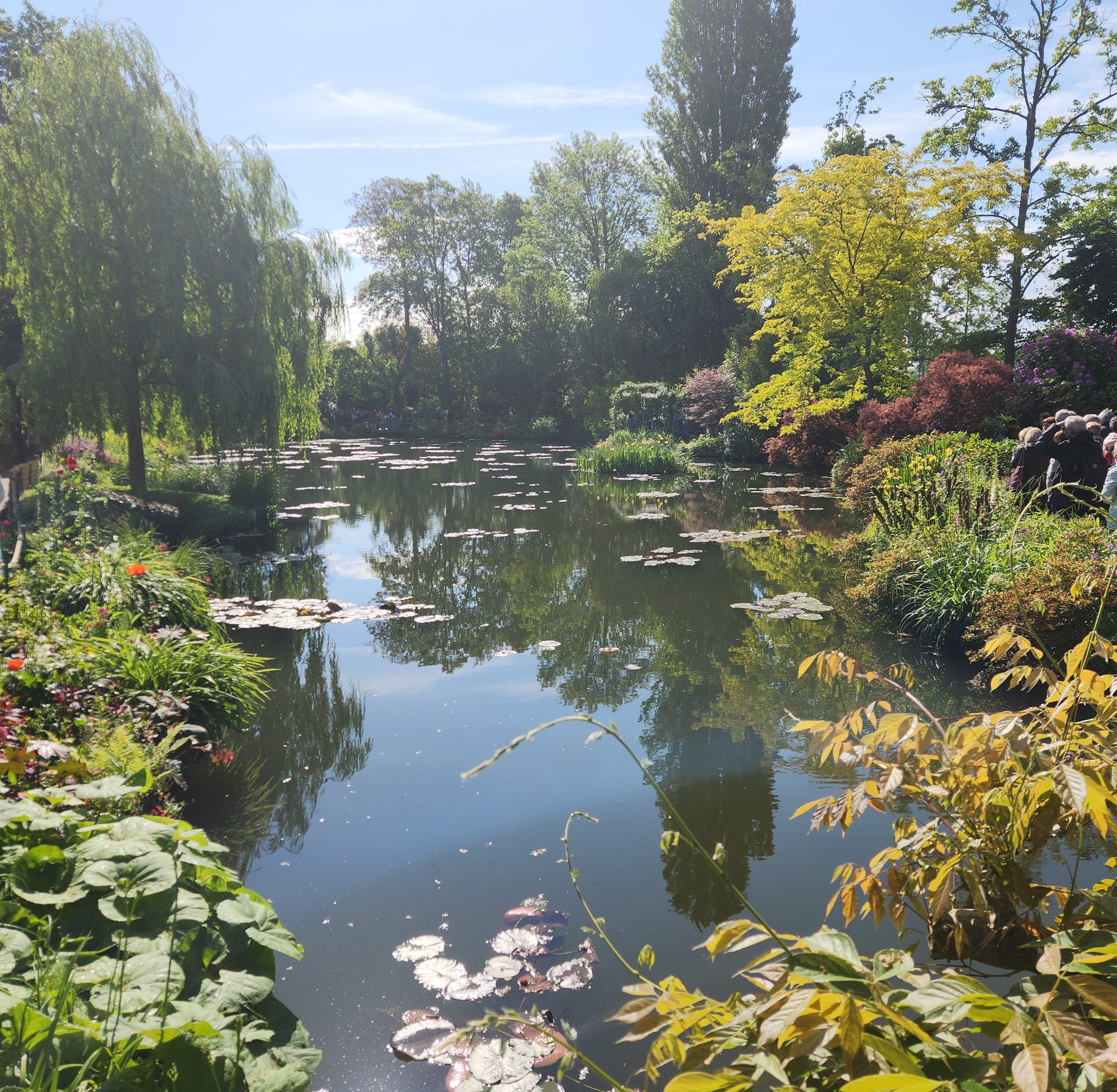
My wife and I visited Giverny recently and walked through Monet’s garden and around his lily pond. We also visited Auvers-sur-Oise, where Van Gogh spent the final months of his life, living in a small, bare room above a cafe, which allowed him space enough to pursue his art.
Our visit was part of a tour, and our guide let it be known that pairing both of these destinations was done so with intention. Each location was the lasting impression for each artist. They’re both buried here; Monet in Giverny with his family and Van Gogh in Auvers-sur-Oise with his brother.
In each location, you can see where they took their inspirations. Monet’s is on full display, with a reconstructed garden that carefully follows the detailed instructions he gave to his gardeners. With Van Gogh, it’s down every road and against every backdrop. From unearthed tree roots along the right road to the village’s church to the wheat fields a few minutes away from the cemetery, you see it all around you.
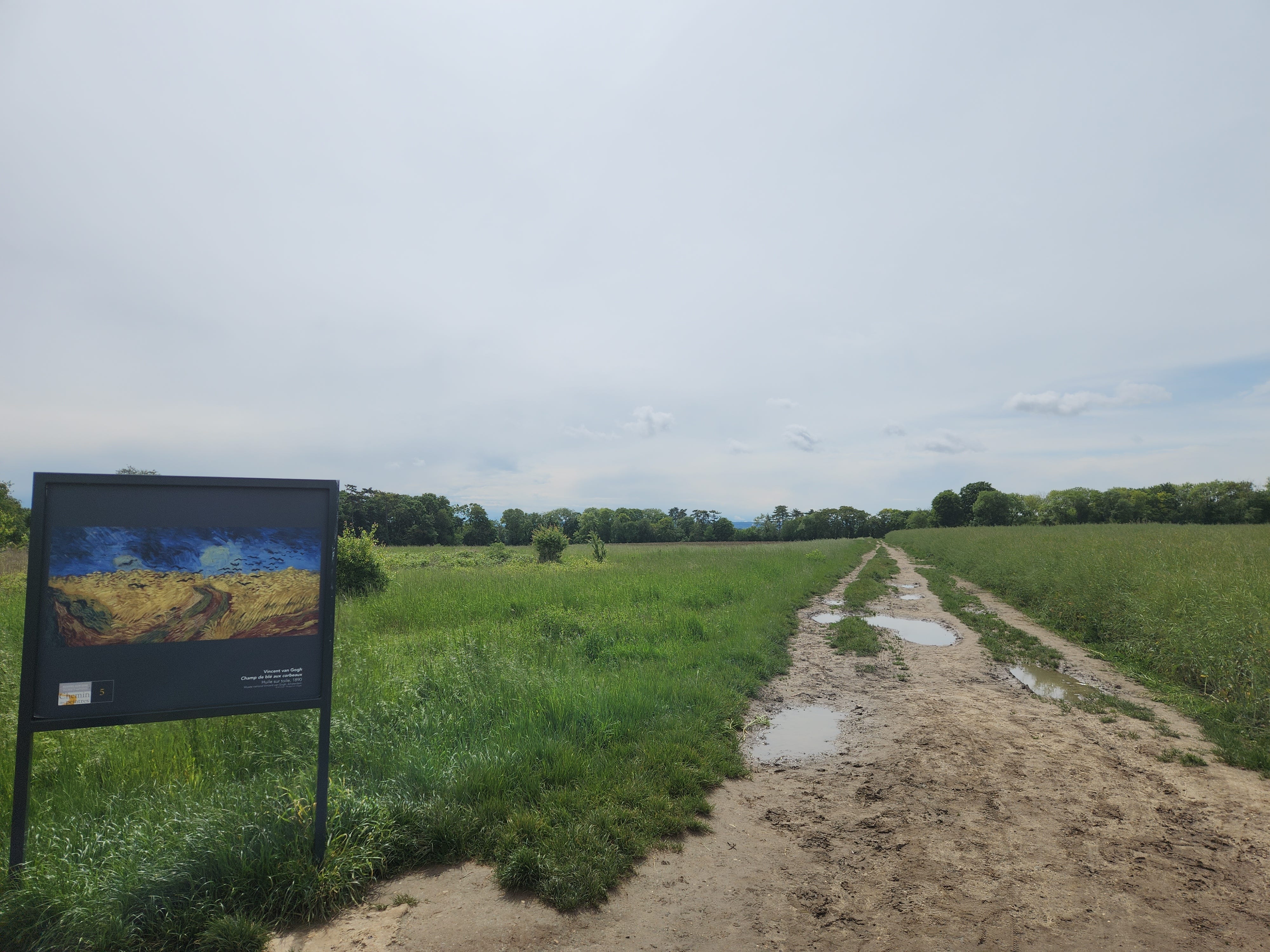
It’s 2026, which means we’ve now celebrated each of these artists for a century or longer after their deaths. Their impact on the world has been nothing less than monumental, with tourists and the creatively inspired trekking to these destinations to embrace that vision and imagination.
Our guide made it a point to tell us, at the start of our tour, that Van Gogh succumbed to a self-inflicted gunshot wound at the age of 37. Monet, on the other hand, didn’t really find financial success until he was nearing his mid-40s. Both struggled, but only one endured long enough to see his unique creations finally resonate with an audience. This is meant to evoke a gnawing wondering if Van Gogh might have seen something similar, if only he was able to hold on for a few more years.
If only.
I write all this to you because it’s natural for each of us to wonder if we’ll ever find our audience, myself included. We’re compelled to create, and there’s a certain satisfaction that comes with having been able to use our imaginations to conjure up something wholly original and true to ourselves. There’s also a yearning and a need to connect with someone once we’re done, to share and relate and feel… together.
I recently interviewed Juancho Vélez, a comic book colorist I greatly admire, for Chronicle Chamber. His colors, work, and attention to detail inspires me. Watch our conversation here:
You’re reading this right now. Somehow, some way, through chance or networking or some kind of connection, I found you. I’m willing to bet there are those in your orbit waiting for your next work. The more you create and longer you endure, the more your orbit grows, pulling in new fans, readers, and like-minded spirits.
We make connections every time we share a part of ourselves. Sometimes it’s at a day job. Sometimes it’s a chance encounter in the public. Sometimes it’s networking with the right person. However we find each other, it only accelerates and grows with each passing day.
Whenever you feel like giving up, don’t. Keep going. Keep creating. Keep fighting for your space, your imagination, and your wild, zany ideas. There’s someone out there, perhaps not yet in your orbit, who needs them. Years from now, perhaps that someone will be in a museum halfway across the globe, ensnared in awe at that piece you poured so much of yourself into.
Each day brings something new. Play the odds. Finish your latest creative piece and get to work on the next.
Did you enjoy reading my adventures to third spaces in-between issues of Because We Can? Books & Boards has officially moved to its own list. Read the most recent Books & Boards issue, where I visit City Lit Books, here:
Read Adventure 4: City Lit Books
P.S. If you like this newsletter and want to pay it forward, there are four ways to show your support.
Hit the like button, or leave a comment.
Buy a digital copy of MACHINE: A Cybernetic Fairytale on Itch.io or Amazon.
Forward this to a friend with an invitation to sign up: https://scottwaldyn.substack.com/about
Hit the ReStack button, and share with other Substack users.
This short story of mine, “Night Sky,” is one of my personal favorites, and I think it’s fitting for this issue.
P.P.S. Here are the latest happenings in my neck of the woods:
Phantom 2040: A New Shadow is back, and with it, so are my reviews! This week I reviewed Phantom 2040: A New Shadow Episode 19 for Chronicle Chamber.
No AI is ever used in the writing of Because We Can.
Comments
Nothing yet. Say the first thing.
Sign in to join the conversation.