
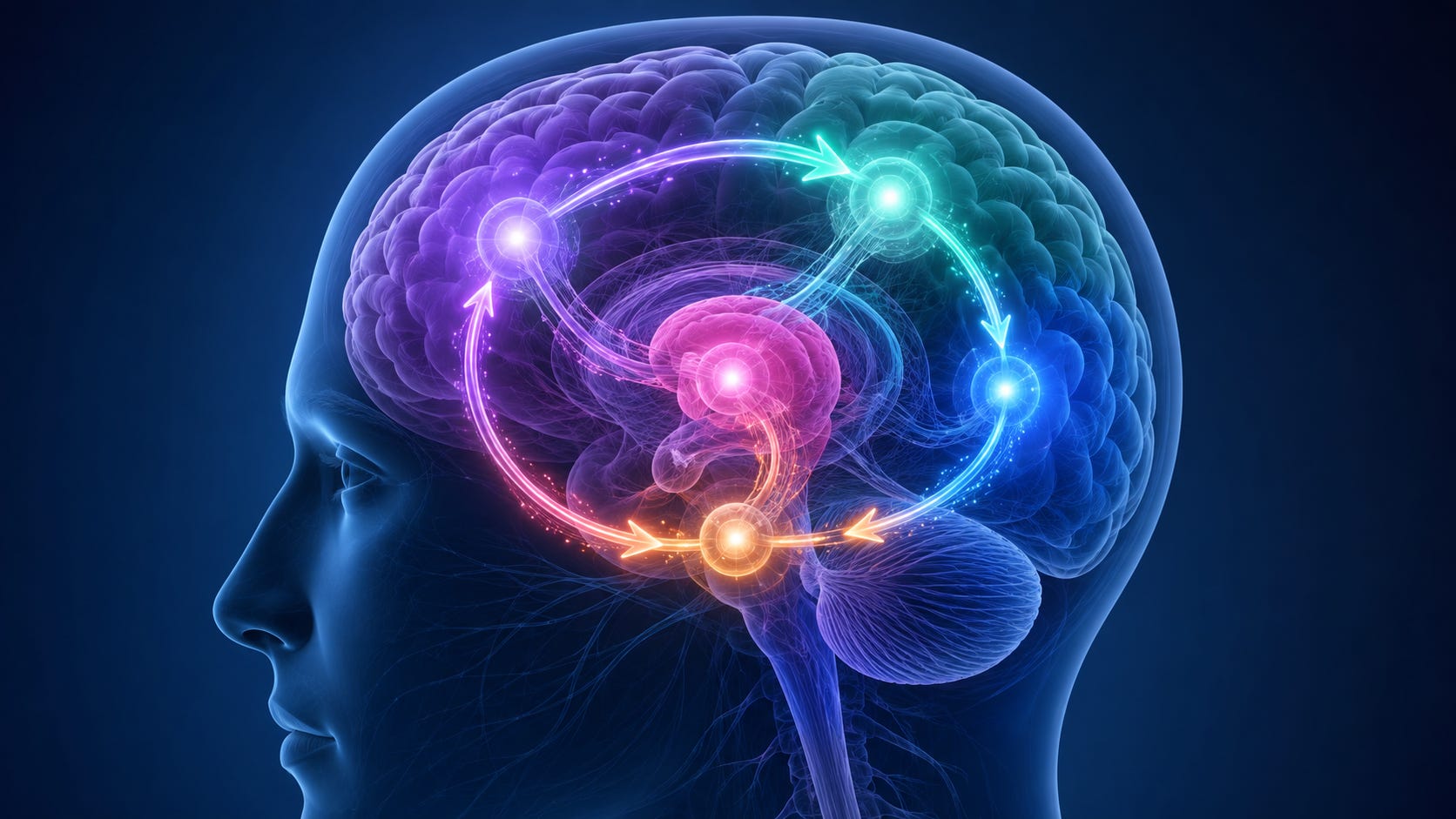
Researchers from the Max Planck Institute for Empirical Aesthetics in Germany point out that 14 major theories of consciousness have one thing in common: feedback loops. They say we should take this as a clue and suggest that loops operating at different scales may produce different aspects of consciousness, from being conscious at all to perceiving something and being able to report it. If they are right, this could give researchers a common experimental target in a field fragmented into more than 200 competing theories. Paper

Researchers from Purdue University in the US argue that many dinosaurs were killed by extreme heat within hours of the Chicxulub asteroid impact. The standard theory has it that the impact threw up a lot of dust into the upper atmosphere which blocked sunlight. Plants then perished globally and dinosaurs died with them. The authors of the new study now say the dinosaurs’ fate was much more gruesome: A lot of the vaporized rock from the impact fell back down to earth searingly hot due to air friction and ignited vegetation all over the planet. Most severely affected would have been large land animals that had no way to seek shelter, such as the dinosaurs. Paper
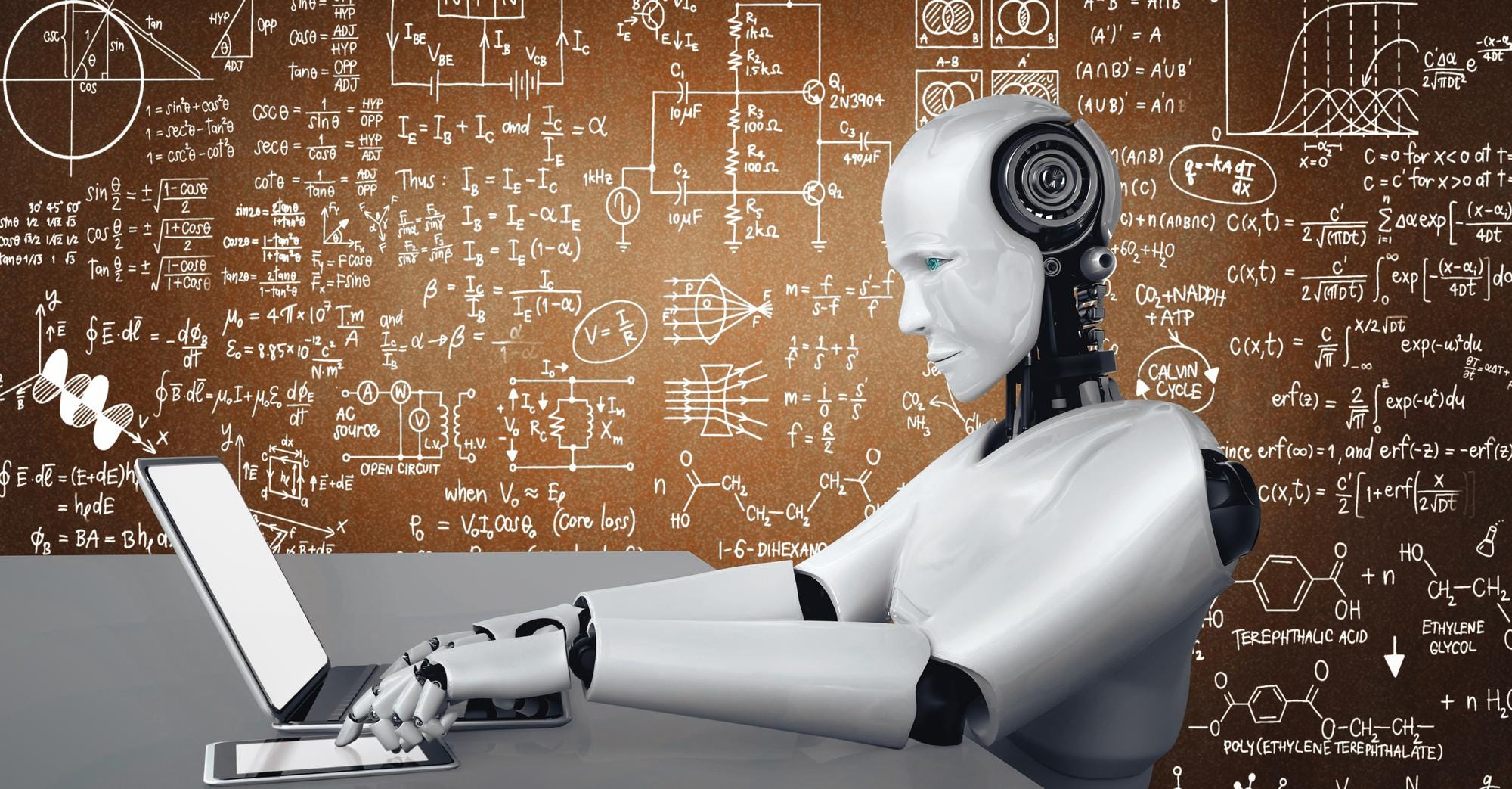
An increasing number of mathematicians are accepting that large language models are now capable of serious maths, and that mathematics can likely be entirely automated in the near future. Especially young people just entering the field are caught between depression and anger. Graduate student Tasmin Chu thinks that mathematics is in an “existential crisis” and calls for a “moratorium on using LLMs to prove novel mathematical theorems.” Assistant professor Max Weinreich has written a preprint in which he makes “the case for total opposition to the use of artificial intelligence in mathematics”. Postdoc Alexis Marchand argues that LLMs are evil because they contribute to the climate crisis, and PhD student Kirwin Hampshire thinks he is “going insane” and he is “suffering a profound spiritual crisis due to these developments.” Assistant professor Daniel Litt meanwhile has given a more or less serious And that is a valid concern, but you can — and indeed I think you should — ask the same question about papers written by humans. Who reads them? Who benefits? Who cares? In most cases, the answer has been “basically nobody” for a long time.
Pure mathematicians are in this regard actually in a good position because they never claimed that they were of any use for anyone other than themselves. The situation is considerably more dire in other areas of academia where the AI-driven proliferation of useless publications will merely highlight the fact that the papers written by humans in these disciplines are also mostly useless junk. Personally I’ve always thought of mathematics more as a mix of art and sport than an academic discipline, and that’s why I think maths will survive as a human endeavor in some way. But academia is about to dramatically change. Fun times ahead.
No posts
Comments
Nothing yet. Say the first thing.
Sign in to join the conversation.