

I’ve been watching an old argument fade in real time.
The one about which stories count, which tools are legitimate, and which mediums deserve “serious” creative work.
Not with any dramatic reversal or because someone made an announcement.
The argument is just quietly losing its purchase (or perhaps everyone’s just focused on AI).
Andy Serkis described one version of it with excellent, and earned, clarity in a conversation with Variety. If you don’t know Serkis is the actor behind Gollum, Caesar in the rebooted Planet of the Apes trilogy, and a career’s worth of motion-capture performances that changed what audiences thought screen acting could look like (he’s an incredible actor and artist). While talking with Variety, he talked about his early days working with Ninja Theory on Heavenly Sword for PlayStation 3, back when actors looked down on video games. Looked down on them openly. Being attached to a game wasn’t a credit; it was something you explained away.
“Now,” Serkis said, “young actors coming out of drama schools are like, ‘I really want to be in a video game.’”
The irony isn’t subtle.
In the world we live in, not too many years later, Hollywood is using video game engines to drive previs for major action sequences. Cinematographers are using those same engines to place light sources, to plan where the moonlight lands in a shot before a single frame rolled.
The tool everyone was too proud to acknowledge is now a major part of the machine making the films they want to be in. “It’s an essential tool of modern filmmaking.”
That arc is what I keep coming back to.
It’s not just about video games or acting. It’s a pattern that runs through every storytelling medium. Photography wasn’t painting. Cinema wasn’t theater. Television wasn’t film. Digital tools weren’t real craft. And in each case, by the time the cultural argument had a winner, the most interesting work was already being made by people who hadn’t waited for one.
What’s different now is the scope of what’s accessible. The tools to tell a story the way you want to tell it, to design the world around it, to publish it and reach the people who’d want it. The distance between having a story and being able to make someone else feel it has shortened. Not collapsed, but shortened in ways that still haven’t fully landed in how we talk about creative ambition (partly due to major swaths of creatives, some justified and some misguided, refusing to engage with the conversation).
But as most things: the tools don’t make the art.
Serkis was explicit about this. He approaches a video game character the same way he’d approach a character in a film or on stage: read the brief, understand the arc, build from the inside out. The approach is the craft. It doesn’t change because the screen is different.
What I keep seeing in the work that breaks through right now is a combination of three things:
A genuine curiosity about the available tools, without being distracted by novelty for its own sake. They’re asking what each tool can help them say, not just what it can do.
A grounding in what storytelling actually requires: tension, specificity, earned emotion, the restraint to know when to stop. Not the fundamentals because they’re trendy. The fundamentals because they’ve been the fundamentals for thousands of years. They don’t stop being true because the delivery mechanism changed.
And: Not. Waiting. For. Permission.
That last one is load-bearing.
Permission culture in storytelling runs long and deep. You write in the approved form, through the approved channels, for the approved audiences, until someone with the right credentials calls it legitimate. That apparatus still exists. It still has real power in specific contexts. But it’s no longer the only path, and (in my opinion) it’s not the most interesting one.
The platform to publish the essay exists (👋). The tools to design the book exist. The engine to build the world exists. The ability to reach the readers, the listeners, the players, the viewers who would want what you’re making: that all exists too.
What someone at a studio or a publisher or a gallery decides is a “real” story has never been less relevant to whether you can actually tell it.
What remains, honestly, is just this: whether you have a real story to tell, the craft to tell it honestly, and the willingness to start without waiting for someone to tell you it’s okay.
The permission you’re waiting for isn’t coming. Not because the gatekeepers won’t grant it. But because you never needed it in the first place.
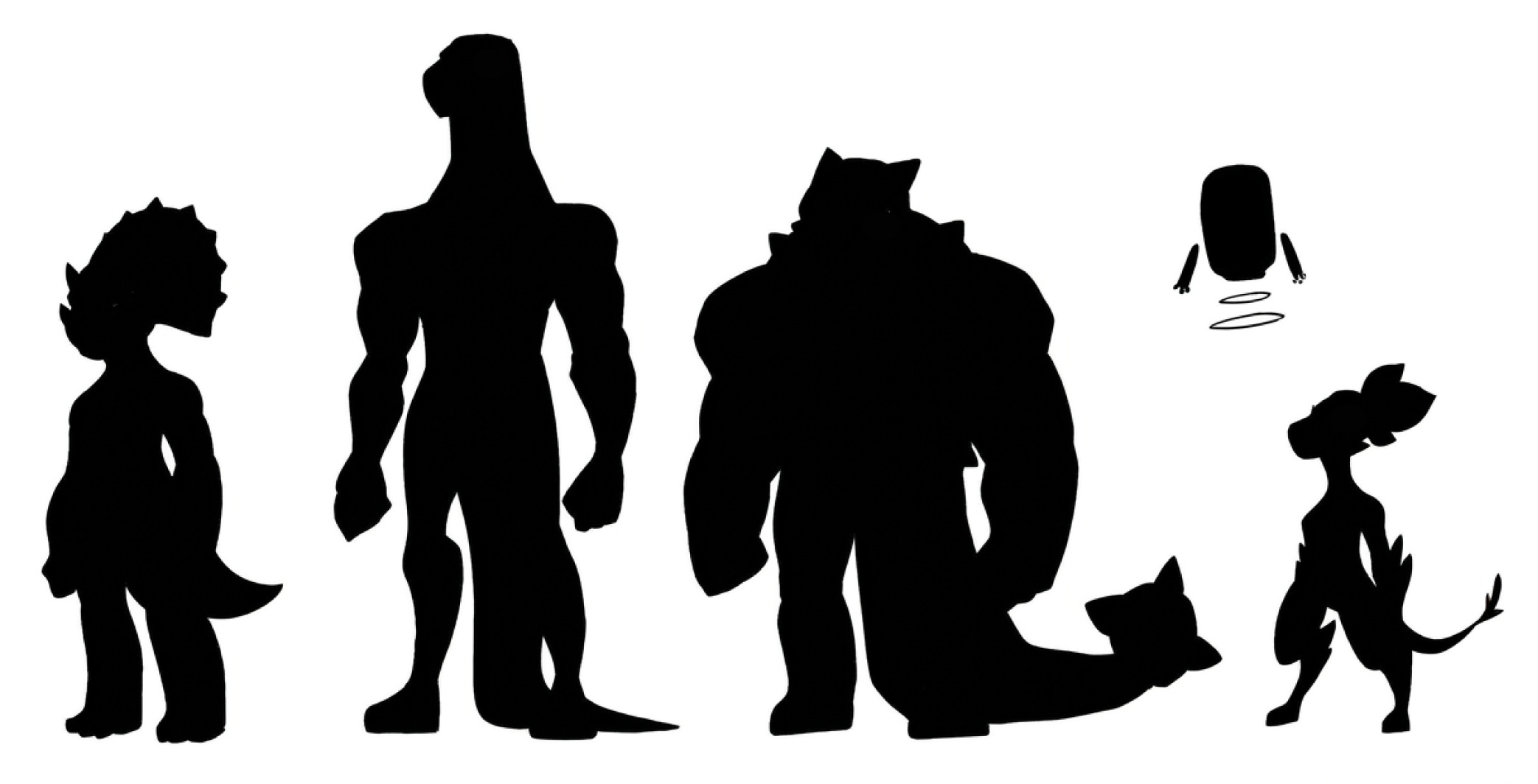
Original Animated IP. Logline:
In a universe where high-stakes races keeps the peace, the newly-formed Space Dinos team gets derailed when two human stowaways turn their galaxy upside down.
Accomplished:
Several rounds of character development on the main dino cast. Really encouraged by the progress so far.
Locked in the socials.
Goal for the next two weeks:
Lock in the character designs, unlocking next steps of development, and logo 🚀 🦕
I previously had two other projects - an original screenplay, The Lost Elf, and a story craft software, Arcboard. I’ve stepped back from these temporarily as we go deeper on Space Dinos, and juggle other obligations.
As always, thanks for being here.
Be well. Excelsior,
Will
Learn more about why I write here.
If this resonated with you, consider passing it along to someone who might appreciate it.
Thanks for reading Saturday Morning! Subscribe for free to receive new posts and studio updates.
Comments
Nothing yet. Say the first thing.
Sign in to join the conversation.