
We only have one word for it: love.
Love covers the college student texting “I can’t live without you” and the couple married forty years whose “I love you” has worn soft with use. It covers the connection that feels desperate, consuming, and constantly wanting, as well as the one that steadies you.
Erich Fromm, in The Art of Loving, drew the line between what he believed were two entirely different kinds of love: “Infantile love follows the principle: ‘I love because I am loved.’ Mature love follows the principle: ‘I am loved because I love.’” The order of the words is everything. One version of love begins with what you receive. The other begins with what you generate. They can look identical from the outside, the same dinners, the same anniversaries, the same photographs, and still be two different experiences entirely.
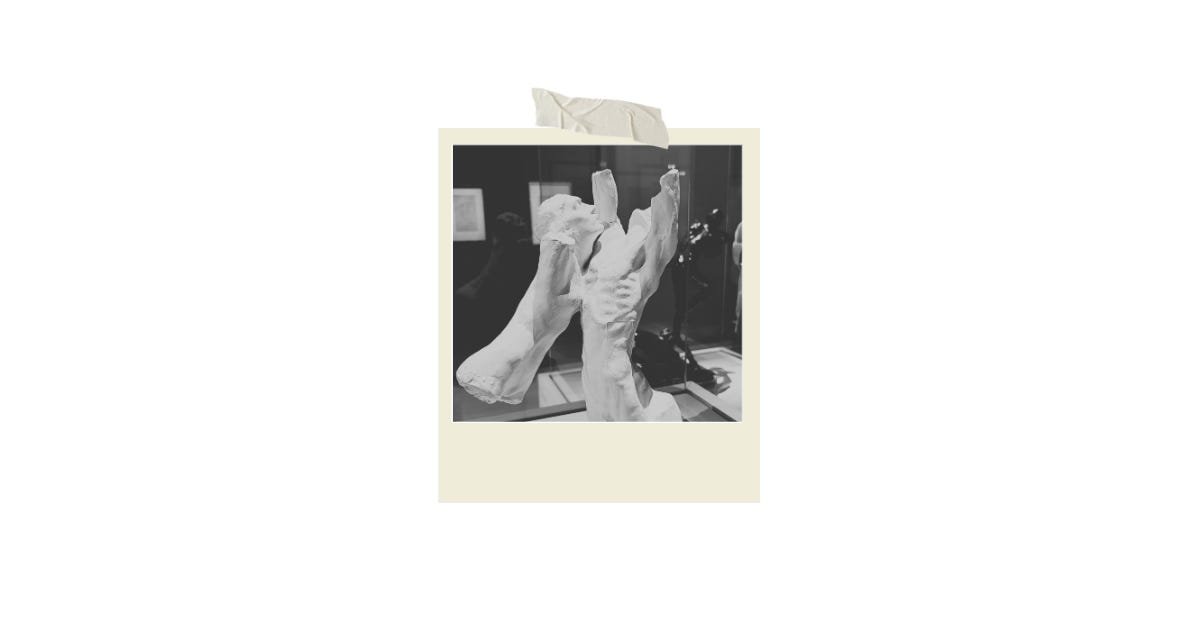
When being loved comes first, the other person arrives as a source. A cure for loneliness, a sedative for anxiety, proof, at last, that we are wanted. We don’t quite see them; we see the supply. And anyone who keeps the supply coming will do, which is why this kind of love is so interchangeable, and so panicked about being left. You cannot be calm about losing your anesthetic.
This is not a character flaw so much as an origin point. Infantile love is called infantile because it’s the first love we ever knew: the love of an infant, who cannot generate warmth, food, or safety, and can only receive it. That dependency was appropriate once. The trouble starts when adulthood arrives and the structure doesn’t update with it: we go on relating to grown partners the way we once related to a parent, as the source of something we cannot supply ourselves. The relationship stops being between two people and becomes a search for a refill.
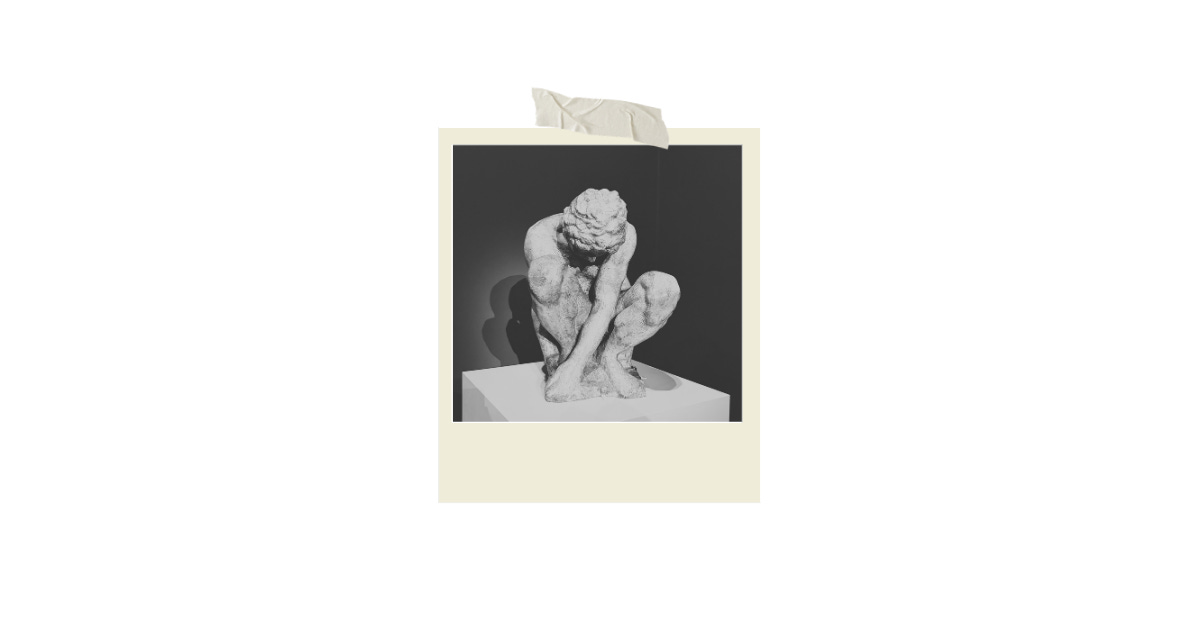
When your own capacity to love comes first, the need doesn’t disappear, but it changes shape. It’s no longer a need for any warm body willing to provide, but a wanting to give this particular person your attention, to know their laugh, their particular way of showing up. That need is simply the price of letting someone specific matter.
So the question, in love, is never only who you chose. It’s what you chose them for: to complete something unfinished in you, or to witness something already whole.
Mature love is a harder love to describe because it makes for a less dramatic story. There is no cliff-edge longing, no proof required, no refreshing of the phone. Mature love is not dependent on what it receives. The clearest sign of it is generosity that doesn’t keep score. Mature love can be disappointed without concluding it was a mistake to love at all. It can give without immediately calculating the return, not because it doesn’t notice imbalance, but because its sense of being loved was never staked on winning the exchange in the first place. So the question a mature lover asks isn’t what can I get from you, or do you still choose me. It’s closer to what does this person need from me today, and can I give it. The center of gravity has moved from the self that only needs to the self that offers.
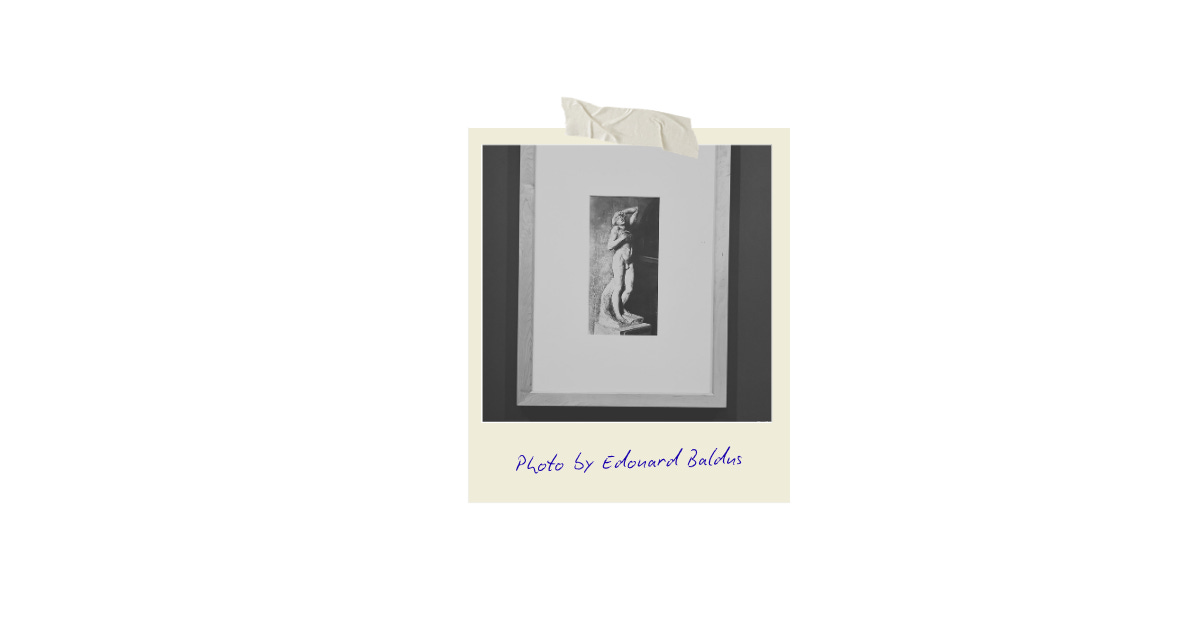
None of us begin as mature lovers. We begin exactly where Fromm says we begin: needing, taking, testing. Growing up, in love as in everything else, is the slow work of turning yourself from solely a recipient into a source.
Complete the sentence:
The moment I noticed I was loving, rather than just needing to be loved, was ____________.

My book, “It’s On Me,” is currently 50% off. It’s written for anyone looking to mature.
Thank you for being here!
No posts
Comments
Nothing yet. Say the first thing.
Sign in to join the conversation.