
Grenache is poorly understood—most likely, you’ve only encountered the grape in a so-called “GSM” blend, consisting of Grenache, Syrah, and Mourvèdre and often presenting itself as a chummy, overly-alcoholic red blend with grocery store-shelf vibes.
On the other hand, you may have eye-balled Grenache-heavy blends on a wine-list at your local upscale restaurant and thought: Châteauneuf-du-Pape, isn’t that the one with the incredibly aristocratic label, a seal of arms and the fancy font? Château Rayas, a cult Grenache at… $800!?! No, thanks. Or what about a nice Tavel, a rosé-ish/light red—but that’s pricey, too. Maybe you’ve tasted an Australian Grenache that was so alcoholic, it could’ve been Port. Or you’ve had it in the form of a perhaps-overpowering sweet wine, under the name Maury.
And so you think: None of these are for me. Grenache isn’t for me.
But wait! I implore you from behind the screen of my embattled Macbook air, where the vowel keys are all unrecognizable because I have pummeled them to death with my fingertips over the course of writing two wine books.
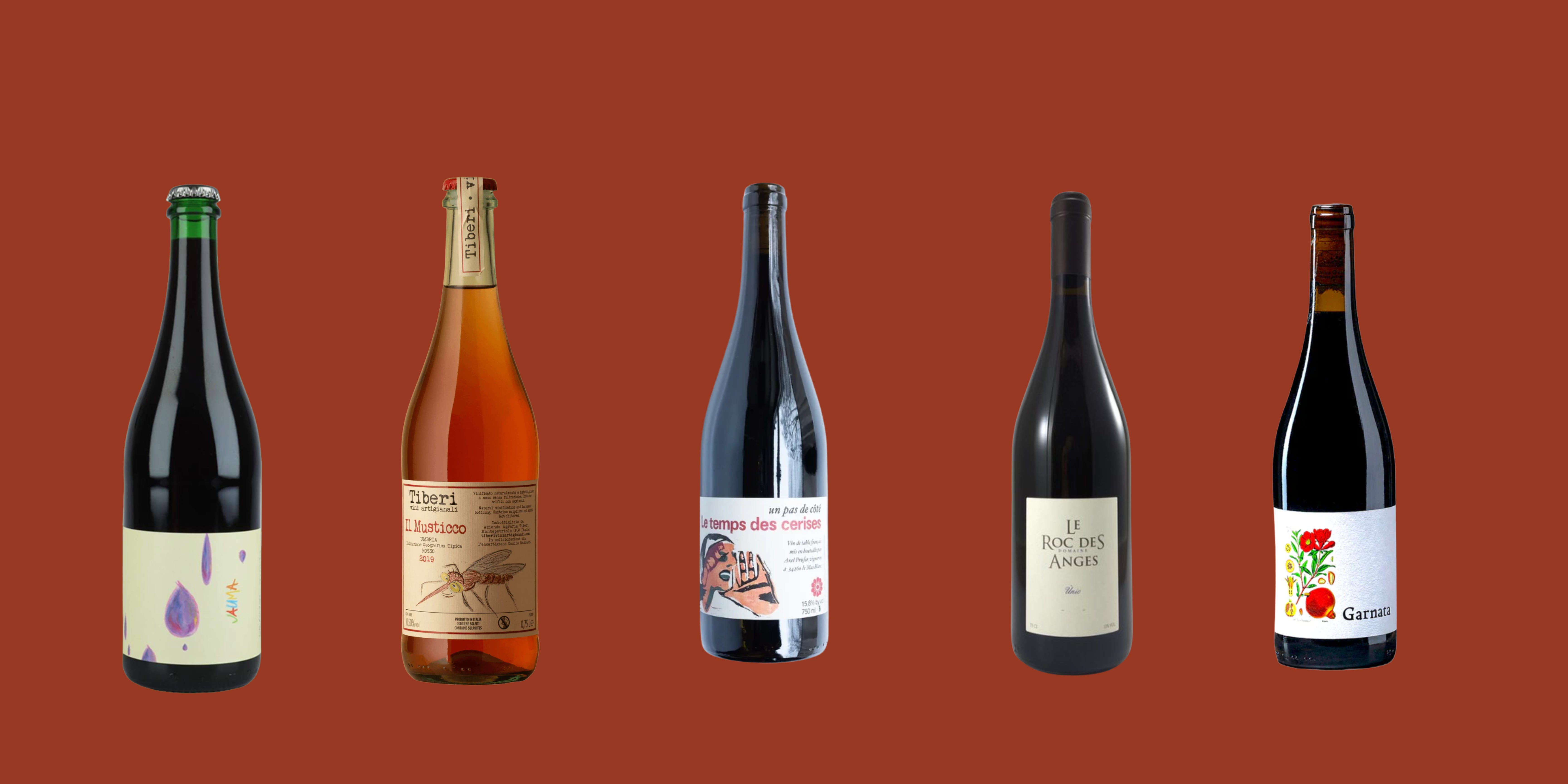
There is a third way with Grenache—it can be elegant, but also easygoing. Friendly, fun, and yet still displaying those famous tannins, those beautiful dark fruits. No château—just good, light red wine with a fantastic personality
Keep reading for a little storytime about Grenache plus some recommendations of bottles to try (natty only and far, far less pricey than the Rayas!).
Comments
Nothing yet. Say the first thing.
Sign in to join the conversation.