
“For a long time, I believed that if Argentina wanted to develop as a wine culture, it would start to resemble Europe. I’m no longer sure that’s what maturity looks like.”
The bottle that night wasn’t particularly expensive. It was a Criolla from a small producer—Criolla being one of the historic grape varieties that have quietly become symbols of Argentina’s new wine culture—served at Vereda Adentro, a natural wine bar in Buenos Aires. What lingered with me wasn’t the taste. It was everything that followed after it was poured.
Within minutes, my friend and I were chatting about the producer, the vineyard, why someone would choose to plant Criolla instead of Malbec, and our next travel plans. By the end of the night, we had spent much more time talking than drinking.
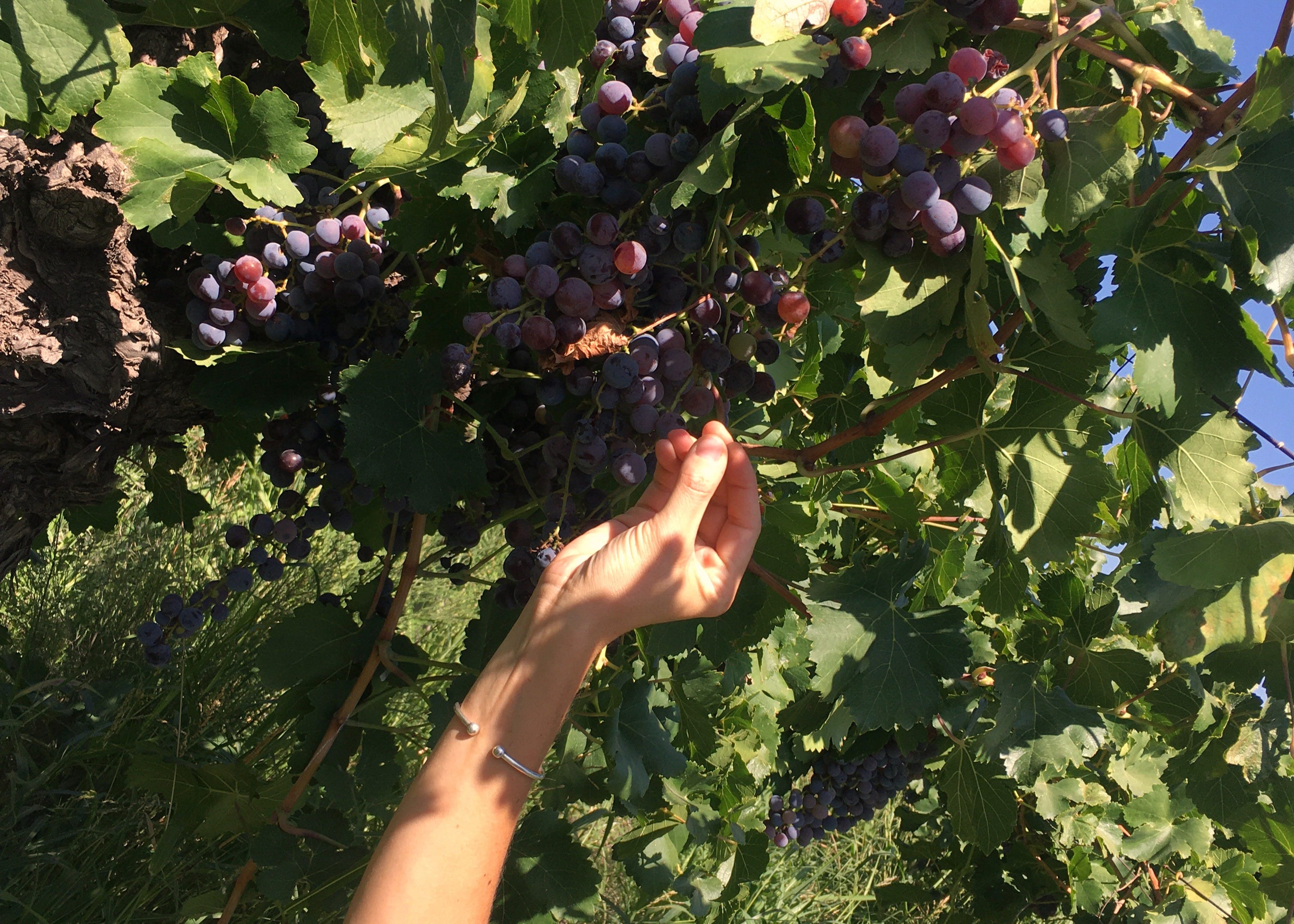
The contrast is striking because Argentina’s wine consumption has been declining for decades, reaching one of its lowest per-capita levels in modern history. Argentina is drinking far less wine than it did twenty years ago. However, sitting at that bar, it didn’t feel that way.
If you only looked at consumption statistics, you might think Argentine wine culture is in decline. But that evening suggested something different.
Comments
Nothing yet. Say the first thing.
Sign in to join the conversation.