
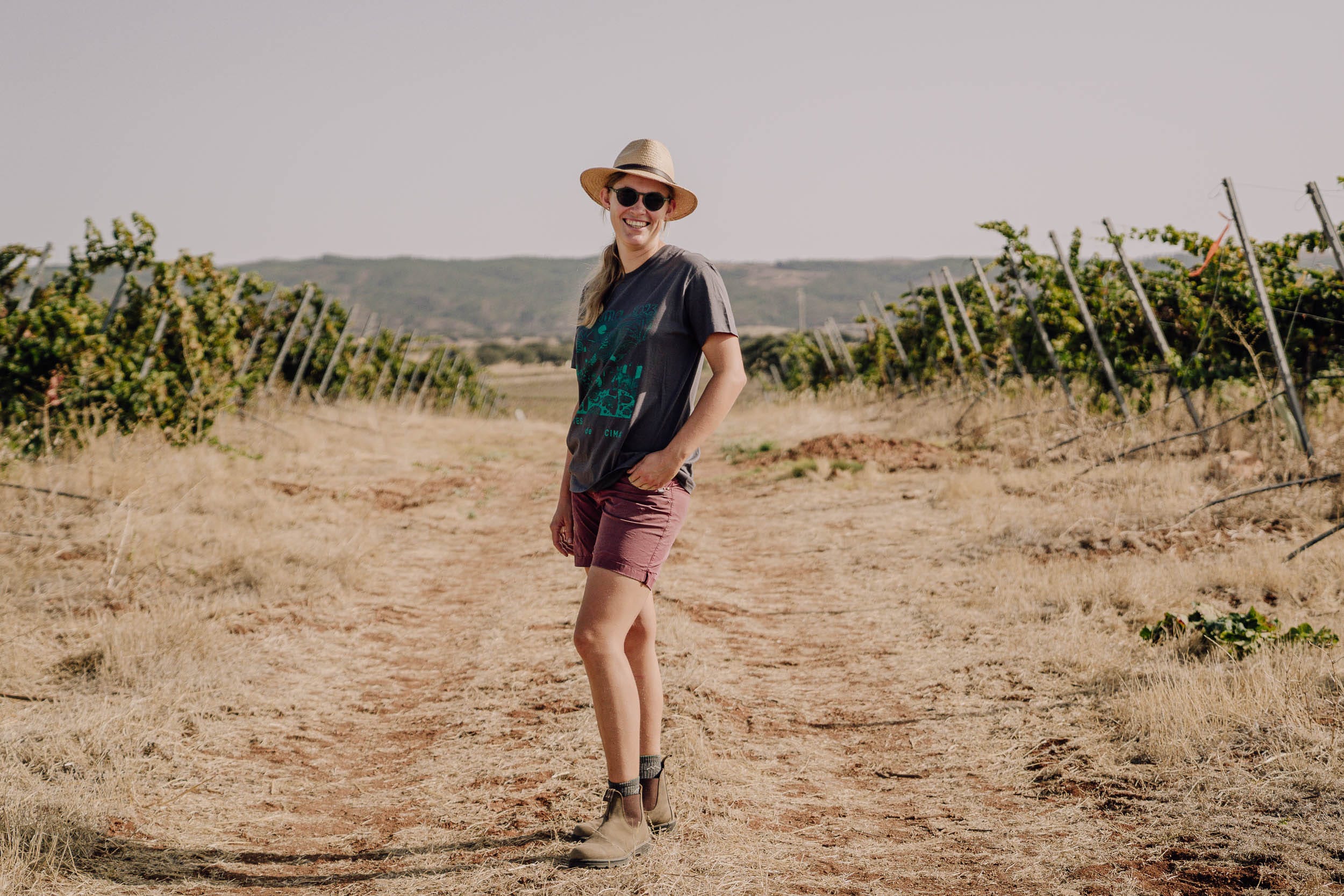
“For me, regenerative agriculture is about rebirth,” explains Anna Jørgensen, owner of Cortes de Cima winery in Southern Portugal’s Alentejo region.
When taking over from her parents in 2018, Jørgensen saw it as the perfect opportunity to implement regenerative agriculture. “Once in a generation you get the chance to rethink a project that has a lot of foundations already there, such as the vines, soils and terroir. If I was going to take it over, I’d have to do it in a way that I believed in.”
In doing so, she’s not only rebelling against the intensive agricultural practices that have been plaguing the region for the last 20 years, but future-proofing her vineyard from the effects of climate change in the process.
But before we get into the Cortes di Cima vineyards, we need to understand what’s happened in Portugal in recent years in terms of water and olive groves.
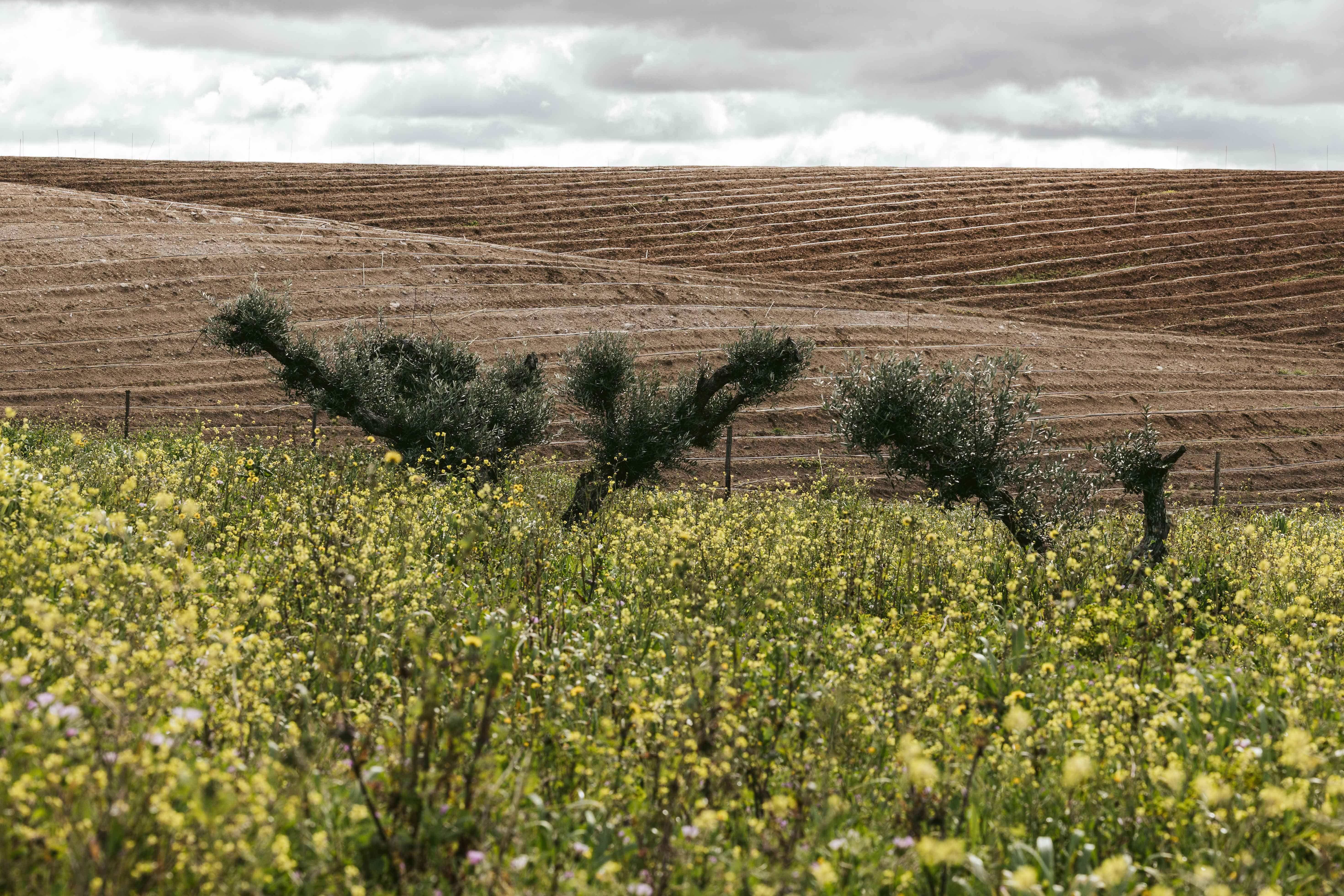
The Alentejo is one of Europe’s driest regions, and traditionally home to one of Portugal’s most emblematic landscapes, the montado: Cork and holm oak forests combine with crops and wild pastureland, where sheep graze alongside a wide variety of plants and wildlife. The region, however, has undergone a drastic shift since the 2002 construction of the Alqueva dam—Western Europe’s largest artificial lake. The dam allowed for massive irrigation projects across arid Portugal, resulting in an agricultural boom. Once a net importer of olive oil, Portugal is now one of the world’s top producers.
This commercial success, however, has been achieved by the use of so-called “super-intensive” olive trees, a variety bred in Spain in the 1990s for higher productivity. Unlike traditional olive trees—centenarians which survived the dry Alentejo climate with their deep roots that found water far below the surface—these have shallower roots and live just 15 to 20 years.
Comments
Nothing yet. Say the first thing.
Sign in to join the conversation.