
In the art of being human, what are our most irreducible qualities?
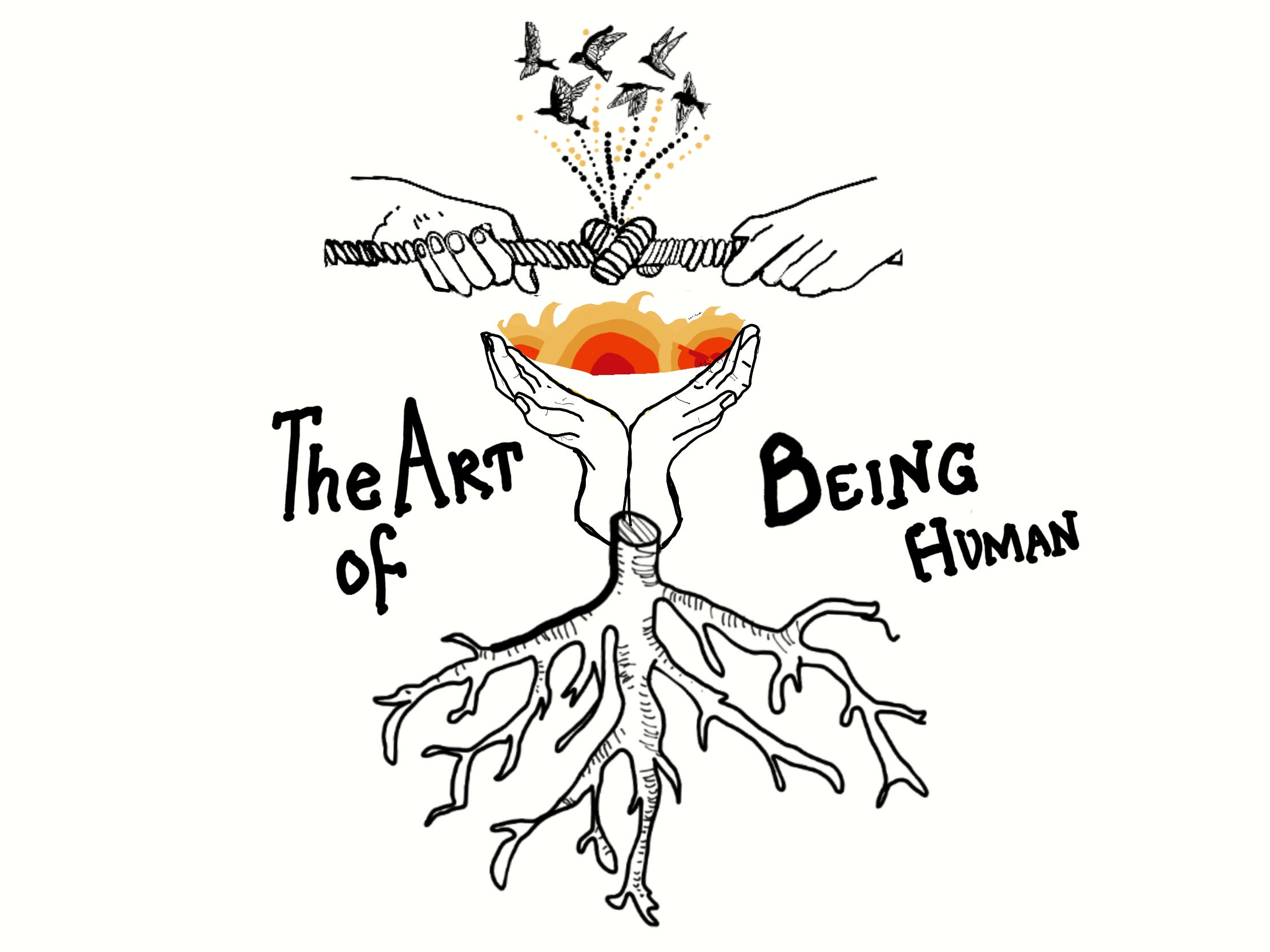
Jane Shore and I are asking (and answering) that question all year long, with each month bringing a different word. So far, we’ve explored belonging, loss, friction, awe, and remembrance.
June’s word is ritual.
I didn’t grow up in a religious household, so the rituals of my childhood emerged organically.
Watching old movies with Vic on Channel 38.
Epic wiffle ball games on Chase Field.
Lazy afternoons at Storr’s Pond.
And although I never much cared for school when I was a student, I fell in love with schools as an adult because of all the rituals I beheld in the best ones.
The Senior speech, where each graduate gets five minutes to tell us who they’ve become and what they’ve learned.
The morning meeting, where tiny children begin each day in a circle to settle, take stock, and repair.
The potluck dinners. The art exhibitions. And yes, the graduation ceremonies.
There’s a phrase for the feeling these sorts of gatherings create: collective effervescence. And as my friend Allison Gaines Pell told me recently, what produces this feeling is not sameness, but shared attention.
People turning toward the same thing, in the same place, at the same time.
Panthea Lee wrote about this phenomenon after returning from a nine-day pilgrimage. “Humans do not live by evidence,” she realized. “We are moved by ritual, by music, by touch, by story, by ceremony, by grace, by each other. We want ways to matter to each other. We want spaces that make generosity ordinary.”
This, more than anything else, is what the best schools are designed to do.
Schools are at least most of the answer to what ails us, Allison told me, because they are perhaps the only place left where we get to show up, day after day, in the presence of people we didn’t choose, and figure out how to live with them.
When we do that intentionally, our gatherings become rituals.
Our togetherness seeds culture.
Our shared attention shows us we belong.
“Ritual gathers those who might otherwise be alone,” Lee wrote, “and turns their yearning outward. They remind us that people are abundantly generous when there is a container that invites and channels it, that belonging is built, and that another world requires unruly new choreographies.” And as Allison points out, amidst our collective wondering and worrying about how AI’s arrival will reshape us, “none of that can happen through a screen. The screen will give you information. It will not give you the friction, the repair, the practice of presence that makes a person capable of living alongside other people.”
The art of being human, then, rests in the being, not the knowing.
And rituals are the unruly choreographies by which we do so.

Comments
Nothing yet. Say the first thing.
Sign in to join the conversation.