
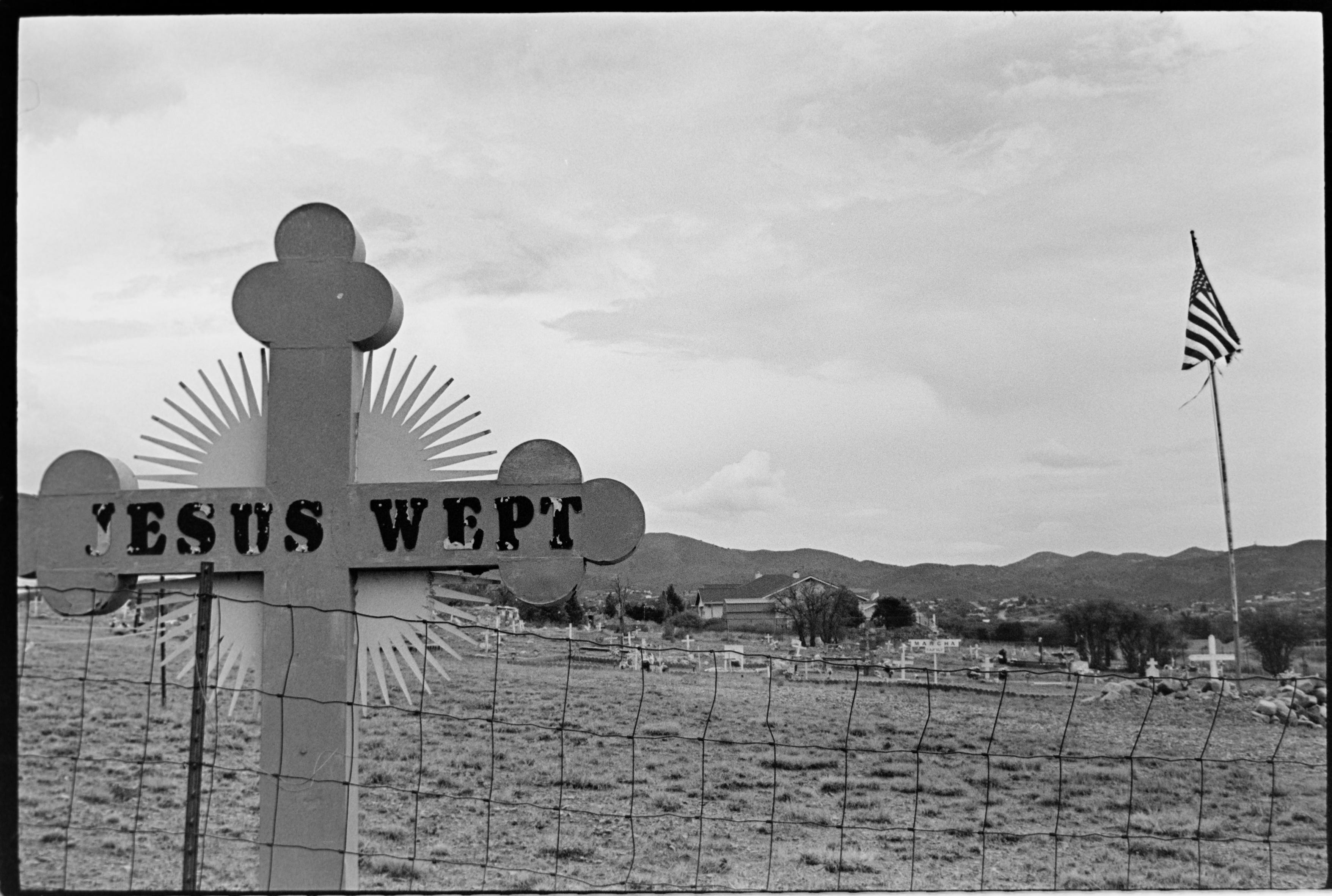
Two weeks, two rolls of film.
That isn’t a lot by most folks’ standards. But I am only now in the exploratory phase — seeing if and where film might fit into my overall workflow and greater body of work.
For now, I am simply enjoying the process.
The thought of bringing two cameras with me wherever I go — now was is a new one for me, as I only own one camera. Which was exactly the last hold-up for me to begin shooting film — I currently own a Leica M10 Monochrom, and wanted to get my hands on a film camera that was as similar as possible. That way, the only variable to change between the two cameras would be the medium — switching between a digital sensor and film exposure.
Two weeks ago, I was loaned an original M6, and so the great film experiment began.
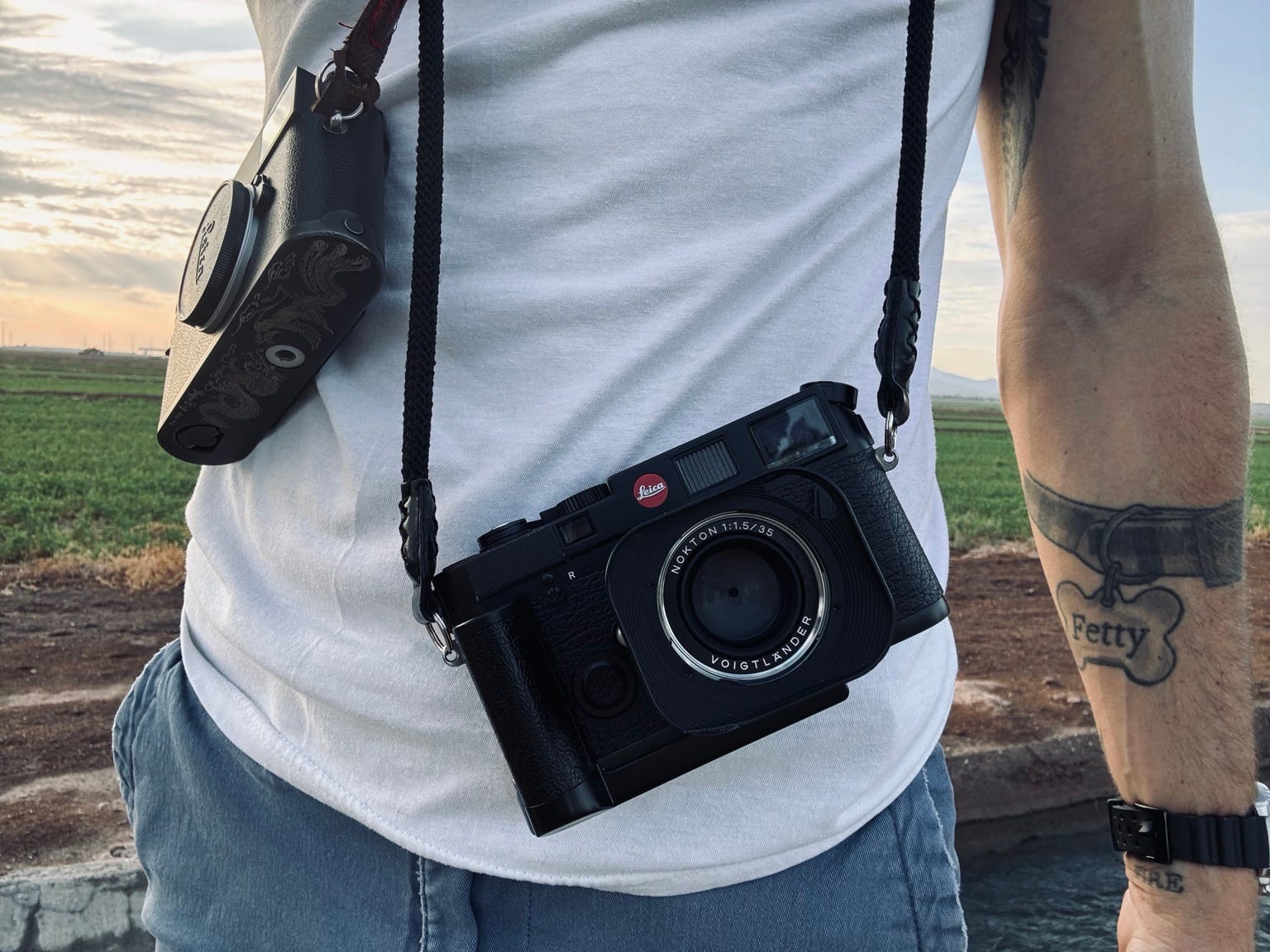
Between wanting to continue producing work on digital (to keep the ball rolling on my long-term project work) and simply having limited time to photograph, one roll per week is about all I can manage. Yet, this works well for me at this stage.
For starters, I don’t simply want to drop the roll off at the shop or mailbox when I finish it. If I am going to take on film, I want to have my hands on every part of the process, from end to end, from exposure to development. So, each of the last two weeks, I have taken my finished roll to Out of Focus Club — a local photo/camera shop across the valley — where the owner and good friend of mine, Matt Stella, has been teaching me to develop on my own.
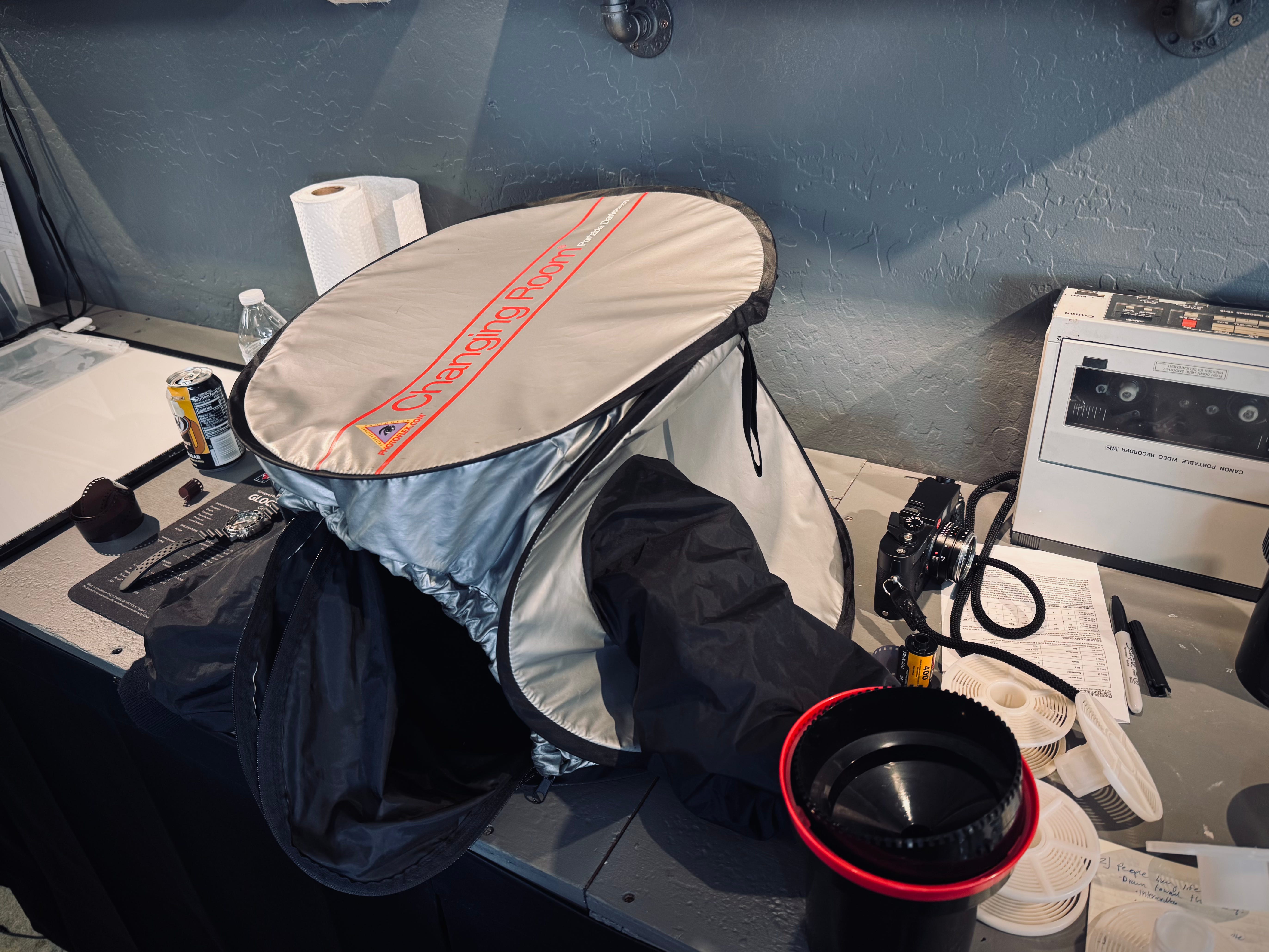
Likewise, the one-roll-per-week max takes the pressure off of me to doubly produce work with the limited time I have.
I have enjoyed learning to develop and after the second go-around, the process is way less daunting than it used to seem from the outside.
Still, there is a practical reality: chemicals, developing equipment, a copy stand, a macro lens or scanning setup, storage, and eventually a film camera of my own. At this stage, I am not ready to make the financial leap to go all in.
I still have a lot of evaluating to do first. But, I do have some immediate reactions, and they are are a mix of the expected and unexpected.
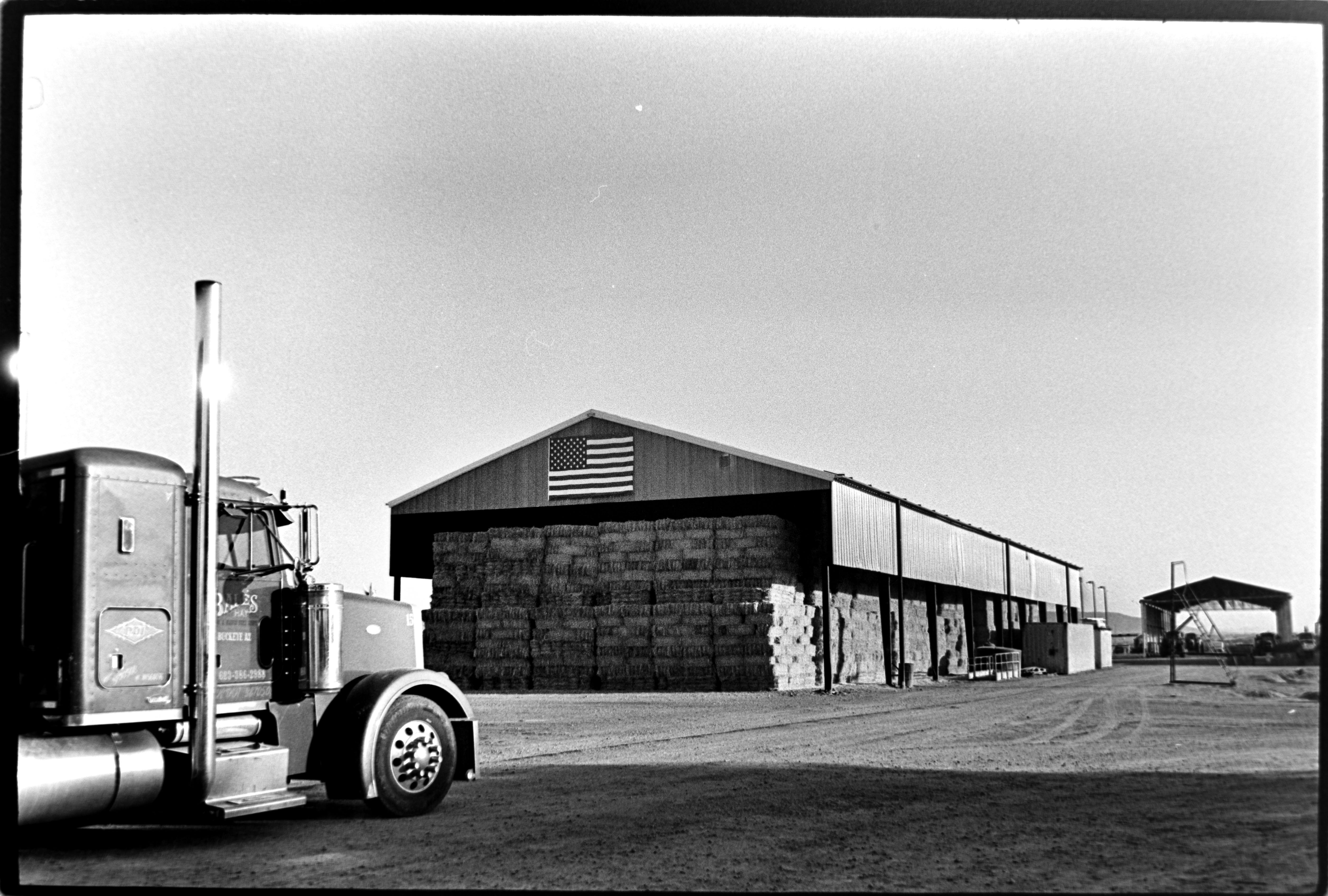
As expected, I have thoroughly enjoyed the more tactile, methodical process of making photographs with the film range-finder. The additional constraints are something I am actively leaning into. Do I wish I could confirm the image’s exposure afterwards? Of course, but the value of trying to nail the exposure via only a simple light meter and your own intuition of light — this has been a very positive challenge.
And, also to no surprise, the “film look” is beautiful.
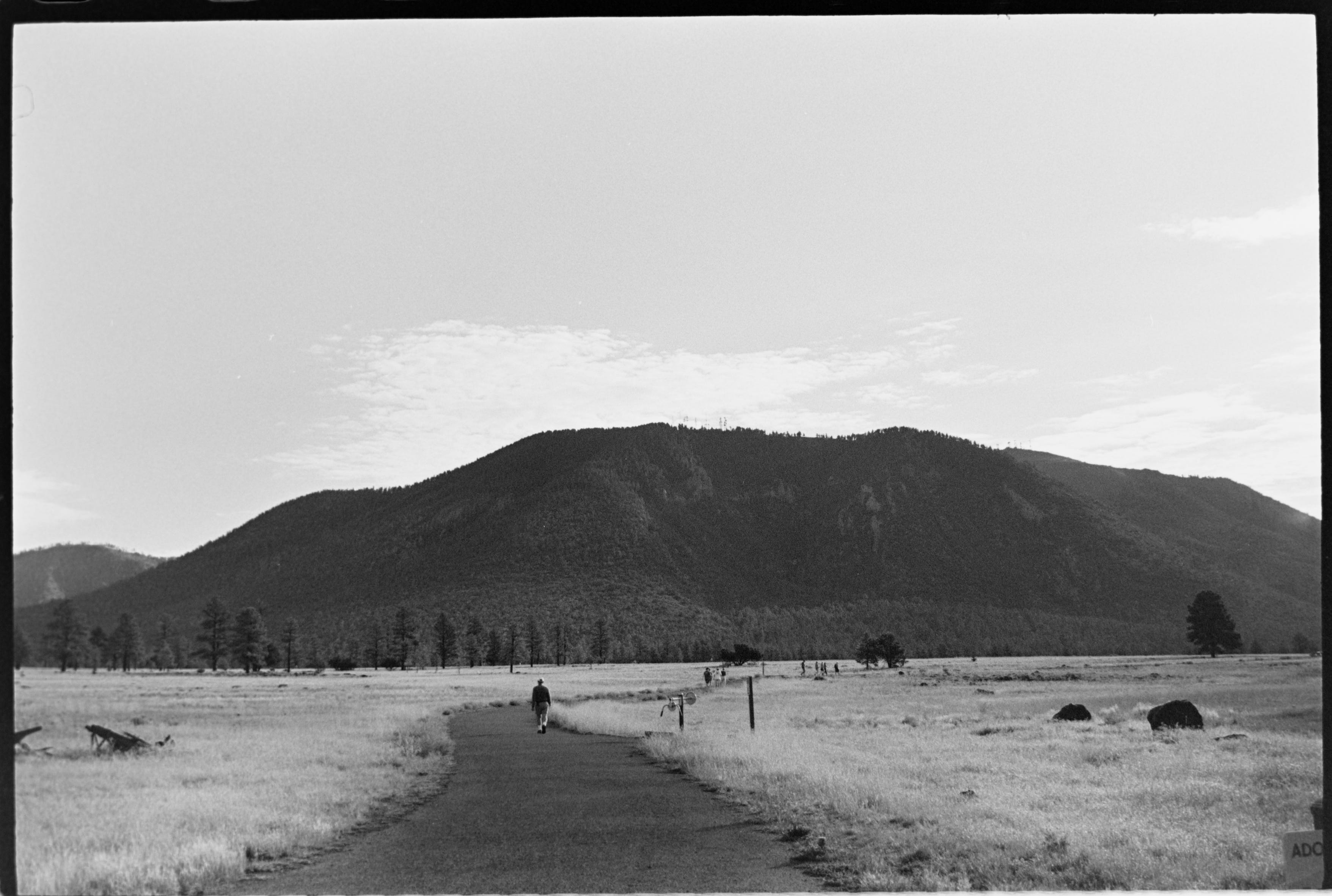
What I did not fully anticipate, however, is how much post-production work can (should?) be done once the images are scanned. And I mean this in a positive sense (no pun intended).
I knew that digital negatives were just the starting base for the final image we make, and naturally the true negative from film would be similar. But, it simply did not resonate with me until I got hands on my first few rolls. The beauty of this is that I still get to make the photographs my own. I just assumed I would end up having two very distinct types of work in my portfolio — a digital aesthetic, and a film aesthetic. But that does not necessarily need to be the case.
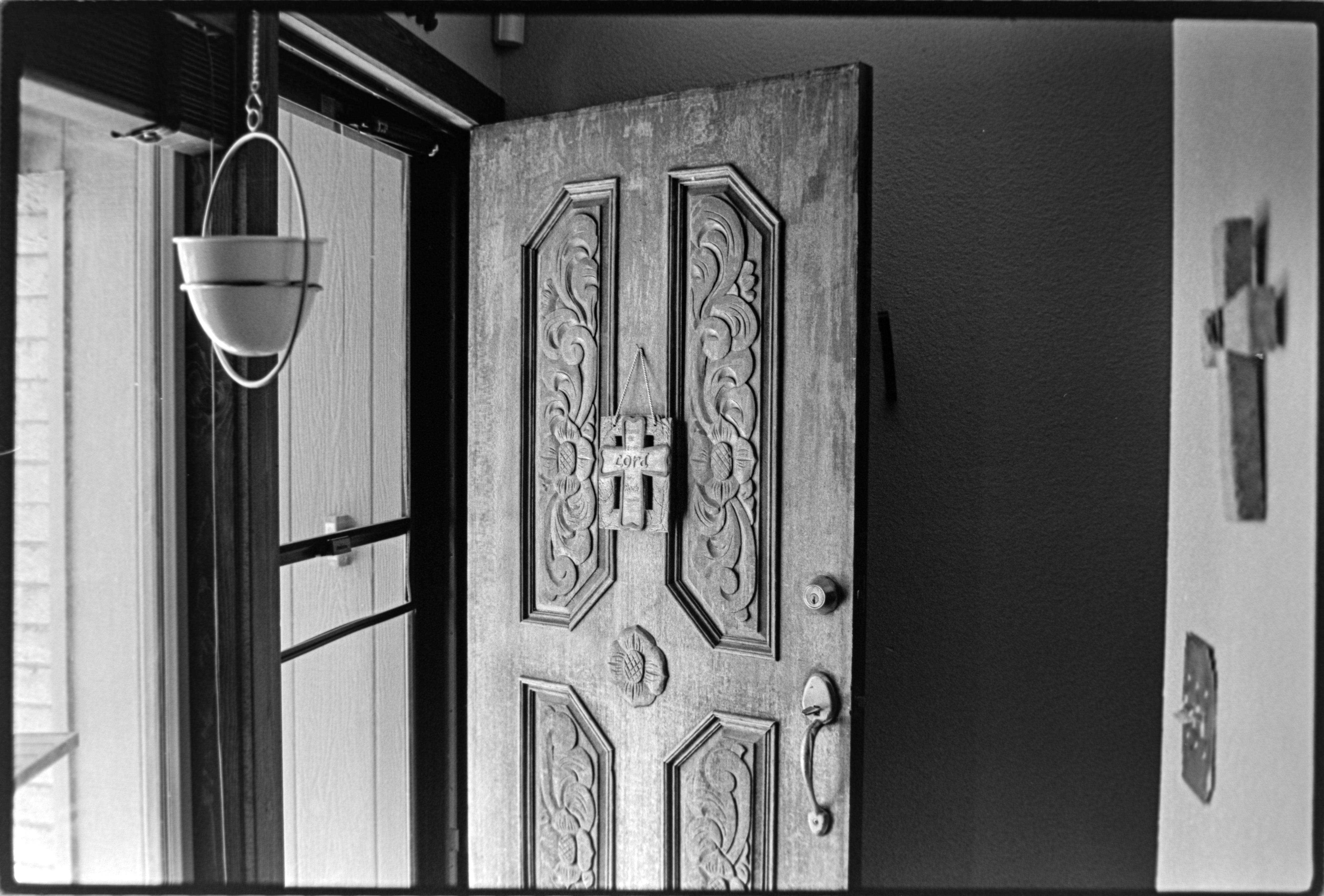
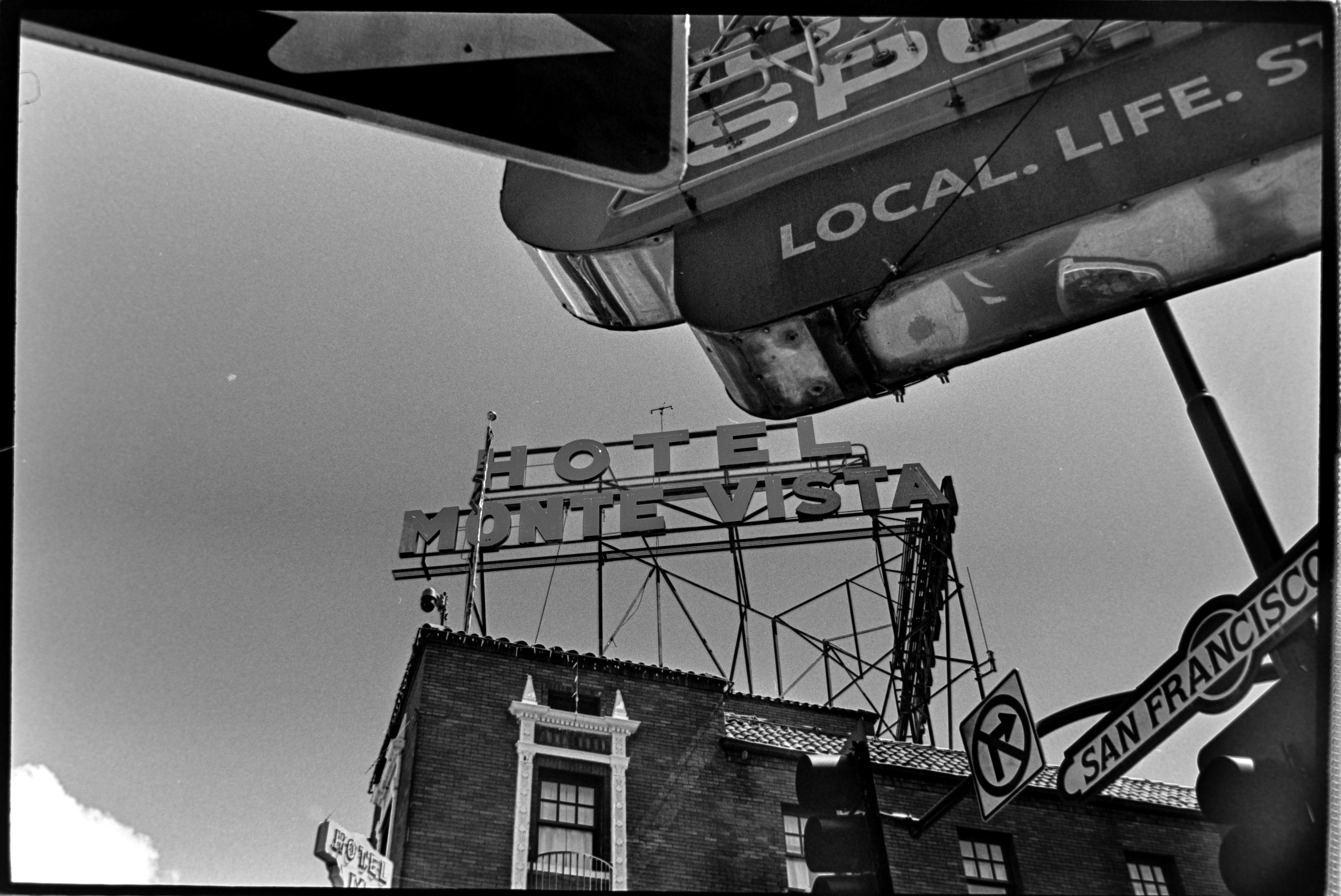
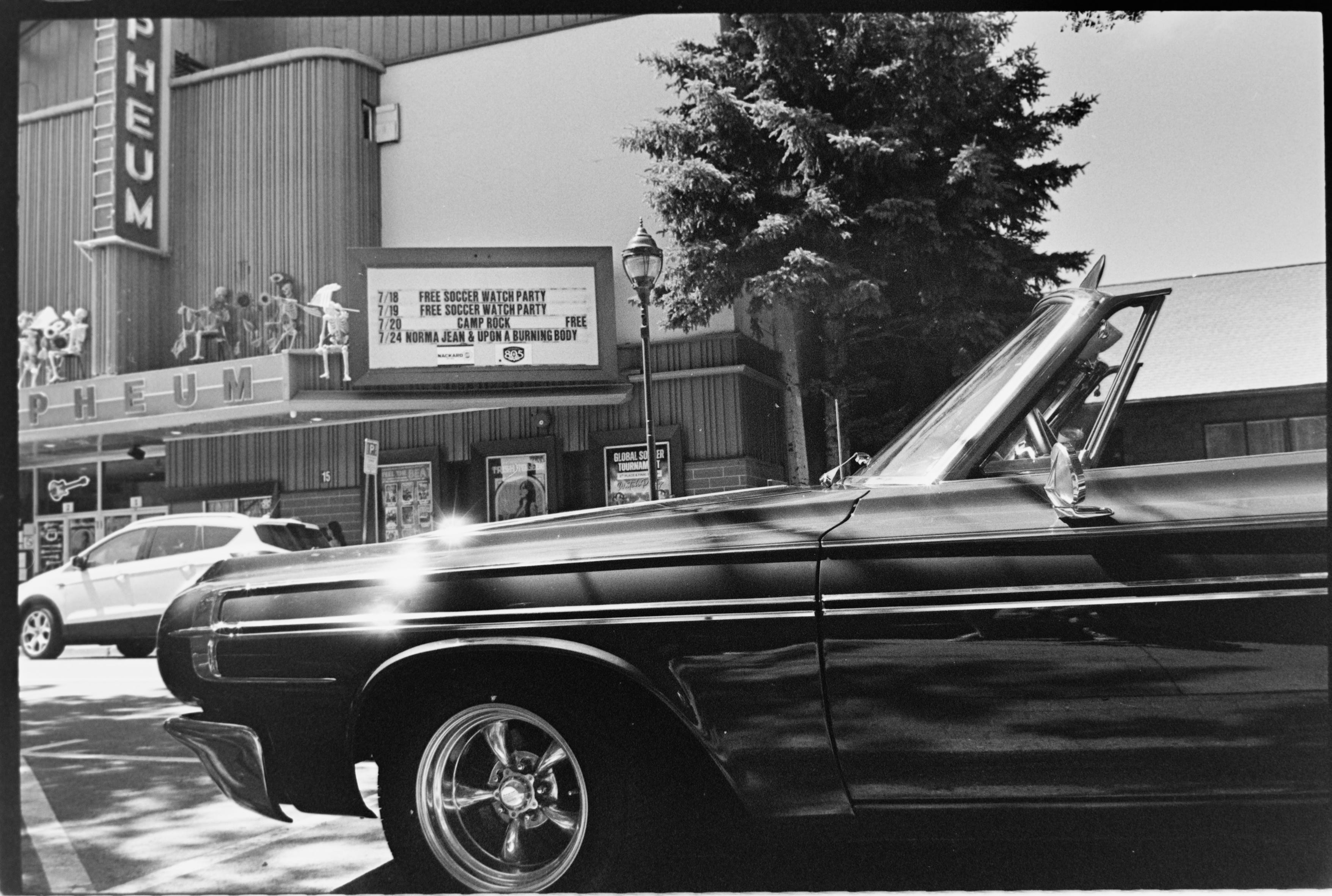
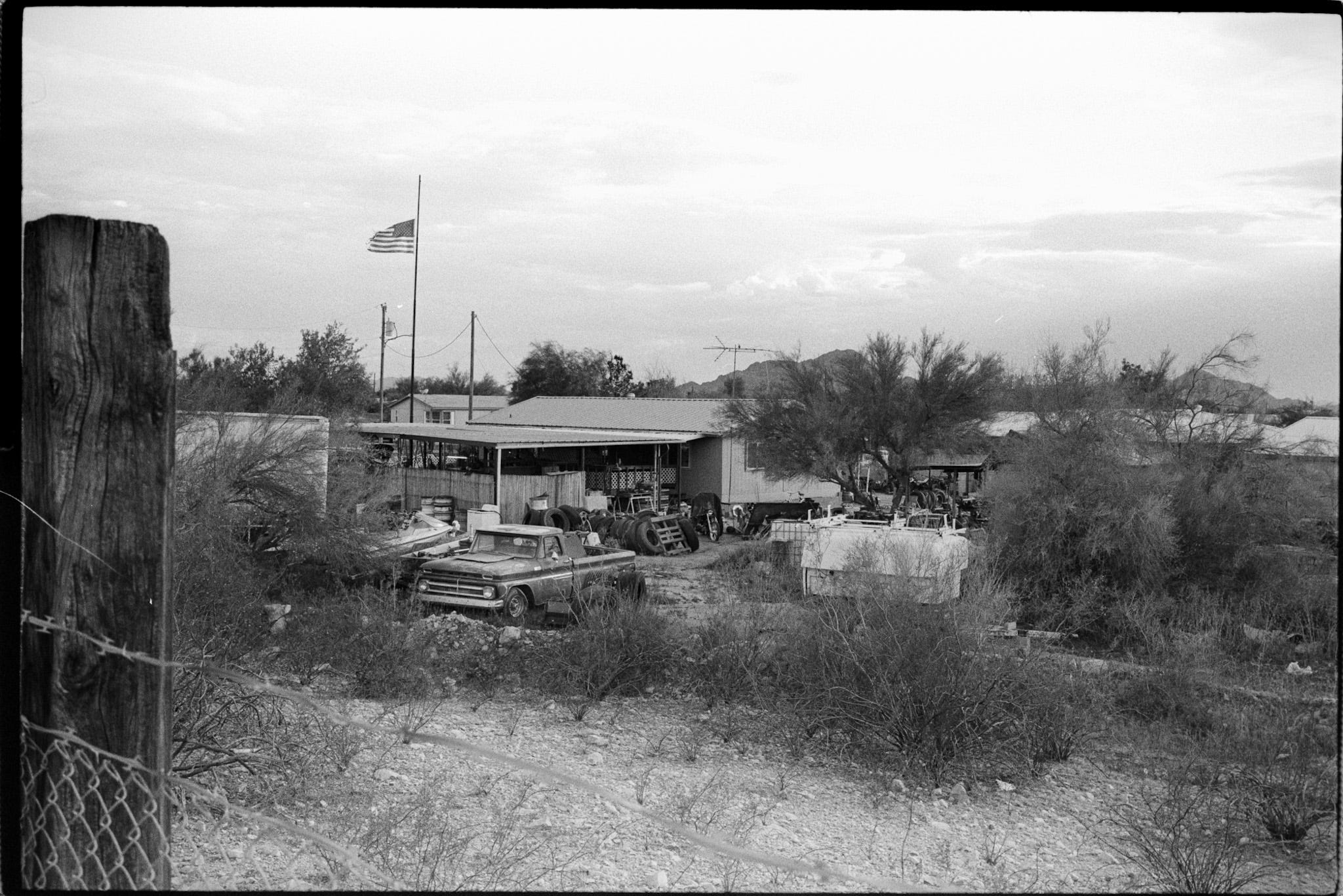
For example, the next three images are a combination of film and digital — can you determine which is which?
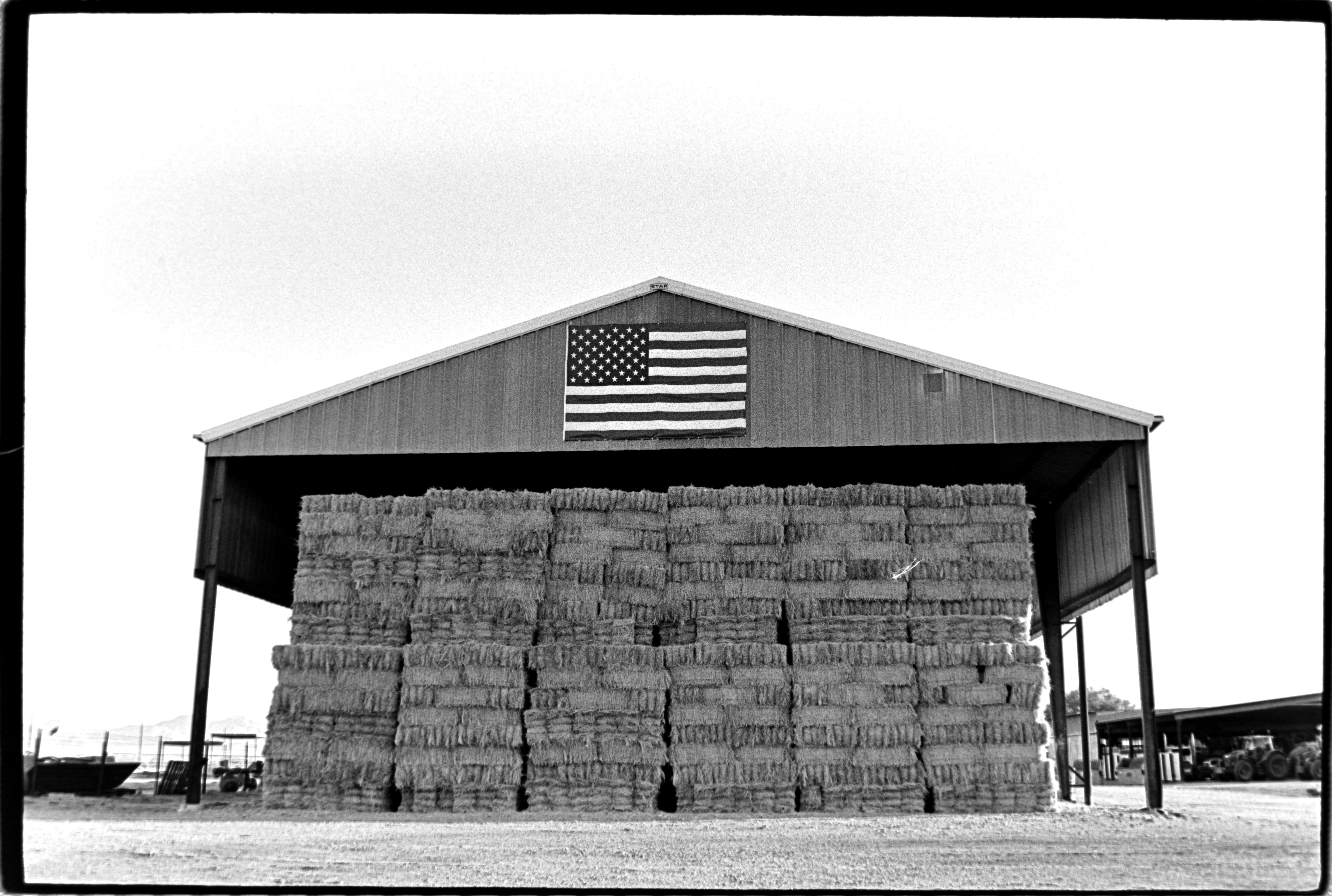
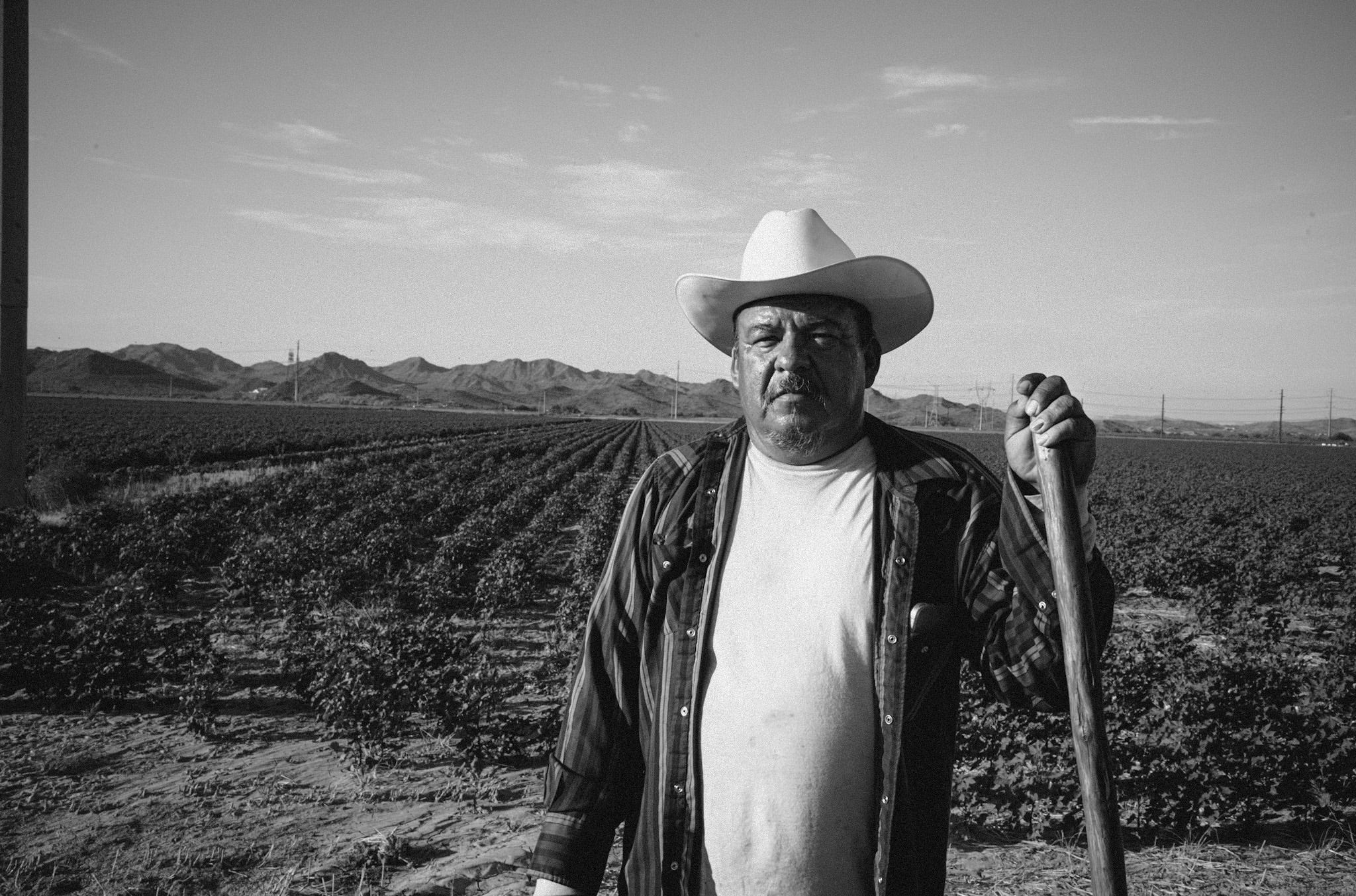
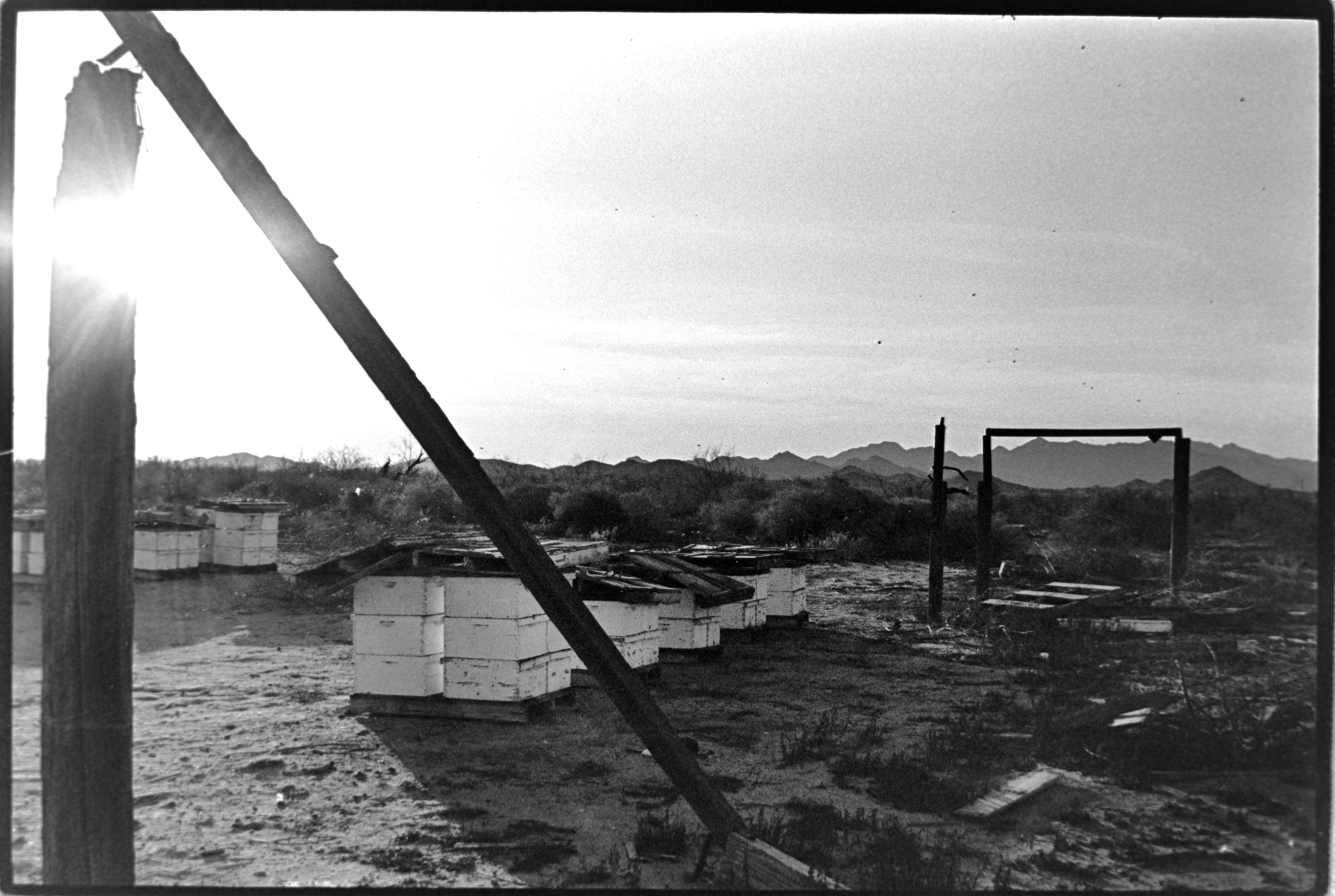
Ultimately, the goal is not for them to be identical, but rather to be able to use either medium to collectively build a cohesive body of work. Not distinct groupings of work definable simply by the type of camera used. Cohesion is key for me.
What has still yet to be evaluated for me at this stage is how I like film for the type of photographs that I traditionally make.
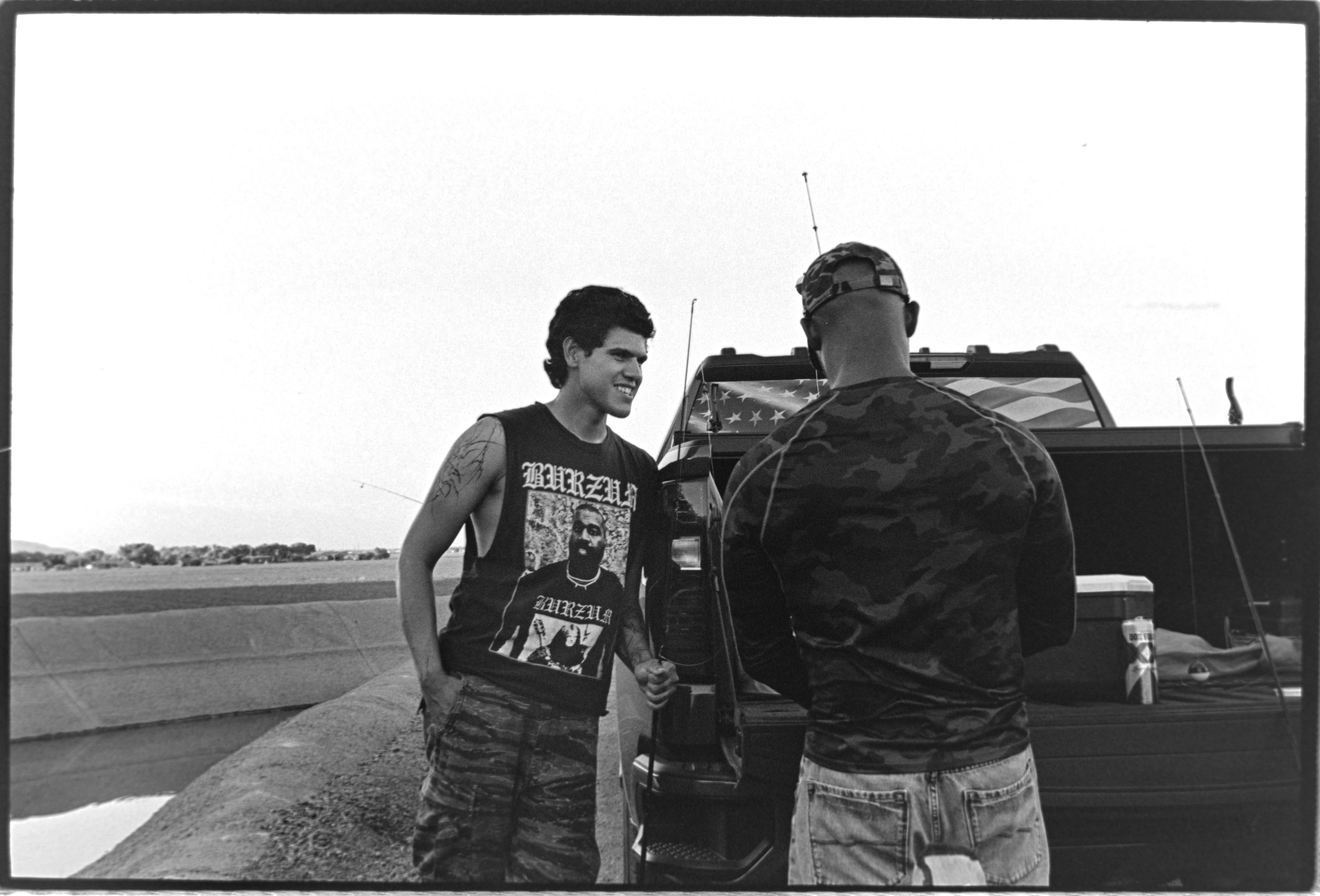
Right now, because I am working on very specific projects and film is so new to me, my instincts are to grab the digital camera every time I sense an important interaction or meaningful photograph emerging. In my head, I intend to grab the film camera at some stage too, but by the time I do, the moment is gone. Thus, I have yet to make my kind of work yet with the camera. Instead, I have found myself photographing environments more than relationships.
I think what will eventually need to happen is simple: I will need to leave the digital camera at home. That way I have no other choice but to make my work on film that day.
At the moment, film still feels like an experiment. Two rolls are hardly enough to know whether it belongs in my long-term process. But that's exactly why I'm enjoying this stage. There are no conclusions yet—only questions. For now, that feels like the right place to be.
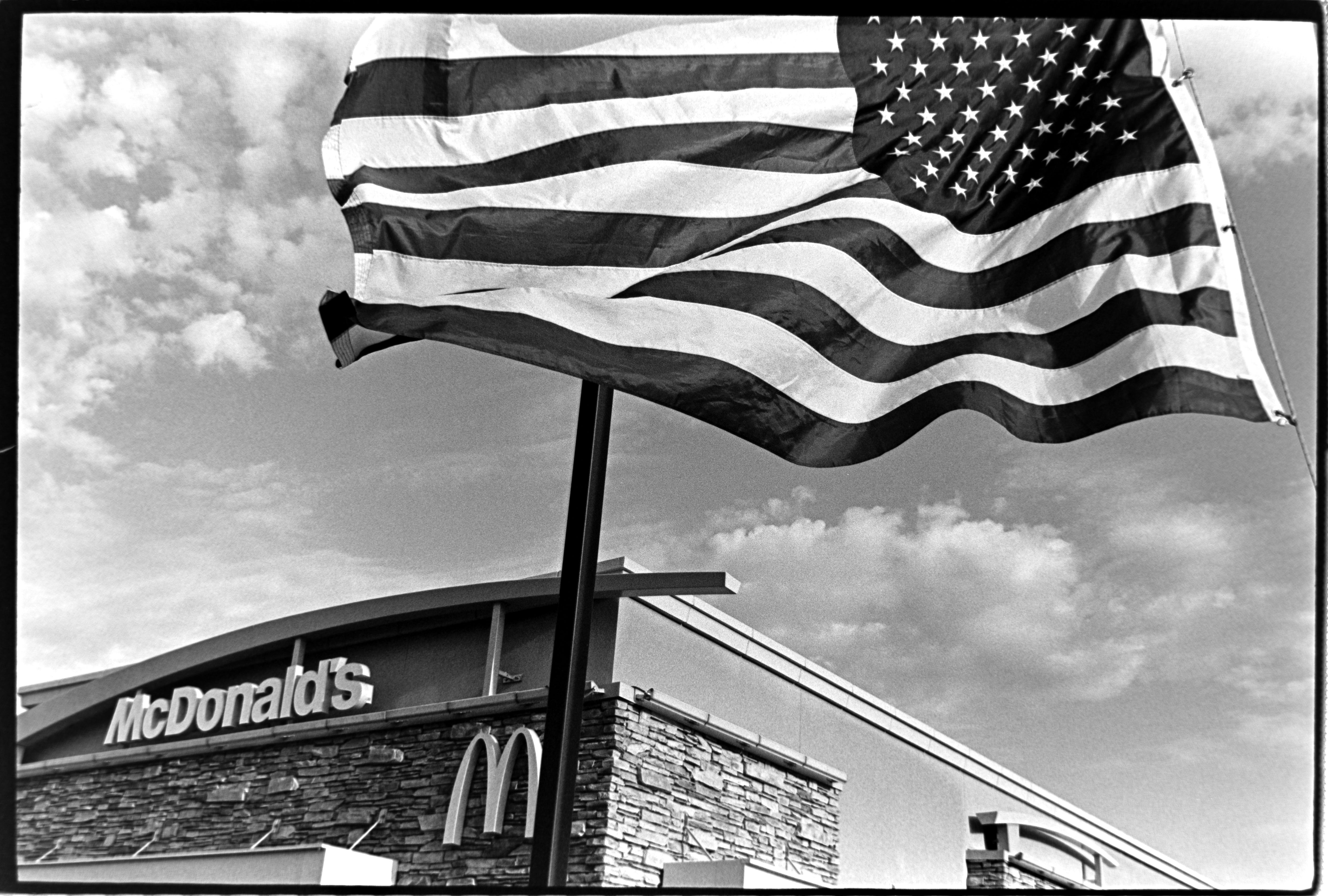
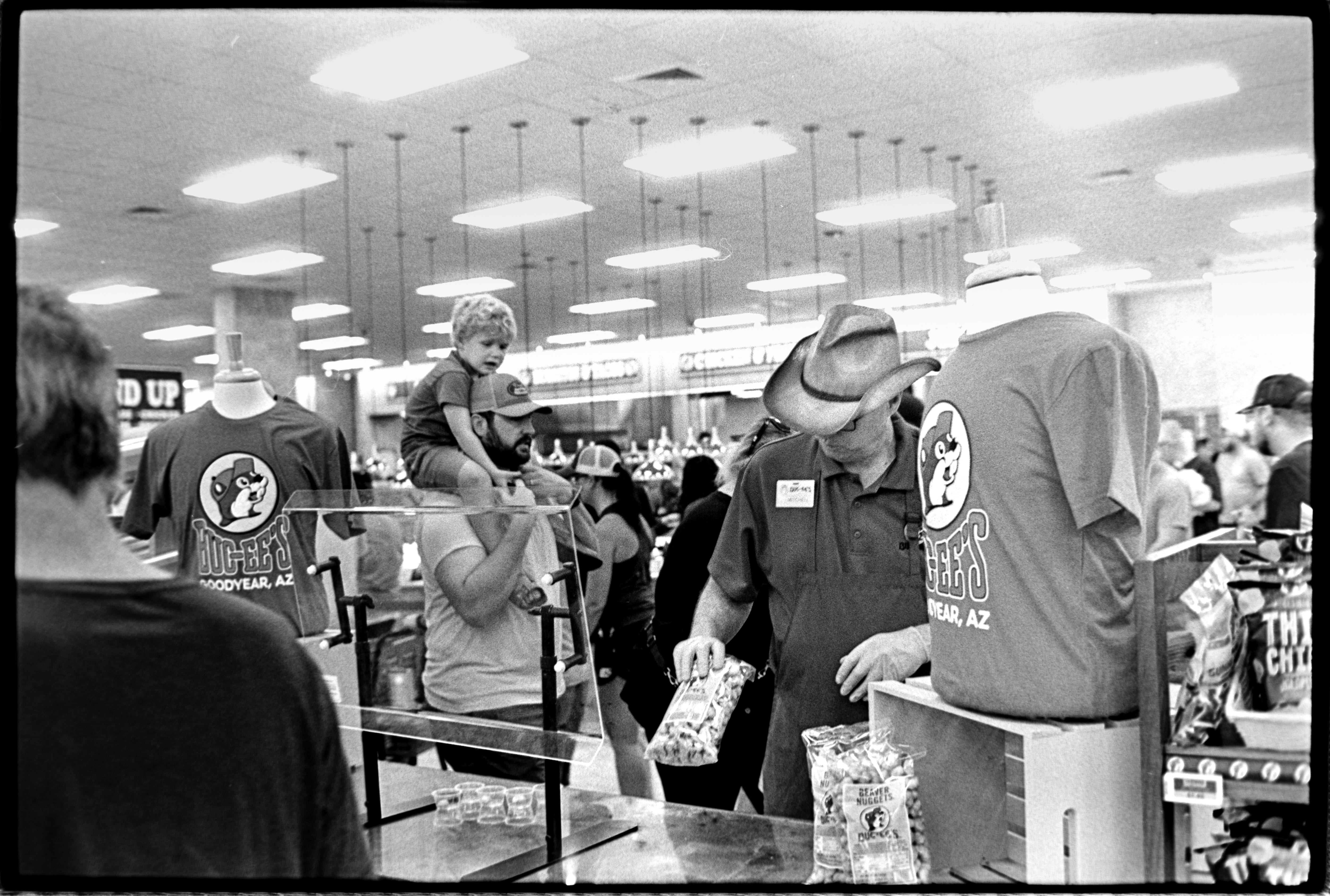
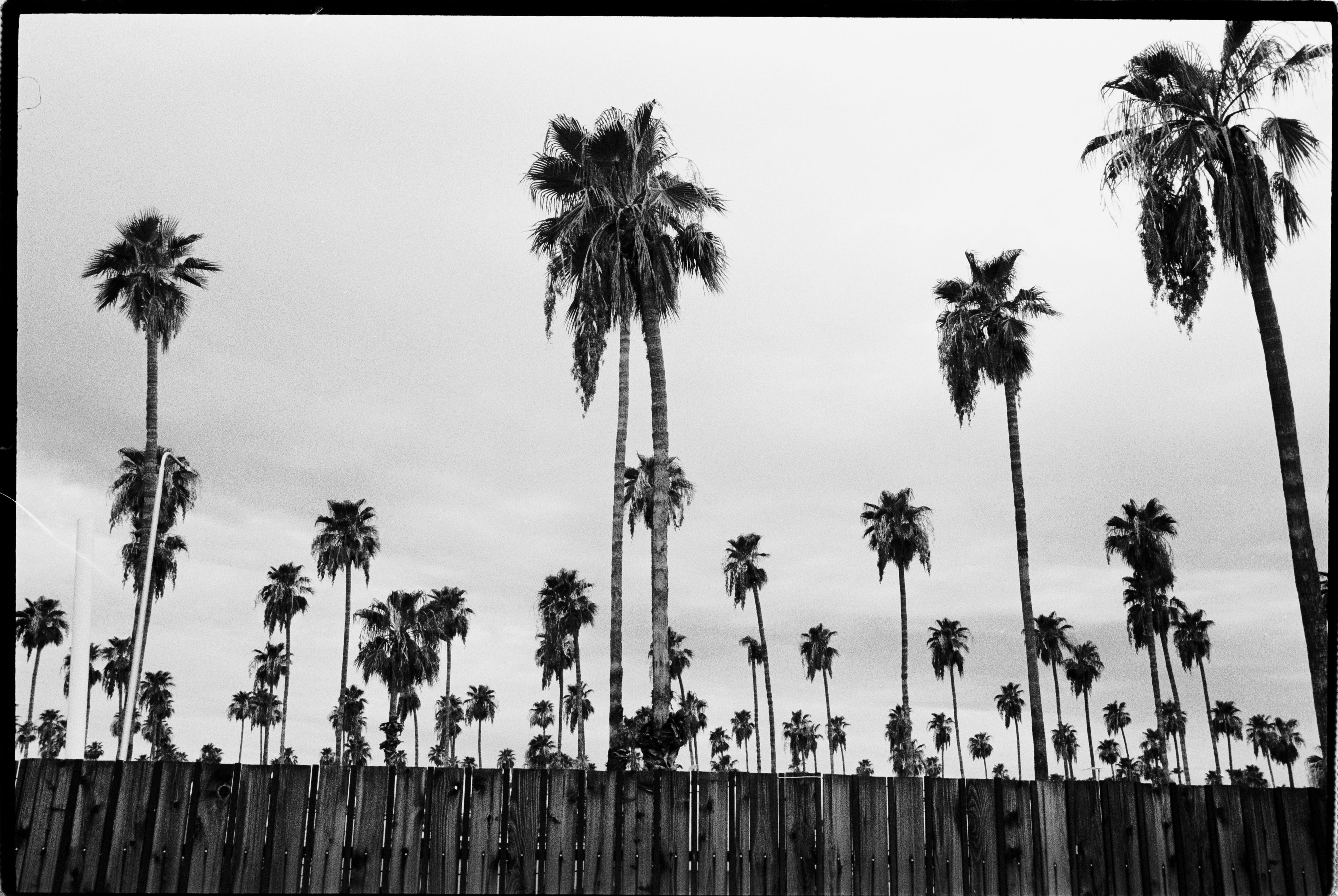
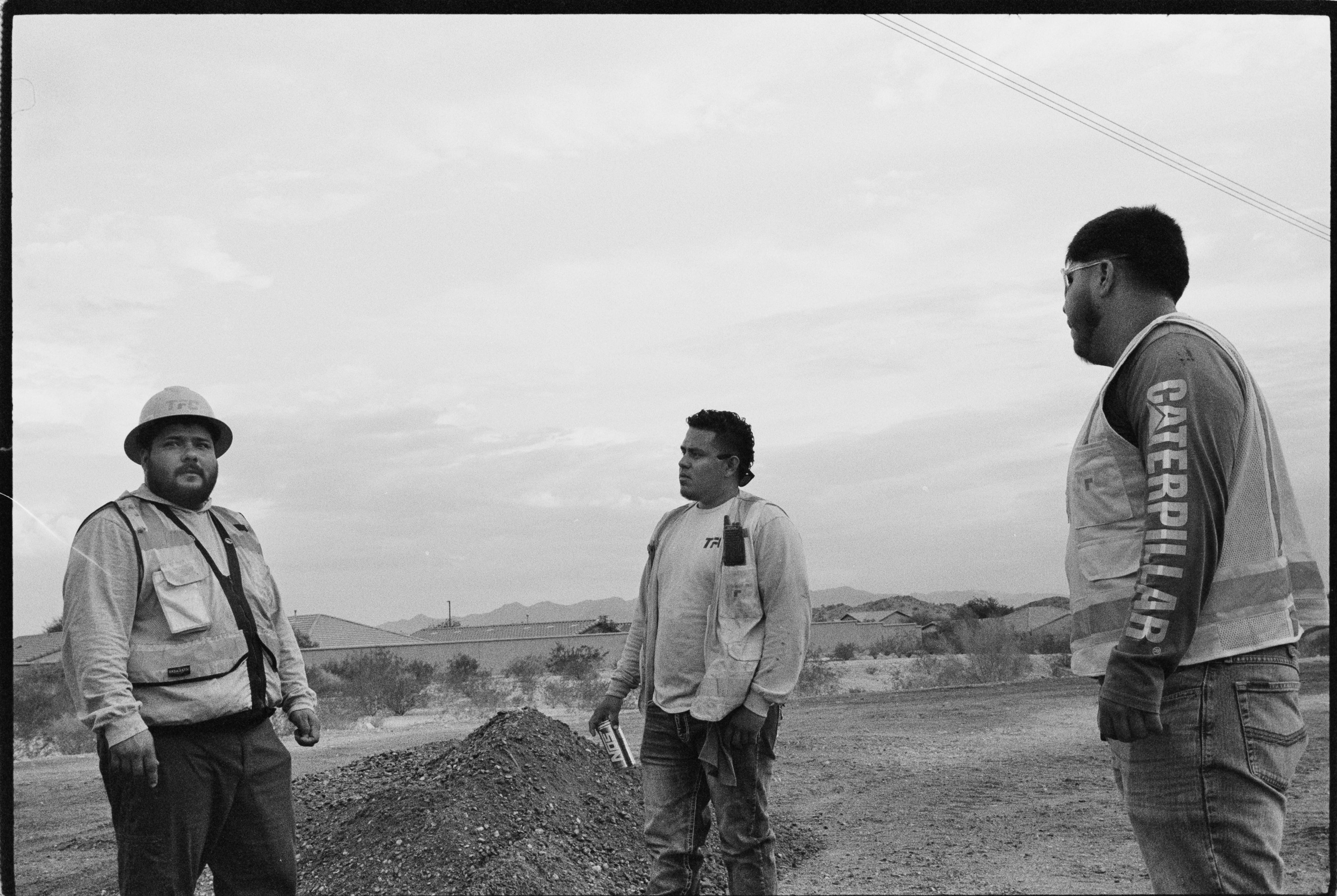
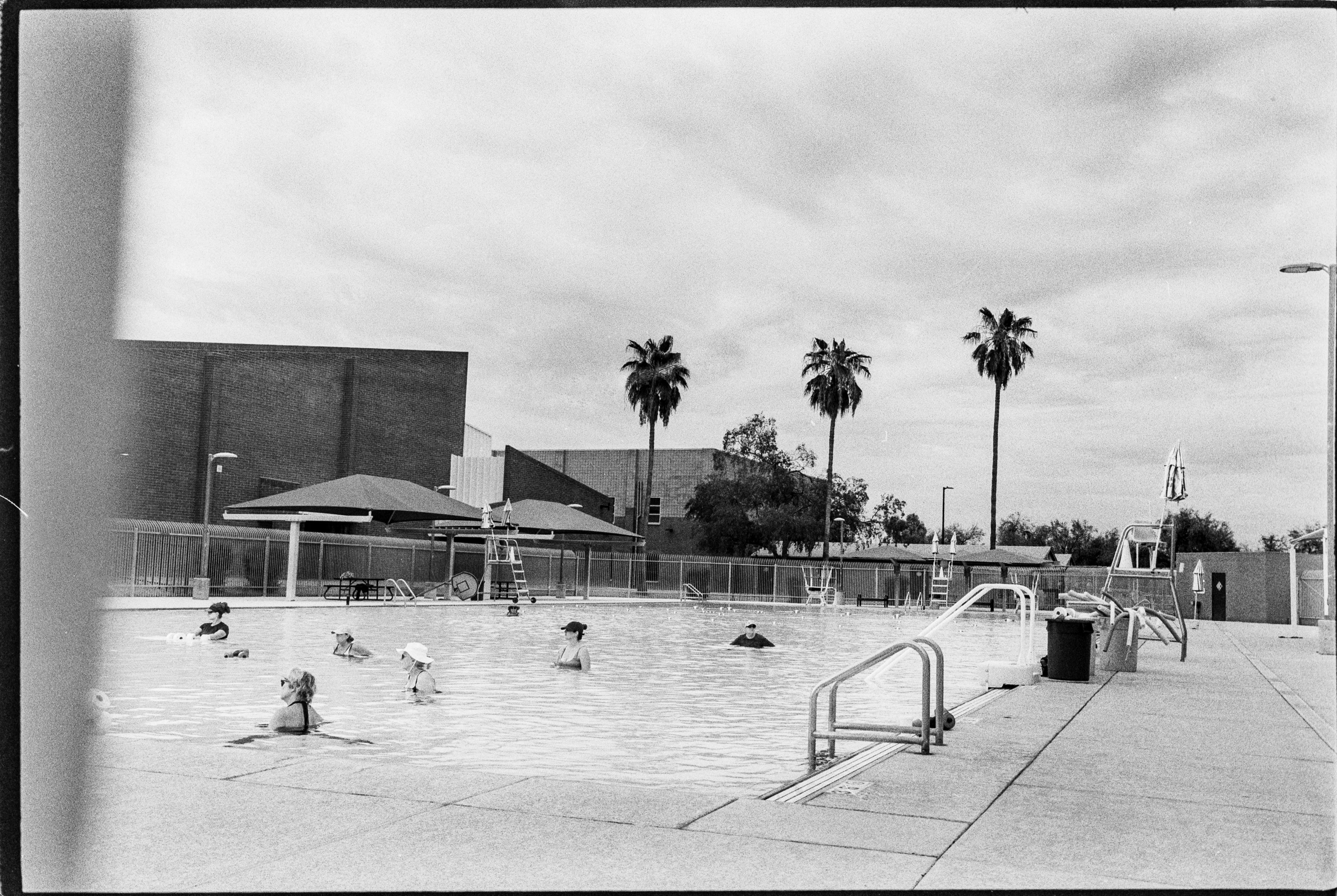
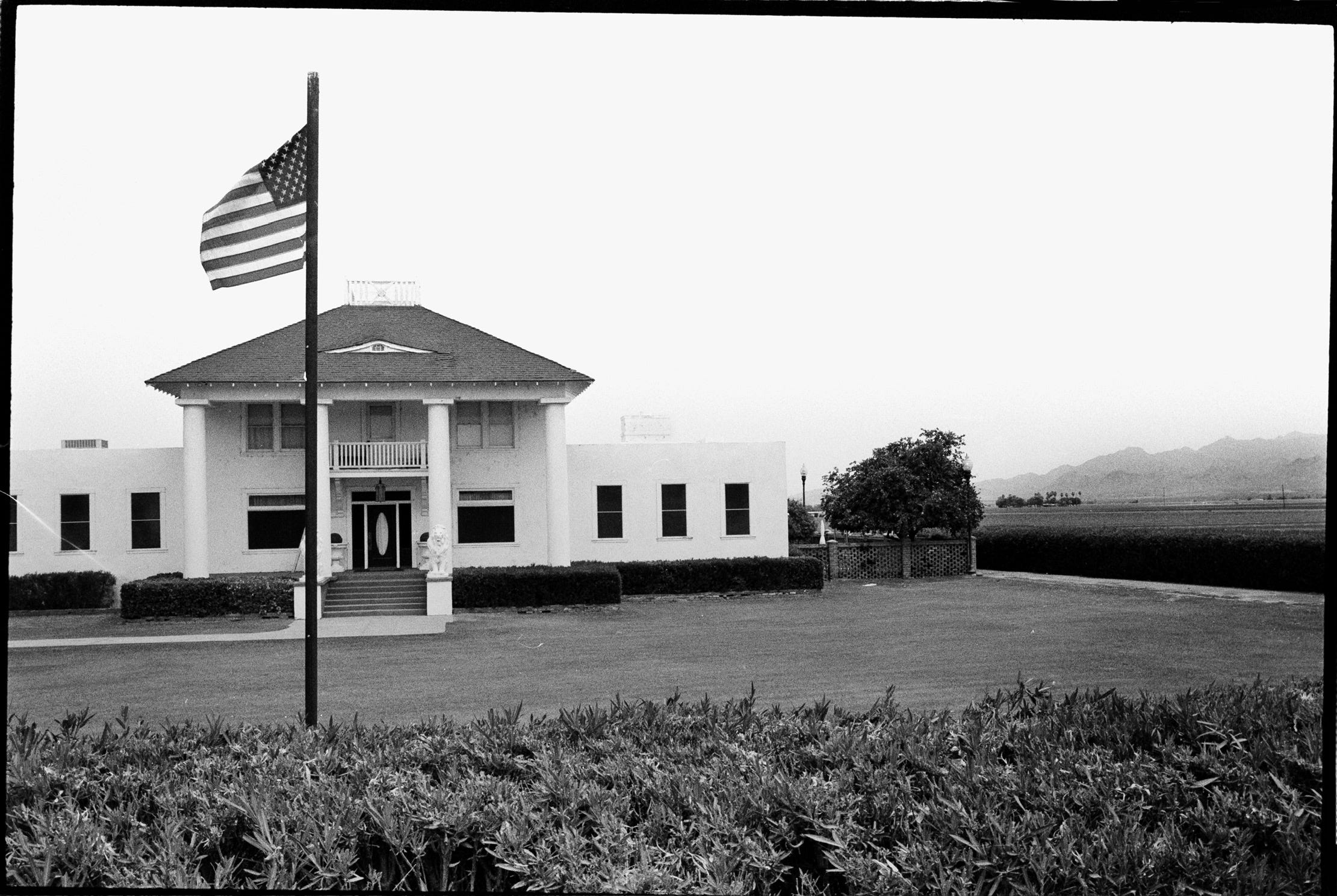
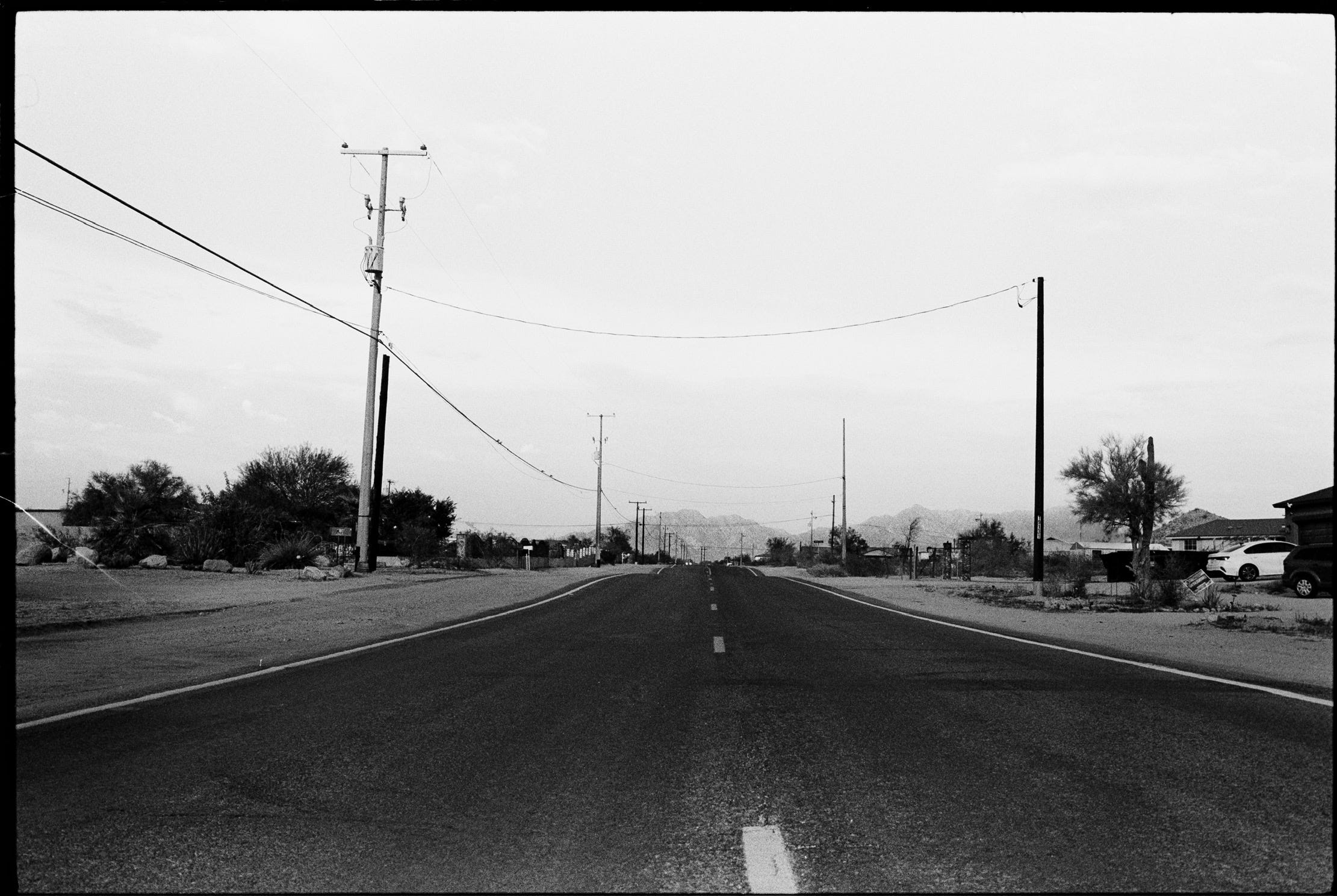
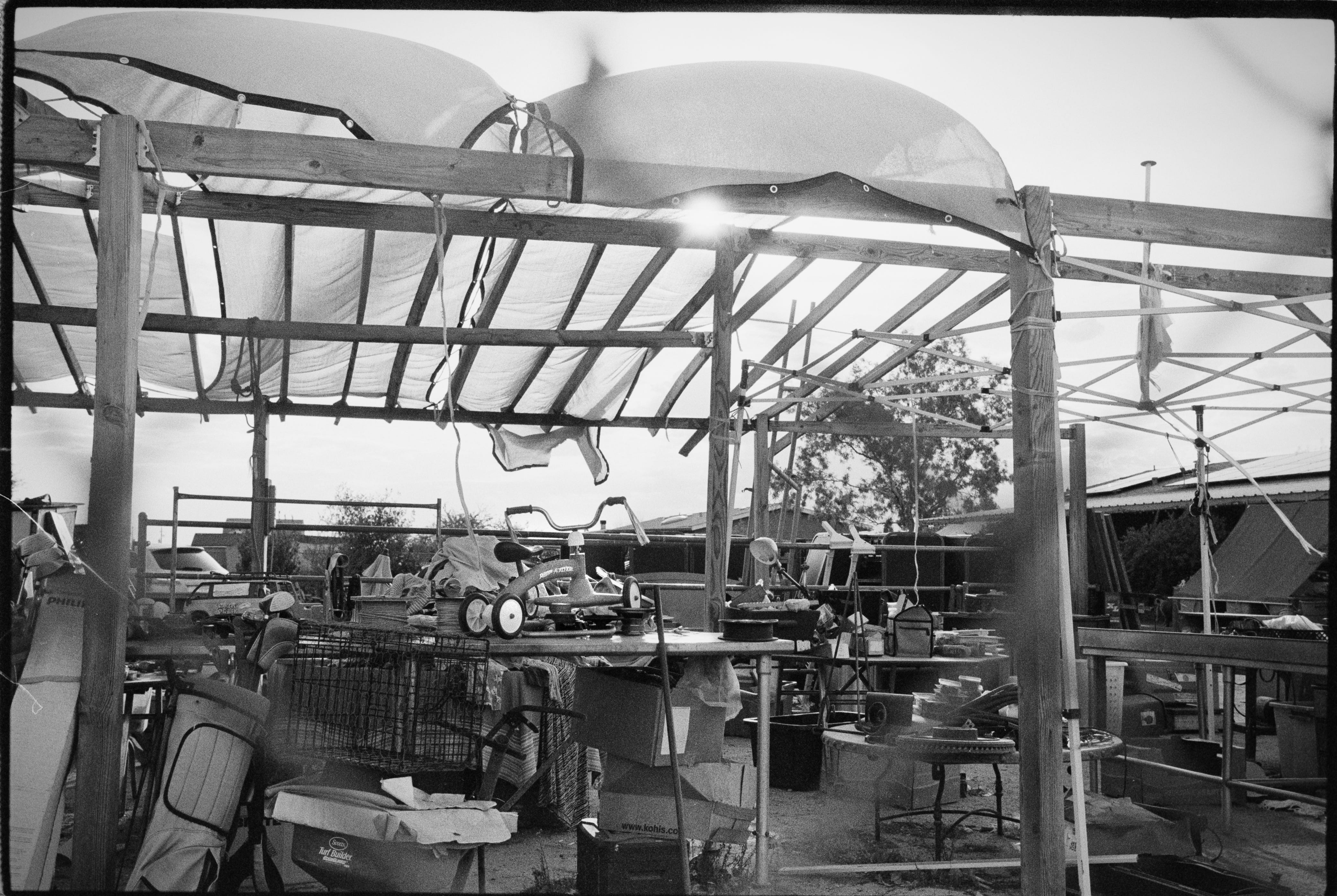
In the meantime, I thought I’d share a few early photographs from the experiment.
No posts
Comments
Nothing yet. Say the first thing.
Sign in to join the conversation.