
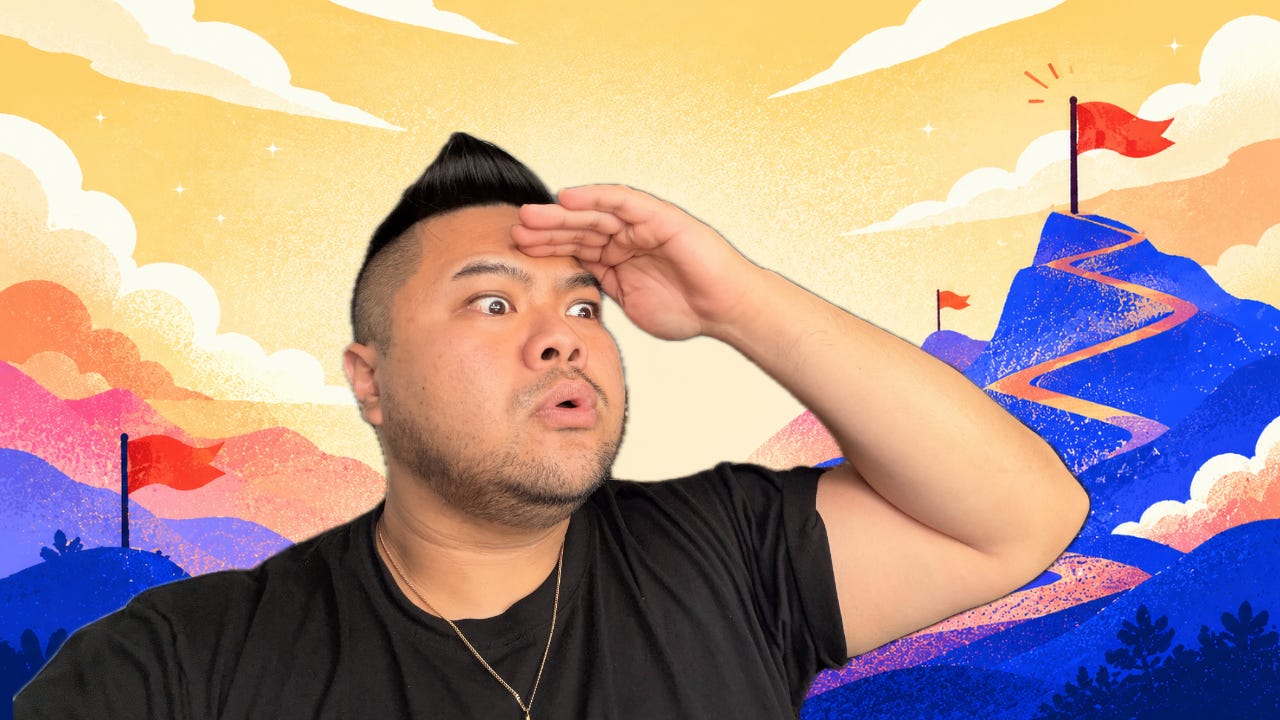
A video of mine resurfaced recently and somehow a joke about seafood boils and babies accidentally turned into a conversation about adulthood, queerness, loneliness, and chosen family.
The video itself was stupid in the best way possible.
I’m sitting at a seafood boil restaurant with two friends, ready to eat. I ask, “How are you?” They say, “We’re pregnant.” I stare blankly, slowly set down my gloves, walk away from the table, then suddenly come back just to grab a piece of corn before leaving again.
The caption was: “This is going to ruin the tour.”
Very dramatic and very unserious. Very obviously a joke.
Some people were passionately debating why I grabbed the corn instead of the crab legs, which felt spiritually correct for the internet.
But then there was this other wave of comments that felt way heavier than the video itself.
The comment section had parents talking about losing friendships after having children. People accusing me of hating kids and community. Other people admitting they understood exactly what I meant.
A lot of people recognized that underneath the joke was something much harder to talk about. The grief that starts happening in adulthood when everybody’s lives begin splitting into separate realities.
Some people get married and some people have children. Some people disappear into work while other people disappear into survival. Eventually you realize the people you love still love you, but the structure of their lives no longer has room for you in the same way.
I don’t even think this happens because people stop caring about each other. I think people are just exhausted.
Modern adulthood can make community incredibly difficult to maintain. Everybody’s overworked. Housing is expensive. Childcare is expensive. Free time barely exists. Maintaining friendship suddenly requires calendar coordination, advance notice, and energy people no longer have. Then we wonder why everybody feels lonely.
Especially as a queer person, friendship carry a different emotional weight.
A lot of queer people grow up building lives around chosen family because historically we had to. Friendship was practical, emotional, and sometimes survival. Friends became emergency contacts, rides home, housing, holiday dinners, and witnesses to your life.
Queer people spend years building emotional ecosystems around friendship while broader culture often treats friendship like a temporary phase before “real life” begins. And “real life,” according to conventional adulthood, usually means romantic partnership, marriage, children, and slowly retreating into a smaller private unit.
To be clear, I understand why having children changes people completely. I don’t want kids myself, partly because I take the responsibility so seriously.
A child is not a personality trait or a lifestyle accessory. You are responsible for shaping an entire human being emotionally, psychologically, and financially, and that responsibility terrifies me, for I am much too self involved for all of that.
I remember being young and realizing adulthood wasn’t some magical unlocked state where people suddenly knew what they were doing. It was maintenance. Bills, schedules, work, stress, and the constant pressure of keeping everyone alive. I remember watching my parents carry that pressure all the time.
So when I imagine having children, my brain immediately goes into logistics. Can I protect them? Can I afford them? Can I give them stability? Can I give them joy? Can I do all of that while still feeling like a person myself?
And my honest answer right now is no. Not because I hate children, but because I respect the gravity of raising one.
At the same time, I think people underestimate how much parenthood restructures every relationship around it. Spontaneity disappears and everything becomes planning, budgeting, coordinating, and recovering.
And again, I think parents should prioritize their children. Obviously. If you have a child, that child should come before brunch with me (unfortunately).
There’s a sadness people don’t talk about enough. Some friendships quietly dissolve through life stages nobody prepared you for. Nobody’s failed nor did the love disappear, but because adulthood quietly reorganizes people into smaller and smaller units of survival. I hate it.
Couples become households. Households become routines. Routines become exhaustion. Somewhere along the way, friendship becomes the thing people squeeze instead of the thing they built their lives around.
That feels especially visible for people whose lives are not centered around marriage and children themselves.
Because when I imagine my ideal future, I don’t imagine a child. I imagine a table full of people. Friends walking in and out of each other’s homes. Shared meals that last too long. Community that survives past weddings, babies, and logistics. Relationships that aren’t entirely organized around the nuclear family.
I think what I want is less isolated household and more ecosystem. Less private survival and more webs of care.
Maybe that’s why the seafood boil joke resonated so hard with everyone. Underneath the joke was a fear a lot of adults already carry: that modern adulthood keeps pulling us into smaller and smaller private worlds while many of us are still searching for a larger life together.
Some people are grieving that long before they know how to name it.
Comments
Nothing yet. Say the first thing.
Sign in to join the conversation.