
Patagonia is the trip of a lifetime for photographers, the landscapes are both iconic and unique, and the seasonal weather makes for some incredible skies that only make the dramatic landscape more intense. So naturally, when I had the opportunity to spend 3 weeks there for both work AND fun, I felt overwhelmed and stressed about what gear I’d be long-hauling on 3 flights, 2 cars, a coach and lots of treks.
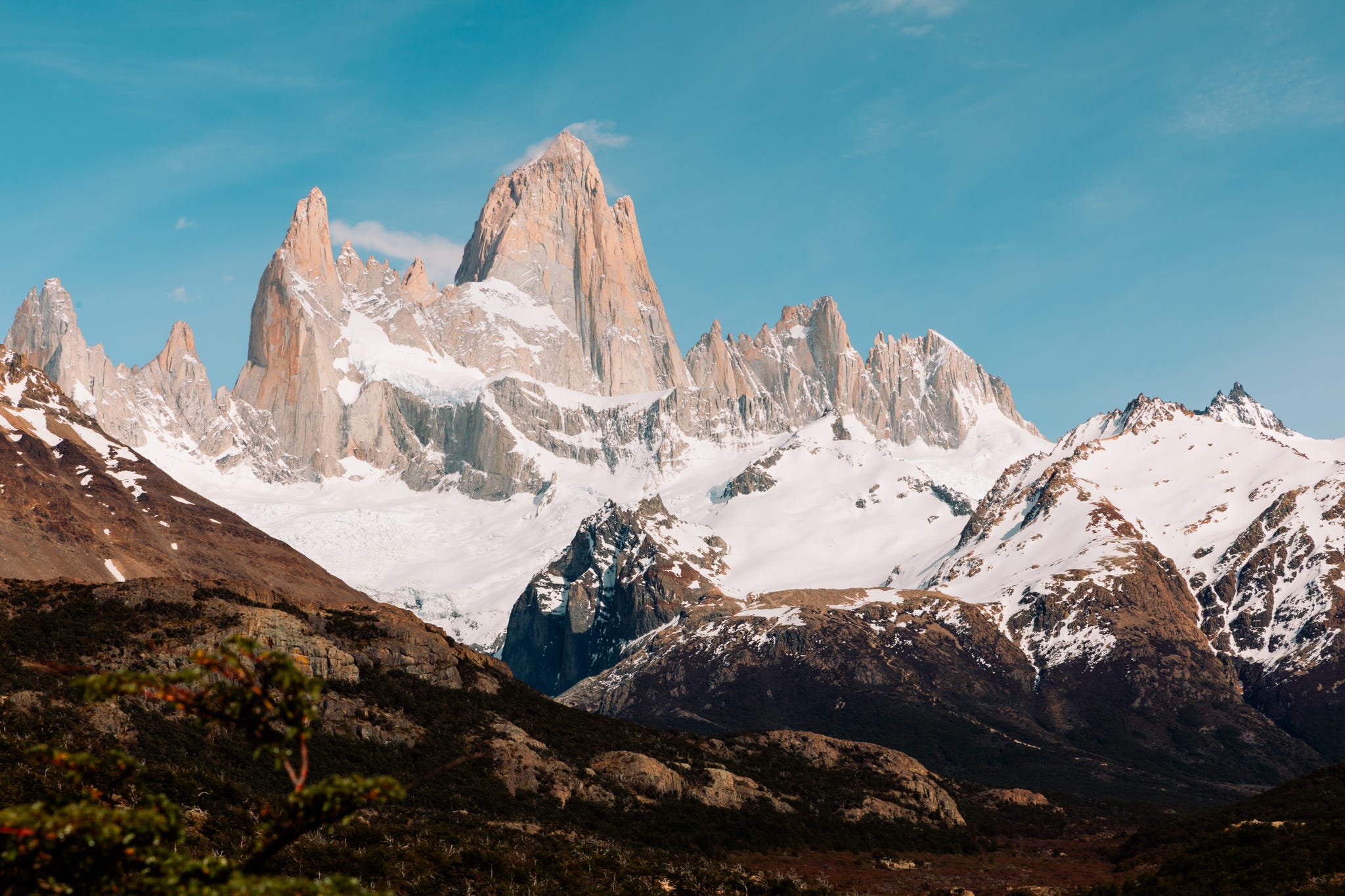
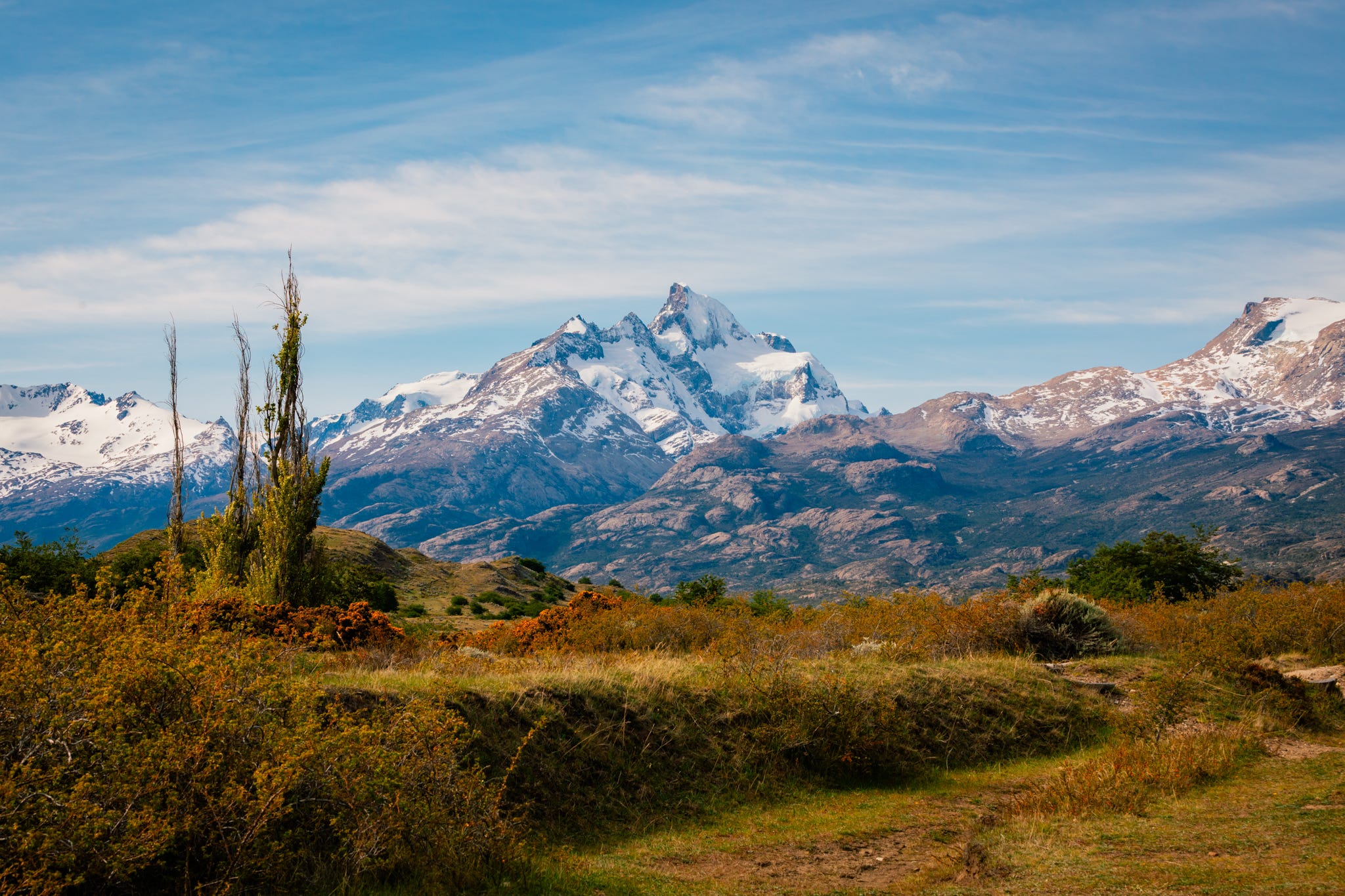
I knew I was going to be visiting some vastly different landscapes, from the Patagonian steppe to the Perito Moreno glacier, the aqua blue Lago Argentino to the slate grey Fitz Roy. In short, I needed a versatile set up that was effective and not too heavy, after all, this is the trekking capital of the world and I didn’t want to be weighed down.
Buy my prints or buy me a coffee.
Camera Bag
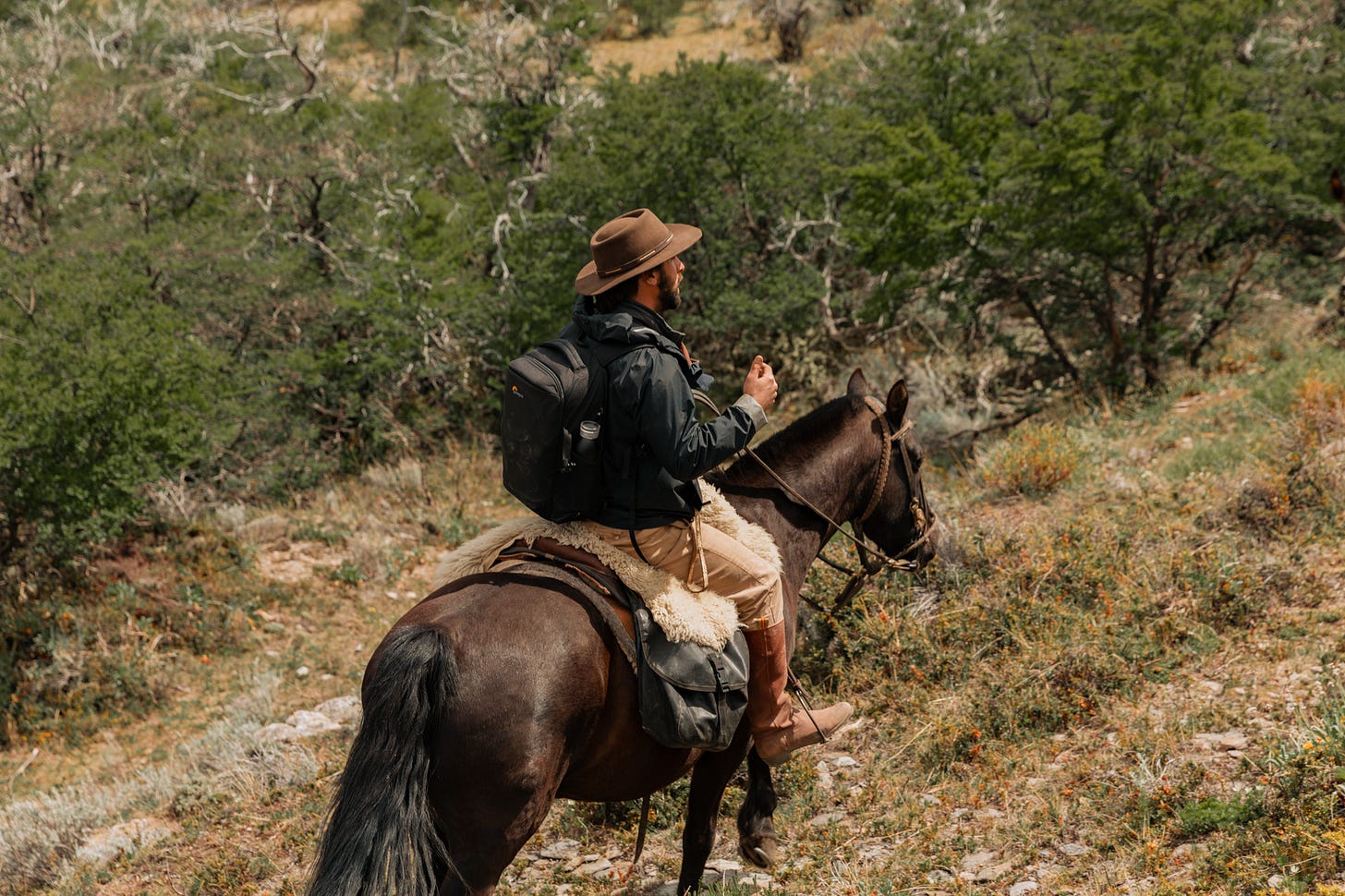
I took with me my tried and tested (and now 5 year old) Lowepro camera bag. It’s the bag I have taken all over the world, it’s trusty, protective, fits everything and has pockets in all the right places. It doesn’t even seem to have worn in, it looks pretty new and has kept all functionalities, thankfully, as camera bags can be very expensive to replace. I love this bag because I can fit everything I need and not everything I have. It also has a waterproof cover for if you get caught in any treacherous weather, though I find it does keep the rain out quite well without it.
Camera bodies
For this trip I knew I needed my most reliable and trusted camera, my Canon 5D Mark ii. She is old and well used and gives me great results every time. I know this camera inside out so, for me, it’s easy to change settings and get to where I need to be in seconds, no time wasted. I needed something I could work fast with on horseback rides and in testing conditions. I have since upgraded to the R6 Mark iii but I would take the 5Dii in my bag if I went again. I also took my fujifilm xt-5 and my iPhone, obviously, but also with the intention of taking some phone photographs.
Lenses
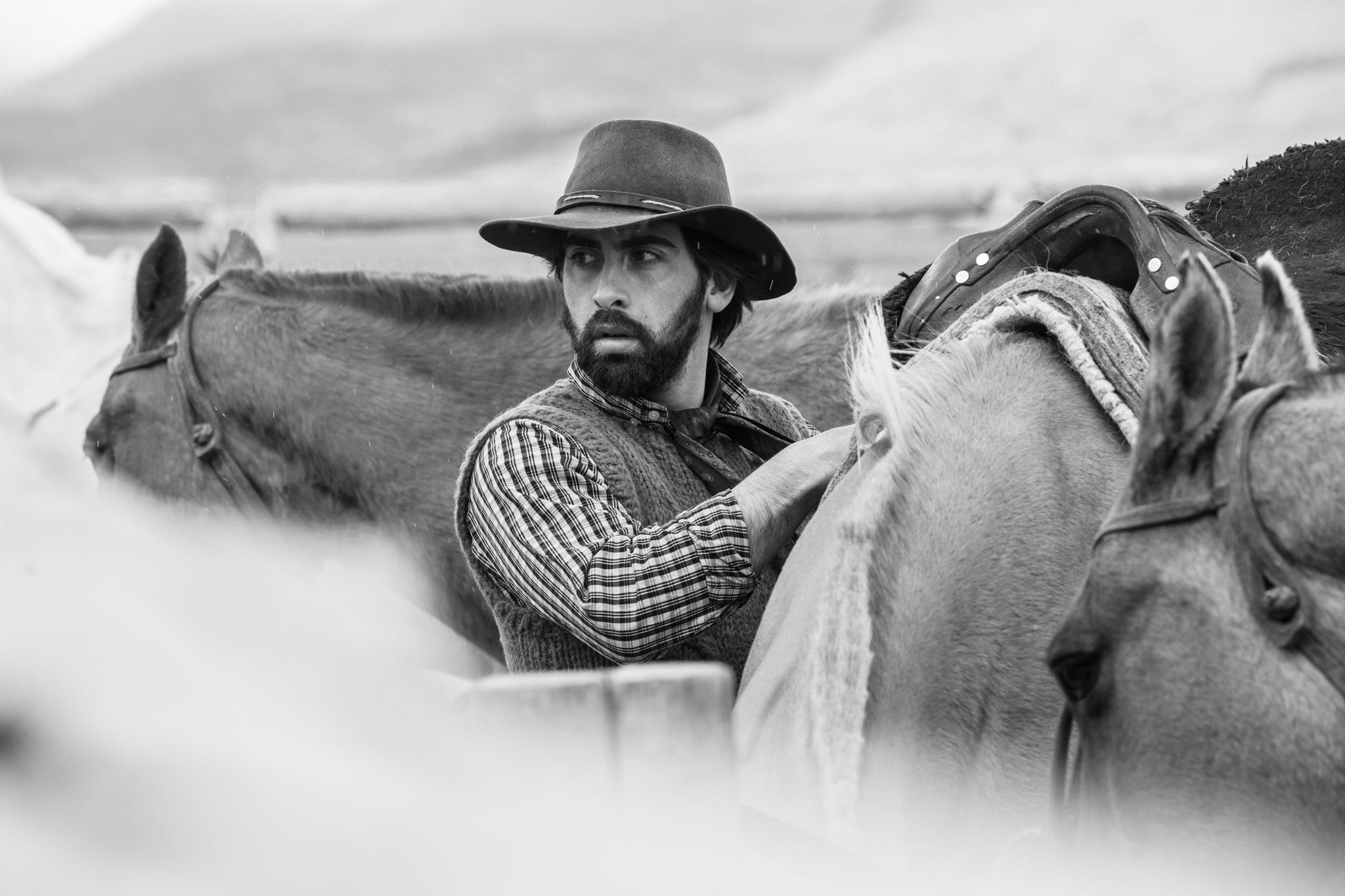
This was where the decision making became a little more difficult. I couldn’t take a range of lenses because they’re heavy. I took the Fujinon 16-80mm F/4 and an adapter for the canon lenses to the fuji mount. Now, I absolutely adore my prime lenses, they really give a beautiful bokeh and a slightly nicer, cinematic look but I had to be strategic. So I opted for the Canon EF L Series 24-70mm and the 70-200mm. This gave me enough focal length coverage for what I wanted, but know that if I wasn’t needing to hike 20kms some days, I would most definitely have taken a 35mm and a 50mm prime.
Filters + Accessories
Polarising filters are a must when shooting landscapes (especially in bright light), they make the clouds pop, take away any reflections or problems with photographing glass/water and they just add a bit more depth to landscapes overall. I took a tripod, though if I am being very honest I actually will avoid using it if I can. I took 7 camera batteries and I took 8 SD cards all put in different bags, pockets, cases etc just in case I lost or broke any, I knew I was going to a remote area and just didn’t want to risk not having one. Get v60 SD cards if you can, though I know they’re incredibly expensive at the moment, it’s great for high shutter speeds and a faster functioning camera.
No posts
Comments
Nothing yet. Say the first thing.
Sign in to join the conversation.