
Get music history, news, and stories straight to your inbox when you subscribe to the Rock & Roll Hall of Fame Substack.
In celebration of America 250, we are digging into the archives and revisiting essays that geographically trace the history of rock & roll through different American regions and cities. The below essay, written by Ashley Kahn, was first published in the 2008 Induction Program. Kahn is a music journalist, historian, and author who was raised in Cincinnati, Ohio.
In elementary school in Cincinnati, we used to say our home state was round on the ends and tall in the middle. Get it? O-hi-O. Well, my rapier-like wit had to start somewhere, and the same with my schooling in rock.
In the seventies, rock was everywhere in Cincinnati. WEBN was playing it on the FM dial, airing too much Frampton and not enough Springsteen in between fake ads for Tree Frog Beer. The legendary three-hour Coliseum concerts — Pink Floyd, Steve Miller, Led Zeppelin — seemed huge and dazzling back then, though hazy to me now. I remember the Eagles playing the first rock concert in Riverfront Stadium; harmonizing on “Lyin’ Eyes” was our mayor - Jerry Springer. Yes, that Jerry.
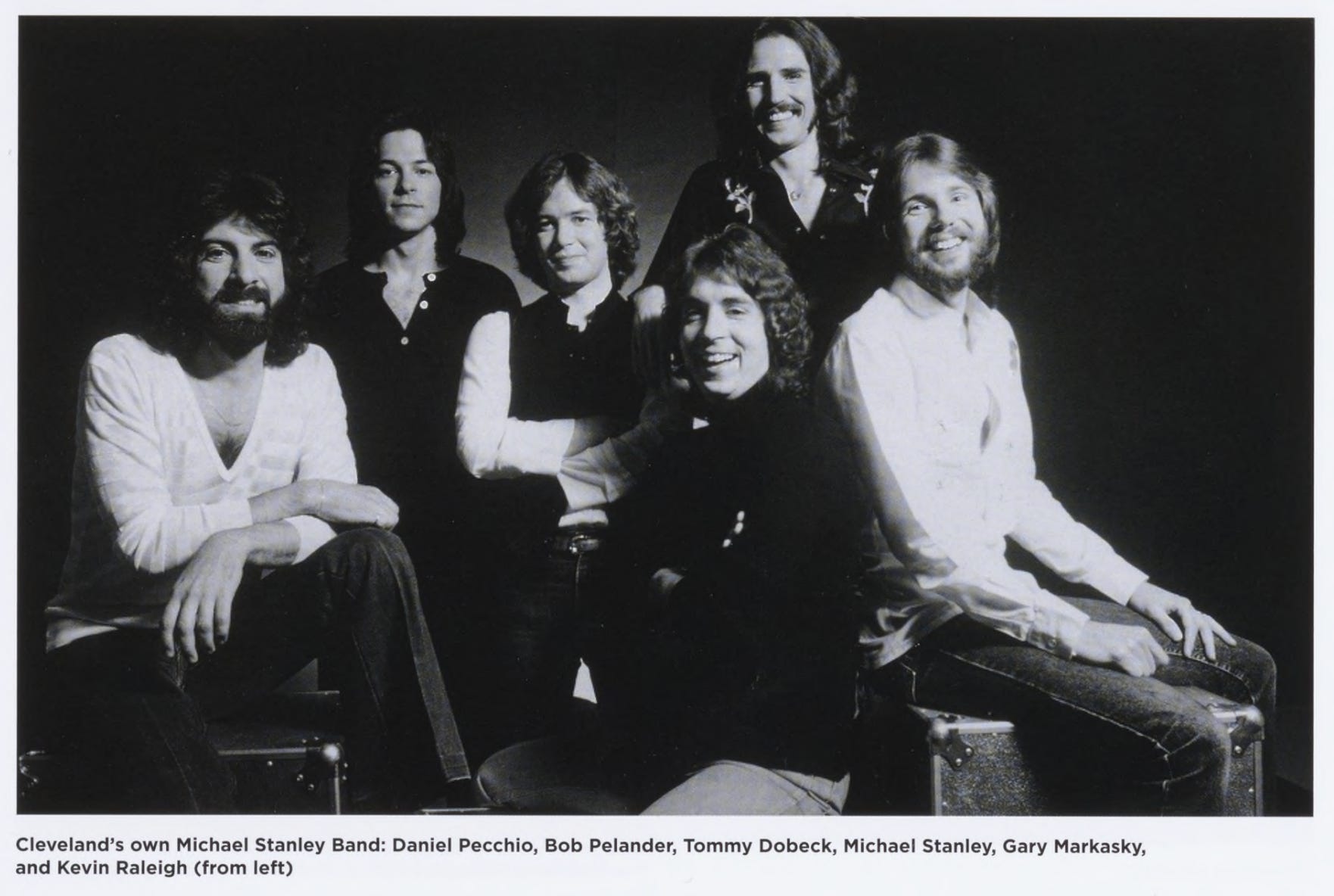
I recall driving up to Cleveland to see the Stones, tuning in to WMMS, and hearing the Michael Stanley Band for the first time. In 1976, Cleveland’s Michael Stanley Band was big stuff in O-hi-O. MSB (as we called them) never quite made it onto the national radar, but they should have. They could rock out with the power of a Grand Funk boogie, or get backseat sticky like a Bob Seger ballad. They put on a high-energy show and put out solid albums. Give a listen to You Break It, You Bought It from ’75, or Heartland from ’80. You’ll agree.
For a young Ohioan falling in love with rock, MSB was an early lesson in regional pride. As my affair with the music deepened, my ears began to reach out to older styles, and I found plenty more reasons to celebrate Ohio’s role in the rise of rock: Bands of national influence that grew from small locales like Youngstown, Canton, and Akron. A R&B record label of historical significance that was surprise! — based in my own hometown. A Cleveland DJ who, in 1951, began broadcasting black music to a racially mixed audience, being the first to regularly refer to the music as "rock & roll.”
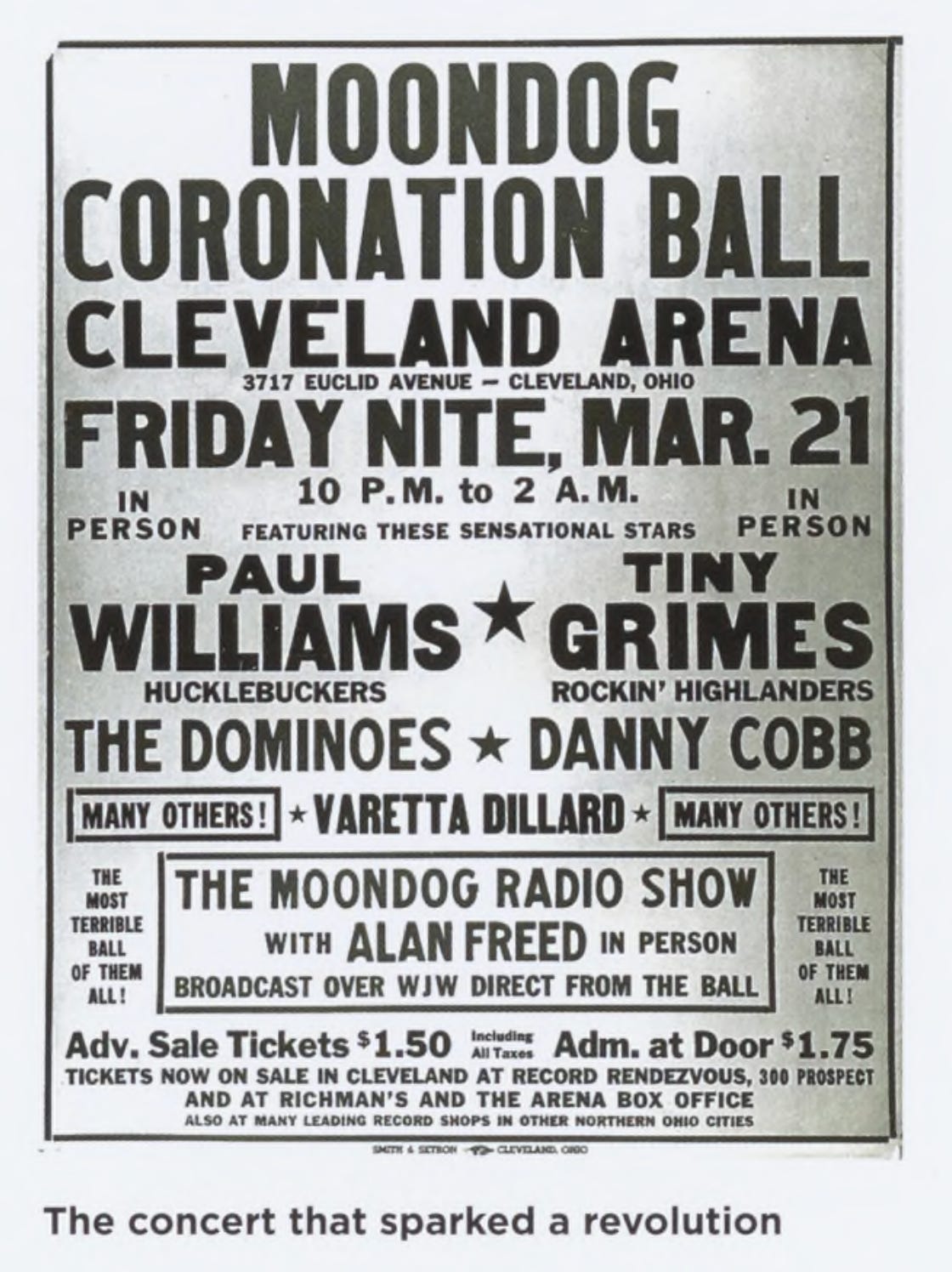
Today, Alan Freed, a Rock and Roll Hall of Fame inductee since its first year, has been crowned a pioneer of the grand tradition. His WJW program The Moondog Show is considered a cradle for the dissemination of R&B to a mainstream audience, and his first Moondog Coronation Ball - held to riotous reception on March 21,1952 — is widely hailed as the first rock concert of all time. Much of it had to do with Freed’s hustle and jive-talking patter, but Cleveland — an important “breakout city” where countrywide trends first appeared in local form — had a part in it, too.
That’s one of the reasons the Rock and Roll Hall of Fame opened here in 1995. Acknowledging the extent of Cleveland’s — and Ohio’s — contributions to the grand rock & roll tradition would take a book (two already exist: Nick Talevski’s Hang On Sloopy and Deanna R. Adams’s Rock ‘N’ Roll and the Cleveland Connection). What follows is a more condensed retracing of one Ohioan’s rock & roll education, which started in the heyday of arenas and album-oriented radio.
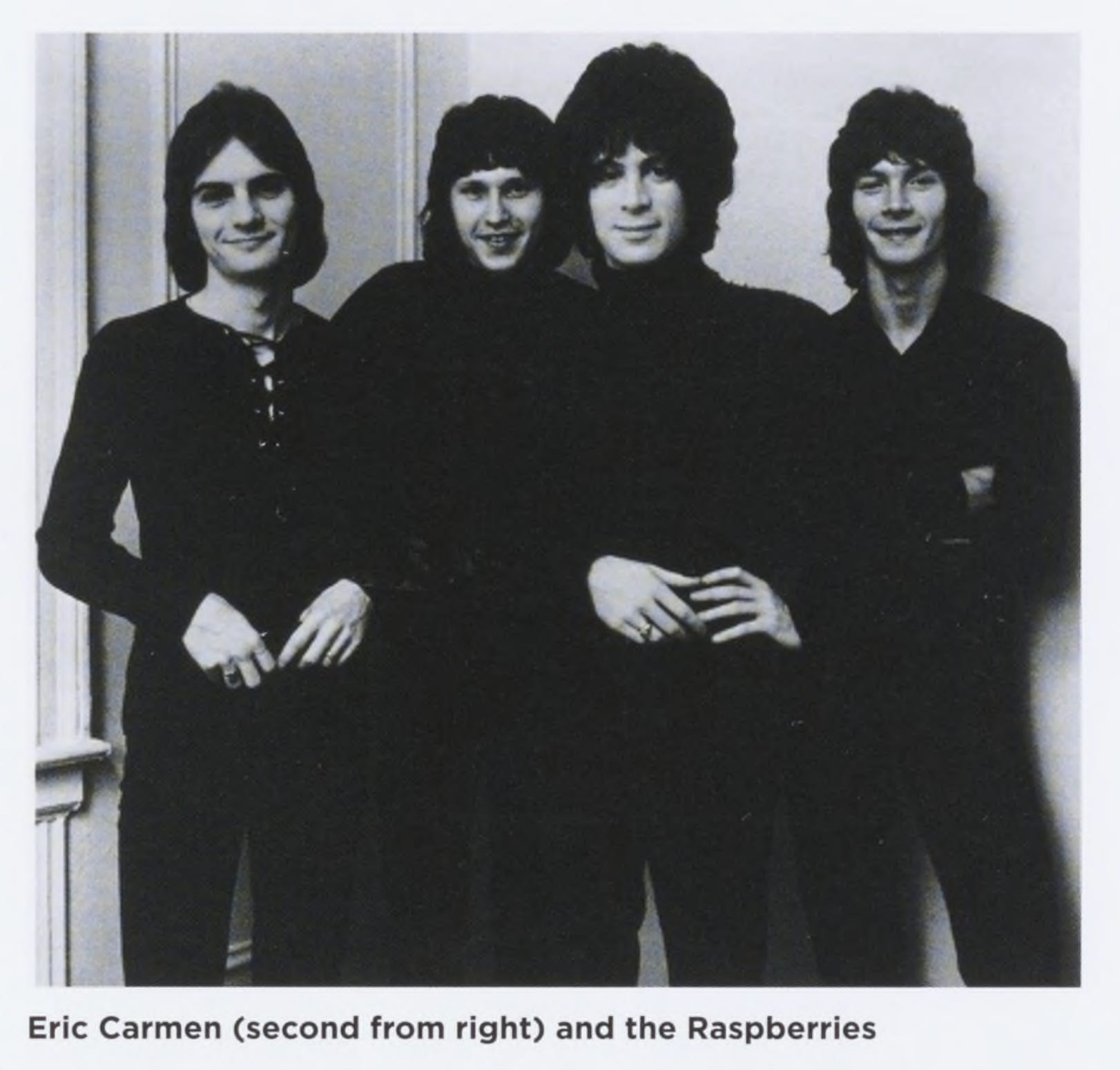
In the 1970s, the Michael Stanley Band was not the only group blasting out of Cleveland. There was the more widely renowned James Gang, featuring guitar star Joe Walsh, with such national FM-radio favorites as “Funk #49” and “The Bomber,” and Walsh’s solo hit “Rocky Mountain Way.” Over on the AM dial, the Raspberries, also from Ohio’s northeast corner, featured Eric Carmen’s soaring vocals and created rapturous, hook-filled slices of power pop: “Go All the Way,” “I Wanna Be With You,” and “Overnight Sensation.”
Being a Cincinnatian, I soon learned about the Isley Brothers and how their earliest hits - “Shout” and “Twist and Shout” — inspired the Beatles and other British Invasion groups. And how local guitarist Lonnie Mack, who played one of Gibson’s first Flying V guitars, inspired Stevie Ray Vaughan. On the garage-band tip just a little upriver in Youngstown, a group called Human Being hit it big in 1967 with their version of the Isleys’ “Nobody but Me.” In ’74, on the more bubblegum side, Cincinnati’s Bo Donaldson and the Heywoods hit the pop charts with “Billy Don’t Be a Hero.”
As rock spat and snarled its way into the punk years, a new crop of bands grew from Ohio’s northern sector and left their mark on a national scale. Cleveland’s cult favorite Rocket from the Tombs — led by a legendary rock writer named Crocus Behemoth — were a high-energy, proto-punk band that shared both the sound and attitude of Iggy and the Stooges. The group never went further than the local scene. More significant, as the band splintered, it spawned two important groups - the scruffy and scuzzy Dead Boys, led by Stiv Bators, and the dark, brooding intensity of Pere Ubu, fronted by David Thomas (Crocus’s real name).
From Akron came the quirky, futuristic rock of Devo. Boosted by a range of fans that included Neil Young and David Bowie, the costume-wearing and concept-driven band was perfect for MTV’s initial years; its tune “Whip It” was one of the first singles propelled onto the charts primarily by music video promotion.
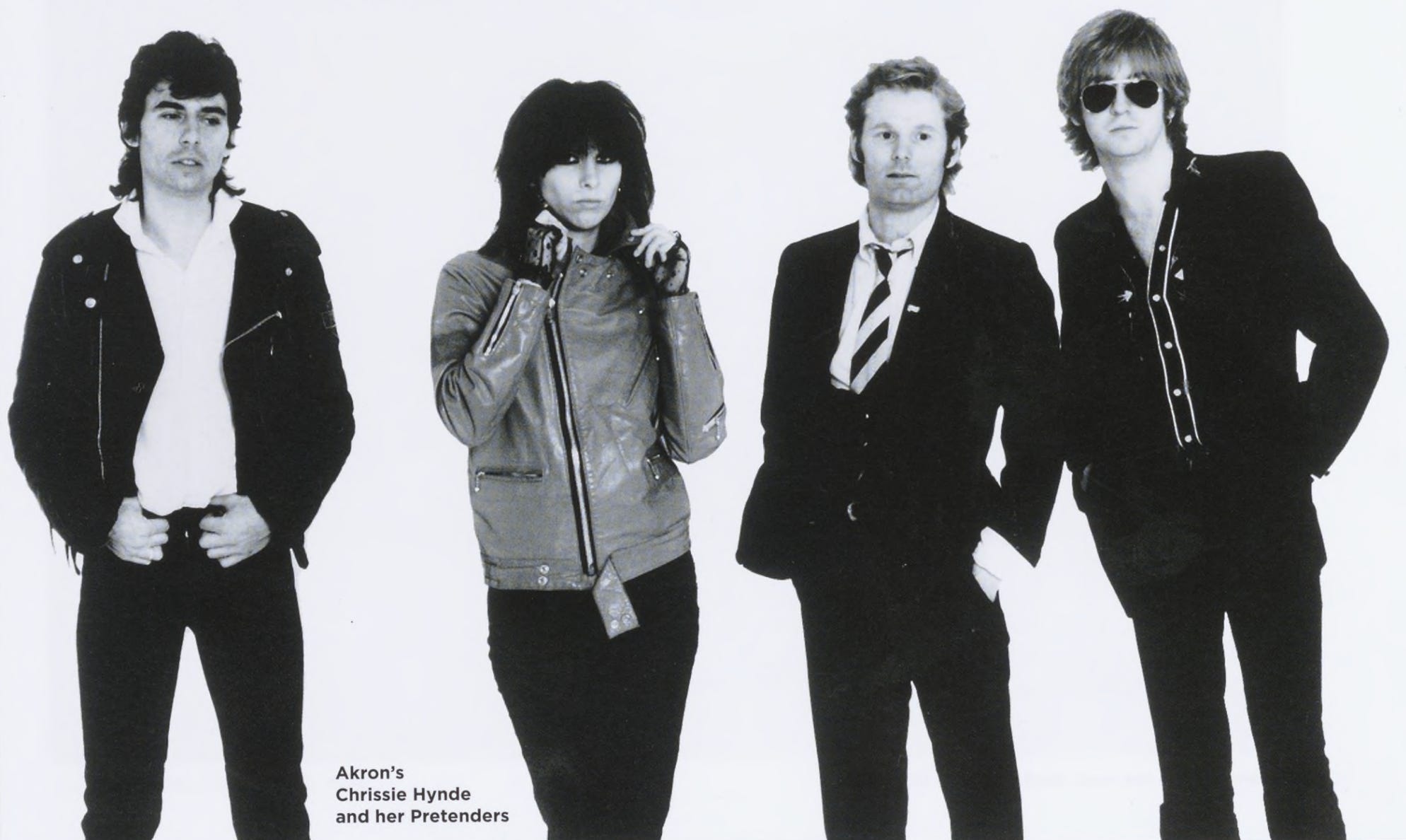
Devo was considered one of the big success stories of the so-called new wave; another were the London-based Pretenders, led by Chrissie Hynde, a transplanted songwriter, singer, and guitarist who went to Kent State with Devo’s Mark Mothersbaugh. Around the same time, the Cramps - dreamed up in Akron by Christine Wallace and the late Erick Purkhiser (a.k.a. Poison Ivy and Lux Interior) and launched in New York with drummer Miriam Linna and guitarist Bryan Gregory—became a downtown favorite, blending horror-movie schtick with primal, rockabilly raunch, creating a new style called “psychobilly.”
On the soulful side, Ohio had much to offer as Black music morphed through the years, from jump blues to R&B to soul. In the forties through the fifties, Cleveland brought forth balladeers Bull Moose Jackson and Little Jimmy Scott, and Screamin’ Jay Hawkins — whose howls on “I Put a Spell on You” and other tunes combined heavy backbeat rhythms with the spine-tingling sounds of an exorcism. There was the harmony group the Valentinos, straight out of the Cleveland church scene, famed for the original versions of “It’s All Over Now” and “Lookin’ for a Love.”
Other Clevelanders who made it big in the soul world include Edwin Starr, whose Vietnam-era song is one of the angriest of its kind (“War — Huh! What is it good for?”), and Hall of Famers the O’Jays, whose message-laden hits — “Backstabbers,” “For the Love of Money,” “Love Train” — were crafted by Philadelphia International’s mid-seventies production machine. Gerald Levert came up under his father Eddie - an original O’Jay - to become a successful singer and producer. Two more R&B heavyweights from northern Ohio: Akron’s James Ingram and Canton’s Macy Gray.
Turning to southern Ohio, there’s a fertile, funky tradition that stems from a converted icehouse on Cincinnati’s Brewster Avenue. A plaque was recently placed there with the Rock Hall’s participation, marking die historic headquarters of Syd Nathan’s King Records empire. King, with its subsidiary Federal and other labels, was a veritable R&B factory, producing more than 500 hit singles and creating a stable of rock legends — Hank Ballard, Little Willie John, Wynonie Harris, Freddie King, bandleader Tiny Bradshaw, and, most memorably, James Brown.
Nathan entered the business, like so many independent record men of his generation, as a retailer, then in 1943 shifted from selling to producing, establishing Queen Records to record and release country music — “hillbilly” as it was then known. In ’47, he changed the label’s name and focus. By 1950, King and its spin-off, Federal, were profiting most from its R&B singles; Nathan hired a prominent producer named Ralph Bass, who in turn discovered a boxer turned drummer turned singer in Georgia. Despite his initial reluctance, Nathan released “Please, Please, Please,” by James Brown and the Flames, in ’56. King - and American music - would never be the same.
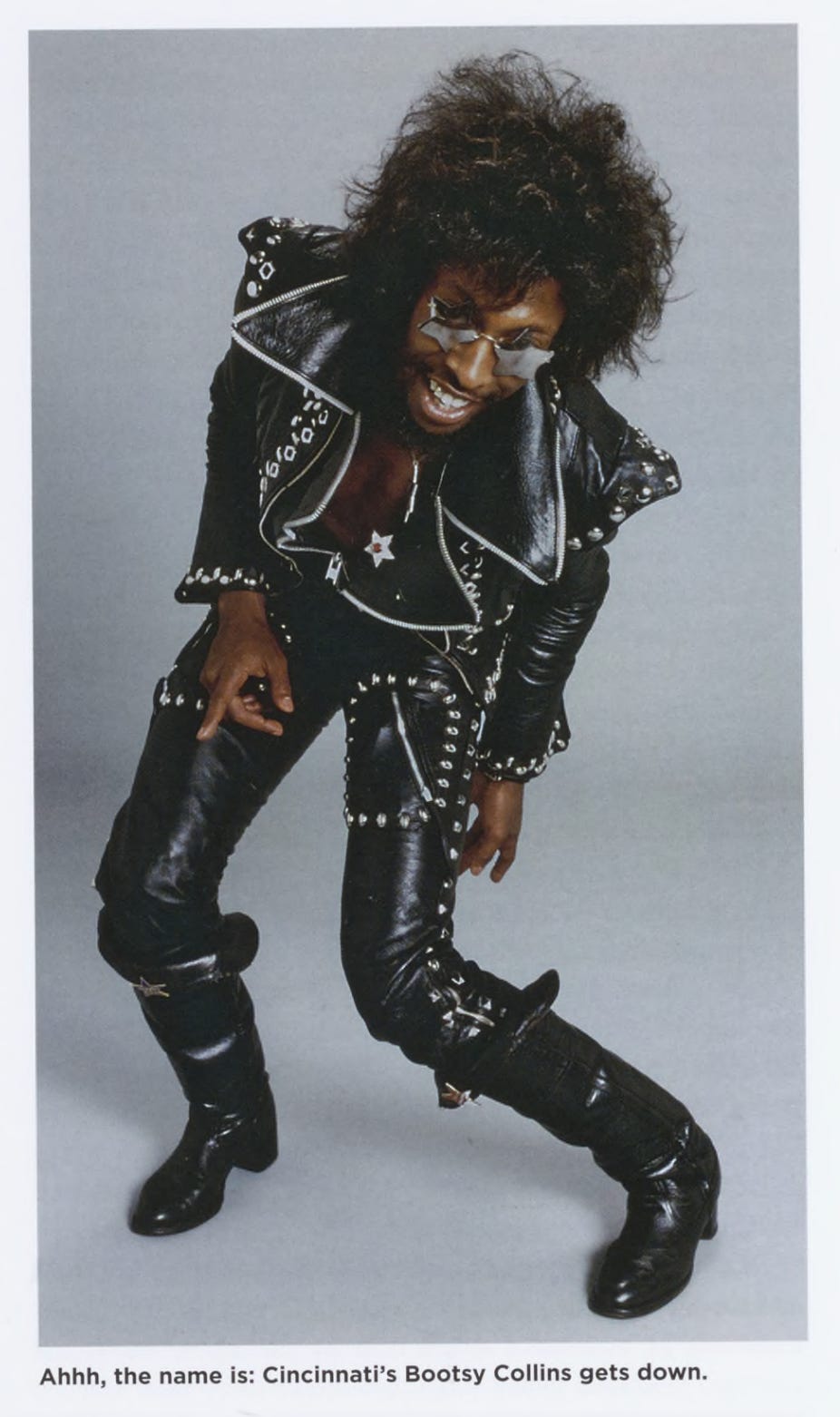
King’s studio became Brown’s laboratory: It was there that he came up with the tunes that led to the creation of funk: “(I Got You) I Feel Good,” “Cold Sweat,” “(Say It Loud) I’m Black and I’m Proud.” In late ’69, when a pay dispute led his band to walk out, Brown looked no further than Cincinnati to find replacement backing — discovering a group called the Pacemakers that included guitarist Phelps “Catfish” Collins and his brother, bassist William “Bootsy” Collins. Besides Bootsy’s ascendancy as a star in his own right, it’s important to also acknowledge that following their apprenticeship with Brown, both Collinses played instrumental roles as members of George Clinton’s Parliament-Funkadelic.
Ohio-born groups that hit heavy on the one followed through the late sixties and seventies: Cincinnati’s Isley Brothers (“It’s Your Thing,” “Pop That Thang,” “That Lady”) and Dayton’s Ohio Players (“Fire,” “Love Rollercoaster,” “SkinTight”) kept dance floors full. Around that time, a young guitarist by the name of Kenny Edmonds was getting started on the Cincinnati scene, playing briefly in Bootsy’s band, then as a founding member of two R&B outfits — Manchild and the Deele — that caused a few national ripples. Of course, Edmonds is now most celebrated by the name Babyface. Under that moniker, he grew into a one-man hit-producing army in the late eighties and nineties, writing and often producing chart-topping singles for Madonna, Whitney Houston, Boyz II Men, Sheena Easton, and Bobby Brown; which is not to mention Edmonds’s own Grammy-winning triumphs as a recording artist.
Collectively, Ohio’s R&B, rock, and now hip-hop pedigrees stretch from the nineties to the present, bringing the story up to date. In Cleveland, Trent Reznor created a menacing, mechanized sound under the collective name Nine Inch Nails; his music remains the most successful industrial rock to date. Out of Columbus came the funk-punk outfit Royal Crescent Mob and rapper BowWow. From Cincinnati came alt-rockers the Afghan Whigs and the Blessed Union of Souls, and Guided by Voices, led by Robert Pollard, made Dayton proud. Most recently, Akron’s eclectic singer-songwriter Joseph Arthur is yet another Ohioan of musical promise, with many sure to follow.
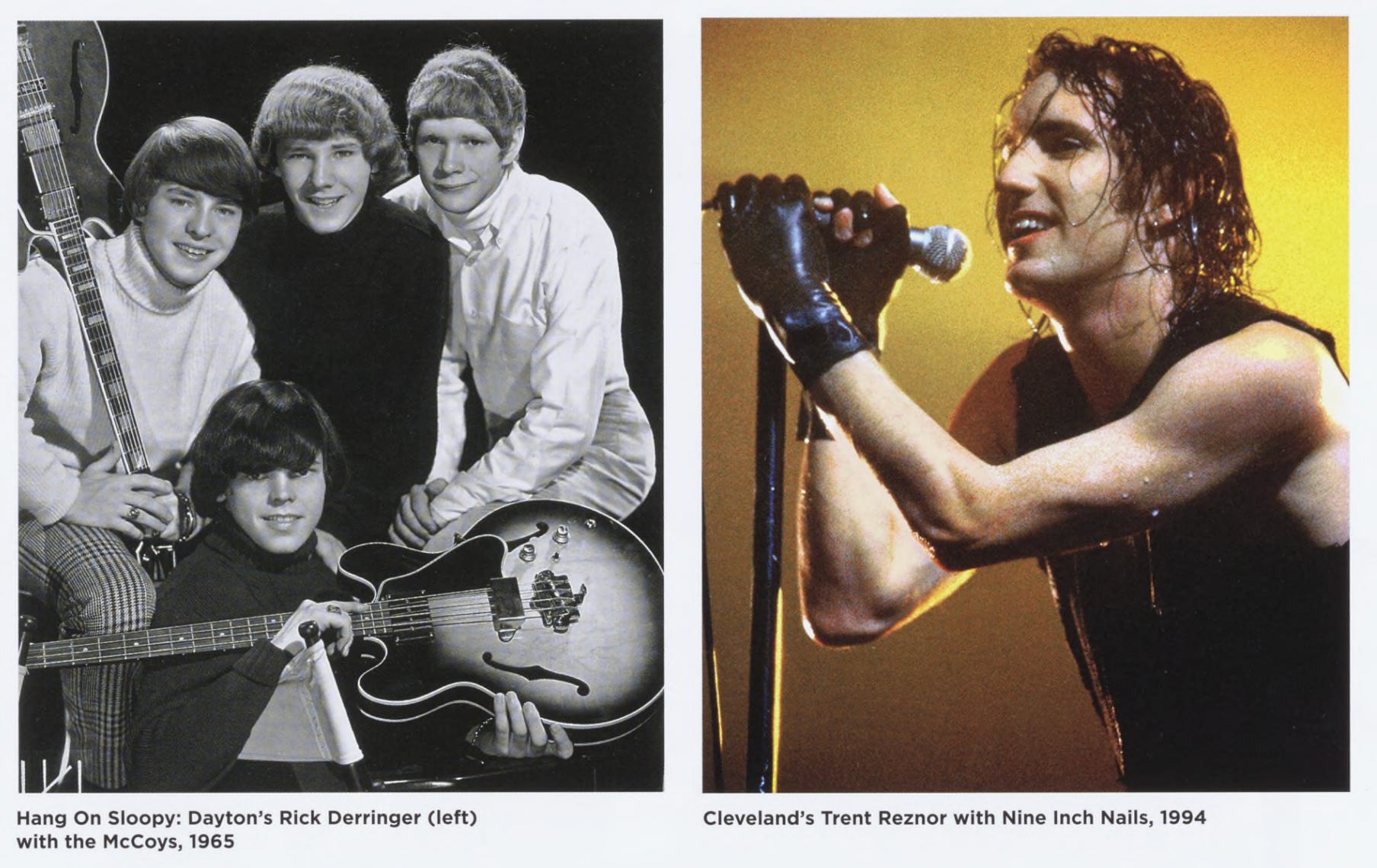
As Ohio has brought forth countless musicians of national importance, so the state has inspired an extensive number of songs that must be mentioned. They range from Neil Young’s chant-like protest tune “Ohio” to Randy Newman’s wistful ode to small-town USA, “Dayton, Ohio - 1903.” From Ian Hunter’s pint-raiser “Cleveland Rocks” to the Band’s stormwarner “Look Out Cleveland” (I’m still working on what that tune’s really about). There’s the frat-band perennial “Hang On Sloopy” that launched Richard Zehringer Ja.k.a. Rick Derringer) to fame, along with the McCoys from Dayton. The three-chord anthem has since become the signature of the Ohio State University marching band and, in ’85, Ohio’s official rock song.
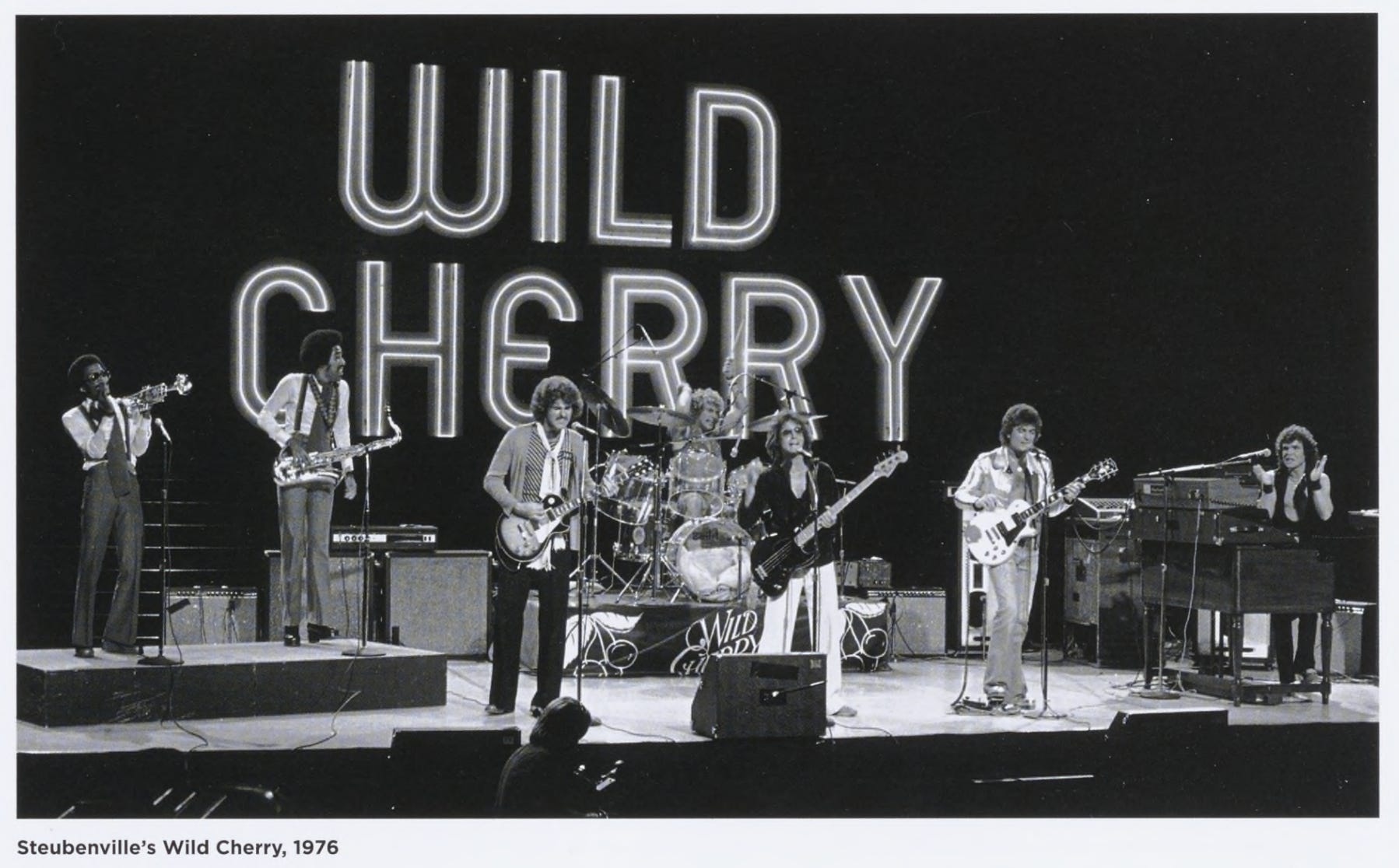
Yet, if one Ohio-spawned recording bears cultural significance above all others - one song that continues to speak to all genres and generations — I believe it’s the disco-era classic “Play That Funky Music, White Boy.” Recorded in 1976 by Wild Cherry - a Steubenville band named for a cough drop — the song tells the story of a rock band that learned to let go and get down: an accurate reflection of the vast cultural shift then taking place. Yet the message it carried is timeless: white musicians (and music fans) learning how to respond to a new sound that began in black America. Think Elvis Presley, or Mick Jagger, or Justin Timberlake. Or any of the countless music heroes enshrined in the Hall of Fame.
To be entirely precise, disco actually emerged from Latin and gay discotheques as much as the urban dance scene, but you get the idea. Rock — like all the best styles that have come along — is a glorious, hybrid music. It’s a result of the cultural dialogue between all of America’s folks and strokes — a dialogue that can’t help but continue, as musical styles grow and overlap and change. It only makes sense that this defining aspect of the rock tradition would be reflected here in Ohio, with a statewide musical legacy that crosses all categories and county lines. It’s a legacy of which any Ohio rocker can be proud.
The Rock & Roll Hall of Fame is located in Cleveland, Ohio. Current special exhibits include Paul McCartney and Wings, SNL 50, Women in Metal, 2025 Inductees, and more. Learn more about the museum below.
Comments
Nothing yet. Say the first thing.
Sign in to join the conversation.