
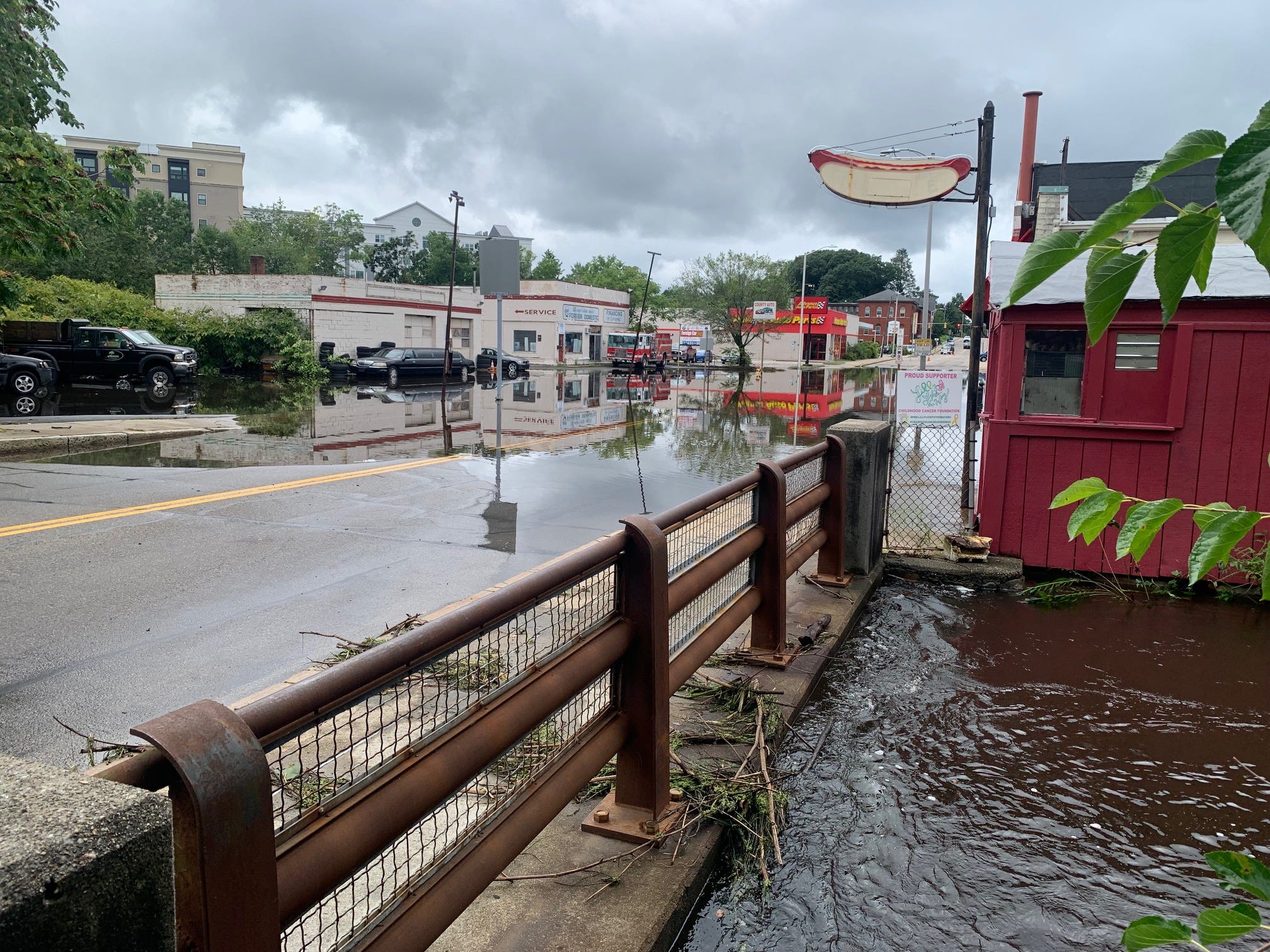
Attleboro is taking steps to reduce flood and stormwater damage and increase drought resilience by creating a “Pocket Forest” with a great diversity and high density of native tree species that will collaborate to deepen soils that absorb and hold water, many times that of a stand of a single tree species.
Attleboro residents and businesses are raising funds to purchase 520 native trees and shrubs, representing 52 different woody plant species, for a plot by home plate at the old ballfield close to Capron Park Zoo and Attleboro High School.
Thursday, February 26, 2025
5:15 pm to 7:00 pm
Attleboro Area Industrial Museum
At 5:15 pm, doors will open for a reception featuring posters and presentations by Attleboro High School students that demonstrate the benefits of planting a pocket forest.
At 6:00 pm, Presentations:
Deanna Wells-Scott, AHS Marine Science Teacher, and Chris Hitchener, lead education coordinator for Mass Audubon’s Oak Knoll Wildlife Sanctuary, will discuss Attleboro’s connections to the sea and the work of AHS Marine Science students.
Kirby Ruggieri, an AHS Environmental Science teacher, will discuss life in soils and how a diverse range of forty native woody plants, trees, and shrubs can be a much better carbon sponge, holding water, than a stand of just a few tree species.
John Rogan, PhD, Professor of Geography, Human-Environment Regional Observatory, Clark University, will present the work of Clark Students monitoring and measuring the climate resilience of two Miyawaki pocket forests in Worcester, Massachusetts.
Rob Moir, PhD, Executive Director of the Ocean River Institute, will discuss how densely planted native-plant stands, developed using methods pioneered by botanist Akira Miyawaki, grow faster than stands of a single tree species, improve stormwater management, reduce flooding, and increase drought resilience.
The Industrial Revolution began in Attleboro in 1780 with the opening of a brass button factory. The Earth Rehydration Revolution, a grassroots environmental movement, focuses on restoring the “small water cycle” by keeping rainwater in the soil rather than allowing it to run off into the ocean, thereby reducing the heat-trapping effects of atmospheric water vapor and cooling the local climate.
It begins here in Attleboro with a pilot pocket forest. Learn about plans for larger pocket forests along the Ten Mile River and in Highland Park. Discover how you can make a meaningful, lasting impact with a spade and a sapling.
Kelly Bergeron and AHS’s media team, “Blue Reporters,” will film the event.
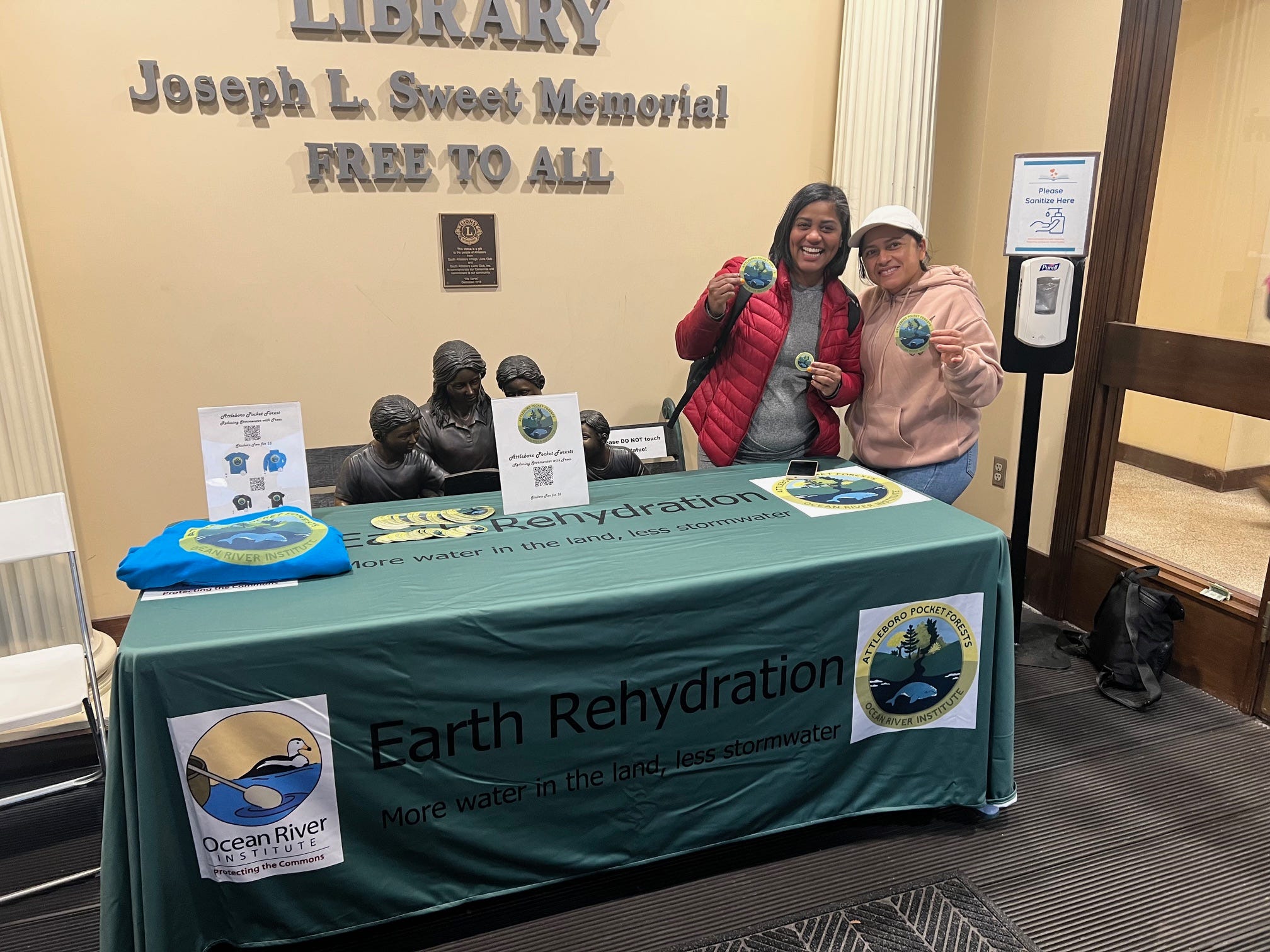
With a small donation today, you can turn a sapling into a mighty oak for Attleboro.
Media coverage:
Attleboro to welcome its first Miyawaki Forest - a step towards mitigating climate change, flooding, and improving the habitat of right whales. Attleboro Sun Chronicle, September 6, 2025
Let the Earth Rehydration Revolution Begin. Lowell Sun, February 16, 2026.
Let the Earth Rehydration Revolution Begin. The Clam Chowdah Narratives on Substack
Comments
Nothing yet. Say the first thing.
Sign in to join the conversation.