
With all our talk about how important the union of words and music is to us, we must admit that language can’t fully interrogate or explain music any more than a brain can explain itself. Yet, as we struggle to define this elusive connection, new technology is stepping into the void. AI is throwing questions at us about how we create art, but is it also asking us what we value in it?
We think that music explains itself, even though what it says will be different for each person. We’ve come to rely on music doing this for us without deeply questioning why it does this. We just love the results.
We say that a large part of what music says to us is based upon the person or people who create it. The hysteria around Franz Liszt in the mid-1800s, known as Lisztomanina, and today’s Taylor Swift Swifties have the same things in common. They are passionate about the artist and their music. But what if we took the artist out of that equation? Could we love the music just as much? What if AI created music that was equally moving as your favourite artist? We might grow to love its creations, but I can’t see many hanging a picture of an AI on their bedroom walls.
Then again, maybe people would come to love AI just as much if they could develop one that looked, moved and sounded like Taylor Swift; we might. However, until then, we say that AI won’t cut it for humans.
But what if you didn’t know the music you loved was produced by an AI? Would that change your relationship to the music if you found out that the wonderful new song you love is generated by AI? If so, what does that say about music?
Perhaps the real question is whether the connection we feel to an artist has always been truly genuine, or just something we like to think is true.
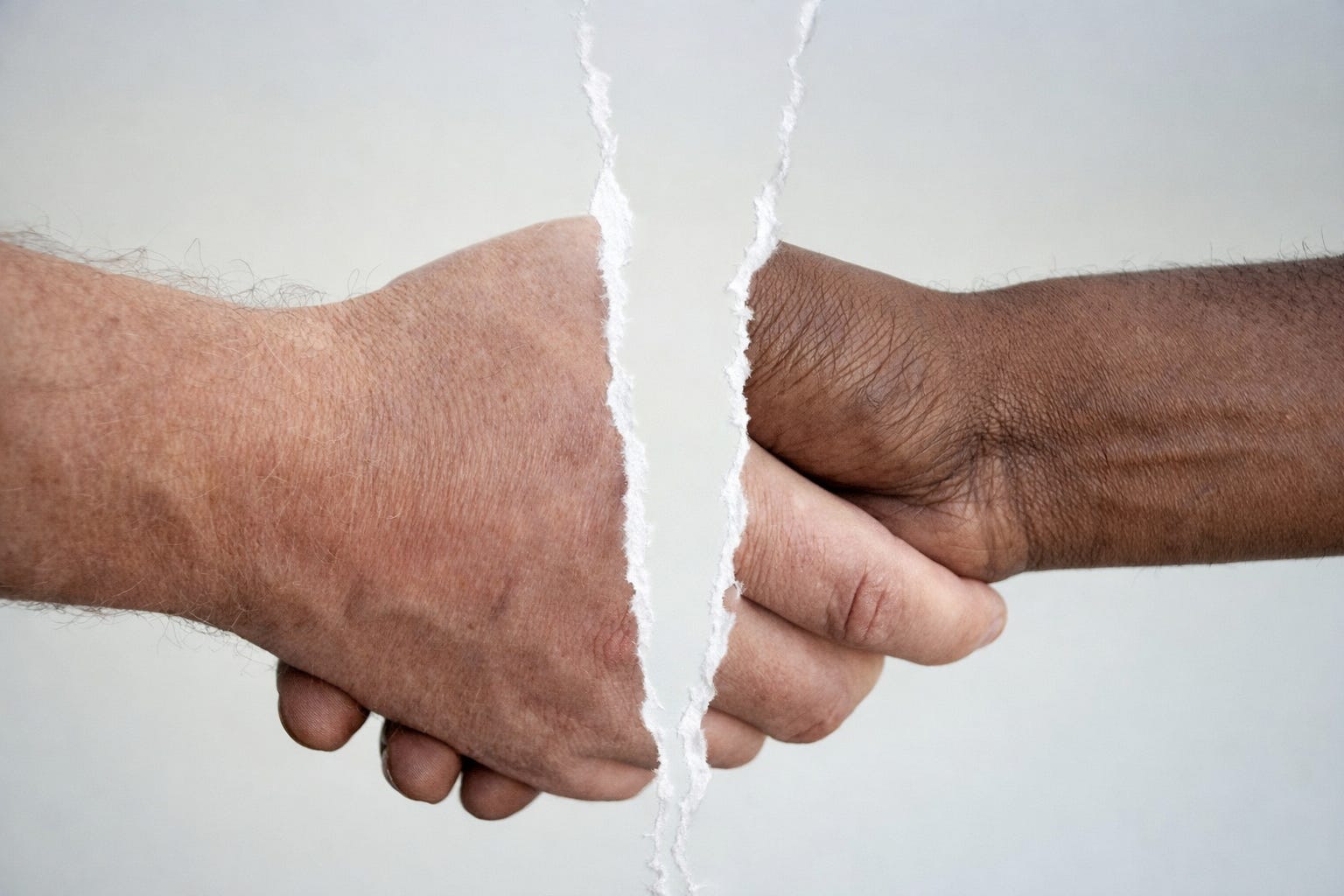
So, if AI produces something identical to a Swift song, and you know it’s AI, we’d suggest that your emotional machinery would not engage with it in the same way. Not because the sound is different, but because the contract between the listener and the artist is broken.
Music is not just organised sound meeting a sensing body; it is organised sound that carries a connection to another human. Remove that, and what is essential is gone, even if little in the music has changed. We clearly need and want the artists in our lives to go on creating the things they do that affect us so much. But if AI takes over our music, like the tide, we can’t stop the wave of AI from crashing over us.
Companies can trick us into thinking that what we are hearing is what we have chosen to hear through our free will when the advertise music that is said to be created by humans. That’s the contract broken. But does that mean that there was no real contract in the first place, or just that the conditions have changed?
Music’s always had a relationship between creator and listener. Even if the artist and audience never meet, there is an understanding that the sounds originate in a human brain from human experience. If companies disguise AI-generated music as human-made, they violate that expectation. The problem is not AI itself, but the deception.
Perhaps listeners have always added meaning to music without an exact reason. We do not know most artists personally, nor do we understand their musical intentions. We hear organised sound and infer a human presence behind it. Does AI simply expose how much of that connection was based on assumptions rather than any explicit agreement?
We know that there has always been an unwritten social contract between artist and listener. AI is destroying that. But does AI reveal that the contract was imaginary? Has it forced us to ask what we value in music? Do we value the sound itself, the emotional experience and human expression, or is the honesty about its origin more important to us?
No posts
Comments
Nothing yet. Say the first thing.
Sign in to join the conversation.