
Obviously, I love eating in New York restaurants, and have been doing so every day for decades. In general, the food and service are great, and sometimes a meal can be a bargain. You’ll never run out of new things to try, many of them from cultures you’re unfamiliar with or from creative chefs who know how to wow customers with their unexpected combinations of ingredients.
Yet, there are annoying aspects, too, especially these days when going to a restaurant doesn’t mean just strolling in, sitting down, and eating. Accordingly, here are a few things that bother me. I’m convinced that attendance and profit margins would soar if these practices ceased.
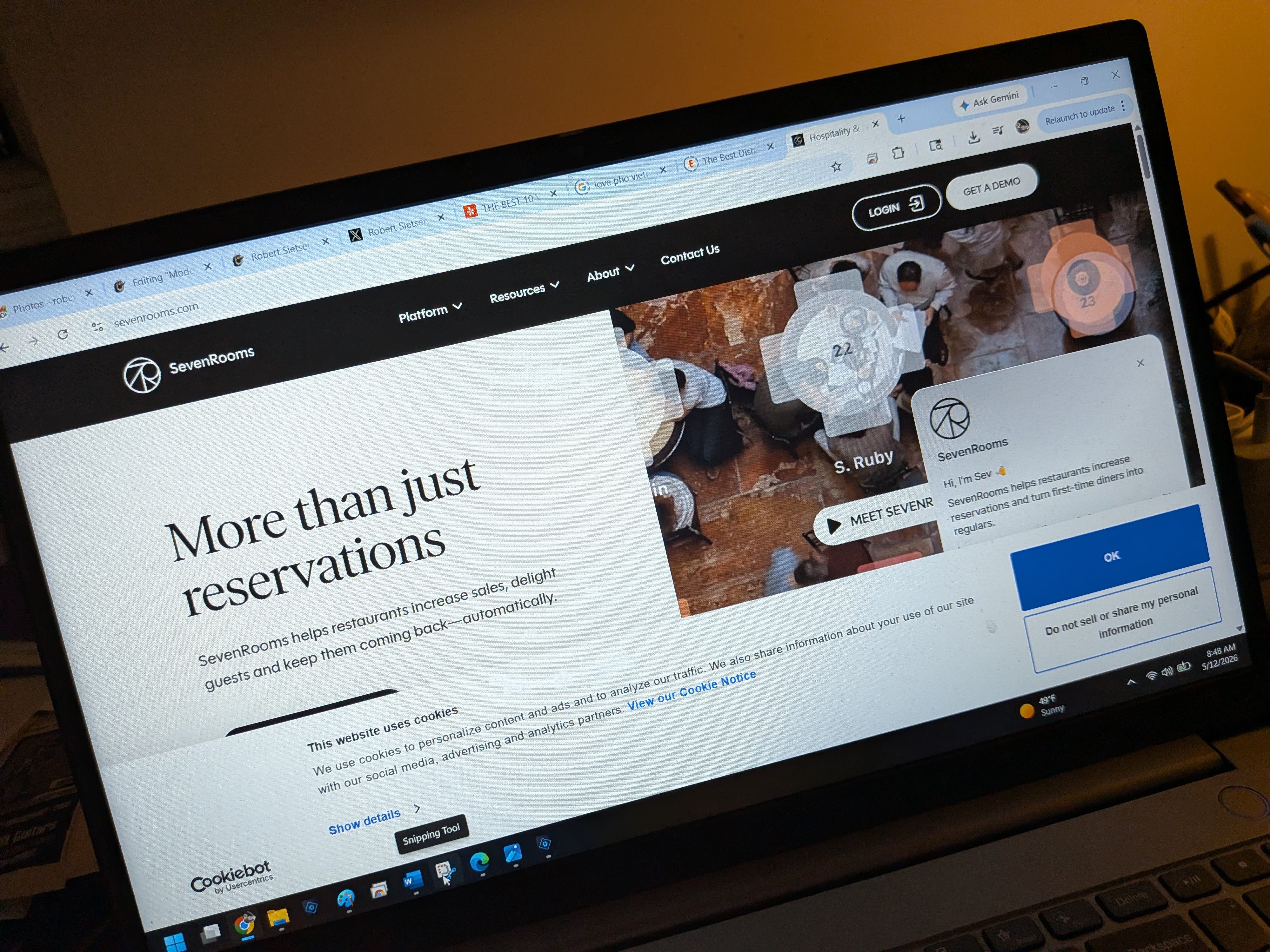
Stroll into a restaurant, and right away you’ll be asked your phone number, whether you’ve made a reservation or not. Why do they need it? Well, it’s your old friend Resy, SevenRooms, or Open Table, compiling info linked to your phone number: how much you spend, what you drink, and ultimately if they think you’re a desirable customer or not. And who knows what other ways they exploit this information? But now it’s in the data mine sucking up electricity for eternity — what a depressing thought!
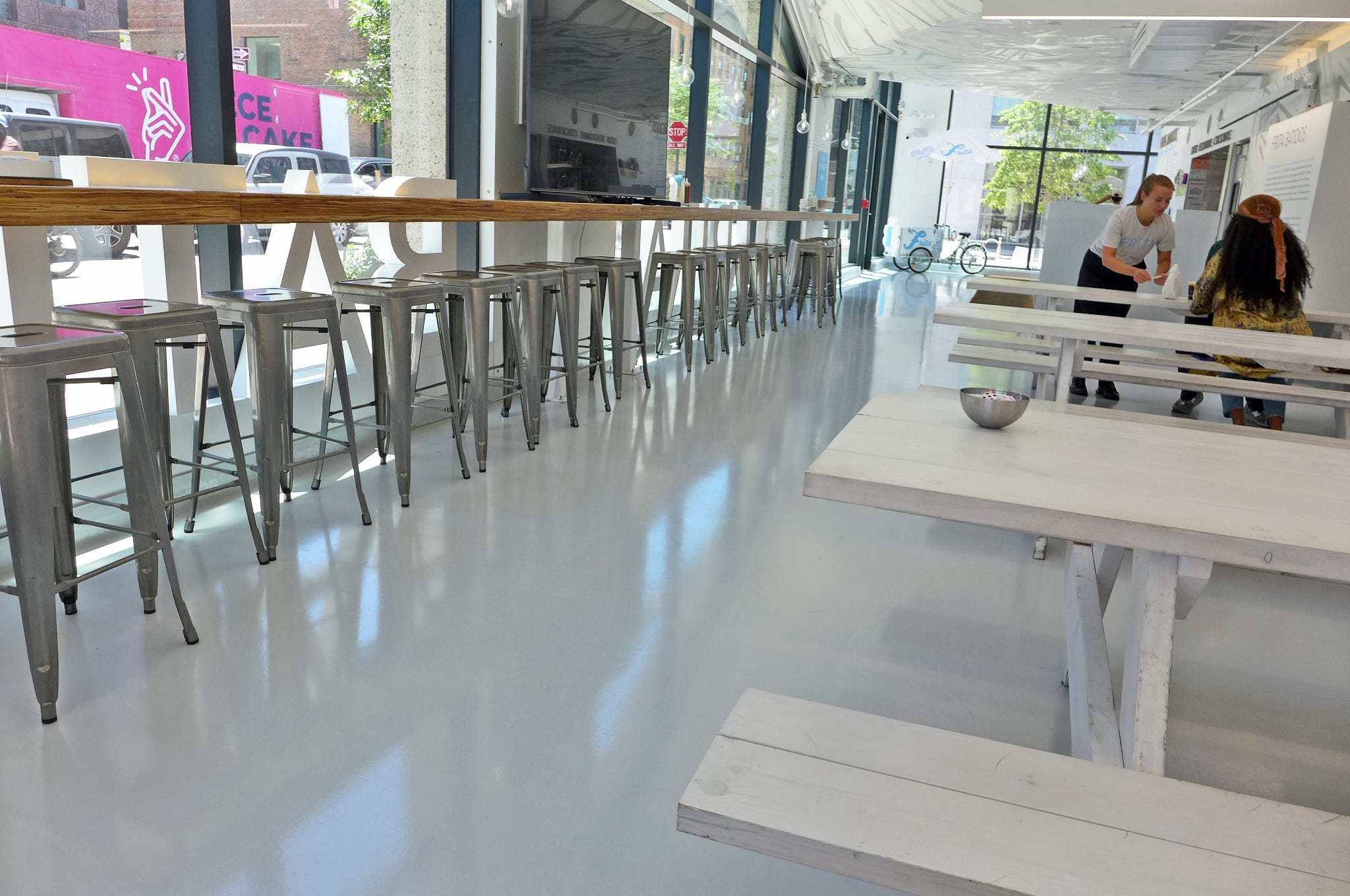
It started with Spotted Pig (where seating was at three-legged stools) then continued with Cote (picnic tables with hard benches). Now uncomfortable seating — be it benches, backless bar perches too tightly spaced, unpadded chairs, or tipsy stools — have become the industry standard at many establishments. These outfits would like to see you eat fast and get out — and discomfort is part of their arsenal of tricks.
I don’t often make reservations for a variety of reasons: needing to remain anonymous, and not wanting to schedule a meal months in advance, among them. Accordingly, I go at less-popular days and times and just walk in. Too often I’m told I can have a table, but must be done in one hour, or other arbitrary time. This feels inhospitable to the customer and, anyway, beating the time limit depends more on how fast the restaurant turns out dishes than how fast I eat them. I often find myself still waiting for a main course as the time limit expires.
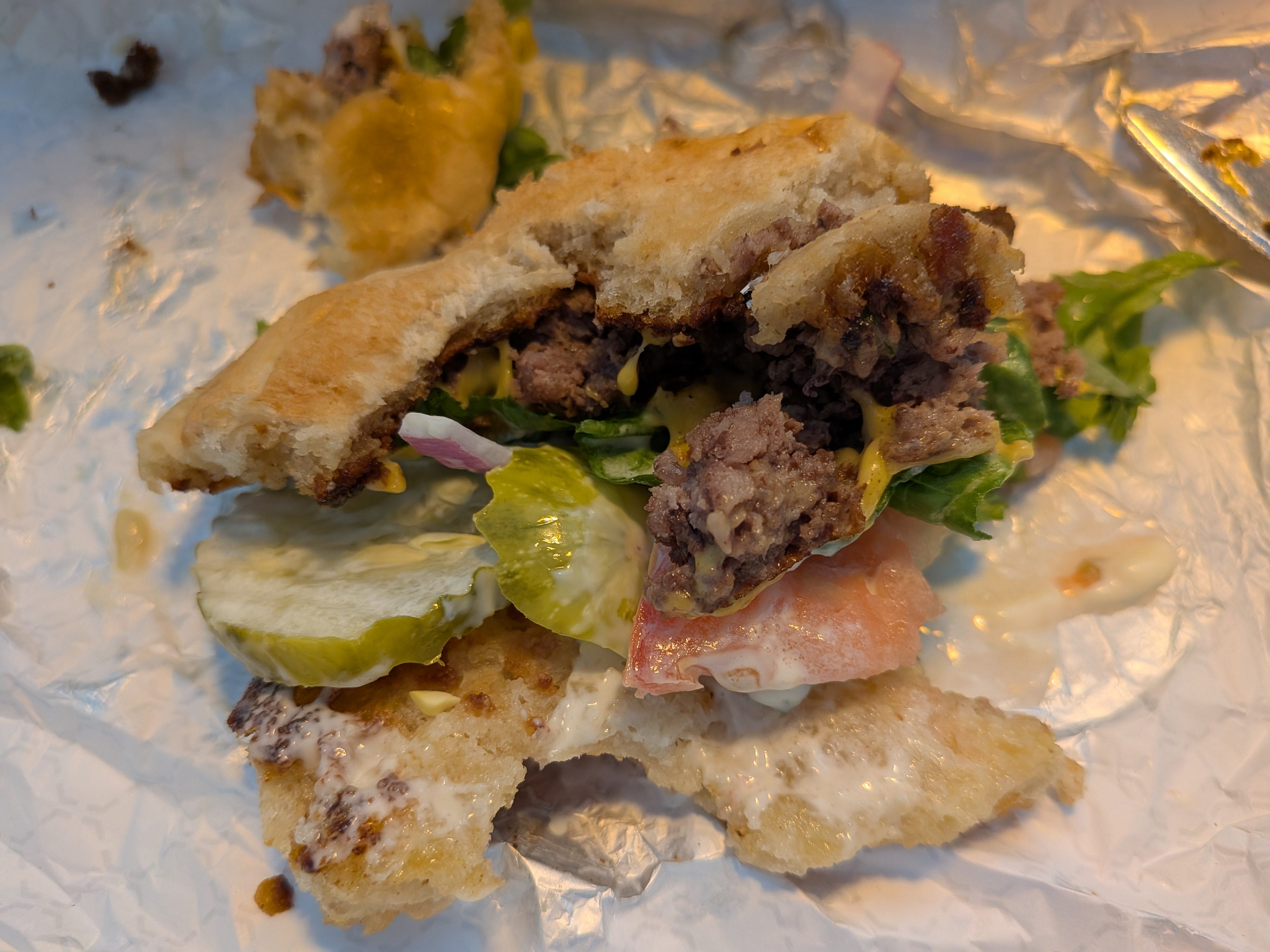
You walk into a joint famous for its juicy burger, willing to pay $30 or so for the whole shebang, including cheese, fried onions, bacon, homemade pickles, heirloom tomatoes, and lettuce, along with copious dressing that oozes out the sides. It towers on its brioche to a height of four inches or more. Try to bite into it, and you literally can’t get your jaw around it. Eventually, the ingredients come tumbling out the sides as the whole thing collapses like a demolished building, and you’re left self consciously eating the remains with a fork.
The counter service model is a pretty good one for restaurateurs — fewer employees, automatic order taking and record keeping, limited menus, and customers busing their own tables, even down to classifying the recyclables. So why the tip creep, whereby the counter device “suggests” increasing amounts to be tipped — I’ve seen 20%, 25%, or 30% on some machines lately. Being guilt-tripped by a POS device is no fun, and do we really need to subsidize every last aspect of a restaurateur’s expenses?
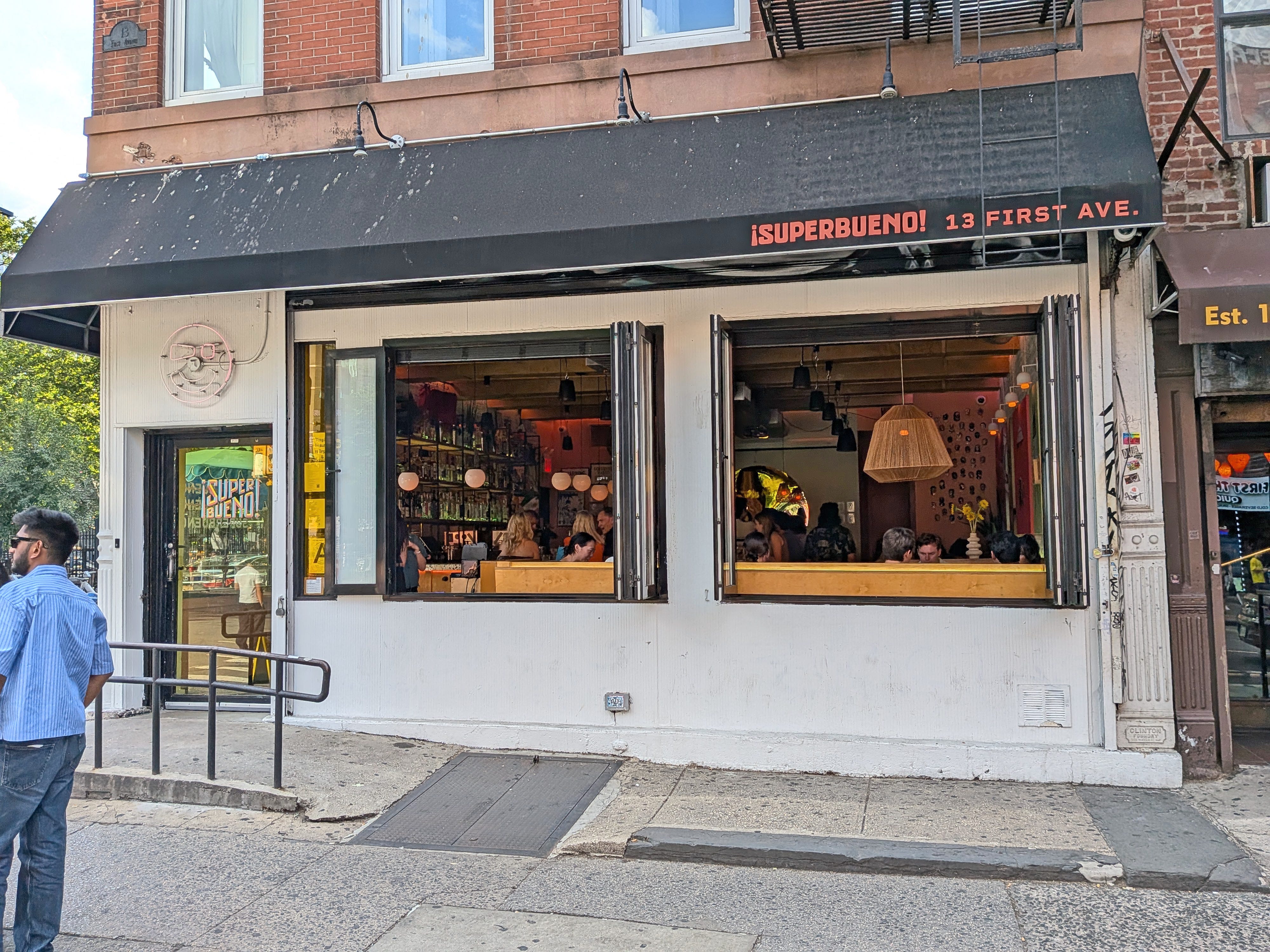
There are two types of restaurants that leave their front windows open in sweltering weather. The first realizes they can save lots of money by not running the air conditioning. The second runs the cool air full blast, while leaving the windows wide open, figuring the patrons love the illusion that they’re eating and drinking outside. This is illegal and environmentally unsustainable.
Comments
Nothing yet. Say the first thing.
Sign in to join the conversation.