
By Robert Doerschuk & Linnea Bowman M.A., Art Education
I’m taking a break from my usual practice with this post. Please bear with me; you’ll be glad that you did.
Every interview transcript I’ve posted here, going back to 2023, represents a brief chapter in my life. Each one stems from some time shared with a creative individual whose work had a strong impact on me. But now I want to introduce you to someone I’ve never met. … Actually, I did meet Bill Bowman once, but it was half a century ago and it didn’t last more than maybe one minute. We were introduced at his home by his daughter Linnea. We shook hands, exchanged just a few words that I’ve long since forgotten, and then she and I left for wherever we had planned to be that night.
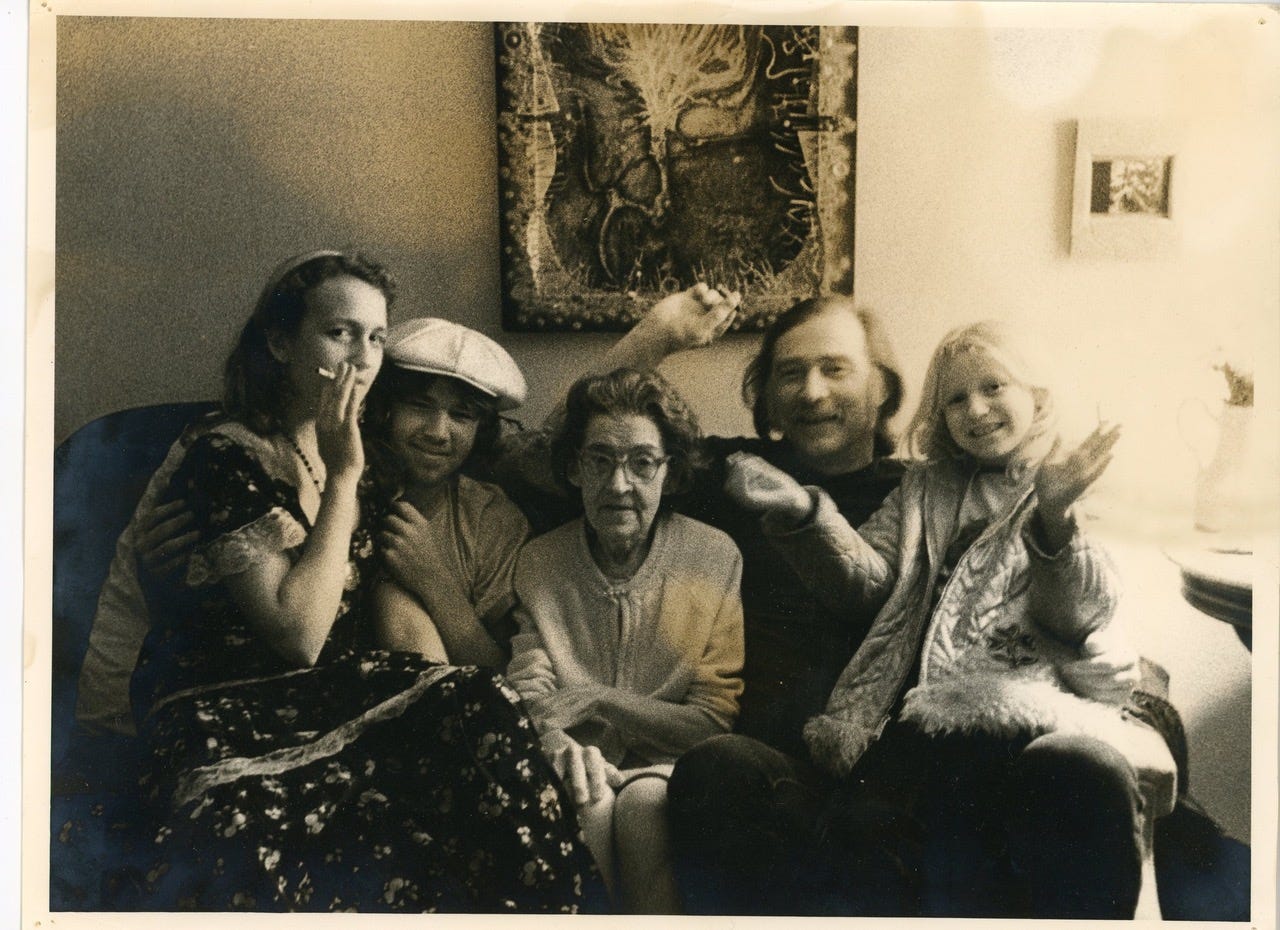
Since then, I was thrilled and lucky enough to marry Linnea. If fate had been kinder, Bill would have been at our wedding, but sadly he died just a few years earlier. Since then, Linnea has spoken at great length about him — his pioneering work in the early stages of computer art, his astonishing vision as an artist in multiple media, his involvement with psychedelic light shows during the Fillmore West’s halcyon days and his writing as author of novels as well as scientific texts. The more I learned the more convinced I became that Bill was a man for all seasons, with an intellect too restless to be confined to just one field of study and an interest in spiritual exploration based on a reverence for nature and the universe, as an alternative to the traditional religious institutions that had never appealed to him. More important than that, I realized that he was under-appreciated in each of those disciplines.
For this, I think that Bill had to accept some responsibility. He never felt comfortable “playing the game,” whatever that game might be. As an artist, though he exhibited in various galleries, his motivation was not to sell work but rather to express himself, regardless of how it would be received by critics or by the public. He came up with arguably the first graphical interface prototype for personal computers, though his contributions have rarely been acknowledged. Yet his aversion to Silicon Valley culture specifically and his preference for marching to his own drummer in general, robbed him of the recognition I believe he deserved.
In some small way, that’s what I hope to rectify here. Linnea has supplied me with tons of her own writing from first-hand experience as his daughter as well as additional research. After her father’s passing in 2019, she has been strongly motivated to share his biography with the outside world. Without her invaluable insights, as well as the extensive documentation she contributed to what you’re about to read, this would never have gotten off the ground. Special thanks as well to Bowman’s younger daughter Lucinda, son Arne and wife Marty for their input.
An Introduction
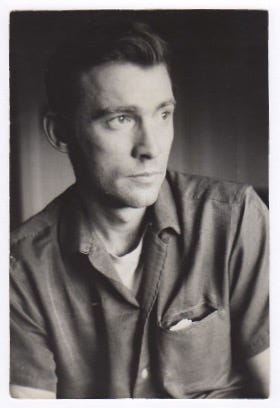
Who was Bill Bowman? I guess that depends on who you ask. To members of San Francisco’s beatnik community in the 1950s and ’60s, he was an adventurous young visual artist whose work was a fixture in North Beach galleries. A few years later, though few knew his name, many in the blissed-out crowds as the Fillmore Auditorium, the Avalon Ballroom and Winterland absorbed the giddy, mind-bending splendor of his light-show artistry during shows by the Grateful Dead, Janis Joplin, Jimi Hendrix and other icons of the psychedelic experience. Members of Xerox’s Palo Alto Research Center knew him for his groundbreaking contributions to early computer graphics research. His students still remember him as a knowledgeable and inspirational teacher. There might even be a few former Soviet spies around who would acknowledge him as a worthy opponent in Cold War espionage.
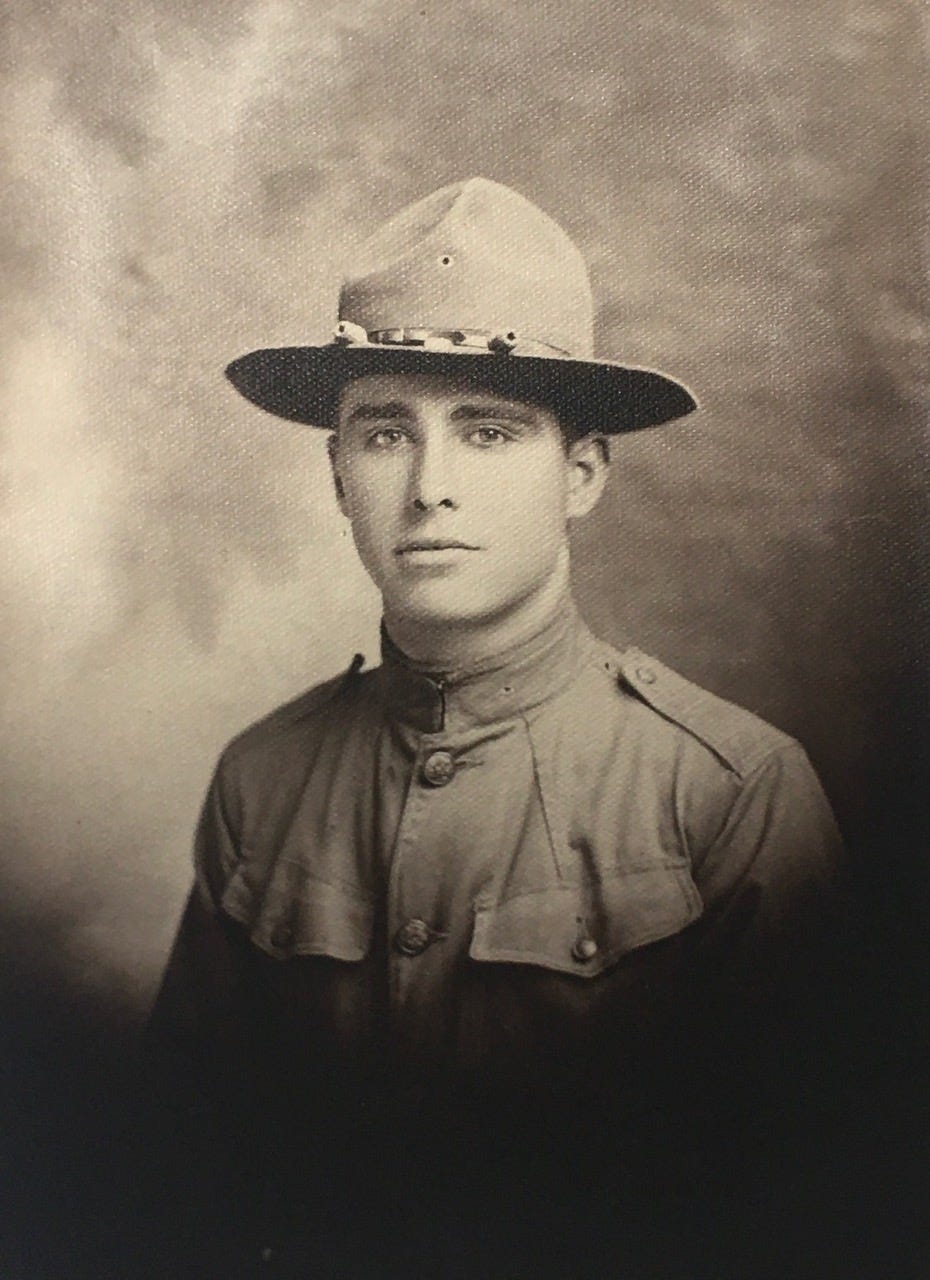
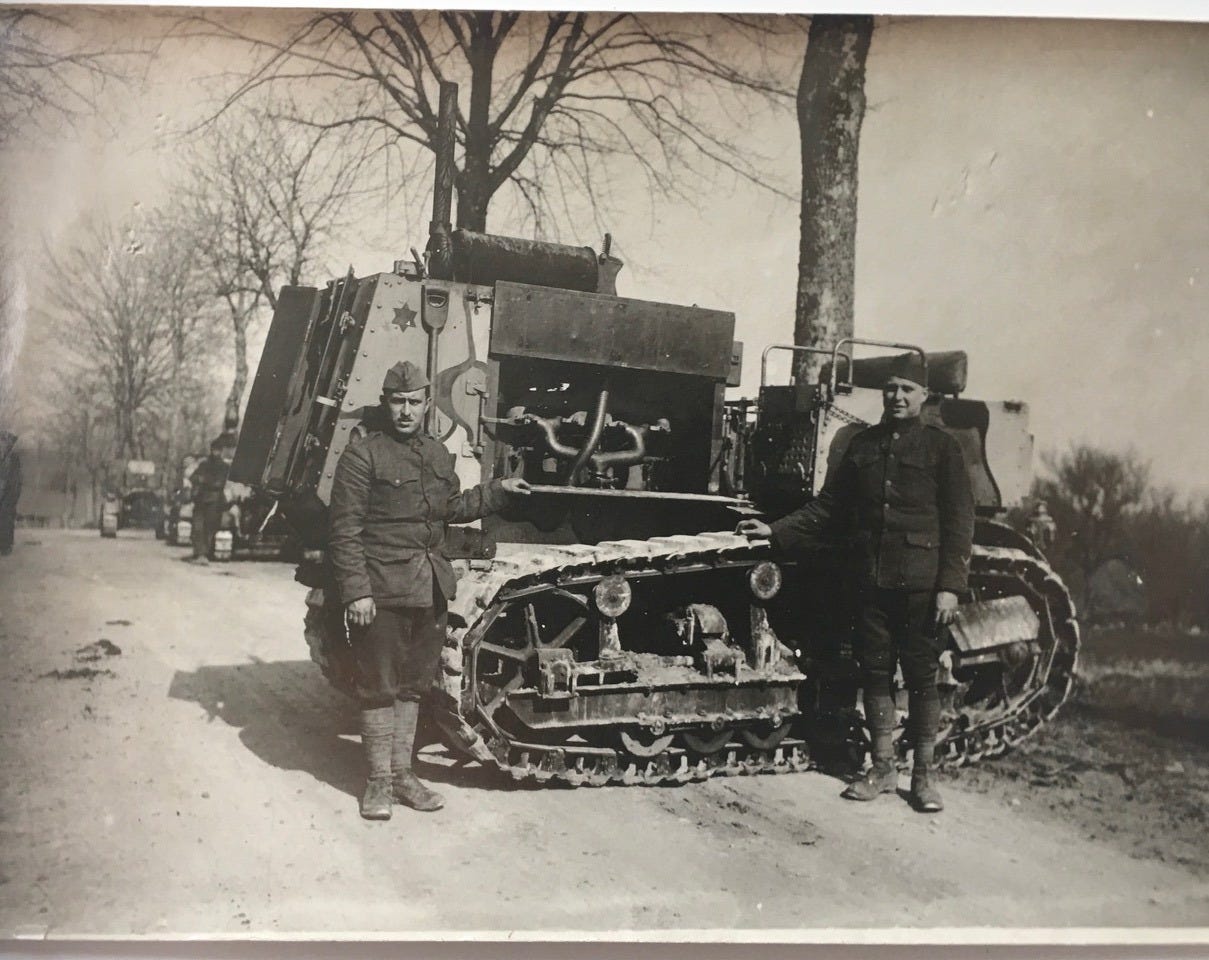
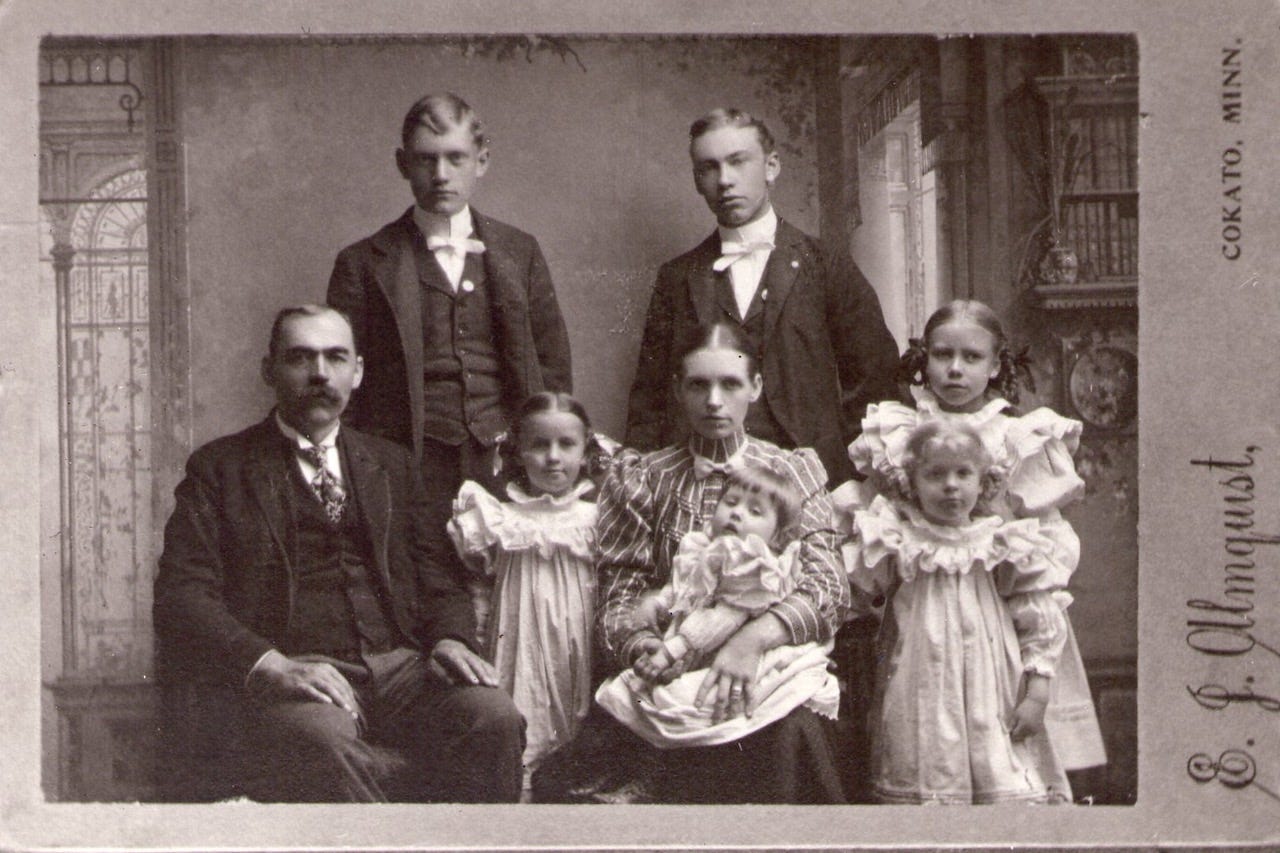
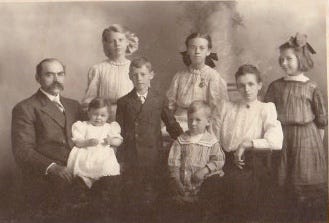
William Joseph Bowman, was, of course, all of these, each one rooted in his upbringing. Born on January 4, 1930, a little more than two months after the stock market crash of 1929, in Oakland, California, he grew up in difficult circumstances. His father, Joseph Walter Bowman, a vet who survived the famed Meuse-River Argonne Forest offensive of World War I with lifelong PSDT, was a pattern maker of mostly German heritage.
His mother, Hazel Lillian (née Almquist), was an elementary school teacher, and the first in her Baptist Scandinavian family to graduate from college. Both were the children of poor immigrants.
His younger brother, artist and Cornell University photography professor Stanley Bowman, passed in 2019. (https://soagithaca.org/stan-bowman-1/, https://www.bangsfuneralhome.com/obituaries/stan-bowman, https://news.cornell.edu/stories/2021/07/stan-bowman-1934-2021-artist-leading-creative-edge).
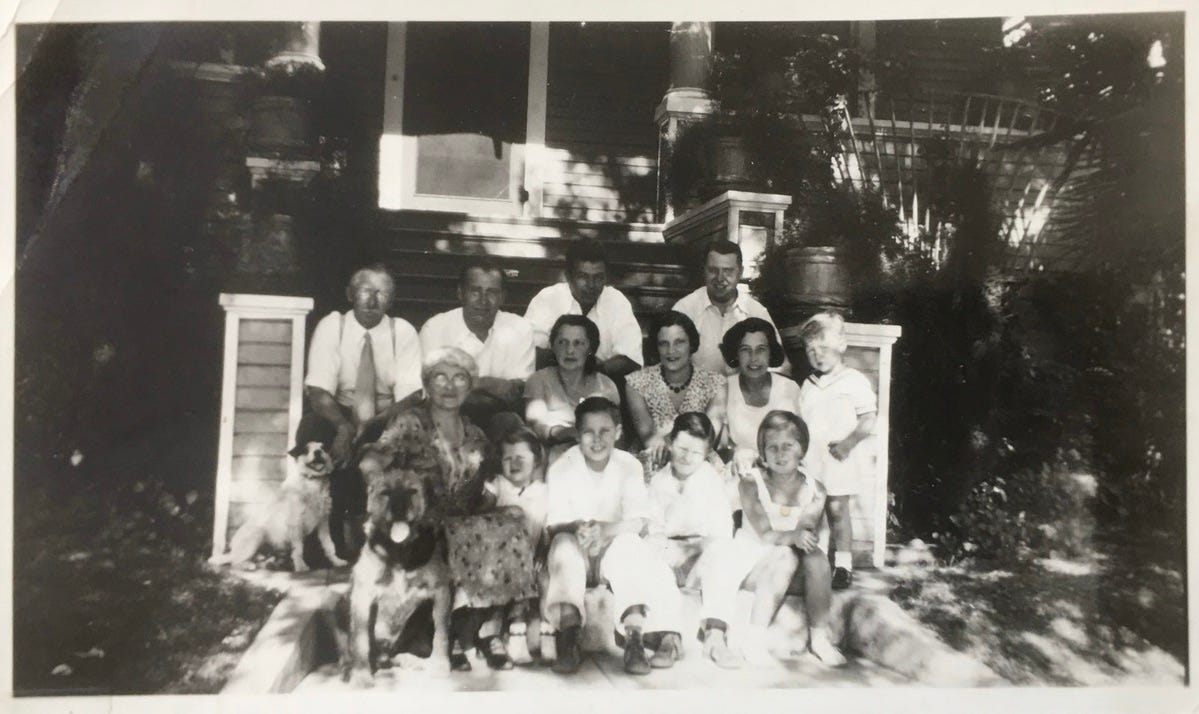
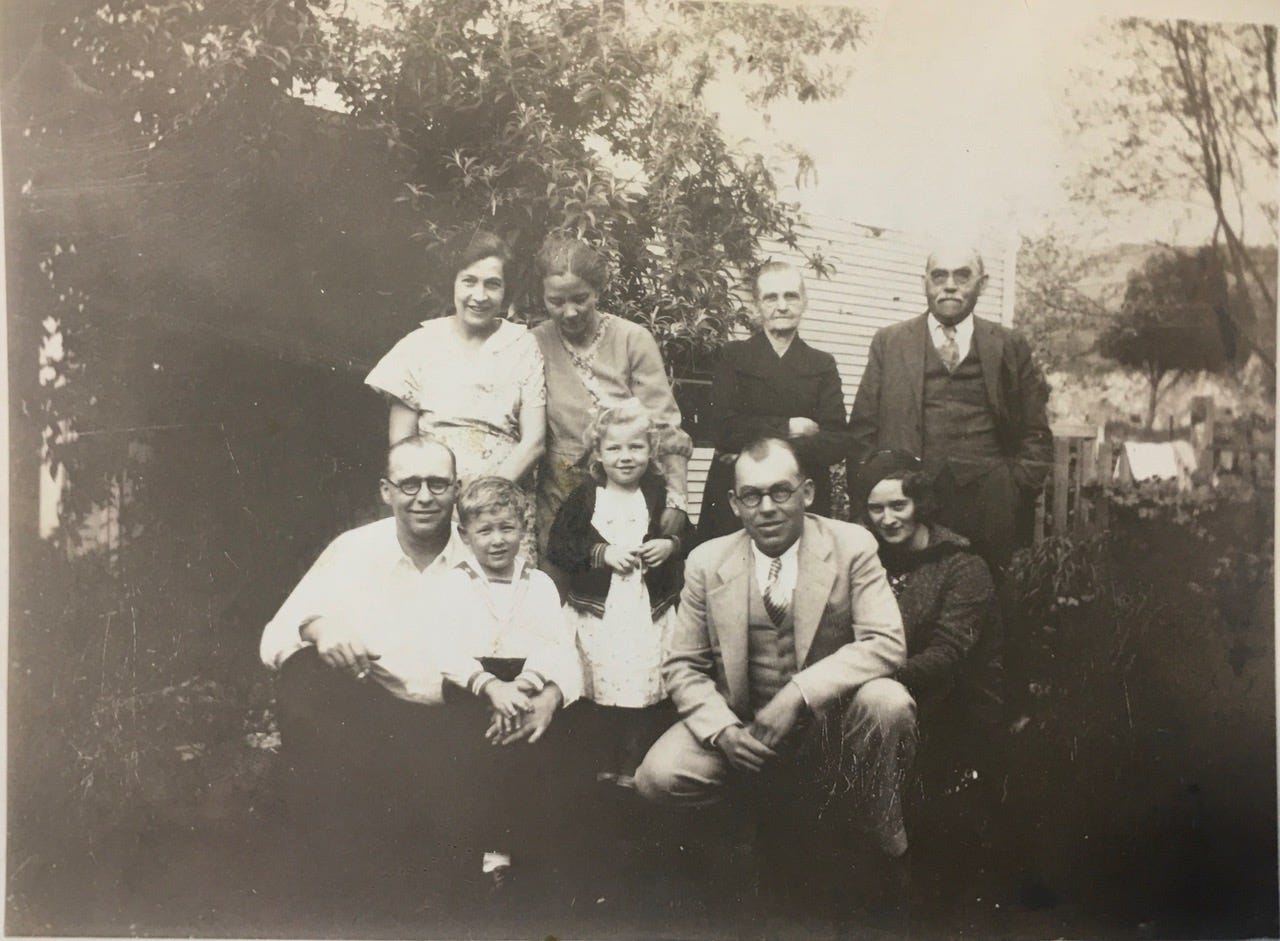
Already subsisting on precarious income, the Bowmans were forced by the Great Depression to move frequently as Joseph sought work. Eventually they settled in the Los Angeles area, where Bill’s precocious artistic talent began to flourish.
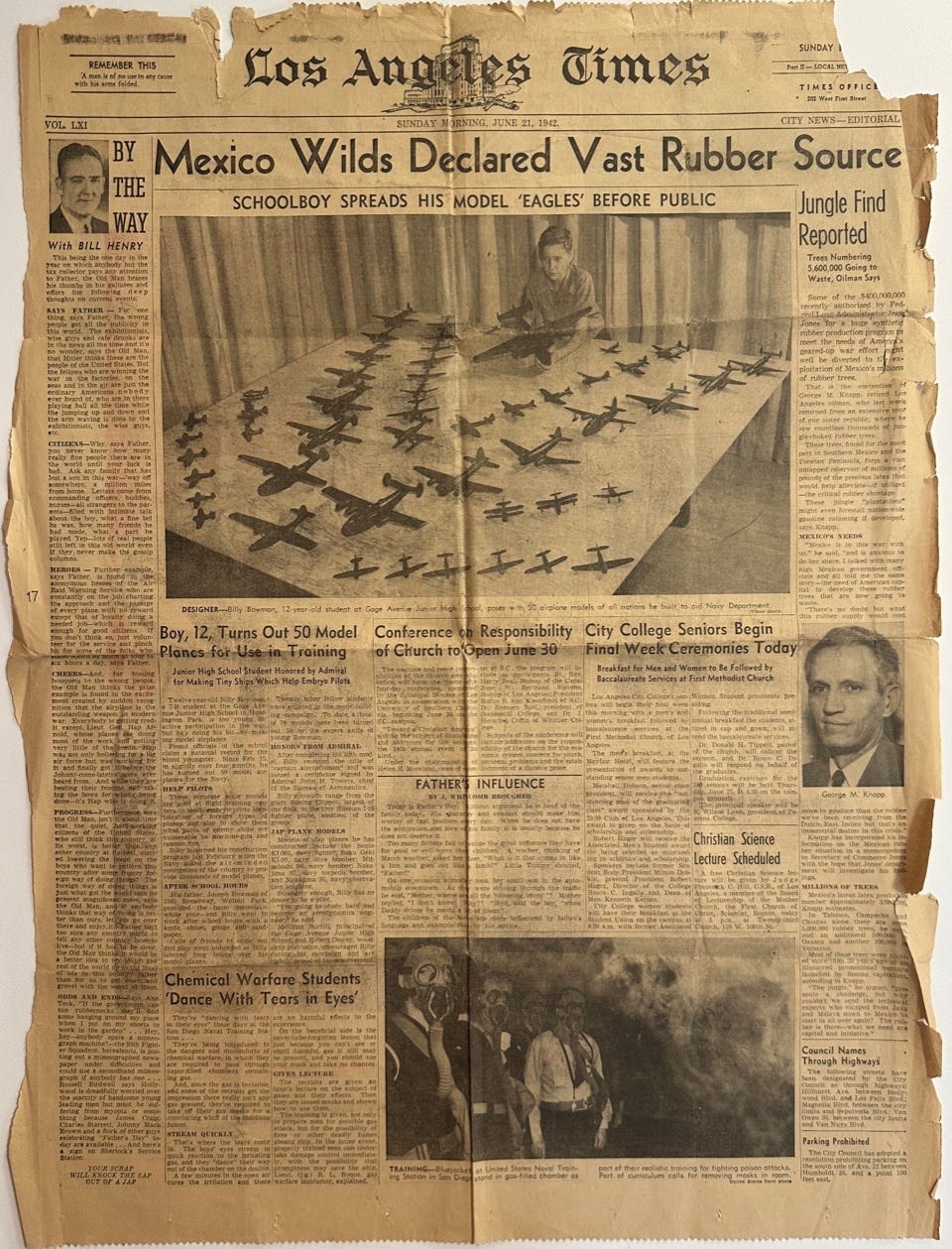
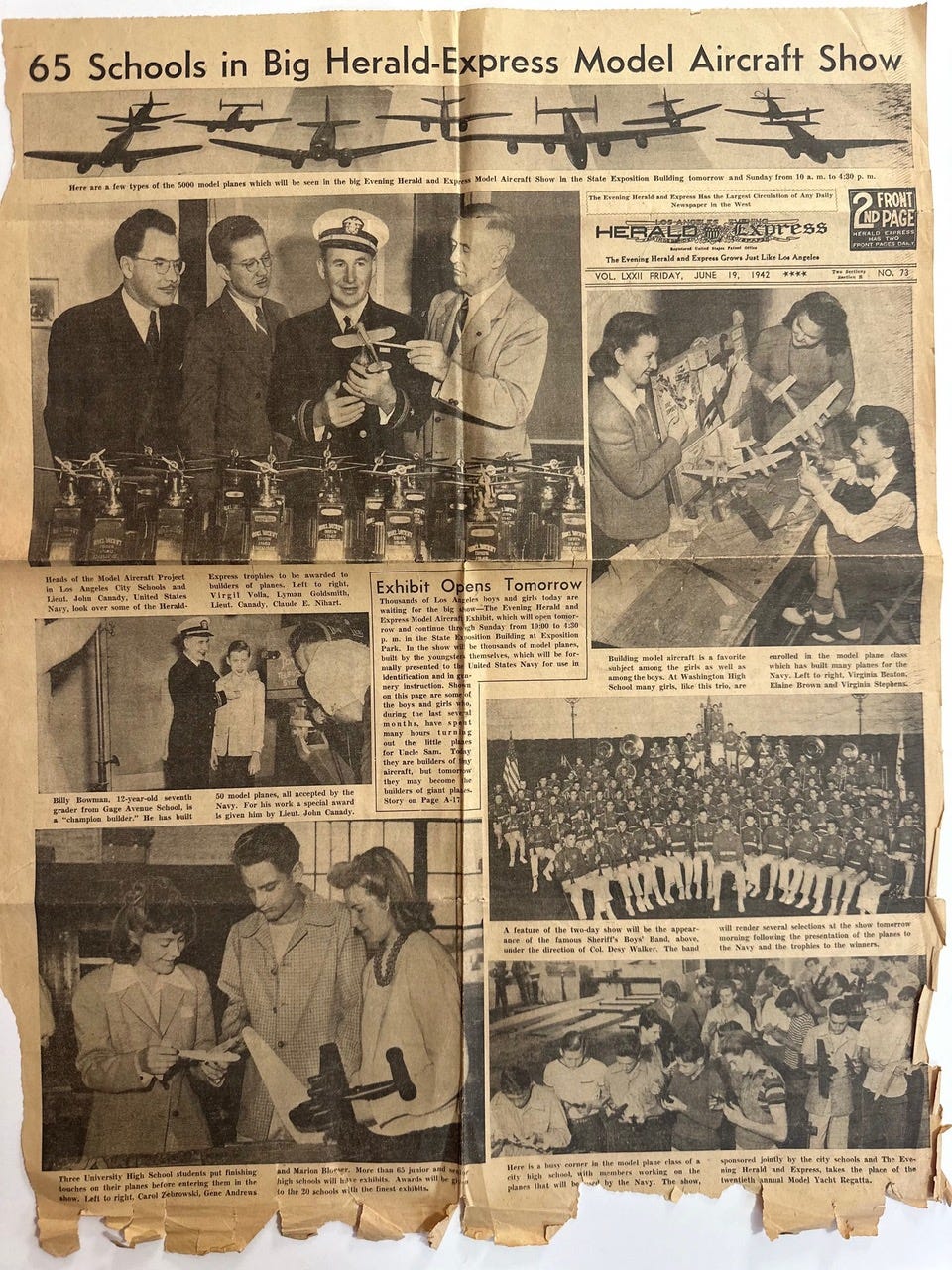
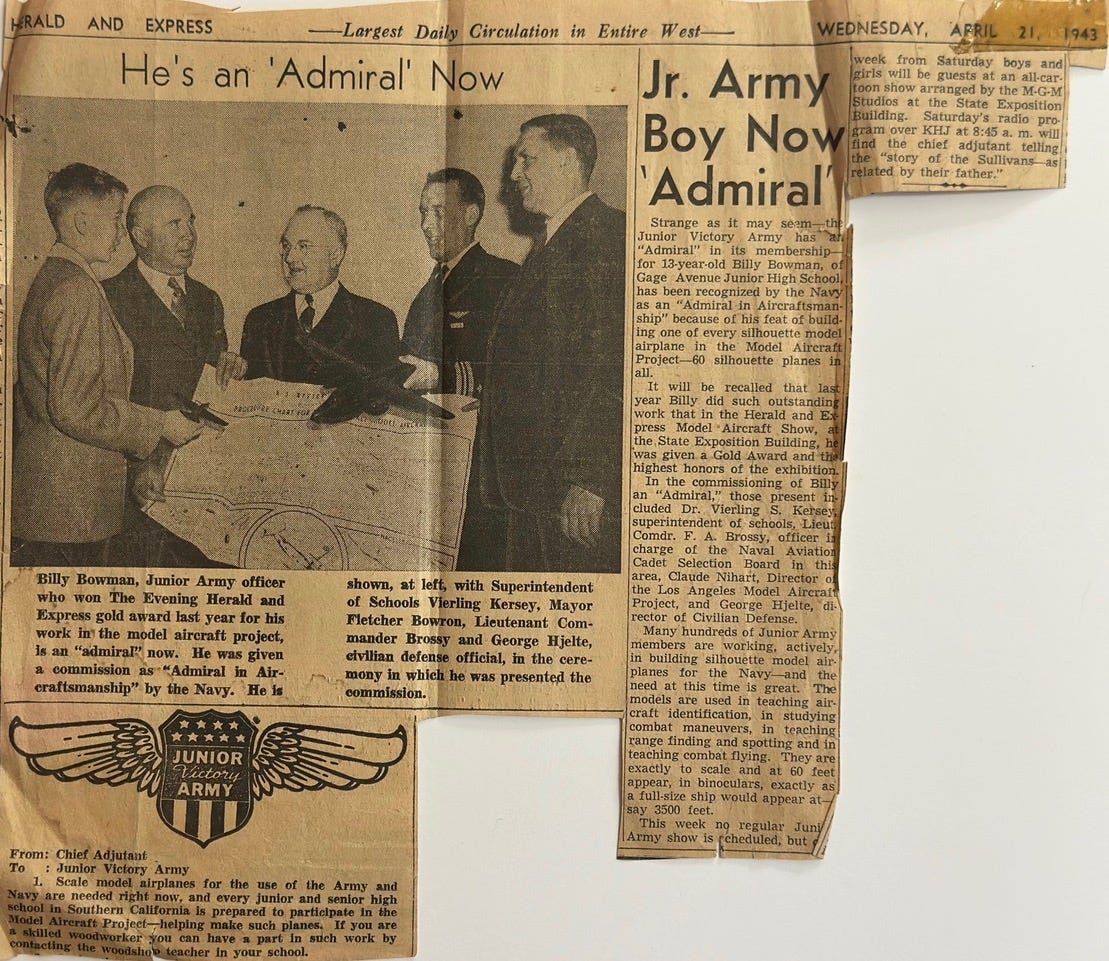
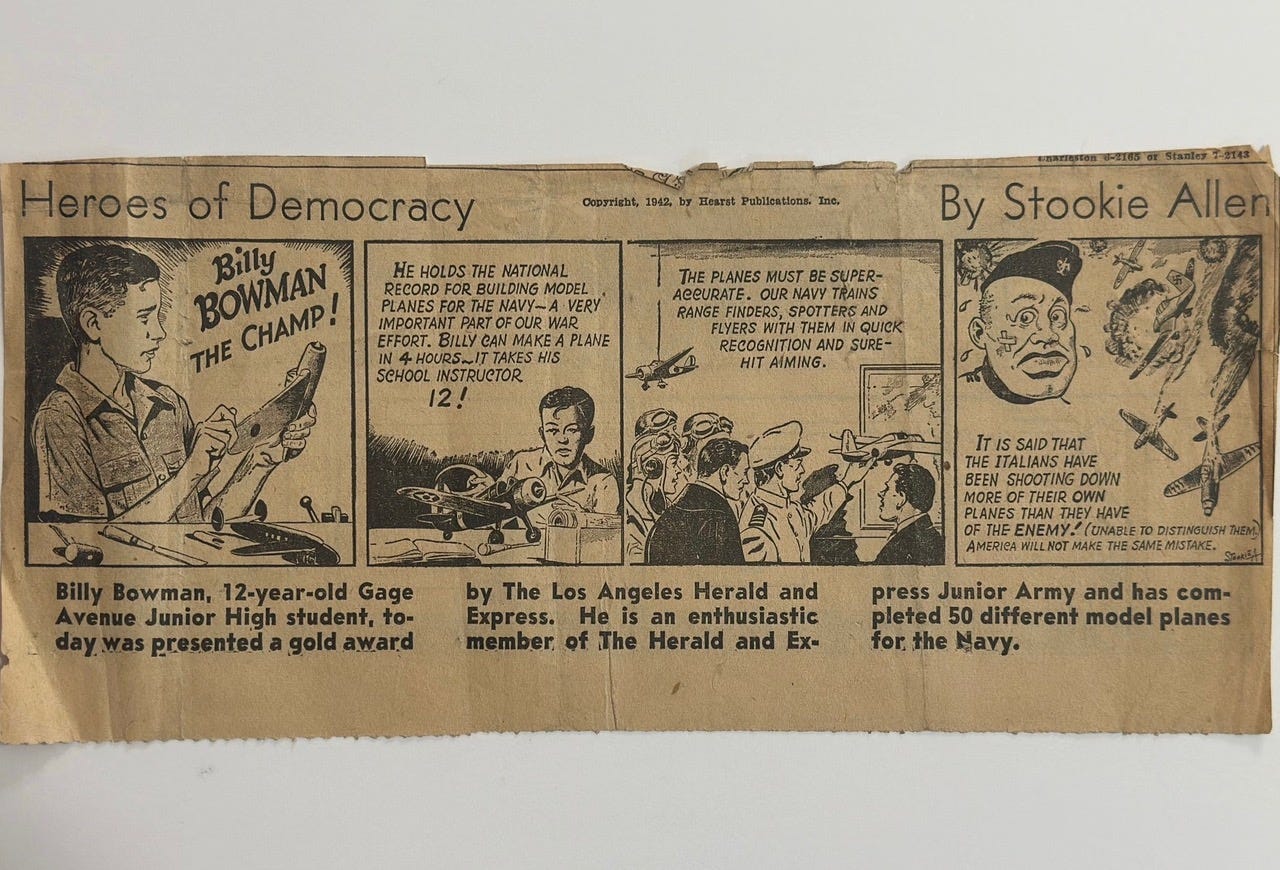
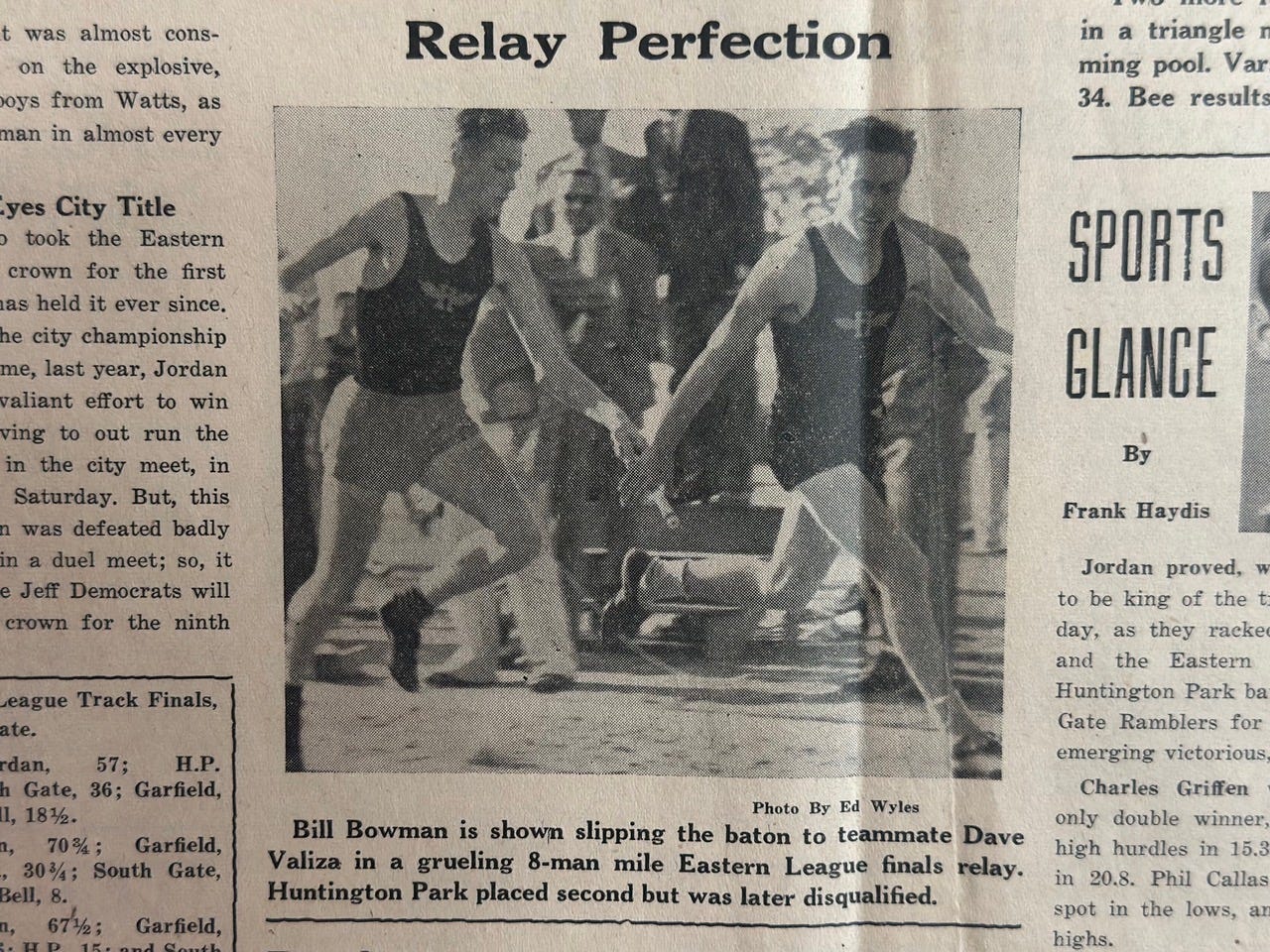
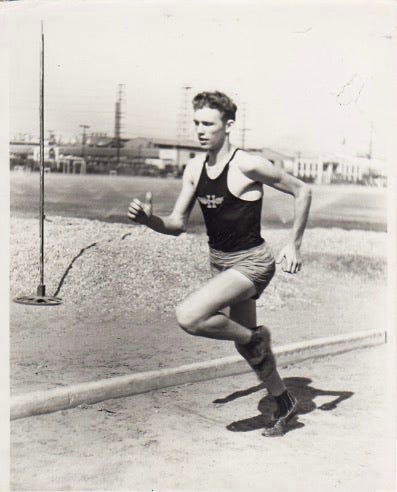
His first taste of public acclaim when he was about ten years old, when he won a contest for constructing miniature models of boats and planes. His achievement was covered by The Los Angeles Times in June 1942 and by The Los Angeles Herald Express in 1942 and 1943. The Army and Air Force took note and adapted some of his designs as America entered World War II. More recognition came in 1947, when Bill became captain of the Huntington Park High School track team.
Then he won first place in the senior division of the Fisher Body Craftsman Guild model Napoleonic coach competition.
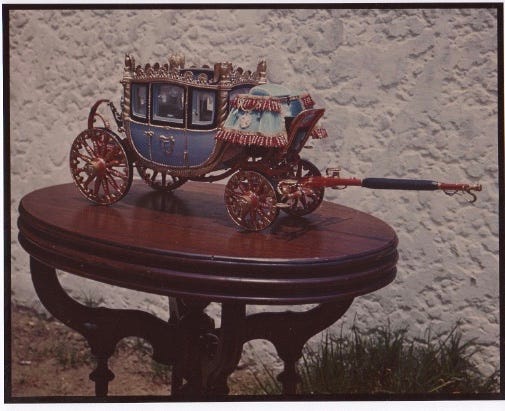
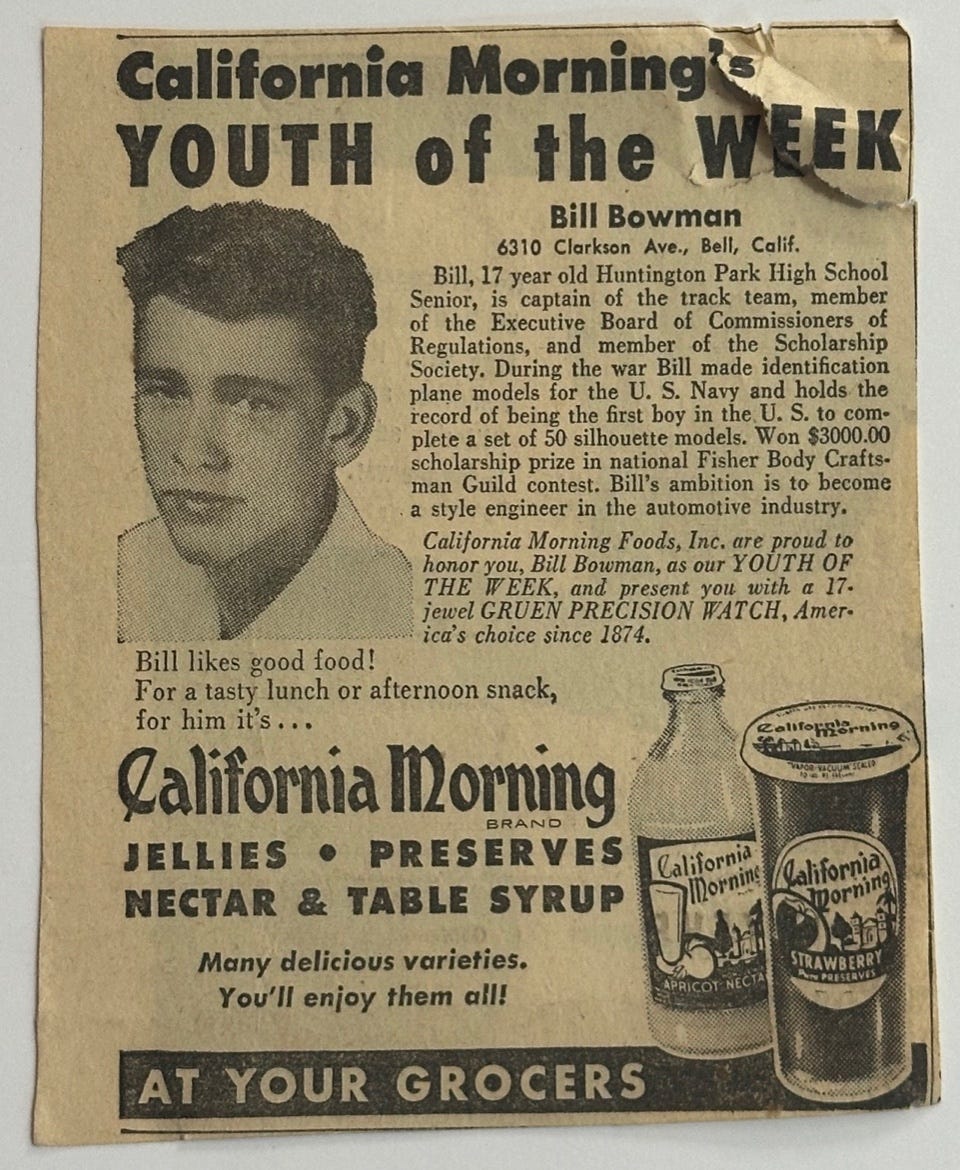
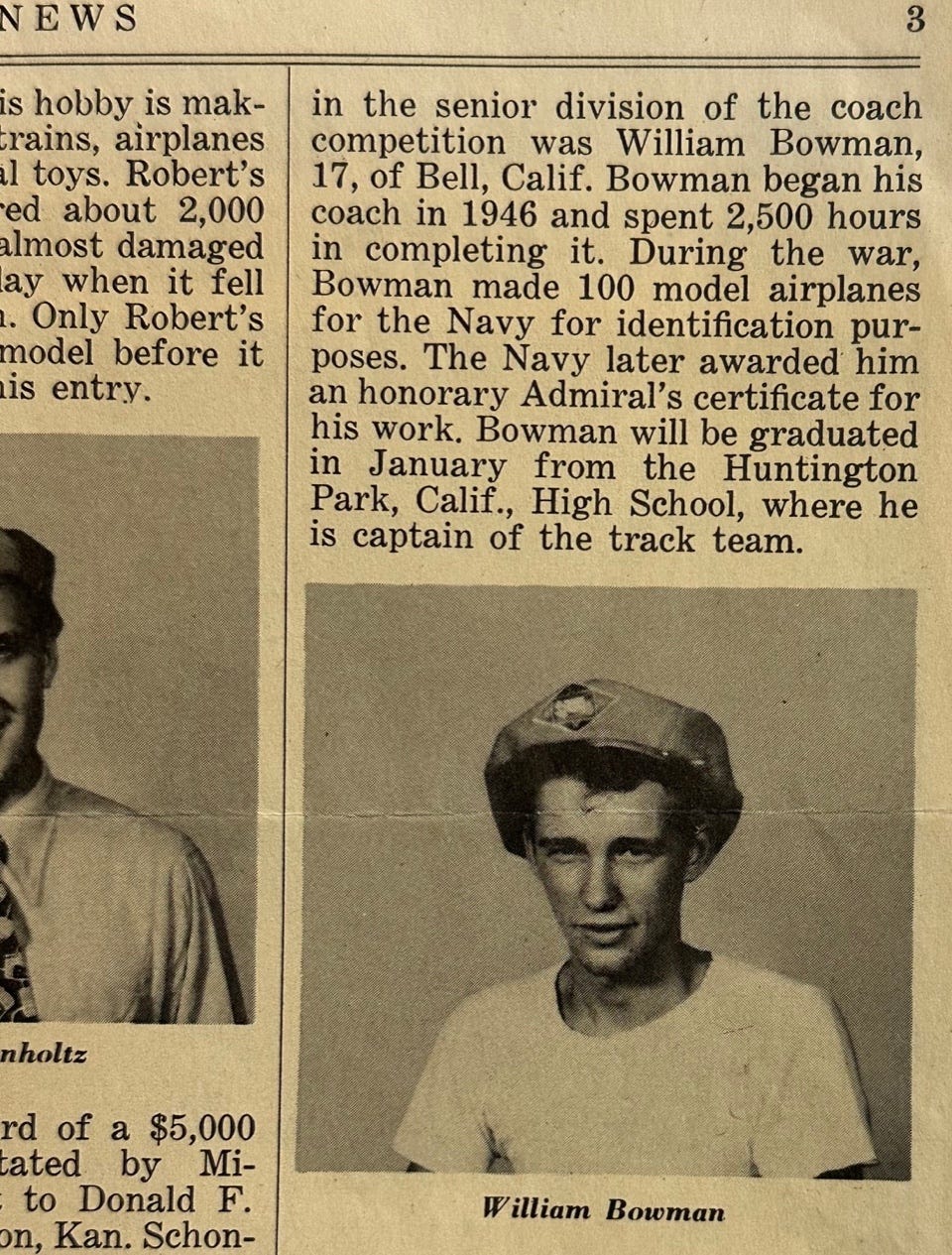
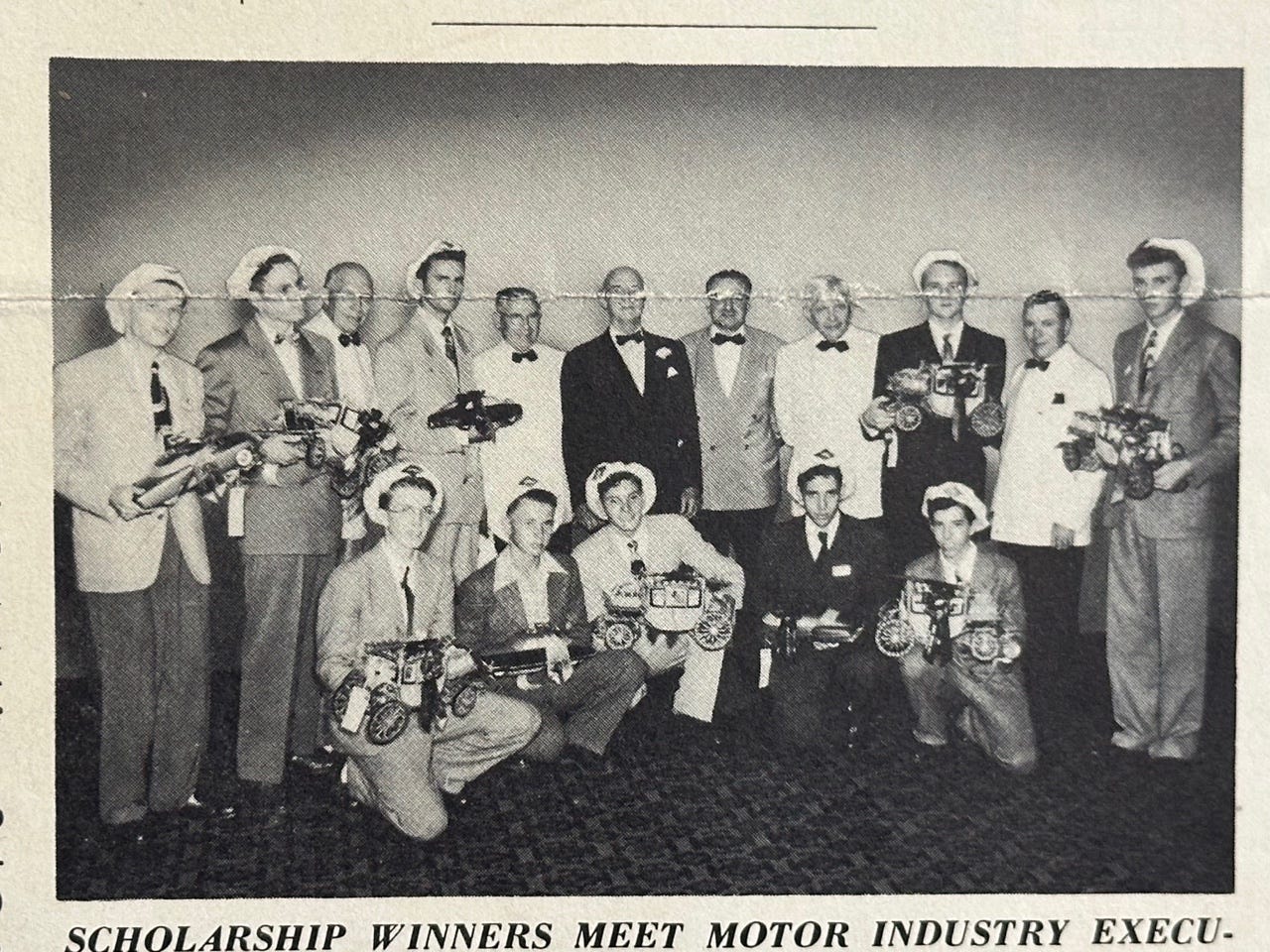
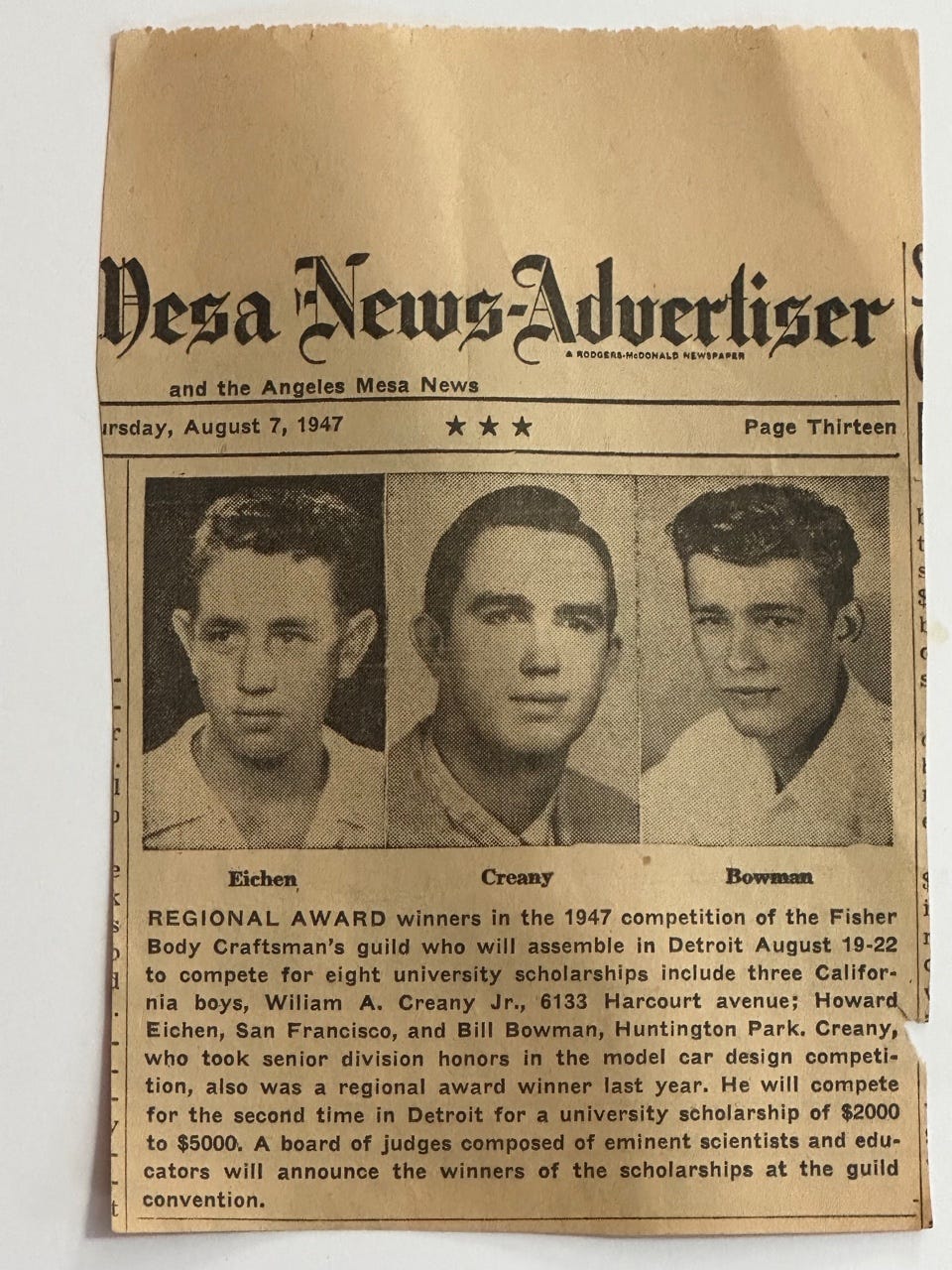
Bowman’s victory earned him a university scholarship, which he applied as he entered the Stanford University Law School. Just a year later, perhaps inevitably, he changed his major to fine arts. But in 1948, after his father’s sudden death from complications of alcoholism, Bill was drafted and sent to the U.S. Army’s military language school, the Defense Language Institute, in Monterey, California. There he developed fluency in Russian, which led to a deployment to the West and East German border as an intelligence officer with an assignment to decipher codes.
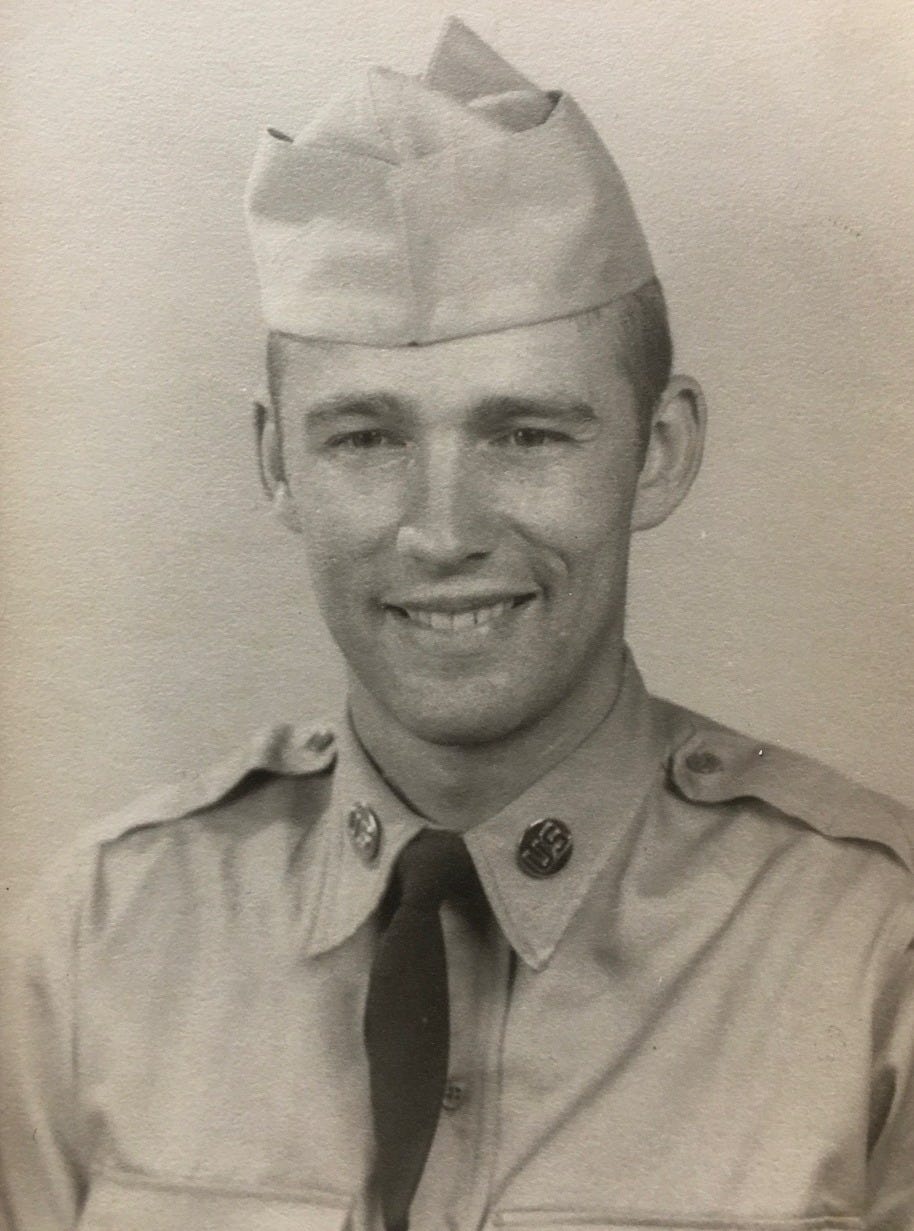
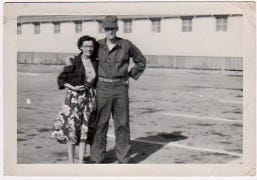
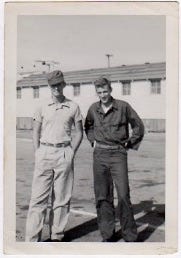
Never at ease with military regulations, Bowman found some respite in sketching distorted caricatures of particularly annoying personnel, in the style of George Grosz. He also made use of time off by staying with his cousins in Sweden and visiting art museums throughout Europe. German Expressionists made an especially strong impression during these sojourns, as well ass Dadaists, Surrealists, Cubists and art from the Bauhaus School. In particular, he found inspiration in the work of Geoges Braque, Paul Klee, Wassily Kandinsky, László Moholy-Nagy and Joan Miró.
Upon finishing his military service, Bowman returned to Stanford to complete his undergraduate degree. In 1952, after winning the Stanford Humanities Prize in Art, he moved to San Francisco and began advanced studies at the California School of Fine Arts, now the San Francisco Art Institute. He took classes from members of the school’s stellar faculty, including Richard Diebenkorn, Elmer Bischoff, Hansel Smith, David Park, Sonia Gechoff and Jean Varda.
Equally important, he joined a circle of young artists associated with the beatnik community, such as Roy De Forest, José Ramón Lerma, Jay Defeo, Bruce Conner, Joan Brown, Sonia Gechtoff, Howard Foote, Art Grant and Jane Oka. Each took part in solo and group shows that were integral to San Francisco’s burgeoning gallery scene, at venues such as 6 Gallery, East and West Gallery and Ellen Kernaghan’s Green Gallery on Fillmore Street as well as at the De Young Museum. Openings often included poetry readings, live jazz and more conceptual performance art. They even traded artworks with each other.
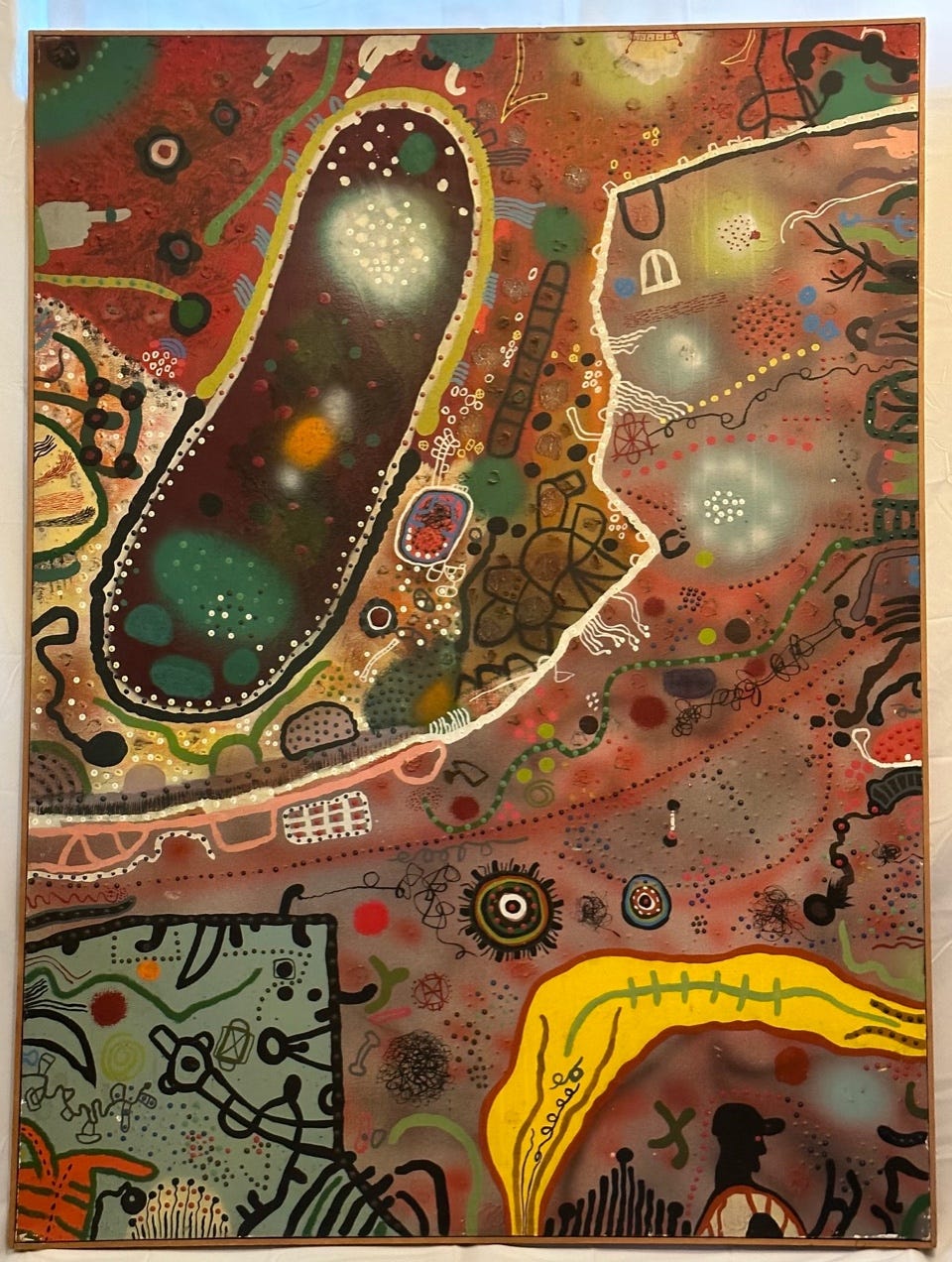
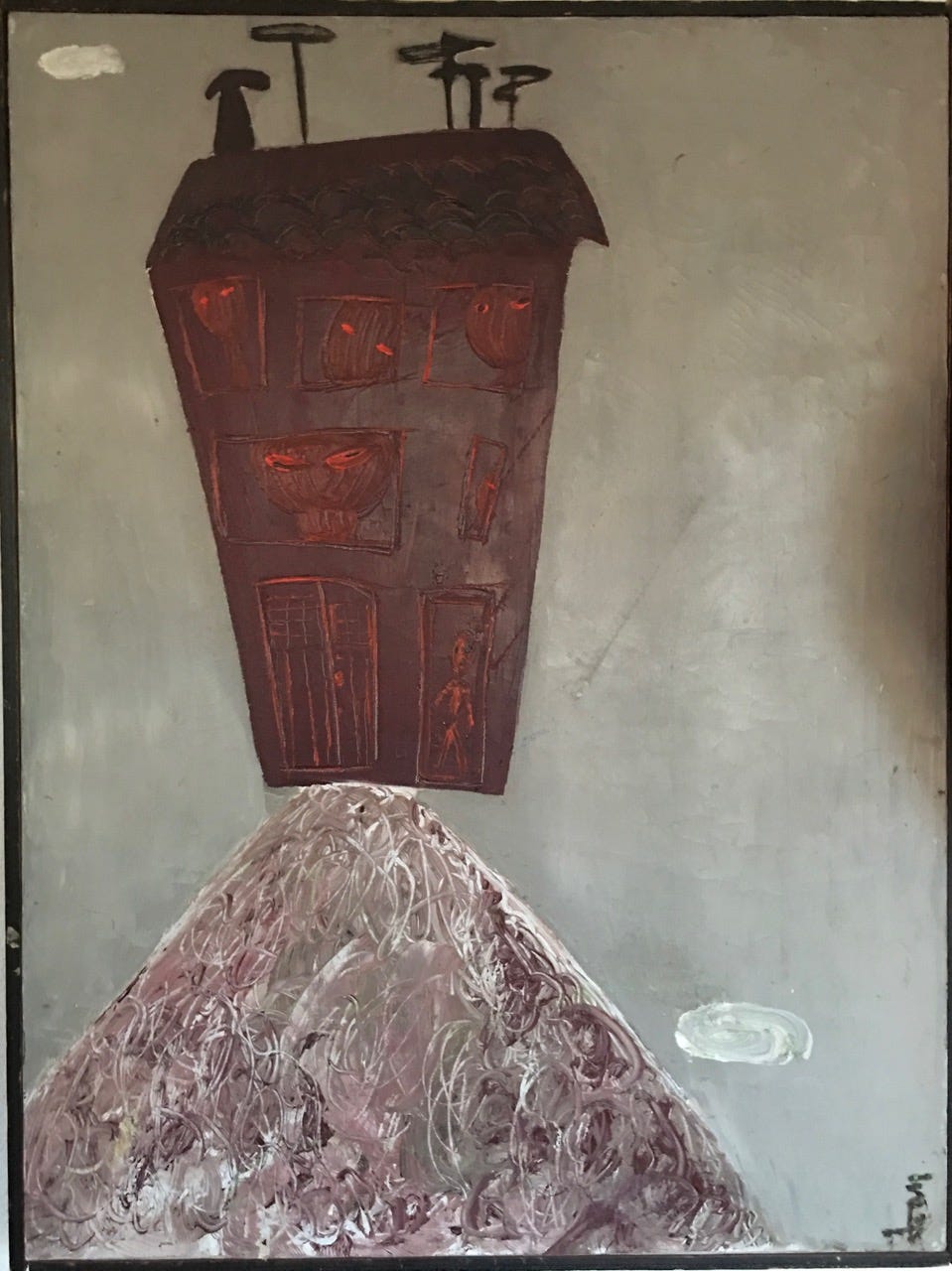
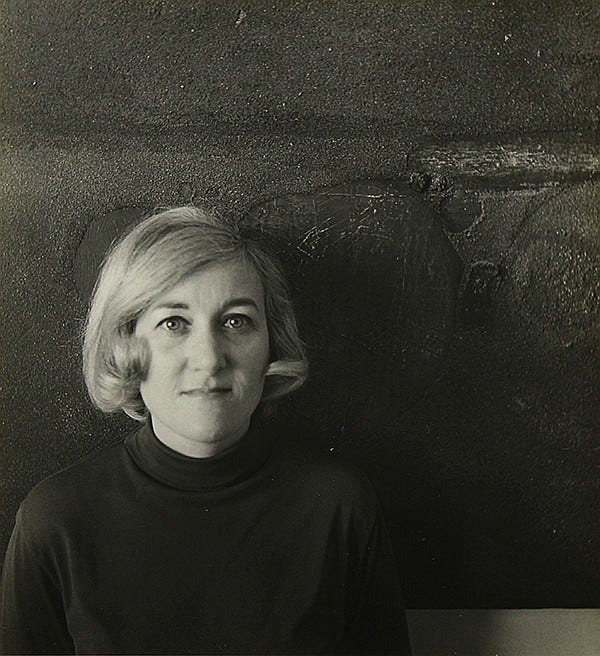
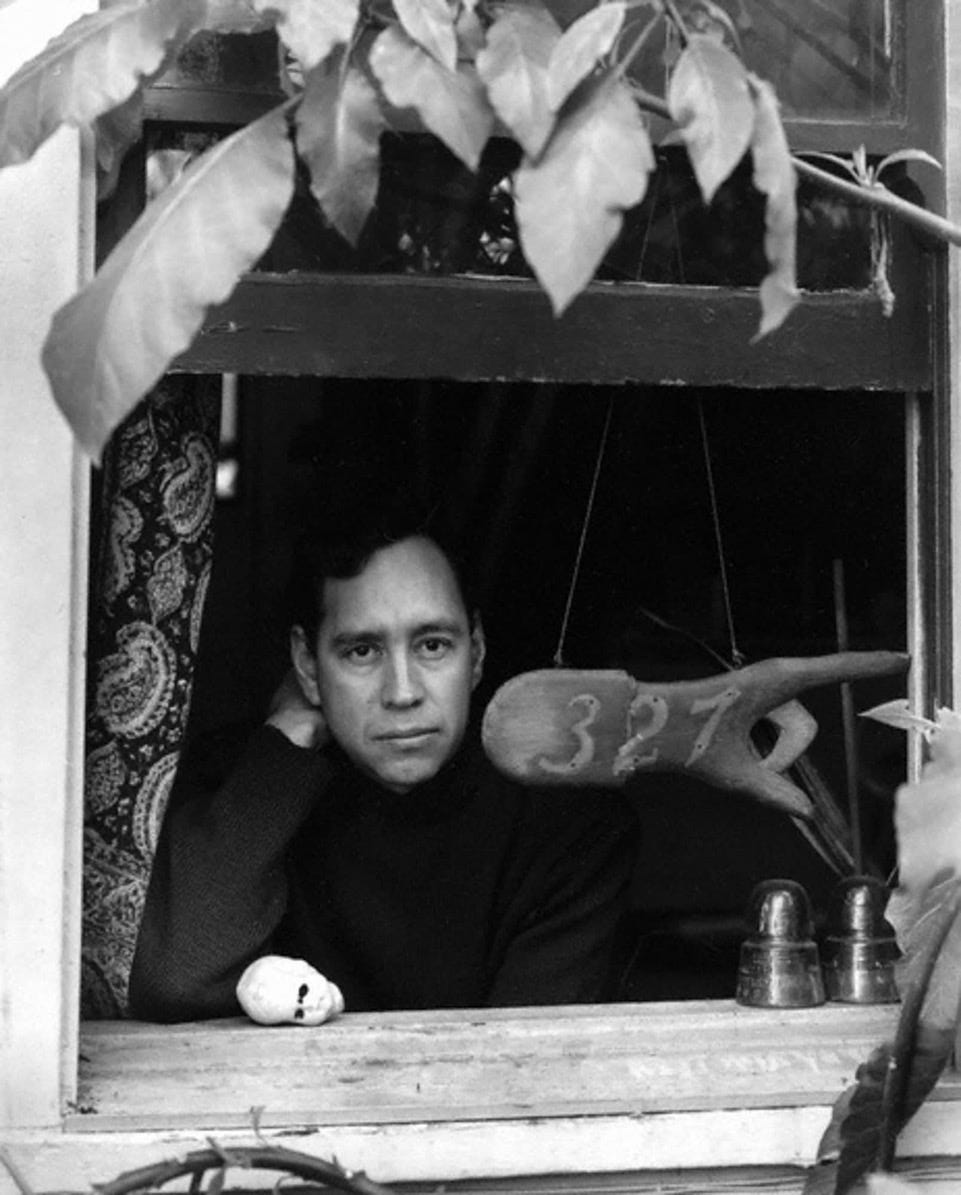
Imogen Cunningham who was much older than most of her artist colleagues, was known to photograph creative thinkers she deemed worthy, including Frida Kahlo, Ellen Kernaghan and José Ramón Lerma lived next door. José Ramón Lerma Obituary: https://www.legacy.com/us/obituaries/sfgate/name/jose-lerma-obituary?id=7222389
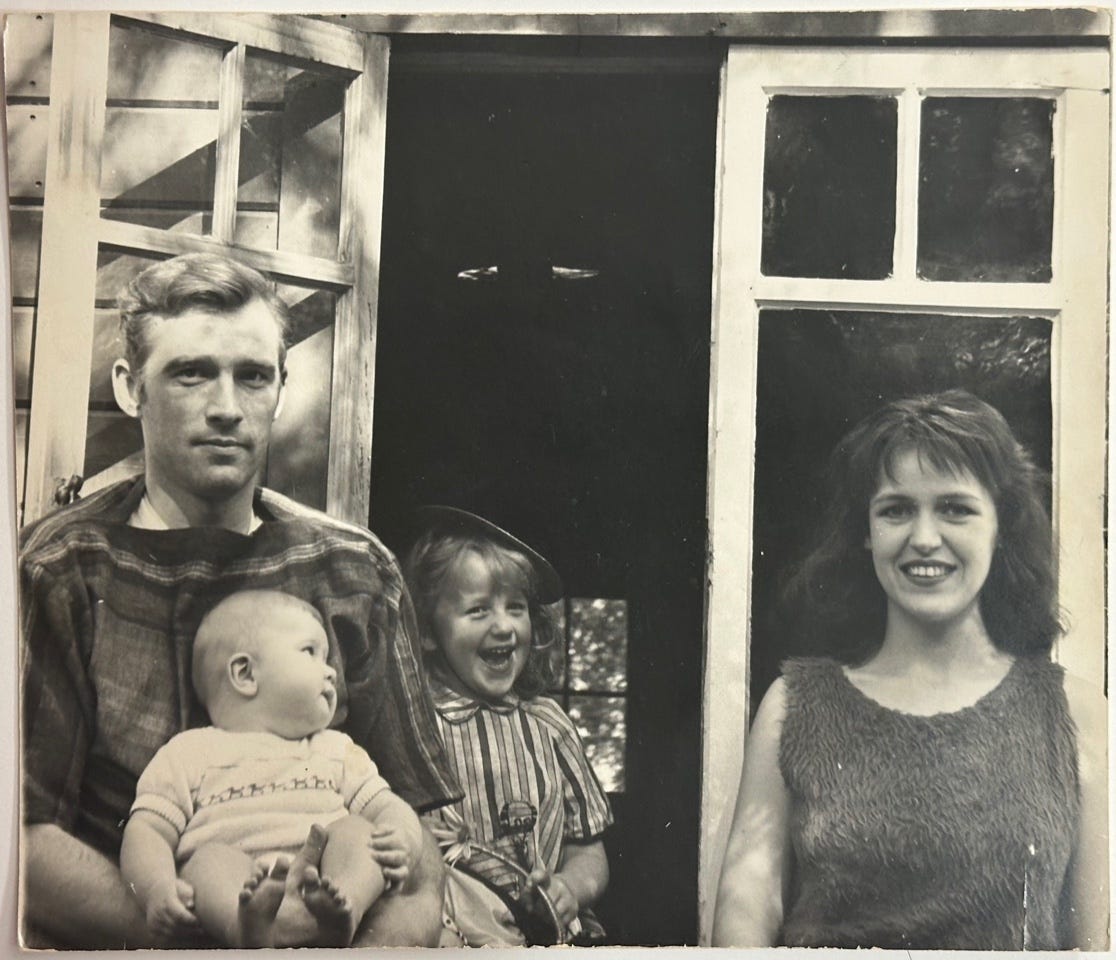
Family responsibilities were also weaving into the tapestry of his life. He had married Paula Cover, a former fellow student at the San Francisco Art Institute. They moved into a house he’d built for them in the Los Trancos Woods, where they would welcome daughter Linnea (1957- ), son Arne (1960- ) and youngest daughter Lucinda (1966- ).
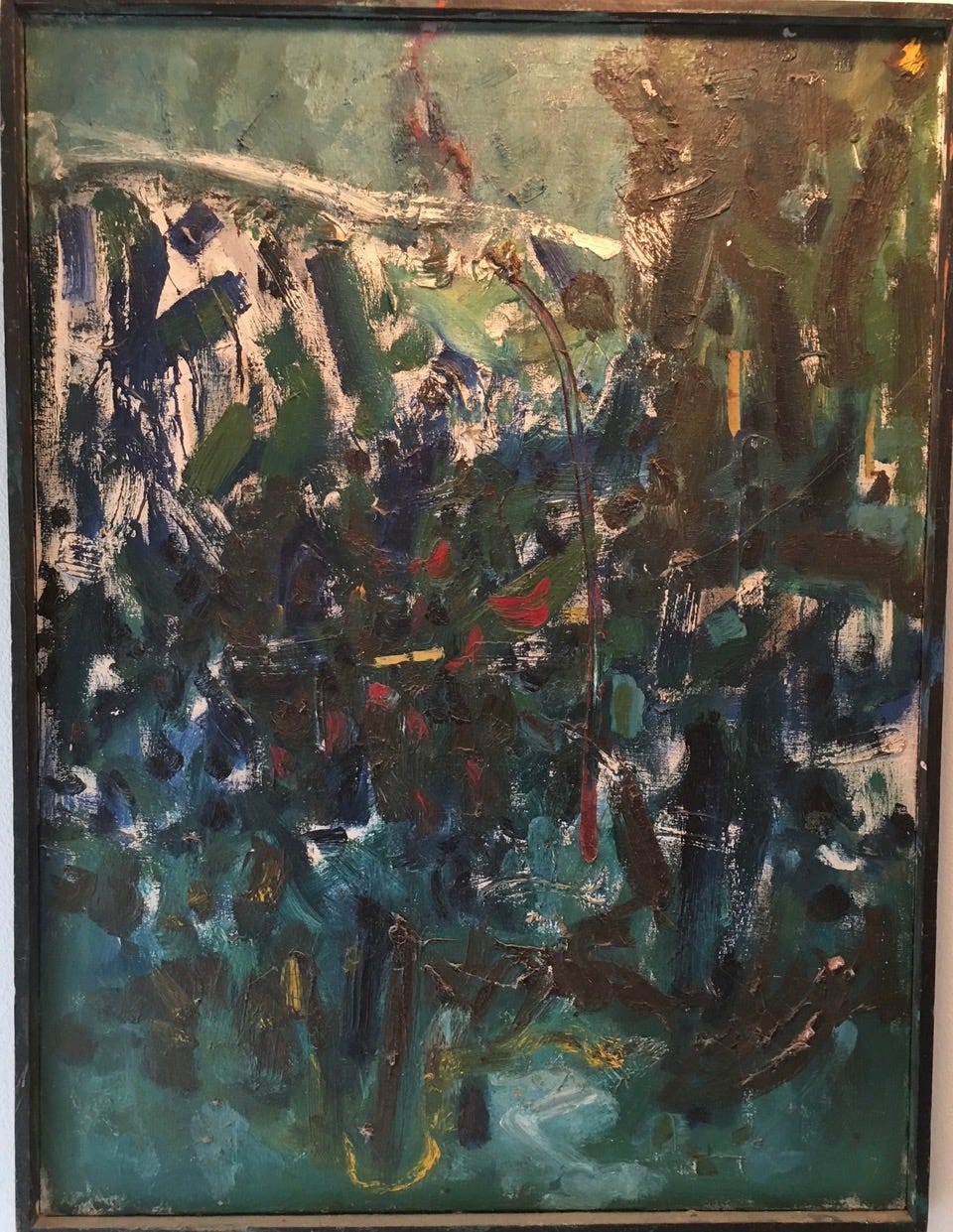
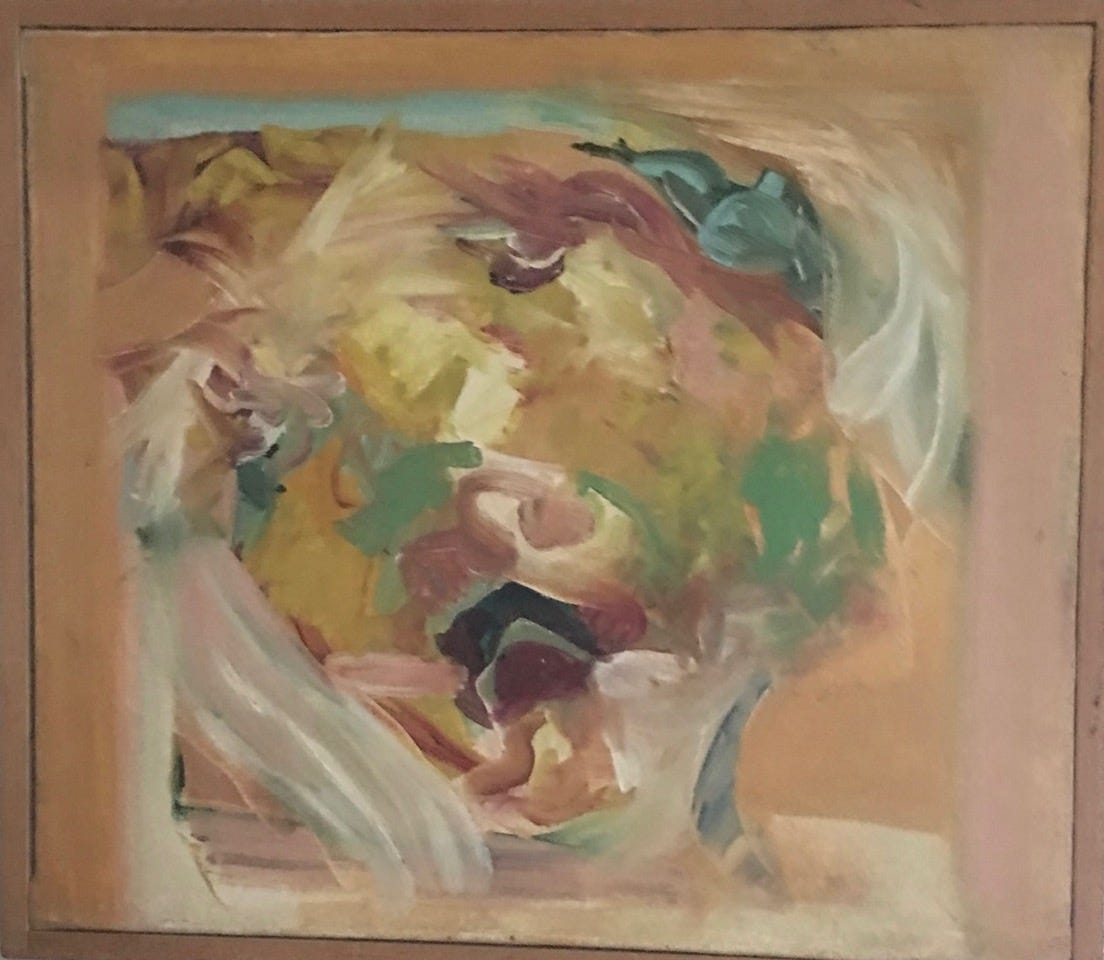
If forced to confine Bill’s creations within a single category, Abstract Expressionism may be the best fit. This influence is especially evident, along with elements of Constructivism, in the twenty paintings he contributed to a 1954 group show at Stanford based on German postwar Bauhaus theater design.
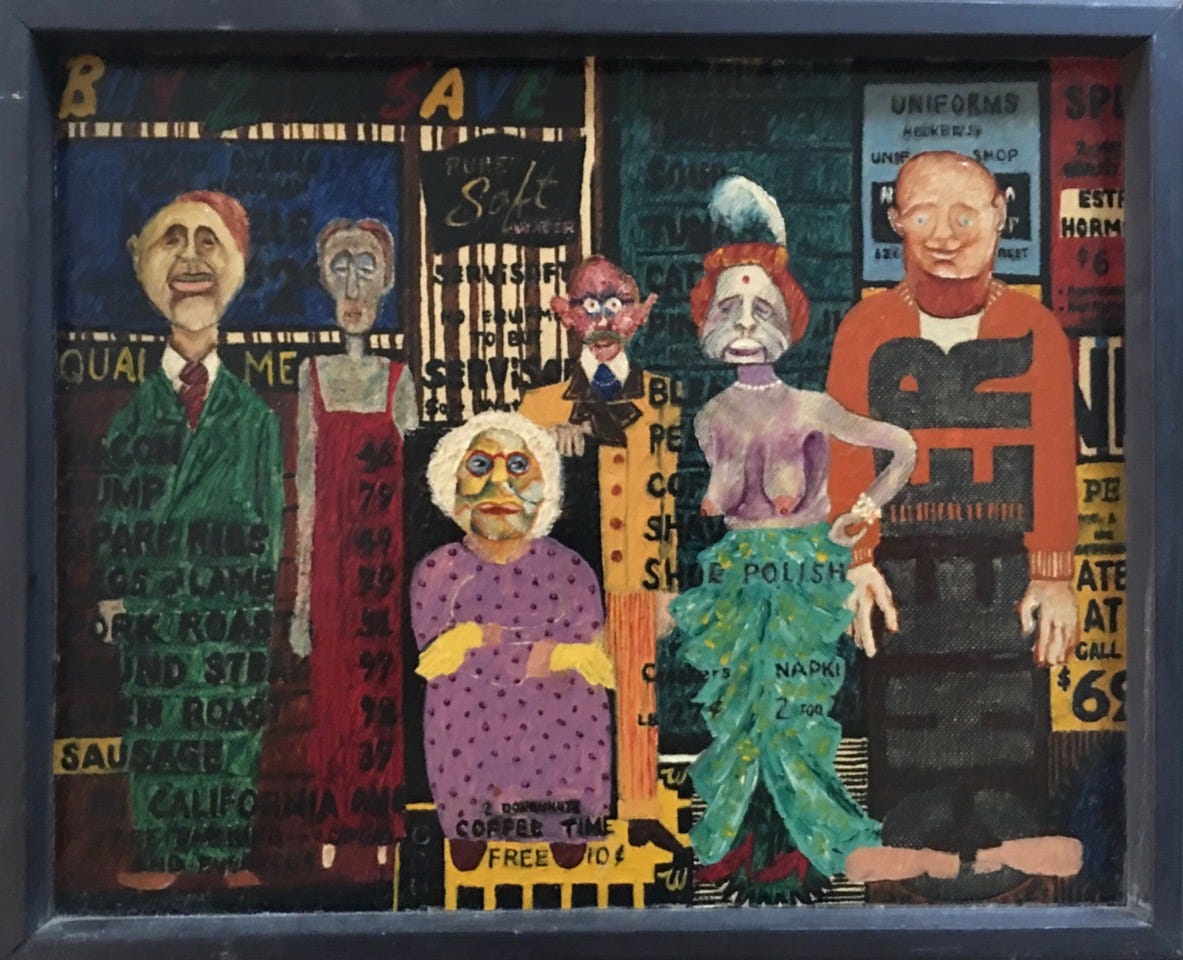
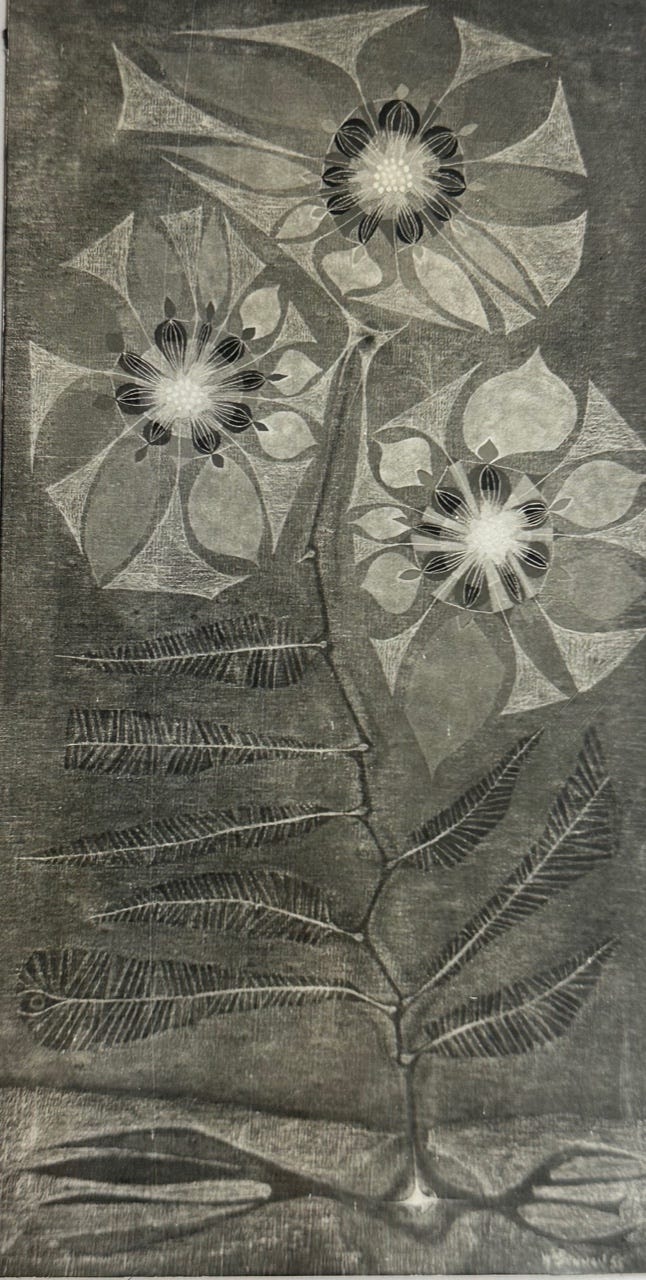
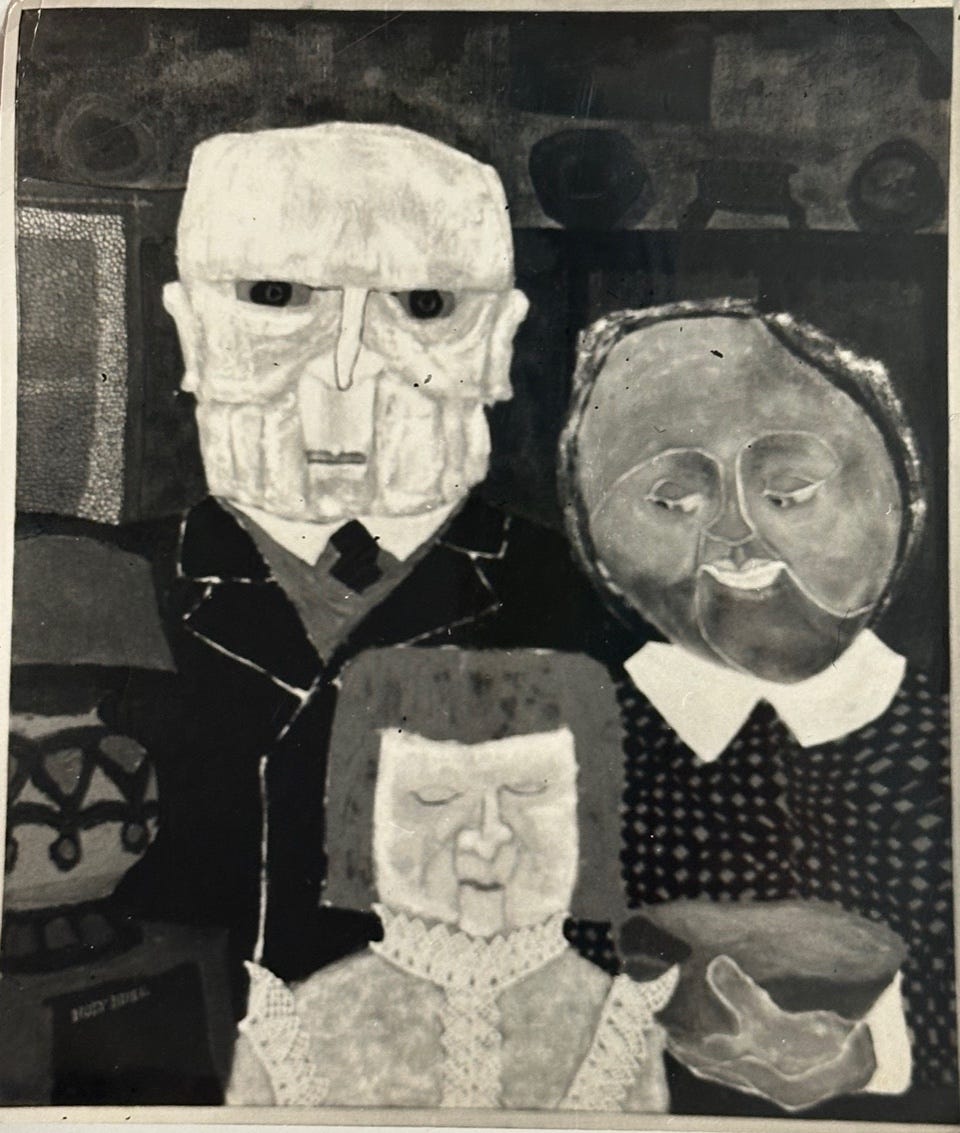
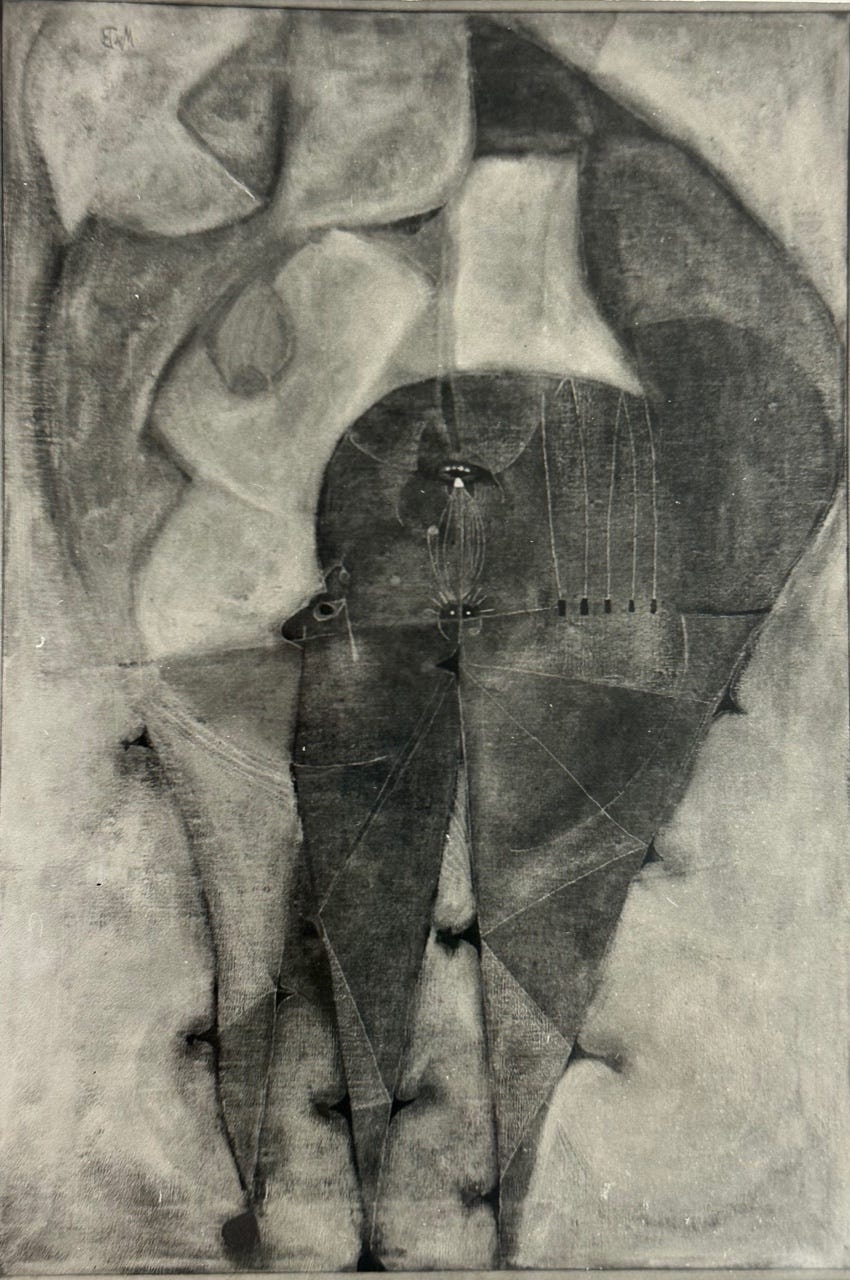
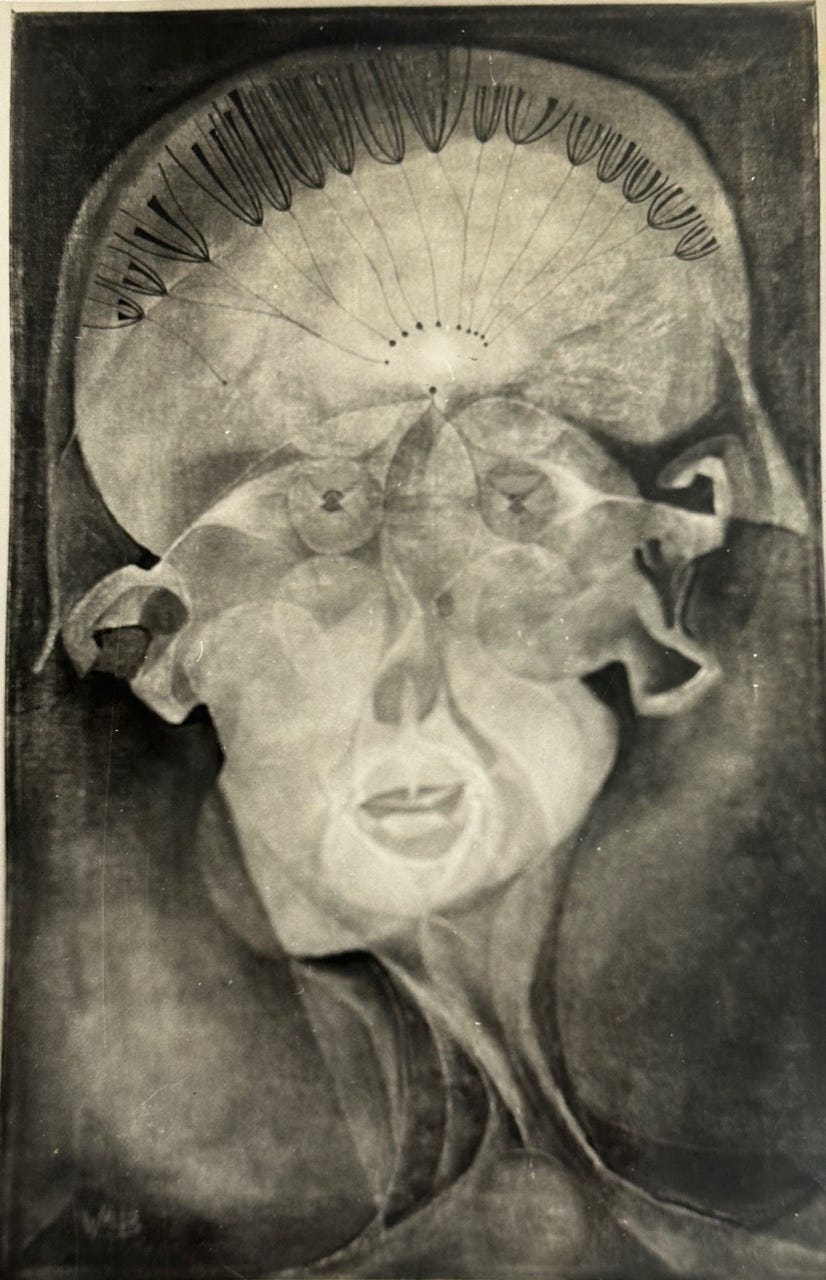
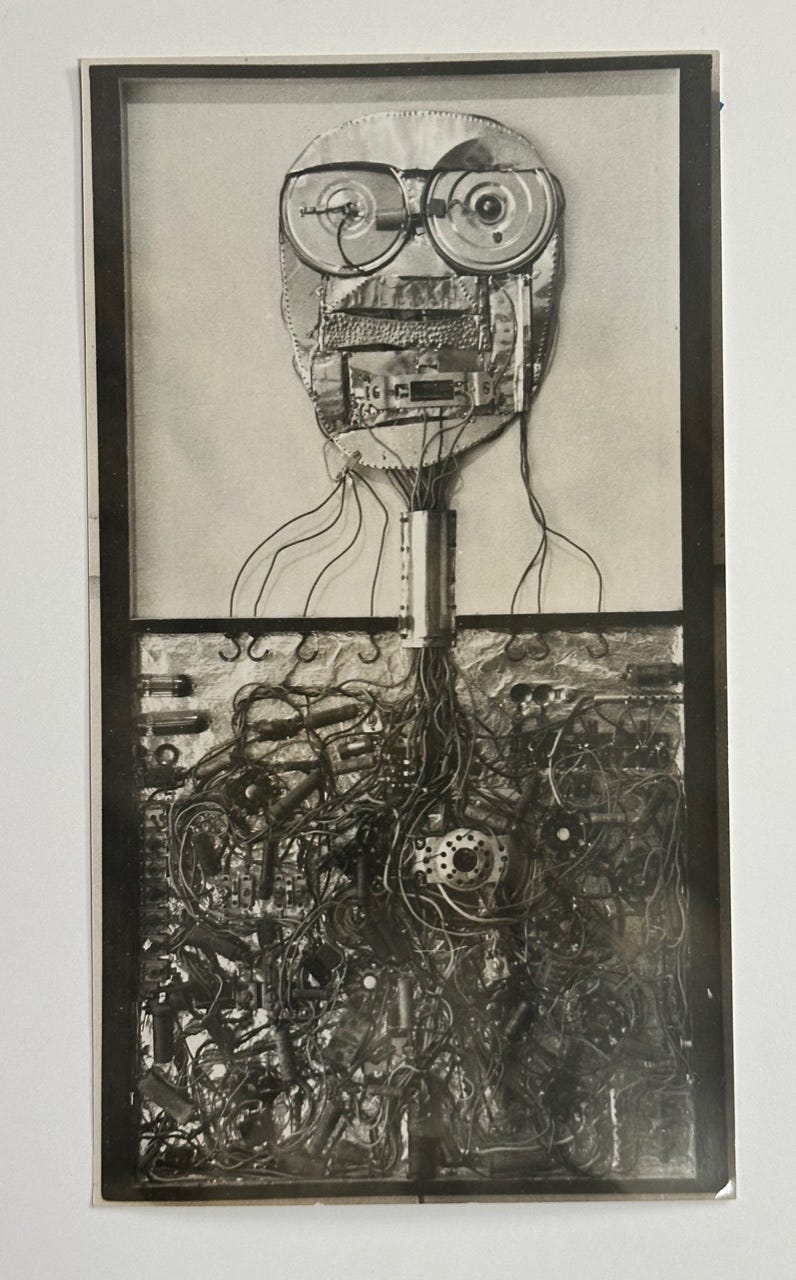
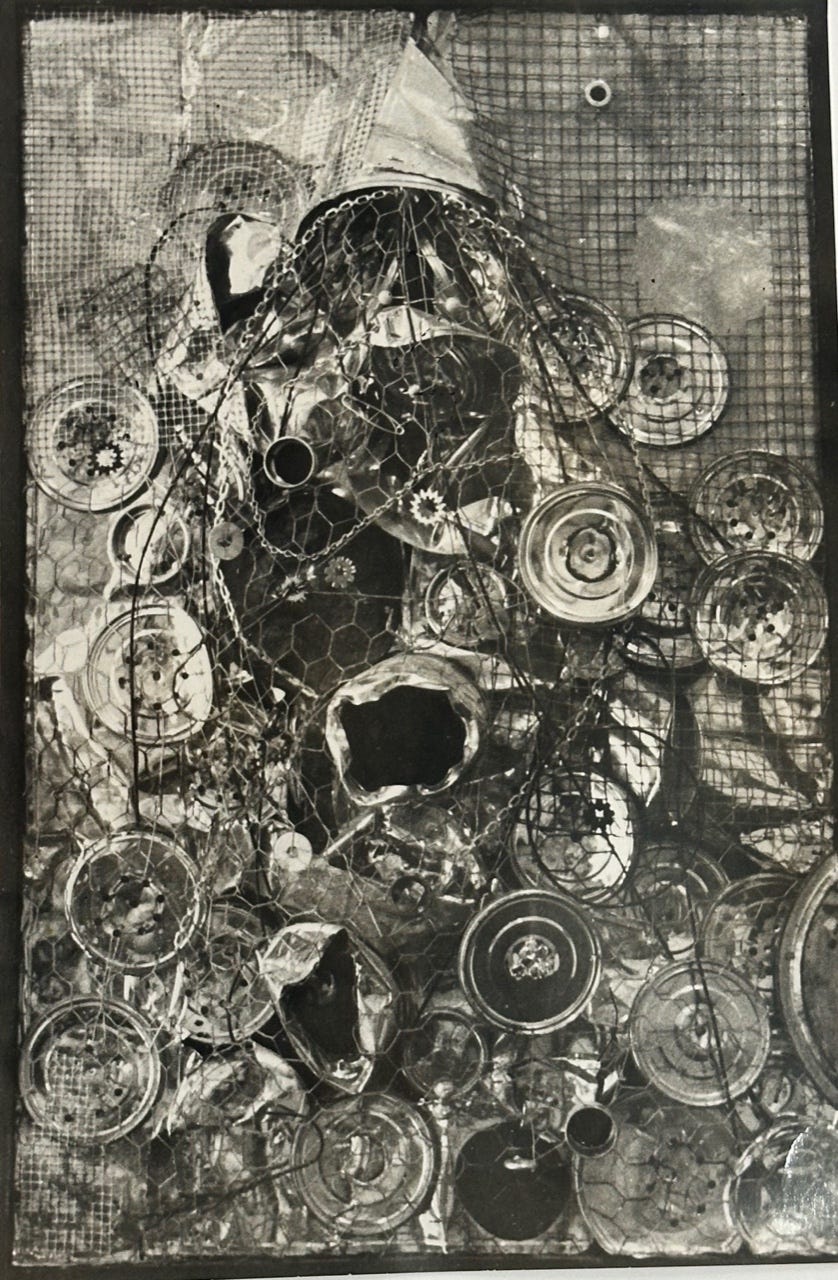
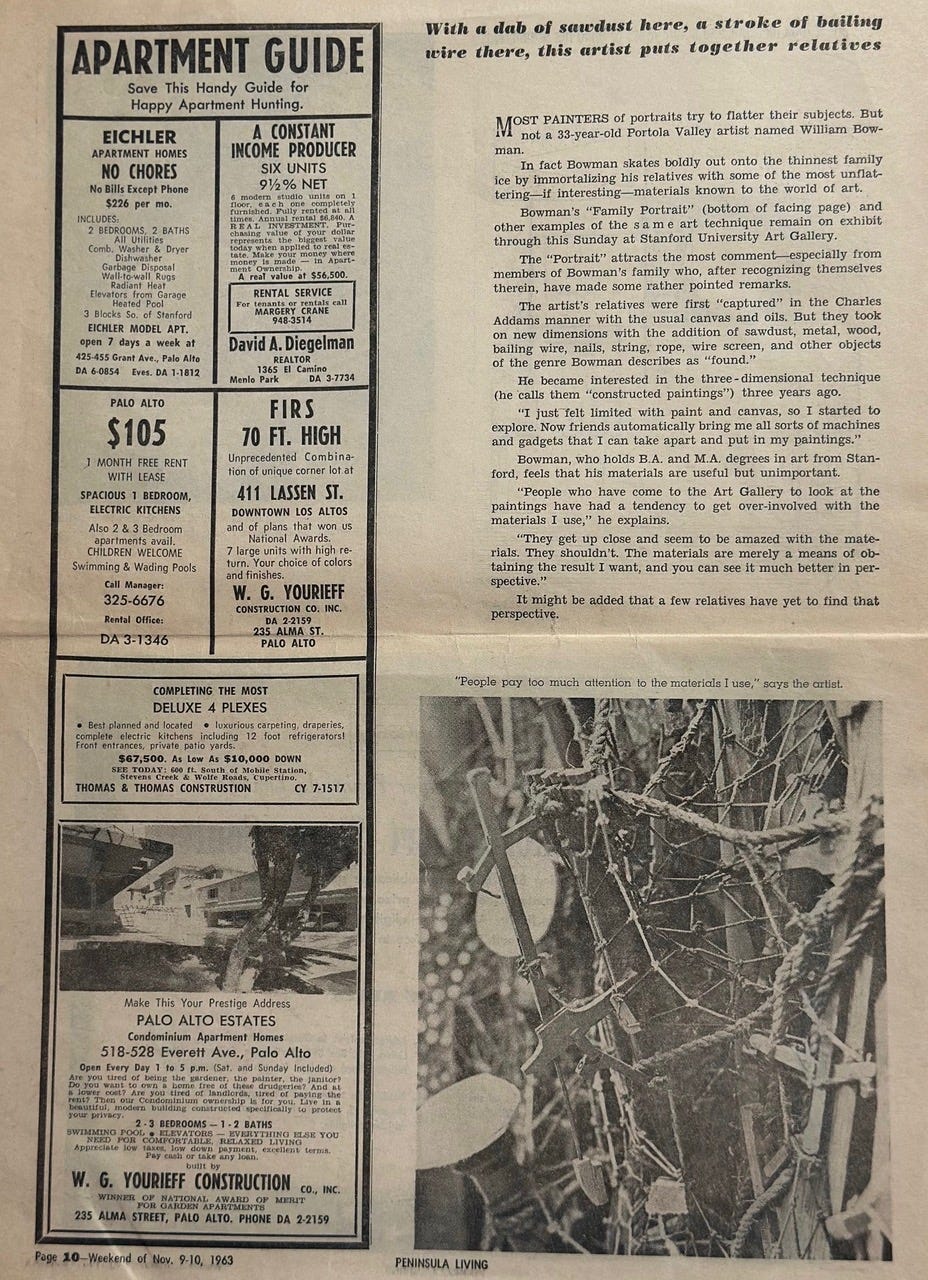
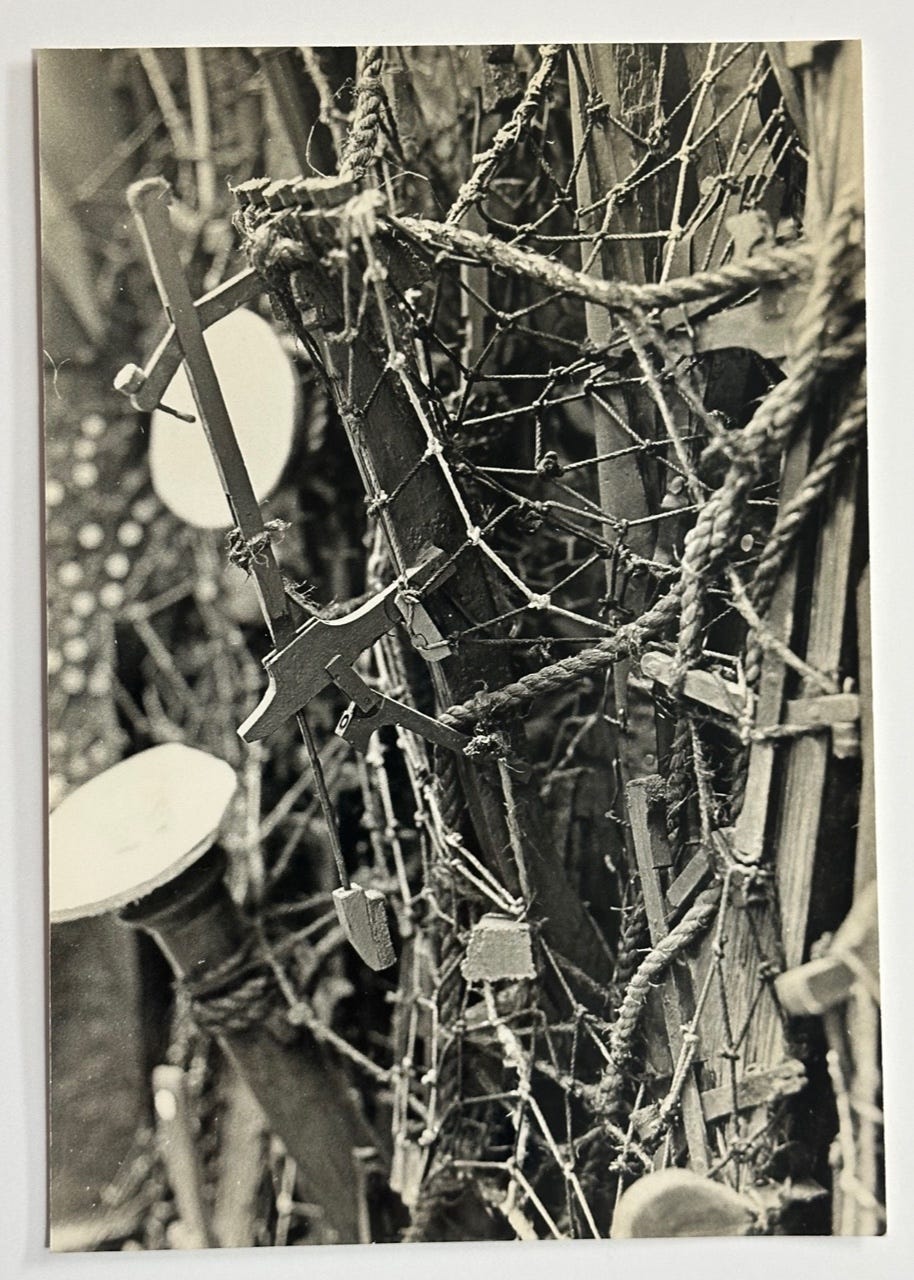
Social protest was implied in many of his constructions; The Red Door, for instance, featured a door which, when opened, revealed a boldfaced design on the reverse side, reading “Bomb,” as well as what Art Forum magazine described as “electrical parts somberly arranged to infer that this is the triggering mechanism.” One of Bowman’s most powerful pieces was a painted wood and mixed-media construction, titled Family Portrait. Measuring six feet wide by five feet tall, it depicted characters in an intensely expressive, primitivist fashion.
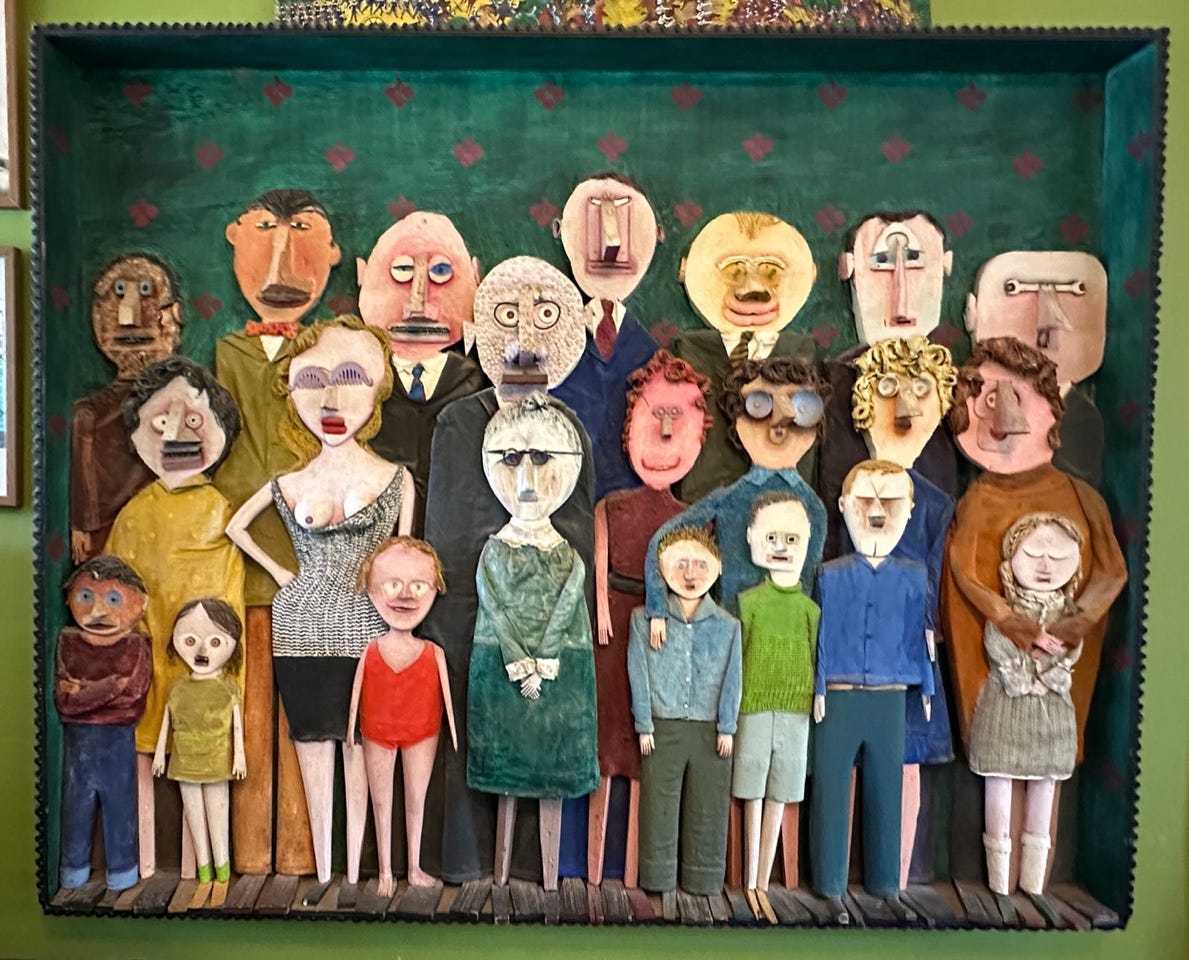
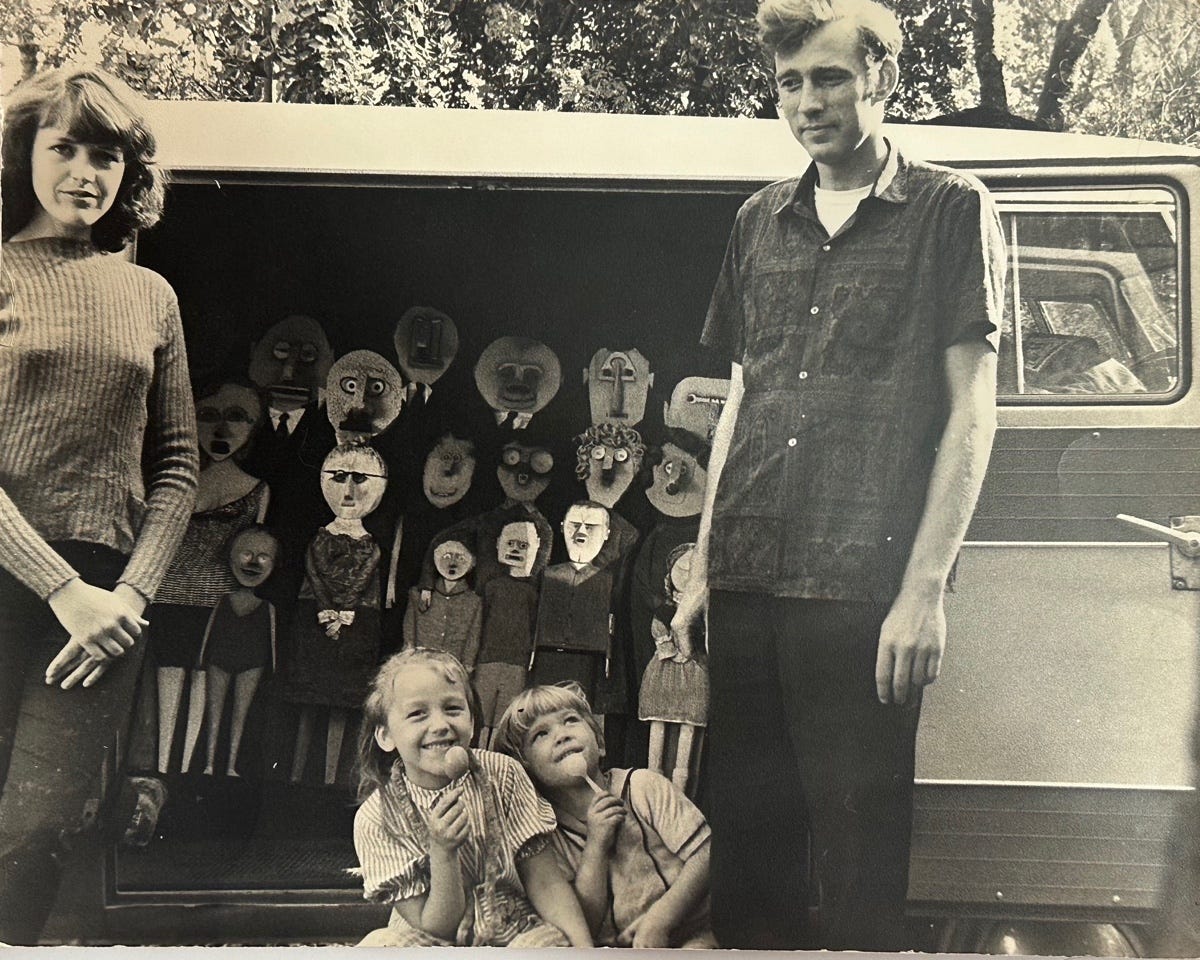
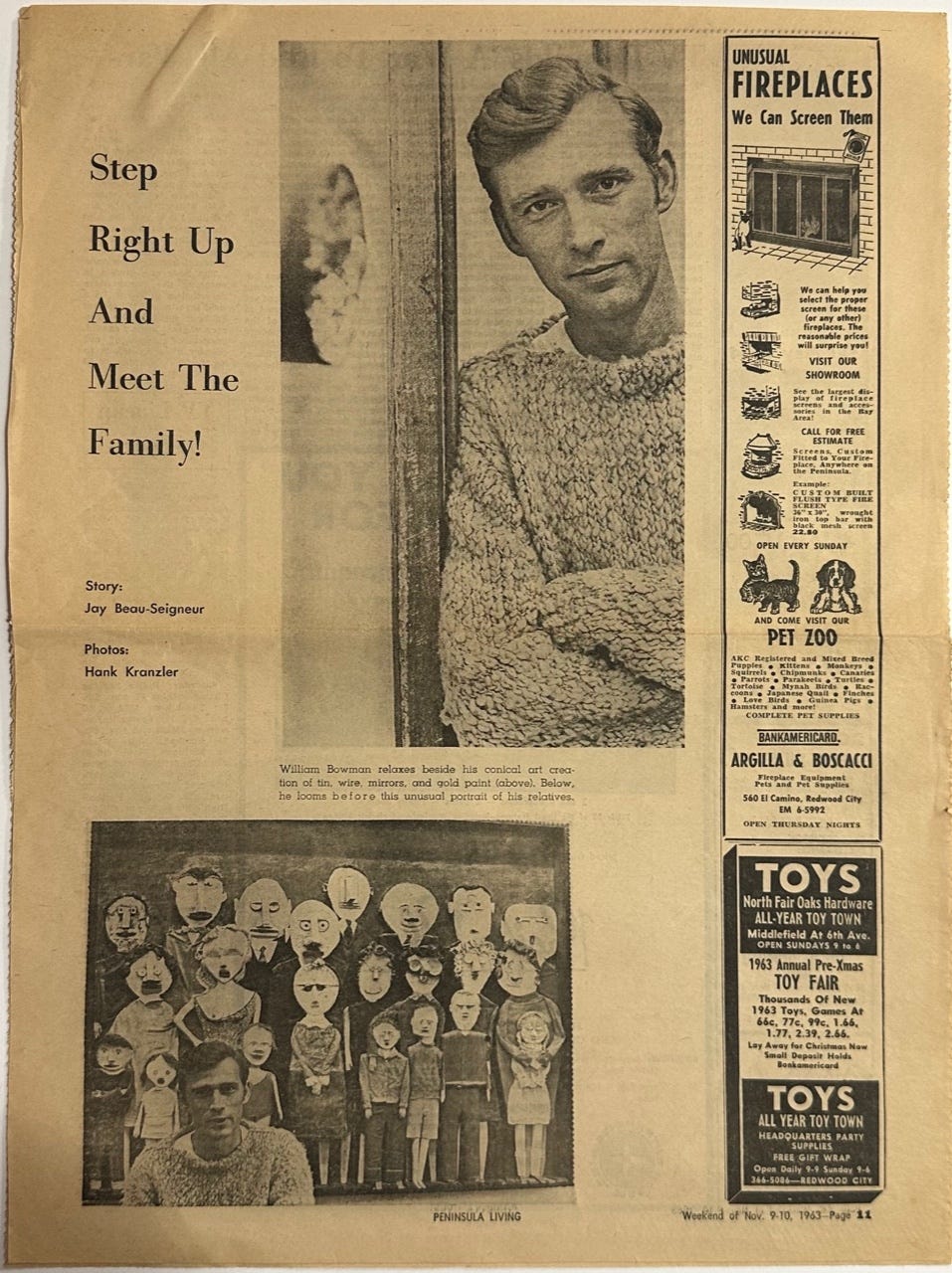
This piece, exhibited at the Stanford University Art Gallery, was featured in a Peninsula Living magazine article, “Step Right Up and Meet the Family,’ with a photo of Bowman looming before his unusual depiction of his relatives. “In fact,” the article notes, “Bowman skates boldly out into the thinnest family ice by immortalizing his relatives with some of the most unflattering, if interesting, materials known to the world of art. The portrait attracts the most comment — especially from members of the Bowman family who, after recognizing themselves therein, have made some rather pointed remarks. The artist’s relatives were captured in the Charles Addams manner, with the usual canvas and oils. But they took on new dimensions with the addition of sawdust, metal, wood, baling wire, nails, string, rope, wire screen and other of the genre Bowman describes as ‘found.’”
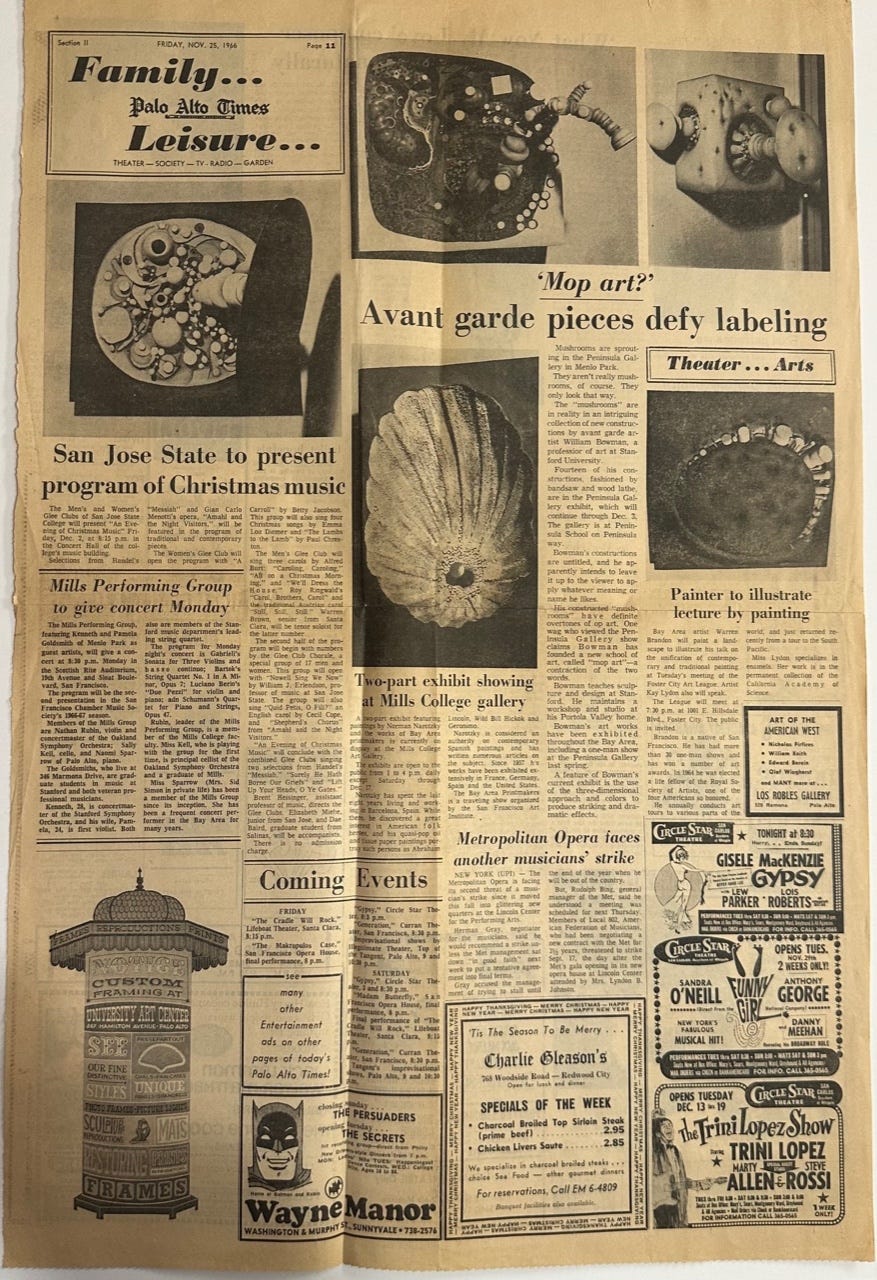
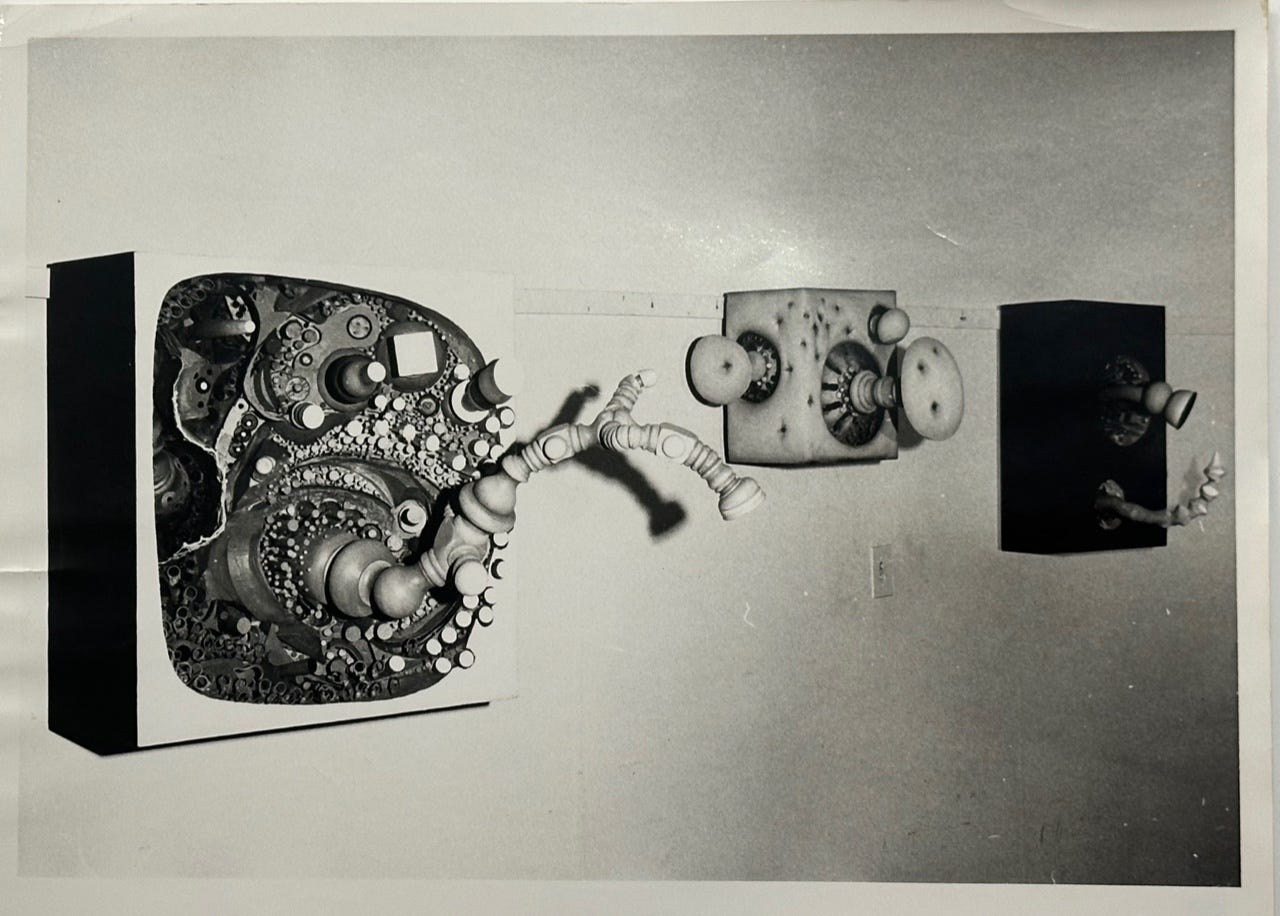
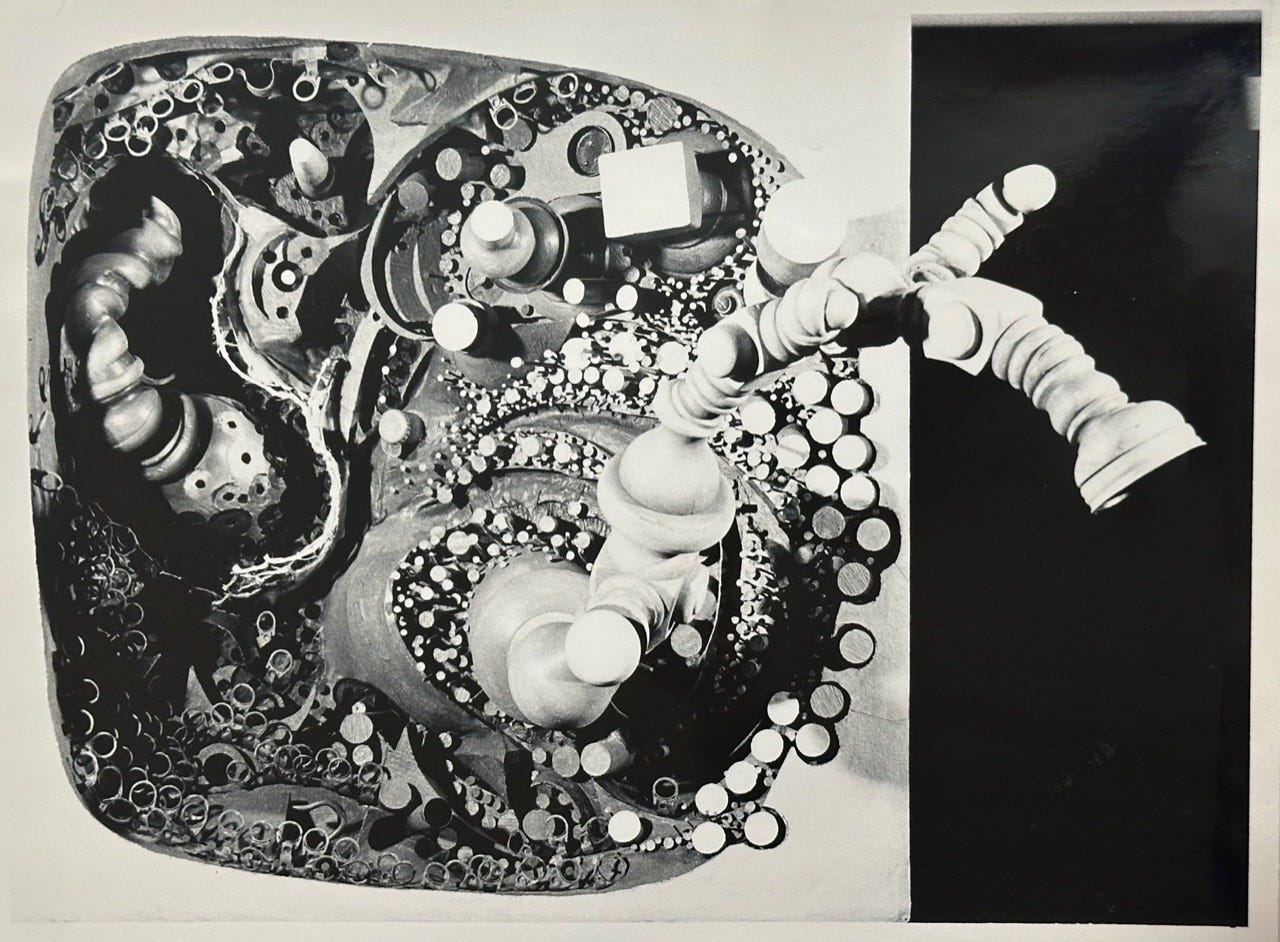
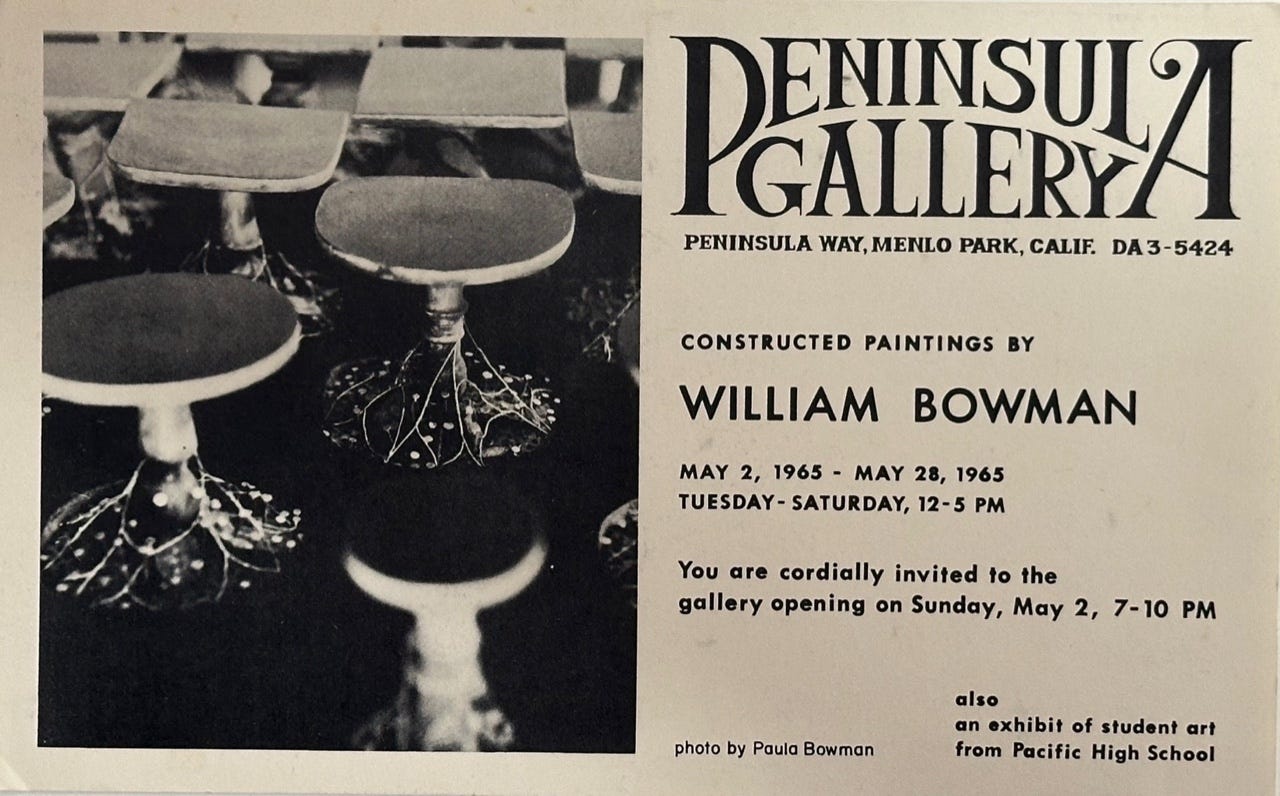
A subsequent show at the Peninsula Gallery, in 1965, featured Bowman’s elaborately detailed sculptural three-dimensional pieces, fashioned from wood, metals, rope, nails and found objects, as well as paint. Bowman referred to these works as “visual events,” ranging in size from a delicate arrangement of jewels measuring one square foot to six-square-foot constructions made of items such as table legs and spikes. A critic from the Palo Alto Times opined that these fourteen pieces suggested “sprouting mushrooms with definite overlays of Op Art, or Mop Art, a contradiction of the two” and noted “the use of three- dimensional approach and colors to produce striking and dramatic effects.”
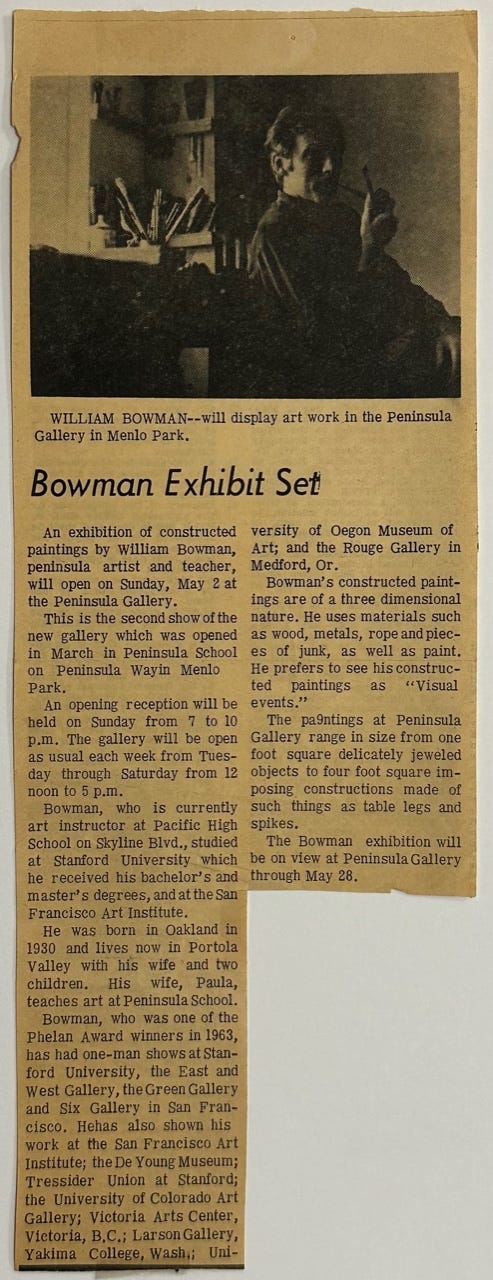
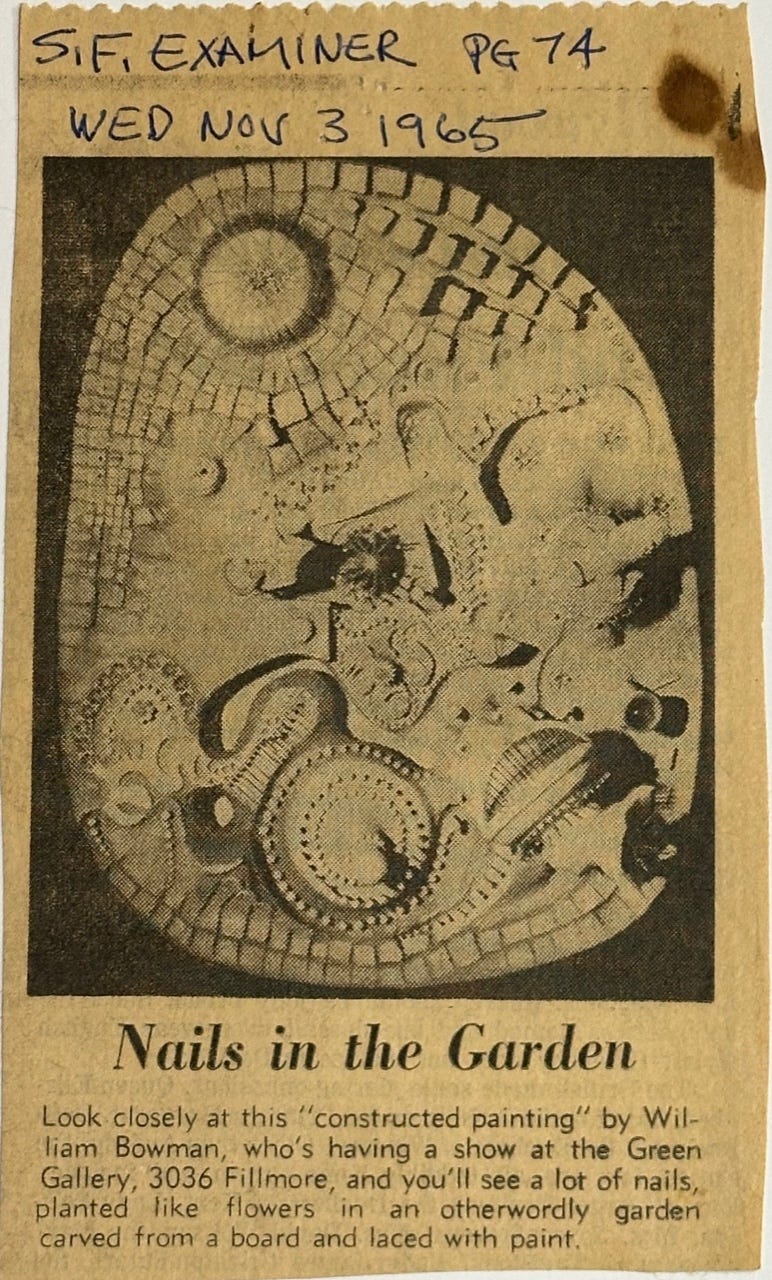
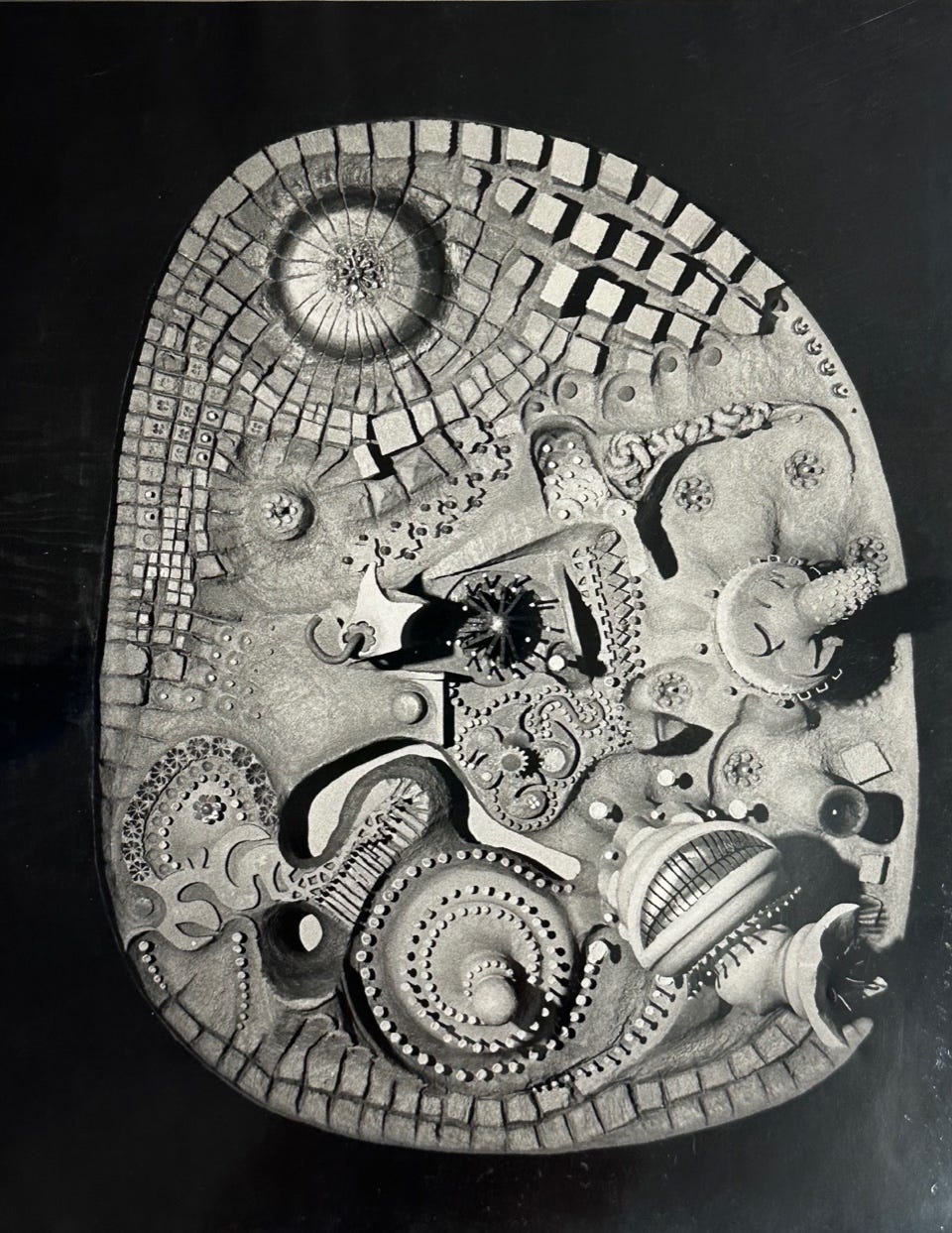
That same year, Bowman contributed an untitled “constructed painting” to a show at San Francisco’s Green gallery. The San Francisco Examiner described it as “nails planted like flowers in an otherworldly garden, carved from board and laced with paint.”
He also continued his studies, culminating in 1957 with a master’s degree in fine art. He capped that milestone year with a Stanford Alumni Purchase Prize, which he received for a Stanford alumni exhibition. His solo exhibition at Stanford in 1966 won the prestigious James D. Phelan Art Award.
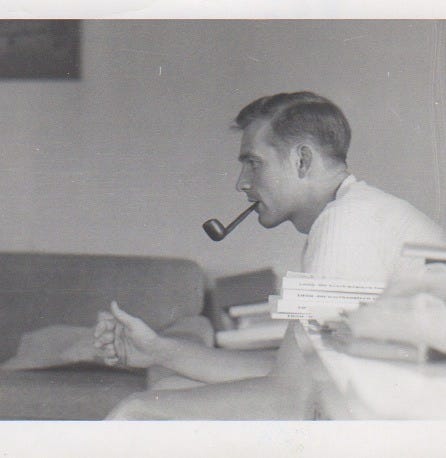
More media coverage followed. In 1966, The San Jose Mercury featured Bowman in an article headlined: “Portola Valley Artists Turns ‘Dump Fodder’ Into Sculpture.” Bowman, shown in a photo puffing his pipe while displaying one of his “constructed” paintings, cited a theme of “breaking through” in his work. To illustrate, the writer focused on a particular piece, describing it as “untitled and representing nothing tangible. It is constructed of a variety of objects, such as broken toys, a muffin tin or two, a pedestal, part of an egg beater, fishnet [and] nails.” In a more subjective interpretation, the writer describes the piece as “a grotesque form constructed of a variety of discarded objects rising ominously through what appears to be a tile floor. Flowers, actually nails with paint daubed on their heads, peer from a pit in what could be a cushion – or the lining of a coffin.
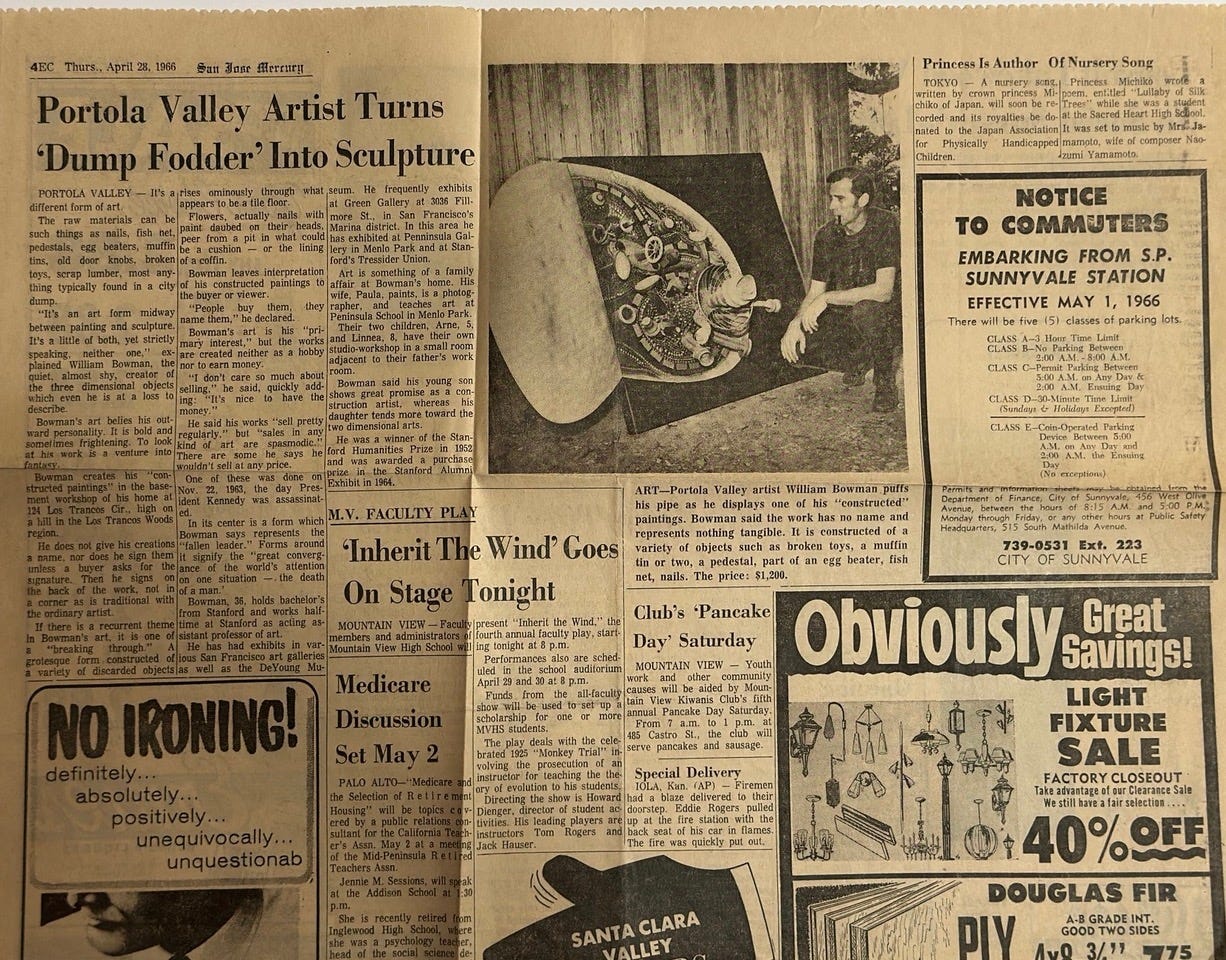
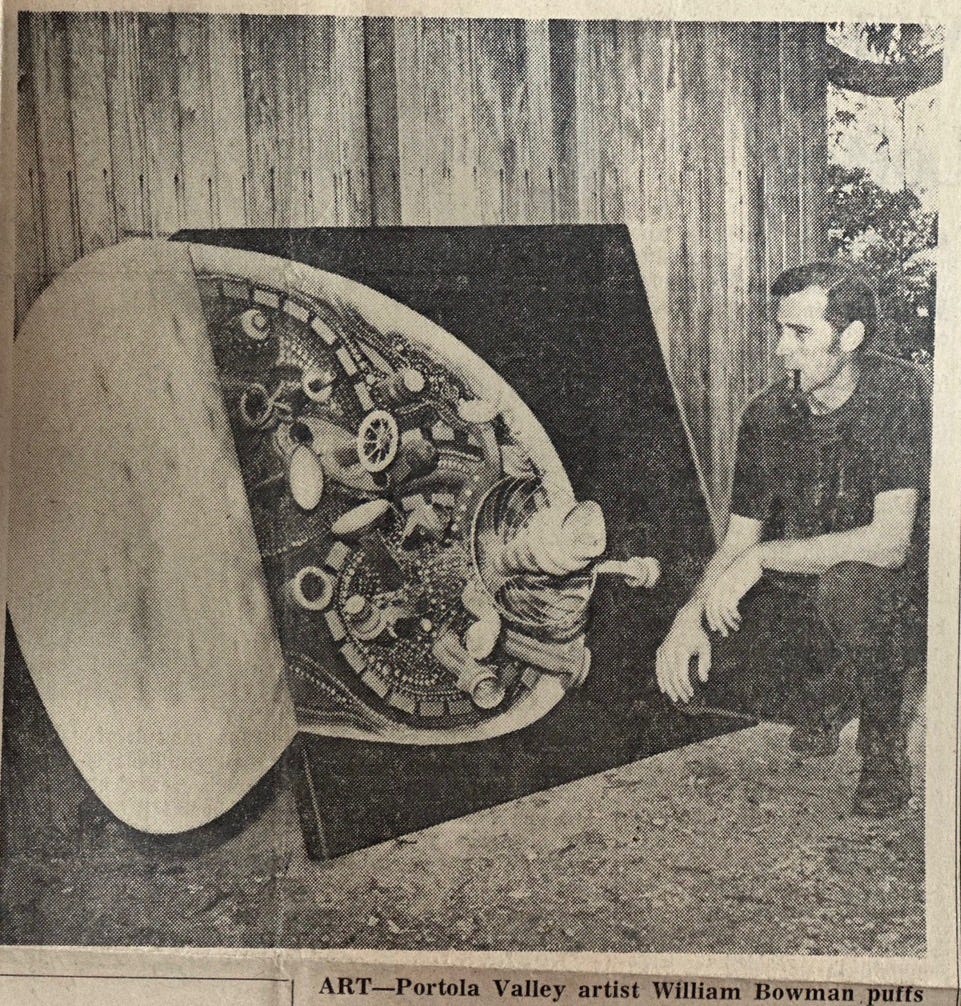
But through every shift in his professional life, Bowman’s commitment to expression through art endured and evolved. This included helping to arrange shows for his peers and colleagues José Ramón Lerma and Roy De Forest at the alternative free Peninsula School and Gallery, in Menlo Park, where his wife Paula taught art and their children attended.
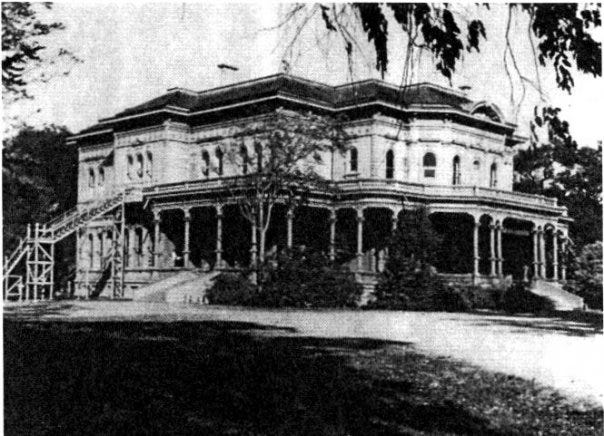
Founded by Josephine Duveneck during the 1920’s, the school was regarded by many as the West Coast equivalent of England’s Summerhill School Based on the work of education reformers such as Maria Montessori and John Dewey, Peninsula School was an experimental magnet for open-minded visitors and creative personalities such as Joan Baez, the Grateful Dead and Ken Kesey while he was writing One Flew Over the Cuckoo’s Nest for his master’s thesis at Stanford.
Bowman continued to create work as well, which was exhibited at the de Young Museum and the Green Gallery in San Francisco, the San Francisco Art Institute Gallery, the Stanford University Art Gallery and other West Coast venues.
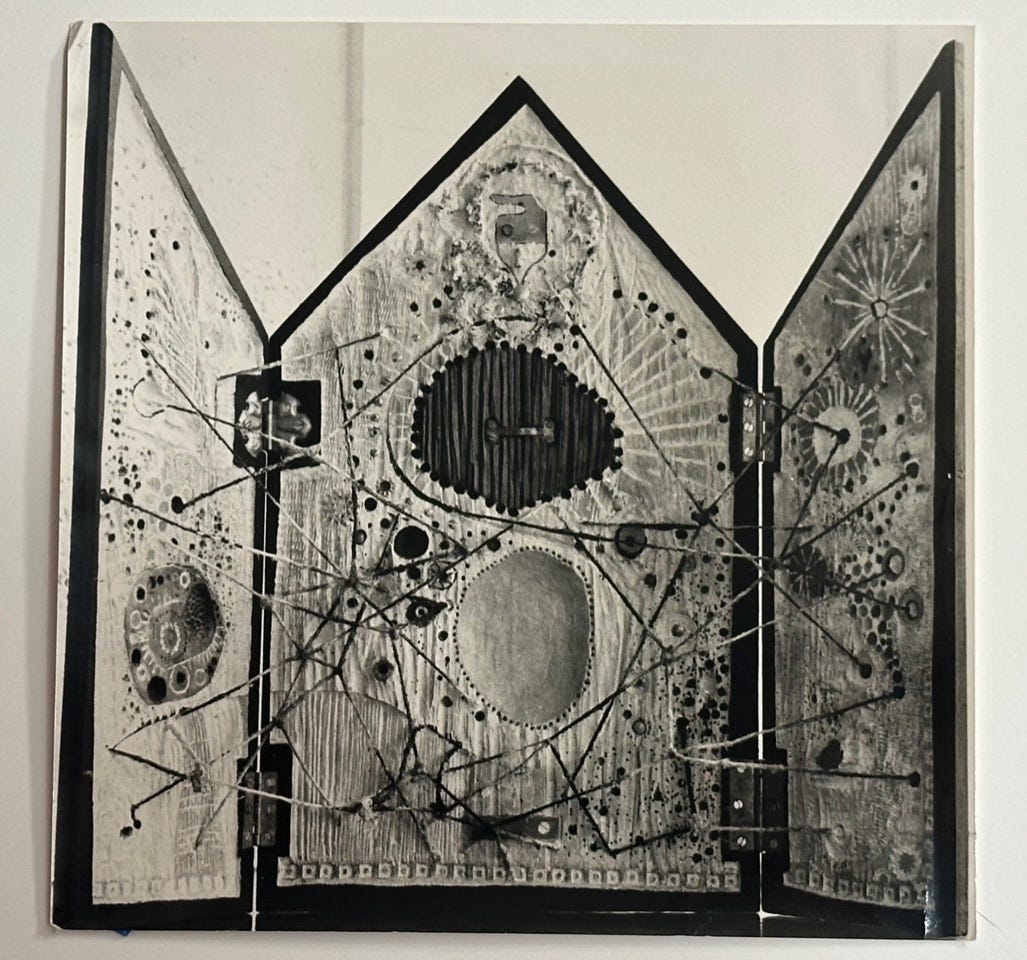
After his wife’s long struggle with reoccurring breakdowns, psychiatric hospital stays and extramarital affairs, which led to her eloping with another teacher, a turbulent divorce and custody battle ensued. In 1966, now on his own, Bowman returned to San Francisco, where he rented a small warehouse that had been vacated by an old electric company, next door to his good friend José Ramón Lerma’s studio on Balboa Street. Here, he began work on his epic constructivist series Lifeline and intensified his ongoing involvement in civil rights and the antiwar movement.
Cellphones with cameras hadn’t yet been invented and it was rare that people took cameras with them, which is why there is so little documentation of the pivotal events from the 1960’s. Photos and filmed footage from the actual detailed lightshows in dark San Francisco venues hardly capture their bedazzling power. Black and white photos of ‘60’s performers are more plentiful. Nevertheless, one came away with those indelible experiences forever ingrained in one’s psyche.
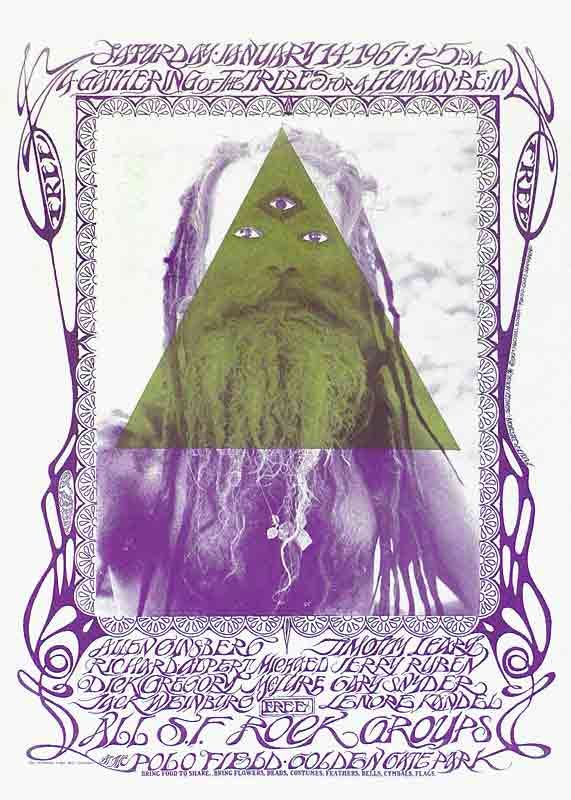
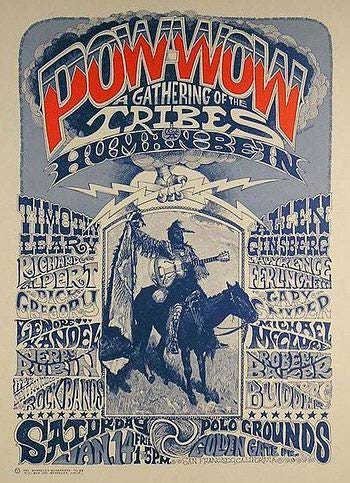
Bowman became a frequent participant in countercultural events, even bringing his kids to experience the rallies, marches and free Golden Gate Park concerts during the Summer of Love, with him. This included the January 14th, 1967, Human Be-In gathering of the tribes, at the Golden Gate Polo fields with Jefferson Starship, the Grateful Dead, Big Brother, Quicksilver, Tiny Tim and speakers such as Timothy Leary, Allen Ginsberg and Jerry Rubin.
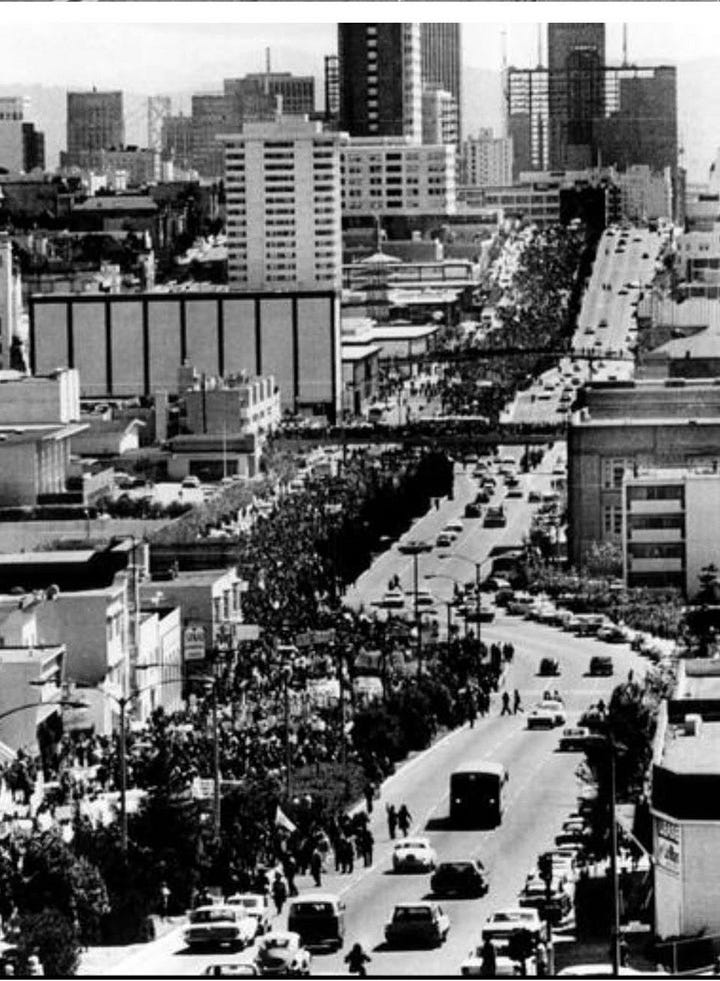
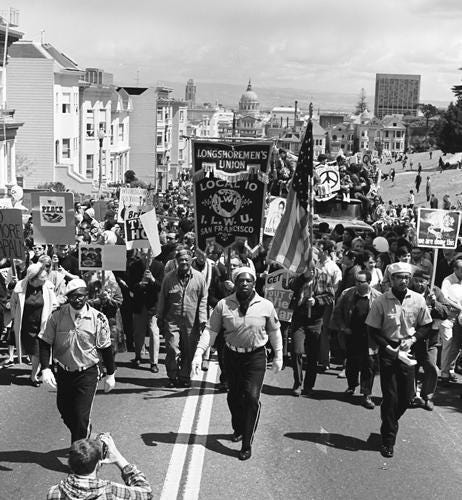
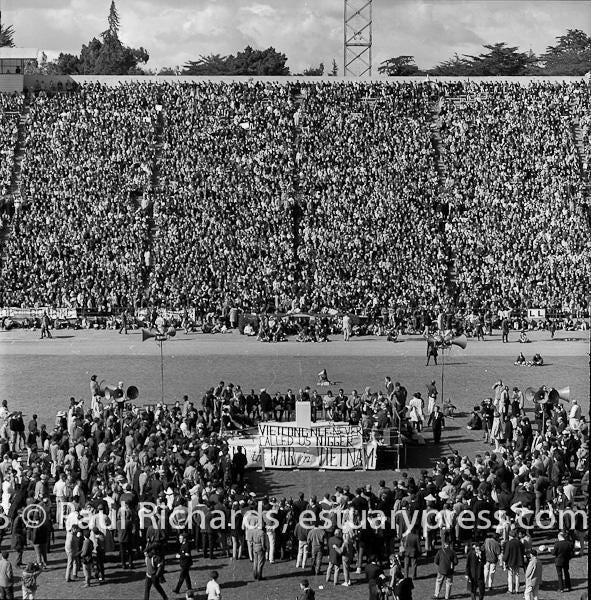
Bowman, with his daughter Linnea, José Ramón Lerma, and a few other friends took part in the Spring Mobilization Against the War in Vietnam march up Geary Street to Kezar Stadium, where presenters such as Coretta Scott King, Julian Bond, Eldridge Cleaver and Robert Vaughn spoke. Performers were Joan Baez, Judy Collins, Big Brother, Quicksilver Messenger Service and Country Joe and the Fish.
Looking through the eyes of a ten-year-old, Linnea remembers Looking back behind us down Geary Street at an undulating sea of thousands walked side by side in small and large groups, in addition to demanding an end to the war, carrying signs representing various social causes, such as Vets Against the War, Women’s Liberation, Gay Power, local unions, the NAACP, Black Panthers and indigenous groups. This was only the beginning, planting seeds for social change for years to come.”

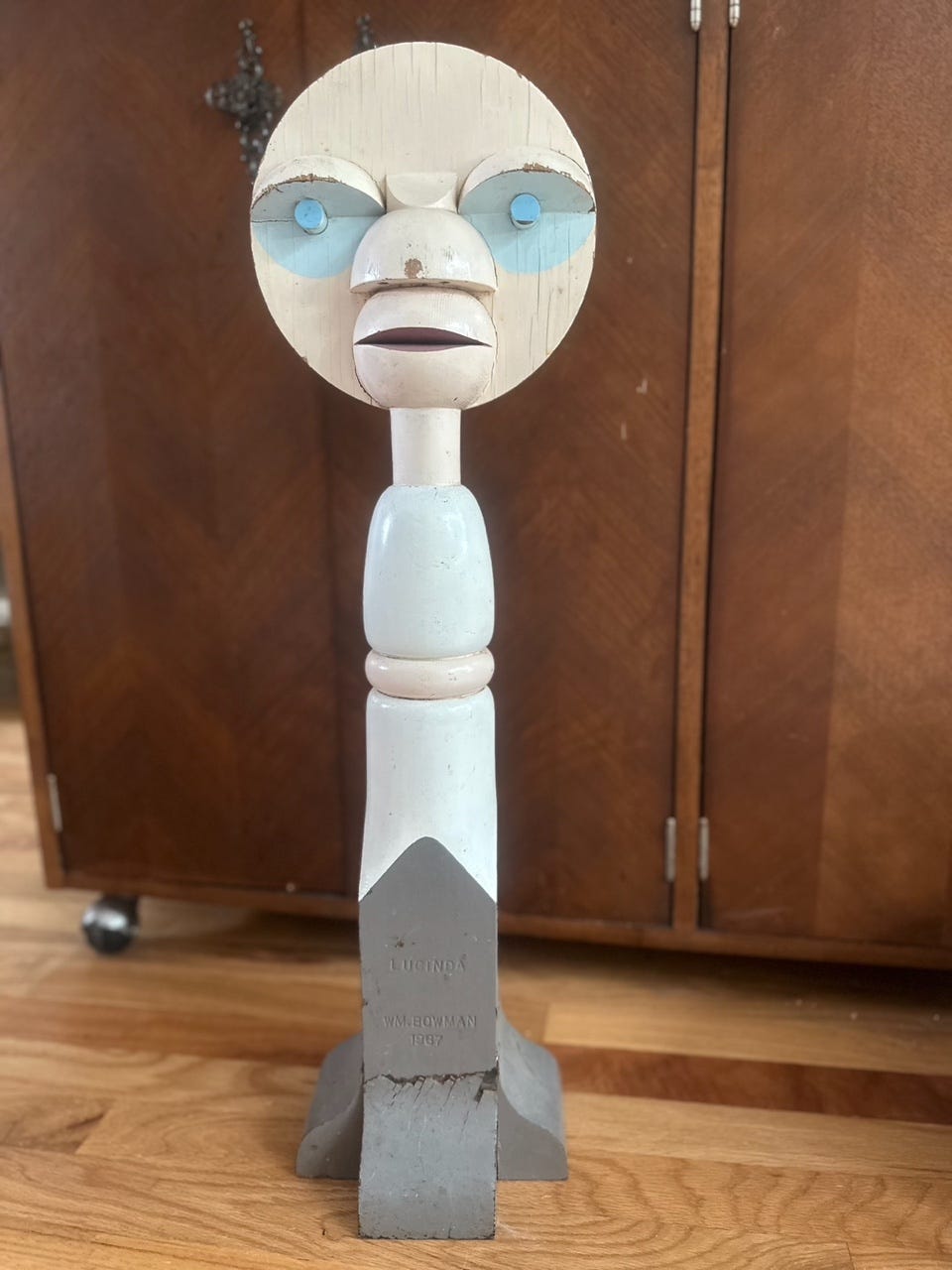
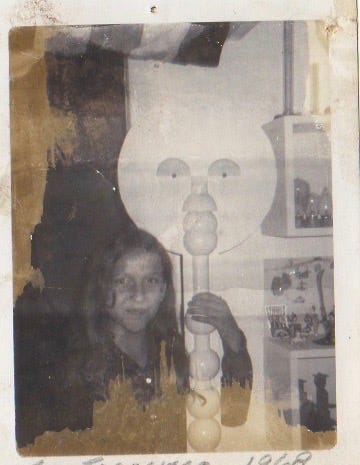
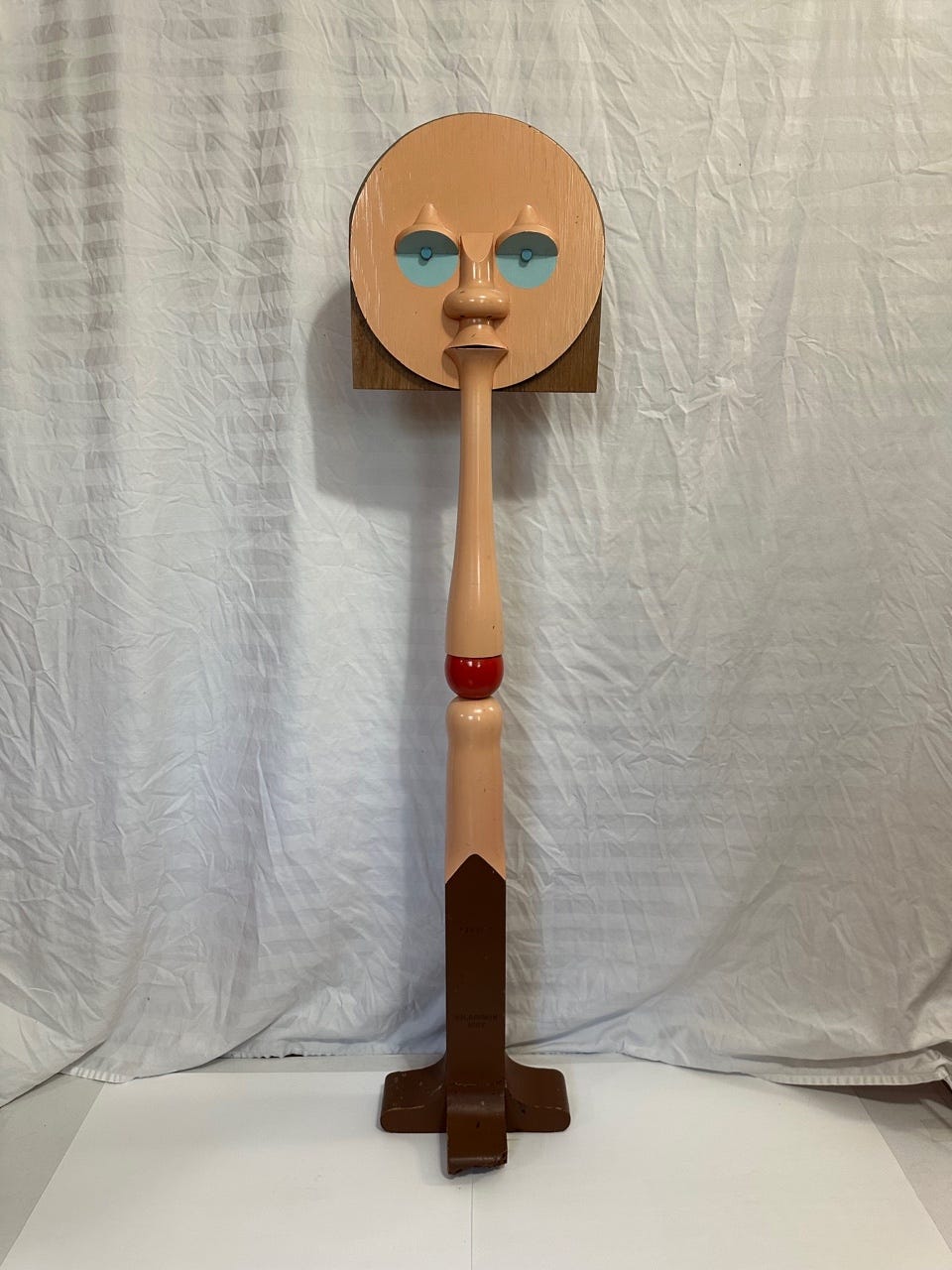
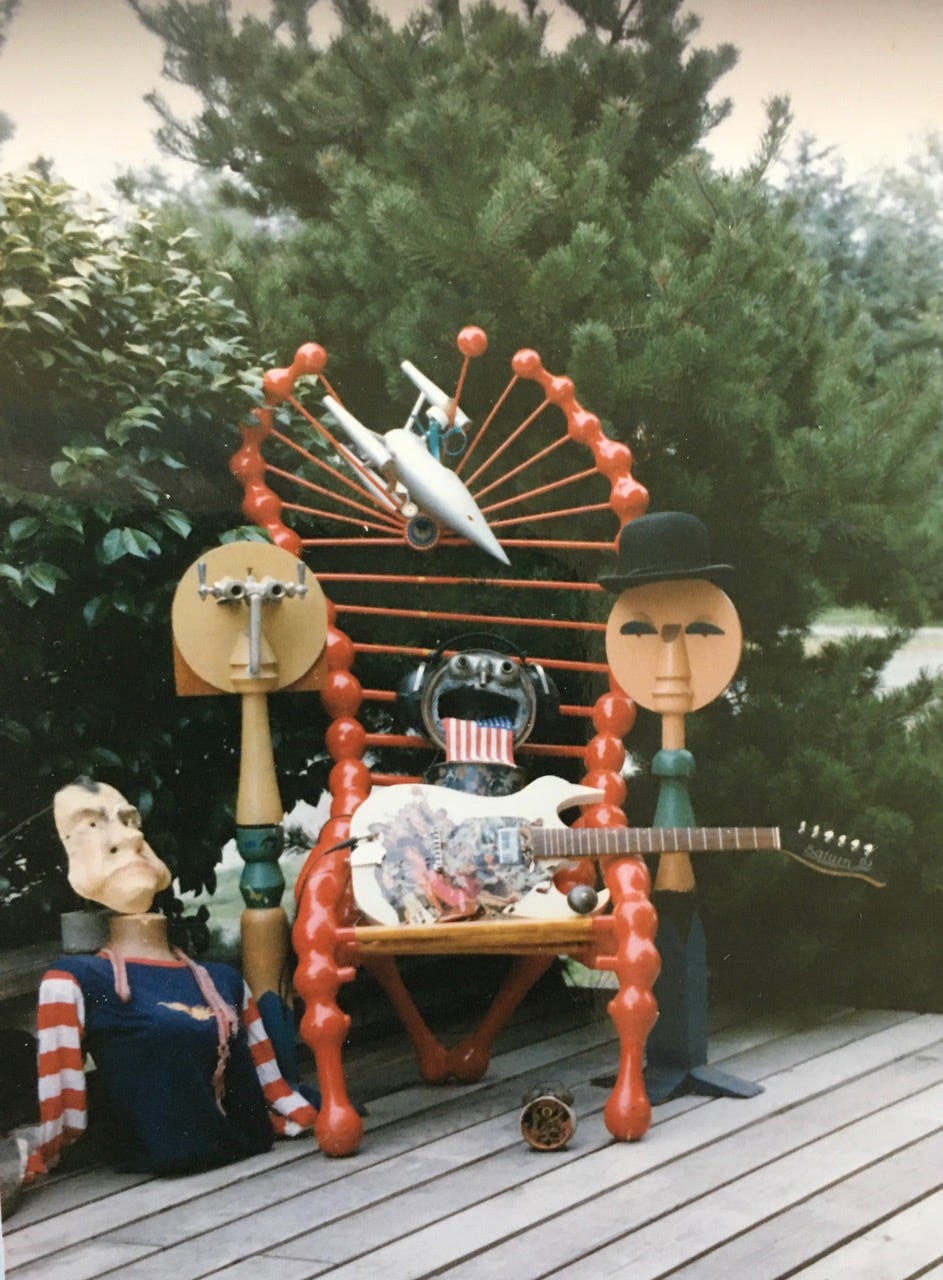
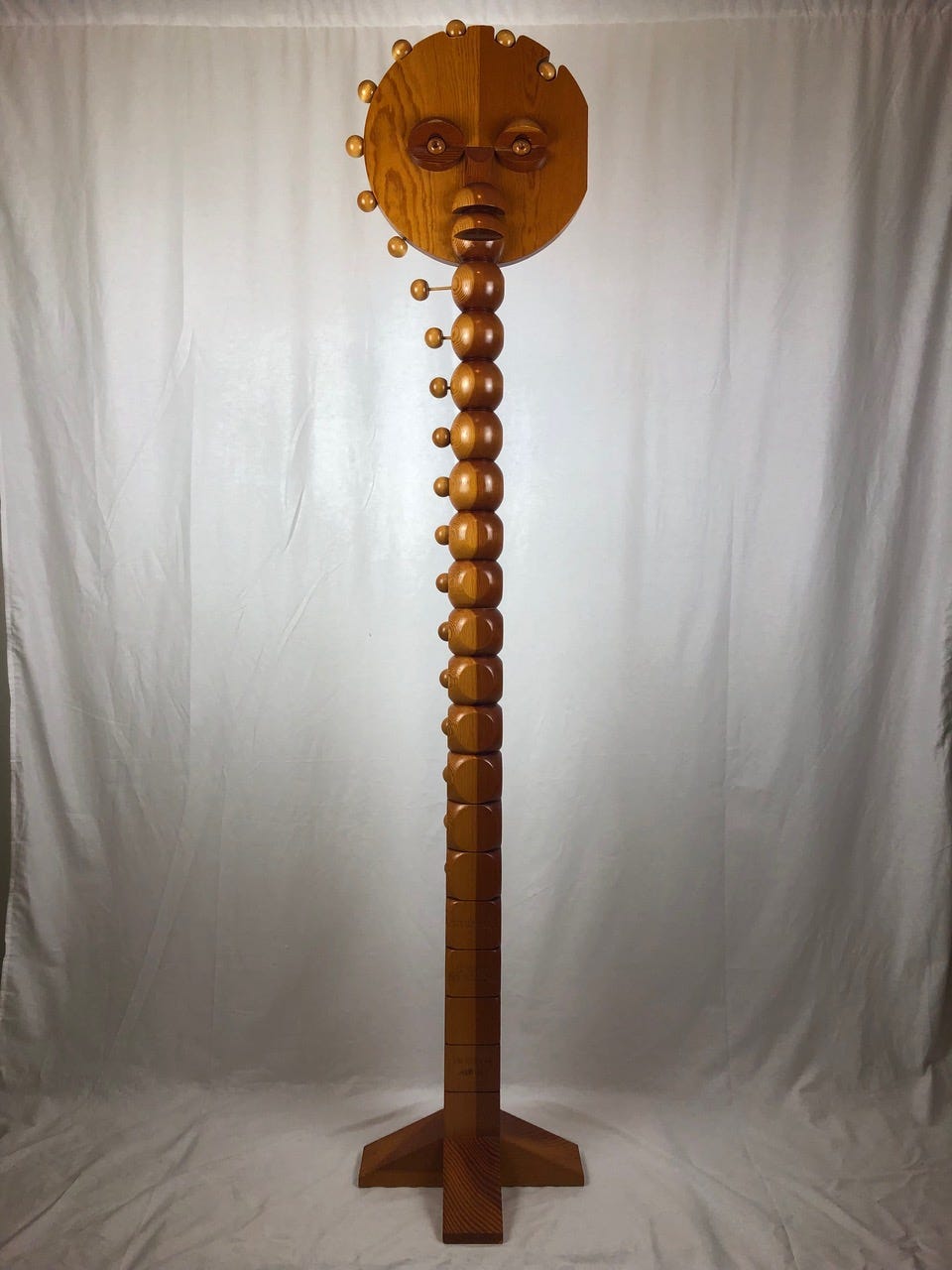
At this time, Bowman was using hand carving and lathe to create standing figures that resembled totems. He referred to them as his new friends and would place them around the warehouse like official guards. Most had arbitrary names while others represented familiar family and people.
His youngest daughter, Lucinda, remembers, “We used to call them people. They were like family. When you entered the house, your family was waiting for you. My little one is ‘One Year.’ It’s about two feet tall. We all have figures of ourselves. The totems were painted originally, then they went to natural wood.”
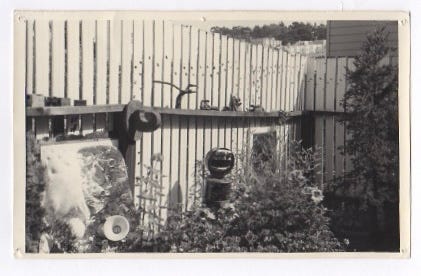
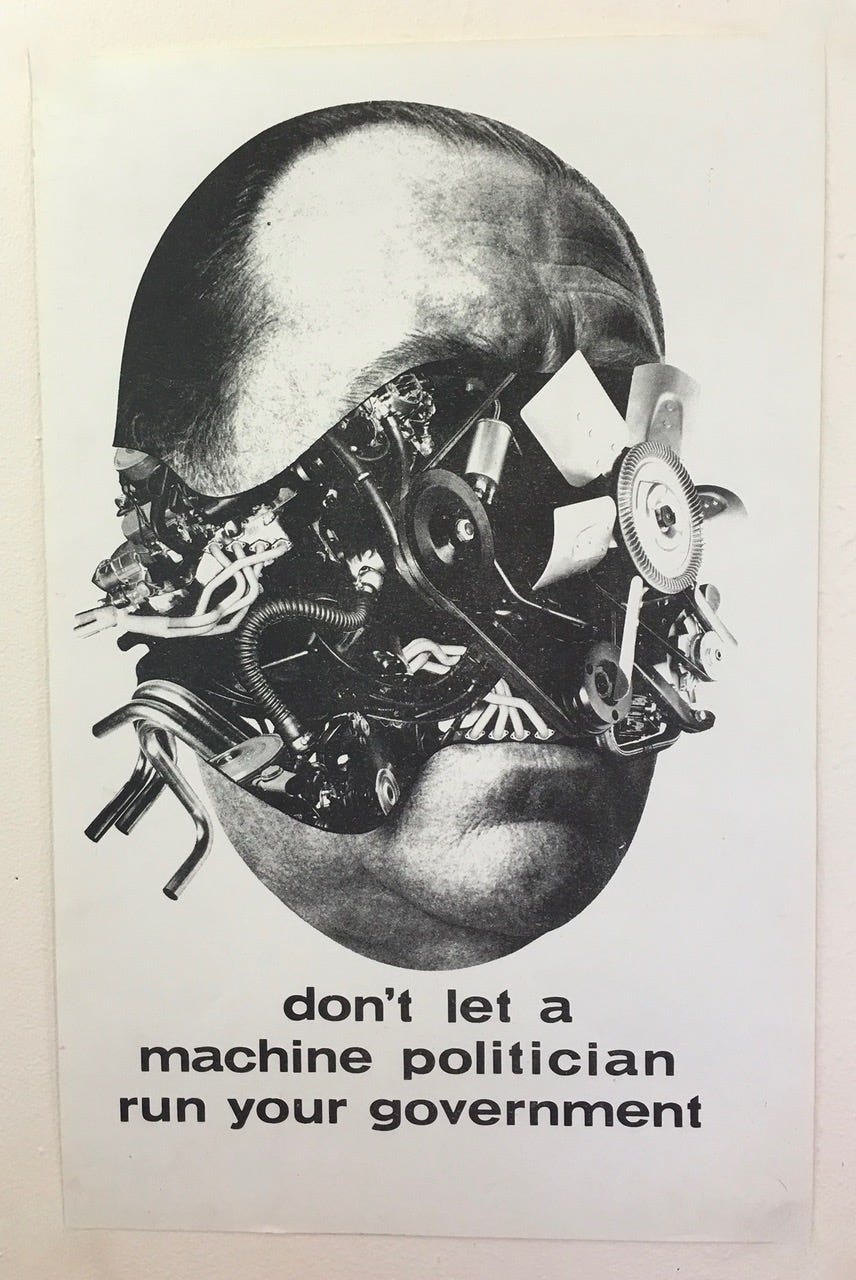
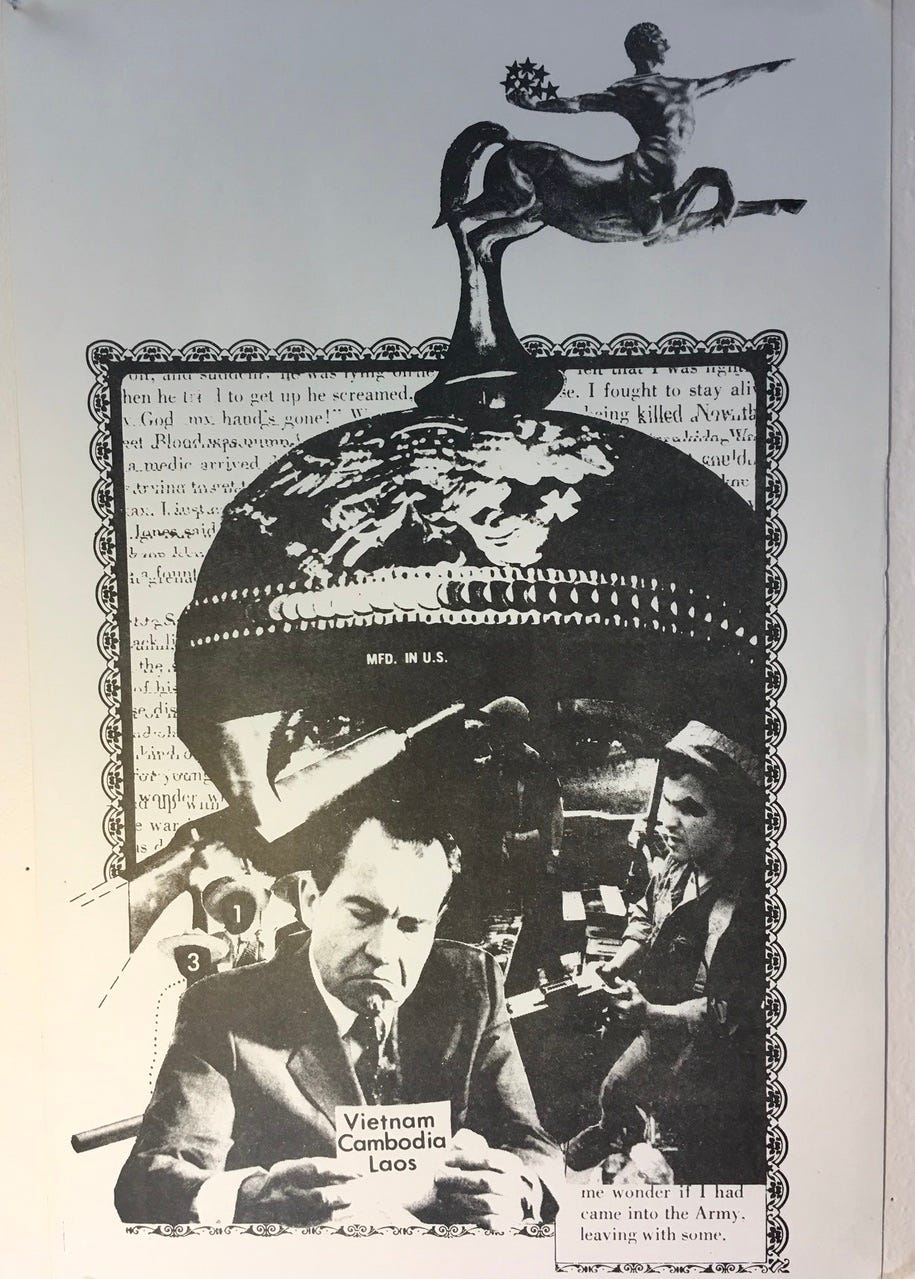
The confluence of political and artistic expression motivated Bowman to join the HolySee light show troupe. The late Ray Anderson, who founded and led the company, described their methodology for complementing the psychedelic music of the time with spectacular light shows in a 1999 interview. “We used about fifteen to twenty projectors simultaneously,” he told the SF Weekly. “We used overhead projectors and color wheels, strobes, clock faces and dishes in various sizes. We mixed dyes, liquids and oils, and manipulated them. We used as many as a dozen carousel slide projectors or other slide projectors and as many as five movie projectors that would run either reels or loops. We had everything; you really had to work the limit.”
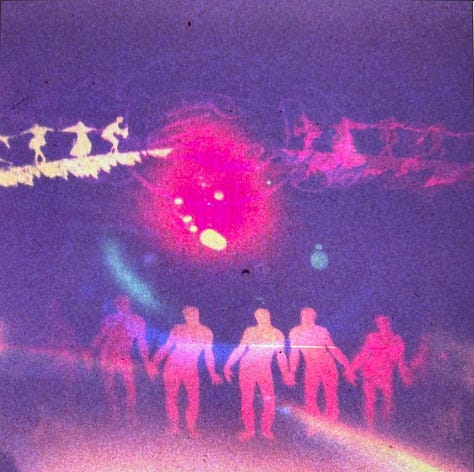
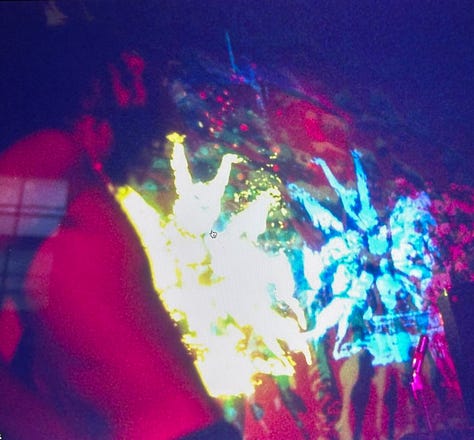
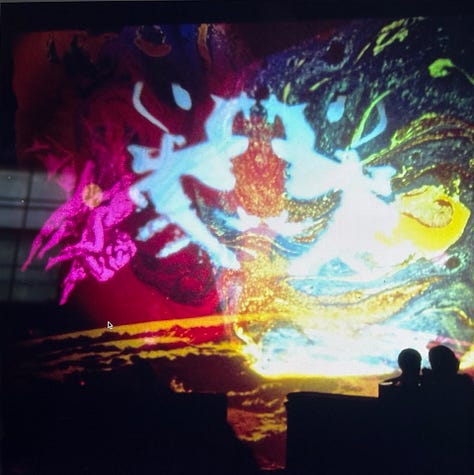
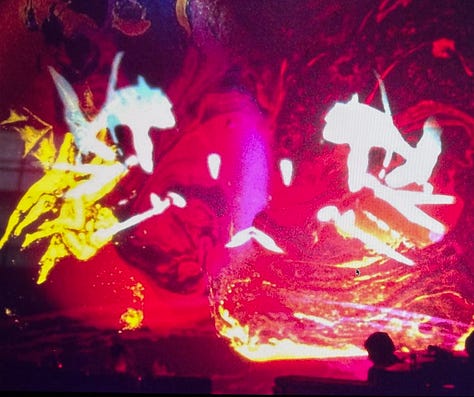
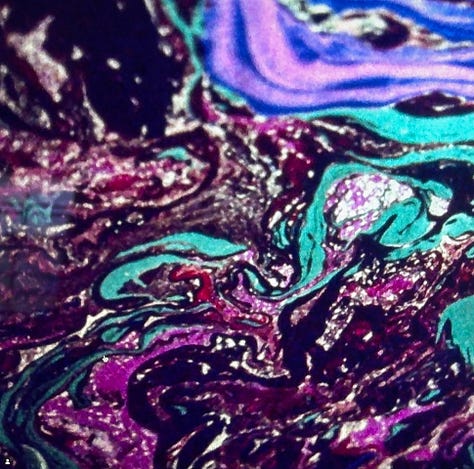
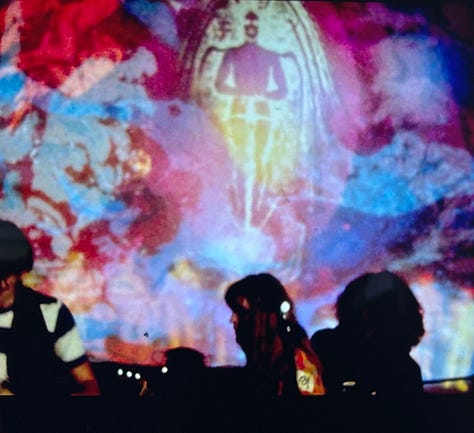
Combining improvisation with advance planning, Bowman and the Holy See performed liquid light shows at the Fillmore West, Winterland and Avalon Ballroom during concerts by Janis Joplin’s Big Brother & the Holding Company, the Doors, Jimi Hendrix, Led Zeppelin, B.B. King, Cream, the Who, the Doors, Ike & Tina Turner, the Staples Singers, Steppenwolf, Sly & the Family Stone, Jefferson Airplane, Chicago, Eric Burdon & the Animals, the Santana Blues Band, the Grateful Dead, the Quicksilver Messenger Service, the Iron Butterfly, the Chambers Brothers, Chuck Berry and many other pillars of rock & roll. Each time Bowman worked, he and his kids were given handbills (mini-posters) and an apple, as a customary practice.
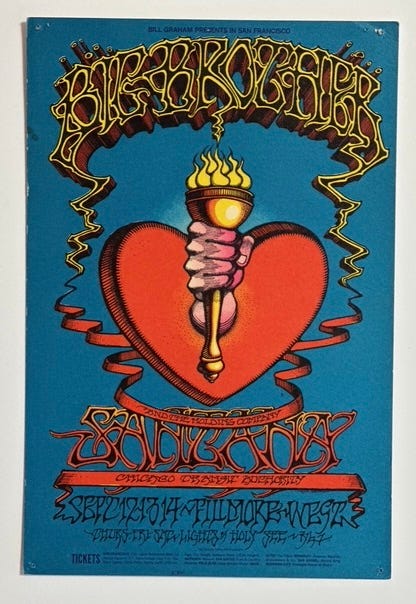
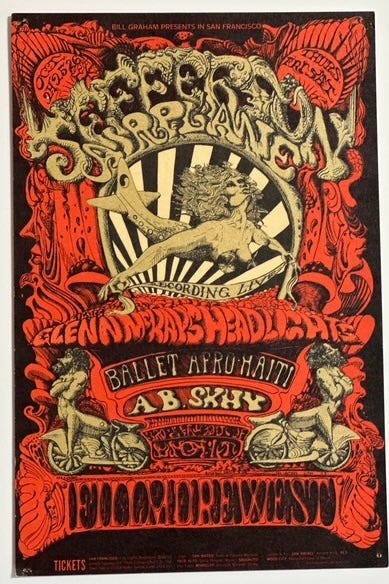
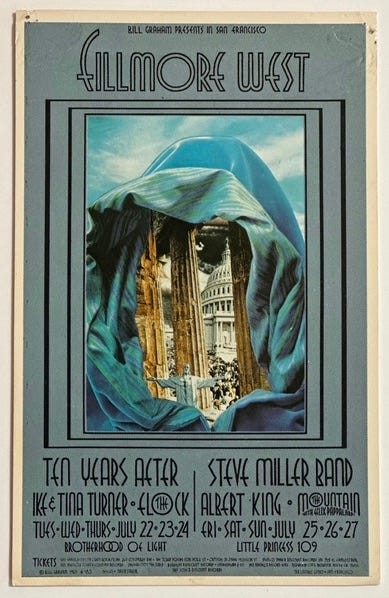
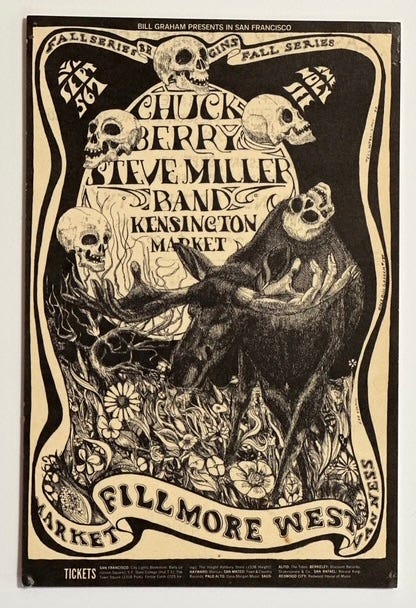
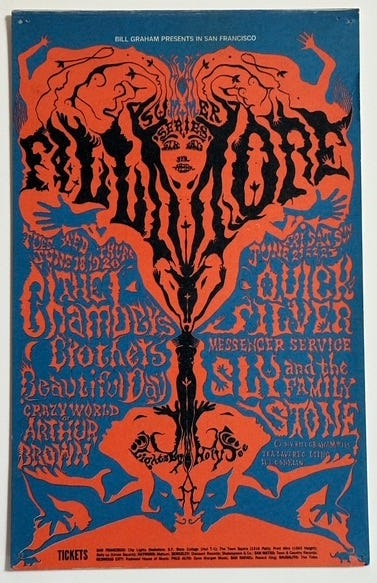
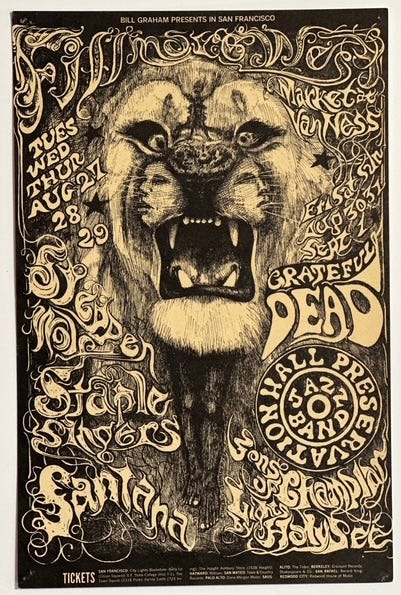
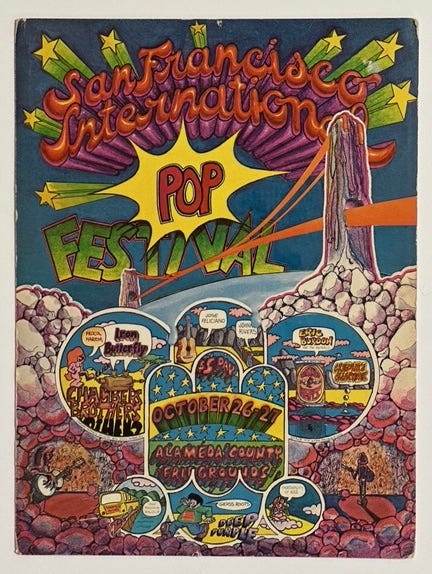
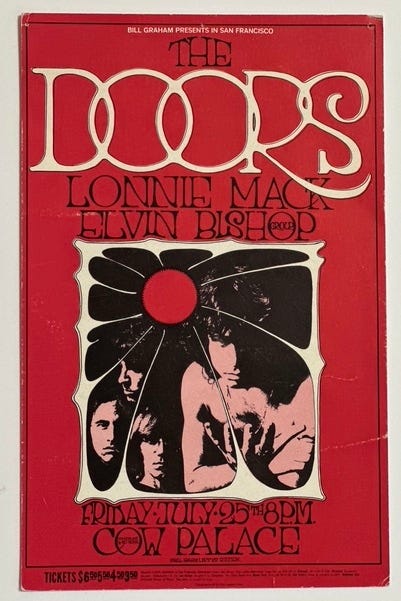
Bowman began to change his approach in the late 1960s, creating life-size totems, initially painted in a wide spectrum of colors. At one point he destroyed many of these pieces. Before he became sober, he would frequently smash art during drunken fits of rage or because he got tired of them. He was not afraid to let go of old work which no longer held an interest for him. Sometimes he would dismantle sculptures or rip portions of paintings in order to reassemble salvaged art into newer constructions. Others, especially family and friends around him, were vocally horrified that he would completely obliterate any traces of work some certain periods.
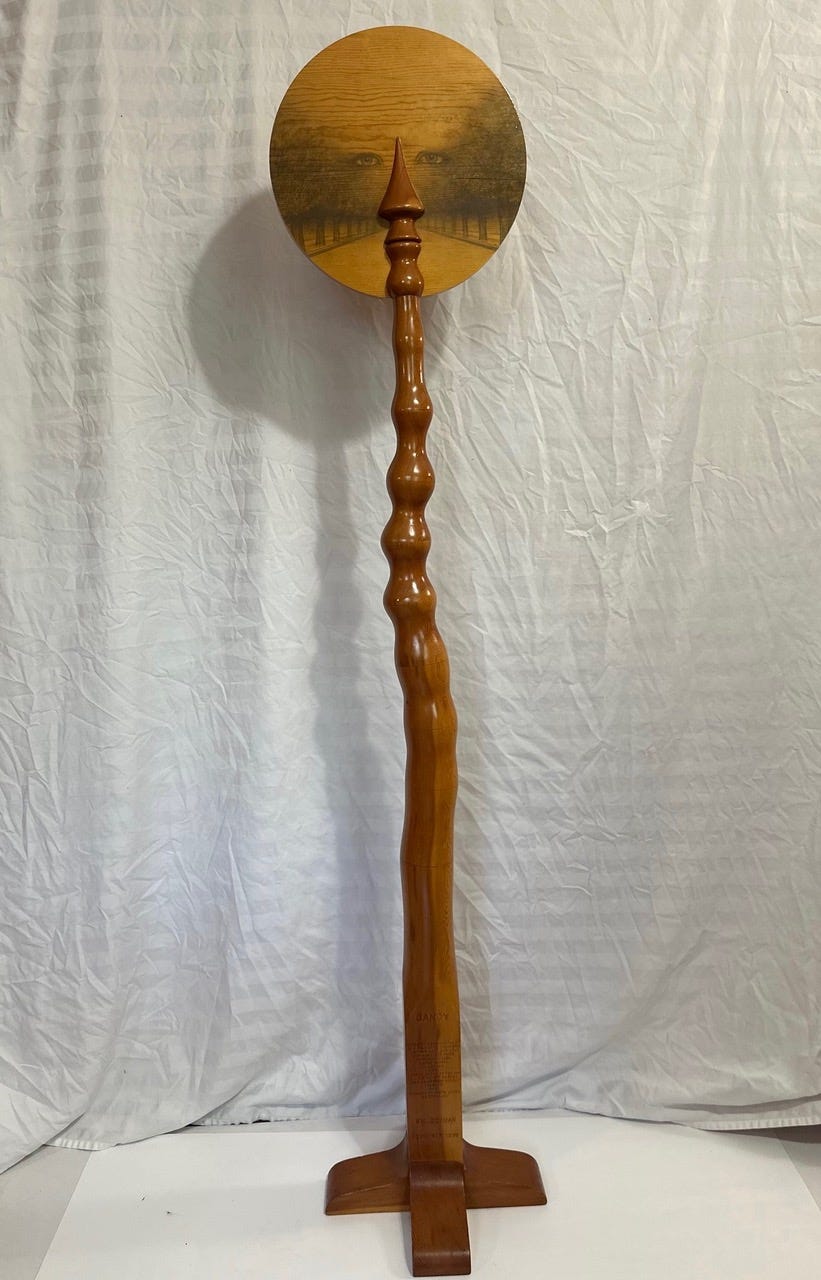
Nevertheless, he was so prolific that when any art was damaged, he was always able to replace it with new work. As time went on, he began using less colored paint instead of the shellac on his wood constructions. Repurposed wood became his base, which he sanded and polished to highlight its beautiful grains. During this period Bowman used a bandsaw and lathe to create a series of totems, each standing six feet tall, as well as ornate furniture and wooden plates and food.
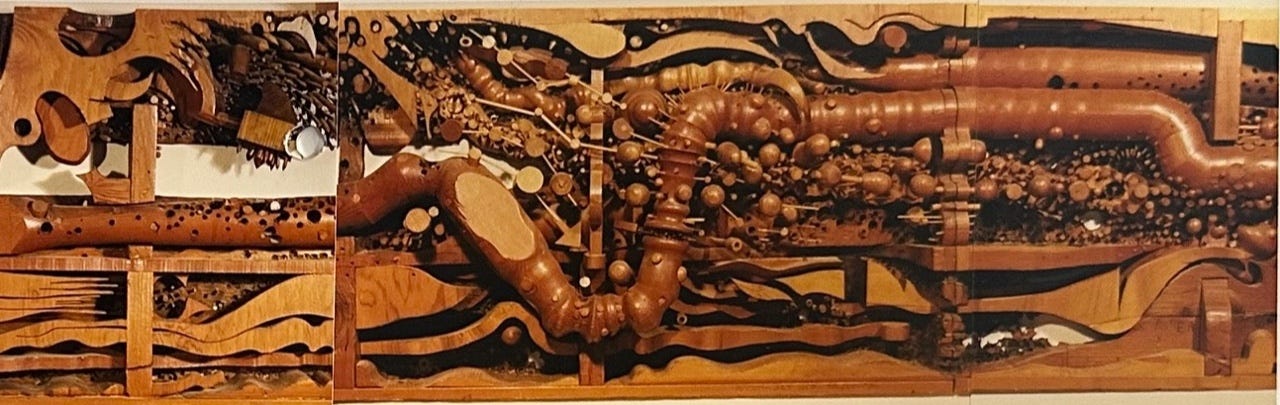
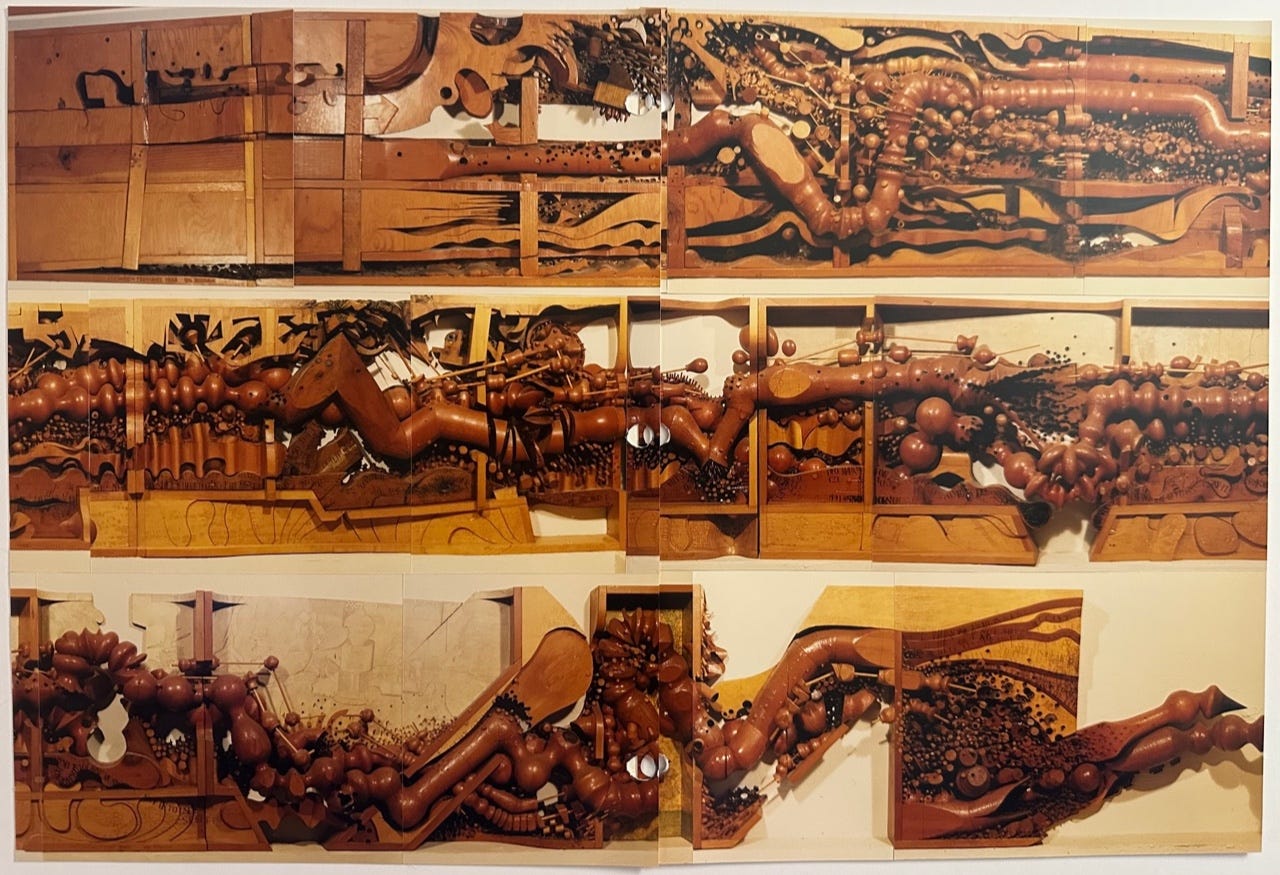
His most ambitious work from this period was Lifeline, a visual journal composed of interconnected constructions, measuring 105 feet long by five feet tall. He began Lifeline as wall sections, then expanded it with ceiling-hung pieces, some with wings as if taking flight. He began this project soon after his divorce, as a cathartic way of releasing his anguish from a failed marriage, then subsequent additions mirrored his life in years to come.
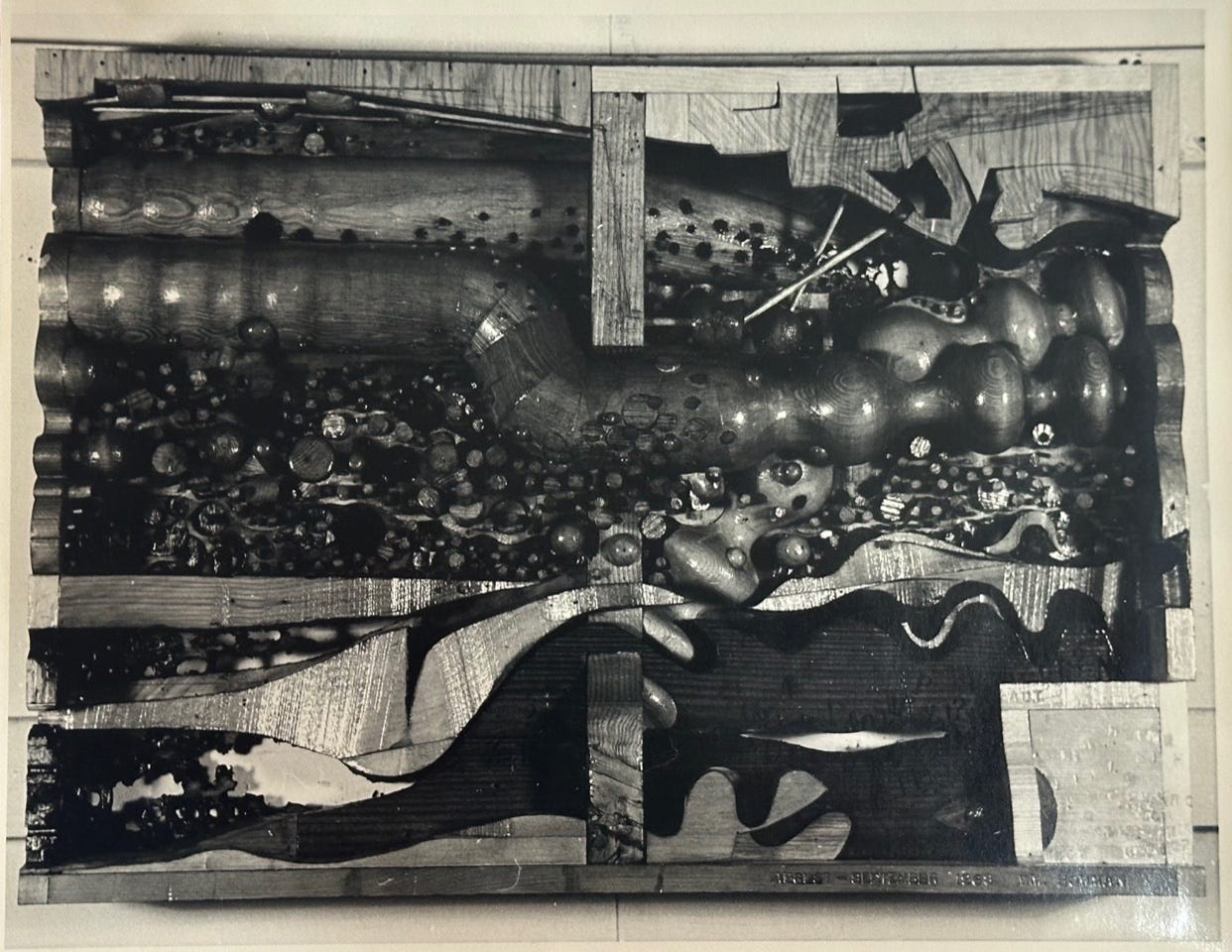
The final pieces were completed during the 1980’s, shortly after his move to Oregon, where he started creating smaller circular hanging wood constructions.
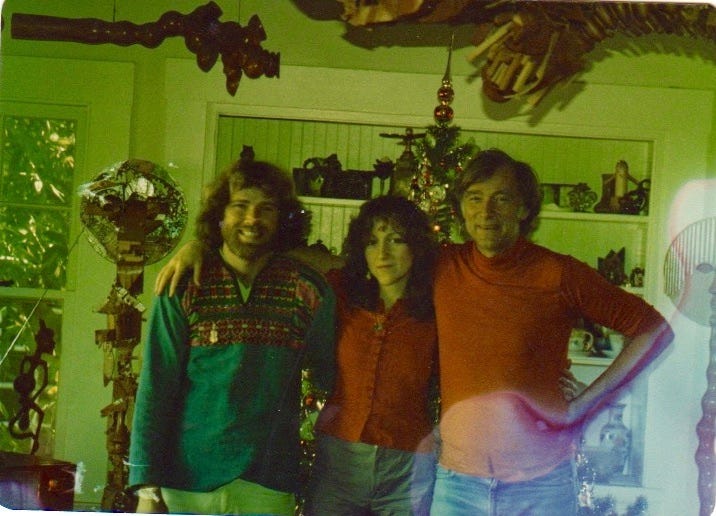
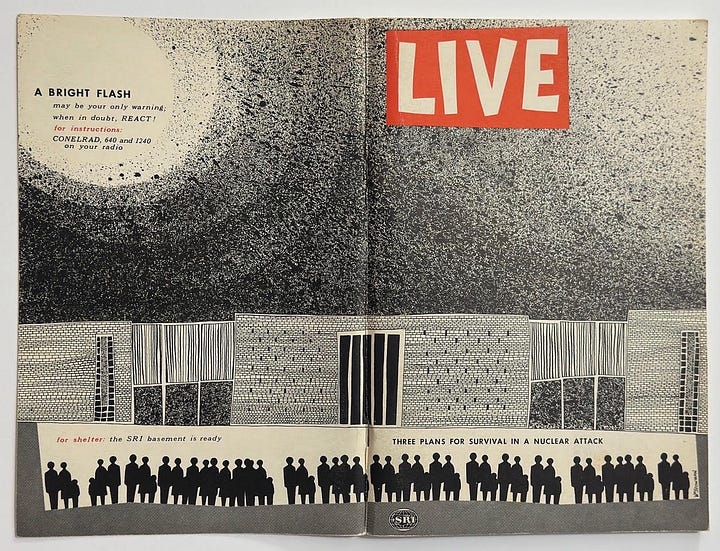
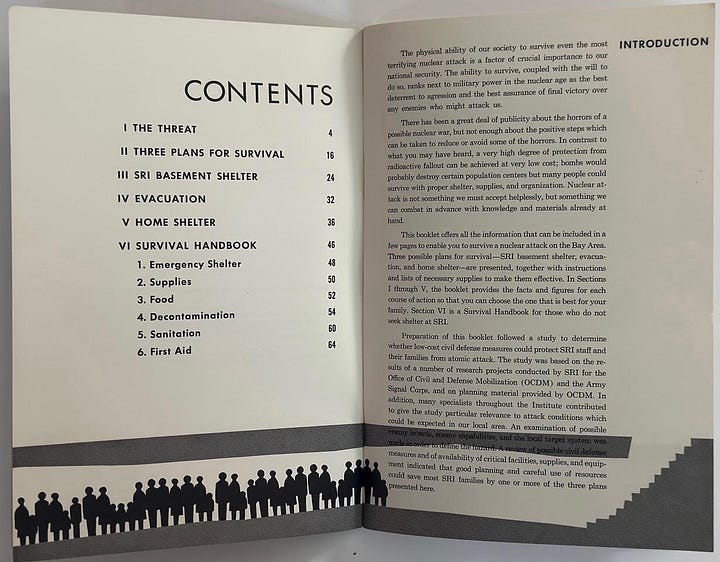
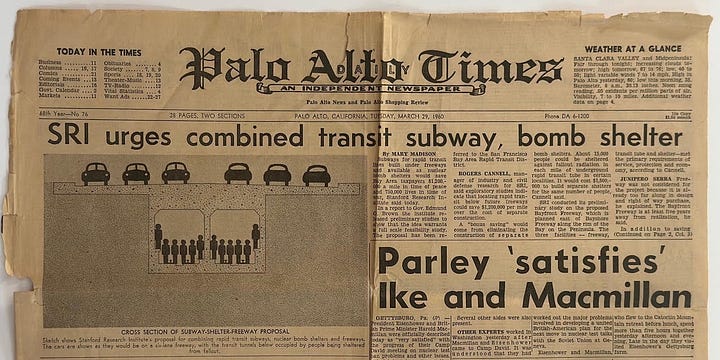
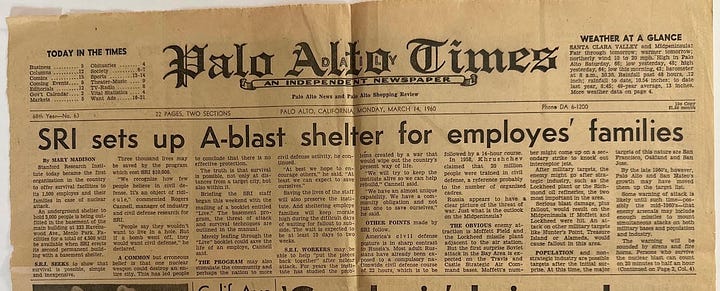
Throughout the 1960s, Bowman sought other avenues through which he could contribute. At his first salaried job, a ten-year run at the Stanford Research Institute (SRI) beginning in 1957, he helped design posters and provide graphics for presentation, handbooks and books, which were intended to be confidential but were eventually leaked to the public, including Live: A Handbook of Survival in a Nuclear Attack (1962). He agreed to do this work to support his family, yet he complained privately that the whole idea of sheltering from a nuclear holocaust was senseless at best.
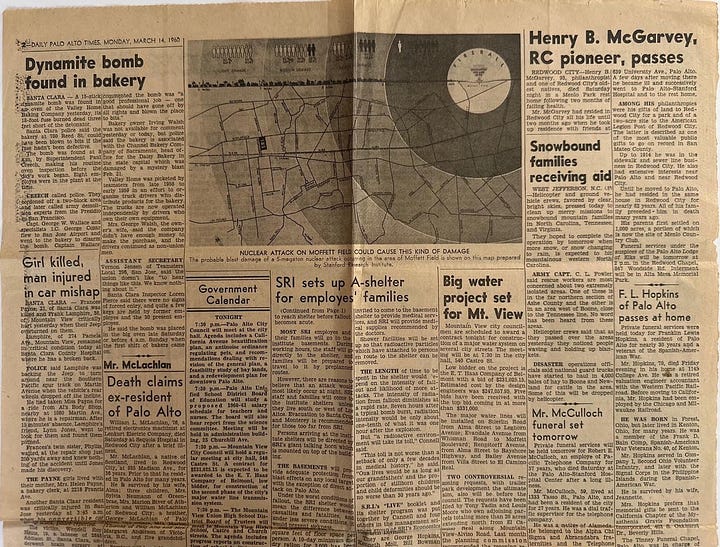
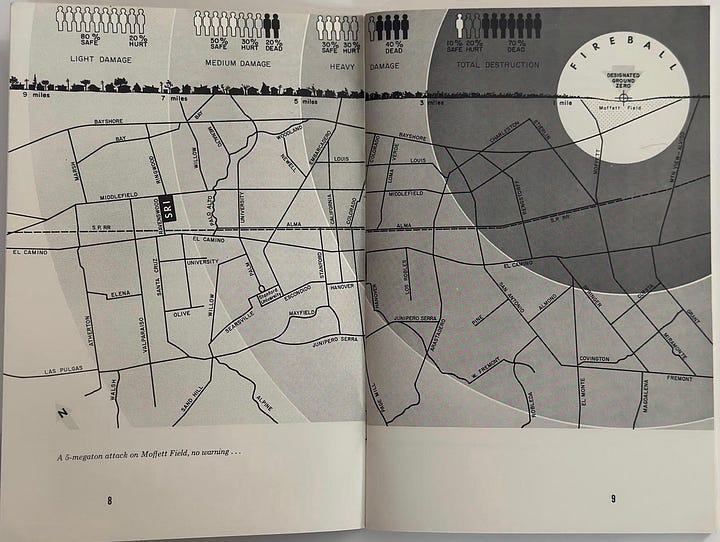
His talent for design found further outlet in 1963, when he helped launch and provide graphics for the Mid-Peninsula Corelater, published in Palo Alto as part of a social outreach program by the Congress of Racial Equality (CORE). Having already committed to participating in the emergent African-American struggle for civil rights, he turned his basement into a meeting place as well as a shop to print newspapers on a primitive rented offset printer.
Teaching became an important part of Bowman’s life too. In 1965 he left SRI and accepted a position as assistant professor of design and studio art in the Stanford University Art Department faculty, a stellar assembly that included Frank Lobdell, Keith Boyle and Nathan Olivera. Four years later, he broadened his teaching range when he helped design the architectural layout for Pacific High School, an alternative institution on several acres at La Honda in the Santa Cruz Mountains and then began teaching art there as well.
He also became an author when John Wiley & Sons published his book Graphic Communication, in 1968. Widely used as a college textbook until the early 2000s, it has earned plaudits from professionals and academic reviewers. In The MIT Press, Yana Friedman described the book as “an excellent didactic introduction for graphic designers who wish to become illustrators of scientific and technical texts. It will help them to understand the special visual language used. For this purpose, the book is to be highly recommended.”
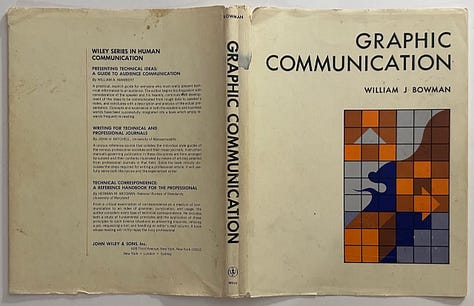
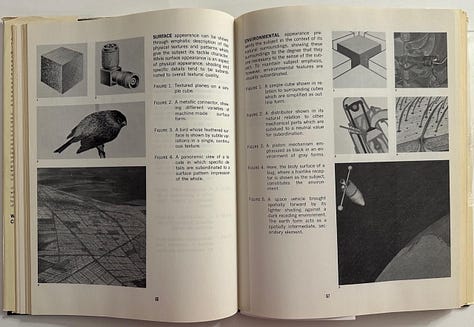
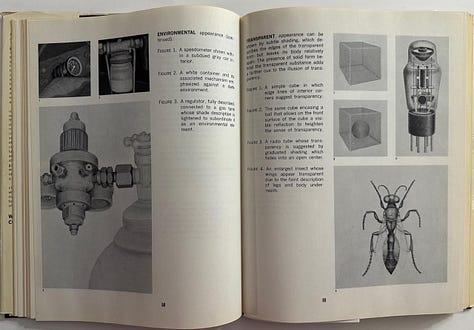
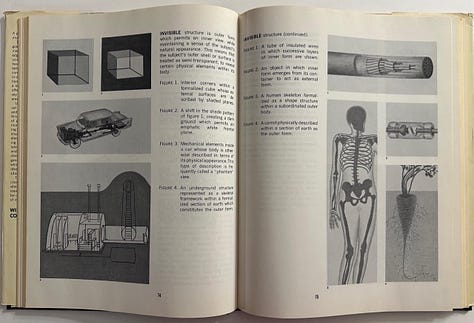
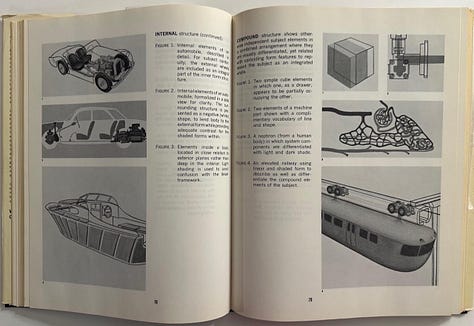
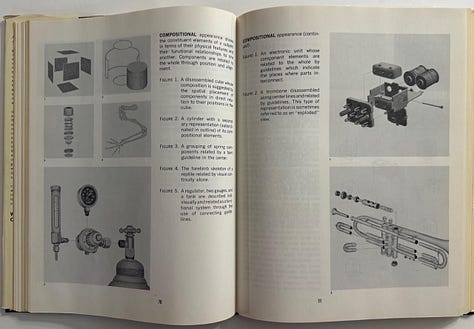
And in his 2007 essay “Information Graphics: A Celebration and Recollection,” Aaron Lewis, head of Aaron Lewis & Associates and a leader in graphic design, computer graphics, information design and information visualization, noted that Bowman’s first book “covered a wide range of visual communication techniques, including technical illustration, charts, maps and diagrams. The text was erudite, articulate and informative. The illustrations, many of them simple manual drawings, were elegant and effective.”
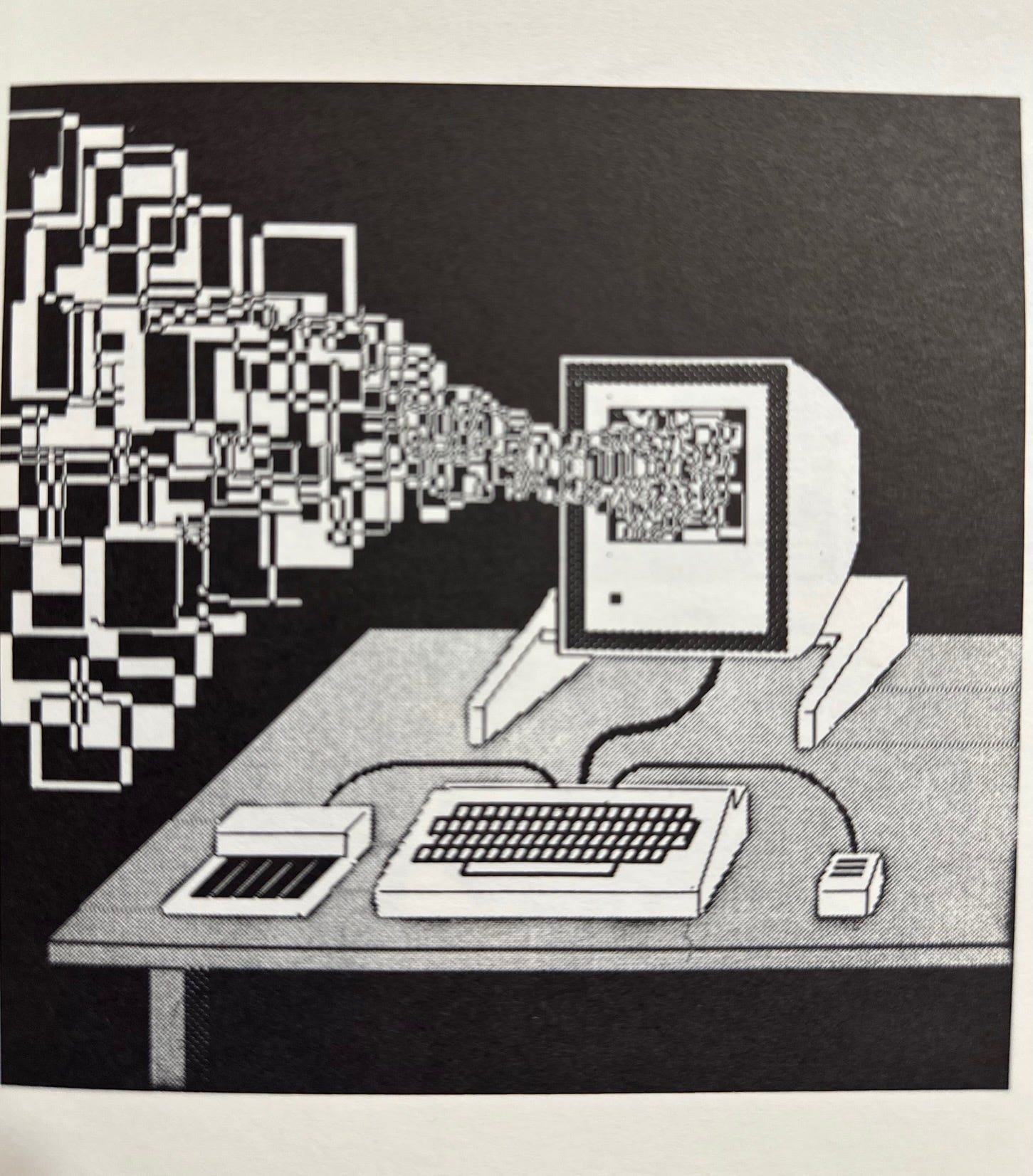
Computer Graphics reflected an expansion in Bowman’s interest, which generally represented a marriage of technical and artistic principles. This stage began shortly after he moved from San Francisco to Menlo Park to be closer to his kids’ schools and to his mother. This was a difficult time for Bowman, as university politics at Stanford and his mother’s battle against emphysema triggered severe bouts of depression and alcoholism.
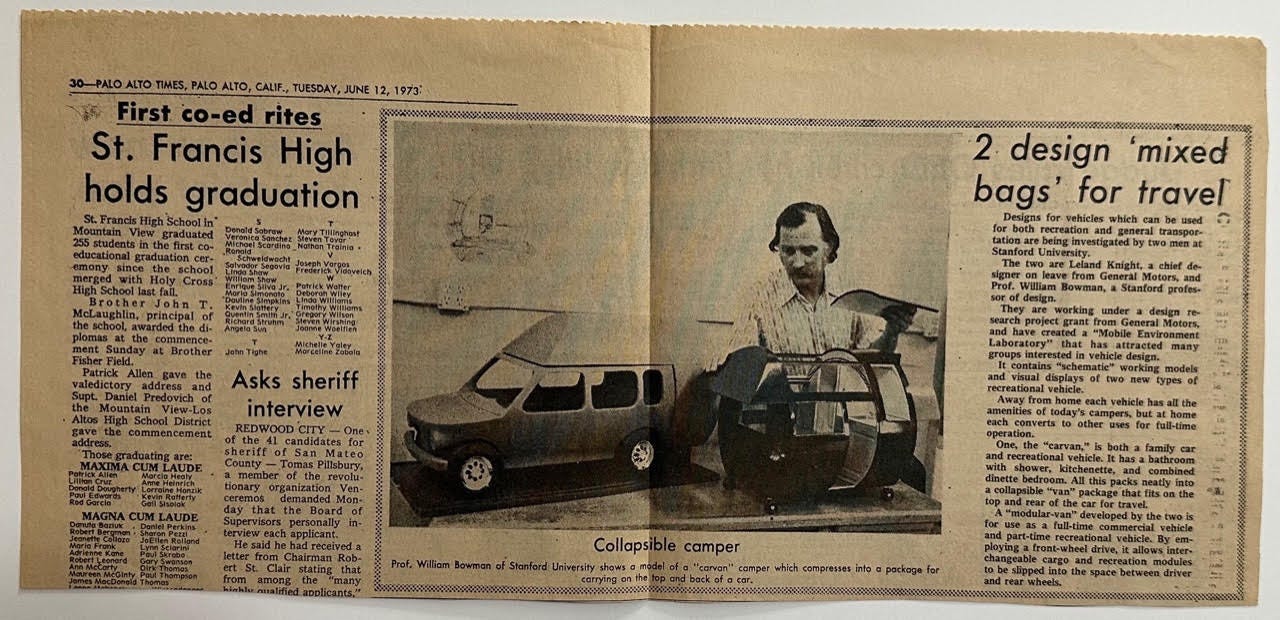
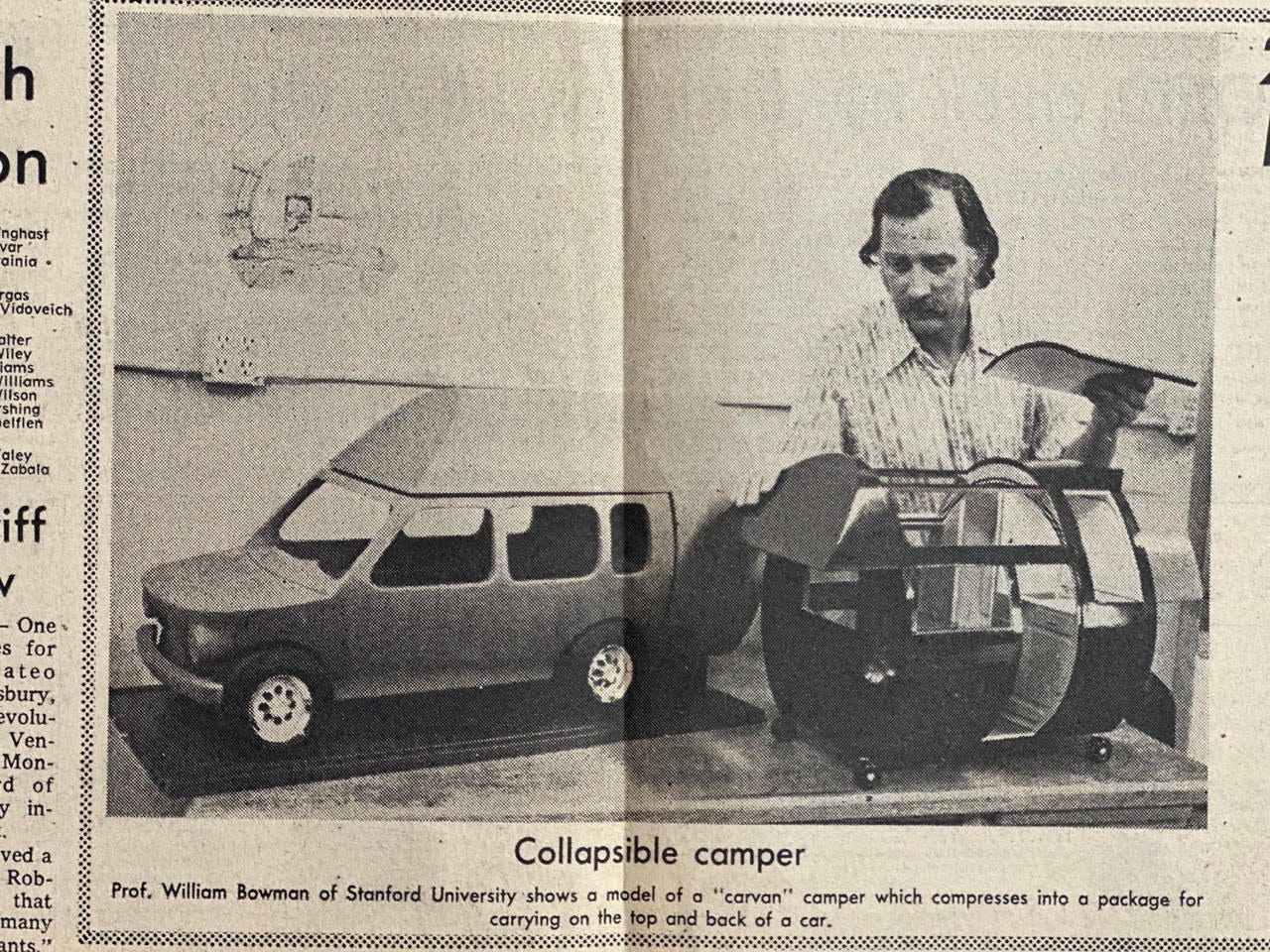
After giving up teaching, Bowman received a grant from General Motors to design a caravan camper. He came up with a fuel efficient “modular van,” which compressed into a package that could be carried on top of a car. As his colleague Leland Knight envisioned, its front-wheel drive enabled users to slip interchangeable cargo and recreational modules into the space between the driver and rear wheels. The vehicle also contained a bathroom, shower and kitchenette, which was packed into a collapsible van package that fit on the top and rear of the vehicle. Eventually they abandoned the project, but a new opportunity quickly took its place.
In 1974, Jack Goldman recruited Bowman to join with scientists Bill English, https://en.wikipedia.org/wiki/Bill_English_(computer_engineer) and Robert Flegal to work on cutting-edge graphics research at Xerox PARC – the now legendary Palo Alto Research Center – and ultimately develop the world’s first personal computer, the 8010 Xerox Star. At that time, a team of mathematicians had determined how to produce a graphic image of a square with limited pixels on the new computer system but had hit a dead end in trying to do curves. Bowman solved the problem within a couple of weeks by designing a keyboard and mouse, resembling a fan-shaped box of chocolates, built from carved and stained wood pieces. This became the model for some of the earliest examples of computer art, which were created by Bowman and a team of some talented colleages that he recruited from the Bay Area art community.
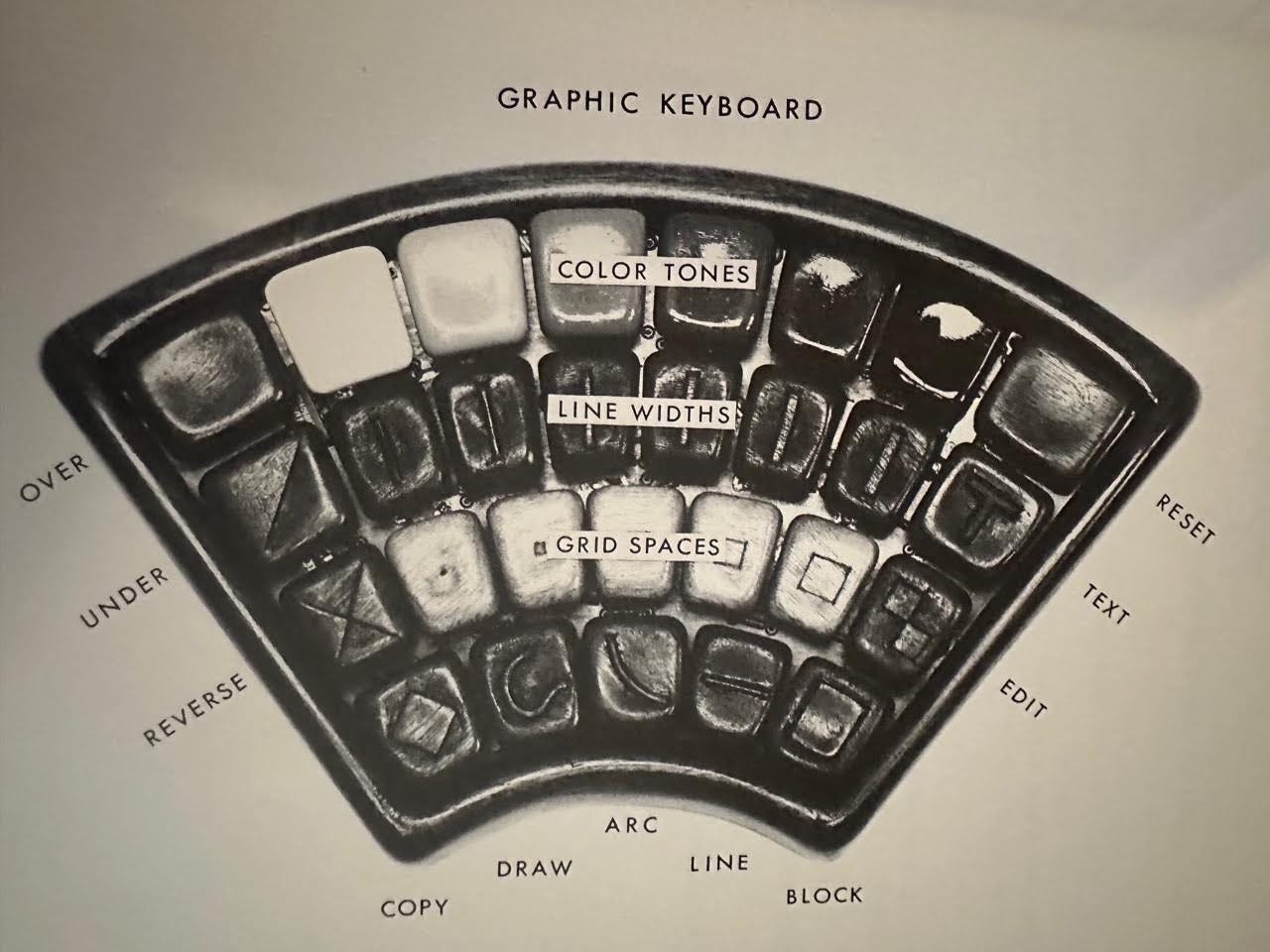
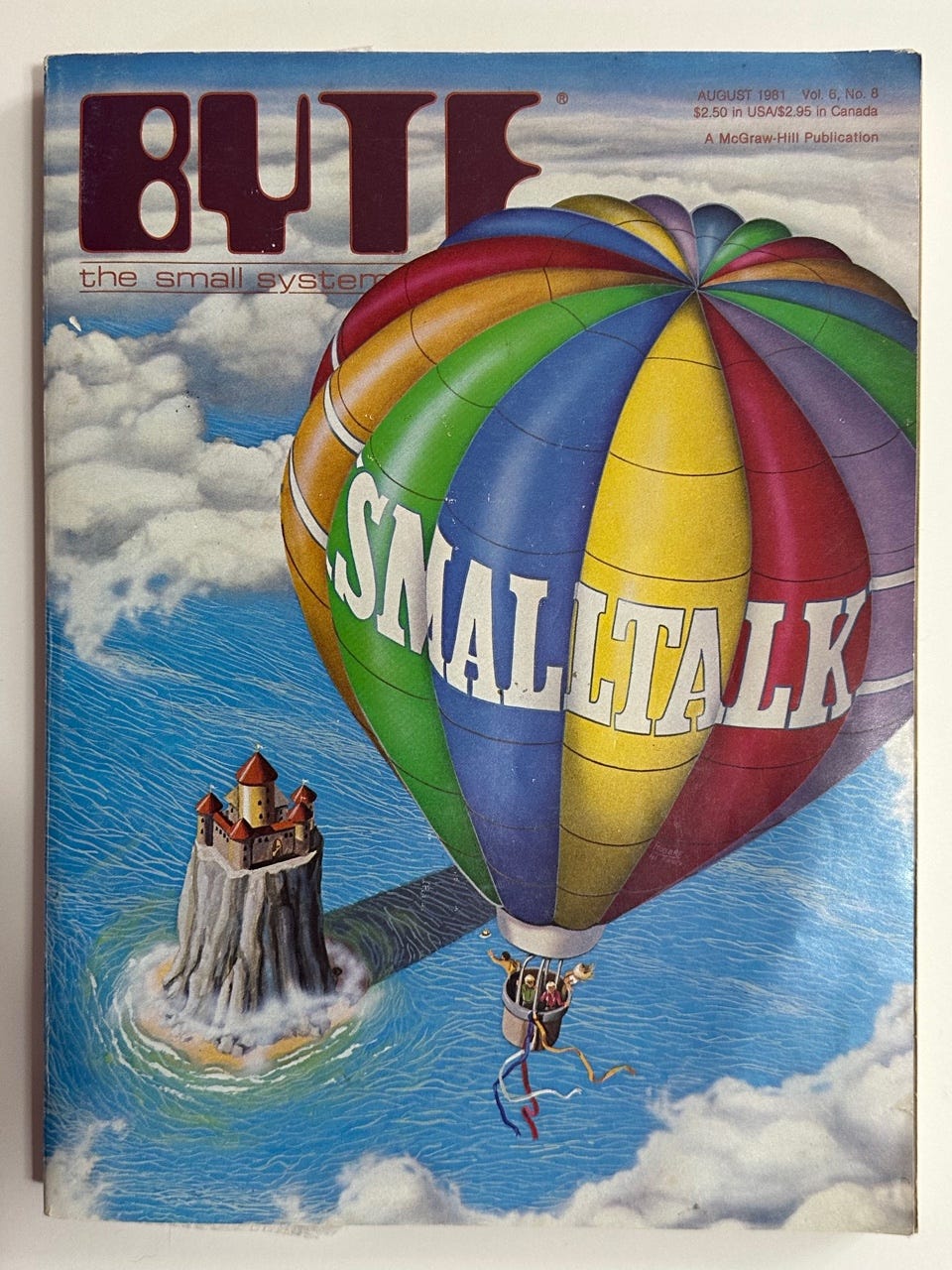
At this point Bowman’s stopped drinking cold turkey. After years of sobriety, he said in retrospect that the real reason that he had quit was because it was hurting his children. He remained sober the rest of his life. Among his other texts were several computer graphics manuals for the Learning Research Group at Xerox, including the Toolbox Illustrator Studies, from the Flyer Program (a precursor to Photoshop). Byte Magazine published material from his manuals in its August 1981 issue, headlined “William Bowman and Bob Flegal: Toolbox, a Smalltalk illustrative system.” Their article contained examples of Bowman’s first computer art along with computer art done by artist friends he had hired for the project, such as Howard Foote and Jane Oka.
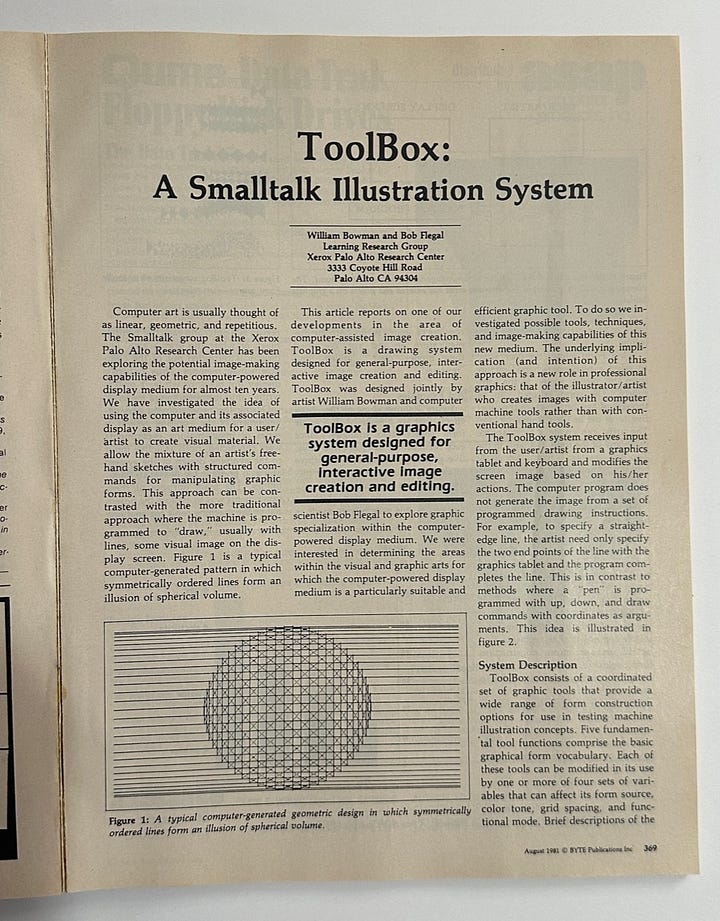
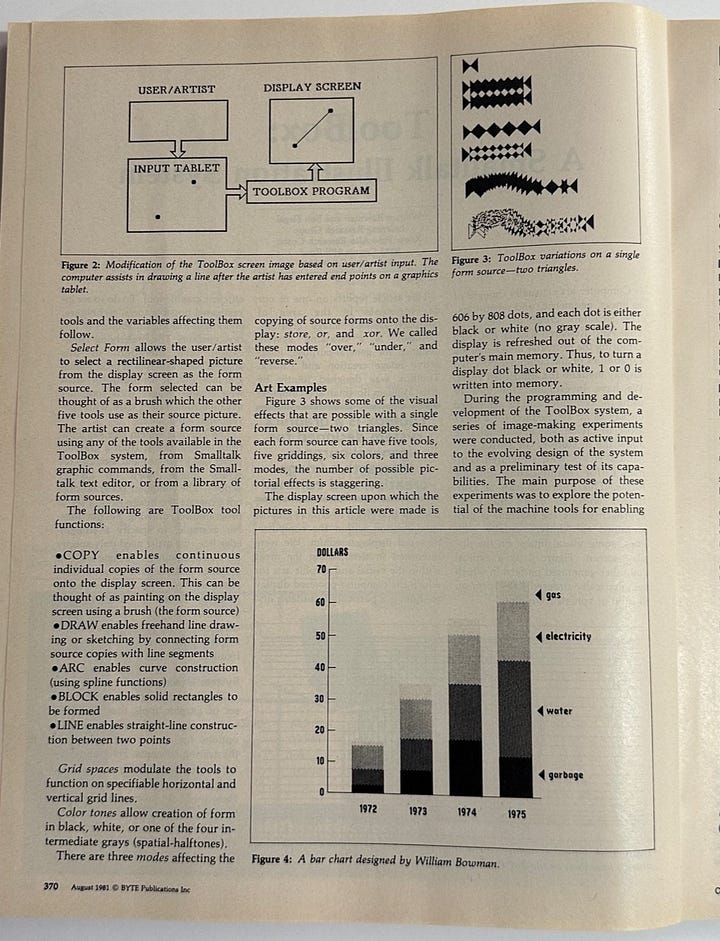
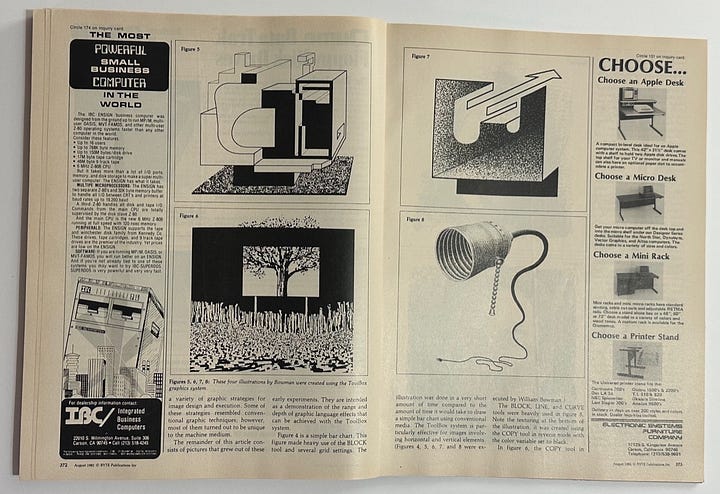
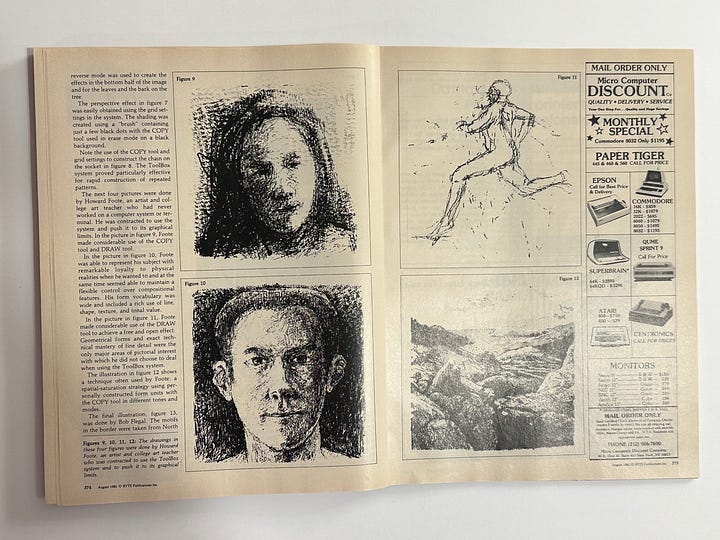
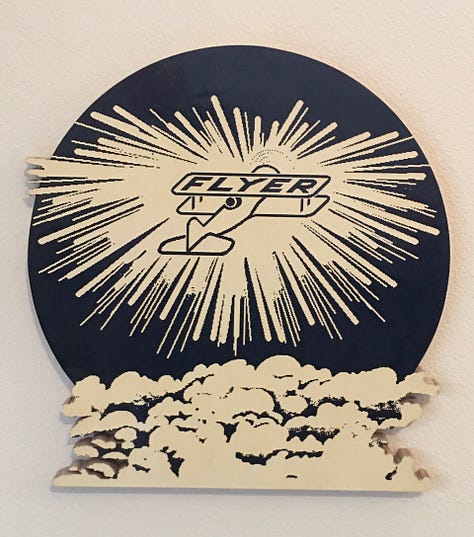
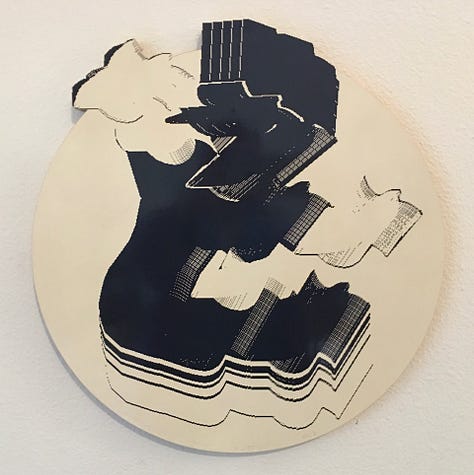
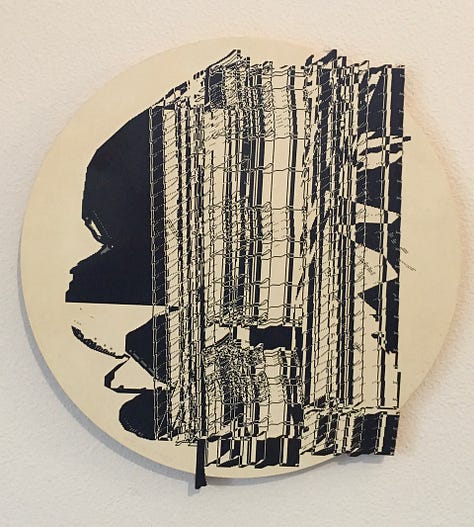
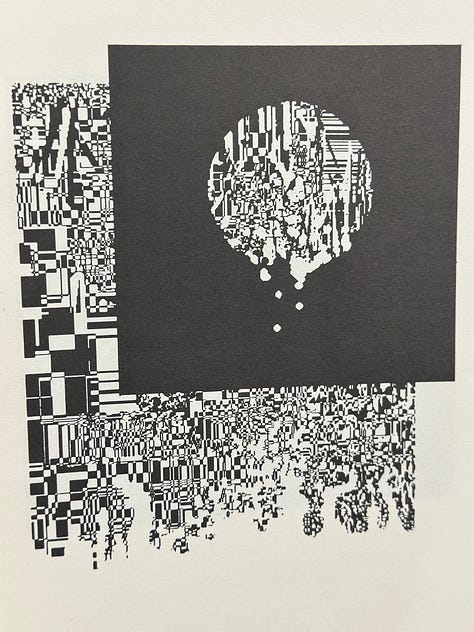
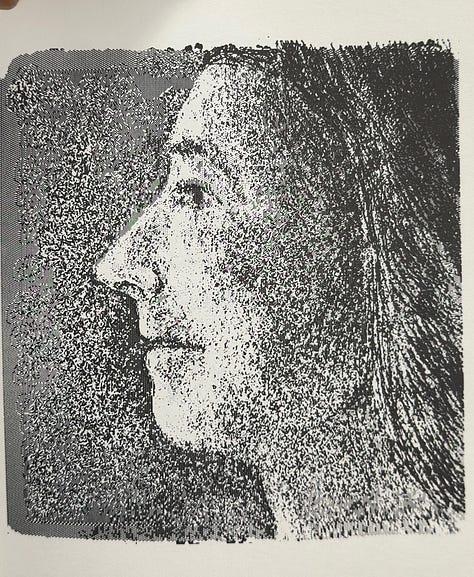
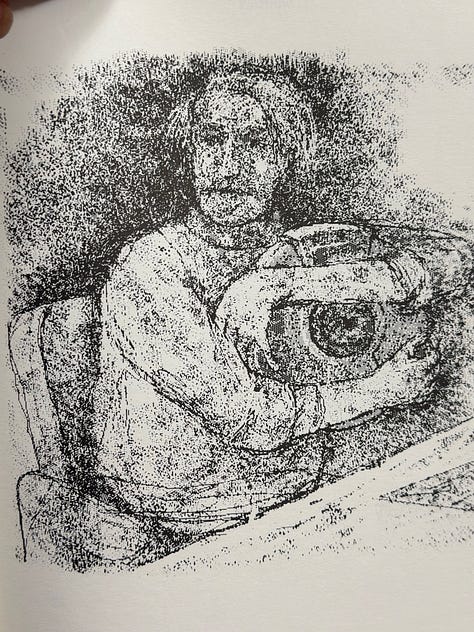
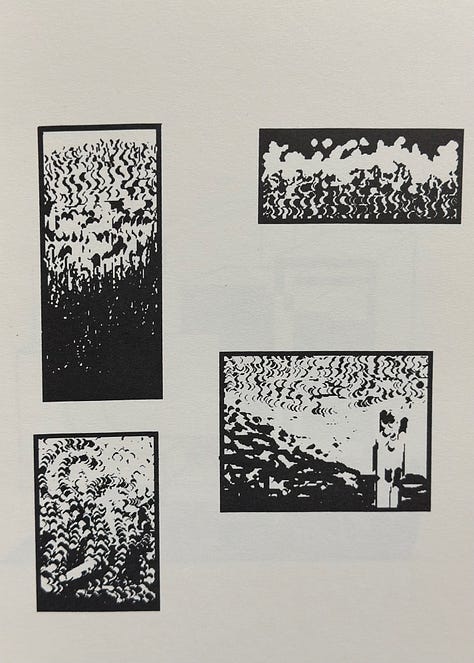
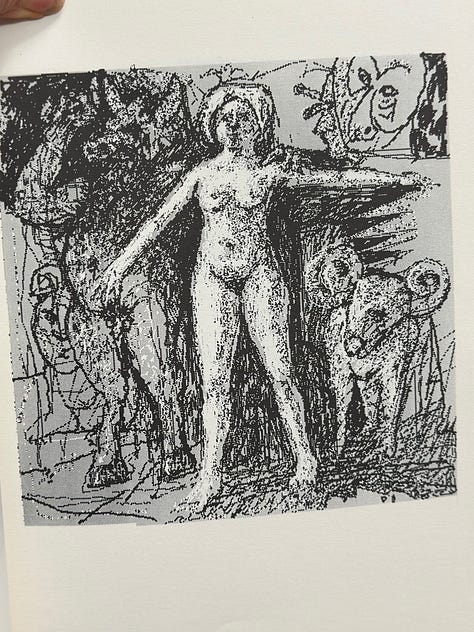
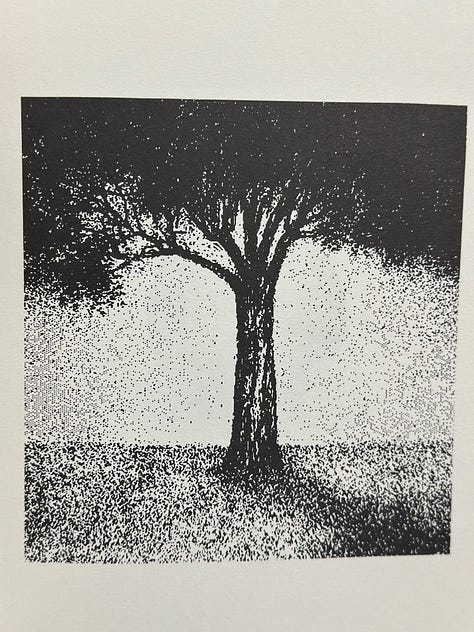
More significantly, Bowman’s graphic interface would become the basis for Apple’s first personal computer. After hearing about this design, Steve Jobs approached PARC with a request for them to demonstrate their new GRU (“graphical user interface”) in exchange for 100,000 shares of Apple stock.
Bowman, like other members of his team, felt that their achievements had been undervalued by Xerox management. With all parties at PARC in agreement, the demos were presented, opening the door to technological advances that would define the industry standard.
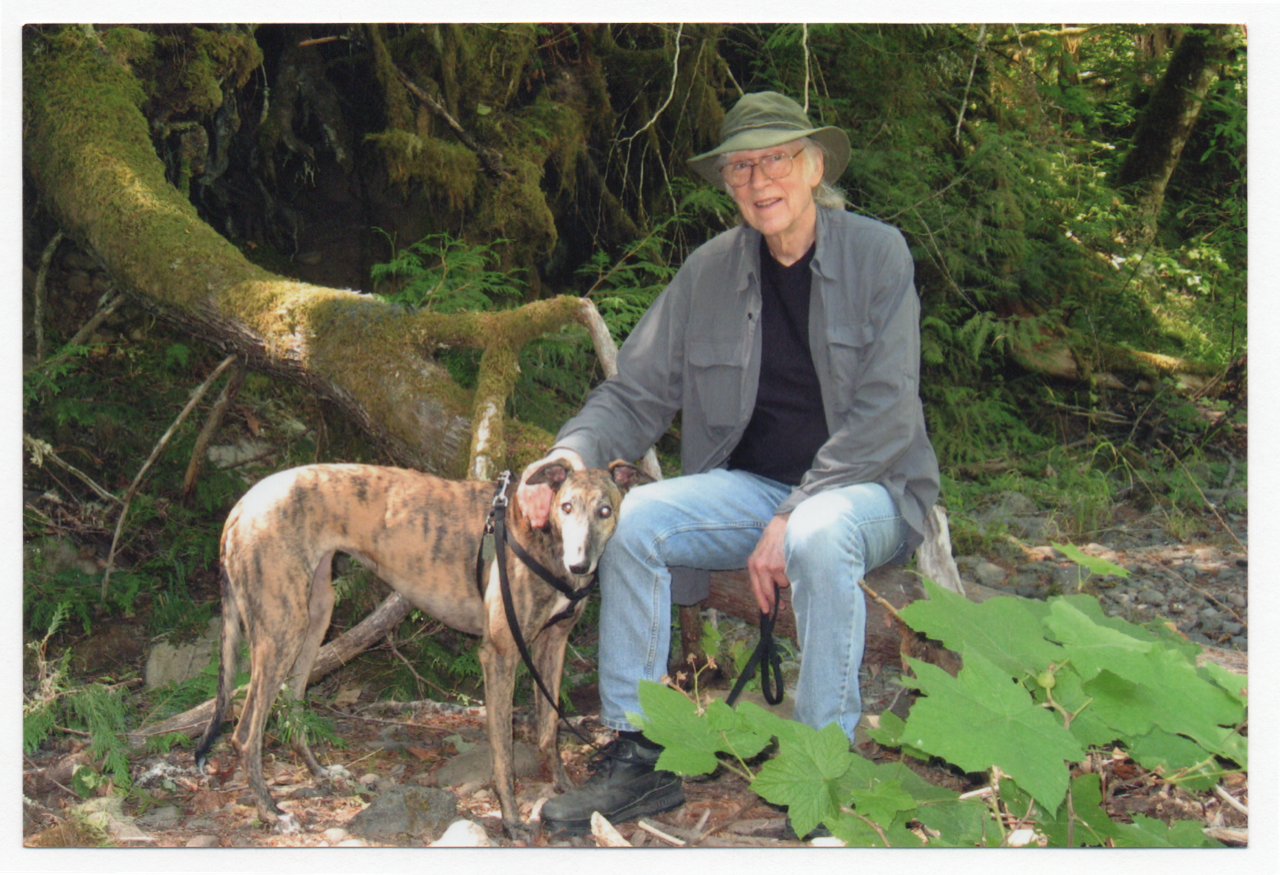
The pace of life accelerated throughout the Bay Area in the 1980s, thanks in part to the Silicon Valley dot-com boom. Eventually Bowman decided to seek a less hectic environment in which he could devote himself fully to his art. He resigned from Xerox and moved north to Cannon Beach, Oregon, in the early 1980s, where he settled into a less public life within its vibrant arts community. He and fellow artist Marty Hart joined forces and became lifetime partners, later marrying in Portland.
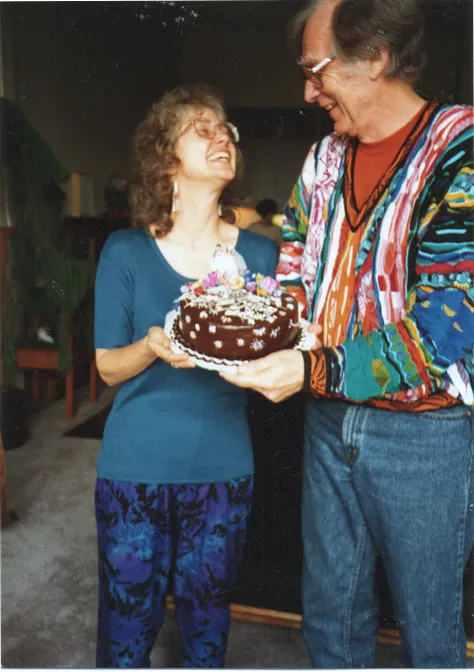
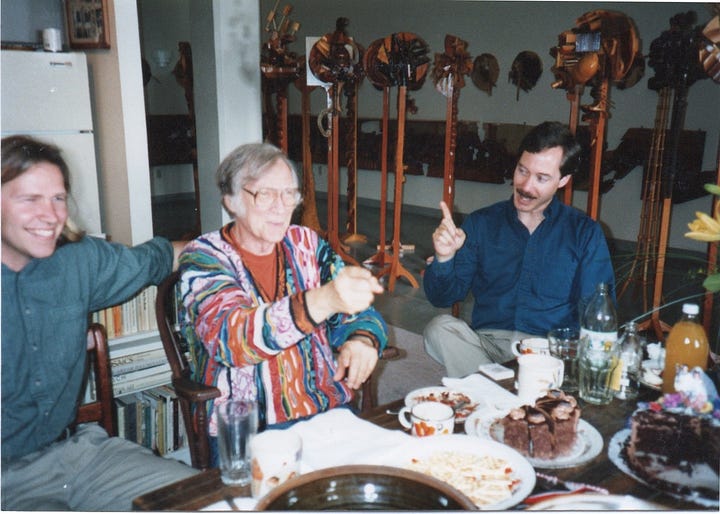
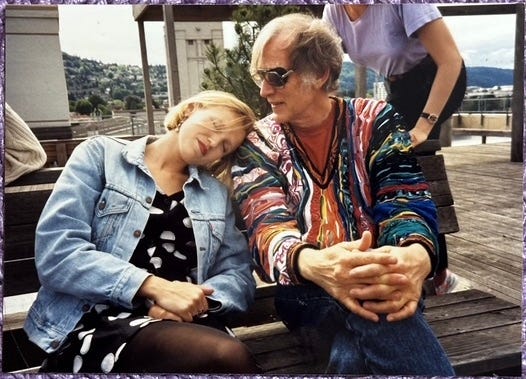
According to Hart, “The first time I saw him at Cannon Beach, I saw his work upstairs. As you lay in bed and looked up at the cathedral ceiling, it kind of absorbed you into it. … He lived very simply – no fancy restaurants – so he could live on his savings and just do his art. He was doing woodworking at the time: faces made out of driftwood or other wood, plus the scraps of what he had before became the basis of the next face. He did hundreds of them.”
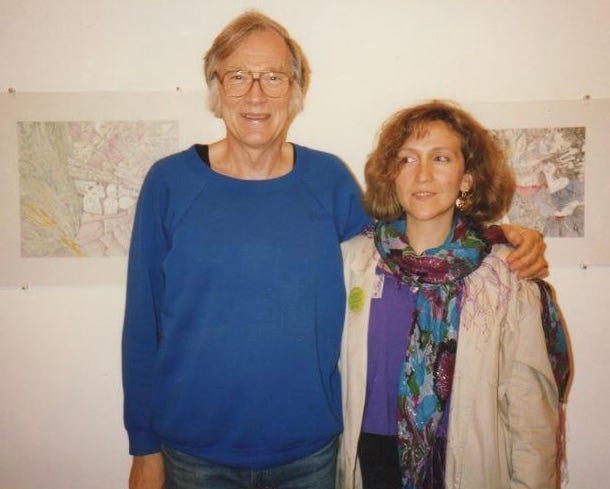
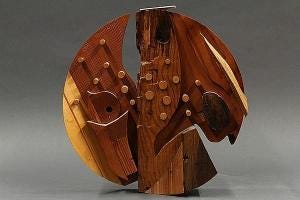
Soon he began exploring a new concept, which centered on the circle – in his view, the shape of the soul. He produced hundreds of works in this design, with expressionistically distorted abstract faces made from wood and, later, collage assemblies. The Edge Fine Arts Gallery in Astoria, Oregon, featured some of these works in a solo exhibition, including his 105-foot Lifeline, which consisted of mounted and suspended components.
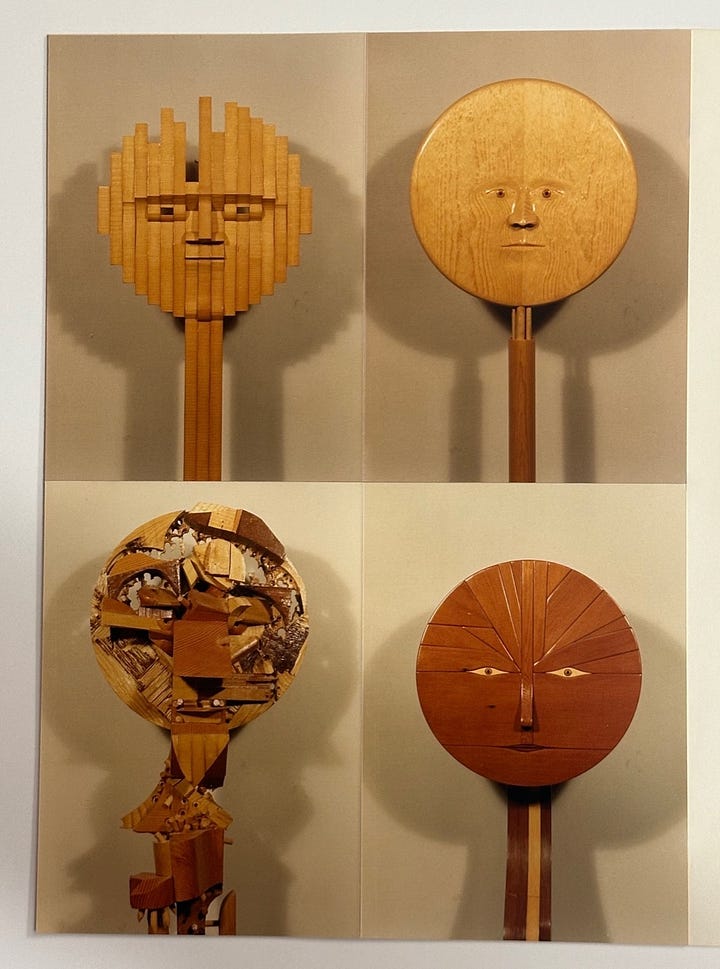
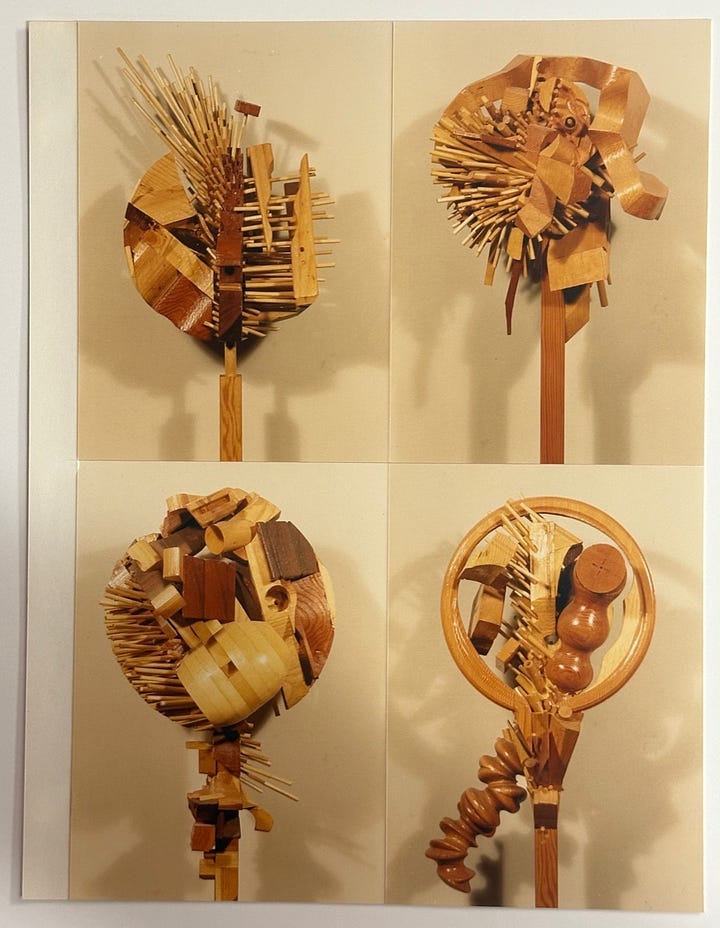
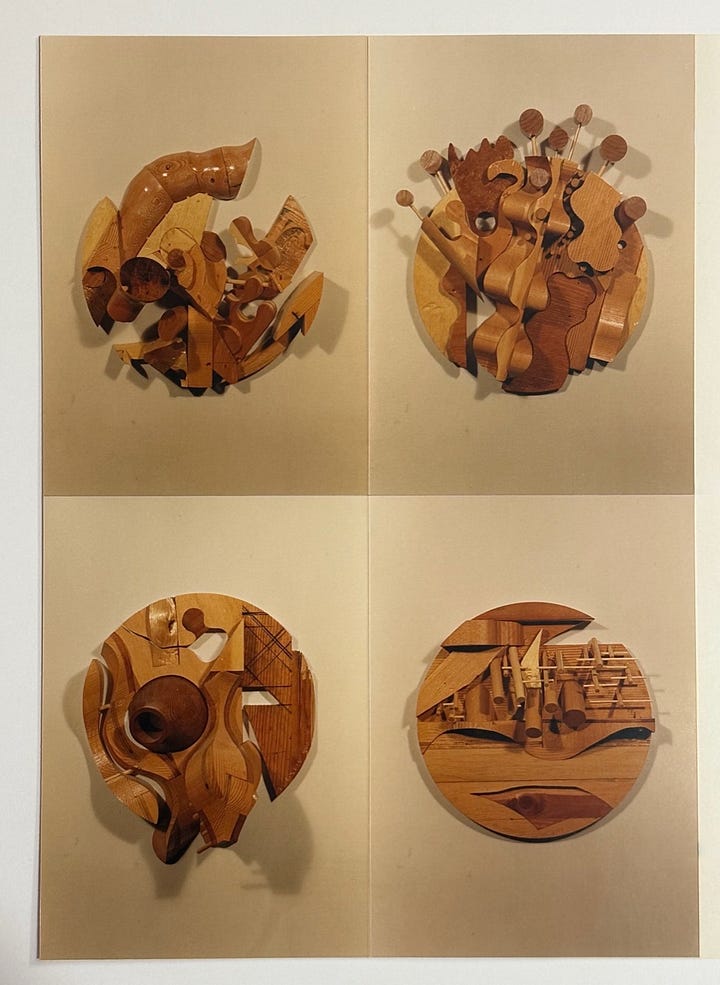
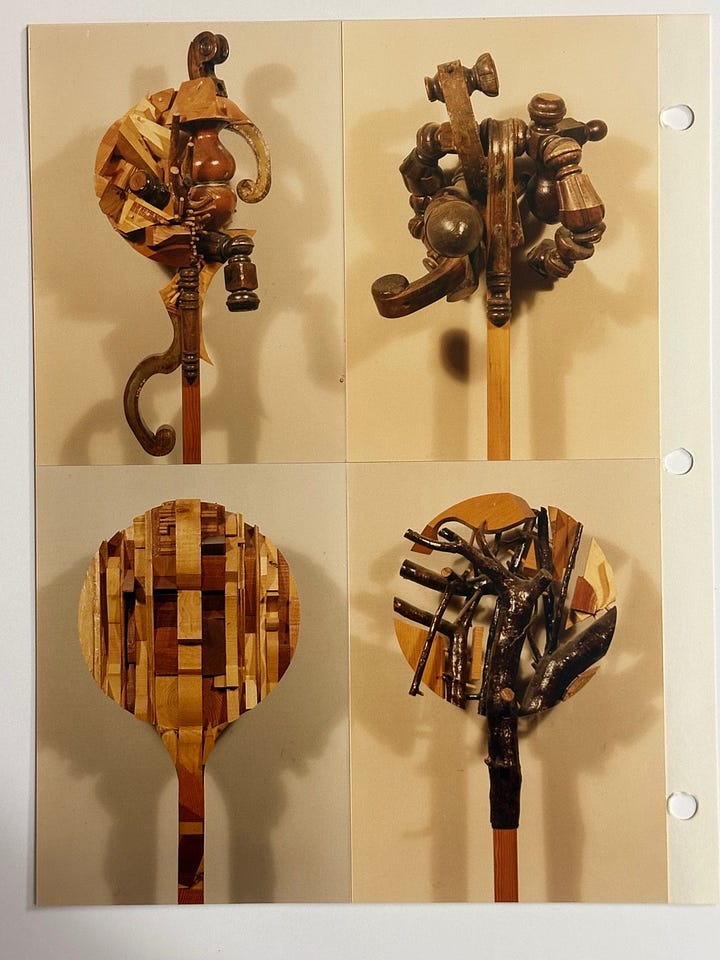
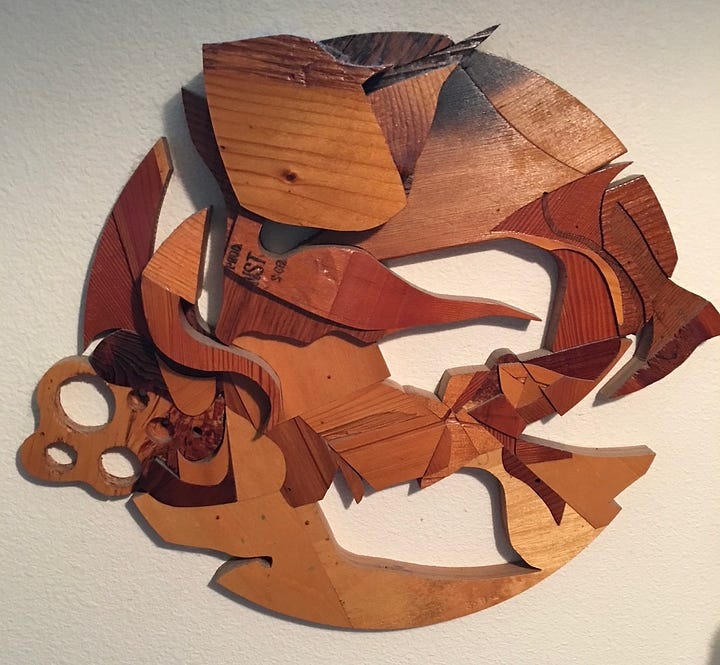
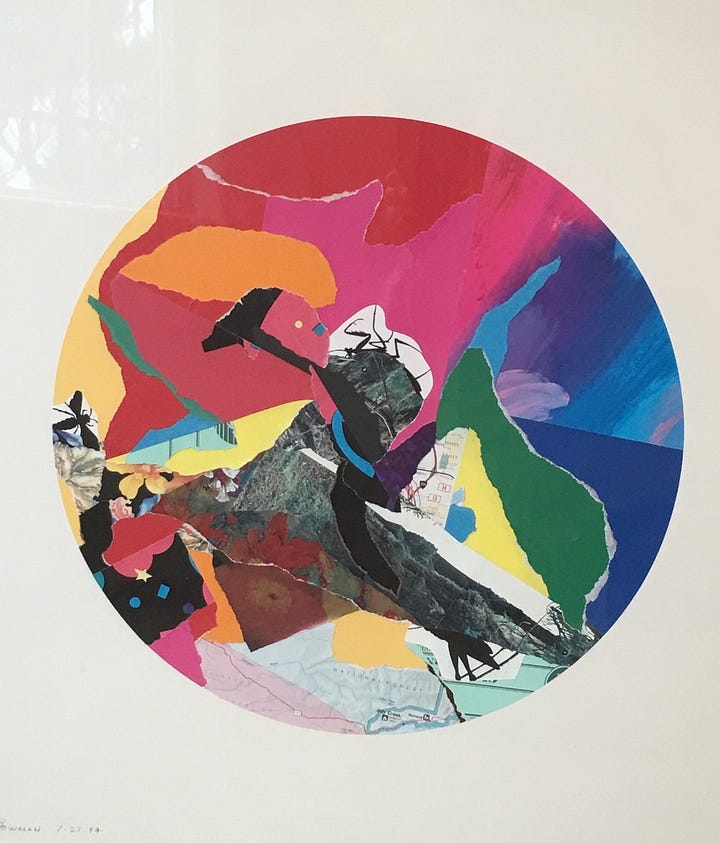
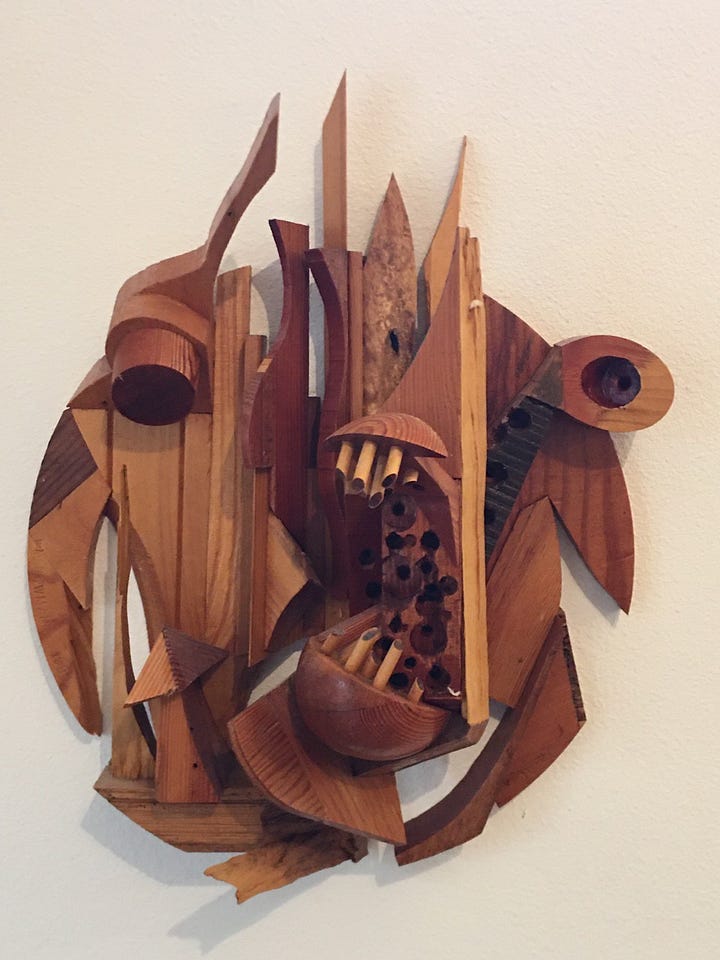
Because of his rheumatoid arthritis, Bowman was eventually unable to make wood constructions. But he opened new avenues of expression through his collages. “All were made from every imaginable kind of paper, including photographs,” Hart explains. “It was harder to see the faces, but they all had faces in them. His collages had a romantic, almost feminine, quality. This changed over time, so that the quality was walked back for issues too complicated to explain.”
He also wrote and published a series of semi-autobiographical books. Influenced by literature of the Beats including Jack Kerouac and based on his experiences in the military and Bay Area art scene from the 1950s to the ’80s, he titled them Goodward (1991), Santa (1992), Warehouse (1993), Otherman (1994), Everson (1995), Quest (1996) and Newbrother (1997).
In 1994, they decided to get away from city life and move to the countryside at La Grande, near the Eastern Oregon University campus. The following year Marty’s venue displayed the suspended components of Bowman’s Lifeline and named itself the Lifeline Cafe in its honor. As Hart recalls, “it had this long, old brick wall, a perfect place to hang certain parts of the Lifeline.”
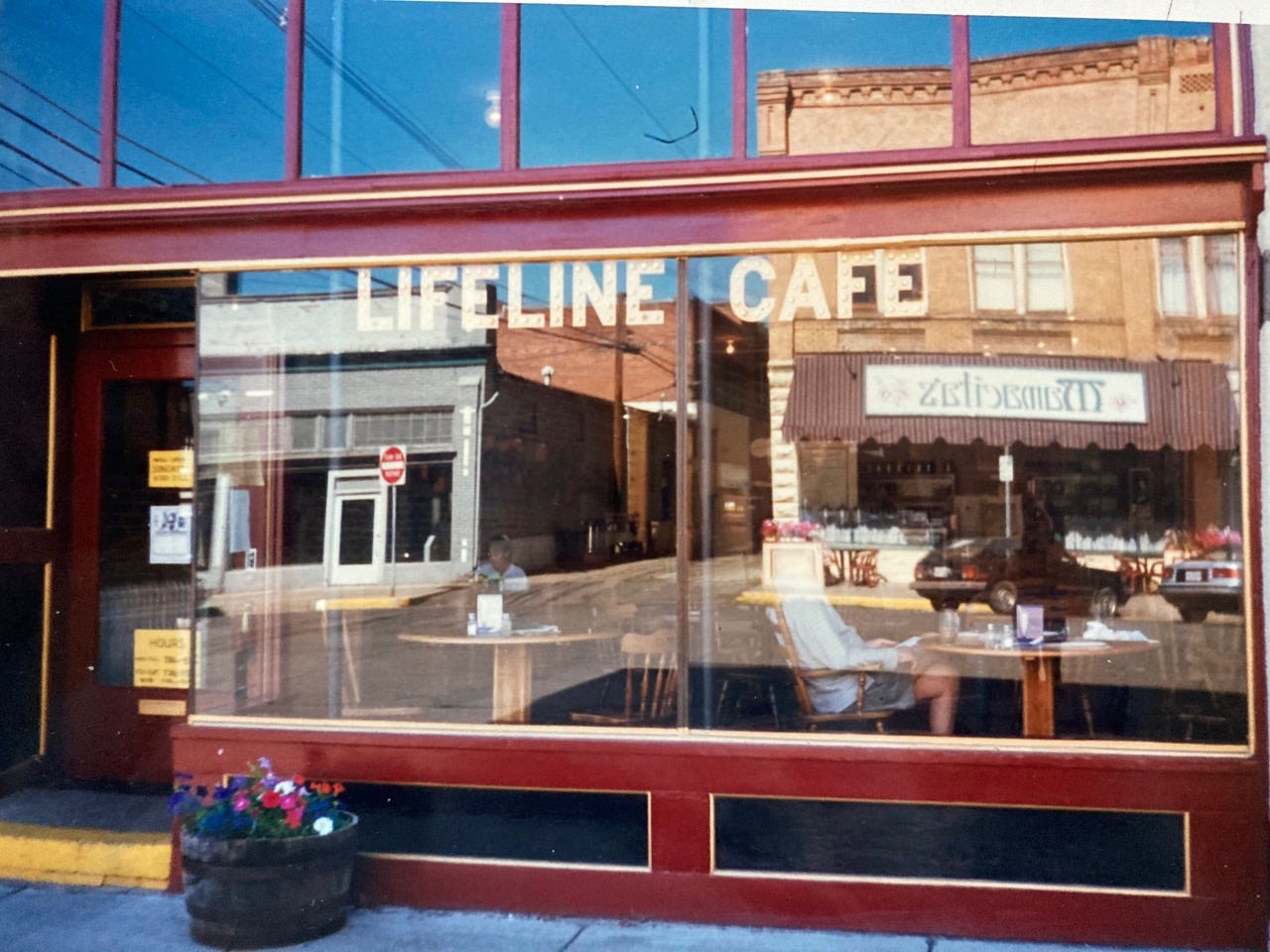
Weary of country life, Bowman and Hart returned to Portland in 1999. They purchased an old house in the Alberta Arts District, but when repairs mounted beyond their means they relocated to a more accessible home in the St. Johns area.
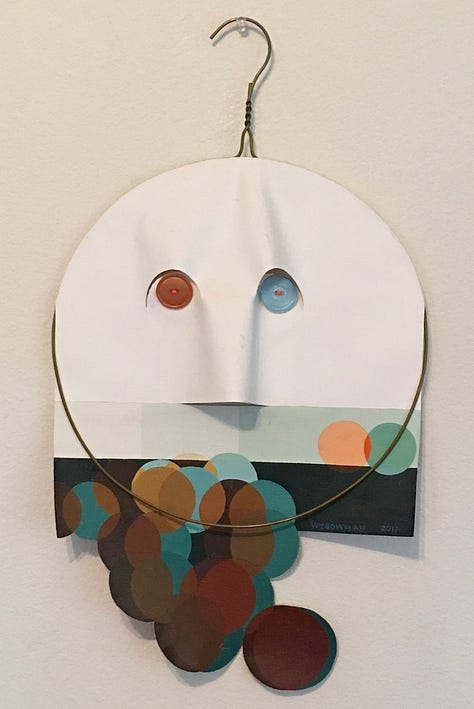
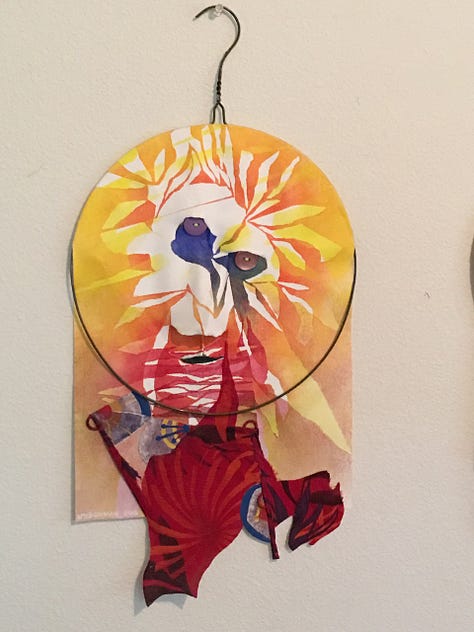
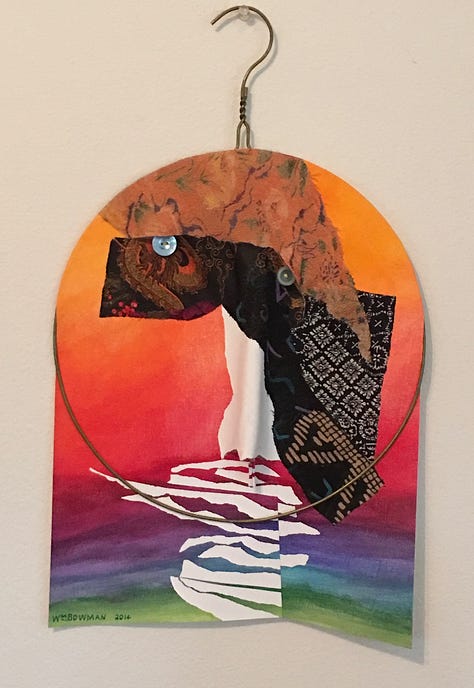
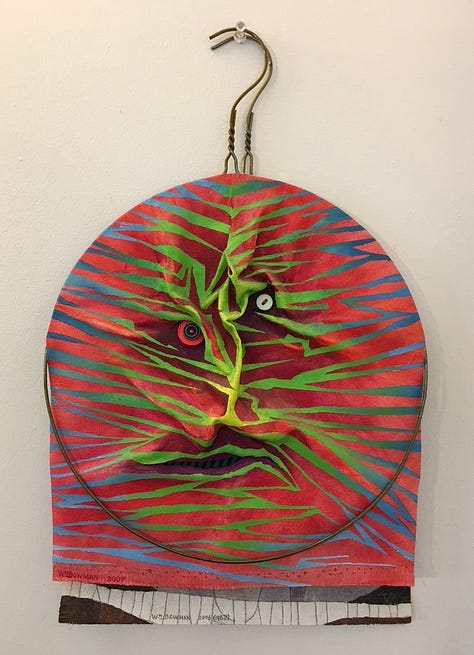
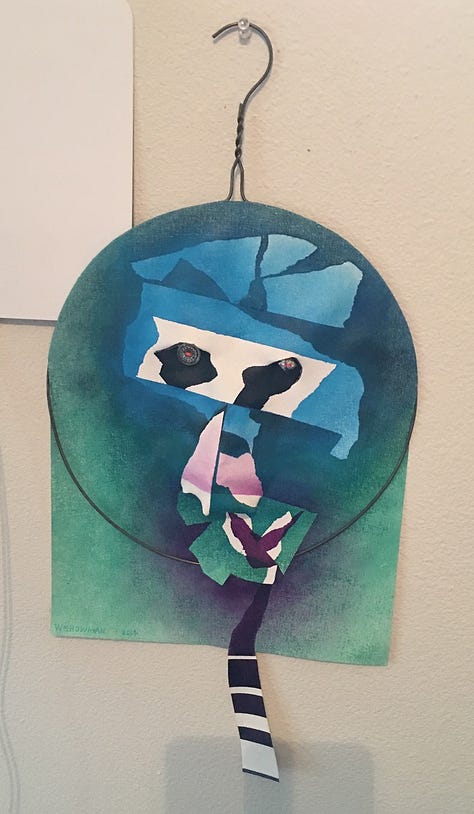
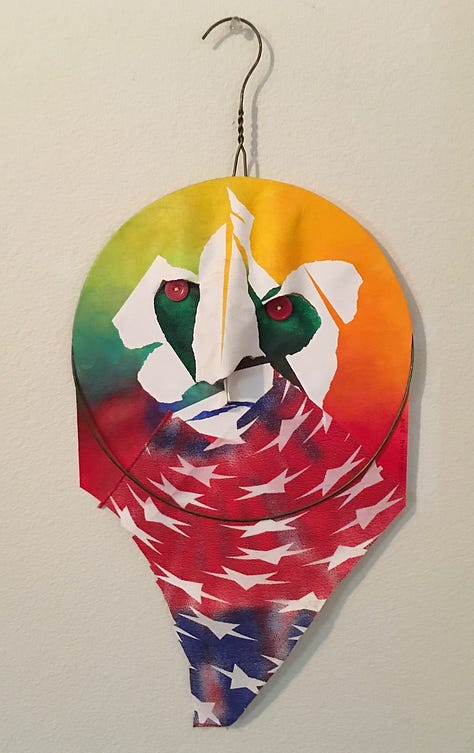
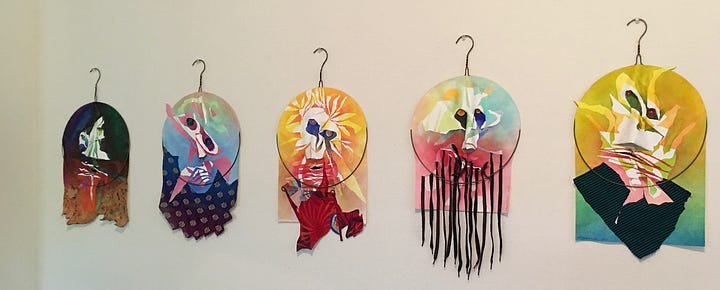
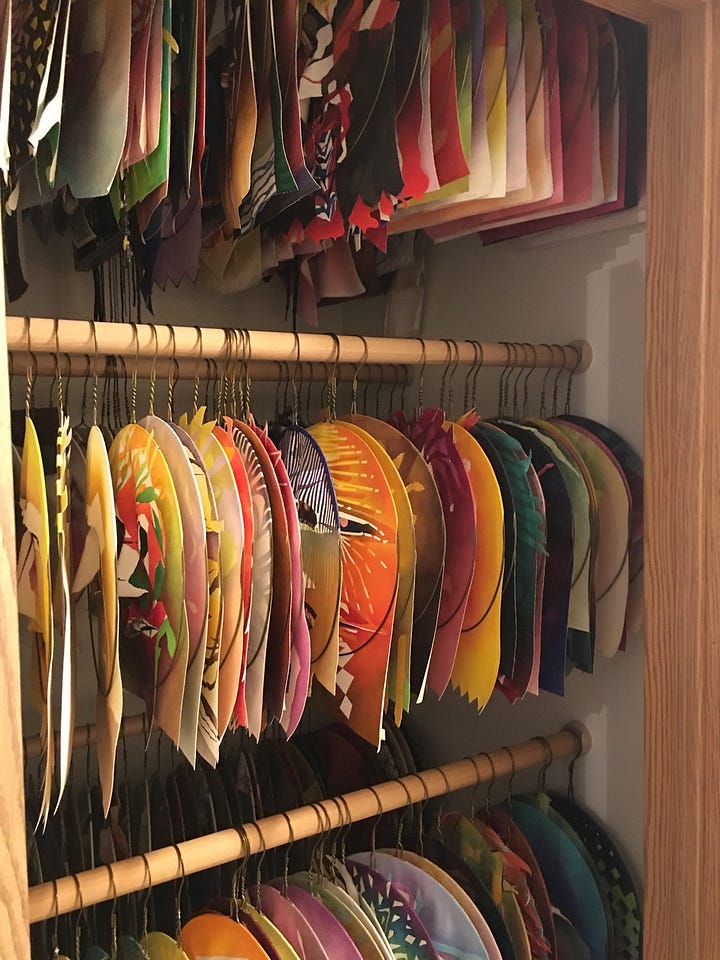
In his last years Bowman made his colorful painted faces more with layers of painted crinkled canvas, vintage fabric and buttons, which he stretched across coat hangers and reshaped. He painted caricatures of fellow soldiers and superior officers while in the military during the Cold War. He later went back to the faces and incorporated them with contemporary images, on coat hangers. When he ran out of room on his walls, he started hanging these works in his closet, where his indifference to expanding his wardrobe left plenty of space.
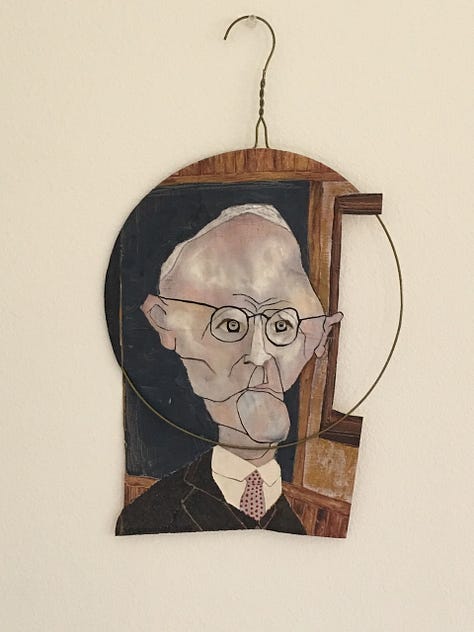
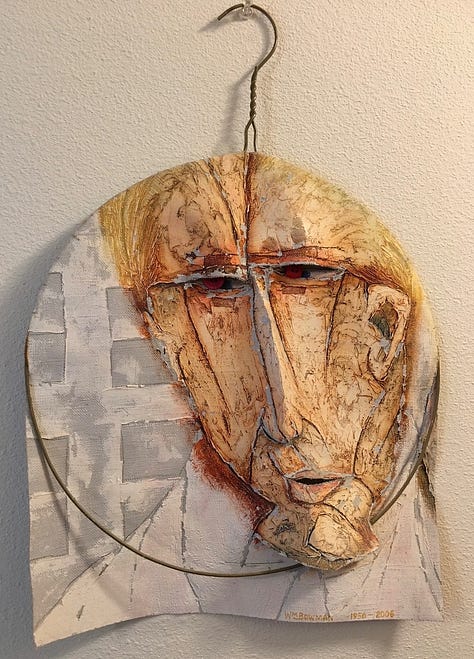
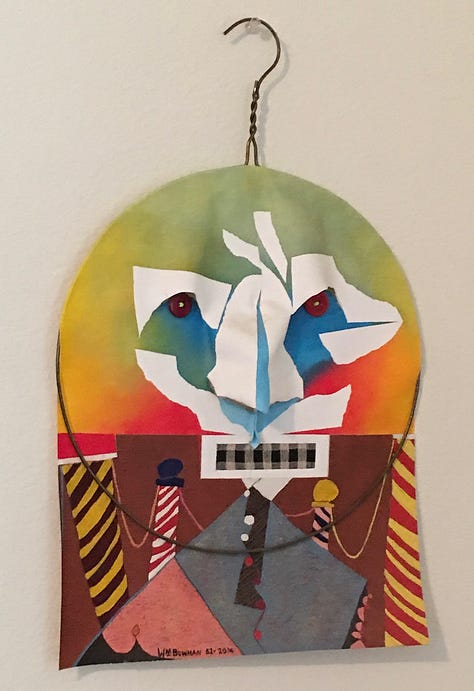
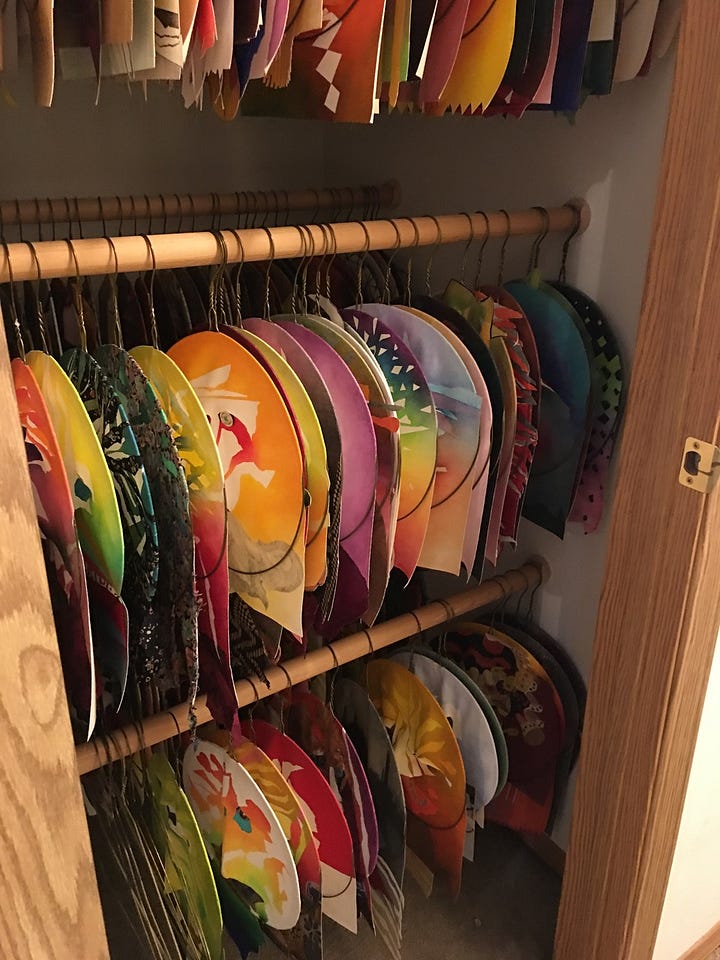
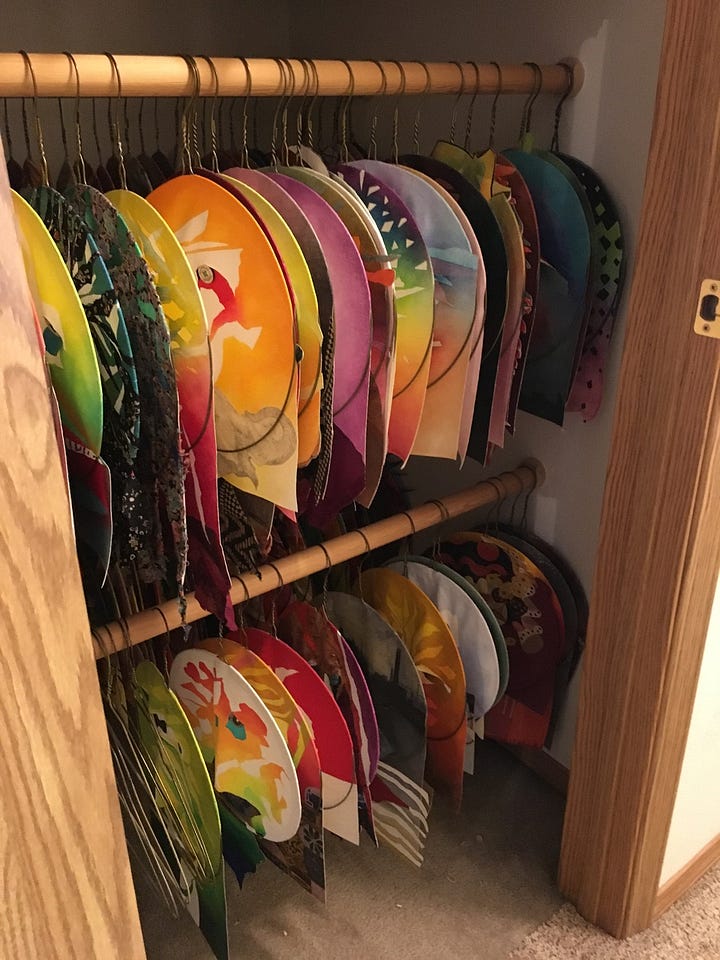
As his novels suggest, Bowman at this time often romanticized and reminisced nostalgically about his Beatnik days and the other artists he had met along the way, many of whom had already passed. On June 9, 2019, Bowman died of heart failure, complicated by Parkinson’s Disease, in his art studio, surrounded by his creations, his wife and family. Among his last words to his kids were, “I can’t believe this is finally it.”
####
No posts
Comments
Nothing yet. Say the first thing.
Sign in to join the conversation.