
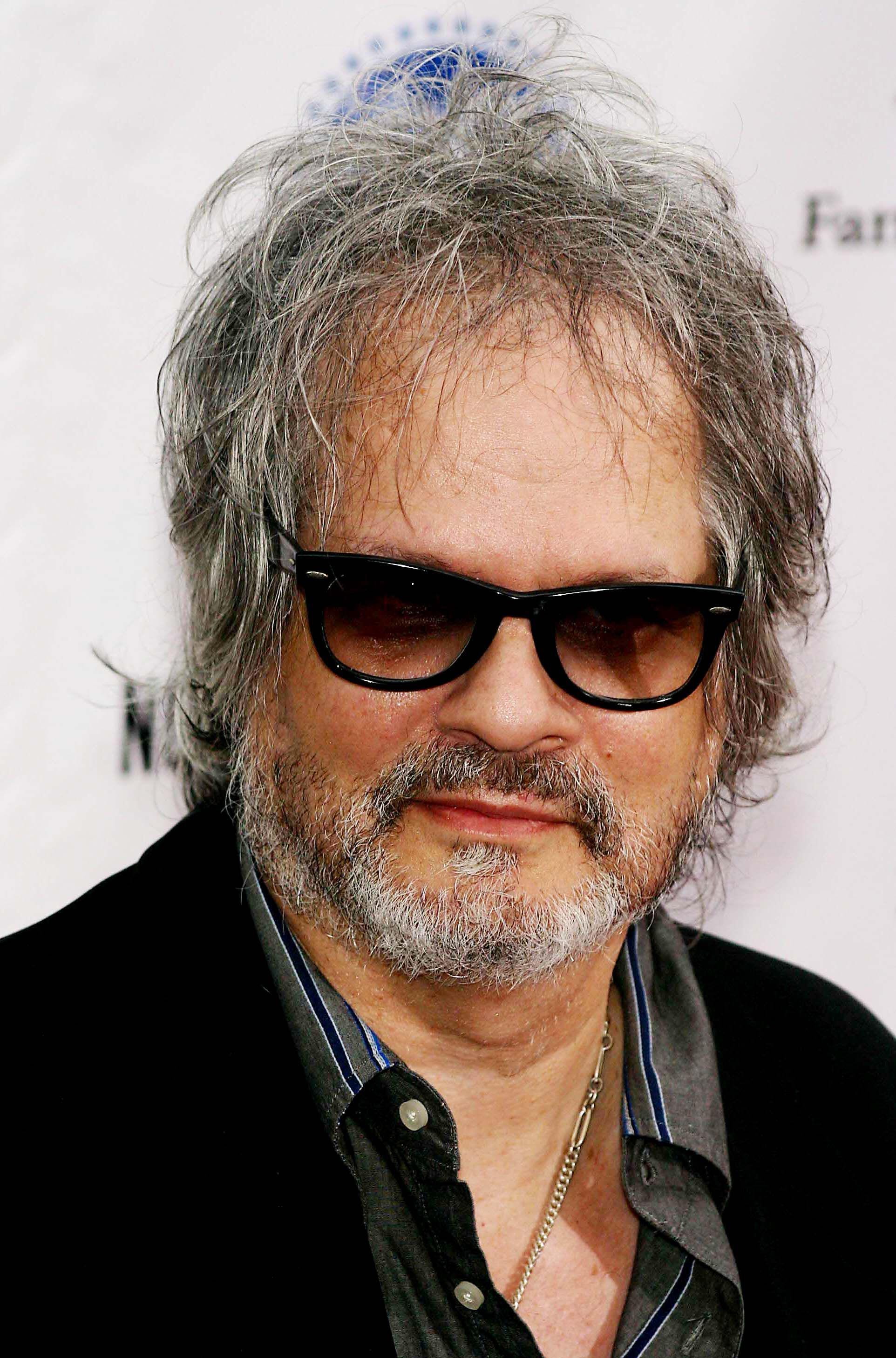
The last time I saw Al Kooper, I was introducing a friend to the wonders of the summer NAMM show in Nashville, maybe around 1998. Staged twice a year by the National Association of Music Merchants, this event was where the music industry introduced their latest products. The crowd, mainly music journalists and a scattering of celebrities, swarmed past booths filled with new guitars, keyboards, drums, audio gear and so on. Frankly, it all becomes a blur, although a gleaming one, after a while.
Then, as often happens at NAMM shows, a familiar face caught my eye. “Hey, look,” I alerted my friend. “It’s Al Kooper! Let me introduce you to him!”
As usual, Al was wearing dark glasses. His hair, just beginning to gray, was disheveled. He seemed lost in thought as we approached.
“Hey, Al!”
He looked up, slowly.
“It’s me, Bob! I want you to meet my buddy here; he’s a performing songwriter. Maybe you could check out some of his stuff.”
For a second, nobody spoke. Then Al said, quietly, as if talking to himself, “You give. And you give. And you give. And in the end, they just shit all over you.”
A moment passed before I replied, “Well, Al, good to see you! Have a great day, man.” And my friend and I continued our ramble.
It had been maybe three years since we last crossed paths. I had dropped by his place, which at the time was also in Nashville, to do an interview for Keyboard magazine. It was a smallish house, with the kind of comfy clutter I’d seen in the homes of less celebrated, if not legendary, individuals. I do remember one framed black-and-white photo on one wall, capturing B.B. King onstage, gaping in amazement at something Al was playing on guitar just a few steps away.
He and I had met a few times before as well, so we had what I might call an amiable acquaintance. I liked his sardonic humor; several times I tried to surprise him with some new risque joke I’d just heard. “Know it? I wrote it,” he once said, jumping ahead to the punch line and sparing me the embarrassment of plodding through the whole story before realizing that he was, once again, a few steps ahead of me.
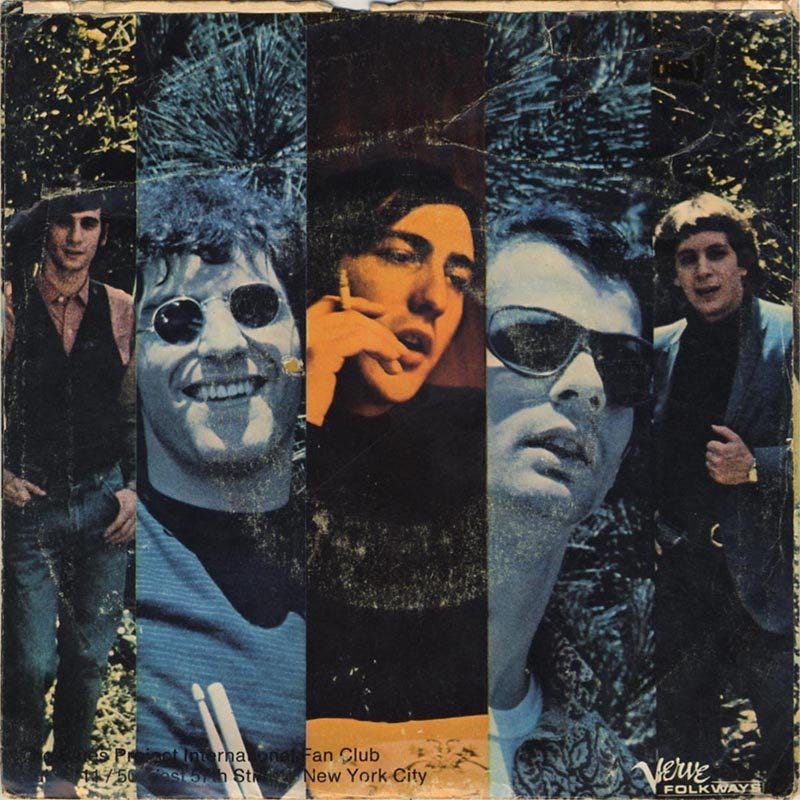
And I respected the breadth of his accomplishments in music. He recorded and performed with the Blues Project, whose name nodded toward one aspect of the band’s roots without also acknowledging its flirtations with jazz, folk and other genres as far back as the mid-Sixties. As a session player, he laid down guitar and keyboard tracks with several Beatles, the Who, Jimi Hendrix – and even played French horn on the Rolling Stones’s “You Can’t Always Get What You Want.” He played a decisive role in launching Lynyrd Skynyrd’s career and can claim credit for forming Blood, Sweat & Tears, though that experience didn’t end particularly well for him.
For most of us, though, his most familiar opportunity as a studio musician more or less fell into his lap in 1965, when he happened to find himself in the facility where Bob Dylan was about to cut the record Rolling Stone twice chose as the “greatest song of all time.” Maybe so, but I think that without Al’s organ part, accidental though it was, “Like a Rolling Stone” wouldn’t have made quite as monumental an impact.
(I’ve omitted much of the transcript of this interview in which Al discussed his then brand-new album, Rekooperation.)
****
When you look at your credits as a studio player, is there any session or part that you’re especially proud of?
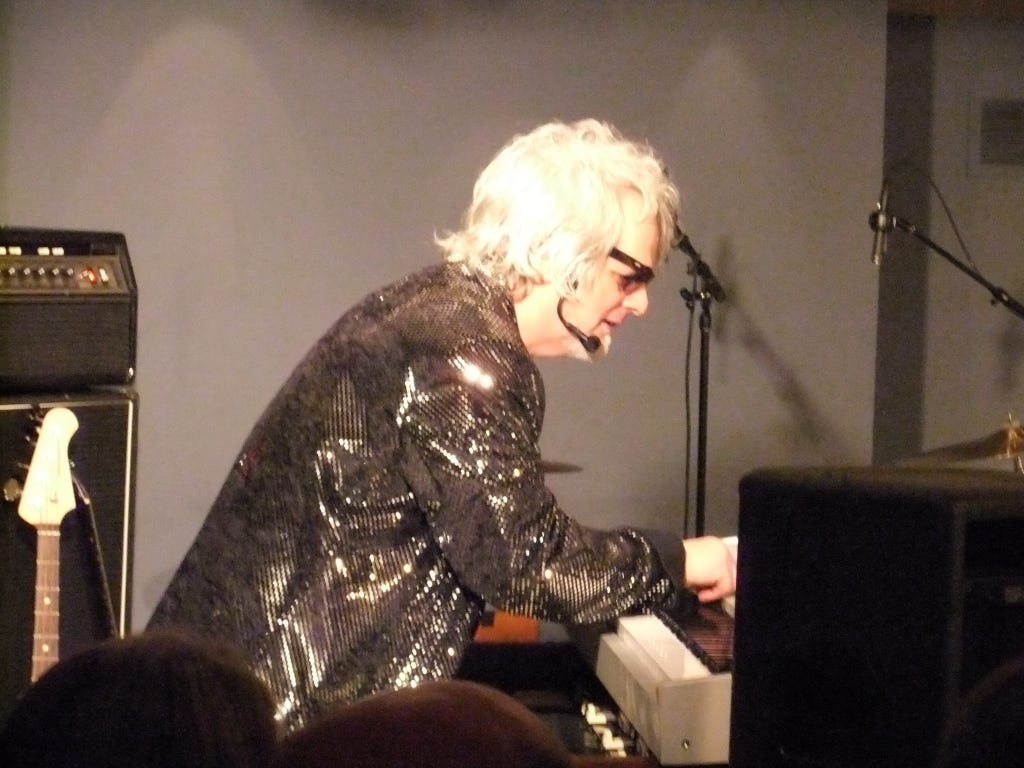
I like what I did on “You Can’t Always Get What You Want.” I hear it a lot. I laugh at “Like a Rolling Stone” because that was my baptism as an organ player. I didn’t really know what I was doing, but I did know what I was doing. It’s cool, but “You Can’t Always Get What You Want” was nice playing for what the song was. I like the Wurlitzer [electric piano] that I played on George Harrison’s “All Those Years Ago.” It starts the record off, and it’s very me.
How did someone as inexperienced as you at the time wind up playing organ on “Like a Rolling Stone”?
I was invited to watch. I was friendly with Tom Wilson, the producer. He had cut some of my songs with other people. At that time, I was a songwriter/session musician. I was also a big fan of Bob Dylan, so I came with my guitar, sat down and plugged in. I was gonna say, “Oh, I thought you hired me to play! I was young, you know: big stones [indicates testicle size]. Before Tom got there, Dylan came in with Mike Bloomfield, who I had never met. Mike was carrying a [Fender] Telecaster with no case. It was snowing outside, so the thing was wet and everything. He took a towel into the studio, wiped it off, plugged it in and started warming up. I had never heard anyone play like that before, in any context. So I said, “Fuck this,” put my guitar in the case and went into the control room like I was supposed to. Young as I was, I wasn’t about to make a fool out of myself.
Then Tom Wilson came in. He hadn’t seen me sitting out there, which was very good. It was, “Hey, how ya doin’?” “Good. Hey, thanks for letting me come.” So the session goes on. Halfway through the session, they say to Paul Griffin, the organist, “The organ’s not making it. Why don’t you try playing piano?” I go over to Tom and say, “Why don’t you let me play the organ? I’ve got a great part for this.” I’m full of shit, right. I was just ambitious. He says, “Oh, man, you’re not an organ player. Come on, now.” But he didn’t say no! Then somebody says, “There’s a phone call for you, Tom.” And I’m thinking, “He did not say noI He just said I wasn’t an organ player.” So I went out there. The organ was buried behind all kinds of shit. You couldn’t even see it. So I don’t think he even knew I was gonna play organ on the next take. In fact, I couldn’t even hear the organ.
So you couldn’t hear how the drawbar registration sounded?
Registration? If he had turned the fucking thing off, I wouldn’t have known how to turn it back on! Thank God he didn’t fuckin’ switch it off.
So anyway, they start playing. I can hear the band in the headphones, but I can’t hear the organ. It’s been turned off in the mix. I’m enough of a musician to know what each note sounds like, even though I’m not actually hearing it. I played the whole take without ever hearing the organ.
Did you know the song through hearing previous takes?
Not really. If you listen to the first few verses, I play on the upbeat of one. It goes, “The chord … Me … The chord … Me” because I was waiting to hear what the chord was.
You did come up with a nice organ figure to lead into the vocal at the top of the song.
Well, that was based on listening to a lot of gospel music, which had a lot of organ stuff. But that record was very sloppy.
“The musician in me is almost offended by Highway 61.”
Still, once you hear it, you don’t forget it.
Well, I prefer the next album, Blonde on Blonde. The musician in me is almost offended by Highway 61. I’m amused by all the mistakes on it. But, yeah, it’s very real. Now, Blonde on Blonde was all that Dylan had brought to the table, plus we made it sound like a record. He was still doing what he was doing, and everyone else made it into an actual album. It’s the most like a record of any record he ever did. The musicianship was so high on that record. Those guys did amazing things.
…
“Like a Rolling Stone” pretty much redefined who you were, switching the spotlight to your keyboard work. How did you beef up your chops once that happened?
Well, when I was in the Blues Project, we were put on the bill with many of these people we were imitating: Muddy Waters, Howlin’ Wolf, Jimmy Reed, people like that. As a matter of fact, during the two weeks that we were sharing the bill with Muddy Waters at the Café au Go Go, Otis Spann used to give me lessons every afternoon. He showed me positions for scales, like playing the VI minor for the major scales, and his licks, his timing and so forth. I had just become a keyboard player; I was a guitar player before that. It was relatively new for me to be a keyboard player. I had really just gotten into blues super-heavy too.
That’s amazing. What an opportunity for you to learn from a master.
That was a very unusual thing. I mean, what was I? Twenty-two or twenty-three? But I’d ask him, “Do you think tomorrow afternoon maybe you could show me some stuff. I mean, you’re the best there is?” And he’d say, “Why, sure!” So on the first day, I said, “Come on, let’s go across the street. I’ll buy you dinner. In fact, I’ll make a deal with you: You do this with me every day you can do it, and I’ll buy dinner after every lesson. And drinks!” He’d laugh and say, “Well, that sounds like a good deal to me!” I got two weeks’ worth of lessons that way.
Later on, after Otis died, I would sometimes go sit in with Muddy. I would always call “Long Distance Call,” which was one of Otis’s great things. Now, Muddy would forget that Otis taught me. We’d start playing and I’d do exactly what Otis played. Muddy would turn around and smile at me, and I knew that he remembered. Otis was a great guy.
Since you were mainly playing guitar at the time, how did you wind up playing keyboards with the Blues Project?
Because I was Bob Dylan’s keyboard player. That’s why I was asked to join the band. It was a very embryonic band; they weren’t successful or anything. They didn’t even have a record deal. But I accepted its invitation because I thought, “What a great way to get my keyboard chops up, now that I’m gonna be a keyboard player,” which happened just in the space of one afternoon. “Won’t it be great to be in this band. I can constantly practice and there’s no pressure. I guess we’ll just play in clubs.” Then – wham, bam – we’re cutting an album, we’re on the radio, we’re traveling all over the country. But I still thought of it mainly as a great way to improve my playing. It was a good choice. But I gave up a very lucrative session career to Paul Harris; he got all my dates.
These were keyboard sessions?
Yeah. At the time I joined the Blues Project, right after “Like a Rolling Stone,” I was getting two or three sessions a day. Then we had to go out on the road, so I had to turn my back on that.
Didn’t you still consider yourself stronger on guitar than on keyboards?
Well, at that point I wasn’t very good at either, if the truth be told. I had a lot to learn on both instruments. But I digress. The point I was going to make was that we used to work with all these blues acts. We’d look at them and say, “Geez, poor guys. They got ripped off so bad by the record companies. What a fuckin’ shame.” Listen, these guys did great compared to me! I’m the one who got fucked! Now, when I see this body of work that I did and what I received for it, it’s unbelievable.
Unbelievable, but not unknown in this business.
The difference is that in those days, in the Fifties and Sixties, I got into it because I loved music. I didn’t want to do anything else. All I wanted to do was to play music. If I could make a living doing that, it would be the greatest thing in the world. I knew early on that I was going to make my living in music. I didn’t know how. I certainly didn’t know I was going to be a keyboard player or even a recording artist. But I knew that I would be devoted to being involved in music in some way, shape or form. If I could pay the rent and buy clothes and records and food, that was enough for me. I didn’t look at the big picture. I was just delighted to be doing these things.
Now, when you don’t chase the money, the other people can smell it instantly and they take it because you don’t give a shit. It’s true. I didn’t give a shit because I was so wrapped up in the music thing. Nowadays, people get into it for the money. They dye their fuckin’ hair purple and go get four hundred thousand dollars because there’s no other band where everybody’s hair is purple. That’s the band of my existence. I could live very comfortably if I got what was coming to me right now.
Is it just a question of making bad business decisions?
It’s a question of everything. I dreamed up Blood, Sweat & Tears myself, in my own little head. It was my concept. I never got a penny for it. Super Session? Never got a penny for it. Lynyrd Skynyrd? The manager has all the checks sent to him. It’s indefensible. All this money is gone. It should come to me. That’s very sad.
Who can you blame, other than yourself?
Well, it would have been great if I was sharper. But I did all this stuff, and now I can’t go back and rectify it. That, I feel, is wrong.
What is the lesson here, as far as younger musicians are concerned?
If you’re in this for your life, if you’re concerned with music like I was and not really concerned with anything else, then you should track these things. The demographic has shifted. Now there are more people sitting in houses across the world who would rather see Eddie Vedder than me. That’s what happens. It always happens. It’s gonna happen to Eddie Vedder; he’s gonna be in my situation. He should get his Pearl Jam money to take care of him when people are going to see Joe Schmoe and don’t give a shit about Eddie Vedder.
“I have publishing now because nobody is interested in my songs.”
I think you’re saying that a love of music in this business is a weakness that others can exploit. If you get into music to make money, you stand less of a chance of getting screwed than if you get in because you love doing the thing for which the business theoretically exists.
And that’s called “ironic.” Now, I get songwriting money. That’s very nice. I should have had publishing too. I don’t want to be a pig, okay? But I didn’t get it. A lot of people don’t. It’s very funny: I have publishing now because nobody is interested in my songs. As a result, I am now the publisher of my songs. I’d be very happy to make a 50-50 publishing deal, so I don’t have to chase this shit down all the time. Things happen.
For instance – this is very funny – I’m in a part-time band called the Rock-Bottom Remainders, which consists of Stephen King, Dave Barry, Matt Groening, Dave Marsh, Amy Tan, Ridley Pearson, Barbara Kingsolver, trad Bartemus, Roy Blount, Jr. – a million of these famous authors. We do all Fifties and Sixties songs and play for charity. I’m the music director. I’m supposed to make these guys sound good. As a result of this band, I’ve become very friendly with Stephen King. So next February, they’re doing a miniseries of The Stand, which was my favorite Stephen King book. In the book, there’s a character who has the number one record at the time the story is taking place. The lyrics are in the book. So Stephen calls me one day and says, “Would you be interested in writing the music to ‘Can You Dig Your Man’?” I said, “Do we have to use the same words?” He said, “Well, yes, we do.” “Well, this is a challenge, Steve. Let me see what I can do.”
So I wrote something to his lyrics. I wrote some additional lyrics as well. I had this great singer, John Cowan, from the New Grass Revival – best singer in Nashville – sing the demo. I did it on machines here in the living room. I mixed the track, minus guitars and vocals, down to a cassette – not a DAT, a cassette. Then I went into a recording studio and bounced the cassette onto two tracks of a 24-track. Then I put acoustic and electric guitars on, and John sang and I did the background vocals. I mixed it, and I sent it into The Stand. Everybody loved it – and they used it as the master in the movie. We’re talking high-tech here, but the things I can do on here sound like records. So there it was, from my living room to millions of living rooms, from a fuckin’ cassette! I love the low-techness of it, but no one will know that when they see the show.
What else is on the table in the next few months?
Well, I’m executive producing a Harry Nilsson tribute album. He’s in ill health nowadays and his accountant embezzled all his money, so it’s the humane thing to do this kind of record. [Note: Nilsson died in January 1984, the same month in which Keyboard Magazine released my article on Kooper. His accountant, Cindy Sims, pleaded guilty to three counts of grand theft after stealing almost all of Nilsson’s $5 million. She served two years in state prison.] I’m also playing my fiftieth birthday gig. It’s gonna be February 4, 5 and 6 at the Bottom Line in New York. It’ll be, like, my whole life laid out before me, divided into three sections: the Blues Project, Child is Father to the Man, which is the Blood, Sweat & Tears of my ilk, and then all of the people from this current album. We’re gonna do two shows a night. Then I’m gonna die there, in the dressing room of the Bottom Line [laughs]. Somehow we’re gonna video and audio it.
Sounds like a homecoming.
Well, I played at the Bottom Line with the Blues Project on our reunion tour, and in March I played there with this Blood, Sweat & Tears thing. But to have them both on the same bill and this new album is a once-in-a-lifetime thing.
Who will be in the BS&T lineup?
Jim Fielder, who has moved here to Nashville. Anton [Fig] on drums. Steve Katz …
He’ll also be doing the Blues Project set?
Yeah, and so will I. Freddie Lipsius, Randy Brecker, Tom “Bones” Malone on trombone and Lew Soloff.
“I’m very embarrassed by Blood, Sweat & Tears.”
Why isn’t Bobby Columby in on this?
Bobby doesn’t play drums anymore. His license plate used to say EX DRUMS. He also copyrighted the name that I made up – Blood, Sweat & Tears – and neglected to pay any of us royalties, so he was not the most popular choice in this lineup, as you can imagine. I’ll tell you, in my resume, I’m very embarrassed by Blood, Sweat & Tears. The band that most people know by that name is not what I wanted to do. I wanted to do that album, Child is Father to the Man, and what I would have done next, which is quite different from what they did. When I left, they went into that other place where they really wanted to go but I was trying to hold down. So I never play that up. If someone says, “What have you done with your life?,” I’ll say, “I was in the Blues Project. I did the Super Session album. I played with Bob Dylan and the Rolling Stones and the Who and Cream and all those guys.” I never want to mention Blood, Sweat & Tears because I don’t want people to think I had anything to do with “Spinning Wheel” or any of that other stuff. So when it came time to do this reunion thing, it was obvious what to call the band. And it works.
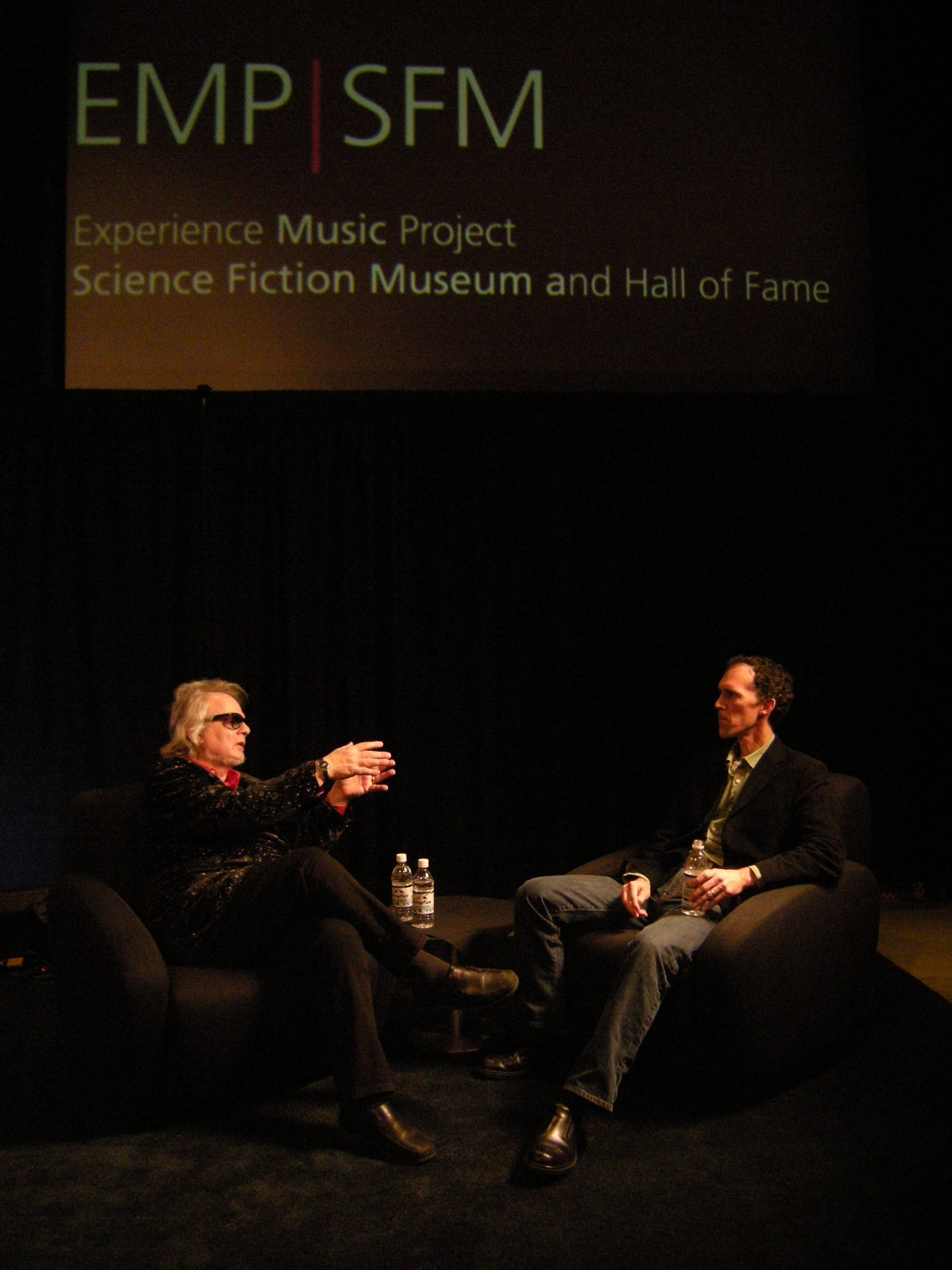
What did you do with the BS&T reunion last March?
We did this amazing show. We played that first album in sequence, from start to finish, with a string quartet doing most of the parts live. It was the most incredible show I’ve ever been involved with. If you love that album, it was the greatest thing you could see. Some of that stuff we had never played live, like “House in the Country” and “My Days Are Numbered.” I rearranged “My Days Are Numbered” so at the end there’s a ten-minute fuckin’ trumpet battle between Lew and Randy, with a great groove behind them. They start out trading bars: 16-16, then it’s 8-78, 4-4, 2-2. It’s just the greatest. Then I did that song that I sing with just the strings playing. I’d never done that before. We just played the whole album in sequence, just the way it was. That was the weekend of that giant blizzard in New York.
What kind of turnout did you get?
We did good. We made money. [Waves fist in air and smiles.] New Yorkers!
####
No posts
Comments
Nothing yet. Say the first thing.
Sign in to join the conversation.