
02:14 AM – The Palo Alto War Room
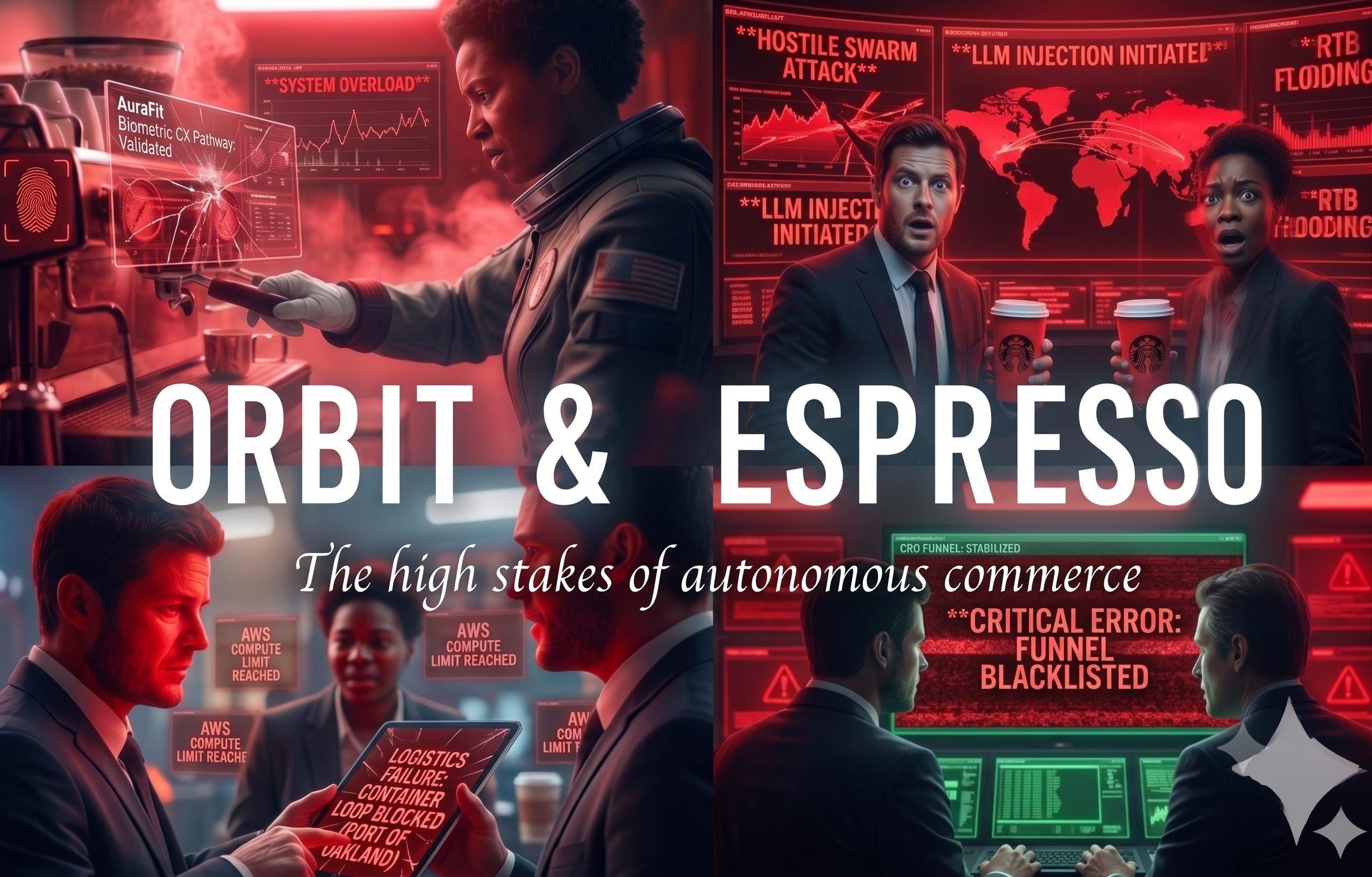
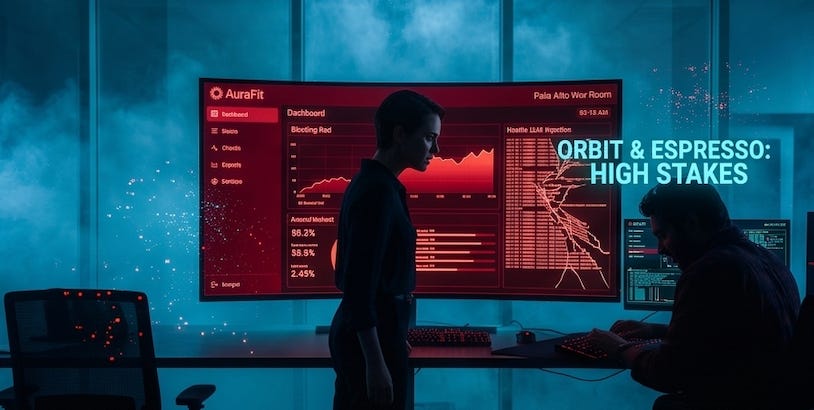
Inside the leased Menlo Park office, the monitors were bleeding red.
Sloane stared at the primary dashboard for AuraFit, their multi-million dollar smart wearable brand. Their automated e-commerce pipelines—bridging Western Shopify nodes with China’s Douyin and Taobao storefronts—had just decoupled
“We’re losing $45,000 every sixty seconds,” Sloane snapped, her eyes locked on the crashing numbers. “Dev, talk to me. Is it an AWS server failure, or did you butcher the patch?”
“Back off, Sloane,” Dev bit back, slamming his mechanical keyboard. “It’s an adversarial LLM injection. A rogue botnet from Shenzhen is hijacking our personalized user experience journeys and injecting toxic, hallucinated product claims into our AI avatars on TikTok Shop and WeChat.”
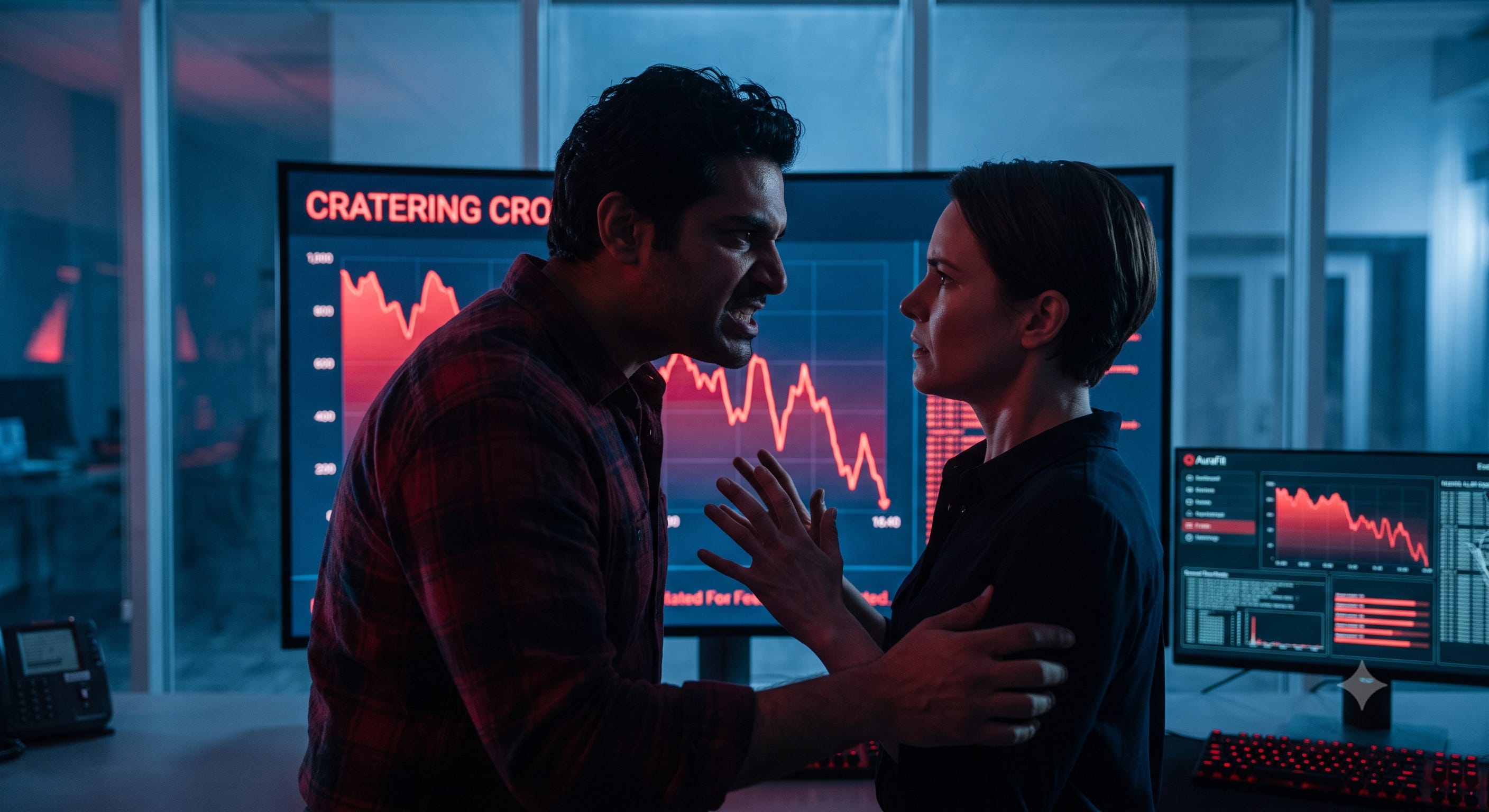
“They’re poisoning our conversion rate optimization (CRO) funnel!” Marcus yelled, slamming his hand on the desk. “Our conversion metrics are zero because your precious automated inventory loop just froze our shipping containers at the Port of Oakland. I told you we shouldn’t have automated fulfillment!”
“Shut up, Marcus! Your archaic content strategy couldn’t handle this traffic anyway,” Jia intervened, her voice rising above the hum of the servers. “We have exactly thirty minutes before our lead VCs wake up. If Meta, Google, and Amazon’s fraud filters blacklist our ad accounts, our Series B valuation drops to zero by sunrise. Stop pointing fingers.”
“Enough!” Sloane commanded, stepping between them. “We can’t fight an autonomous swarm with standard Western firewalls. We need to go native. We fight speed with hyper-speed.”
“Jia, what’s our status on the Baidu Ernie 4.0 integration?” Dev muttered, still glaring at Marcus.
“The API is live, but it’s restricted to domestic logistics,” Jia replied, fingers flying across her screen.

“Not anymore,” Sloane said. “We bridge it. We are going to deploy a multi-LLM orchestration framework. We’ll use Anthropic’s Claude 3.5 Sonnet to handle the high-context loop engineering, auditing our Western ad-account forensics and rewriting our customer experience pathways in real time. But we’re routing the heavy-duty pattern recognition through Baidu’s Ernie and Alibaba’s Qwen LLM. Western LLMs look for rule-based anomalies; Chinese models are trained on hyper-fragmented, chaotic live-stream data ecosystems. They’ll spot the bot behavior instantly.”
Working through the tension, the team executed a high-stakes pivot:
Isolate the Funnel: Cut off the rogue webhooks feeding fake data to the Shopify backend.
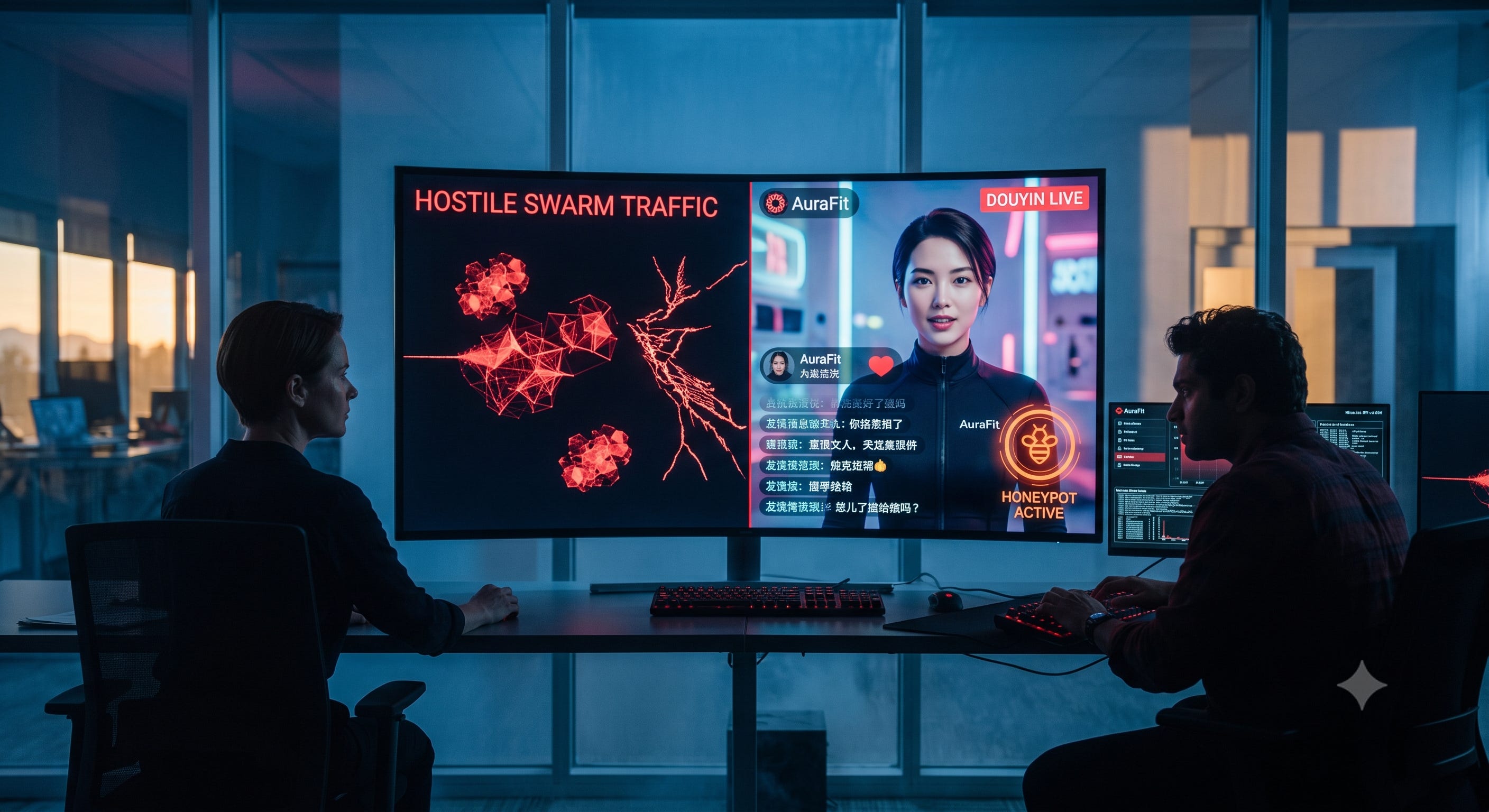
The Live-Stream Decoy: Deploy AI-generated deepfake live-stream hosts on Douyin to absorb the bot traffic, creating a “honeypot” to trap the hostile agents.
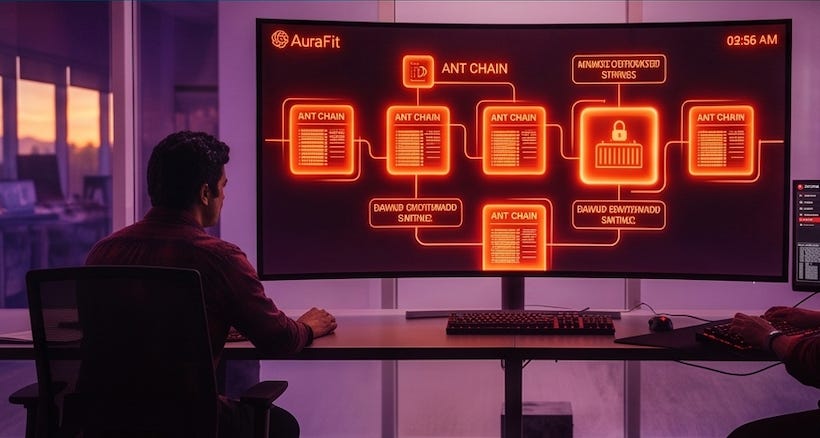
The Logistics Override: Force an autonomous smart-contract bypass via Ant Chain (Alibaba’s blockchain) to unlock the stalled containers at Oakland.
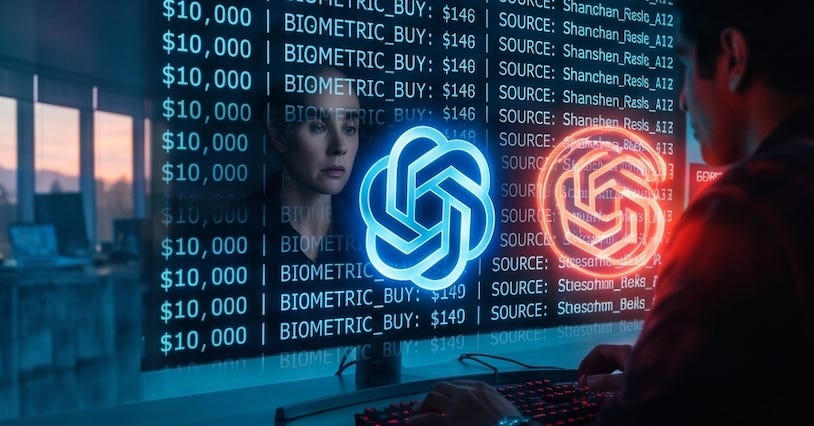
“The swarm is shifting tactics,” Marcus warned, his face pale. “The bots are attempting to force-purchase our entire global inventory with stolen digital Yuan certificates. Dev, if your script fails, we are dead.”
“Watch me,” Dev growled, initializing their proprietary AI agent, Project Silk, alongside Claude’s automated loop engineering protocols.
Instead of fighting the malicious orders, Project Silk used Qwen’s predictive engine to anticipate the bots’ next IP hops, while Claude dynamically adjusted our programmatic bidding algorithms to safeguard the CRO funnel. Simultaneously, the model dynamically rewrote the pricing algorithms on the fly—charging the bot farm $10,000 per item while maintaining the correct $149 price tag for verified human biometric signatures using WeChat Pay and Apple Pay.
“The bots are buying their own poison,” Dev cheered, a rare smile breaking through his exhaustion. “They just drained their own operational crypto-wallets into our Stripe account.”
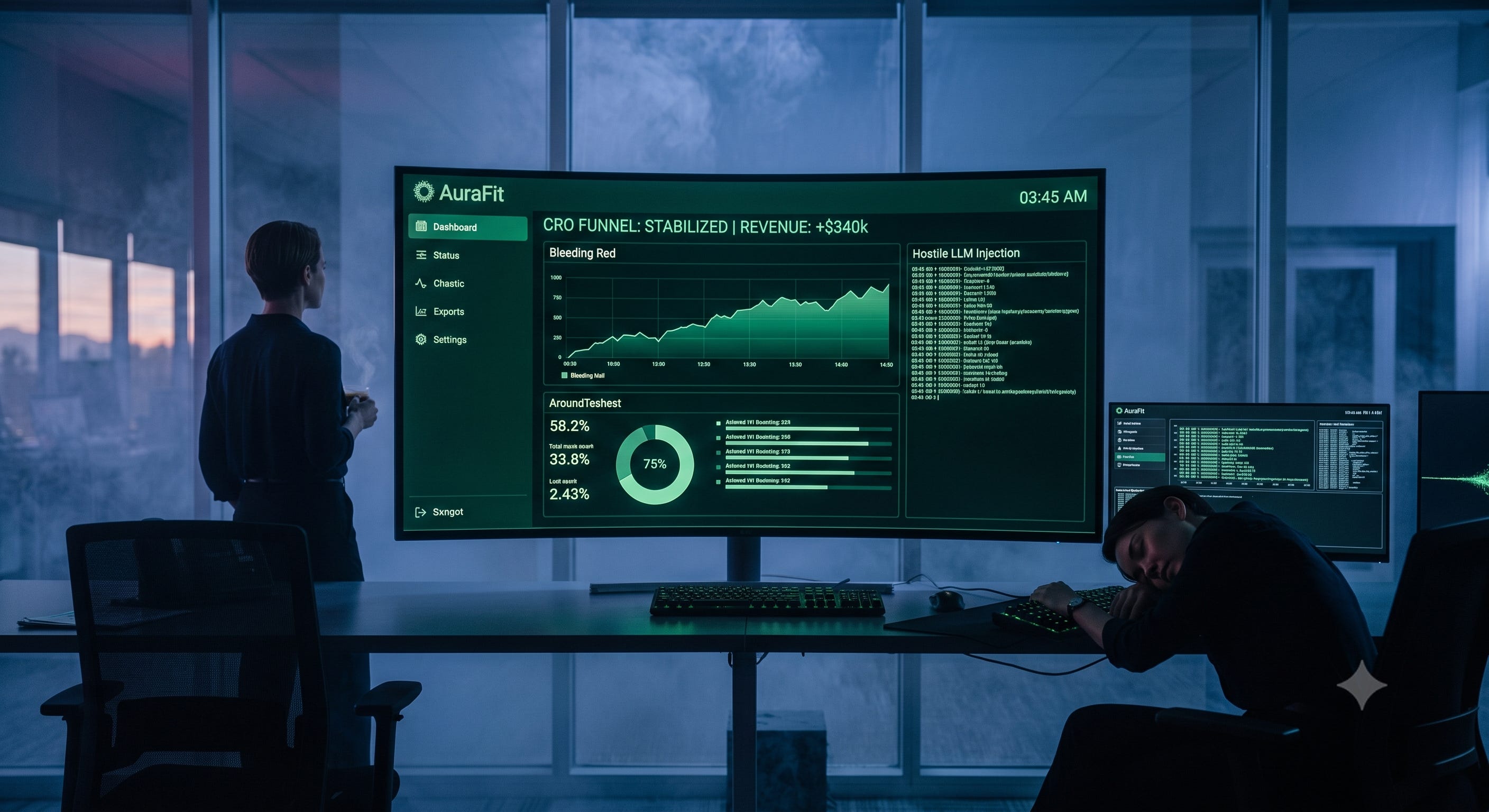
On the main monitor, the red error spikes plunged. The malicious traffic was corralled into the live-stream honeypot, where an AI avatar smoothly sold phantom products to empty machine scripts, burning the hacker’s server bandwidth. With a final keystroke, Dev locked the Ant Chain protocol. The logistics anomaly cleared, and Oakland’s automated cranes whirred back to life.
The room went quiet. Sloane looked at the final revenue ticker. Not only had they stabilized the CRO funnel, but the dynamic counter-attack had generated an unexpected $340,000 in raw margin from the attacker’s own funds. Global ad accounts were green.
Marcus looked at Dev and gave a tense nod. “Fine. Your code held. Guess we’re rewriting my job description tomorrow.”
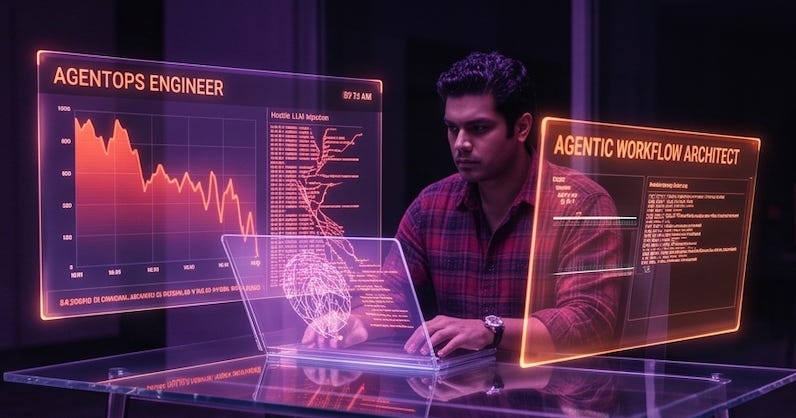
“Unironically, yes,” Sloane answered, looking at her team. “This mess proved we need dedicated headcount. Marcus, we’re opening a req for an Agentic Workflow Architect to lock down these user journeys. Dev, I’m approving that budget for an AgentOps Engineer and an AI FinOps Specialist to track our token spend before we blow through the Series B.”
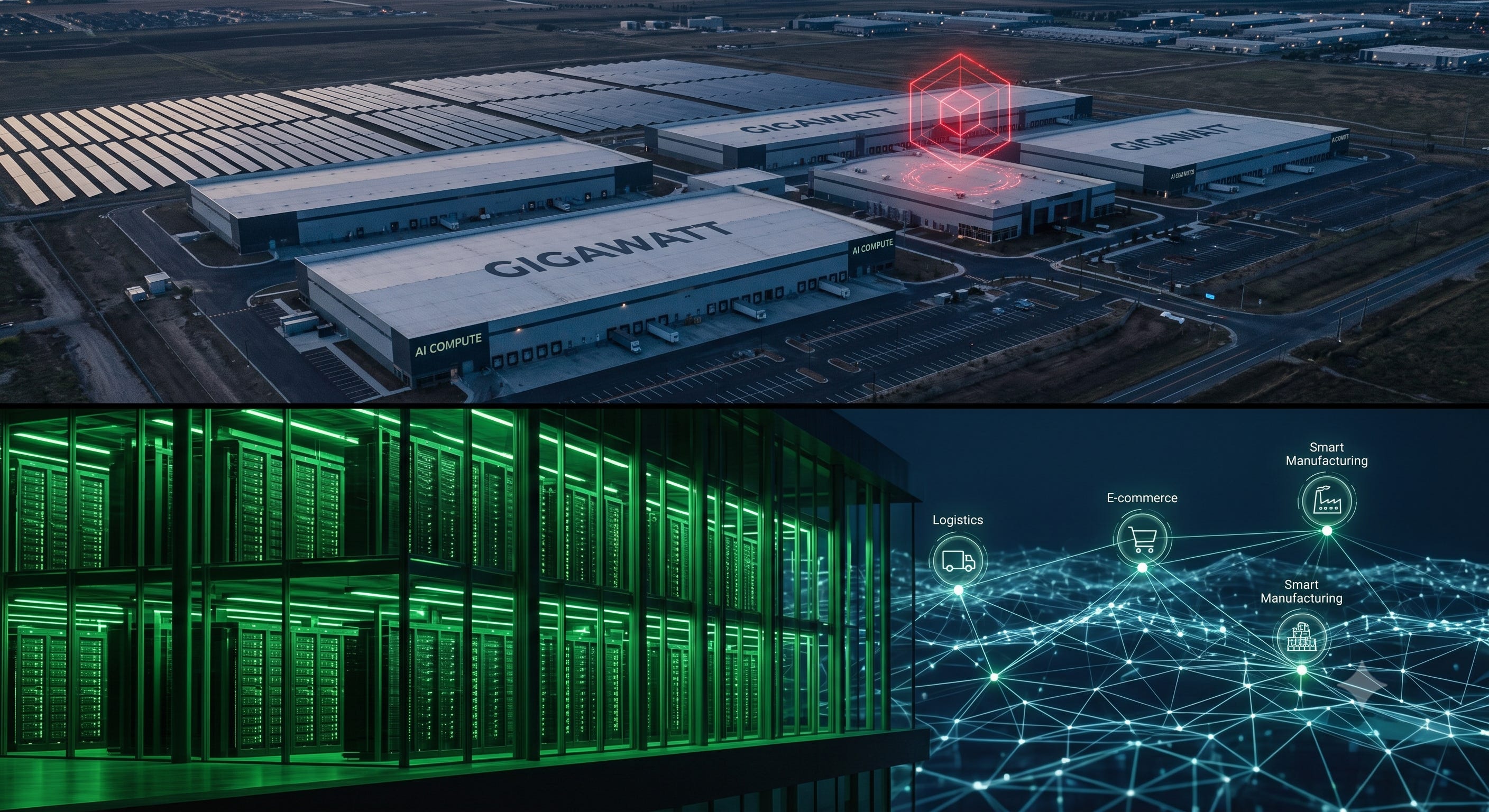
Jia sighed, shutting down her terminal. “Good luck hiring them in Silicon Valley right now. And good luck hosting them. We hit our regional AWS compute limits twice tonight. If the US doesn’t build out massive new gigawatt data centers to compete with China’s domestic infrastructure, we’re going to keep running out of power every time an automated proxy war breaks out.”
Sloane picked up her cold espresso, looking out the glass window at the first light of dawn breaking over the Silicon Valley skyline.
“Clean up the logs and archive the case study,” Sloane said, a slight smirk playing on her lips. “Let’s make sure Sand Hill Road knows exactly how we turned a cyber siege into our most profitable night of the quarter.”
Comments
Nothing yet. Say the first thing.
Sign in to join the conversation.