
Now that I am settled into my new hermitage and role as artist and writer in residence, I have resumed pouring all of my spare spoons into my manuscript.
About six months ago I became determined to find a surrogate for an MFA program. My manuscript was well underway when, despite being a prolific and highly self-motivated creative, I found myself starving for the structure, community, resources, and energizing force of academia. Though I miss it terribly, college has become about as elusive and mythological to me as a unicorn. I know this is not a unique experience. Many poor, disabled, single-parent, and otherwise non-traditional or minoritized students, share in this struggle— and that’s without the added complication of trying to survive amidst a full-throttle eugenics movement.
While on this quest I stumbled upon the Pioneer Valley Writer’s Workshop, which just happened to be offering a 100% remote 10-month manuscript program. Designed to replace an MFA in poetry for experimental and hybrid writers, it checked many boxes: small group work, lecture, reading and discussing relevant texts, homework, deadlines, structured feedback, community, and opportunities to meet literary agents and editors. I applied in December and by late January, I received exciting news. I was overcome when I read the email notifying me of my acceptance. Based on the merit of my manuscript and my extensive leadership experience, I was invited to be the Teacher’s Assistant. The program was set to begin early March, taught by instructor and accomplished poet, Amie Whittemore.
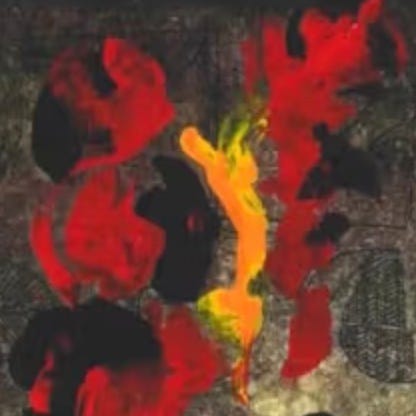
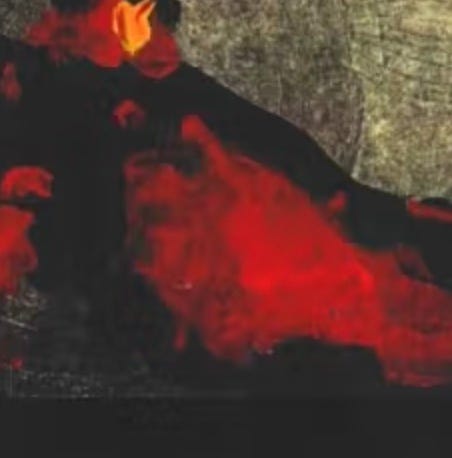
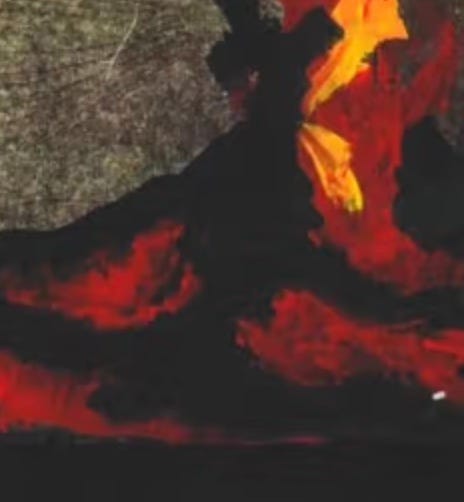
During this first month of coursework, we read a number of poems, spanning from traditional to freeform, lyrical poems, hybrid/ experimental prose-poems, and haibun. We considered examples written by Basho, Emily Dickinson, Lia Purpura, Gloria Anzaldua, Gertrude Stein, among others. Of the selections, I was most moved by Anne Carson’s piece, The Glass Essay. A particular stanza thrummed an emotional chord so intensely that I was moved to write a poetic response (shared below). Here’s why:
Lately I have been reflecting on the nuances of the power dynamics of dependency. I have been pondering the contrast between poverty and minimalism, and how it is differentiated by the presence or lack of choice and consent as dictated by circumstance, as well as how society is hostile toward one while glamorizing the other. I have been interrogating how quality of life and basic needs are defined in capitalist and classist terms, around access to various modern conveniences, and how disability interacts with this in a complicating manner. I have been thinking about how we are conditioned to value and privilege access to wealth to such a reality-distorting degree that we cannot fully appreciate small lives.
I have been mulling these things over as I dichotomously lovingly adapt to and struggle against aspects of inhabiting our new dwelling with its quirky infrastructure. I am asking myself questions: what is need? what is convenience? how does this intersect with power and interact with disability? There are no ready answers.
If you have access to residual wealth, consider sending me an item from my mutual aid/ gift wish list or by becoming a sustaining reader with a paid subscription.
It is free to subscribe to the newsletter, which is published irregularly. Paid subscribers get bonus posts with behind-the-scenes personal reflections, poems, and glimpses into my sketchbook. Learn more about my work here.
Remember: it doesn’t cost a copper to like, comment, share, or recommend.
Thank you for being a reader!
Comments
Nothing yet. Say the first thing.
Sign in to join the conversation.