
This is the Ride AI newsletter: The most comprehensive weekly digest of news and intelligence at the intersection of technology and transportation.
$799 Early Access tickets for Ride AI 2027 are now available until August 31st. Pricing climbs month by month toward $1,500 general admission, so get your tickets early. If you’re considering joining us next April at SF JAZZ,
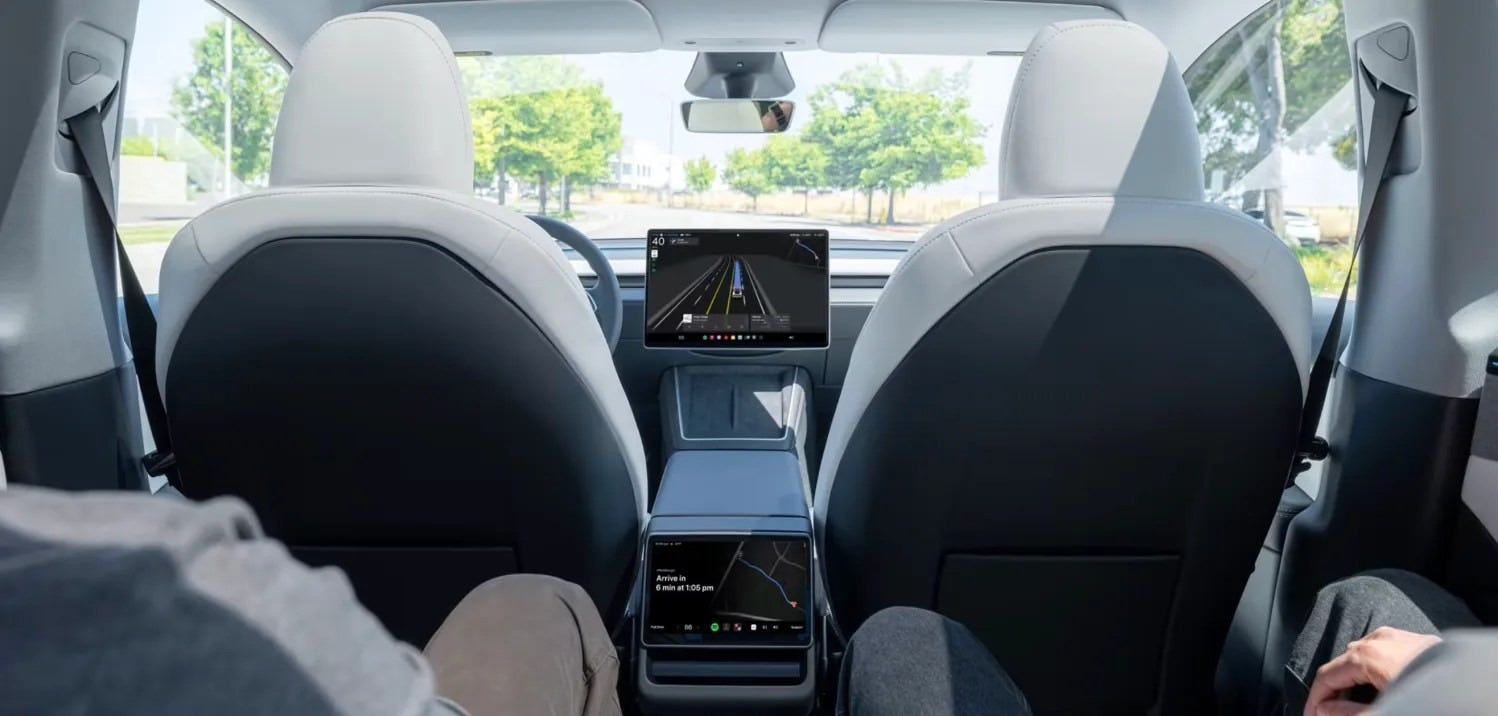
Nevada has cleared Tesla, Waymo, and Uber to grow their Las Vegas robotaxi fleets into the thousands, with the Nevada Transportation Authority unanimously approving permits for up to 5,000 Tesla vehicles and 1,000 apiece for Waymo and Uber, on top of the 100 Zoox already runs in the city. Combined, the four companies could run more than 7,000 robotaxis in Clark County within the next 12 months. Uber’s allocation will run through its AV partners rather than vehicles of its own.
The approval lands just three days after Nevada capped a separate Tesla operating permit at only 10 vehicles, restricted to a narrow Strip geofence with a 45 mph speed limit. Tesla’s own chief engineer said the company would “be extremely happy” reaching half that number, about 2,500 vehicles, within a year.
Local taxi and livery operators opposed the permits at the hearing, warning that four companies’ robotaxis competing for the same downtown and Strip corridors risks overcrowding roads already dense with Uber’s own human drivers.
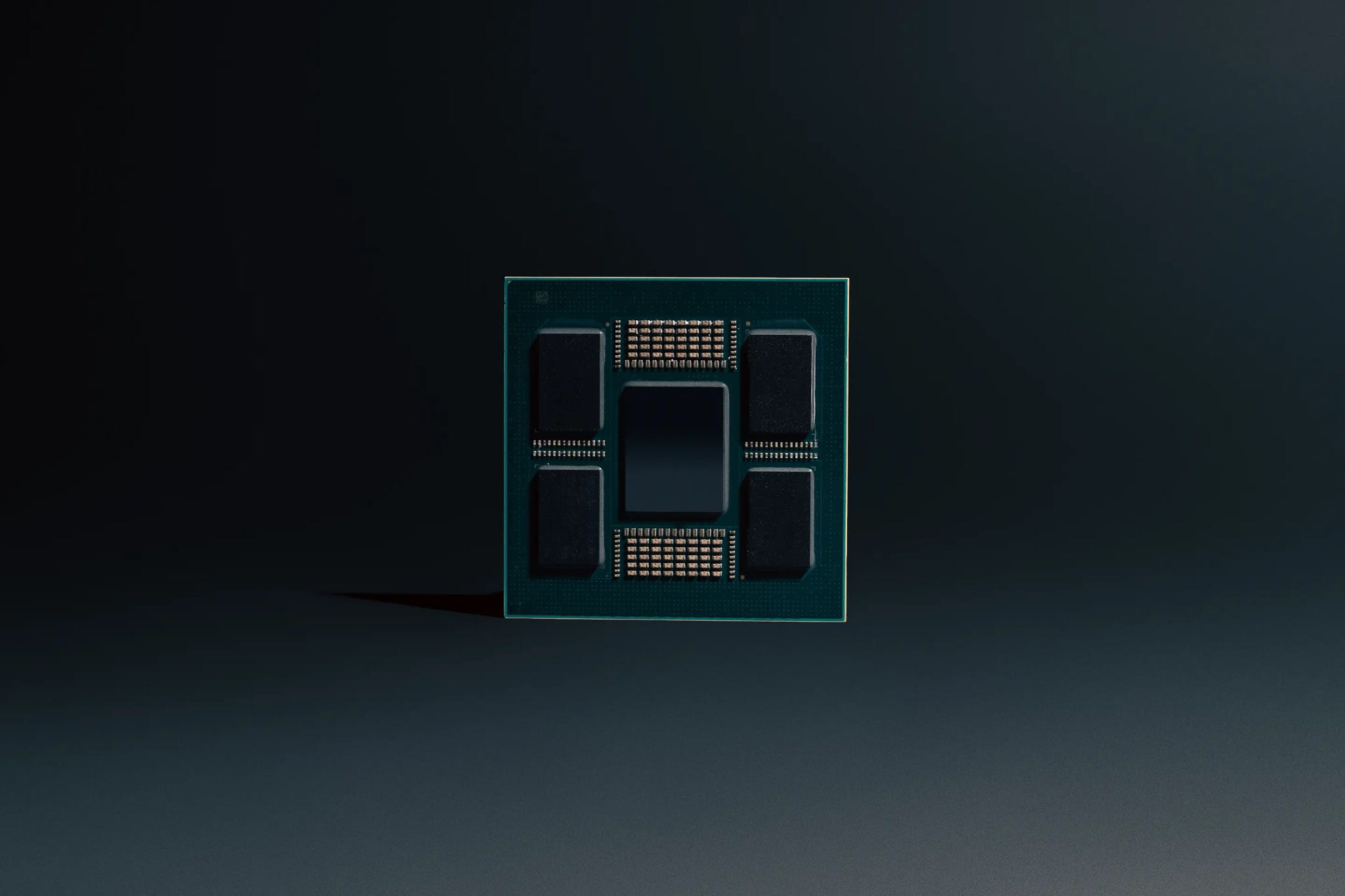
Waymo has revealed the custom chip and compute system that powers its robotaxis for the first time, a purpose-built 5-nanometer chip delivering more than 1,000 TOPS of processing power, putting it in the same performance class as Nvidia’s automotive-grade Drive AGX Thor. The chip pre-processes raw sensor data from the Ojai’s 13 cameras before it reaches the vehicle’s main computer.
The company says total compute power has grown twentyfold over eight years, informed by more than 200 million fully autonomous miles, and named its silicon partners publicly for the first time: AMD, Micron, Nvidia, Samsung, SanDisk, Socionext, and TSMC. Waymo built the system around three goals, fast enough for millisecond driving decisions, ruggedized against vibration and extreme temperatures, and redundant enough that a second independent compute path can take over if the first one fails, so particularly of note is the new Driver’s “pixels-to-actuation” latency.
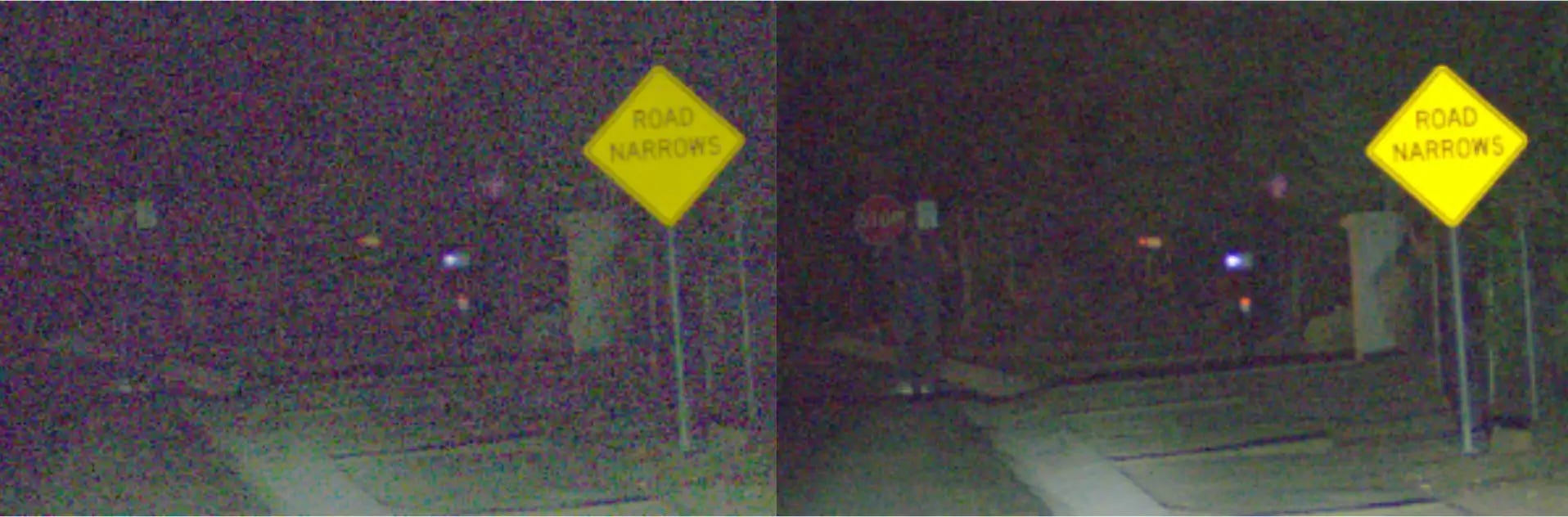
Lowered latency combined with increased low-light perception results in even more superhuman performance. Did you see the person holding the stop sign in the left image above?

Tesla has confirmed its Cybercab robotaxi will launch on September 3 in Austin, with an invite-only event promising guests “exclusive access” to the steering-wheel-free, two-seat vehicle.
The date follows weeks of Tesla quietly shifting its existing Model Y robotaxi fleet in Austin to fully unsupervised operation, with no safety driver or remote monitor riding along, as the company builds toward the September event.
Waymo has ramped up its lobbying spending as its rivalry with Uber intensifies, outspending Uber more than two-to-one on New York state lobbying alone this year, more than $500,000 so far, while also leading spending in Washington, D.C.
The two companies are fighting over deployment models as much as market share. Waymo is pushing regulators toward straightforward autonomous rollouts, while Uber has proposed “hybrid network” rules that would require human drivers for at least 85% of rides during any pilot program. In New York, where Governor Hochul walked back a statewide AV proposal earlier this year, Waymo has also offered a $20 million fund to support taxi drivers affected by the rollout. The question now is how much money will appease people whose livelihoods are being threatened.
Imperial College London researchers have built an AI system that can explain its own collision-warning decisions in plain language, using vision-language models fine-tuned on real crash and near-miss footage.
The approach fine-tunes a vision-language model on pre-collision and normal driving video, then distills what it learns into a smaller, faster model a car’s onboard computer could realistically run. The distilled model cuts inference latency by more than half while giving up less than 5% of accuracy. Most commercial collision-prediction systems output a probability rather than a reason, which makes them hard to trust, debug, or explain to a regulator after a crash. A crash reasoning system could significantly help blame assignment for insurance claims.
Aurora had its town hall recently. I’m including a link to the produced video below, but I watched it and read through the transcript, and a few things stood out to me.
Aurora has reiterated its target of at least 200 trucks running commercially driverless by year end, said demand is outpacing what it can supply this year, and is shifting from proving the technology to scaling it.
Urmson told investors, twice, that Aurora is “the only company running driverless trucks on the road today.” But Bot Auto has already delivered a fully driverless load of its own, hauling 230 miles from Houston to Dallas back in April without a safety driver, an in-cab observer, or remote assist. That being said, Bot Auto’s own release describes it as a single test, so Aurora’s larger point, that it’s the only company running driverless trucks at scale, is still true even though it’s not technically “the only company” to have done so at all.
Urmson also addressed why Uber and some of Aurora’s earliest investors have been selling down their stakes. Uber, he said, “is not a holding company” and needs the capital to fund “a somewhat fragmented approach to ensuring there are AV robotaxi players out in the market,” since “robotaxi is just not our business today” for Uber. He also pointed to a SEC technicality tied to Aurora’s SPAC listing that’s forcing some early VCs to sell shares on the open market instead of transferring them directly.
On safety, Urmson described a process Aurora calls STAR, where any mismatch between what the simulator predicts and what real-world track testing shows triggers an engineering review before that scenario counts as validated. Would have loved to see some more recent examples of this system working in practice. I’m sure Aurora has a treasure trove of Dumb Things Humans Do in its archives.
Aurora’s trucks are trucks, and so of course they can’t connect an air hose, or clear a DOT inspection on their own. Humans handle all of those procedures for now. A command center does monitor weather conditions in real time and reroutes trucks around storms before they hit, and since the truck has no hours-of-service clock, it can just wait a storm out instead of pushing through the way a human driver might feel pressure to. Really clever, although I’m sure Aurora would love to automate depot procedures sooner rather than later.
An investor asked directly where PACCAR stands on developing its own autonomous trucks, the same partner I wrote about before, whose request that Aurora pull safety drivers back into previously driverless runs pushed Aurora to build its next generation of trucks on International Motors chassis instead. Urmson called PACCAR “incredible” and “famously tight-lipped about time lines,” and said Aurora is working toward installing its “third generation of hardware” with them. He didn’t mention the incident. Later, Maday brought up International again too, but only as a supply line alongside PACCAR and Volvo. Asked directly and asked indirectly, Aurora avoided the story both times, so the question is, will Aurora continue to build its third generation driver on PACCAR hardware?
Aurora holds its next Analyst and Investor Day on September 23.
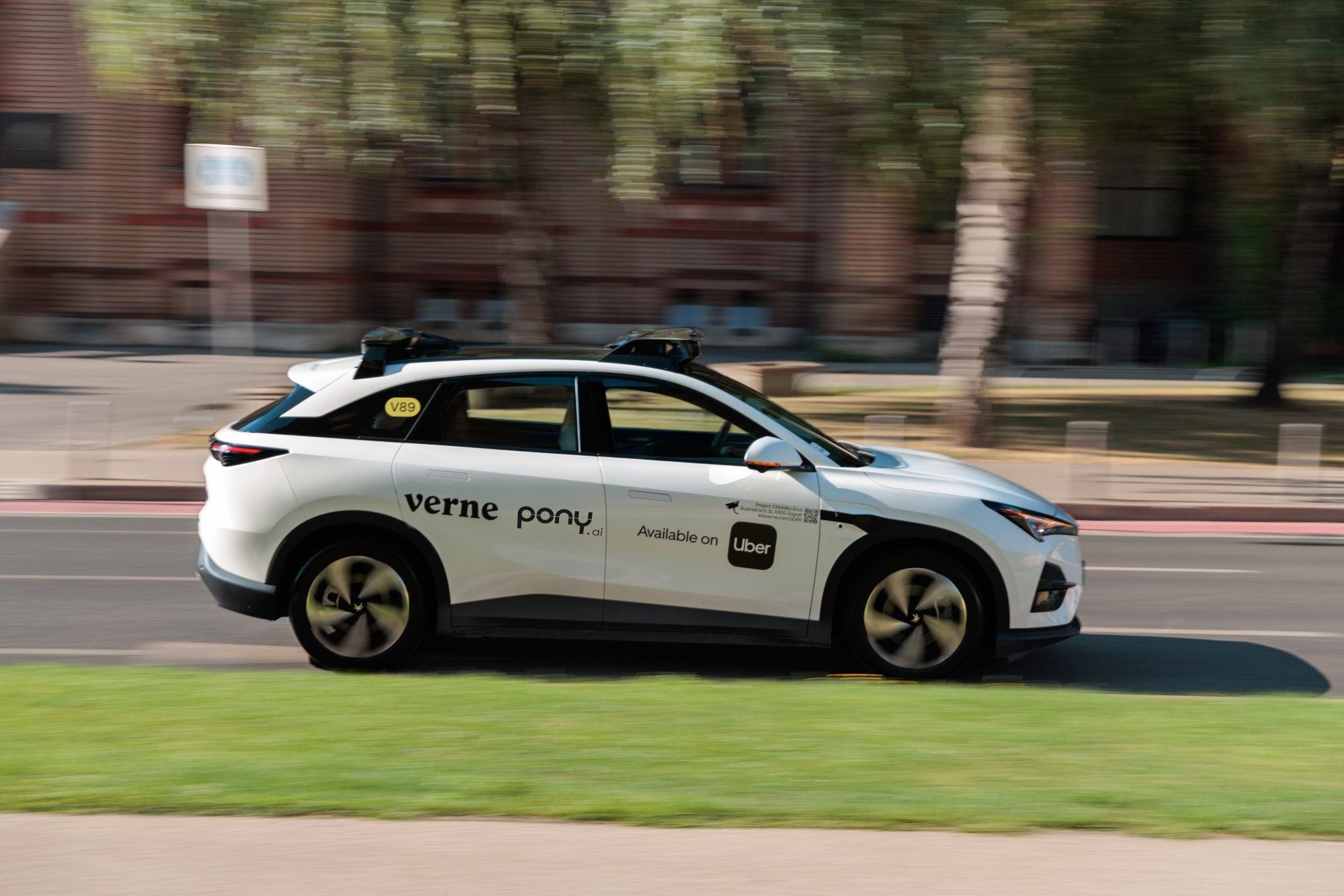
Uber has launched its first autonomous rides in Europe, live now in Zagreb, through a partnership with Pony.ai’s self-driving technology and local operator Verne, with a licensed safety driver still on board for now. You might remember when I wrote about it last week. Now it’s official.
The launch is already paying off for Pony.ai, after its earnings last week. The company’s robotaxi revenue jumped 691% year over year last quarter, driven largely by Uber’s commitment to more than 2,000 vehicles across five European cities, a deal that makes Pony.ai Uber’s largest autonomous driving partner on the continent. Verne, which first launched robotaxis in Zagreb in April, expects to name additional European markets before the end of the year.
London’s black cab drivers are discussing tactics to disrupt robotaxis on the road, from boxing vehicles into traffic to steering them into box junctions to draw fines. This is reminiscent of what US taxi drivers tried when Waymo first launched, and well… let’s just say that didn’t really work out and did not in fact help the cab drivers’ case.
One driver reportedly floated lodging an insurance claim after a minor collision and asserting the robotaxi was at fault, exploiting the murkiness of assigning blame when one party is software. Waymo and Wayve both say they’ve seen no evidence of organized tactics so far, though a June survey found 42% of Londoners opposed to autonomous vehicles altogether, as both companies prepare to launch supervised rides in the city.
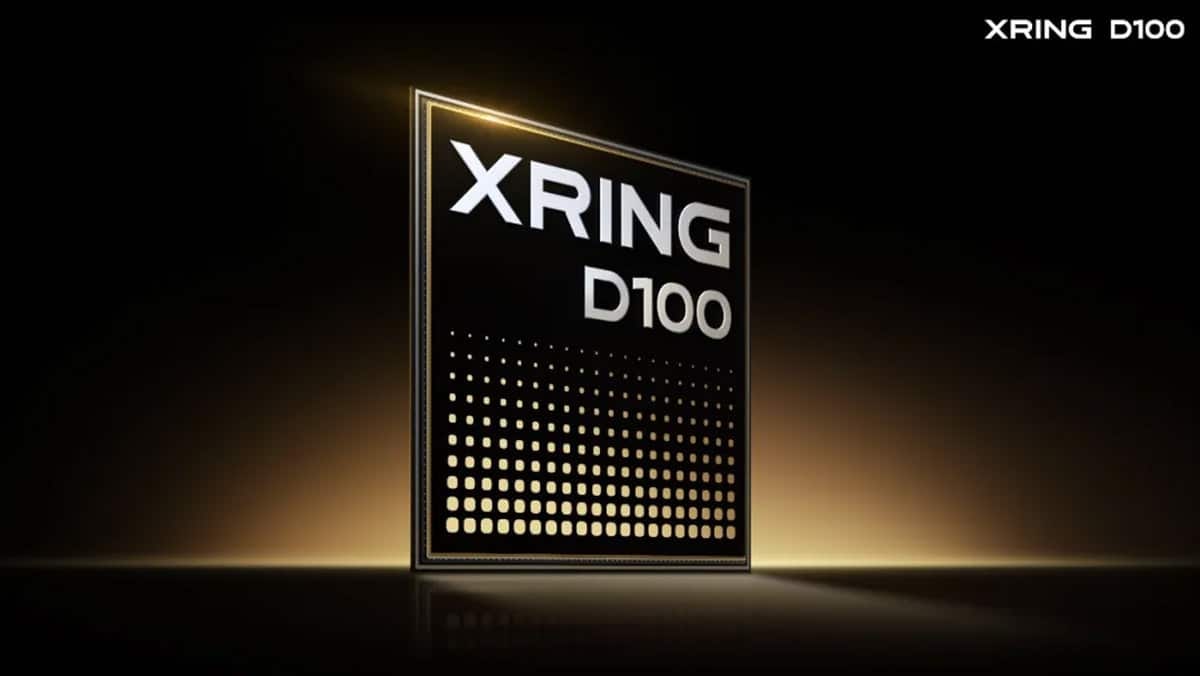
Waymo isn’t the only one designing new chips. Xiaomi has unveiled its first in-house smart-driving chip, a 3-nanometer processor the company calls China’s most powerful of its kind, built to cut its reliance on Nvidia’s Thor and Orin chips in its electric vehicles.
The D100 packs a 20-core CPU and 16-core neural processing unit, supports up to 160GB of unified memory, and can run large language models with as many as 200 billion parameters directly on the chip. Xiaomi says it’s completed validation and is targeting commercial deployment in 2027.
But that’s not the only chip Xiaomi’s made. As part of this new chip series, Xiaomi has also unveiled the Xring O3, a 3-nanometer flagship mobile processor debuting in the Xiaomi 18 Fold and Pad 9 Pro Max this September, and the Xring O100, a memory-stacked AI chip the company says could eventually power phones, cars, and robots. The D100 caps a $3.1 billion investment and a roughly 3,000-person engineering effort, putting Xiaomi alongside Nio, Li Auto, Xpeng, and BYD in the growing club of Chinese automakers building their own silicon.
CVPR 2026, a conference series centered on Computer Vision and Pattern Recognition, happened in June. And while I wasn’t able to personally attend, some videos are starting to get posted online. Of particular note, Tesla’s talk on their progress with their vision based ADS. It’s worth a listen, especially around FSD’s uptake so far. Actual talk starts at 2:37.
Alright, that’s it from me… until next week. If you enjoy this newsletter, share it with your friend, colleague, or boss. Thank you for reading, Sophia out!
No posts
Comments
Nothing yet. Say the first thing.
Sign in to join the conversation.