
Satellite alerts suggest deforestation in the Brazilian Amazon is continuing to fall, putting the country on pace for one of its lowest forest-clearing years in more than a decade. The decline comes as climate scientists warn that a likely strong El Niño could still bring a difficult fire season, even if clear-cutting remains low.
New data from Brazil’s National Institute for Space Research, or INPE, show that its DETER alert system detected 370 square kilometers (143 square miles) of deforestation in the Amazon in May. That was down from 960 square kilometers in May 2025, a decline of about 61%.
 from Aug 1 to May 31 sine 2007. Image by Mongabay")
. Image by Mongabay")
May is an important month in the Amazon deforestation calendar. It often marks the transition toward the drier season, when forest clearing and burning tend to increase across parts of the southern and eastern Amazon. Monthly satellite figures can vary because of cloud cover, timing and the way alerts are processed, but the latest data extend a longer downward trend.
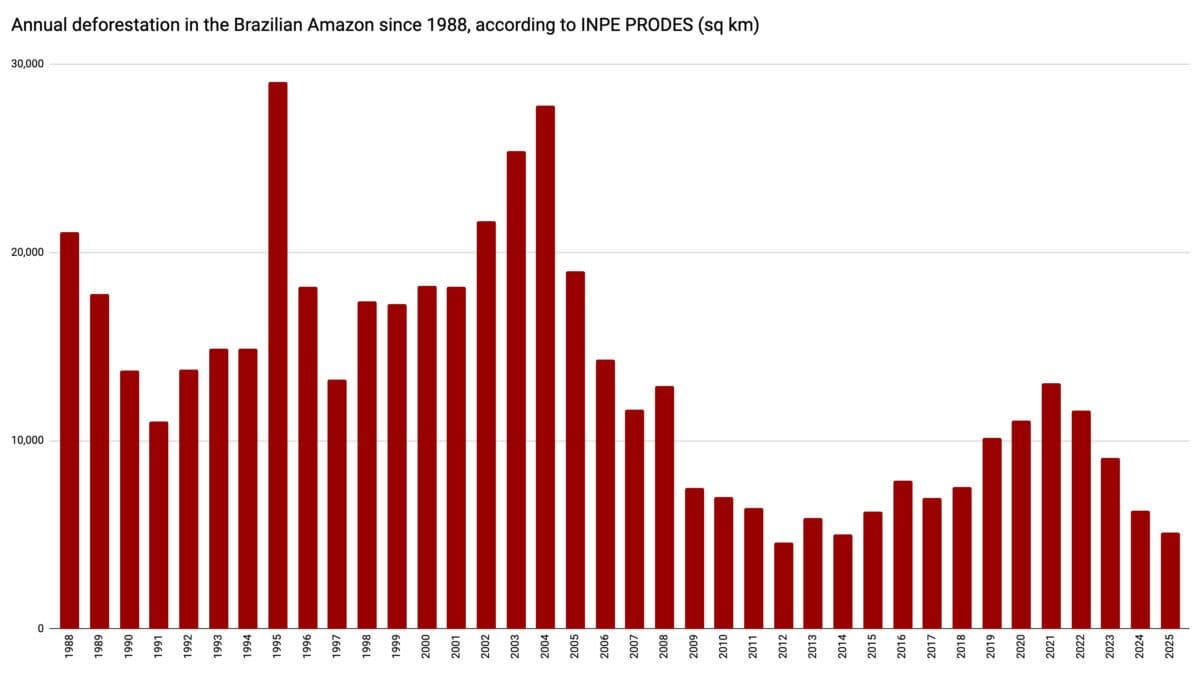
Over the past 12 months, DETER registered 3,182 square kilometers of deforestation in the Brazilian Amazon. That compares with 4,633 square kilometers during the same period a year earlier. The total is the lowest for any 12-month period in the DETER record dating back to July 2014.
DETER is designed as a rapid-response system for enforcement agencies. It uses satellite imagery to identify new forest clearings quickly enough for authorities to investigate and, in some cases, intervene. It differs from PRODES, INPE’s higher-resolution annual system, which produces Brazil’s official deforestation rate for the year ending July 31. Still, DETER is closely watched because it provides one of the clearest early indications of where deforestation is headed.
The latest figures suggest that the decline in forest loss under President Luiz Inácio Lula da Silva’s administration has continued into 2026. Annual PRODES data already showed Amazon deforestation falling in the 12 months ending July 2025, reaching its lowest level in 11 years. The new DETER numbers point to a further decline since then.
Independent monitoring shows a similar pattern. Imazon, a Brazilian nonprofit that operates its own satellite-based deforestation alert system, has also reported lower forest clearing in recent months. Its system, known as SAD, uses different methods from INPE’s, but it often provides a useful comparison with official data.
The numbers matter for Brazil’s climate and conservation agenda. The government has pledged to end illegal deforestation by 2030 and falling deforestation gives Brazil stronger evidence that enforcement, municipal agreements and renewed environmental governance are reducing forest loss after the sharp increases seen earlier in the decade.
The figures also show why clear-cutting is only one measure of Amazon health. Forests can lose carbon, biodiversity and resilience without being fully cleared. Logging, edge effects, understory fires and drought can damage standing forest while leaving enough canopy cover to avoid immediate classification as deforestation. These forms of degradation are harder to detect, harder to police and less visible in public debate. Amazon degradation in 2026 only slightly lower than last year.
 from Aug 1 to May 31 since 2018. Image by Mongabay")
That issue may become more important this year. Climate forecasters are warning of a high likelihood of a strong El Niño, the warming of the central and eastern tropical Pacific that can disrupt rainfall patterns around the world. In parts of the Amazon, El Niño is associated with hotter and drier conditions. The effects vary across the basin, but drought risk can rise sharply in southern and eastern Amazonia, including areas along the arc of deforestation.
El Niño does not usually drive intentional forest clearing on its own. Land clearing in the Brazilian Amazon is tied to land speculation, ranching, agriculture, logging, infrastructure, weak enforcement and political incentives. El Niño affects the forest through a different route: it can make cleared and degraded landscapes more flammable.
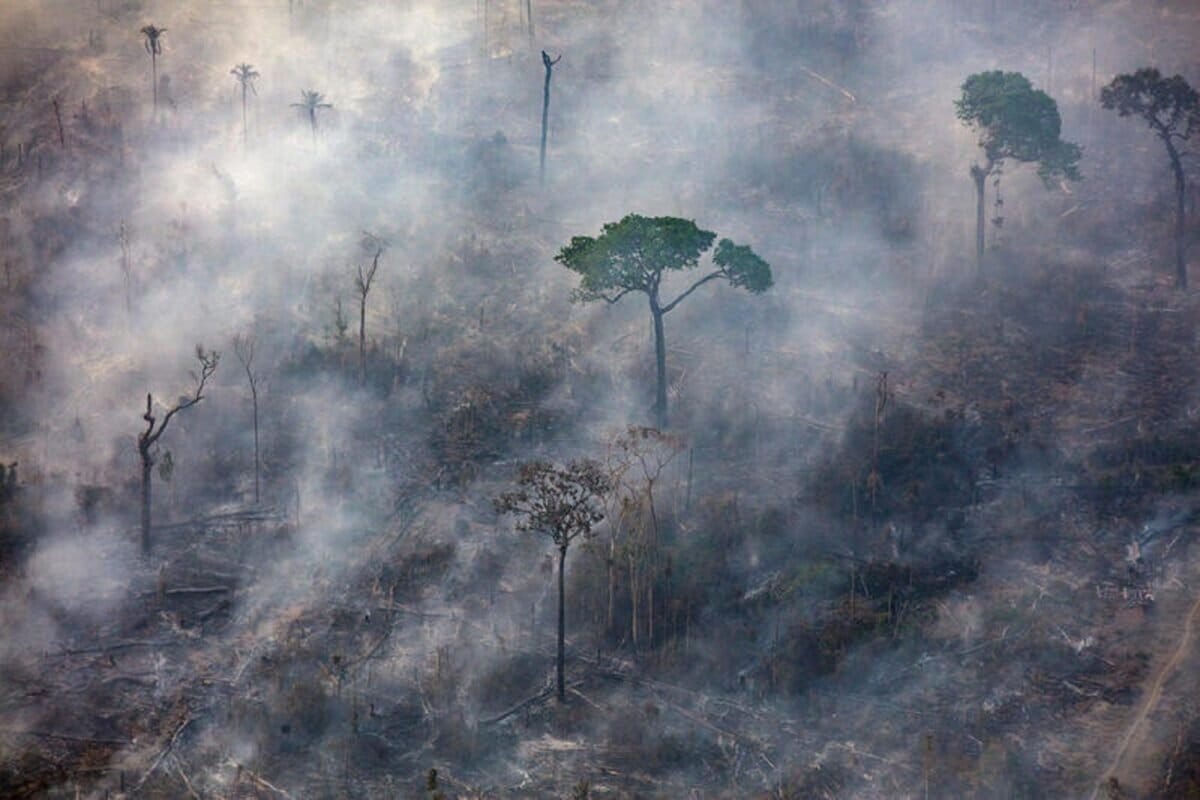
During dry years, fires set to manage pasture, burn cut vegetation or clear land are more likely to escape into surrounding forest. Once inside standing forest, fire can move through the understory, killing trees slowly and opening the canopy. Much of that damage may not appear immediately in deforestation statistics, but it can reduce carbon storage, fragment habitat and make the forest more vulnerable to the next drought.
Recent Amazon fire seasons show the risk. During the 2015-16 El Niño, fires surged in parts of the basin even though deforestation remained far below the levels recorded in the early 2000s. The 2023-24 drought, intensified by El Niño and warm Atlantic conditions, brought extreme river lows, smoke and widespread ecological stress. In such years, fire activity can rise even when annual deforestation rates are falling.
For Brazil, the latest data are encouraging. Lower deforestation means fewer emissions, less habitat loss and less pressure on Indigenous territories, protected areas and public forests. It also reduces one of the drivers weakening the Amazon’s role in recycling moisture and helping sustain rainfall across much of South America.
The dry season will test whether those gains can hold. Keeping deforestation low during an El Niño year will require more than satellite alerts and embargoes after clearing has occurred. It will depend on fire prevention, rapid response, support for local brigades, enforcement against illegal burning and closer monitoring of forest degradation.
If the current DETER trend continues through July, Brazil could move closer to a historic low in Amazon deforestation. The harder task will be keeping more of the remaining forest intact, connected and resistant to fire in a hotter, drier year.
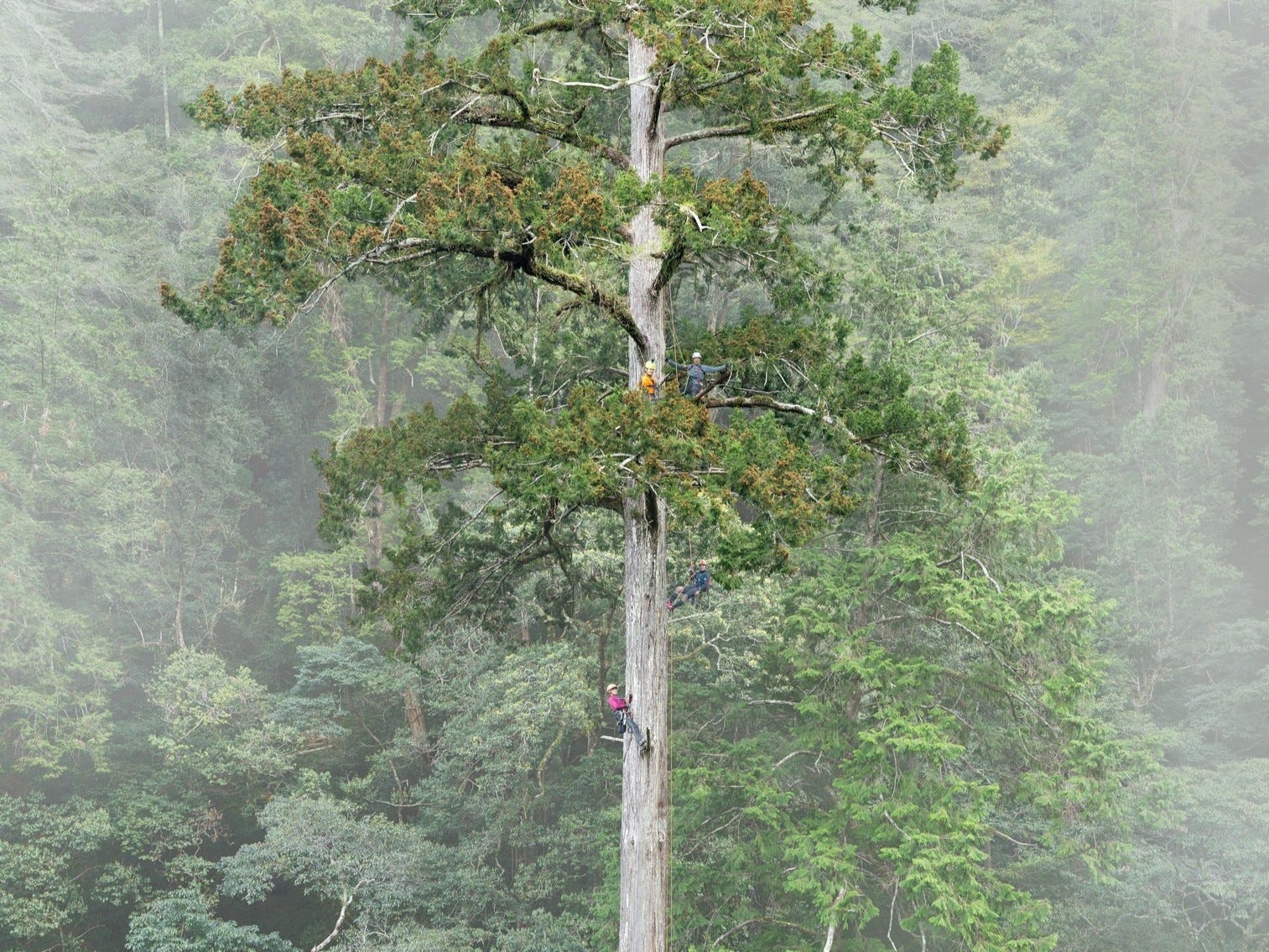
Taiwan’s tallest known tree was found through a mix of fieldwork, remote sensing, and public participation, reports Liz Kimbrough.
The tree, a thousand-year-old Taiwania cryptomerioides in the Sheshan range near the Da’an River, measures 84.1 meters, or 276 feet. Researchers have named it “the heaven sword of the Da’an River.”
The discovery was made by the Taiwan tree seekers, a team of ecologists, geologists, remote-sensing specialists, professional climbers, and Indigenous guides. Since 2014, they have searched Taiwan’s mountains for giant trees, often in terrain that is difficult to reach on foot and therefore escaped logging.
Taiwan is one of the few places where trees can grow this tall. Its mountains, shaped by tropical and subtropical climates, support several giant conifer species. The Rukai people know Taiwania as “the tree that hits the moon.”
The team later used airborne lidar to map the forest canopy and identify possible giants. The technology was useful, although Taiwan’s steep slopes produced many false signals. Nearly 400 volunteers reviewed sliced-up profile images online, helping narrow more than 57,000 candidates to a much smaller list. By late 2022, the Taiwan Giant Tree Map had cataloged 941 confirmed trees taller than 65 meters.
In January 2023, climbers reached the candidate tree and measured it directly with a tape dropped from the crown. The result exceeded the lidar estimate by nearly five meters. The finding sets a record for Taiwan and shows how much remains to be learned about the island’s old-growth forests.
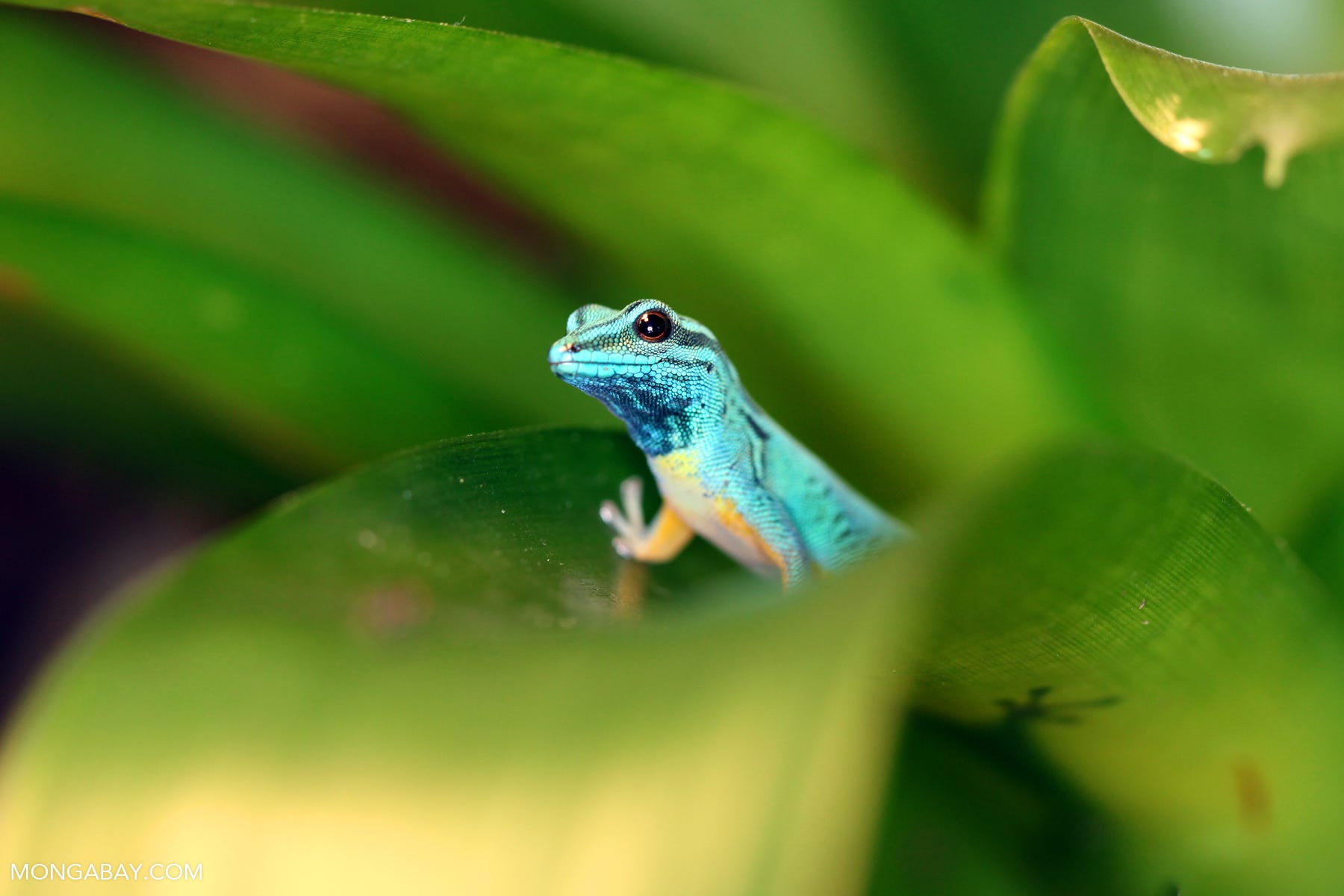
How a tiny blue gecko became a conservation comeback story
Williams electric blue day gecko is a small Tanzanian reptile whose recovery shows what focused conservation can do, reports Manuel Fonseca.
Once heavily collected for Europe’s pet trade, the species is now rebounding because pressure from trade has eased, captive breeding has reduced demand for wild animals, and local people are helping restore the forest it needs.
The gecko lives in only two small forest reserves in central Tanzania, Kimboza and Ruvu, and depends almost entirely on screwpines for shelter, food, basking, and breeding. That dependence made it vulnerable. Collectors cut down screwpines to reach the geckos, and by 2009 researchers estimated that tens of thousands had been taken from the wild. The species was later listed as critically endangered, and international commercial trade was banned under CITES in 2017.
The work on the ground has mattered just as much. In Kimboza, forest ecologist Charles Kilawe and people from surrounding villages have worked with rangers to remove invasive Spanish cedar, which had spread through the reserve and displaced native habitat. Since 2016, they have cut down nearly 100,000 cedar trees, reduced forest fires by around 80%, and planted about 5,000 native trees a year.
Those efforts are helping the gecko’s population return toward earlier levels. They are also improving habitat for other wildlife, including blue monkeys, white-chested alethes, and trumpeter hornbills.
For species with tiny ranges, conservation can be very specific work: keep trade pressure down, restore the right habitat, manage invasive species, and give nearby communities a direct role in protecting what remains.
No posts
Comments
Nothing yet. Say the first thing.
Sign in to join the conversation.